A Path to Health
Posted: June 18, 2015 Filed under: Food and it's Impact on Our Health, Going Green; How and Why..., Non-Toxic Choices | Tags: #BeyondPaleo, #healing, #health, Paleo 1 Comment
1. Eat whole, natural foods. Nothing from cans or boxes.
2. Eat only foods that will spoil, but eat them before they do.
3. Eat naturally-raised meat including fish, seafood, poultry, beef, lamb, game and eggs.
4. Drink filtered water, NOT distilled. A reverse Osmosis water filter is the most cost effective way to get clean water. You can get one that filters your kitchen sink water, or a system for the whole house. If you do not have water filters on your shower heads, then bath with the window or door open, to minimize breathing chlorine.
5. Avoid dairy, grains, flours.
6. Utilize the glycemic index, work off the bottom half.
7. Use only traditional fats and oils including butter and other animal fats, Minimize the use of extra virgin olive oil, expeller expressed sesame and flax oil. Get these delicate, fragile oils in the foods they came in; olives, avocadoes, green leafy vegetables, sesame seeds.
8. Eat lots of fresh fruits and vegetables.
9. Prepare homemade meat stocks from the bones of chicken, beef, lamb or fish and use liberally in soups and sauces.
10. Make demi-glace, use it for depth of flavor and nutrients.
11. Use filtered water for cooking and drinking.
12. Use unrefined Celtic sea salt and a variety of herbs and spices for food interest and appetite stimulation.
13. Make your own salad dressing using raw vinegar, whole foods like carrots, avocadoes, tomatoes, coconut oil.
14. Use natural sweeteners in moderation, such as raw honey, maple syrup, dehydrated cane sugar juice and stevia powder.
15. Use only unpasteurized wine or beer in strict moderation with meals.
16. Cook only in stainless steel, cast iron, glass or good quality enamel.
17. Store food in glass or stainless steel containers, NOT plastic.
18. Use only natural supplements from FOOD sources.
19. Get plenty of sleep, do what it takes to be able to awaken naturally at dawn. Open the windows, get your circadian rhythm going by letting the brain get the light it needs to become awake quickly and effortlessly, looking forward to your day. This becomes normal after the initial detox.
20. Get plenty of exercise, yoga, core body work, walking, dancing, hula hooping, swimming…the more in motion you stay, the better you feel.
21. Get plenty of natural sunlight, for happiness, for Vitamin D.
22. Normal bathing should not require soap. A loofah will do…maybe in strategic spots like under your arms, but use an all-natural soap. I use Dr. Bonners.
23. Sleep on chemical free beddings; a organic wool and cotton futon topped with a feather bed costs less than $500.00 and is heaven to sleep on!! The fire retardant chemicals in a normal mattress is 100 times more carcinogenic than nicotine and contributes to lowered sperm count, infertility and interferes with normal hormone production.
24. Use 100% natural fibers to wear and to sleep on.
25. Think positive thoughts and minimize stress.
26. Practice forgiveness.
27. Choose peace, and happiness in every moment.
Millie’s One a Day
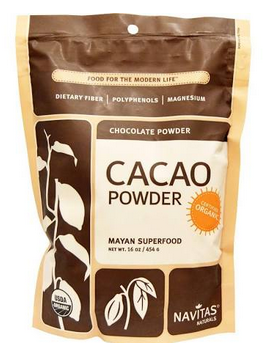
Posted: June 18, 2015 Filed under: Food and it's Impact on Our Health, Non-Toxic Choices | Tags: #antidepressant, #antioxidants, #Chocolate, #Healthy, #paleodessert, Paleo Leave a commentEat More Chocolate! Make it organic, raw, dark and from sustainable sources that are Free Trade!
New research has found that devoted consumers of chocolate — including some who consume the equivalent of about two standard candy bars a day — are 11% less likely than those who eat little to no chocolate to have heart attacks and strokes, and 25% less likely to die of cardiovascular disease.
Chocolate is rich in antioxidants, is a powerful euphoric and is a great antidepressant.
Here are my favorites;
 My Fave!
Lulu’s Soy Free, organic, Fair Trade, low glycemic, dark…and awesome! Available locally at Grassroots Market in 5 Points.


Why You Should NOT be Using Hand Sanitizers
Posted: June 12, 2015 Filed under: Non-Toxic Choices | Tags: #healthy living, #non-toxic cleaning Leave a comment
34 years ago I had a month long bout with antibiotic resistant pneumonia. Had I not finally began responding to the IV super antibiotics they gave me I would have died. Not long after that I gave up dairy, wheat and soy…haven;t had an infection since. BUT it could happen to you, please minimize your use of antibiotics unless YOUR LIFE IS AT RISK! We do not need to be germ free, we build an immune system through exposure to a germ filled environment. Children nowadays have compromised immune system, in part because most are malnourished, and because we keep them so darn clean!
The concern about superbugs centers around a chemical ingredient found in many antibacterial products called triclosan. Triclosan is not found in most hand sanitizers, but it is found in many antibacterial hand soaps and cleansers.
Recent studies have found that the chemical may alter the way hormones work in the body, according to the Federal Drug Administration, and may also contribute to “bacterial resistance to antibiotics” or superbugs. Triclosan is not considered an essential ingredient for many products and its use is currently under review by the FDA and the Environmental Protection Agency.
Soap and water is generally the best option – It’s best to wash hands with soap and water when you can, according to the CDC. Studies show that soap and water are more effective than sanitizers at removing certain types of germs, including norovirus, the highly contagious virus often called the “stomach flu.”
Braised Eggplant with Garlic and Basil
Posted: May 27, 2015 Filed under: Non-Toxic Choices, Recipes | Tags: #soy-free, gluten-free, Paleo Leave a comment
From 
This IS one of the easiest eggplant dishes I’ve made. A delightful technique to keep the eggplant tender yet not mushy. Very flavorful!
I’ve made it lactose, gluten and soy free.
Serving Size : 4
1/4 cup coconut aminos — or Tamari
1 teaspoon honey
1/2 teaspoon Siracha
2 teaspoon arrowroot
1/2 teaspoon toasted sesame oil
4 tablespoons butter
1 large eggplant — sliced into 1-inch squares
2 medium cloves garlic — minced (about 2 teaspoons)
1/4 teaspoon salt
1/4 cup fresh basil leaves
1) Combine 1 1/2 cups water, coconut aminos, honey, and chili bean sauce in a small bowl and stir. Combine 1/4 cup water and the arrowroot in a separate bowl.
2) Heat the butter over a medium-high heat in a large fry pan or Dutch oven until shimmering. Add the garlic and eggplant and sprinkle with the salt. Cook, stirring occasionally, until lightly softened and fragrant, about 4 to 5 minutes.
3) Stir in the water, coconut aminos, honey and chili bean sauce mixture. Bring to a boil. Reduce heat to a gentle but consistent simmer and cook, uncovered, stirring or flipping eggplant occasionally, for until eggplant slices are tender and liquid has reduced by about half, about 15 minutes.
4) Stir the arrowroot and water mixture in its bowl to loosen it up. Stir it into the pan with the eggplant and allow it to thicken. Taste for seasoning, adding any extra salt, aminos, chili sauce, or honey as desired. Remove from heat and stir in the whole basil leaves. Serve immediately.
UN Report Says Small-Scale Organic Farming Only Way to Feed the World
Posted: May 3, 2015 Filed under: Gardening, Non-Toxic Choices Leave a commentFrom – TECHNOLOGYWATER

Image: eatdrinkbetter.com
Even as the United States government continues to push for the use of more chemically-intensive and corporate-dominated farming methods such as GMOs and monoculture-based crops, the United Nations is once against sounding the alarm about the urgent need to return to (and develop) a more sustainable, natural and organic system.
That was the key point of a new publication from the UN Commission on Trade and Development (UNCTAD) titled“Trade and Environment Review 2013: Wake Up Before It’s Too Late,” which included contributions from more than 60 experts around the world.
The cover of the report looks like that of a blockbuster documentary or Hollywood movie, and the dramatic nature of the title cannot be understated: The time is now to switch back to our natural farming roots.
The New UN Farming Report “Wake Up Before It’s Too Late.”
The New UN Farming Report “Wake Up Before It’s Too Late.” Click here to read it.
The findings on the report seem to echo those of a December 2010 UN Report in many ways, one that essentially said organic and small-scale farming is the answer for “feeding the world,” not GMOs and monocultures.
According to the new UN report, major changes are needed in our food, agriculture and trade systems, with a shift toward local small-scale farmers and food systems recommended.
Diversity of farms, reducing the use of fertilizer and other changes are desperately needed according to the report, which was highlighted in this article from the Institute for Agriculture and Trade Policy.
It also said that global trade rules should be reformed in order to work toward these ends, which is unfortunately the opposite of what mega-trade deals like the proposed Trans Pacific Partnership (TPP) and the U.S.-EU Trade and Investment Partnership (TTIP) are seeking to accomplish.
The Institute noted that these pending deals are “primarily designed to strengthen the hold of multinational corporate and financial firms on the global economy…” rather than the reflect the urgent need for a shift in agriculture described in the new report.
Even global security may be at stake according to the report, as food prices (and food price speculating) continue to rise.
“This implies a rapid and significant shift from conventional, monoculture-based and high-external-input-dependent industrial production toward mosaics of sustainable, regenerative production systems that also considerably improve the productivity of small-scale farmers,” the report concludes.
ou can read more about the report from the Institute by visiting their website here.
New York Attorney General Targets Supplements at Major Retailers
Posted: February 3, 2015 Filed under: Non-Toxic Choices Leave a comment
The authorities said they had conducted tests on top-selling store brands of herbal supplements at four national retailers — GNC, Target, Walgreens and Wal-Mart — and found that four out of five of the products did not contain any of the herbs on their labels.
The New York State attorney general’s office accused four major retailers on Monday of selling fraudulent and potentially dangerous herbal supplements and demanded that they remove the products from their shelves.
The authorities said they had conducted tests on top-selling store brands of herbal supplements at four national retailers — GNC, Target, Walgreens and Walmart — and found that four out of five of the products did not contain any of the herbs on their labels. The tests showed that pills labeled medicinal herbs often contained little more than cheap fillers like powdered rice, asparagus and houseplants, and in some cases substances that could be dangerous to those with allergies.
The investigation came as a welcome surprise to health experts who have long complained about the quality and safety of dietary supplements, which are exempt from the strict regulatory oversight applied to prescription drugs.
The Food and Drug Administration has targeted individual supplements found to contain dangerous ingredients. But the announcement Monday was the first time that a law enforcement agency had threatened the biggest retail and drugstore chains with legal action for selling what it said were deliberately misleading herbal products.
Among the attorney general’s findings was a popular store brand of ginseng pills at Walgreens, promoted for “physical endurance and vitality,” that contained only powdered garlic and rice. At Walmart, the authorities found that its ginkgo biloba, a Chinese plant promoted as a memory enhancer, contained little more than powdered radish, houseplants and wheat — despite a claim on the label that the product was wheat- and gluten-free.
Three out of six herbal products at Target — ginkgo biloba, St. John’s wort and valerian root, a sleep aid — tested negative for the herbs on their labels. But they did contain powdered rice, beans, peas and wild carrots. And at GNC, the agency said, it found pills with unlisted ingredients used as fillers, like powdered legumes, the class of plants that includes peanuts and soybeans, a hazard for people with allergies.
The attorney general sent the four retailers cease-and-desist letters on Monday and demanded that they explain what procedures they use to verify the ingredients in their supplements.
DOCUMENT
NOTES
Zoom


“Mislabeling, contamination and false advertising are illegal,” said Eric T. Schneiderman, the state attorney general. “They also pose unacceptable risks to New York families — especially those with allergies to hidden ingredients.”
The attorney general’s investigation was prompted by an article in the New York Times in 2013 that raised questions about widespread labeling fraud in the supplement industry. The article referred to research at the University of Guelph in Canada that found that as many as a third of herbal supplements tested did not contain the plants listed on their labels — only cheap fillers instead.
Industry representatives have argued that any problems are caused by a handful of companies on the fringe of the industry. But New York’s investigation specifically targeted store brands at the nation’s drugstore and retail giants, which suggests that the problems are widespread.
“If this data is accurate, then it is an unbelievably devastating indictment of the industry,” said Dr. Pieter Cohen, an assistant professor at Harvard Medical School and an expert on supplement safety. “We’re talking about products at mainstream retailers like Walmart and Walgreens that are expected to be the absolute highest quality.”

A Target in East Harlem. It and three other retailers — GNC, Walgreens and Walmart — were accused of selling fraudulent supplements.Credit Yana Paskova for The New York Times
In response to the findings, Walgreens said it would remove the products from its shelves nationwide, even though only New York State had demanded it. Walmart said it would reach out to the suppliers of its supplements “and take appropriate action.”
A spokeswoman for GNC said that the company would cooperate with the attorney general “in all appropriate ways,” but that it stood behind the quality and purity of its store brand supplements. The company said it tested all of its products “using validated and widely used testing methods.”
Target did not respond to requests for comment.
The F.D.A. requires that companies verify that every supplement they manufacture is safe and accurately labeled. But the system essentially operates on the honor code.
Under a 1994 federal law, supplements are exempt from the F.D.A.’s strict approval process for prescription drugs, which requires reviews of a product’s safety and effectiveness before it goes to market.
The law’s sponsor and chief architect, Senator Orrin G. Hatch, Republican of Utah, is a steadfast supporter of supplements. He has accepted hundreds of thousands of dollars in campaign contributions from the industry and repeatedly intervened in Washington to quash proposed legislation that would toughen the rules.
Mr. Hatch led a successful fight against a proposed amendment in 2012 that would have required supplement makers to register their products with the F.D.A. and provide details about their ingredients. Speaking on the floor of the Senate at the time, Mr. Hatch said the amendment was based on “a misguided presumption that the current regulatory framework for dietary supplements is flawed.”
Critics say it is all too easy for dangerous supplements to reach the market because they are not subject to a review or approval process. Under current law, supplements are assumed to be safe until the authorities can prove otherwise. And in general, they are pulled from shelves only after serious injuries occur — which is not uncommon.
In 2013, for example, an outbreak of hepatitis that struck at least 72 people in 16 states was traced to a tainted supplement. Three people required liver transplants, and one woman died.
It is not only consumers. Hospitals have been affected, too. In December, an infant at a Connecticut hospital died when doctors gave the child a popular probiotic supplement that was later found to be contaminated with yeast. After the child’s death, the F.D.A. issued a warning to the public that reiterated its limited control over supplements.
“These products are not subject to F.D.A.’s premarket review or approval requirements for safety and effectiveness,” the F.D.A. stated, “nor to the agency’s rigorous manufacturing and testing standards for drugs.”
As part of its investigation, the attorney general’s office bought 78 bottles of the leading brands of herbal supplements from a dozen Walmart, Target, Walgreens and GNC locations across New York State. Then the agency analyzed the products using DNA bar coding, a type of genetic fingerprinting that the agency has used to root out labeling fraud in the seafood industry.
The technology allows scientists to identify plants and animals by looking for short sequences of DNA unique to each organism, which can then be quickly analyzed — much like the bar codes on grocery items — and compared with others in an electronic database. The technology can single out which plants a supplement contains by identifying its unique DNA.
Dr. Cohen at Harvard said that the attorney general’s test results were so extreme that he found them hard to accept. He said it was possible that the tests had failed to detect some plants even when they were present because the manufacturing process had destroyed their DNA.
But that does not explain why the tests found so many supplements with no DNA from the herbs on their labels but plenty of DNA from unlisted ingredients, said Marty Mack, an executive deputy attorney general in New York. “The absence of DNA does not explain the high percentage of contaminants found in these products,” he said. “The burden is now with the industry to prove what is in these supplements.”
More Uses of Bacon Fat
Posted: December 7, 2014 Filed under: In The Kitchen with Millie- How To's, Non-Toxic Choices, Recipes Leave a commentRemember that it is ONLY SAFE to use Bacon Fat (and all other animal fat) it is from ORGANIC sources! Otherwise throw that toxic stuff out!!
1) Baconnaise

mariamindbodyhealth.com This one almost seems too obvious. Recipe here.
2) Warm Brussels Sprout Slaw With Bacon

Lucy Schaefer / foodandwine.com
Sautéing shredded Brussels sprouts in a mixture of butter and bacon faster is much faster than roasting them whole. Recipe here.
3) Kale and Brussels Sprouts Salad with Hot Bacon Vinaigrette

You don’t like salads? Here’s one to change your mind. Recipe here. Just use bacon fat instead of the olive oil.
4) Spinach Salad with Bacon Dressing
The only difference in mine and her r3cipe is I use mushrooms in my salad in addition to this recipe.

Pic and Recipe by The Pioneer Woman. Recipe HERE
5) Bacon Coleslaw Stir-Fry

therealfoodguide.com Recipe here.
6) Chipotle Bacon Barbecue Sauce

grillingcompanion.com Squeeze on everything. Recipe here.
Scientists Reviewed 343 Studies to see if Organic Food is Better for you. Here’s what they Found Out
Posted: November 19, 2014 Filed under: Food and it's Impact on Our Health, Non-Toxic Choices Leave a commentAUGUST 20, 2014 / 36864 VIEWS

This settles the debate over organic foods.
Are organic foods really healthier than non-organic foods? Researchers from Newcastle University in England have reviewed and conducted meta-analysis on 343 peer-reviewed scientific studies in an effort to find out if organic foods contained greater nutritional value than conventional foods. The results will probably shock some, but will confirm what many people already knew; organic foods are indeed much healthier for human consumption than ‘conventional’ foods. Image credit: USDA
The study looked at existing research that had been conducted on the differences between organic and conventional foods, finding that there were some significant variations in the nutritional value between the two.
“We carried out meta-analyses based on 343 peer-reviewed publications that indicate statistically significant and meaningful differences in composition between organic and non-organic crops/crop-based foods”
The most important difference that researchers found was that organic foods contain a much higher amount of antioxidants than conventional crops. Antioxidants prevent oxidation in the body which combats certain diseases and cancers. An Environmental Working Group press release noted that:
“consumers who switch to organic fruits, vegetables, and cereals would get 20 to 40 percent more antioxidants. That’s the equivalent of about two extra portions of fruit and vegetables a day, with no increase in caloric intake.”
Shoppers often argue that organic foods are too pricey to purchase for an everyday diet. Well, if they contain more nutrition per serving, then the body would require less servings per meal. Logic indicates that by comparing price based on nutritional value rather than amount, shoppers can spend about the same if not less with organics.
Now the downside of eating organic foods is they contain less pesticides. Oh wait…thats right, pesticides are extremely harmful to the body! Researchers found that conventionally grown foods are three to four times more likely to contain pesticide residues. The study indicated that:
“While crops harvested from organically managed fields sometimes contain pesticide residues, the levels are usually 10-fold to 100-fold lower in organic food”
Researchers also found lower levels of the harmful heavy metal cadmium and lower levels of nitrogen, both of which are dangerous to human health. Cadmium, which is also present in cigarette smoke, can cause damage to the liver, kidneys, and other bodily functions and organs. Researchers were unable to explain why there were lower levels of these toxic compounds in organic food, but it’s been speculated that the use of glyphosate (Roundup) based pesticides may induce heavy metal uptake in ‘conventional’ crops as it does in other organisms.
Based on the research, the choice between organic foods and conventionally grown foods is a no-brainer. Organic foods are hands down a more nutritious and health promoting option. So, whether you’re deciding to plant a garden or shop for groceries, remember the important benefits of eating organic foods.
Related: No, Monsanto isn’t Solving World Hunger. Not Even Close.
Not only is organic food better for your health, according to the largest study of its kind from Washington State University, it’s also better for the environment:
References:
ncbi.nlm.nih.gov/pubmed/24968103
ncbi.nlm.nih.gov/pubmed/15878796
ncbi.nlm.nih.gov/pmc/articles/PMC3945589/
Credits: Post courtesy of our friends over at LiveFreeLiveNatural
Consumer Reports Finds Hidden GMOs in Common Foods
Posted: October 20, 2014 Filed under: Food and it's Impact on Our Health, Non-Toxic Choices Leave a commentFrom ChrisBeatCancer

The vast majority of corn and soy grown in the U.S. (>90% ) is genetically modified, therefore any food containing corn or soy that is not labeled “organic” or “non-GMO” is likely to contain GMO corn or soy.
Yes this includes those corn chips at your favorite Mexican restaurant.
Consumer Reports recently tested over 80 different processed foods with corn or soy ingredients to see if they contain GMOs i.e. Genetically Engineered (GE) DNA. This included popular breakfast cereals, bars, corn chips, corn tortillas, baking mixes and flours, meat substitutes, soy “dairy” products, and tofu/tempeh products.
They purchased and tested conventional products (with no label claims), organic products (which are not permitted to contain GE ingredients) as well as products with a Non-GMO Project Verified Label (which should contain no more than 0.9% GMO ingredients and have verification testing), and products with a “natural” label (which are not required to be Non-GMO despite the fact that many consumers think and believe they should).
The test results
Almost all of the samples of conventional products tested contained GE corn and/or soy and the majority of the corn and or soy DNA in most of these samples was GE. This included popular brands in all categories, except soy dairy and tofu where they did not encounter any conventional products.
Products that had either an “organic” label or a “Non-GMO Project Verified” seal had negligible levels of GE corn or soy (0.9% or less) in samples. Since these labels have third party verification, they are the most reliable and consumers looking to avoid GMO ingredients should look for products with these labels.
The majority of samples of products that came from a manufacturer that made a “non-GMO” claim but was not certified by an independent third party also contained minimal amounts of GE corn or soy (0.9% or less).
Virtually all samples of products with a “natural” label (in the absence of an organic or non- GMO claim) had comparable levels of GE corn or soy as their conventional (or unlabeled) counterparts. According to a recent national poll conducted by Consumer Reports the majority of Americans expect products with a natural label to not contain GMO ingredients. Consumers who want to avoid GMO ingredients should avoid products labeled “natural”. This label is meaningless and misleading consumers. Consumer Reports is asking the government to ban its use on food.
Samples of soy based infant formulas contained mostly GMO soy unless they carried the organic and Non-GMO label, in which case GMO content was minimal. Consumers looking for soy formula without GMO ingredients should look for USDA Organic or Non-GMO Project Verified seals.
Of the 80 products tested, here are the ones found to contain GMO corn or soy
GMO Snack Bars
Kellogg’s – Special K Protein Chocolatey Peanut Butter Granola Snack Bar
Nature Valley – Crunchy Oats ‘N Honey Granola Bars
Nature Valley – Protein Peanut Butter Dark Chocolate Chewy Bar
Nice! – Oats & Honey Crunchy Granola Bar (Walgreens)
PowerBar – Performance Energy Chocolate Peanut Butter
GMO Cereals
General Mills – Coco Puffs, Corn Chex, Kix, and Trix,
Kashi – GoLean and GoLean Hearty Honey & Cinnamon, but not GoLean Crunch
Kellogg’s – Fruit Loops
Quaker – Life Original
GMO Corn Chips/Snacks
Doritos – Oven Baked Nacho Cheese
Pirate’s Booty – Aged White Cheddar
Snyder’s of Hanover – Yellow Corn Tortilla Chips
Tostitos – Multigrain Tortilla Chips
Utz – All Natural Multigrain Tortillas
Xochitl – Totopos de Maiz (And they claimed to be non-GMO!)
GMO Baking Mixes/Flours
Betty Crocker – Authentic Cornbread & Muffin Mix
Jiffy – Corn Muffin Mix
Krusteaz – Natural Honey Cornbread & Muffin Mix
Quaker – Yellow Corn Meal
GMO Corn Tortillas
La Banderita – Corn Tortillas
Maseca – Instant Corn Masa Flour
Mission – White Corn Tortillas
Mission – Yellow Corn Tortillas
Old El Paso – Crunchy Taco Shells
Ortega – Yellow Corn Taco Shells
GMO Infant Formulas
Enfamil – ProSobee Soy Infant Formula
Gerber – Good Start Soy
Similac – Go & Grow Soy Infant Formula
Similac – Soy Isomil
GMO Fake Meat
Boca – Original Vegan Veggie Burgers
MorningStar Farms – Grillers California Turk’y Burger
MorningStar Farms – Chik’n Nuggets
Yet another reason to avoid processed food.
To see which brands made the non-GMO list, go here.
How Toxic is your Mattress…and Your House?
Posted: August 23, 2014 Filed under: Non-Toxic Choices Leave a comment
I sleep on an organic cotton and wool futon, with a thick feather mattress on top…not only is it completely non-toxic, but is as soft as a cloud. My sheets are organic cotton, my blankets are organic cotton, my pillows and comforter are down and cotton. My rug is 100% wool. my floors are wood, my walls are stucco. not sheet rock.
When I woke up with hives and began going into shock 15 years ago, it took a lot of detective work to figure out that I had developed a latex allergy. Up til then I thought I had been living a fairly non-toxic lifestyle; organic veg diet, all natural “products”, all natural clothing. It took me two years of living on double doses of prescription Zertec and monthly rounds of steroids to figure it out. I got a break when I went sailing of of the coast of Venezuela for 10 days, not wearing clothes, running out of fresh fruit since we were buoyed near a tiny island. My symptoms went away. I came home, went to yoga class, broke out in hives. 3 days later I ate a banana, same thing. Then the light bulb went off! Bananas and latex are related! Aha! I’d figured it out! I moved into a house with no carpets, threw away and replaces a LOT of products, all the ones that had latex! Bathmat, toothbrush, stretch sheets, bras, underwear, yoga clothing, roller blading equipment, my bed, my couch…the list went on and on. Car seats had to be covered, I couldn’t drive in traffic because of the rubber particulates in the air. Then there were the foods that cross reacted; wheat, soy, tropical fruit…
I’m happy to say that over the next few years I healed, I am now only mildly reactive to latex, but I am careful about exposure. My home is non-toxic. The saturated fats in my diet have allowed me to heal, along with a lot of healthy grass fed meats, plenty of veggies, juicing. Over exposure to all of the toxins are part of what is making us ill. Change the things you can; in your home, personal care products, clothing, food.
So start with your bedroom, slowly make it all natural, start with the mattress, it the most important step.
Here’s everything you never wanted to know (but need to) about the dangerous toxic chemicals used in your mattress.
Follow the Link and find out! How Toxic is your Mattress?
Here a Great article- How I found a Non-Toxic Mattress


 Meal Delivery Service by Millie Barnes
