Demi Glace
Posted: July 20, 2012 Filed under: Food and it's Impact on Our Health Leave a commentThere is nothing better than to deglaze a pan that you have just cooked a steak in, with demi glace.

Demi Glace
10 lbs. veal bones
3 carrots, roughly chopped
2 onions, roughly chopped
1 white part of leek, roughly
chopped (optional)
1 Bouquet Garni
1 6-oz. can tomato paste
1. Roast the bones: Browning bones and vegetables in a roasting pan in the oven before combining them in a pot with water gives this stock a more pronounced flavor and deeper color. Veal bones have more collagen than beef bones; simmering the bones transforms the collagen into gelatin, which makes for a thicker, richer stock. Heat oven to 500°. Put bones into a roasting pan large enough to hold them in a single layer and roast until lightly browned, about 1–1 1⁄2 hours. Add carrots, onions, and leeks to the pan and spread them evenly around the bones. At Le Ferrandi and many French restaurants, they leave celery out of their stocks, as they believe it to be too assertive. Roast the bones and vegetables until they are deeply browned, about 45 minutes more.
2. Deglaze the pan: Transfer bones and vegetables to a 15–20-qt. stockpot. Place roasting pan over 2 burners on stove over medium heat. Add 3 cups water to pan; begin scraping up any browned bits from bottom of pan with a wooden spoon. These caramelized morsels of concentrated juice, called the fond—literally, the foundation—will enrich the stock. Simmer for 3 minutes; transfer liquid to pot of bones. Add bouquet garni and tomato paste. The paste will give the stock a deeper flavor and color. Cover bones with 6–8 qts. cold water; set pot over medium-high heat. Starting with cold water encourages the proteins and fats contained in bones to rise to the surface in large pieces, where they can be skimmed and discarded.
3. Simmer the stock: When the first bubbles begin to appear on the surface of the liquid, reduce heat to medium-low and maintain a very gentle simmer; a bubble should rise to the surface about once per second. Simmering slowly prevents the fat and impurities from being churned back into the stock and clouding it. The strength and concentration of your demi-glace will be determined by the length of time the stock simmers. For the minimum amount of extraction, it should simmer for at least 6–8 hours, but we recommend 12–24 hours for a richer, more gelatinous sauce. Check every few hours and add more cold water if necessary so that bones are always covered.
Pommes Frites
Posted: July 20, 2012 Filed under: Food and it's Impact on Our Health Leave a commentFrench Fries have sure gotten a bad rap in the last few decades.. BUT, what make French Fries unhealthy is when they are fried in vegetable oil. Yes, all those vegetarians who insisted that McDonald’s stop using beef fat were WRONG! Their fries are now soggy, no longer crisp. And heating vegetable oils is dangerous as the oils are then oxidized, making them highly carcinogenic.
BUT, it is crucial for you to use organic beef fat so that it is healthy. Never use or eat feed lot meat or fat…it is too toxic.
Beef fat gives us that nice crispiness that is the reason we love them!

7 cups beef fat from grass fed beef
4 large russet potatoes, cut lengthwise into 1/4"-thick batons
Kosher salt, to taste
1. Heat fat in a 6-qt. Dutch oven over medium-high heat until the fat starts to bubble and is just shy of smoking. Working in small batches, add potatoes and cook, turning occasionally until pale and tender, 10 to 12 minutes. Fries should be nice and browned.
2) Using a slotted spoon, transfer fries to a wire rack set over a baking sheet to drain.
Homemade Ketchup
Posted: July 20, 2012 Filed under: Food and it's Impact on Our Health Leave a commentIt’s getting almost impossible to find ketchup in a glass bottle. Even though Heinz now had a ketchup that has no high fructose corn syrup and Publix has a Greenwise Choice, they all come in plastic.
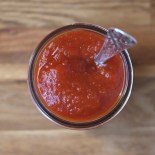
Westbrae has a ketchup that comes in a glass bottle available from the health food store…it tastes awful. Too much vinegar, it’s just not right.
So, I make my own. Here’s the recipe;
1 28-oz. can tomato purée
3 Tablespoons tomato paste
1 medium yellow onion, peeled and quartered
1 clove garlic, crushed and peeled
1/2 fresh chili, stemmed and seeded
5 tbsp. dark brown sugar
3/4 cup rice vinegar
1 1/2 teaspoon kosher salt
1 bay leaf
1/4 teaspoon allspice
Pinch cayenne
1/4 teaspoon celery salt
Pinch dry mustard
Pinch ground cloves
Pinch ground ginger
Freshly ground black pepper
Special tools needed: Mesh strainer, Cheesecloth, Kitchen twine
1) Wrap bay leaf, cinnamon, cloves, allspice, red pepper flakes and celery seeds in a double layer of cheesecloth or a triple layer of medical gauze. Tie into a bundle. (At this point, I had a lot of extra material, so I trimmed the extra off of the bundle.) Set aside.
2) Place tomatoes, onions, chili, garlic, vinegar, salt and brown sugar in a 4 quart saucepan. Add the spice bundle and cook over medium heat. Stir frequently while cooking, until onions and chili are very soft, approximately 45 minutes.
Remove the spice bundle and carefully puree the sauce in a blender or use an immersion blender in the hot pot. Puree the sauce until smooth. Strain the sauce through a medium size sieve. (This meant pressing the sauce through a metal sieve, using the back of a spatula. It takes me about 10 minutes to do this.) Place strained sauce back in a clean 4 quart pot and return to medium low heat.
Cook over medium low, stirring occasionally, until sauce is thickened, about 30 minutes. Transfer ketchup to a glass jar and set aside to cool. Refrigerate. Enjoy!
Salmon Fillets with Bacon
Posted: July 20, 2012 Filed under: Food and it's Impact on Our Health Leave a comment
SERVES 4
8 slices bacon, chopped (use more butter to sauté if using turkey bacon)
1 Teaspoon butter
4 8 oz. salmon filets
salt and pepper, to taste
6-8 large handfuls of salad greens
2 scallions, cut into rings
2-3 tbsp. fresh-squeezed lemon juice, or to taste
4 boiled eggs (optional)
INSTRUCTIONS
1. Fry bacon in a lightly buttered, heated frying pan. Cook until the bacon begins to go from crisp to hard brown, then remove and drain on a paper towel. Set aside.
2. Heat remaining butter, and immediately put salmon fillets in the pan, taking care not to overcrowd, and sear on each side, then continue to cook at lower heat for 1-2 minutes, or until desired doneness.
3. Combine salad greens and scallions in a large bowl and set aside. Transfer the salmon fillets to four plates.
4. Squeeze some lemon juice into the frying pan and pour the juices over the waiting undressed salad. Toss the salad, add the bacon bits and toss again, and add to the plate with the salmon.
5. If using boiled eggs, cut in half and add 2 halves to each plate. Serve warm.
The Whole Grain Lie – Looking Beyond Gluten
Posted: July 20, 2012 Filed under: Food and it's Impact on Our Health, Non-Toxic Choices Leave a commentFrom; The Gluten Free Society
 Photo from another Grain Free Site; My Life In a Pyramid
At the last Gluten Free Society meeting, I lectured on the detrimental properties of grain. So here it is – The Whole Grain Lie that’s slowly killing you…
Why do we assume that grain is such a healthy food?
The Food Guide Pyramid recommends large quantities of grain as a staple food in the diet. Why? Did you know that the U.S. Government mandated that processed grain products be fortified with vitamins and minerals in 1943? The reason? Processed grains caused nutritional diseases like Beri Beri and Pellagra (vitamin B1 and B3 deficiency respectively).
Detrimental Qualities of Grain (Including Whole Grain)
- The seeds are doused with chemical hormones and pesticides like atrazine to aid in growth. These chemicals mimic estrogen and cause hormone disruption in both men and women.
- Low in the essential fatty acids EPA and DHA (omega 3)
- Poor source of complete protein
- Contain enzyme inhibitors
- Contains addictive proteins that can alter behavior, mood, and contribute to mental dysfunction
- Contain anti nutrients that cause malabsorption of minerals
- Contain autoimmune inducing peptides and lectins
- Cause sodium and water retention
- Cause excessive insulin response leading to weight gain and diabetes.
But Our Children Eat Grain –
- Breakfast = cereal, donuts, bagels, cereal bars, tortillas, toast, kolaches, etc.
- Lunch = Sandwich and whole grain crackers
- Dinner = Pasta, pizza, breaded chicken fingers, hamburgers, etc
- Snacks = Goldfish, whole grain crackers, drinks and fruit snacks loaded with corn syrup (yes, corn is a grain – not a vegetable).
Our children are fatter and sicker than they have ever been. According to statistics and recent published studies, half of kids today are overweight.
What Can You Do?
- Get educated and make healthy diet changes for your children before it’s too late.
- Watch this video on how gluten affects children now.
Read More HERE…
Why Exercise Has Little Effect On Weight Loss
Posted: July 19, 2012 Filed under: Food and it's Impact on Our Health Leave a comment
What Effect Does Exercise have on Obesity and Weight Loss?
I had someone tell me today that he works out two hours a day, is incredibly strong (I guess so!) and cannot lose weight. He showed me the “healthy” snack he had with him; a granola crunch type thing. I read the ingredients. Rice flour, oat flour, fructose. So far we are at all carbs. Next comes soy oil. Yuck. And about 20 more ingredients from there…
So we talk, really talk. I explain to him what a great breakfast, nutritionally speaking, looks like; organic eggs for breakfast, cooked in coconut oil or butter. Three strips of turkey bacon, crispy. Two cups of pineapple, a handful of blueberries, some organic coffee and I am out the door. With a third of my calories for the day, RARING to go for 5-6 hours without even thinking about food. Enough fat, protein and nutrient packed carbs (fruits and veggies!) at every meal, 3 times a day. 2000 calories a day, every day. Healthy rapid weight loss occurs, energy quickly returns, you sleep better, feel wonderful upon awakening…and get in some play time each day. THAT is the way too lose weight. The ONLY healthy way there is. Period.
Let’s look at trying to exercise enough to lose weight; Be forewarned, however, that the pounds won’t melt off magically. It takes 35 miles of walking or jogging to burn the calories in one pound of fat. Losing weight requires both exercise and optimum nutrition; a balance of healthy fats, protein, fruits, and vegetables. In addition, if a person exercises but doesn’t diet any actual pounds lost may be minimal because dense and heavier muscle mass replaces fat.
Also bear in mind that vigorous exercise such as jogging or running on hard surfaces is essentially unnatural to the body and can lower the immune response. Human beings in virtually every culture have typically, throughout time, engaged in anaerobic functional exercise common to regular labor or work functions on the farm, at sea or while hunting wild game, punctuated by occasional bursts of intense activity. Getting on the treadmill, running, or jogging is not that affective for weight loss, is hard on the joints, and wears you out. Use that same energy for weight training, bursts of hard work such as gardening, surfing, dancing, yoga or sex! You will be in better shape, get toned faster…and save a lot of time that is wasted on the treadmill!
While exercise has little impact on weight loss (that comes from eating enough calories that contain all the nutrients you need on a day to day basis) a fit body will look more toned and be healthier. And exercise even without dieting adds benefit. For example, one study found that overweight but fit people have half the death rate of overweight and unfit people. And, studies suggest that people who have trained for a long time develop more efficient mechanisms for burning fat and are able to stay leaner.
Exercise is vitally important, it helps us stay in shape, stimulates and improves cardiovascular health, helps make us happier and gets us into the sunshine we need so badly. This should include cardiovascular and resistance training. Every type of exercise that you do for resistance should be balanced with stretching exercises. This is called cross training. Most types of resistance training or repetitive movements cause some of our muscles to shorten. You need to balance this with stretching these muscles very well. I mean serious stretching, not what we usually do for five minutes before we run! I mean a true warm up. When we try to stretch without warming the muscles up, we can pull muscles or tendons. We only are able to stretch effectively when our muscles are truly warmed up.
I think yoga is the perfect cross training for almost every other form of exercise. Plus, it is also tones muscles, helps us detox, aids digestion and stills the mind. It is a perfect way to learn to meditate. If someone told me I had to choose just one type of exercise, then yoga would be my first choice. It is also important that find something that you love to do every day that will help you gain cardiovascular health. I mean something that will make you work up a serious sweat! Notice I say find something you love to do. Very few people really love aerobics classes. They are not that effective in toning muscles. You are better off riding a bike, running, rollerblading, surfing, dancing,playing soccer or tennis, . These things are so much fun that they tend to be things you love to do, instead of things you make yourself do in order to get in shape. You’re more likely to do them more often.
Weight training should be practiced 3 to 4 times a week in order to build bone and muscle mass. You may find it very effective to work with a personal trainer or find a workout buddy in the first few months. This will keep you motivated. The hardest part of getting on a regular schedule of exercising is getting started. In the beginning, it seems harder to fit it into our schedules. We get sore and tired. But after a few weeks you reach the point where you see results, you’re sleeping better, feeling energized. You notice that you don’t feel as good on the days you don’t exercise. You feel edgy. I love those endorphins!
But to lose 5 pounds a week AND meet out nutrient and energy needs you need 2000 calories a day. You won’t get weight lose by caloric restriction, that has been proven. At that rate of caloric intake your body is in starvation mode; So eat plenty of healthy fats, get plenty of high quality protein and eat ½ way down the glycemic index…including plenty of green leafy veggies each day. Did you know that green leafy vegetables have NO glycemic scale whatsoever and offer you a depth of nutrients that includes plenty of calcium? They must be cooked with saturated fats to assimilate the nutrients, so use butter or animal fats to cook with.
HERE is what a perfect day looks like.
Sweet Potatoes with Pineapple Chutney
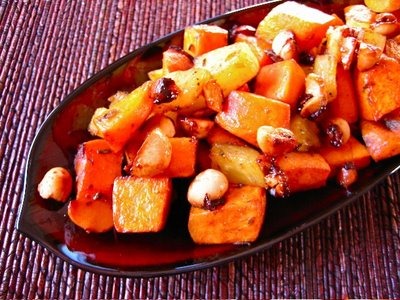
Posted: July 19, 2012 Filed under: Food and it's Impact on Our Health Leave a commentI made this yesterday for my clients, for the Meal Delivery Service and it was so amazing I wanted to share the recipe..
2 large sweet potatoes
1 Tablespoon butter
1 medium shallots- minced
1 can pineapple chunks in juice
2 Tablespoons sugar or 1/2 teaspoon stevia
1 Tablespoon balsamic vinegar (I used a wonderful ages thick ginger balsamic vinegar)
1/2 cup dried cranberries
1/2 teaspoon thyme
pinch of salt
1) Bake sweet potatoes at 400 degrees until tender, about an hour and 15 minutes.
2) Sauté shallots in butter until tender, add pineapple, sugar, cranberries add thyme and simmer until thickened and liquid is absorbed. Add balsamic vinegar and remove from heat. Serve over sweet potatoes.
Eating Organic Economically; How I Eat and Cook all Week.
Posted: July 18, 2012 Filed under: Food and it's Impact on Our Health, Gardening 1 Comment
Pic from Grassroots Market in Historic 5 Points.
1 whole organic chicken 9.00
1 pound grass-fed hamburger 7.99
18 eggs- Grassroots- 3.99
1 pound turkey bacon 5.79
½ pound salmon 4.99
1 pound raw butter 10.00
1 pound carrots 2.99
3 large onions 3.25
¾ pound coffee 7.99
3 beefsteak tomatoes 2.00
Garlic bulb .30
2 limes .99
2 lemons 1.10
3 green peppers bell peppers 2.99
1 bag celery 1.99
1 pint blueberries 3.99
1 bunch kale 3.99
3 large sweet potatoes 2.99
~ 74.34~ grocery cost
-24.50 minus the items I grow
49.84
The items in red are the things I grow in sub-irrigated containers; I used 5 gallon buckets, soil, perlite and made sub-irrigated containers. Growing from seed is cheap.
If you have a backyard, or a deck for container gardening, or grow lights indoors, you can save further in ways that processed food eaters can’t: Almost all year I grow salad greens, herbs, braising greens of some kind and cucumbers and tomatoes. (The salad herbs oregano, thyme, mint, basil, cilantro and parsley never quit here in any season!)
Items I make myself; almond butter made in the Champion juicer, coconut milk yogurt, mayonnaise, salad dressings. These things are very inexpensive to make, very easy to do…not much labor.
Starting on the day I shop, here’s how I eat and cook all week, very simply, but extremely healthy.
First Night; I roast a whole chicken by rubbing butter all over it, salt and peppering it, maybe some garlic or lemon juice and zest. Then roast it for 30 minutes on 450°. Then turn the oven down to 300° and bake for 30 minutes. Now turn the oven back up to 400° and roast that bird just 165°, checking for temp in the thickest part of the breast, not hitting the bone. Save the pan drippings for cooking, save the carcass for stock. Here’s a link to making stock- https://optimumnutrition.wordpress.com/2009/08/12/chicken-stock-101/
That is dinner the first night; a leg and thigh and some breast meat, pour pan drippings over it, using fat and gelatin in roasting pan. With some sautéed peppers and onions and a few slices of ripe tomato, here’s a great dinner.
Breakfast is usually 2 eggs, fried in butter or coconut oil, 3 slices of turkey bacon, some coconut milk yogurt and a handful of blueberries. And 6 ounces of Turkish coffee, ground and brewed each morning. Some mornings I have Ezekiel bread.
Lunch is usually whatever I’ve had for dinner the night before, or an Ezekiel bread sandwich, with meat, fresh olive oil mayonnaise, or almond butter. Maybe Ezekiel with almond butter and sauerkraut, toasted. Usually a cup of meat stock and/or coconut milk yogurt.
Second night; take the rest of the meat off of the chicken, make stock. Have a great chicken soup that night, add sautéed celery, carrots, bay leaf. Maybe some kale sautéed in chicken fat, some gelatin from chicken pan drippings, onions, mushrooms. Sliced tomatoes.
Third night; 1/3 pound hamburger patty, sautéed onions and peppers, 8 ounces chicken stock, sliced tomatoes, coconut milk yogurt.
Fourth night; fresh salmon with dill, Dijon and fresh lemon juice, sautéed peppers, mushrooms and onions, sliced tomatoes. A cup of chicken stock.
Fifth night; Chicken meat prepared however you want, sautéed kale, ½ sweet potato, sautéed mushrooms. Coconut milk Crème Brule and a few blueberries.
Sixth night; 1/3 pound hamburger patty, pan gravy, ½ sweet potato with butter, kale with onions.
Seventh Night; Rest of hamburger with peppers, onions, tomato, salsa, avocado and fresh corn tortilla.
Shop again, or have leftovers, or breakfast for dinner.
Extras I buy if I can afford them; cherries, plantains to fry, dark chocolate, steaks, roasts, Ezekiel bread, wine.
Things I always have in the kitchen; raw butter, Tropical Traditions Coconut Oil and their coconut cream (to use in recipes that call for heavy cream or for decadent desserts) Dijon mustard, olives, herbs and spices, an array of vinegars, olive oil, sesame oil, masa harina, coconut oil, lemons, limes, Kava tea, organic coffee, Yerba Mate Tea, quinoa, rice, teff, coconut and tapioca flours, coconut milk, curry sauces, olives.
Bear in mind that this is a very basic dinner menu, showing how to meet all of your calorie and nutrient needs affordably. These dinners reflect basic eating, by adding other ingredients I can get real fancy, and I do at times.
Fats Are Crucial for Digestion of ALL Foods
Posted: July 9, 2012 Filed under: Food and it's Impact on Our Health Leave a commentAn article was just posted on Lifehacker and several other sites about how important is it to not eat low fat dressing on salads.
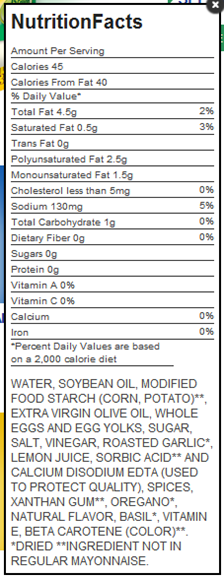
 See Below for Ingredients
That is true. ALL food requires fats to be digested properly.
There is a reason that our grandmothers used fatback and ham hocks to cook in with collards and other green leafy vegetables. Not only do they taste awesome, you actually assimilate the vitamins and minerals in them.
I have seen a few clients with gout recently. Many people are going back to eating more protein since we can now get organic and grass fed meat, and because the studies are showing that vegetarian diets do not meet our nutritional needs. Gout is caused when we do not digest meat well. This occurs if we eat a diet rich in meat and veggies but still low in fat.
America’s misguided obsession with low fat eating and dieting has caused all kind of issues; causing us to eat too many carbs, leading to diabetes, heart disease, obesity, depression. When we do not have the right fats present in the gut at the time we are digesting proteins and vegetables we do not assimilate the nutrients.
Notice, on the left, the ingredients and lack of ANY nutrients! Toxic soy oil, modified food starch, sugar, natural flavors (a toxic mess of ingredients not required by the FDA to be disclosed)…and it has NO FLAVOR!
Rum & Pepper Painted Grouper with Habanero-Mango Mojo
Posted: July 9, 2012 Filed under: Food and it's Impact on Our Health Leave a commentYields: 2 entrees
For the fish:
2- 8 ounces portions grouper (or other firm fish like snapper)
1 Tablespoon butter
For the Rum and Pepper Paint:
Yield:1/3 Cup
1 Tablespoon whole black peppercorns
8 whole cloves
1/4 Cup sugar
1/4 Cup soy sauce
1/4 Cup light rum
½ Tablespoon of grated lemon zest
1 Tablespoons lemon juice
1. Toast the black peppercorns and the cloves together in a dry skillet over moderately high heat until you see puffs of smoke. (About 1 minute.) Now grind them together in an electric spice grinder. Transfer them to a heavy sauce pan. Add the remaining ingredients and heat all together on medium heat. The mixture will begin to foam as it reduces. When it has reduced by approx. half, about 25-35 minutes strain it through a fine-mesh strainer into a bowl. Reserve until needed.
For Mango-Habanero Mojo
Yield: About 1 Cups
1/2 ripe, juicy mango, peeled and cut away from the stone
4 Tablespoons Chardonnay
2 Tablespoon orange juice
1/4 fresh habanero, Scotch bonnet or other hot Chile, stem and seeds removed, minced
1 lime- cut in wedges
1. Blend the mango, Chardonnay and orange juice together in a blender. Now add the minced scotch bonnet chilies and reserve.
To Serve:
1. Just before serving preheat an oven to 450 degrees. Paint the fish liberally on the skin side only and store them on a plate. Warm the "mojo" in a small saucepan until just barely hot.
2. Now heat a large skillet until almost smoking hot. Now add some butter and carefully add the fish, paint side down. Shake the pan to avoid sticking. When the fish is quite dark on the painted side flip it over, degrease the pan and place the pan into the preheated oven. Bake the fish 7-9 minutes. Ladle about 4 ounces onto each serving plate. Now remove the fish from the pan and place it on top of the mango sauce. Serve with a wedge of lime.


 Meal Delivery Service by Millie Barnes