Posted: December 24, 2021 | Author: Millie Barnes | Filed under: Food and it's Impact on Our Health |
Obesity has been a longstanding problem in the U.S. and it’s getting worse. According to a report conducted by Trust for America’s Health, obesity is up. In 2020, 16 states had adult obesity rates at or above 35%, up from 12 states the previous year, the data reveals. There are several reasons for obesity and Eat This, Not That! Health talked to Dr, Megan Mescher-Cox, DO, Board Certified in Internal Medicine, Lifestyle Medicine and Obesity Medicine with Dignity Health Medical Group who explained what the top causes of obesity are.
Intake of Ultra-Processed Foods
Consuming too much unhealthy food is one of the leading causes of obesity, says Dr. Cox. “This includes ‘junk food’ such as cookies and chips but also crackers, refined grains such as white flour, white bread, etc. These foods are devoid of nutrients and fiber and very high in calories. People are starting to trend more towards plant-based diets which are very healthful if it is a whole-food plant-based diet but don’t be fooled – the plant-based meat alternatives that are sold are more appropriately called ‘processed foods’ than healthful foods and will also contribute to weight gain.”
Intake of High-Calorie, Low-Fiber Foods
Dr. Cox explains, “This is slightly different from the above because certain foods are somewhat ‘natural’ but are high-calorie and low-fiber and still contribute to obesity. A great example is fruit juice. It has had the fiber removed from it so it is concentrated sugar and although natural sugar, since no longer in its natural form it can now be overconsumed and contribute to weight gain.”
Not Enough Fruits and Vegetables
According to Dr. Cox, “Eating healthy foods is just as important as avoiding unhealthful foods. Higher levels of fruit and vegetable intake is consistently associated with healthful body weight. A great way to work towards health is to increase the amount of fruit and vegetables (especially vegetables if our goal is weight loss). The goal is for a minimum of HALF a person’s intake of food to be from fruits and vegetables.”
Sedentary Lifestyle
Staying active is vital to staying healthy and fit. “Regular exercise has been well known to regulate weight and a goal of 30 minutes at least five times weekly is helpful to avoid Obesity or other medical conditions but it is just as important to avoid a sedentary lifestyle,” Dr. Cox states. “Sitting for long periods of time throughout the day – even if someone exercises – is an independent risk factor for medical conditions.”
Lack of Sleep
“Obesity is consistently associated with lack of sleep or an excess of sleep,” Dr. Cox says. “Many factors contribute to this including hormonal shifts with sleep deprivation that make it harder to lose weight, an increase in cravings and intake for high calorie foods if someone is sleep deprived, and lower levels of ‘self regulation’, or someone’s ability to say no to an unhealthy option, with sleep deprivation. A goal of 7-9 hours of sleep nightly, typically 7.5 hours is where we see the most normal weights.”
Posted: December 24, 2021 | Author: Millie Barnes | Filed under: Food and it's Impact on Our Health |

If you cook at home with whole ingredients, you have a much better sense of what’s in your food than if you order takeout from the fast-food restaurant on the corner or buy a packaged snack at the convenience store down the block. Though scientists are still learning how the chemicals in these foods impact your health, it’s becoming clear that some of them can do some real harm.
Now, new research suggests that an additive called carboxymethylcellulose (CMC), which acts as an emulsifier, can impact an otherwise healthy microbiome for the worse. These effects could contribute to unhealthy levels of gut inflammation and other dangerous health outcomes.
In the study, which was accepted into the journal Gastroenterology, the official medical journal of the American Gastroenterological Association, researchers examined 16 healthy adults, nine of whom ate an emulsifier-free diet and seven of whom ate 15 grams of CMC each day. Those who ate the additive were more likely to feel discomfort in their abdomen after meals and endure negative changes to their gut microbiota.
“I think the main message of our work on CMC and other synthetic emulsifiers (such as polysorbate 80) is that they may promote chronic inflammatory diseases. Therefore, more extensive human studies are needed,” study co-author Andrew Gerwitz, PhD, told Eat This, Not That! in an interview. “Meanwhile, I suggest those concerned about their health minimize consumption of highly processed foods, especially those containing CMC and polysorbate 80.”
Gerwitz believes eating foods that contain these additives “once in a while” is unlikely to do any major damage. So while it’s helpful to cut back, you don’t necessarily need to shut your favorite processed foods out of your life completely.
According to James N. BeMiller’s Carbohydrate Chemistry for Food Scientists (Third Edition), excerpted in ScienceDirect, CMC can most commonly be found in ice cream and other frozen desserts. It also appears in baked goods, cheese spreads, dressings, hot chocolate mixes, sauces, syrups, and yogurts, among other foods.
It’s worth noting that the Gastroenterology study only looked at 16 adults, and this research is still in its early days. It’s too soon to say with any certainty exactly how this emulsifier will affect your gut health. Thus, you probably don’t want to immediately cut out foods like yogurt that are otherwise a healthy and nourishing part of your diet.
Posted: December 16, 2021 | Author: Millie Barnes | Filed under: Gardening, Going Green; How and Why..., Health and Happiness |

NIMBUS Intelligent Watering System
Here is a great watering system for those of you who like container growing. The inventor is a friend of mine and I have been really impressed by this product.
Here’ s how it works;
NIMBUS Technology keeps your plants healthy by alternating between wet and dry cycles.
1. Rain / Water Reservoir. The wet cycle mimics a rainfall in nature.
2. Wet Cycle. This is when the NIMBUS will provide your plants roots with water.
3.Evaporation / Aeration. As the roots absorb the water, it begins the dry cycle.
4. Dry Cycle. The NIMBUS allows air to pass through the roots before the next wet cycle allowing for healthy root growth.
5. Repeat. The cycle begins again.
The Inventor;
MILTON B. WATSON
Born in Little Rock, Ark., in 1959, inventor Milton B. Watson was influenced by science and art at a young age. Growing up on his grandparents’ small farm in Jacksonville, Ark., each day he watched his parents water their chickens by filling a jar with water and turning it upside down in a pan. As the chickens drank, the water level was maintained at the mouth of the jar, a principle that would later become central to his first patented invention, the NIMBUS Intelligent Watering System™.
Watson’s knowledge of art and scientific principles allowed him to draft plans for a prototype almost immediately. Starting with his hand-drawings, he built custom acrylic prototypes in 2006. After his initial NIMBUS pot was rejected by an interiorscaper due to concerns over root rot, Watson catered to gardeners’ needs, altering NIMBUS’ design and function to eliminate common watering issues, as he wanted to introduce a product that was the total self-watering solution. The culmination of hard work and refinement came in 2010 when NIMBUS was granted a patent.
Posted: November 5, 2021 | Author: Millie Barnes | Filed under: Recipes |
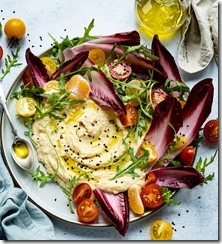
Photo by Monika Grabkowska on Unsplash
1 can (15 ounces) chickpeas, rinsed and
drained
½ teaspoon baking soda (if you’re using canned
chickpeas)
¼ cup lemon juice (from 1 ½ to 2 lemons), more to
taste
Zest from 2 lemons- I use a
micro-planer
¾ teaspoon smoked paprika
1 medium-to-large clove garlic, roughly
chopped
½ teaspoon fine sea salt, to
taste
½ cup tahini
2 to 4 tablespoons ice water, more as
needed
½ teaspoon ground cumin
1 tablespoon extra-virgin olive
oil
Meanwhile, in a food processor or high-powered blender,
combine the lemon juice, garlic and salt. Process until the garlic is very
finely chopped, then let the mixture rest so the garlic flavor can mellow,
ideally 10 minutes or longer.
Add the tahini to the food processor and blend until
the mixture is thick and creamy, stopping to scrape down any tahini stuck to the
sides and bottom of the processor as necessary.
While running the food processor, drizzle in 2
tablespoons ice water. Scrape down the food processor, and blend until the
mixture is ultra smooth, pale and creamy. (If your tahini was extra-thick to
begin with, you might need to add 1 to 2 tablespoons more ice
water.)
Add the cumin and the drained, over-cooked chickpeas to
the food processor. While blending, drizzle in the olive oil. Blend until the
mixture is super smooth, scraping down the sides of the processor as necessary,
about 2 minutes. Add more ice water by the tablespoon if necessary to achieve a
super creamy texture.
Taste, and adjust as necessary—I almost always add
another ¼ teaspoon salt for more overall flavor and another tablespoon of lemon
juice for extra zing.
Top with garnishes of your choice, and serve. Leftover
hummus keeps well in the refrigerator, covered, for up to 1
week.
Posted: October 22, 2021 | Author: Millie Barnes | Filed under: Recipes |
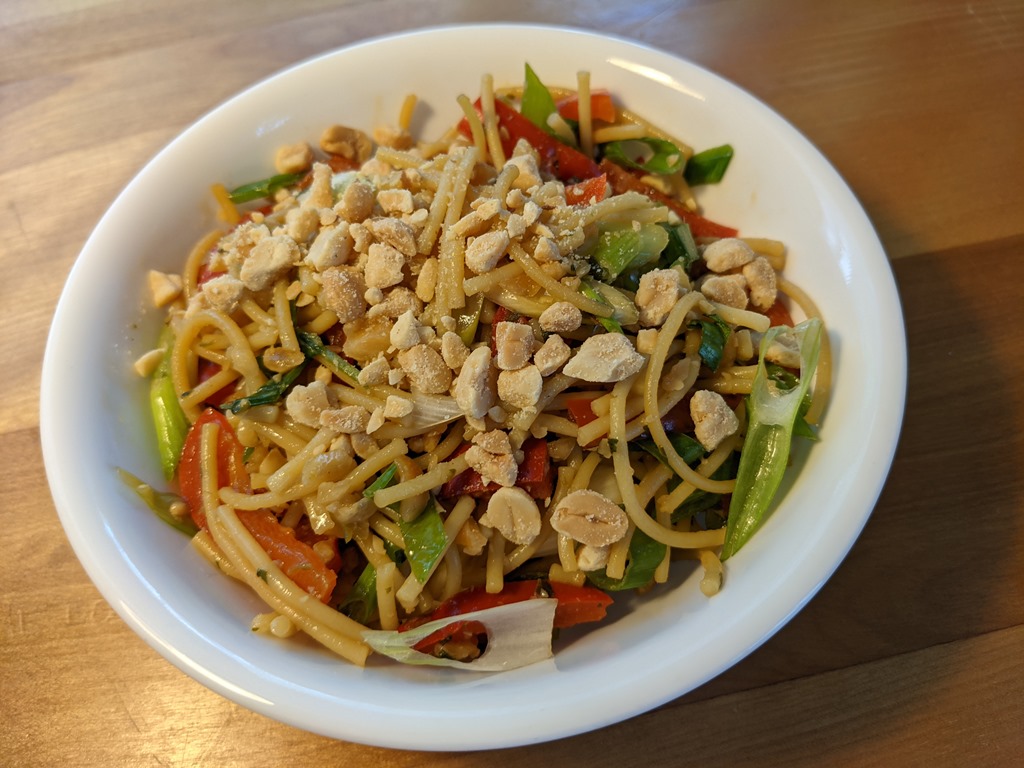
Serves 4
1 pound Rice spaghetti pasta – cooked al dente, drained well
3 red peppers — cut in matchsticks
1/2 cup peanuts, dry-roasted
2 bunch scallions — cut thinly, diagnol
1 teaspoon toasted sesame oil
1/2 cup Coconut Aminos (soy free soy sauce!)
1/2 cup rice vinegar
1/2 cup honey
1/2 cup cilantro — minced, packed
Heat sesame oil, then add red peppers. Toss in oil 3 – 4 min until slightly softened
Add red peppers to drained pasta.
Buzz peanuts in food processor. Some peanuts should remain large, and some should be ground.
Whisk together Bragg’s, rice vinegar and honey.
Toss all ingredients together.
Posted: August 2, 2021 | Author: Millie Barnes | Filed under: Food and it's Impact on Our Health, Non-Toxic Choices | Tags: #allergies, #BeyondPaleo, #cancer, #energy, #energy #pontevedrabeach, #glutenfree, #healing, #higherenergy, #immunesystem, #JacksonvilleFL, #jax, #Lactosefree, #mealdeliveryservice, #nutritioncoaching, #plantbased, #weightloss |

Reston, VA (Embargoed until 7:30 p.m. EDT, Monday, June 14, 2021)–In patients with mild cognitive impairment, taking lipophilic statins more than doubles their risk of developing dementia compared to those who do not take statins. According to research presented at the Society of Nuclear Medicine and Molecular Imaging 2021 Annual Meeting, positron emission tomography (PET) scans of lipophilic statin users revealed a highly significant decline in metabolism in the area of the brain that is first impacted by Alzheimer’s disease.
Statins are medications used to lower cholesterol and reduce the risk of heart attack or stroke. They are the most commonly used drugs in the developed world, and nearly 50 percent of Americans over age 75 use a statin. Different types of statins are available based on a patient’s health needs, including hydrophilic statins that focus on the liver and lipophilic statins that are distributed to tissues throughout the body.
“There have been many conflicting studies on the effects of statin drugs on cognition,” said Prasanna Padmanabham, project head, statins and cognition in the molecular and medical pharmacology student research program at the University of California, Los Angeles in Los Angeles, California. “While some claim that satins protect users against dementia, others assert that they accelerate the development of dementia. Our study aimed to clarify the relationship between statin use and subject’s long-term cognitive trajectory.”
Researchers separated study participants into groups based on three parameters: baseline cognitive status, baseline cholesterol levels and type of statin used. Participants underwent 18F-FDG PET imaging to identify any regions of declining cerebral metabolism within each statin group. Eight years of subject clinical data was analyzed.
Patients with mild cognitive impairment or normal cognition who used lipophilic statins were found to have more than double the risk of developing dementia compared to statin non-users. Over time, PET imaging of lipophilic statin users also showed a substantial decline in metabolism in the posterior cingulate cortex, the region of the brain known to decline the most significantly in the earliest stages of Alzheimer’s disease. In contrast, no clinical or metabolic decline was found for users of other statins or for statin users with higher baseline serum cholesterol levels.
“By characterizing the metabolic effects associated with statin use, we are providing a new application of PET to further our understanding of the relationship between one of the most commonly used classes of drugs and one of the most common afflictions of the aging brain,” noted Padmanabham. “Findings from these scans could be used to inform patients’ decisions regarding which statin would be most optimal to use with respect to preservation of their cognition and ability to function independently.”
About the Society of Nuclear Medicine and Molecular Imaging
The Society of Nuclear Medicine and Molecular Imaging (SNMMI) is an international scientific and medical organization dedicated to advancing nuclear medicine and molecular imaging, vital elements of precision medicine that allow diagnosis and treatment to be tailored to individual patients in order to achieve the best possible outcomes.
SNMMI’s members set the standard for molecular imaging and nuclear medicine practice by creating guidelines, sharing information through journals and meetings and leading advocacy on key issues that affect molecular imaging and therapy research and practice. For more information, visit http://www.snmmi.org
JOURNAL
Posted: May 30, 2021 | Author: Millie Barnes | Filed under: Food and it's Impact on Our Health, Recipes | Tags: #allergies, #BeyondPaleo, #cancer, #energy, #energy #pontevedrabeach, #glutenfree, #healing, #higherenergy, #immunesystem, #JacksonvilleFL, #jax, #Lactosefree, #mealdeliveryservice, #nutritioncoaching, #plantbased, #weightloss |
Veggie Burgers
Makes 6

Years ago when my Meal Delivery Service was vegetarian I served veggie burgers made with rice and kidney beans. They sold well but I was never completely thrilled with the recipe. I couldn’t get them to be crispy enough and over the years I stopped eating beans. I found I couldn’t get them crispy enough and I thought they were just too heavy.
THESE are the veggie burgers I always wanted.
2 tablespoons extra-virgin olive oil, more for drizzling
1 onion, diced, caramelized and drained
16 ounces mushrooms, mix of shiitake + Portobello, de-stemmed and diced
2 tablespoons tamari
¼ cup balsamic vinegar
1 tablespoon mirin
2 garlic cloves, minced
½ teaspoon smoked paprika
2 teaspoons siracha, more if desired
½ cup crushed walnuts
¼ cup ground flaxseed
2 cups cooked short-grain brown rice, freshly cooked so that it’s sticky*
1 cup gluten-free panko bread crumbs, divided
Worcestershire sauce, for brushing (I make my own)
Ghee to pan fry
Sea salt and freshly ground black pepper
Heat the olive oil in a medium skillet over medium heat. Add the mushrooms, a generous pinch of salt, and sauté until soft and browned, 6 to 9 minutes, turning down the heat slightly, as needed. Add the caramelized onion and stir well
Stir in the tamari, vinegar, and mirin. Stir, reduce the heat, and then add the garlic, and smoked paprika, and siracha. Remove the pan from the heat and let cool slightly.
In a food processor, combine the sautéed mushrooms, walnuts, flaxseed, brown rice, and ½ cup of the panko. Pulse until well combined.
Transfer to a large bowl and stir in the remaining panko. Place burgers on sheet pan and bake, brushing first with Worcestershire.
400° for about 9 minutes per side, then pan seared briefly to brown. If you are not cooking these right away they can be frozen. Then, when thawed, warm in microwave (freeze after baking but before pan searing), and then pan sear.
Posted: May 19, 2021 | Author: Millie Barnes | Filed under: Food and it's Impact on Our Health | Tags: #allergies, #BeyondPaleo, #cancer, #energy, #energy #pontevedrabeach, #glutenfree, #healing, #higherenergy, #immunesystem, #JacksonvilleFL, #jax, #Lactosefree, #mealdeliveryservice, #nutritioncoaching, #plantbased, #weightloss |

The impact of diet on health is really a no-brainer – even leading to calls for GPs to prescribe fruit and vegetables before writing out a drug prescription.
Now, US researchers report in the journal Cell Host & Microbe that they’ve found a mechanism to explain how obesity caused by junk food and an unhealthy diet can induce inflammation in the gut.
“Our research showed that long-term consumption of a Western-style diet high in fat and sugar impairs the function of immune cells in the gut in ways that could promote inflammatory bowel disease or increase the risk of intestinal infections,” says lead author Ta-Chiang Liu, from Washington University.
This has particular relevance for Crohn’s disease – a debilitating condition that has been increasing worldwide and causes abdominal pain, diarrhoea, anaemia and fatigue.
A key feature of the disease is impaired function of Paneth cells, immune cells found in the intestines that help maintain a healthy balance of gut microbes and ward off infectious pathogens.
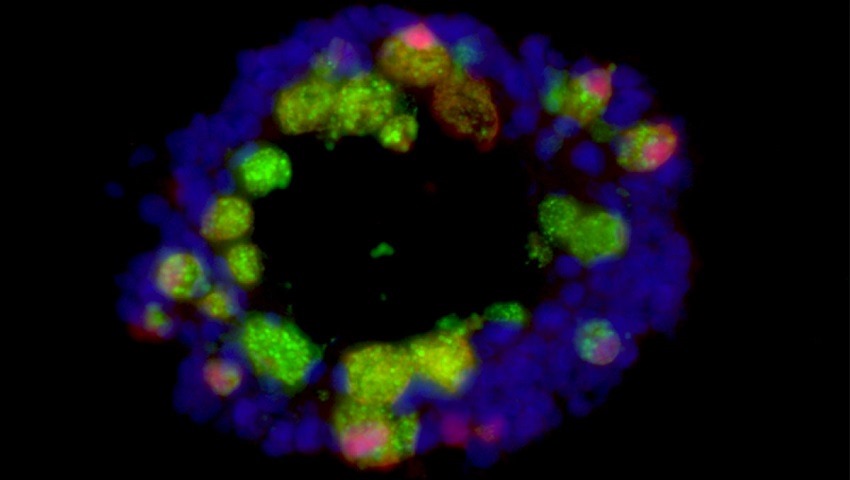
When exploring a database of 400 adults with and without Crohn’s disease, the researchers discovered that higher body mass index (BMI) was associated with progressively more abnormal looking Paneth cells, captured under a microscope.
Armed with their discovery, they studied two strains of mice genetically predisposed to obesity and were surprised to find that the animals’ Paneth cells looked normal.
To dig deeper, the researchers fed normal mice a diet in which 40% of the calories came from fat or sugar, typical of a Western diet.
After two months the mice became obese – and their Paneth cells became abnormal. They also had associated problems such as increased gut permeability, a key feature of chronic inflammation that allows harmful bacteria and toxins to cross the intestinal lining.
“Obesity wasn’t the problem per se,” says Lui. “Eating too much of a healthy diet didn’t affect the Paneth cells. It was the high-fat, high-sugar diet that was the problem.”
Importantly, switching from junk food back to a standard diet completely reversed the Paneth cell dysfunction.
Further experiments revealed that a bile acid molecule known as deoxycholic acid, formed as a by-product of gut bacteria metabolism, increased the activity of immune molecules that inhibit Paneth cell function.
Liu and colleagues are now comparing the individual impact of fat and sugar on Paneth cells.
Whether the damaged cells respond to a healthy diet in humans remains to be seen, but preliminary evidence suggests diet can alter the balance of gut bacteria and alleviate symptoms of Crohn’s disease.
Posted: May 16, 2021 | Author: Millie Barnes | Filed under: Recipes |

As I take the Meal Delivery Service back toward a plant based diet, I am making more raw dishes. I made this for the service last week and got a GREAT response! Here’s the recipe.
7 Gala Apples, cored, not peeled9
10 ounces black mission figs- cut off stem
14 ounces dates- pitted
1 Tablespoons cinnamon
1/3 teaspoon cloves
1/2 teaspoon nutmeg
Place figs and dates in food processor with half of the cinnamon, or to taste. Blend until it turns in to a paste, it will eventually just ball up in one mass much like pie dough. Wet the pie plate and press 3/4 of the mixture into the plate to form a crust. You will definitely need to keep wetting your hands in order to spread it out .
Slice apples any way you want and toss with a small amount of lemon water and then fold in the remaining pie crust mixture after you have blended in the rest of the spices.
Posted: May 16, 2021 | Author: Millie Barnes | Filed under: Food and it's Impact on Our Health |
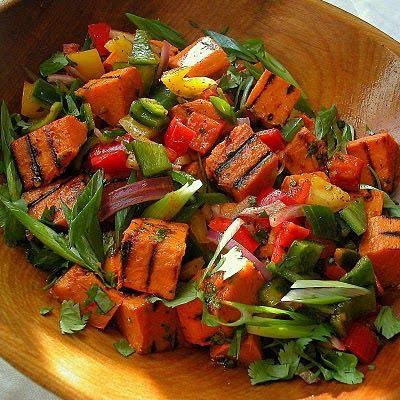
 Asian Sweet Potato Salad
Michael Pollan says everything he’s learned about food and health can be summed up in seven words: “Eat food, not too much, mostly plants.”
Probably the first two words are most important. “Eat food” means to eat real food — vegetables, fruits, whole grains, and, yes, fish and meat — and to avoid what Pollan calls “edible food-like substances.”
Here’s how:
- Don’t eat anything your great grandmother wouldn’t recognize as food. “When you pick up that box of portable yogurt tubes, or eat something with 15 ingredients you can’t pronounce, ask yourself, “What are those things doing there?” Pollan says.
- Don’t eat anything with more than five ingredients, or ingredients you can’t pronounce.
- Stay out of the middle of the supermarket; shop on the perimeter of the store. Real food tends to be on the outer edge of the store near the loading docks, where it can be replaced with fresh foods when it goes bad.
- Don’t eat anything that won’t eventually rot. “There are exceptions — honey — but as a rule, things like Twinkies that never go bad aren’t food,” Pollan says.
- It is not just what you eat but how you eat. “Always leave the table a little hungry,” Pollan says. “Many cultures have rules that you stop eating before you are full. In Japan, they say eat until you are four-fifths full. Islamic culture has a similar rule, and in German culture they say, ‘Tie off the sack before it’s full.'”
- Families traditionally ate together, around a table and not a TV, at regular meal times. It’s a good tradition. Enjoy meals with the people you love. “Remember when eating between meals felt wrong?” Pollan asks.
- Don’t buy food where you buy your gasoline. In the U.S., 20% of food is eaten in the car.







 Meal Delivery Service by Millie Barnes