Asian Sweet Potato Salad
Posted: June 16, 2015 Filed under: Recipes | Tags: #BeyondPaleo, #sweetpotatoes, Paleo Leave a comment
This is one of my favorite sweet potato dishes!
4 large organic sweet potatoes, peeled, diced in 1 inch cubes
2 medium red peppers- diced medium
1 bunch scallions- sliced thin, diagonally
1 bunch cilantro- chopped coarsely
1 1/2 Tablespoons Dijon mustard
salt and pepper to taste
1 teaspoon cumin
3/4 teaspoon smoked paprika
1 teaspoon fresh ginger- grated with ginger grater, use juice also
2 limes- juiced, use zest from one in salad (use microplaner for this)
1) Toss potatoes in butter, roast in 374 degree oven until edges are browned
2) Toss with all other ingredients, let sit about 30 minutes before serving.
Millie’s One a Day
Posted: June 9, 2015 Filed under: Food and it's Impact on Our Health, Recipes | Tags: #BeyondPaleo, #smoothies, Paleo Leave a comment
For most people the idea of getting in shape or improving our health is a daunting and intimidating task…unachievable. Every choice we makes takes us further or closer to our goals.
Many need to lose weight, improve health, be more active. EVERYONE needs to improve their nutrition. No exceptions. In working with clients for 32 years, I have seen ONE food diary where the woman met all of her needs fir all nutrients. Even calcium and iron..
In this continuing column, I will give you one small item a day to tweak or choose. Achievable goals, one at a time…
One day at a time. Follow along daily, you’ll be shocked at how much healthier you are in a few months!
For today; Add a hand full of spinach to your morning smoothie.
Here’s my favorite smoothie recipe
Tropical Smoothie
1 cup frozen blueberries
1 frozen banana
1 cup frozen mango
1/3 cup coconut cream (I use Thai Kitchen organic)
1 teaspoon Metagenics Ultra Potent-C®
1 Tablespoon Amazing Grass Orac Green Superfood Powder
3 cups Coconut water
1 Tablespoon lime juice
large handful of baby spinach- I use baby spinach because of it’s mild taste. Any baby greens except kale work- it has a too strong a taste.
Blend all in blender.
Ethiopian Chicken Stew (Doro Wot)
Posted: June 8, 2015 Filed under: Recipes | Tags: #Ethiopian, #Healthy, #lowcarb, gluten-free, Paleo Leave a comment
A guest gifted me with some Berbere a few years ago and I began exploring Ethiopian foods. When the Berbere ran out I began making my own- the recipe is below.
Serving Size : 4
4 teaspoon ghee
2 1/2 teaspoon minced ginger
5 small red onions — finely chopped
5 cloves garlic — minced
3 Tablespoon Ethiopian spice mix (called Berbere)
1 plum tomato chopped
3/4 teaspoon ground cardamom
8 chicken drumsticks Kosher salt and freshly ground black pepper — to taste
4 hard-boiled eggs
1) Heat butter in a 6-quart saucepan over low heat. Add ginger, onions, and garlic; cook, stirring, until soft, about 30 minutes.
2) Add spice mixture and tomato; cook, stirring, until reduced and darkened, about 15 minutes.
3) Add 4 cups of water, cardamom, and chicken, season with salt and pepper; boil. Reduce heat to medium-low; cook, covered, until chicken is done, about 1 hour. Transfer chicken to a plate; cook sauce until reduced, about 15 minutes. Add eggs and warm.
4) Pour reduced sauce over chicken.
Berbere
Berbere, whose name means hot in Amharic, is a chile-spice blend that’s essential to many Ethiopian dishes, including Doro Wot and Misr Wot.
Makes about 3/4 cup
2 teaspoon coriander seeds
1 teaspoon fenugreek seeds
1⁄2 teaspoon black peppercorns
1⁄4 teaspoon whole allspice
6 white cardamom pods
4 whole cloves
1⁄2 cup dried onion flakes
5 dried chiles de árbol, stemmed, seeded, and broken into small pieces
3 Tablespoon paprika
2 teaspoon kosher salt
1⁄2 teaspoon ground nutmeg
1⁄2 teaspoon ground ginger
1⁄2 teaspoon ground cinnamon
1) In a small iron skillet, combine coriander seeds, fenugreek seeds, black peppercorns, allspice, cardamom pods, and cloves. Toast spices over medium heat, swirling skillet constantly, until fragrant, about 4 minutes.
2) Let cool slightly; transfer to a spice grinder along with onion flakes and grind until fine. Add chiles, and grind with the other spices until fine.
3) Transfer the mixture to a bowl and stir in paprika, salt, nutmeg, ginger, and cinnamon. Store in an airtight container for up to 6 months.
Cauliflower Tots
Posted: June 5, 2015 Filed under: Recipes | Tags: #BeyondPaleo, #Healthy, gluten-free, Paleo Leave a comment
Pic from Hungry Empress
Serving Size : 4
2 cups cooked cauliflower florets — finely chopped in food processor
1 large egg
1 large egg white
1/2 cup onion – diced small, sautéed in butter
1 cup grated potato
3 Tablespoon minced dried basil
1 Tablespoon dried basil
1/2 cup gluten breadcrumbs
2 Tablespoons butter
1) Steam a little over 2 cups raw cauliflower florets , 4 to 5 minutes or until tender but not mushy, then drain well. I put something heavy on top of it in the colander to drain it well, left it to sit while I steamed to grated potatoes.
2) Steam potatoes about 7 or 8 minutes.
3) Preheat oven to 420°F. Butter mini muffin tins.
4) In a medium bowl, combine all of the ingredients and season with salt and pepper to taste.
5) Spoon 2 tablespoon of mixture in your hands and roll into small ovals. Bake for 16-18 minutes, turning halfway through cooking until golden.
Science Confirms Turmeric As Effective As 14 Pharmaceutical Drugs
Posted: June 2, 2015 Filed under: Food and it's Impact on Our Health | Tags: #anti-inflammatory, #cancer, #inflammation, #painrelief, #turmeric, Paleo Leave a commentFrom WakeUpWorld

This last year I had 5 eye surgeries and self treated with black salve for skin cancer. While the eye surgeries were scary, expensive and really uncomfortable the skin cancer treatments were excruciating. Because I self treated there was no medical support for me as far as pain management.
What REALLY helped was turmeric and quercetin. Both are amazing anti-inflammatory agents and offer a serious depth of pain relief!
By Sayer Ji
Contributing Writer for Wake Up World
Turmeric is one the most thoroughly researched plants in existence today. Its medicinal properties and components (primarily curcumin) have been the subject of over 5600 peer-reviewed and published biomedical studies. In fact, our five-year long research project on this sacred plant has revealed over 600 potential preventive and therapeutic applications, as well as 175 distinct beneficial physiological effects. This entire database of 1,585 ncbi-hyperlinked turmeric abstracts can be downloaded as a PDF at our Downloadable Turmeric Document page, and acquired either as a retail item or with 200 GMI-tokens, for those of you who are already are members and receive them automatically each month.
Given the sheer density of research performed on this remarkable spice, it is no wonder that a growing number of studies have concluded that it compares favorably to a variety of conventional medications, including:
Lipitor/Atorvastatin (cholesterol medication): A 2008 study published in the journal Drugs in R & D found that a standardized preparation of curcuminoids from Turmeric compared favorably to the drug atorvastatin (trade name Lipitor) on endothelial dysfunction, the underlying pathology of the blood vessels that drives atherosclerosis, in association with reductions in inflammation and oxidative stress in type 2 diabetic patients. [i] [For addition curcumin and ‘high cholesterol’ research – 8 abstracts]
Corticosteroids (steroid medications): A 1999 study published in the journal Phytotherapy Research found that the primary polyphenol in turmeric, the saffron colored pigment known as curcumin, compared favorably to steroids in the management of chronic anterior uveitis, an inflammatory eye disease.[ii] A 2008 study published in Critical Care Medicine found that curcumin compared favorably to the corticosteroid drug dexamethasone in the animal model as an alternative therapy for protecting lung transplantation-associated injury by down-regulating inflammatory genes.[iii] An earlier 2003 study published in Cancer Letters found the same drug also compared favorably to dexamethasone in a lung ischaemia-reperfusions injury model.[iv] [for additional curcumin and inflammation research – 52 abstracts]
Prozac/Fluoxetine & Imipramine (antidepressants): A 2011 study published in the journalActa Poloniae Pharmaceutica found that curcumin compared favorably to both drugs in reducing depressive behavior in an animal model.[v] [for additional curcumin and depression research – 5 abstracts]
Aspirin (blood thinner): A 1986 in vitro and ex vivo study published in the journalArzneimittelforschung found that curcumin has anti-platelet and prostacyclin modulating effects compared to aspirin, indicating it may have value in patients prone to vascular thrombosis and requiring anti-arthritis therapy.[vi] [for additional curcumin and anti-platelet research]
Anti-inflammatory Drugs: A 2004 study published in the journal Oncogene found that curcumin (as well as resveratrol) were effective alternatives to the drugs aspirin, ibuprofen, sulindac, phenylbutazone, naproxen, indomethacin, diclofenac, dexamethasone, celecoxib, and tamoxifen in exerting anti-inflammatory and anti-proliferative activity against tumor cells.[vii] [for additional curcumin and anti-proliferative research – 15 abstracts]
Oxaliplatin (chemotherapy drug): A 2007 study published in the International Journal of Cancer found that curcumin compares favorably with oxaliplatin as an antiproliferative agent in colorectal cell lines.[viii] [for additional curcumin and colorectal cancer research – 52 abstracts]
Metformin (diabetes drug): A 2009 study published in the journal Biochemitry and Biophysical Research Community explored how curcumin might be valuable in treating diabetes, finding that it activates AMPK (which increases glucose uptake) and suppresses gluconeogenic gene expression (which suppresses glucose production in the liver) in hepatoma cells. Interestingly, they found curcumin to be 500 times to 100,000 times (in the form known as tetrahydrocurcuminoids(THC)) more potent than metformin in activating AMPK and its downstream target acetyl-CoA carboxylase (ACC). [ix]
Another way in which turmeric and its components reveal their remarkable therapeutic properties is in research on drug resistant- and multi-drug resistant cancers. We have two sections on our site dedicated to researching natural and integrative therapies on these topics, and while there are dozens of substances with demonstrable efficacy against these chemotherapy- and radiation-resistant cancers, curcumin tops both lists:
We have found no less than 54 studies indicating that curcumin can induce cell death or sensitize drug-resistant cancer cell lines to conventional treatment.[x]
We have identified 27 studies on curcumin’s ability to either induce cell death or sensitize multi-drug resistant cancer cell lines to conventional treatment.[xi]
Considering how strong a track record turmeric (curcumin) has, having been used as both food and medicine in a wide range of cultures, for thousands of years, a strong argument can be made for using curcumin as a drug alternative or adjuvant in cancer treatment.
Or, better yet, use certified organic (non-irradiated) turmeric in lower culinary doses on a daily basis so that heroic doses won’t be necessary later in life after a serious disease sets in. Nourishing yourself, rather than self-medicating with ‘nutraceuticals,’ should be the goal of a healthy diet. [learn more at Sayer Ji’s new collaborative project EATomology]
The Spiralizer: Why Your Next Bowl of Pasta Just Might Not Be Pasta at All
Posted: June 2, 2015 Filed under: In The Kitchen with Millie- How To's | Tags: #Beyond-Paleo, #BeyondPaleo, #Healthy, #lowcarb, #spiralizer, #zoodles, Paleo Leave a comment


Credit: Nick Hopper
I rarely advertise, but I LOVE this product! I have been cutting zucchini “noodles’ by hand with a knife for years, this makes it SO quick and easy!
A knife, with a little practice can do all the things a mandoline can do-
$29.97 on Amazon- Spiralizer
From Bon Appetit
MARCH 2, 2015 /
WRITTEN BY ROCHELLE BILOW
We love traditional pasta, but lately we’ve noticed a new breed of noodles. We’re not talking about rice, corn, or quinoa spaghetti—we’re talking about spiralized vegetables. The spiralizer is an inexpensive tool (one of the most popular brands retails for $39.95) that turns fresh veggies into faux-noodles (zoodles, if you will, but we won’t). It isn’t just for the carb-averse; everyone from home cooks to restaurant chefs are spiralizing.
Most models are about the size of a large toaster and function like a giant pencil sharpener. A firm, peeled veggie is held in place with a clamp over the grinder, and as the vegetable disappears into the hold, the cook uses a hand crank to make the gears work. The result is a pile of extra-long, gently curled ribbons. Interesting, but what makes this tool so great?
The Spiralizer Is a Chef’s Best Friend
Restaurant chefs, who have mountains of chopping and slicing to slog through, have a lot to love in the spiralizer. Amanda Cohen, chef and owner of the vegetarian restaurant Dirt Candy in New York City, first encountered the tool when working at an all-raw restaurant. “It made some boring jobs a lot easier,” she explains. Dirt Candy now frequently serves spiralized vegetables (using the Benriner and Kaiten models). Chef Joshua McFadden of Ava Gene‘s in Portland, first began using aTsumakirikun spiralizer because, “I wanted a way to make perfect consistent cuts of pumpkin for a salad.” The more commonplace mandoline slicer performs the same task, but the spiralizer produces prettier results.
Jonah Miller, chef and owner of Huertas, also in NYC, just may be the tool’s biggest fan. “I think we use it more than any other restaurant in the city,” he says, adding that they used their spiralizer so much, they added a drill function to cut down on the manual cranking.
But it’s not just about the functionality. Says Cohen: ”People are conditioned to be dismissive about vegetables so you kind of have to sneak up on them and surprise them…in ways they aren’t anticipating.” For a culture of eaters who grew up with meat as the star of the show and vegetables playing second fiddle, eating a veggie-forward meal can be a radical change.
The most spiralized vegetable at Huertas is the potato in huevos rotos, a dish that’s typically prepared with hunks of potato fried in olive oil. It’s delicious but, according to Miller, too greasy to be texturally great. Instead, at Huertas, long strands of potato get flash-fried for 8 to 10 seconds. They have the texture of al dente pasta with no excessive grease. Also, Miller explains, “The experience of twirling a vegetable around your fork, and taking a big bite is so much more enjoyable than a small mouthful.”
Produce ‘Pasta’ Is Gluten-Free, Carb-Free, and Grain-Free (But Not Flavor-Free)
If you don’t eat grains you’re inevitably going to run into a frustrating dilemma: What to cook when you miss pasta? Ali Maffucci, the author of the blog Inspiralized and the cookbook Inspiralized, began sharing spiralized recipes on her blog in June 2013. Her Italian-American heritage and love of pasta clashed with her quest for a healthier, slimmer lifestyle. She began by substituting spiralized vegetables for noodles, and now uses them for salads, casseroles, and even “rice” (she uses a food processor to pulverize the spiralized veggies).
Jasmine and Melissa Hemsley, of the UK-based blog and clean-eating lifestyle brand Hemsley + Hemsley avoid all grains. Bored with the texture of peeled vegetables, they purchased a spiralizer and began experimenting. It’s now a main feature of their blog and cookbook.
It’s a Sneaky Way to Eat More Veggies
Spiralizing advocates argue that the technique makes it easier to get your daily fill of vegetables. But if you’re going to eat a sweet potato, why spiralize it when you could just as easily chop it? In an email toBA, Melissa Hemsley explains, “It’s a way to eat some vegetables…that you may not have tried beforehand.”
Maffucci likes her spiralizer because it creates volume seemingly out of thin air. One carrot can turn out cups of spiralized ribbons, tricking the eater into thinking they’re consuming more without the penalty of added calories. Says Maffucci, “You’re like ‘I’m eating something pretty and twirly, and there’s so much of it!‘” She adds that veggie noodles don’t feel like diet food. “[Eating spiralized vegetables] is a better experience than saying, ‘I have to eat a salad.’”
…Okay, But How Does It Taste?
“I still love pasta,” says Maffucci, who doesn’t keep grain-based noodles in the house. And, “No, [spiralized vegetables] don’t taste ‘the same’ as pasta.” But, she continues, a bowl of plain pasta is nothing spectacular on its own, either: What makes it shine are the toppings: Add meat, cheese, and a sauce to anything, and you’ve got a tasty dinner. Delicious as they are, vegetables are so texturally different from grains that you’ll never really trick yourself into thinking they’re pasta.
But maybe, suggest the Hemsley sisters, that’s not the point: Because they don’t eat any grains, they’re not trying to replace or mimic them. “For us, noodle and pasta dishes are all about the sauces, and spiralized vegetables provide a tasty, nourishing base.”
Says Maffucci, “Look, nothing will ever be as delicious as a buttery bowl of pasta. But this is pretty great.”
How to Make Rice Vinegar
Posted: May 27, 2015 Filed under: Recipes | Tags: #Beyond-Paleo, #Healthy, DIY, Paleo Leave a comment
I make many fermented products; Kombucha tea, coconut milk yogurt, beet kvass. They are very inexpensive to make from ingredients most of us have in our kitchens. And I am not buying packaging!
Rice Vinegar
4 cups organic long grain white rice
10 cups water
6 cups white sugar
½ teaspoon yeast
2 egg whites
1) Place white rice in a mixing bowl and soak them in water for about 4 hours. Cover the mixing bowl. After 4 hours, strain the rice using the clean cloth and leave the water in the mixing bowl. Refrigerate the water overnight to let it set.
2) Prepare the mixture. The next day, measure the rice water that you prepared. For every cup that you have, add ¾ cup of the white sugar to the rice water. Mix the sugar in the water well until the granules have completely dissolved.
3) Cook the mixture. Prepare your double boiler and cook the rice water and sugar mixture. This should take only about 20 minutes. Afterward, let the mixture cool. When it is cool enough, transfer the mixture into a glass container.
4) Add the yeast. For every 4 cups of the mixture that you have, add a quarter of a tablespoon of yeast. Mix it well with the other ingredients.
5) Ferment the mixture. Now you have to allow the mixture to ferment so that you can have rice vinegar. This takes about a 5 days to a week. Check the mixture to see if there are still bubbles. When the bubbles are gone, the mixture is ready.
6) Finish fermentation. You need to ferment the mixture for a second time. Before doing this, transfer the mixture into another glass container and allow it to ferment for another 4 weeks. The time for the second fermentation varies according to your taste.
7) Store the rice vinegar. When the rice vinegar is ready, strain the contents using a clean cloth and then allow it to boil again in your double boiler. The mixture may be a bit cloudy. If you want the mixture to be clear, beat in 2 egg whites for every 4 cups of the mixture before you reheat it in the double boiler.
Braised Eggplant with Garlic and Basil
Posted: May 27, 2015 Filed under: Non-Toxic Choices, Recipes | Tags: #soy-free, gluten-free, Paleo Leave a comment
From 
This IS one of the easiest eggplant dishes I’ve made. A delightful technique to keep the eggplant tender yet not mushy. Very flavorful!
I’ve made it lactose, gluten and soy free.
Serving Size : 4
1/4 cup coconut aminos — or Tamari
1 teaspoon honey
1/2 teaspoon Siracha
2 teaspoon arrowroot
1/2 teaspoon toasted sesame oil
4 tablespoons butter
1 large eggplant — sliced into 1-inch squares
2 medium cloves garlic — minced (about 2 teaspoons)
1/4 teaspoon salt
1/4 cup fresh basil leaves
1) Combine 1 1/2 cups water, coconut aminos, honey, and chili bean sauce in a small bowl and stir. Combine 1/4 cup water and the arrowroot in a separate bowl.
2) Heat the butter over a medium-high heat in a large fry pan or Dutch oven until shimmering. Add the garlic and eggplant and sprinkle with the salt. Cook, stirring occasionally, until lightly softened and fragrant, about 4 to 5 minutes.
3) Stir in the water, coconut aminos, honey and chili bean sauce mixture. Bring to a boil. Reduce heat to a gentle but consistent simmer and cook, uncovered, stirring or flipping eggplant occasionally, for until eggplant slices are tender and liquid has reduced by about half, about 15 minutes.
4) Stir the arrowroot and water mixture in its bowl to loosen it up. Stir it into the pan with the eggplant and allow it to thicken. Taste for seasoning, adding any extra salt, aminos, chili sauce, or honey as desired. Remove from heat and stir in the whole basil leaves. Serve immediately.
Quick Spinach Dish- Spinach with Garlic and Cherry Tomatoes
Posted: May 25, 2015 Filed under: Recipes | Tags: #BeyondPaleo, #easy recipe, #spinach, Paleo Leave a comment
Most spinach dishes are pretty quick to prepare. This one is quick, easy and delicious!
Spinach with Garlic and Cherry Tomatoes
Serves 4
3 pounds spinach
1 Tablespoon minced garlic
1 Tablespoon White wine
1 Tablespoon butter
1 pound Cherry Tomatoes- cut in half lengthwise
Salt and pepper
1) Heat butter in large saucepan or Dutch oven.
2) When butter is shimmering, but not smoking, add garlic, stir briefly until fragrant.
3) Add tomatoes, wine, cook until tomatoes are softened, about 3 or 4 minutes. Remove to bowl with slotted spoon.
4) Add spinach, sprinkle in salt and pepper and cover for two minutes.
5) Remove lid. toss spinach together well and continue to sauté until spinach is well wilted but still bright green.
6) Serve spinach topped with tomatoes.
Making Worcestershire Sauce from Scratch
Posted: May 25, 2015 Filed under: Recipes | Tags: #condiment, #Healthy, #homemade, Paleo Leave a comment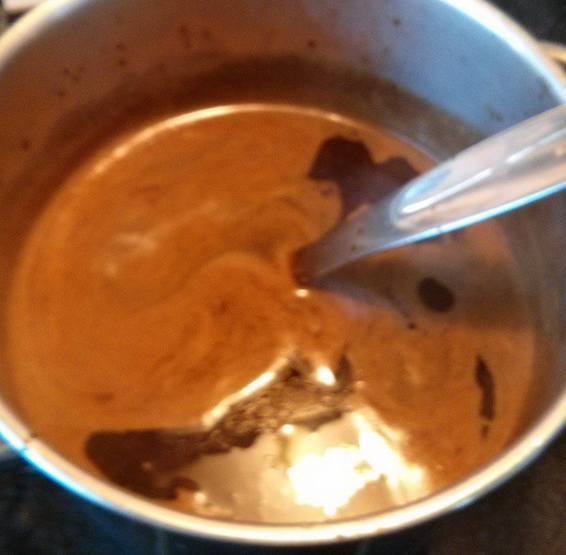
About a month ago I was in the middle of a huge cook day and discovered I was out of Worcestershire sauce. I figured it couldn’t be too hard to make. Since I had all ingredients on hand, I made it.
Let’s me say that I will NEVER buy the bottled kind again. I took very little time to make, is amazing; thick, deeply flavorful..and I bottled it myself. No need to buy it..good for me and the planet!
Worcestershire Sauce
Recipe By :MILLIE
Serving Size : 1 1/2 cups
1/2 cup rice vinegar
1/2 cup apple cider vinegar
1/2 cup blackstrap molasses
1/4 cup fish sauce
2 tablespoons tamarind paste
1 Tablespoon soy sauce
3 Tablespoons onions, diced, caramelized
1 teaspoon pepper
1/2 teaspoon cinnamon
1/2 teaspoon cloves
1/4 teaspoon cayenne
2 Tablespoons butter
2 tablespoons garlic
1 Tablespoon minced ginger
1 teaspoon gin
1 Tablespoon anchovy paste
2 Tablespoons lime juice
1) Blend cooked onions in blender until liquid.
2) Whisk together the vinegars, molasses, fish sauce, tamarind paste, soy sauce, and onions. Set aside.
3) Heat a small, dry sauté pan over medium heat. Toast the spices until fragrant, about 1 minute. Pour into a small bowl and set aside.
4) In a small saucepan, heat the oil over medium heat; then sauté the shallots until transparent and beginning to brown, 2–3 minutes. Add garlic, ginger, anchovies, and reserved spices and continue to sauté just until fragrant, about 30 seconds.
5) Pour in the vinegar mixture and scrape up any bits on the bottom of the pan. Bring to a full simmer; then remove from the heat and let cool completely.
6) Strain through a fine-mesh strainer into a bowl and stir in the lime juice. Pour into a jar or bottle for long-term storage. Will keep in the refrigerator for 1–2 months.


 Meal Delivery Service by Millie Barnes