Why Exercise Has Little Effect On Weight Loss
Posted: July 19, 2012 Filed under: Food and it's Impact on Our Health Leave a comment
What Effect Does Exercise have on Obesity and Weight Loss?
I had someone tell me today that he works out two hours a day, is incredibly strong (I guess so!) and cannot lose weight. He showed me the “healthy” snack he had with him; a granola crunch type thing. I read the ingredients. Rice flour, oat flour, fructose. So far we are at all carbs. Next comes soy oil. Yuck. And about 20 more ingredients from there…
So we talk, really talk. I explain to him what a great breakfast, nutritionally speaking, looks like; organic eggs for breakfast, cooked in coconut oil or butter. Three strips of turkey bacon, crispy. Two cups of pineapple, a handful of blueberries, some organic coffee and I am out the door. With a third of my calories for the day, RARING to go for 5-6 hours without even thinking about food. Enough fat, protein and nutrient packed carbs (fruits and veggies!) at every meal, 3 times a day. 2000 calories a day, every day. Healthy rapid weight loss occurs, energy quickly returns, you sleep better, feel wonderful upon awakening…and get in some play time each day. THAT is the way too lose weight. The ONLY healthy way there is. Period.
Let’s look at trying to exercise enough to lose weight; Be forewarned, however, that the pounds won’t melt off magically. It takes 35 miles of walking or jogging to burn the calories in one pound of fat. Losing weight requires both exercise and optimum nutrition; a balance of healthy fats, protein, fruits, and vegetables. In addition, if a person exercises but doesn’t diet any actual pounds lost may be minimal because dense and heavier muscle mass replaces fat.
Also bear in mind that vigorous exercise such as jogging or running on hard surfaces is essentially unnatural to the body and can lower the immune response. Human beings in virtually every culture have typically, throughout time, engaged in anaerobic functional exercise common to regular labor or work functions on the farm, at sea or while hunting wild game, punctuated by occasional bursts of intense activity. Getting on the treadmill, running, or jogging is not that affective for weight loss, is hard on the joints, and wears you out. Use that same energy for weight training, bursts of hard work such as gardening, surfing, dancing, yoga or sex! You will be in better shape, get toned faster…and save a lot of time that is wasted on the treadmill!
While exercise has little impact on weight loss (that comes from eating enough calories that contain all the nutrients you need on a day to day basis) a fit body will look more toned and be healthier. And exercise even without dieting adds benefit. For example, one study found that overweight but fit people have half the death rate of overweight and unfit people. And, studies suggest that people who have trained for a long time develop more efficient mechanisms for burning fat and are able to stay leaner.
Exercise is vitally important, it helps us stay in shape, stimulates and improves cardiovascular health, helps make us happier and gets us into the sunshine we need so badly. This should include cardiovascular and resistance training. Every type of exercise that you do for resistance should be balanced with stretching exercises. This is called cross training. Most types of resistance training or repetitive movements cause some of our muscles to shorten. You need to balance this with stretching these muscles very well. I mean serious stretching, not what we usually do for five minutes before we run! I mean a true warm up. When we try to stretch without warming the muscles up, we can pull muscles or tendons. We only are able to stretch effectively when our muscles are truly warmed up.
I think yoga is the perfect cross training for almost every other form of exercise. Plus, it is also tones muscles, helps us detox, aids digestion and stills the mind. It is a perfect way to learn to meditate. If someone told me I had to choose just one type of exercise, then yoga would be my first choice. It is also important that find something that you love to do every day that will help you gain cardiovascular health. I mean something that will make you work up a serious sweat! Notice I say find something you love to do. Very few people really love aerobics classes. They are not that effective in toning muscles. You are better off riding a bike, running, rollerblading, surfing, dancing,playing soccer or tennis, . These things are so much fun that they tend to be things you love to do, instead of things you make yourself do in order to get in shape. You’re more likely to do them more often.
Weight training should be practiced 3 to 4 times a week in order to build bone and muscle mass. You may find it very effective to work with a personal trainer or find a workout buddy in the first few months. This will keep you motivated. The hardest part of getting on a regular schedule of exercising is getting started. In the beginning, it seems harder to fit it into our schedules. We get sore and tired. But after a few weeks you reach the point where you see results, you’re sleeping better, feeling energized. You notice that you don’t feel as good on the days you don’t exercise. You feel edgy. I love those endorphins!
But to lose 5 pounds a week AND meet out nutrient and energy needs you need 2000 calories a day. You won’t get weight lose by caloric restriction, that has been proven. At that rate of caloric intake your body is in starvation mode; So eat plenty of healthy fats, get plenty of high quality protein and eat ½ way down the glycemic index…including plenty of green leafy veggies each day. Did you know that green leafy vegetables have NO glycemic scale whatsoever and offer you a depth of nutrients that includes plenty of calcium? They must be cooked with saturated fats to assimilate the nutrients, so use butter or animal fats to cook with.
HERE is what a perfect day looks like.
Sweet Potatoes with Pineapple Chutney
Posted: July 19, 2012 Filed under: Food and it's Impact on Our Health Leave a commentI made this yesterday for my clients, for the Meal Delivery Service and it was so amazing I wanted to share the recipe..
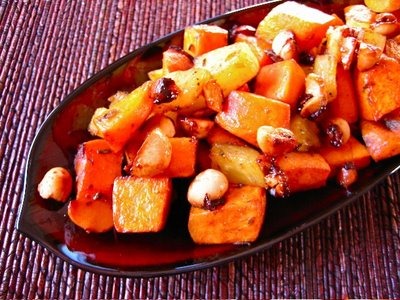
2 large sweet potatoes
1 Tablespoon butter
1 medium shallots- minced
1 can pineapple chunks in juice
2 Tablespoons sugar or 1/2 teaspoon stevia
1 Tablespoon balsamic vinegar (I used a wonderful ages thick ginger balsamic vinegar)
1/2 cup dried cranberries
1/2 teaspoon thyme
pinch of salt
1) Bake sweet potatoes at 400 degrees until tender, about an hour and 15 minutes.
2) Sauté shallots in butter until tender, add pineapple, sugar, cranberries add thyme and simmer until thickened and liquid is absorbed. Add balsamic vinegar and remove from heat. Serve over sweet potatoes.
Eating Organic Economically; How I Eat and Cook all Week.
Posted: July 18, 2012 Filed under: Food and it's Impact on Our Health, Gardening 1 Comment
Pic from Grassroots Market in Historic 5 Points.
1 whole organic chicken 9.00
1 pound grass-fed hamburger 7.99
18 eggs- Grassroots- 3.99
1 pound turkey bacon 5.79
½ pound salmon 4.99
1 pound raw butter 10.00
1 pound carrots 2.99
3 large onions 3.25
¾ pound coffee 7.99
3 beefsteak tomatoes 2.00
Garlic bulb .30
2 limes .99
2 lemons 1.10
3 green peppers bell peppers 2.99
1 bag celery 1.99
1 pint blueberries 3.99
1 bunch kale 3.99
3 large sweet potatoes 2.99
~ 74.34~ grocery cost
-24.50 minus the items I grow
49.84
The items in red are the things I grow in sub-irrigated containers; I used 5 gallon buckets, soil, perlite and made sub-irrigated containers. Growing from seed is cheap.
If you have a backyard, or a deck for container gardening, or grow lights indoors, you can save further in ways that processed food eaters can’t: Almost all year I grow salad greens, herbs, braising greens of some kind and cucumbers and tomatoes. (The salad herbs oregano, thyme, mint, basil, cilantro and parsley never quit here in any season!)
Items I make myself; almond butter made in the Champion juicer, coconut milk yogurt, mayonnaise, salad dressings. These things are very inexpensive to make, very easy to do…not much labor.
Starting on the day I shop, here’s how I eat and cook all week, very simply, but extremely healthy.
First Night; I roast a whole chicken by rubbing butter all over it, salt and peppering it, maybe some garlic or lemon juice and zest. Then roast it for 30 minutes on 450°. Then turn the oven down to 300° and bake for 30 minutes. Now turn the oven back up to 400° and roast that bird just 165°, checking for temp in the thickest part of the breast, not hitting the bone. Save the pan drippings for cooking, save the carcass for stock. Here’s a link to making stock- https://optimumnutrition.wordpress.com/2009/08/12/chicken-stock-101/
That is dinner the first night; a leg and thigh and some breast meat, pour pan drippings over it, using fat and gelatin in roasting pan. With some sautéed peppers and onions and a few slices of ripe tomato, here’s a great dinner.
Breakfast is usually 2 eggs, fried in butter or coconut oil, 3 slices of turkey bacon, some coconut milk yogurt and a handful of blueberries. And 6 ounces of Turkish coffee, ground and brewed each morning. Some mornings I have Ezekiel bread.
Lunch is usually whatever I’ve had for dinner the night before, or an Ezekiel bread sandwich, with meat, fresh olive oil mayonnaise, or almond butter. Maybe Ezekiel with almond butter and sauerkraut, toasted. Usually a cup of meat stock and/or coconut milk yogurt.
Second night; take the rest of the meat off of the chicken, make stock. Have a great chicken soup that night, add sautéed celery, carrots, bay leaf. Maybe some kale sautéed in chicken fat, some gelatin from chicken pan drippings, onions, mushrooms. Sliced tomatoes.
Third night; 1/3 pound hamburger patty, sautéed onions and peppers, 8 ounces chicken stock, sliced tomatoes, coconut milk yogurt.
Fourth night; fresh salmon with dill, Dijon and fresh lemon juice, sautéed peppers, mushrooms and onions, sliced tomatoes. A cup of chicken stock.
Fifth night; Chicken meat prepared however you want, sautéed kale, ½ sweet potato, sautéed mushrooms. Coconut milk Crème Brule and a few blueberries.
Sixth night; 1/3 pound hamburger patty, pan gravy, ½ sweet potato with butter, kale with onions.
Seventh Night; Rest of hamburger with peppers, onions, tomato, salsa, avocado and fresh corn tortilla.
Shop again, or have leftovers, or breakfast for dinner.
Extras I buy if I can afford them; cherries, plantains to fry, dark chocolate, steaks, roasts, Ezekiel bread, wine.
Things I always have in the kitchen; raw butter, Tropical Traditions Coconut Oil and their coconut cream (to use in recipes that call for heavy cream or for decadent desserts) Dijon mustard, olives, herbs and spices, an array of vinegars, olive oil, sesame oil, masa harina, coconut oil, lemons, limes, Kava tea, organic coffee, Yerba Mate Tea, quinoa, rice, teff, coconut and tapioca flours, coconut milk, curry sauces, olives.
Bear in mind that this is a very basic dinner menu, showing how to meet all of your calorie and nutrient needs affordably. These dinners reflect basic eating, by adding other ingredients I can get real fancy, and I do at times.
Fats Are Crucial for Digestion of ALL Foods
Posted: July 9, 2012 Filed under: Food and it's Impact on Our Health Leave a commentAn article was just posted on Lifehacker and several other sites about how important is it to not eat low fat dressing on salads.
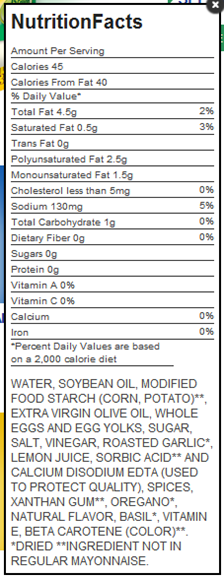
 See Below for Ingredients
That is true. ALL food requires fats to be digested properly.
There is a reason that our grandmothers used fatback and ham hocks to cook in with collards and other green leafy vegetables. Not only do they taste awesome, you actually assimilate the vitamins and minerals in them.
I have seen a few clients with gout recently. Many people are going back to eating more protein since we can now get organic and grass fed meat, and because the studies are showing that vegetarian diets do not meet our nutritional needs. Gout is caused when we do not digest meat well. This occurs if we eat a diet rich in meat and veggies but still low in fat.
America’s misguided obsession with low fat eating and dieting has caused all kind of issues; causing us to eat too many carbs, leading to diabetes, heart disease, obesity, depression. When we do not have the right fats present in the gut at the time we are digesting proteins and vegetables we do not assimilate the nutrients.
Notice, on the left, the ingredients and lack of ANY nutrients! Toxic soy oil, modified food starch, sugar, natural flavors (a toxic mess of ingredients not required by the FDA to be disclosed)…and it has NO FLAVOR!
Rum & Pepper Painted Grouper with Habanero-Mango Mojo
Posted: July 9, 2012 Filed under: Food and it's Impact on Our Health Leave a commentYields: 2 entrees
For the fish:
2- 8 ounces portions grouper (or other firm fish like snapper)
1 Tablespoon butter
For the Rum and Pepper Paint:
Yield:1/3 Cup
1 Tablespoon whole black peppercorns
8 whole cloves
1/4 Cup sugar
1/4 Cup soy sauce
1/4 Cup light rum
½ Tablespoon of grated lemon zest
1 Tablespoons lemon juice
1. Toast the black peppercorns and the cloves together in a dry skillet over moderately high heat until you see puffs of smoke. (About 1 minute.) Now grind them together in an electric spice grinder. Transfer them to a heavy sauce pan. Add the remaining ingredients and heat all together on medium heat. The mixture will begin to foam as it reduces. When it has reduced by approx. half, about 25-35 minutes strain it through a fine-mesh strainer into a bowl. Reserve until needed.
For Mango-Habanero Mojo
Yield: About 1 Cups
1/2 ripe, juicy mango, peeled and cut away from the stone
4 Tablespoons Chardonnay
2 Tablespoon orange juice
1/4 fresh habanero, Scotch bonnet or other hot Chile, stem and seeds removed, minced
1 lime- cut in wedges
1. Blend the mango, Chardonnay and orange juice together in a blender. Now add the minced scotch bonnet chilies and reserve.
To Serve:
1. Just before serving preheat an oven to 450 degrees. Paint the fish liberally on the skin side only and store them on a plate. Warm the "mojo" in a small saucepan until just barely hot.
2. Now heat a large skillet until almost smoking hot. Now add some butter and carefully add the fish, paint side down. Shake the pan to avoid sticking. When the fish is quite dark on the painted side flip it over, degrease the pan and place the pan into the preheated oven. Bake the fish 7-9 minutes. Ladle about 4 ounces onto each serving plate. Now remove the fish from the pan and place it on top of the mango sauce. Serve with a wedge of lime.
Grain Based Diet Dangerous for Everyone, But Especially For Diabetics
Posted: July 5, 2012 Filed under: Food and it's Impact on Our Health Leave a comment

 Diabetes mellitus, is a chronic disorder of carbohydrate metabolism. Diabetes impairs the body’s ability to use food properly such that blood sugars are not oxidized to produce energy. This is due to a malfunction of the hormone insulin which is produced in the beta cells of the pancreas.
Insulin is a hormone that helps to regulate blood sugar levels by taking excess glucose out of the bloodstream and putting it into body cells, either to be used as fuel or to be stored as glycogen and fat. An accumulation of sugar in the blood leads to a build up in the blood called hyperglycemia and then to its appearance in the urine. Symptoms include thirst, excessive production of urine and weight loss.
In people with diabetes, either the pancreas doesn’t make sufficient insulin or the body is unable to use insulin properly. For either reason diabetes is characterized by raised levels of sugar in the bloodstream as blood glucose is not controlled. This can ultimately lead to diverse problems including blindness, gangrene, kidney disease, nerve damage and impotence
Although diabetes cannot be cured, it can be controlled. And research has shown that maintaining good control of blood glucose levels can prevent long-term complications of diabetes.
Type 1 diabetes is not found in the animal kingdom either in meat or plant eating animals, where those animals live in their natural habitat. Neither does type 1 diabetes exist amongst peoples who have not had extensive contact with the industrialized societies: the Inuit, Maasai, and Hunza, and other indigenous peoples whose diets are typically low in carbohydrates. (1) While not a single case of type 1 diabetes has been found among the meat- and fat-eating Inuit population of Alaska, there have been cases of the maturity onset type of diabetes. (2) These appear to be the result of increasing carbohydrates in the modern Inuit diet.
As diabetes is wholly restricted to peoples of Western industrialized civilization, it cannot have a genetic origin, although family dietary traits and lifestyle can play a major part in its appearance within families.
Type 1 is caused by any condition that damages the pancreas’s beta cells. One major cause today may be maternal diet. If a pregnant woman eats too much carbohydrate, this will raise her insulin levels. It is not thought that insulin itself crosses the placenta from mother to unborn child. However, insulin produces antibodies that do. (3) Once in the fetus these increase glycogen and fat deposits resulting in an abnormally large baby. It may also predispose that baby to type 1 diabetes.
That diabetes is a result of environmental and lifestyle factors is demonstrated when people emigrate and adopt the eating habits of their new country: Populations who migrate to westernized countries with more sedentary lifestyles have greater risks of type 2 diabetes than their counterparts who remain in their native countries. But it is not just the change in exercise patterns that causes the greater susceptibility to diabetes, populations undergoing westernization in the absence of migration, such as North American Indians and Western Samoans, also have experienced increases in obesity and type 2 diabetes.
There have been suggestions that particular dietary constituents are involved in the onset of NIDDM. Excessive fat, sucrose (sugar) and other carbohydrates, and inadequate dietary fiber are those particularly discussed.
Today, one frequently hears in the medical world, expressions such as ‘the causes of diabetes have not been clearly identified’, or ‘we do not know what causes diabetes’. However, this is not so: we have known for almost three-quarters of a century. In 1935, a Dr H D C Given pointed out the correlation between carbohydrate intake and diabetes.
This has since been confirmed many times and it is now known beyond doubt that diabetes is caused by an excessive intake of carbohydrates – just as obesity is.
Fortunately Type 2 diabetes is easily treated with a low-carb, high-fat diet.
More recently, several epidemiologic studies have measured insulin levels in populations. These noted higher insulin levels in subjects with high blood pressure and other vascular disease. For this reason, insulin resistance is now also considered a risk factor for heart disease. These studies have added a great deal of confusion to the field because many individuals with insulin resistance do not have diabetes.
Diseases of insulin resistance, particularly NIDDM, occur with greater frequency in populations that have recently changed dietary habits from hunter-gatherer to Western grain-based regimes, compared to those with long histories of such diets. This is why obesity and diabetes is so much more common among Americans of African and Asian origin than among those whose ancestry is European. It has been suggested that insulin resistance in hunter-gatherer populations may be an asset, as it may facilitate consumption of high-animal-based diets. The down side of this is that when high-carbohydrate, grain-based diets replace traditional hunter-gatherer diets, insulin resistance becomes a liability and promotes NIDDM.
The cause of type 2 diabetes via insulin resistance, impaired glucose tolerance, and pancreatic beta-cell failure, largely explains the worldwide increase in this disease.
Whatever the precise nature of the diabetes, eating a diet that helps to keep blood-sugar levels on an even keel is of obvious importance. Until recently, the traditional view has been that sugar, because it causes surges in blood-sugar levels, should be limited in the diet. On the other hand, starches such as bread, potato, rice and pasta are recommended by doctors and dieticians because of the long-held belief that they give slow, sustained releases of sugar into the bloodstream. Fruit is also recommended because it is believed the sugar fruit contains — fructose — also does not raise insulin levels. And this approach shows better than anything just how little the diabetes establishment understands about diabetes — because, biochemically, it makes no sense whatsoever.
Let me give you a short chemistry lesson.
Sugars - The first and most important point to make is that all carbohydrates are sugars , although we do not normally call them that, but differentiate between those that taste sweet, which we call ‘sugar’, and those that don’t, which we call ‘starch’.
The simple sugars in foods that are most important to human nutrition are called sucrose, fructose, lactose, and maltose. But the body is only interested in the simple sugar called glucose, so these other simple sugars break apart in the digestion to become glucose.
Next we need to understand how the current recommendations are actually based on what I can only describe as dietary nonsense.
Q: What are diabetics told to eat?
A: "5 portions of fruit and vegetables a day"
Q: What carbohydrate do fruit and vegetables contain?
A: FRUCTOSE — which is a sugar!
Ah, yes . . . but . . . glucose raises blood levels very quickly (Fructose is preferred to glucose because it is thought to take longer to raise blood sugar).
Diabetes mellitus is a disease of incorrect nutrition.
The disease develops as a result of a high intake of carbohydrates — the ‘healthy’ diet.
Since ‘healthy eating’ was introduced, type 2 diabetes has become epidemic to such an extent that it now affects children.
This increase at such a time is NOT a coincidence — it is cause and effect.
The reason conventional treatment of diabetes fails is because authoritative bodies such as the American Diabetes Association promote the very diet that caused the disease in the first place — a diet that actually makes the condition worse.
Fortunately Type-2 diabetes is easily treated without the need to resort to drugs by:
A strategy that offers the prospect of cure or successful treatment for diabetes is one that limits hyperinsulinemia by restricting carbohydrate intake — the exact opposite of the conventional approach.
The correct diet for a Type-2 diabetic, (or treatment without drugs)
Let’s start from scratch and pull all the evidence together.
Why Do Adults Become Diabetic?
Adults and children develop Type-2 diabetes as a consequence of eating a high-carbohydrate diet — and for no other reason.
As a diabetic, there is only one way to ‘cure’ the condition and lead a normal drug-free life again: stop doing the thing that caused the disease. Diabetes is caused by a chronic high intake of carbohydrates — sugars and starches. The current "healthy" dietary recommendation advise a chronic intake of carbohydrates.
The evidence says that a low-carb diet is healthier.

The Balanced Diet
There is nothing so dear to a nutritionist’s heart as the idea of a "balanced" diet.
DiabetesUK say: "Foods can be divided into five main groups. In order for us to enjoy a balanced diet we need to eat foods from these groups."
And the ADA say: "No single food will supply all the nutrients your body needs, so good nutrition means eating a variety of foods."
Here is my definition of a balanced diet: A balanced diet is any diet that supplies all the nutrients the body needs in the correct proportions.
If you accept that definition, then a diet entirely of meat — so long as the organs (liver, kidney, etc) and fat are included — is a balanced diet.
Don’t believe me? Then consider what the Inuit (Eskimos) eat, as conveyed in the Eskimo food "pyramid" cartoon above.
Main Points
- Diabetes is not caused by obesity; both conditions are caused by the same thing
- Dietary carbohydrates cause obesity
- Dietary carbohydrates cause diabetes
- Obesity is merely evident before diabetes
- To reduce disease, reduce carbohydrates.
A high fat diet is best for weight loss!
Why? It’s really quite simple. It’s because that is our natural diet!
Q. What have all wild animals got in common?
A. None is overweight and none gets diabetes
Q. What have all primitive humans got in common?
A. None is overweight and none gets diabetes
Q. What have westernized industrial humans got in common?
A. Many are overweight and many get diabetes
Q. What have westernized industrial humans’ pets got in common?
A. Many are overweight and many get diabetes
Do you see the pattern?
What Is Our Natural Diet?
Summary of Evidence
- Agriculture very recent in history.
- For 2.5 million years — diet high-protein, high-fat, low-carb.
- 99.9% of our genes formed before advent of agriculture.
- We evolved eating an animal sourced diet.
- The current concept of a "healthy’ diet quite different — and unnatural.
All this isn’t new. Before 1984, diabetics were treated with low-carb, high-fat diet. Think about it: a low-carb, high-fat diet reduces postprandial (after meals) glucose spikes. If there are no glucose spikes there’s no hyperinsulinaemia and with no hyperinsulinaemia there’s no weight gain and no diabetes.
For diabetics, carbs should be reduced to around 30-40 grams a day.
The amount of calories lost through cutting down on carbs must be made up in some way from other foods. It is important that you do not go hungry.
It is equally important that these calories come from dietary fat — NOT from protein. The aim is to reduce blood glucose and insulin levels. Our bodies will make glucose from protein — they don’t make glucose from fat. And fat is a much better fuel anyway.
Below is a list of foods to avoid. Some will be obvious – others less so.
- Sugar and artificial sweeteners, including honey. The only allowed sweetener is stevia. (Sugar is a problem as it is addictive. I suggest you cut down gradually until you can do without. The other option is to go ‘cold turkey’ and stop it altogether. This will give you withdrawal symptoms, just like stopping any other addictive drug. But this will wear off within about two weeks.)
- Sweets and chocolates, including so-called sugar-free types. (If you want a chocolate treat, say once a week, then eat Continental dark chocolate with 70% or more cocoa solids, not the American stuff where sugar is the first named ingredient.)
- Foods which contain significant proportions of things whose ingredients end in -ol or -ose as these are sugars (the only exception is cellulose, which is a form of dietary fiber)
- "Diet" and "sugar-free" foods (except sugar-free jelly)
- Grains and foods made from them: wheat, rye, barley, corn, rice, bread, pasta, pastry, cakes, biscuits, pies, tarts, breakfast cereals, et cetera.
- Starchy vegetables: potatoes and parsnips in particular; and go easy with beet, carrots, peas, beans, et cetera and packets of mixed vegetables which might contain them
- Beans with the exception of pole beans
- Milk
- Sweetened, fruit and low-fat yogurts
- Cottage cheese
- Beware of commercially packaged foods such as TV dinners, "lean" or "light" in particular, and fast foods, snack foods and "health foods".
- Fruit juices, as these are much higher in carbs than fresh fruit. (If you like fruit juices as a drink, dilute about 1 part fruit juice with 2-4 parts water.)
Given this, the ratios you should adopt for your daily meals are:
10% — 15% carbohydrate
20% — 25% protein
60% — 70% fat
The amount of fat might seem too high to manage. In fact, it isn’t too difficult if you fry as much as possible, buy the fattiest meat you can find — and don’t cut the fat off, and spread butter on cooked vegetables or fatless meat.
As an example, here is an actual menu for meals for one day:
-
Breakfast 8:00 am
2 extra large egg
3 slices fat bacon
1/2 cup mushrooms (these soak up fat)
15g organic butter or coconut milk
75g banana
Lunch 1:00 pm
6 ounce fat pork chop
1/3 cup carrots
1/2 cup kale
1/2 cup yellow squash
1/3 cup onion
Butter on vegetables
Evening 6:45pm
7 ounce sirloin steak, cooked in coconut oil
1 medium size beet, roasted, with butter
2 cups beet greens cooked with onions and butter
plus 2 litres of water as plain water or in green teas
That is an example of what I use as a slimming diet — Does it really look so difficult to live on?
Do you need exercise to burn off all these calories? Not really, you won’t gain weight eating this way.
Now that you think there is nothing left to eat, these are foods you can eat:
- All meat , ALL ORGANIC, FREE RANGE – lamb, beef, pork, bacon, etc
- include the organ meats: liver, kidneys, heart, as these contain the widest range of the vitamins and minerals your body needs (weight for weight, liver has 4 times as much Vitamin C as apples and pears, for example)
- All poultry: organic chicken (with the skin on), goose, duck, turkey, etc. But be aware that turkey is very low in fat, so fat needs to be added.
- All animal and meat fats – without restriction – never cut the fat off meat.
- Cold water fish and seafood- once a week only
- Organic Eggs (no limit, but avoid "omega-3 eggs" as these have been artificially fed which upsets the natural fatty acid profile)
- organic (preferably raw butter (put butter on cooked veggies instead of gravy.;
- Vegetables and fruits as allowed by carb content. You want them low on the glycemic index.
- Condiments: pepper, salt, mustard, herbs and spices
- Soy products are allowed but, as they are highly toxic, I don’t recommend them
Here is a list of the lowest glycemic Vegetables;
Artichoke, asparagus, broccoli, bell peppers, celery, cauliflower, cabbage, green beans, lettuce, mushrooms, onions, kale, beet greens, Swiss chard, collards, turnips, spinach, Bok Choy, fennel.
NOTE: There are two points from a diabetic point of view:
- A diabetic should cut out the fruit at breakfast time if he/she notices the "Dawn Phenomenon" (higher blood glucose levels on waking than before going to bed).
- The small meal in the evening will ensure that blood glucose overnight and in early morning does not go too high
Monsanto Outspends All Other Ag Companies on Lobbying, Except Big Tobacco
Posted: July 4, 2012 Filed under: Food and it's Impact on Our Health, Non-Toxic Choices Leave a commentFrom TreeHugger
And you wonder why there are no GMO labels in the US?

You probably already know about how much lobbying Big Ag does in DC to ensure that Congress never really gets around to changing our industrial agriculture system (cynical, but essentially accurate), but over at Mother Jones, Tom Philpott points out a particularly egregious and shocking fact. Get this:
In 2011 Monsanto spent $6.3 million lobbying Congress. In the first three months of 2012 alone they spent $1.4 million on lobbying. That’s more than any other agribusiness company except for the tobacco company Altria, according to OpenSecrets.org.
We Are NOT Meant To Eat Grains
Posted: July 4, 2012 Filed under: Food and it's Impact on Our Health, Non-Toxic Choices Leave a comment


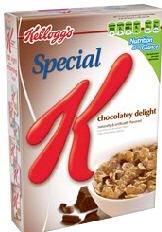

Cereal Makers Scolded Because Claim Of Lowering Cholesterol 10 Percent In Month Makes It A "Drug"
The Food and Drug Administration scolded the makers of Cheerios about the way they promote the cereal’s health benefits. The FDA sent a letter of warning to General Mills accusing them of making unauthorized health claims
The FDA gave General Mills 15 days to explain how it will correct the statements on Cheerios boxes.
What I noticed on the box was on the side, a graph showing percentage of daily nutritional requirements that Cheerios met. It shows that we get 5% of what we need nutritionally from Cheerios 5%???? That is supposed to be a good breakfast???
My point is that packaged breakfast cereals are basically cardboard, they are devoid of nutrients, giving us fiber but little else. And they do a lot of damage; studies show a link to schizophrenia, autism, diabetes, learning disorders, weight gain, leaky gut.
Much research has proven that dietary fat is not necessarily converted into body fat. Carbohydrates, on the other hand, are readily converted into fat by the action of insulin. According to many experts, most overweight people became overweight due to a condition called hyperinsulinemia — elevated insulin levels in the blood. When you eat a high-carbohydrate meal, the increased blood sugar stimulates insulin production by the pancreas. Insulin is the hormone that allows blood sugar to be used by the cells. However, a side effect of insulin is that it also causes fat to be deposited, and it stimulates your brain to produce hunger signals. So what do you do? You eat more carbohydrates, and the cycle repeats. In time, your body cells become resistant to insulin, meaning that your pancreas has to work overtime, producing up to four or five times as much insulin just to keep up with the demand. It has been shown that high levels of insulin have a deleterious effect on the body, including premature aging.
Restricting the intake of carbohydrates puts a halt to this vicious cycle. When you restrict your carbohydrate intake, your insulin levels decrease and the levels of glucagon increase. Glucagon is a hormone that causes body fat to be burned and cholesterol to be removed from deposits in the arteries.
Grains are grass seeds. The grains of today are rather tall, but they’re huge compared to the seeds from which they’re developed. Grains have been cultivated and eaten humans for only about 8,000 years.
In nature we did not eat grains or grass seeds. We did not develop any gathering or digestive equipment for grains. Natural grain eaters must be able to efficiently gather, grind and digest grains. Humans fail on all counts. Our teeth handle grains poorly. In fact, humans refuse to chew tasteless and hard grains. Even so, humans, not being starch eaters, cannot digest more than a handful of grains, if that much. True starch eaters secrete a plethora of starch-splitting enzymes in copious amounts. Humans secrete one starch-splitting enzyme, salivary amylase (ptyalin) which is quickly exhausted. After a mouthful or two of starch, the eater palls and stops.
Nope, we’re not grain eaters. The way we do eat grains by mechanical gathering, refining, cooking, etc. makes them palatable but more pathogenic.
Our diets need to consist of 50% fat, 30% protein, the rest should be from carbs…BUT …carbs from vegetables and a small amount of fruit. That’s it. No grains, no cereals, no Cheerios, no bread, no pasta.
Why the Breakfast Most Americans Will Eat Today Is a Corporate Scam
Posted: July 2, 2012 Filed under: Food and it's Impact on Our Health Leave a comment

Wake up and smell the McCafé: Cold cereal, donuts and orange juice are breakfast staples because somebody somewhere wanted money.
Not all of it. But nearly every breakfast staple — cold cereal, donuts, yogurt, bagels and cream cheese, orange juice, frappuccino — is a staple only because somebody somewhere wanted money. Wake up and smell the McCafé.
Seeking to provide sanitarium patients with meatless anti-aphrodisiac breakfasts in 1894, Michigan Seventh-Day Adventist surgeon and anti-masturbation activist John Kellogg developed the process of flaking cooked grains. Hence Corn Flakes. Hence Rice Krispies. Hence a rift between Kellogg and his business partner/brother, who wanted to sweeten Kellogg’s cereals in hopes of selling more. Guess who won.
In pre-Corn Flakes America, breakfast wasn’t cold or sweet. It was hot, hearty and lardy, and it had about 4,000 calories.
“Breakfast was the biggest meal of the day. Eaten before you headed out to do a whole day of farm chores, it had to keep you going until dinner,” says food historian Andrew F. Smith, author of Eating History: Thirty Turning Points in the Making of American Cuisine (Columbia University Press, 2009). Pre-industrial Americans loaded up on protein-rich eggs, sausages, ham and American-style belly-fat bacon along with ancient carb classics: mush, pancakes, bread.
The Great Cereal Shift mirrored — and triggered — other shifts: Farm to factory. Manual to mechanical. Cowpuncher to consumer. Snake-oil superstition to science. Biggest of all was food’s transition from home-grown/home-butchered to store-bought.
“Cold cereals are an invention of vegetarians and the health-food industry, first through Kellogg’s and then through C.W. Post, which steals all of Kellogg’s ideas,” Smith explains.
“These companies realized early on that people like sugar, and kids really like sugar — so they shifted their sales target from adults concerned about health to kids who love sugar. It’s a thoroughly American invention.”
As is orange juice, another breakfast contrivance marketed as healthy for kids. Media buzz about vitamin C and advances in pasteurization spawned the orange-juice industry in the 1930s, turning an obscure luxury into a household necessity.
“Orange juice has come to symbolize purity in a glass,” writes agriculture expert Alissa Hamilton in Squeezed: What You Don’t Know About Orange Juice (Yale University Press, 2009). Her research reveals a highly processed product whose use of cheaply grown foreign fruit now mandates a massive carbon footprint:
“Orange juice marketers have succeeded in creating an aura of golden goodness around the product. The idea that orange juice is ‘an essential part of a balanced breakfast’ is familiar and for the most part unchallenged.”
Hamilton is outraged that commercial orange juice is “advertised as pure, fresh, and additive-free. Those who buy orange juice buy the stories that the industry tells.”
Major companies use “flavor packs” engineered by the same firms that create perfumes for Dior and Calvin Klein to make their juice smell and taste “fresh” despite its long shelf life:
“Flavor packs aren’t listed as an ingredient on the label. … The formulas vary to give a brand’s trademark taste. If you’re discerning, you may have noticed Minute Maid has a candylike orange flavor. That’s largely due to the flavor pack Coca-Cola has chosen for it.”
Tropicana, meanwhile, is owned by PepsiCo.
“Ask yourself why, like most people, you drink orange juice,” Hamilton urges. “You probably say the reason is that it is good for you, or that it is high in vitamin C, or that you grew up drinking it and like it. If so, then I must frankly tell you that, when it comes to orange juice, you are acting like a robot.”
From; AlterNet.com
Millie; By the way, which breakfast pictured looks more appetizing? In the next post I will examine the nutrition content in each of these breakfasts…
Oatmeal or a Traditional Breakfast?
Posted: July 2, 2012 Filed under: Food and it's Impact on Our Health Leave a comment
Each day we need approximately 2000 calories, athletes and pregnant or lactating mothers need more.
Each meal should give us about a third of the nutrients and calories we need each day. So given that information, what should we eat for breakfast; oatmeal or a traditional breakfast?
Oatmeal
Here’s the nutrition info on a breakfast consisting of oatmeal with milk with blueberries added;
Calories- 458
25% of those calories came from fat
57% came from carbohydrates
18% came from protein.
You got 4% of needed Vitamin C for the day- You need 2000 mg a day for optimum health.
You got 4651 IU of Vitamin D- you need 50,000 IU a day.
Calories were about 1/4 of what you needed, Vitamins C and D were woefully inadequate. Carbs were way too high and will leave you hungry and experiencing low blood sugar well before lunch. You did not get enough fat or protein in this meal so the meal will digest quickly and leave you looking for food well before lunch.


 Meal Delivery Service by Millie Barnes