95 Ways to Eat More Vegetables
Posted: April 28, 2017 Filed under: Food and it's Impact on Our Health Leave a comment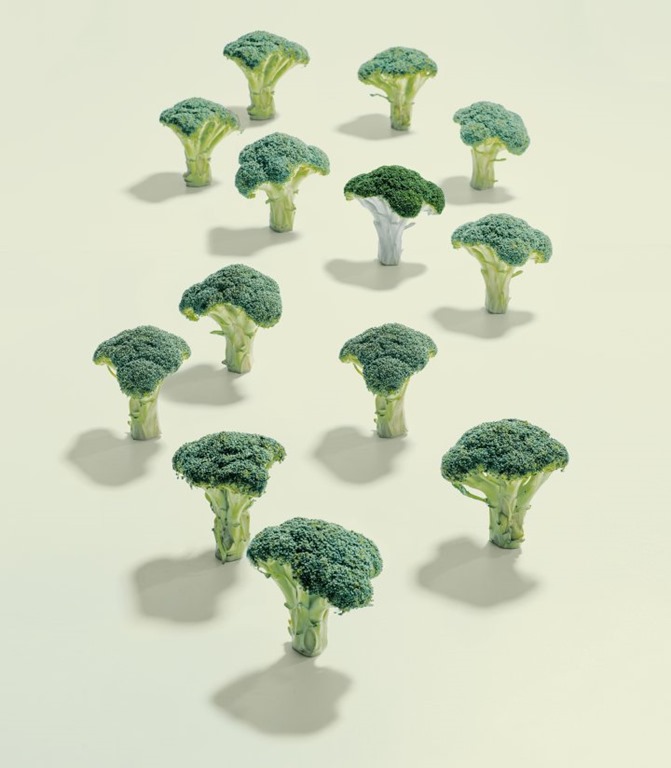
It can be easy to say, “I’m going to eat more vegetables.” But when it comes down to it, many of us fall short of our daily needs. Pack in the veggies, and the flavor, with these 95 creative ways to boost your meals, drinks, and snacks.
1. Let seasonal produce shine. Our Spring Vegetable Grain Bowl, which uses raw shaved veggies as well as English peas, creates a whole-grain meal packed with nutrients.
2. Plant your own vegetable garden. It’s hard to avoid eating healthier when fresh fruits and veggies are growing in your own backyard.
3. Feature a new vegetable each week. Experiment with new and seasonal vegetables, and invite friends over to try new dishes together.
4. Bag the bread and instead wrap your sandwich inside a leafy green, or try one of these healthy lettuce wrap recipes.
5. Cook more greens. Chef Jenn Louis’ new cookbook The Book of Greens boasts an encyclopedic yet engaging collection of recipes for everything from kale and collards to tatsoi and purslane.
6. Pick your own seasonal produce or visit the farmers’ market for a fun weekend activity to get up close and personal with farmers and their crops.
7. Dine in for date-night dinner. Forget the steak. In our Shiitake and Asparagus Sauté with Poached Eggs recipe, earthy, meaty shiitake mushrooms balance lemony asparagus and a rich, perfectly poached egg for a meal portioned for two.
8. Pack them into pasta sauce. Vegetables like mushrooms, onions, and peas can amp up the flavor and nutrients. Consider starting with our Mostly Veggie Pasta with Sausage recipe. We reverse the typical meat to marinara ratio and use sausage as the flavor agent instead of the base and add in plenty of vegetables.
9. Fish-free sushi isn’t just cheaper to make, it also gives you a chance to really pack in the vegetables. Shiitake mushrooms, avocado, and cucumber are just a few of our favorites.
10. Dress for success by shaking together a few pantry staples to create additive-free, lower-sodium dressings that are perfect for veggie dipping or tossing.
11. Blend them into your favorite smoothie. Check out our Best Green Smoothie Recipes.
12. Add them to eggs. Vegetables make excellent additions to omelets, frittatas, and breakfast sandwiches. Eggs are already a great source of protein, so up the nutrition factor by filling them full of colorful vegetables.
13. Sneak them into your morning muffin. These zucchini muffins make a delicious breakfast on-the-go.
14. Toss them in a stir-fry, like our Szechuan Tofu with Cauliflower for a quick and easy dish for Meatless Monday.
15. Save the stalks. Stalks from broccoli and cauliflower are edible and eye-openingly delicious. Save outer peels for stock, and shave the stems into salads, or sauté, roast, or steam them just as you would the florets.
16. Swap your usual salad, and opt for a vegetable salad. We use a mandoline in our Baby Vegetable Salad to create thin, even slices dressed with olive oil, honey, lemon juice, as well as fresh tarragon and dill.
17. Shred up a slaw. Cabbage is the classic go-to, but other veggies like zucchini or bok choy make wonderful slaw side dishes.
18. Amp up your cheese board with the addition of vegetables. Thinly sliced cucumbers and radishes make for excellent palate cleansers, and any pickled veggies will create a balanced board.
19. Buy a CSA Box. Support your community by purchasing a Community Supported Agriculture (CSA) box filled with seasonal fruits and vegetables from local farmers and usually available for weekly delivery.
20. Stir them into a stew. Our saucy Chicken and Poblano Stew with Polenta is a Mexican twist on Italian comfort food, especially when served over creamy polenta.
21. Get juiced by creating drinkable vegetables. Recover from a late night, or just pump up your morning, with flavorful veggie juices. Juicing is a great way to get a serving—or two—of plant-based nutrients in a single glass.
22. Stuff them into sandwiches. Rich in vitamins and antioxidants, vegetables also add nice crunch and flavor to sandwiches.
23. Feature them in spring-inspired cakes. Vegetable cakes, that is. We combine zucchini, and shrimp in our Zucchini and Shrimp Cakes then top them with a Snap Pea Relish.
24. Rethink your steak. Go entirely plant-based at dinnertime by opting for Broccoli Steaks or Cauliflower Steaks.
25. Turn them into chips. Whether you’re thinking zucchini, beet, or sweet potato, our healthy homemade chips help you eat more veggies and save you tons of fat and sodium.
26. Learn how to create beautiful salads that are balanced, colorful, and brilliantly simple.
27. Snack your way through dinner with our favorite new trend. Load up a sheet pan with fresh veggies, fruit, and other goodies to make a DIY dish that the whole family will love.
28. Pickle and preserve them. Turn surplus veggies into a quick pickle to use throughout the week—or a sealed batch to last months.
29. Eat by color. Make the effort to eat a colorful diet, and you’ll eat more fruits and vegetables.
30. Savor them in a meatless main, like our Chickpea Panzanella filled with artichoke hearts, cherry tomatoes, and red onion.
31. Adopt a plan-forward approach to Mexican food with smoky salsa, satisfying veggie tacos, and saucy enchiladas.
32. Bake them into a tart or savory pie. By pairing a load of vegetables with a little meat and sauce, you’ve automatically got a filling and nutritious meal.
33. Snack on them as you cook. Toss potato, carrot, and parsnip peels with a little oil, salt, and pepper, and bake at 400°F for 10 minutes or until browned and crisp. They’re delicious!
34. Stuff them into lean cuts of meat. High-flavor ingredients like fresh baby spinach embellishes our succulent pork loin in an elegant slow cooker main.
35. Use our cookbook, Everyday Vegetarian: A Delicious Guide for Creating More Than 150 Meatless Dishes for new recipe inspiration.
36. Go frozen. It’s always vegetable season in your freezer, and frozen still boasts stellar nutritional value.
37. Pulverize them for a quick dip. Sweet peas offset the kicky heat of wasabi in our Pea and Wasabi Dip—a zippy alternative to hummus.
38. Swap sweet potatoes for wheat-products. Sweet Potato Crust Quiche is a reader favorite, while thinly slicing the tuber and toasting it can also make for a great gluten-free breakfast option.
39. Make stock. Save tough outer peels and snipped parts of turnips, rutabagas, squash, and beans; mushroom stems; bell pepper scraps; and other odds and ends to make vegetable stock.
40. Whip out waffles to keep your daily vegetable-intake going. Sweet potato waffles can be dressed up to be sweet or savory, and you can always add a bit of shredded zucchini to your family’s favorite recipe for a zucchini bread-like twist.
41. Make over your lasagna. Our healthy veggie lasagna will make your taste buds sing.
42. Designate the start of each week as “Meatless Monday,” and eat only plant-based the entire day.
43. Feature them at your next barbeque. That’s right, throw those veggies on the grill. Our grilled fruit and vegetable recipes showcase some of our tastiest combinations.
44. Make greater gravy by adding in vegetables during the cooking process. Mushrooms and spinach will add rich flavor and texture.
45. Use the whole vegetable. Some veggies, like turnips or beets, are often bought for their roots alone. Utilize their tasty tops too and cook up the greens for extra vegetables at your next meal.
46. Take the pie road. By that, we mean, create healthy homemade pizzas supercharged with veggie toppings that fill nutritional goals for the day.
47. Bake them into your favorite dessert—like Mom’s Rhubarb-Apple Crisp.
48. Double the portions. Double the amount of vegetables in a recipe—when you can—to reach your goals faster. Same goes for portioning out raw fruits and vegetables for snacks.
49. Use them to top your favorite breakfast food.
50. Stir into soups. Take advantage of spring produce (or use up what’s leftover) to create vegetable soups that satisfy any time of year.
51. Turn them into tasty vessels by stuffing vegetables with foods like quinoa, couscous, falafel, and more.
52. Pack veggies into pesto. The food processor will do all the work for you. Make your favorite pesto recipe and add in a handful of spinach or some cooked mild vegetables (zucchini is great) to bulk up the sauce.
53. Keep them visible. Your mind—as well as your body—is responsible for many of the food choices we make, so put fruit and vegetables where you can see them. Research shows where we store food has much to do with what we consume.
54. Fire up the slow cooker. Use your favorite appliance to help you create hands-free vegetable dishes that are sure to please.
55. Fry vegetables into fritters. Whether you go traditional with something like latkes or get adventurous with our Indian-Spiced Pea Fritters recipe, shredding or mashing veggies can create wonderfully crispy cakes.
56. Buy precut vegetables. Snagging veggies that are ready to eat saves on prep times and give you quick options for lunch or snack.
57. Dunk them in your favorite dip. Instead of reaching for chips, try dipping carrots, broccoli, and bell peppers, into hummus, homemade salad dressing, pesto, or peanut butter.
58. Makeover your mash. Make mashed potatoes healthier and creamier by adding roasted cauliflower.
59. Keep track of what you eat. Writing down everything you consume during the day will help you eat more mindfully.
60. Thicken soups and stews with vegetables. Okra is a natural thickener (gumbo, anyone?), and so are starchy foods like potatoes. If a creamy soup is what you desire, blending up cooked corn or cauliflower will result in rich tasting, but still light, dishes.
61. Swap your spaghetti. Try new noodles by spiralizing veggies into long strands. Twirl up a forkful and you won’t even miss the pasta.
62. Set a goal. As a nation, we know we’re not eating enough fruits and veggies. But how much is enough? See our handy guide to learn how much you should be eating based on your age, gender, and physical activity.
63. Mix up your meatloaf and save over 260 calories per serving. Mushrooms and peas are just two of the secret ingredients for a better, plant-packed dish.
64. Start with an appetizer. Start with vegetable soup or a healthy dip paired with vegetable strips. You’ll get an extra portion in and curb your appetite so you don’t overeat.
65. Create a hash by chopping and tossing together almost any veggie you have on hand. Carrots, peppers, onions, tomatoes, and more have a place in this modern meat-and-potatoes dish.
66. Try them dried. Satisfy your cravings for something crunchy by noshing on vegetable chips or dehydrated vegetables. They’re still nutritious and delicious for snacking.
67. Bag them. Portion out baby carrots, cucumber, cherry tomatoes, cucumber strips, snow peas, bell peppers, and other veggies into individual bags, so they’re easily accessible when hunger strikes.
68. Build a better bolognese with a veggie-packed recipe. Butternut noodles and mushroom-filled sauce can trick even the most refined palate into thinking they’re indulging.
69. Pile them on a potato. Dress potatoes with grilled vegetables, steamed broccoli, caramelized onions and mushrooms, or whatever flavor combinations you love.
70. Char up some flavor by blistering vegetables. Broiling veggies like green beans or asparagus lead to a wonderful extra flavor, without much extra effort.
71. Rethink your rice. Our cauliflower “rice” delivers a light and fluffy texture that you’ll love. Dish it up as a side, serve it with stir-fry, or mix it with homemade sushi.
72. Flip your burger by cooking up a Mushroom-Beef Burger or, even better, a veggie burger.
73. Gussy them up with a glaze. Amp up cooked vegetables by tossing them in a glaze, like sweet chili sauce or thin BBQ, and cooking for a few minutes to create a deliciously thick coating.
74. Build the best bowls by relying more on vegetables than grains or meat. Create a base of cooked or raw veggies, extra points if they’re spiralized, to bulk things up without adding too many calories.
75. Change up Taco Tuesday by focusing on veggie-forward toppings and sides. Skip rice and serve Purslane in Green Salsa or Esquites (Corn Salad) on the side, while topping your main dish with Salsa Chipotle.
76. Take your toast to a new level by adding in veggies. While avocado may be your first choice, it’s actually a fruit. Some great vegetable options are sprouts, chopped cherry tomatoes, cooked kale, shaved carrots, and more.
77. Start the day with a salad. While they might seem the opposite of regular morning fare, breakfast salads are full of fresh flavor (and veggies) while still nodding at tradition by keeping ingredients like eggs and bacon.
78. Cook up a jar of savory jam to use all week long. Our favorite ways are to toss it into pasta salads, top pizzas, and slather on sandwiches.
79. Pair with fruit. Get your daily intake of both fruits and veggies by throwing the two together in dishes like mango salsa, salads, and fruity gazpachos.
80. Make it all in one pot. Nobody wants to make extra dishes so one-pot recipes like Sweet-and-Sour Carrots make the meal, and clean up, so much easier.
81. Choose them for their benefits. It’s easy to cook for taste alone, but getting to know immunity-boosting recipes that rely on ingredients like carrots and mushrooms may just help you through the allergy or flu seasons.
82. Dehydrating vegetables can be the ‘cooking’ option few think of. Either invest in a dehydrator or set your oven at a low temperature to create veggie chips, fruit leathers, and more.
83. Go half and half. Replace half of your main ingredient with veggies, like in Creamy Carrot and Herb Linguine, to bulk up your meal and give you a vegetable boost.
84. Say cheese with a drizzle of decadent sauce which can instantly upgrade a bowl of steamed veggies. Keep it light, but still indulgent feeling, with our healthier cheese sauce.
85. Change up your deviled eggs by blending vegetables in with the creamy filling. This makes a particularly impressive display if you use bright produce like beets or peas.
86. Pep up polenta by blending in creamy white vegetables like cauliflower or turnips.
87. Serve up smoky flavor by using the easy technique of cold smoking on vegetables. Now there’s no need to fire up the grill for amped up veggies.
88. Make the vegetables the dish. Some veggie recipes, like Spaghetti Squash Lasagna, bake into a perfectly packaged dish, making plates totally unnecessary.
89. Roll out the ravioli and make it even better by adding in veggies. Creamy vegetables like butternut squash or pureed spinach make for great pasta fillings.
90. Create caramelized goodness by cooking veggies low-and-slow. The results of this are tender and ultra rich vegetables.
91. Hasselback your next veggie of choice for a fun dinner side. Thinly slice foods like potatoes, zucchini, or even carrots to create an evenly cooked, but lightly crispy, dish.
92. Skip the fries. Next time they ask if you want fries for that, say no, and ask for a salad instead. Or if fries are a must have opt for a healthier version like these Chili-Cheese Spiralizer Fries.
93. Plan ahead. While eating more vegetables may sound fantastic, the reality is that busy schedules often make the daily washing, trimming, chopping, and roasting of fresh food unrealistic. Consider prepping the week’s vegetables over the weekend, so it’s easier for you to grab and cook.
94. Start every meal with a salad. You may not want to eat multiple salads everyday forever, but it’s a great place to start.
95. Make life easier. Invest in a reasonably priced, all-purpose chef’s knife. The sharp tool will make quick and efficient work of any kind of vegetable butchery.
This article originally appeared on CookingLight.com
Are Frozen Vegetables as Nutritious as Fresh? We Took a Look at the Science
Posted: April 26, 2017 Filed under: Food and it's Impact on Our Health Leave a comment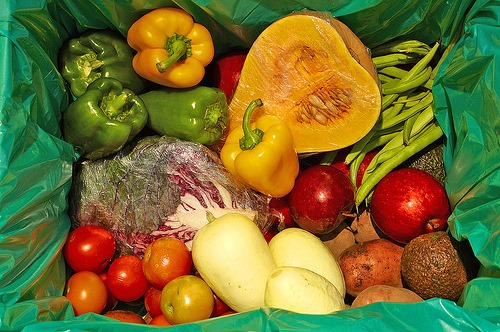
We all know the health perks of eating more vegetables: A wealth of research has found diets rich in fruits and vegetables lower blood pressure, decrease risk of heart disease, can reduce blood cholesterol levels, and may offer protection against certain types of cancers.
But all that means just fresh vegetables, right? Frozen veggies must not be as nutritious as plants plucked straight off the farm. Well, not so fast, says science.
The Claim: Frozen Food Is Just as Good as Fresh
Research from the University of Georgia, funded by the Frozen Food Foundation, looked at the nutritional value of supermarket produce over the course of two years at various stages: when they were fresh; in the fridge for five days; and frozen. The Frozen Food Foundation selected the nutritional variables to look at as well as the produce (broccoli, cauliflower, corn, green beans, green peas, spinach, blueberries, and strawberries were studied).
The resulting study, published in the Journal of Food Composition and Analysis, found that all three methods of storing for the selected produce are generally nutritionally equal to one another.
Read more: Selected Nutrient Analyses of Fresh, Fresh-Stored, and Frozen Fruits and Vegetables from Journal of Food Composition and Analysis
The goal of the study, said corresponding author Ron Pegg, is to disprove the assumption that frozen produce is significantly less nutritious than fresh produce.
“There is a misconception out there that if you freeze [produce], you are losing the nutrients, the vitamins, and the minerals,” says Pegg, who designed the study. “And that fresh is much better than the frozen. That is not the case at all.”
One surprising finding, however, was that some frozen vegetables — like English green peas and green beans — actually offered higher levels of nutrients than their fresh counterparts stored in the fridge. Pegg, who calls the freezing process “Mother Nature’s pause button,” explains that frozen produce arrives at the processing plant “at the peak of ripeness.” Because of this, sometimes produce has higher values of nutrition than what is found in the supermarket. Green peas, for example, have been found to lose 52 percent of their “wet weight” 24 to 48 hours after being picked.
“To us this is very intuitive, because the produce is taken at their peak ripeness and frozen right away,” says Pegg.
Does This (Industry-Funded!) Claim Hold Up?
Now, we know what you’re thinking. This study was funded by the frozen food industry itself. Are the results suspect? Can we trust them?
The best way to evaluate is to look at other, similar research. Science usually moves forward not in huge leaps and breakthroughs but through slow, iterative accumulation of research findings building on each other, after all. What do other studies say?
When it comes to frozen vegetables, other research does support much of this industry-funded study. A 2015 study from University of California Davis looked into the nutritional profiles (fiber, vitamins, minerals, etc.) of eight fresh and frozen fruits and vegetables — corn, carrots, broccoli, spinach, peas, green beans, strawberries, and blueberries — and found no significant differences between the fresh and frozen produce. According to lead author Ali Bouzari, whenever fresh or frozen produce had an edge over the other, it was “slight.”
In other words, fresh and frozen are going to be quite similar in nutritional profile; the industry-funded study’s findings that some frozen food had more nutrition is probably dependent on many variables. At the end of the day, there are marginal differences between fresh and frozen produce, and much of the disparities can be accredited to an array of external variables like what point in harvest is the produce frozen or how long fresh produce has been sitting out before being purchased — fresh produce can sometimes be traveling for weeks before it makes it to a grocery store.
Bouzari, co-founder of Pilot R+D and author of Ingredient, says there’s “no clear answer” in the fresh versus frozen debate, but frozen produce is not inherently worse.
“Frozen foods are not, by definition, less nutritious than fresh food,” says Bouzari. “They can be, but it can also go the other way.”
The Really Important Thing? Just Eat More Fruits & Veggies
While the exact amount of fruits and vegetables recommended for adults varies based on several variables (age, sex, and level of physical activity), the USDA’s MyPlate — an updated advisory standard that replaced the food pyramid — recommends half a consumer’s plate to be filled with fruits and vegetables. In a 2013 report, the Center for Disease Control found that 33 percent of American adults consumed less than one serving of fruits and veggies a day.
In this context, the consumer victory lies in eating fruits and veggies to begin with. “If you’re eating fresh or frozen produce, in the grander scheme of making healthier choices, you’ve made one of the healthiest choices you can,” says Bouzari.
“Something is better than none, but a combination of fresh and frozen — you can throw some canned and 100 percent fruit juice in there too — is best,” says Marjorie Cohn, RD, CDN, and a national spokesperson for the Academy of Nutrition & Dietetics.
When it comes to fresh and frozen vegetables, there’s a shifting trend among younger diners: According to The NPD Group, millennials and Gen Zs are responsible for the growth in fresh and frozen vegetable consumption. Specifically, those under the age of 40 have increased their annual intake of fresh veggies by 52 percent and frozen vegetables by 59 percent over the past 10 years.
In comparison, those 60 and older have decreased their consumption by 30 percent and 4 percent for fresh and frozen vegetables, respectively.
When it Comes to Fresh or Frozen, Flavor Is King
While the nutritional composition of fruits and vegetables may fluctuate, consumers can rely on a different scale when deciding whether to go frozen or fresh: flavor.
“A good litmus test and a good metric is the overall quality and deliciousness of produce,” says Bouzari.
Cohn, on the other hand, recommends eating fresh produce when it’s in season and not shying away from frozen alternatives. “My general rule of thumb is that if the fruit or veggie is in peak season, eat it fresh — it’ll probably be more nutritious that time of year,” he says. “For the rest of the year, simply try to get variety and more veggies and fruits overall. Peak season and local will likely always win out on the nutrient scale.”
13 Foods That Help You Stay Hydrated
Posted: April 25, 2017 Filed under: Food and it's Impact on Our Health, Health and Happiness Leave a commentHumans are not natural water lappers. We are supposed to get our need for moisture from the foods we eat. Since, meat, dairy and especially grains dehydrate us, we should be eating plenty of foods likes fruits, salads and veggies. The advice that we hear about drinking 8 eight ounce glasses of water is bad advice if you eat well. If you are on a Standard American Diet you DO need that much water to protect the kidneys. But on a healthy diet of low protein consumption, healthy fats and lots of fruits and veggies, you do not need to drink much water. Doing so will wash a lot of nutrients from the body, especially minerals.

By Amanda MacMillanPosted April 24, 2017
These high-water-content foods are refreshing, filled with nutrients, and naturally low in calories.
According to the old rule of thumb, you’re supposed to drink eight glasses of water per day (and some experts recommend even more). That can seem like a daunting task on some days, but here’s the catch: You don’t have to drink all that water. Roughly 20% of our daily H2O intake comes from solid foods, especially fruits and vegetables.
It’s still important to drink plenty of water—especially in the summertime—but you can also quench your thirst with these 15 hugely hydrating foods, all of which are at least 90% water by weight.
Cucumber
Water content: 96.7%
This summer veggie—which has the highest water content of any solid food—is perfect in salads, or sliced up and served with some hummus, says Keri Gans, RD, author of The Small Change Diet: 10 Steps to a Thinner and Healthier You and a consultant to Mindbloom, a technology company that makes life-improvement apps.
Want to pump up cucumber’s hydrating power even more? Try blending it with nonfat yogurt, mint, and ice cubes to make cucumber soup. “Soup is always hydrating, but you may not want to eat something hot in the summertime,” Gans says. “Chilled cucumber soup, on the other hand, is so refreshing and delicious any time of year.”
Iceberg lettuce
Water content: 95.6%
Water content: 95.6%
Iceberg lettuce tends to get a bad rap, nutrition-wise. Health experts often recommend shunning it in favor of darker greens like spinach or romaine lettuce, which contain higher amounts of fiber and nutrients such as folate and vitamin K. It’s a different story when it comes to water content, though: Crispy iceberg has the highest of any lettuce, followed by butterhead, green leaf, and romaine varieties.
So when the temperature rises, pile iceberg onto sandwiches or use it as a bed for a healthy chicken salad. Even better: Ditch the tortillas and hamburger buns and use iceberg leaves as a wrap for tacos and burgers.
Celery
Water content: 95.4%
That urban legend about celery having negative calories isn’t quite true, but it’s pretty close. Like all foods that are high in water, celery has very few calories—just 6 calories per stalk. And its one-two punch of fiber and water helps to fill you up and curb your appetite.
This lightweight veggie isn’t short on nutrition, however. Celery contains folate and vitamins A, C, and K. And thanks in part to its high water content, celery neutralizes stomach acid and is often recommended as a natural remedy for heartburn and acid reflux. MILLIE ; If you have these symptoms you have leaky gut!)
Radishes
Water content: 95.3%
These refreshing root vegetables should be a fixture in your spring and summer salads. They provide a burst of spicy-sweet flavor—and color!—in a small package, and more importantly they’re filled with antioxidants such as catechin (also found in green tea).
A crunchy texture also makes radishes a perfect addition to healthy summer coleslaw—no mayo required. Slice them up with shredded cabbage and carrots, sliced snow peas, and chopped hazelnuts and parsley, and toss with poppy seeds, lemon juice, olive oil, salt, and pepper.
Tomatoes
Water content: 94.5%
Sliced and diced tomatoes will always be a mainstay of salads, sauces, and sandwiches, but don’t forget about sweet cherry and grape varieties, which make an excellent hydrating snack, Gans says. “They’re great to just pop in your mouth, maybe with some nuts or some low-sodium cheese,” she says. “You get this great explosion of flavor when you bite into them.”
Having friends over? Skewer grape tomatoes, basil leaves, and small chunks of mozzarella on toothpicks for a quick and easy appetizer.
Green peppers
Water content: 93.9%
Bell peppers of all shades have a high water content, but green peppers lead the pack, just edging out the red and yellow varieties (which are about 92% water). And contrary to popular belief, green peppers contain just as many antioxidants as their slightly sweeter siblings.
Peppers are a great pre-dinner or late-night snack, Gans says. “We tell people to munch on veggies when they have a craving, but a lot of people get bored of carrots and celery pretty quickly,” she says. “Peppers are great to slice up when you get home from work, while you’re making or waiting for dinner.”
Cauliflower
Water content: 92.1%
Don’t let cauliflower’s pale complexion fool you: In addition to having lots of water, these unassuming florets are packed with vitamins and phytonutrients that have been shown to help lower cholesterol and fight cancer, including breast cancer. (A 2012 study of breast cancer patients by Vanderbilt University researchers found that eating cruciferous veggies like cauliflower was associated with a lower risk of dying from the disease or seeing a recurrence.)
“Break them up and add them to a salad for a satisfying crunch,” Gans suggests. “You can even skip the croutons!”
Watermelon
Water content: 91.5% water
It’s fairly obvious that watermelon is full of, well, water, but this juicy melon is also among the richest sources of lycopene, a cancer-fighting antioxidant found in red fruits and vegetables. In fact, watermelon contains more lycopene than raw tomatoes—about 12 milligrams per wedge, versus 3 milligrams per medium-sized tomato.
Although this melon is plenty hydrating on its own, Gans loves to mix it with water in the summertime. “Keep a water pitcher in the fridge with watermelon cubes in the bottom,” she says. “It’s really refreshing, and great incentive to drink more water overall.”
Spinach
Water content: 91.4% water
Iceberg lettuce may have a higher water content, but spinach is usually a better bet overall. Piling raw spinach leaves on your sandwich or salad provides nearly as much built-in hydration, with an added nutritional punch.
Spinach is rich in lutein, potassium, fiber, and brain-boosting folate, and just one cup of raw leaves contains 15% of your daily intake of vitamin E—an important antioxidant for fighting off the damaging molecules known as free radicals.
Strawberries
Water content: 91.0%
All berries are good foods for hydration, but juicy red strawberries are easily the best of the bunch. Raspberries and blueberries both hover around 85% water, while blackberries are only slightly better at 88.2%.
“I love strawberries blended in a smoothie or mixed with plain nonfat yogurt—another hydrating food,” Gans says. Strawberries add natural sweetness to the yogurt, she adds, and the combo of carb
Broccoli
Water content: 90.7%
Like its cousin cauliflower, raw broccoli adds a satisfying crunch to a salad. But its nutritional profile—lots of fiber, potassium, vitamin A, and vitamin C—is slightly more impressive.
What’s more, broccoli is the only cruciferous vegetable (a category that contains cabbage and kale, in addition to cauliflower) with a significant amount of sulforaphane, a potent compound that boosts the body’s protective enzymes and flushes out cancer-causing chemicals
Grapefruit
Water content: 90.5%
This juicy, tangy citrus fruit can help lower cholesterol and shrink your waistline, research suggests. In one study, people who ate one grapefruit a day lowered their bad (LDL) cholesterol by 15.5% and their triglycerides by 27%.
In another, eating half a grapefruit—roughly 40 calories—before each meal helped dieters lose about three and a half pounds over 12 weeks. Researchers say that compounds in the fruit help fuel fat burn and stabilize blood sugar, therefore helping to reduce cravings.
Cantaloupe
Water content: 90.2%
This succulent melon provides a big nutritional payoff for very few calories. One six-ounce serving—about one-quarter of a melon—contains just 50 calories but delivers a full 100% of your recommended daily intake of vitamins A and C.
“I love cantaloupe as a dessert,” Gans says. “If you’ve got a sweet tooth, it will definitely satisfy.” Tired of plain old raw fruit? Blend cantaloupe with yogurt and freeze it into sherbet, or puree it with orange juice and mint to make a refreshing soup.
Orange Sabayon
Posted: April 25, 2017 Filed under: Food and it's Impact on Our Health, Recipes Leave a comment
There is no better breakfast or dessert than fruit sabayon! This very low sugar dessert can be made with stevia so that it is sugar free! You can make it with a nice white wine, or my preference, lemon and orange juice.
Serves 4
1/3 cup granulated sugar OR 1/3 teaspoon stevia
Zest from 1 orange
6 egg yolks- save the whites, freeze in ice cube trays and use for meringue (they make better meringue after being frozen.
1/3 cup orange juice
2 Tablespoons lemon juice
1 tablespoons orange zest
1 teaspoon lemon zest
2 cups of berries of your choice. I mix strawberries, blueberries and raspberries.
1) Whisk yolks and sugar (or stevia) until they are pale yellow and frothy.
2) Using a double boiler pan, add enough water so the top pan does not touch the water when placed on top. Bring water to boiling.
3. Place pan with egg yolk mixture over boiling water. Turn heat down to medium to low and whisk continuously for about 7 minutes, until thickened. . You can alternate between slow and vigorous whisking but if you need to stop whisking, remove the pan from the heat. If at all possible, try not to break the cooking cycle.
4) When thickened, add juice and zest mixture and continue whisking until thickened again.
4. You know the sabayon is ready when the mixture becomes thick and when you lift the whisk, the sabayon can hold its shape.
5. Remove from heat and spoon the warm sabayon over fresh berries
Avocado Mayo is the Delicious Answer to all Your Sandwich Needs
Posted: April 24, 2017 Filed under: Food and it's Impact on Our Health, Non-Toxic Choices, Recipes Leave a comment
NO ONE should eat the chemical mess that store bought mayo has become. It is made with soy oil (it’s cheap!) You should make your own. Just replace half of the oil in your homemade mayo with avocado.
Mayo is one of those love it or hate it condiments. Some folks put it on everything; others can’t be within arm’s length of the stuff. But what about avocado mayo?
Made with avocados and olive oil, this earthy green spread is honest-to-goodness good for you.
The recipe, created by Lauren Gallucci of Sweet Laurel, is super easy. Furthermore, it’s slim on ingredients, and on steps. Additionally, it’s lower on calories than regular mayo. And, because of the addition of lemon juice, a jar of this creamy heaven will last for up to a week in your fridge.
Furthermore, it’s egg-free, but still a great source of healthy fats. You can check out the full recipe over at Sweet Laurel.
Put it on your sandwiches, in your deviled egg mix, on bruschetta, in tuna salad, chicken salad… anywhere you’d usually use mayo, use this instead. Gallucci also recommends using it as a veggie dip, salad dressing, or burger spread. She writes:
“This mayo doubles as salad dressing, veggie dip, toast topper, you name! Enjoy this avo mayo as a condiment any day of week! I love it on a lettuce wrapped bison burger. Delish!”
So give it a try. Your taste buds will probably thank you.
Carrot Dogs with Grilled Onions
Posted: April 23, 2017 Filed under: Food and it's Impact on Our Health, In The Kitchen with Millie- How To's, Recipes Leave a commentRemember that fried foods eaten occasionally are fine as far as health goes, as long as you use traditional fats, NOT vegetable oils! I use duck or beef fat.

10 carrots, ends trimmed to make hot dog-size shape
1 cup soy sauce – since soy is so toxic I use Coconut Aminos or you can use Braggs Liquid Aminos
2 cups white wine
2 Tablespoons dill
minced fresh ginger root
2 cloves garlic, minced
ground pepper to taste
2 large yellow onions, sliced, grilled or sautéed in heavy iron pan on medium high heat.
1) Steam carrots until about half way cooked, should still be hard in the very middle.
2) Place carrots in marinade for two hours or overnight if you have the time.
3) In heavy iron skillet, with butter hot, brown on all sides.
4) Serve with onions and condiments of your choice.
5) My family uses toasted Ezekiel bread as buns but there are gluten free buns available.
Why You Can’t Have Organic Food Without Soil
Posted: April 23, 2017 Filed under: Food and it's Impact on Our Health Leave a comment
BY ELIOT COLEMAN | Agroecology, Commentary
04.13.15
Long time supporters of organic food need to realize that the ground is shifting beneath their feet. Rapidly. Ever since the U.S. Department of Agriculture (USDA) was given control of the word in 2000, the integrity of the “USDA Certified Organic” label has been on a downhill slope.
We now have 4,000-cow dairies with very limited access to pasture and 1,000-acre vegetable fields fed fertilizers of suspicious provenance producing food that is called organic. But, even more dismaying, we also now have certified organic hydroponics.
What’s wrong with that?
For starters, there isn’t any soil in hydroponic production. One of the appeals of organic food is that it is grown in a biologically active, fertile soil. That type of soil adds immeasurably to the plants’ nutritional value.
In an ideal farming system, soils are nourished, as in the natural world, with farm-derived organic matter and mineral particles from ground rock. Green manures and cover crops are included within crop rotations to maintain biological diversity. It’s a “plant positive” rather than “pest negative” philosophy, focused on growing vigorous, healthy plants and animals imbued with all their natural powers of resistance.
The original USDA definition of “organic” stressed “soil biological activity” as one of the processes enhanced by organic practices. But to many farmers’ dismay, the agency rewrote that definition in 2002 to remove any reference to the word soil.
Then, in 2010, the National Organic Standards Board (NOSB), the group of farmers, scientists, and public interest advocates in charge of recommending changes to the organic standards, strenuously objected to the inclusion of soil-free farming in the standards. In their recommendation, they wrote:
The abundance of organisms in healthy, organically maintained soils form a biological network, an amazing and diverse ecology that is ‘the secret,’ the foundation of the success of organic farming accomplished without the need for synthetic insecticides, nematicides, fumigants, etc.
Despite this objection, Miles McEvoy, the director of the National Organic Program (NOP), has unilaterally allowed organic hydroponics. And many of the organic certifying agencies have jumped right on the bandwagon and started certifying hydroponic operations.
Now, investors are pouring money into hydroponic “vertical farms” where production is hermetically sealed in huge warehouses filled with LED lights and nutrient pumps.
Some of the regional certifying agencies have refused to certify hydroponic operations. That’s a step in the right direction, but what will they do when the produce from “vegetable factories” begins putting their local soil-based growers out of business?
Back in the 1990s, I engaged in long conversations with many of the organic bureaucrats who participated in establishing federal organic standards. I told them that organic should be left alone as the historical word for the overall concept. The quest to figure out how to grow the most nutritious food with the least environmental stress is still a continuing process.
I suggested that anyone selling food without chemicals should create their own label and explain the standards enforced by that label. Such a system was in use in Europe up until the late 1990s. Labels like Nature et Progres, BioFarm, Lemaire-Boucher, Demeter, and even the Swiss supermarket chain Migros, all published the standards to which their chemical-free labels adhered and enrolled farmers who sold under their label. Customers had a range of choices as to how much purity they wished to pay for.
The benefit of that system was that when new research came out, the customers could see which labels had responded, and shift their purchases as they saw fit, forcing the other labels to shape up. In other words, it was a system driven by customer pressure. If one of the labels allowed hydroponics, the customers would know and could decide for themselves, and customers who were aware of the nutritional benefits of plants grown in soil, would patronize the other labels.
Under present organic standards, customers who believe in a soil-based agriculture don’t know when their food is produced hydroponically because that information is nowhere on the label.
Fertile soil is the most important factor in organic growing because of all its known and yet to be discovered benefits on the nutritional quality of crops. Hydroponic growing removes the crucial soil factor and replaces it with soluble nutrient solutions that can in no way duplicate the complex benefits of soil.
The traditional motto of organic growing is “Feed the soil, not the plant.” Hydroponic growing is based on the opposite strategy. 2015 is International Year of Soils. Let’s mark this important milestone by insisting that the USDA keep the soil in organic farming.
Beetroot Juice Before Exercise Might Keep Brains Young
Posted: April 22, 2017 Filed under: Food and it's Impact on Our Health Leave a comment
It might not be everyone’s cup of tea, but beetroot juice has been shown to offer a number of health benefits relating to blood flow. These have included reducing blood pressure, improving running performance and boosting blood flow to the brain. New research has built on this by looking at how it can improve brain performance in older adults, finding that a swig of beetroot supplement before exercise can make it mirror the activity of a younger brain.
Beets are a good source of nitrate, which the body turns into nitric oxide when consumed, increasing blood flow and improving exercise performance. Exercise itself, meanwhile is thought to strengthen the brain’s somatomotor cortex, the region responsible for processing information coming from the muscles. In what they say is the first experiment of its kind, researchers at Wake Forest University investigated what happens to the brain’s networks in older folks when these factors combine.
The team recruited 26 men and women. The subjects did not exercise and had high blood pressure, but took no more than two medications for that condition. Over a period of six weeks, three times a week they drank the beetroot juice Beet-It Sport Shot and then took a 50-minute walk on a treadmill one hour later.
While half of the subjects had the regular Beet-It Sport Shot containing 560 mg of nitrate, the others received a placebo version with very little nitrate. Analysis following the experiment examined the functional brain networks in the motor cortex and those between the motor cortex and insula, which supports mobility.
The team says those receiving the supplement unsurprisingly had much higher levels of nitrate, but that consuming the juice prior to exercise created an excellent environment for strengthening of the motor cortex. The upshot of that was, that when examining the brain networks with MRI, the team found they were significantly enhanced and mirrored that of a younger brain.
“We knew, going in, that a number of studies had shown that exercise has positive effects on the brain,” said W. Jack Rejeski, study co-author. “But what we showed in this brief training study of hypertensive older adults was that, as compared to exercise alone, adding a beet root juice supplement to exercise resulted in brain connectivity that closely resembles what you see in younger adults.”
The scientists note that further research is needed to build on these findings, but the results do suggest that diet could be vitally important as we age, as a way of keeping our brain healthy and functioning properly.
The research paper was published in the Journals of Gerontology.
Sunflower Seeds Traced as Source of Toxic Mold, Potent Liver Carcinogen
Posted: April 22, 2017 Filed under: Food and it's Impact on Our Health, Non-Toxic Choices Leave a comment
Michigan State University researchers have shown that sunflower seeds are frequently contaminated with a toxin produced by molds and pose an increased health risk in many low-income countries worldwide.
In the current issue of PLoS ONE, the team of scientists documented frequent occurrence of aflatoxin — a toxin produced by Aspergillus molds that commonly infect corn, peanuts, pistachios and almonds — in sunflower seeds and their products. This is one of the first studies to associate aflatoxin contamination with sunflower seeds.
The study was conducted in Tanzania, but the problem is by no means isolated there. Chronic exposure to aflatoxin causes an estimated 25,000-155,000 deaths worldwide each year, from corn and peanuts alone. Since it is one of the most potent liver carcinogens known, the research to detect and limit its presence in sunflower seeds and their products could help save lives and reduce liver disease in areas where sunflowers and their byproducts are consumed, said Gale Strasburg, MSU food science and human nutrition professor and one of the study’s co-authors.
“These high aflatoxin levels, in a commodity frequently consumed by the Tanzanian population, indicate that local authorities must implement interventions to prevent and control aflatoxin contamination along the sunflower commodity value chain, to enhance food and feed safety in Tanzania,” he said. “Follow-up research is needed to determine intake rates of sunflower seed products in humans and animals, to inform exposure assessments and to better understand the role of sunflower seeds and cakes as a dietary aflatoxin source.”
Smallholder farmers in Tanzania grow sunflowers for the seeds, which are sold to local millers who press the seeds for oil and sell it to local consumers for cooking. The remaining cakes are used as animal feed.
The seeds become infected by Aspergillus flavus or Aspergillus parasiticus, molds that produce aflatoxin. This contamination has been well studied in other crops, but there is little research published on sunflower seed contamination.
Juma Mmongoyo, a former MSU food science doctoral student and lead author of the study, analyzed aflatoxin levels of seeds and cakes in seven regions of Tanzania in 2014 and 2015. Nearly 60 percent of seed samples and 80 percent of cake samples were contaminated with aflatoxins.
In addition, 14 percent of seeds and 17 percent of cakes were contaminated above 20 parts per billion, the level considered safe by the U.S. Food and Drug Administration. Some samples had levels of several hundred parts per billion.
“Billions of people worldwide are exposed to aflatoxin in their diets, particularly in places where food is not monitored regularly for contaminants,” said Felicia Wu, the Hannah Distinguished Professor of Food Science and Human Nutrition and Agricultural, Food and Resource Economics at MSU and study co-author. “Our previous work with the World Health Organization on the global burden of foodborne disease showed that aflatoxin is one of the chemical contaminants that causes the greatest disease burden worldwide.”
To help solve that problem, Wu founded the Center for the Health Impacts of Agriculture. The center tackles global issues, such as antibiotics given to livestock and poultry that seep into soil and nearby bodies of water, and the association between malaria incidence and irrigation patterns in sub-Saharan Africa.
MSU scientists John Linz, Muraleedharan Nair and Robert Tempelman contributed to this study. Jovin Mugula of the Sokoine University of Agriculture (Tanzania) also contributed to this research.
Pineapple for Osteoarthritis
Posted: April 21, 2017 Filed under: Food and it's Impact on Our Health Leave a comment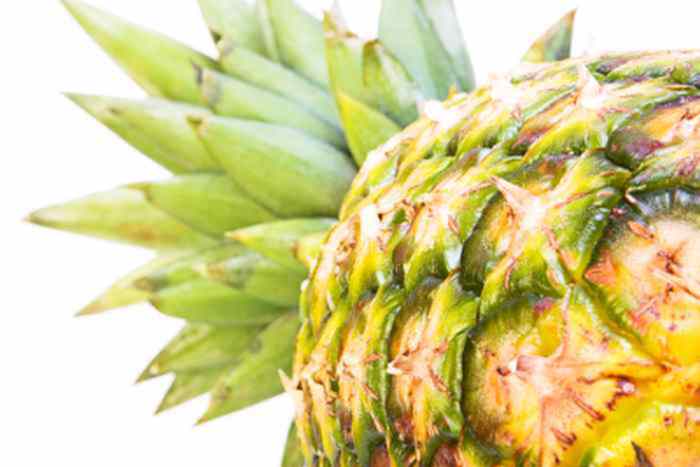
Osteoarthritis is the most common form of arthritis occurring in Western countries widely affecting the older age group people. According to National Health and Nutrition Examination survey, it was estimated that 27 million people are affected with osteoarthritis disease in United States.
Although the early symptoms of disease might be mild or barely noticeable, the condition progress in later stages leading to intensive pain, inflammation and joint disability. Fortunately, studies have reported that certain nutrients and foods may help to decrease or prevent the progression of osteoarthritis by reducing the pain and inflammation associated with it.
Among the fruits, pineapple is found to have strong effect in treatment of arthritis condition because of the presence of bromelain enzyme which is as effective as anti-inflammatory drugs when dealing with pain of osteoarthritis.
Pineapple for osteoarthritis
The pineapple tree (Ananas comosus) is a tropical tree belonging to the family of Bromeliaceae. This tree is native to South America, but was first discovered by Europeans on Caribbean islands. Pineapple fruit is usually cylindrical in shape with scaly green, brown, or yellow skin and a crown of spiny, blue-green leaves. The yellow coloured flesh inside has vibrant flavour of sweet and tart taste.
The fruit is rich source of vitamin C, magnesium, manganese and a vital enzyme known as bromelain. Along with this it also contains copper, potassium, vitamin B1, vitamin B6, dietary fibre, folate and pantothenic acid. The major anti-inflammatory and analgesic properties of pineapple is basically because of the presence of bromelain enzyme. Bromelain belongs to the group of digesting enzymes extracted from the fruit or stem of pineapple tree.
The bromelain enzymes extracted from different parts of the tree (fruit and stem) are different and contain different composition. Bromelain is a set of various thiol endopepeptidases (peptidases containing active thiol –C-SH group) and other enzymes such as phosphatase, glycosidase, peroxidase, cellulose, and escharase. Bromelain has been found to have number of beneficial properties including anti-inflammatory (reduce inflammation), anti- analgesic (pain killer), and anti-oedematous (anti swelling), anti-thrombotic (prevent blood clot) and fibrinolytic (dissolution of fibrin) effects.
Bromelain is found to have number of therapeutics benefits such as in treatment of angina pectoris, bronchitis, sinusitis, osteoarthritis, surgical trauma, thrombophlebitis, debridement of wounds, diarrhoea and in many cardiovascular disorders. It also prevents cancer growth and promotes apoptotic cell death (naturally occurring programmed cell death).
Researchers proved that the traditional medicinal therapies used by man from ancient times involving the plant extracts with high proteolytic enzymes (enzymes those breakdown protein into smaller polypeptides or amino acids) are based on scientific studies. One of such enzyme used in Ayurveda is bromelain enzymes extracted from pineapple fruit or stem. In modern medicine, such therapy is called as enzyme therapy (use of enzymes to treat deficiencies or other medical conditions in patient’s body)
One of such scientific study included preclinical and clinical trials of systemic enzyme therapy on arthritic patients. Set of experiments were carried out using enzyme preparations consisting of combinations of bromelain (from pineapple), papain (from papaya), trypsin and chymotrypsin (secreted from pancreases).
It was shown the ratio of proteinases to antiproteinases which are usually affected by chronic disease like in arthritis (especially rheumatoid arthritis) was found considerably influence by oral administration of proteolytic enzyme extracts. It was indicated that these change in ratio of proteinases to antiproteinases could be due to the induction of antiproteinases synthesis or due to signal transduction of proteinases-antiproteinases complex via specific receptors molecules.
Along with these changes it was also indicated that during this enzyme therapy, there may be also various alternations in cytokine composition resulting from immunomodulatory effects (capable of modifying or regulating one or more functions of immune system) which indicated the effectiveness of the therapy. In same set of experiment, various studies were carried out including placebo-controlled studies in comparison with non-steroidal anti-inflammatory drugs.
Placebo- controlled is a research method in which an inactive substance (placebo) is given to one test group and a drug or vaccine given to other group.
Results showed that study involving oral therapy with proteolytic enzymes produced certain analgesic and anti-inflammatory effects which proved that enzyme therapy including proteolyic enzymes like bromelain could be chosen as an effective treatment therapy in inflammatory diseases like arthritis.
A group of studies were carried out including 28 patients to understand the effect of bromelain on knee joint of osteoarthritis patients. The studies reported that the use of bromelain in different dose amounts and in different duration period showed positive clinical effects in 18 patients as compared to control cases, which was measured by assessment in reduction of swelling of soft tissues, pain and joint stiffness. And no side effects of medication were observed on the patient’s health indicating that the bromelian can be successfully used in treatment of musculoskeletal disorders like that in osteoarthritis.
In vivo studies carried on rat model, indicated the vital role of bromelain enzyme in preventing the symptoms associated with pathogenesis of inflammatory diseases such as in osteoarthritis. It was reported that bromelain enzyme extracted form pineapple act as a powerful proteolytic enzyme which interfere in arachidonic acid metabolism.
Arachidonic act as a precursor for prostaglandins and other eicosanoids prostacyclins, thromboxanes and leukotrienes) which play important role in many physiological effects such as inflammation, pain, fever and blood clotting. Hence inhibition of arachidonic acid cascade leads to further prevention of all the physiological effects which are mainly associated with inflammatory disease like arthritis thus proving the strong anti-inflammatory property of bromelain enzyme.
Another study was carried out where short term oral treatment of bromelain enzyme purified from pineapple stem was administrated to laboratory mice suffering from chronic colitis (inflammation of colon or large intestine) to detect the effect of enzyme on colonic inflammation.
This experiment also showed there was subsequently decrease in production of pro inflammatory molecules such as cytokines and leucocyte at the site of inflammation when bromelain enzyme was given thus reducing the symptoms of inflammation. Same study was repeated where experimental mice was allowed to consume fresh pineapple juice which also contains bromelain enzyme but with different concentration from that of pineapple stem.
Results indicated that this bromelain enzyme extracted from fruit had better proteolytic activity than that from stem which showed lower incidence of inflammation associated with the disease thus concluding that long term dietary supplementation with fresh or unpasteurized pineapple juice with proteolytically active bromelain enzyme is safe to consume and more active in decreasing the severity of inflammatory diseases.
Another open study was carried out for one month where bromelain in two different doses (200mg and 400mg ) was given in otherwise healthy adults (n= 77) with mild knee pain showing no medical symptoms. Data was collected where significant improvement in total symptoms such as joint stiffness, physical fitness and physiological well-being were compared and results were found to be better when adults administrated with higher dose ( 400mg) of bromelain as compared to the low one (200mg).
Overall psychological well- being was also found to be much better after treatment process with bromelain as compared to the baseline which again indicated that bromelain was found to be effective in reducing physical symptoms and improving general health in otherwise healthy adults who were suffering from mild knee pain. Thus proving again bromelain appears to have potential for the treatment of knee osteoarthritis.
Pineapple is also rich in vitamin C and manganese, both of which play important role in reducing symptoms liked with inflammatory diseases like osteoarthritis. The antioxidant vitamin C found in pineapple juice helps in repair of collagen or protein in connective tissues which in turn helps to keep functioning of joints properly in joint related problems.
Drinking of pineapple juice also increases the intake of antioxidant vitamin A in body, which also helps in reducing arthritis pain as antioxidants fight against free radicals (that causes cell destruction and joint damage in arthritis patients). It is also observed another mineral present in fruit, manganese also possess antioxidant properties in removing free radicals from body tissues. Manganese is a key component for antioxidant enzyme called superoxide dismutase, the enzyme which neutralize free radicals preventing cell damage and subsequent death.
Therefore it is found deficiency of vitamins (especially vitamin C) and manganese in diet leads to weakness in joints, fractures in bone and bone malformation that further can lead to disease like arthritis.
How to include pineapple in your diet
Pineapple is a delicious fruit and also healthy to make your everyday meal more exciting. As it is good source of manganese, food containing this fruit provides good source of energy to body.
Eating pineapple is a great way to add color, flavour and variety to everyday dishes. Pineapple can be eaten as fresh fruit, as canned or grilled. Fresh ripe pineapple can be stored at room temperature for 1-2 days and once cut should be stored in fridge under low temperature. Canned pineapple pieces can be substituted for fresh fruits when required.
Dried pineapple is also one option but it is not widely available and used. Pineapple is a versatile fruit can be used in main course or dessert, at breakfast or at dinner. It is mainly used in fruit salad with other fruits which is everyone favourite dessert. Now a day’s fruit salsa is becoming popular where pineapple can be also used. In many Asian countries it is used in curry and fried rice too as a main dish. But it taste best when it is broiled or grilled along with meat steaks or vegetable steaks.
Dosage
Eating pineapple is generally considered safe when eaten in moderate amount. Generally two slices of pineapple contains approximately 100mg of ascorbic acid (vitamin C) which act as a good source of antioxidant on daily basis. Over eating of this fruit can lead to diarrhoea and other digestive problems.
Pineapple may also show allergic reactions in some people such as temporary swelling on lips and rash. Other major side effect of pineapple fruit is that it may promote menstrual flow and bleeding and hence not advised for pregnant women. Pineapple is safe and healthy when eaten in its ripe form as unripe pineapple juice or fruit can cause irritation in the throat which can lead to drastic purgative action.
Pineapple products (Bromelain) are available commercially in form of liquid, as tablet or as capsule which should be taken only when prescribed by doctors or health experts .Bromelain is generally recommended safe for most people if taken in proper amounts. It is usually taken at the dosage of 40mg for 3 to 4 times a day.
Bromelain is mainly used for reducing swelling (inflammation). It is also used for hay fever, treating bowel problems (ulcerative colitis), preventing accumulation of water in lung (pulmonary edema, stimulating muscles contraction, preventing cancer, relaxing muscles etc.
For osteoarthritis, a product known as Phlogenzym is recommended which contains bromelain (90mg) with trypsin (48mg) and rutin (100mg,substance found in buckwheat) taken as 2 tables three times daily.
Precautions
Bromelain is generally regarded safe but in some, it may cause some allergy or side effects like diarrhoea, stomach and intestinal problems. Bromelain is not recommended for people having active gastric or duodenal ulcers. It is also believed to cause bleeding during and after surgery and hence should be avoided strictly in people who have undergone surgery.
Pregnant women and breast feeding are also advised not to use bromelaian as this product is found to interact with number of other medicines. It is found to interact with tetracycline antibiotic (declomycin, acromycin), amoxicillin drugs (amoxil, trimox) affecting their overall effect.
They also found to interact strongly with anticoagulant or antiplatelet drug such as aspirin, diclofenac, ibuprofen, heparin, warfarin etc. leading to chances of bruising and bleeding. And therefore, should be taken only after consulting your health professional or doctor.
Summary
Many plant extracts containing high content of proteolytic enzymes have always been used from ancient times as a part of traditional medicines in treatment of various illness.
And they were always proved to be effective and safe compared to antibiotics and other chemical drugs used mostly now a days. Therefore use of such plant extracts and herbal medicines are gaining importance recently and are used as a part of modern enzyme therapy.
One of such enzyme therapy uses, the bromelain enzyme extracted from pineapple tree which is demonstrated to have number of anti-inflammatory and analgesic properties and hence proves to be safer alternative or adjective treatment of inflammatory diseases such as osteoarthritis.


 Meal Delivery Service by Millie Barnes