Shrimp Sweet Potato Cakes with Avocado Salsa
Posted: July 24, 2022 Filed under: Recipes | Tags: #delivery, #glutenfree, #healthyeating, #Lactosefree, #mealdelivery, #MillieBarnes, #Ortega, #pescatarian, #Riverside, #SanMarco, #vegetarian, #weightloss Leave a comment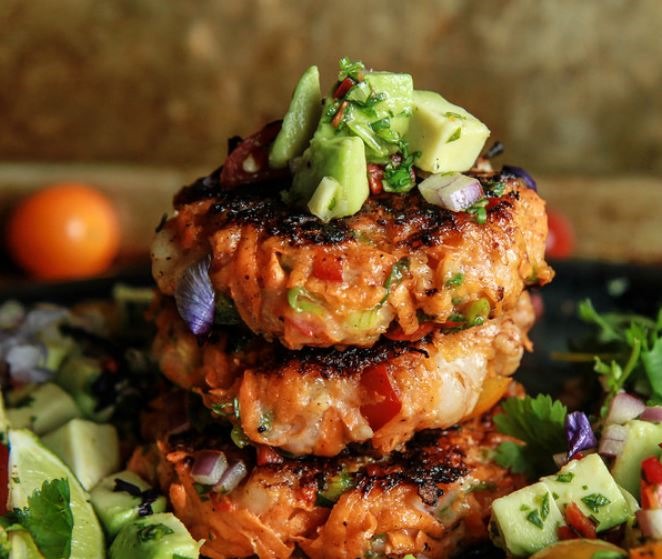
Serves 2
1 pound shrimp, peeled and deveined
2 limes zest
2 tablespoons minced fresh jalapeno
¼ cup finely diced red bell pepper
3 green onions, white and green part, very thinly sliced
2 cups packed shredded sweet potato (this took 1 medium-large sweet potato, peeled and ends trimmed grated on a box grater)
1 T cumin
2 tablespoons minced fresh cilantro
1 clove garlic, minced
1 teaspoon kosher salt
Avocado Salsa
1 cup cherry tomatoes, halved
1 large ripe avocado, diced
¼ cup red onion, very finely diced
1 red fresno chile, minced
2 tablespoons minced fresh cilantro
2 limes juice
kosher salt
Instructions
Cut shrimp (chopped roughly), and combine with the sweet potatoes, red bell pepper, green onions, jalapeno, cilantro, garlic and salt.
Using clean hands, form 6 equal sized patties from the shrimp and sweet potato mixture. Set the patties aside while you prepare the Avocado Salsa.
For the Avocado Salsa combine all of the ingredients in a medium bowl and gently fold together. Season to taste with kosher salt and set aside.
In a large sauté pan, heat a thin layer of vegetable oil over medium heat. Add a few of the shrimp cakes and cook for about 2-3 minutes each until the bottoms have become golden and crispy.
Flip the cakes and cook another few minutes until the second side is also golden and crispy and the shrimp is cooked to pink.
Asian Soba Noodle Bowl
Posted: July 24, 2022 Filed under: Recipes | Tags: #delivery, #glutenfree, #healthyeating, #Lactosefree, #mealdelivery, #MillieBarnes, #Ortega, #pescatarian, #Riverside, #SanMarco, #vegetarian, #weightloss Leave a comment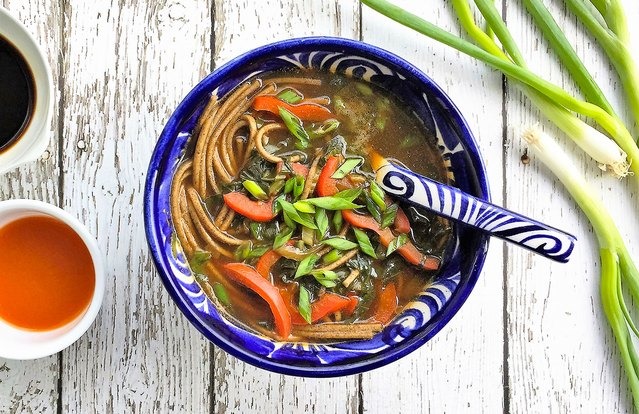
Serves 2
1 T sesame Oil
2 cups Bok Choy
1 red bell pepper
3 medium scallions
1 T Rice Vinegar
2 slices raw ginger
6 cups Low Sodium Vegetable Broth
2 T Coconut Aminos (Soy Sauce Substitute)
½ tsp miso
8 oz Buckwheat Soba Noodles
Optional – top with boiled eggs
1. Separate the green and white parts of the scallions.
2. Heat the oil in a large saucepan or stockpot over medium-high.
3. Add the bok choy, bell pepper, white part of the scallions and vinegar, and sauté until bell pepper is softened, about 5 minutes. Add the ginger and sauté until fragrant, about 30 seconds.
4. Add the broth, tamari and salt, and then bring to a boil over high heat.
5. Stir in the noodles and bring back to a boil. Reduce heat to medium-low and simmer uncovered until noodles are cooked, about 5 minutes, stirring occasionally.
6. Stir in the green part of the scallions. Adjust seasoning.
7. Ladle into bowls. If desired, serve with hot sauce.
Nuts Can Be Good for Your Brain, Unless You’re Making These 5 Mistakes
Posted: July 22, 2022 Filed under: Food and it's Impact on Our Health | Tags: #delivery, #glutenfree, #healthyeating, #Lactosefree, #mealdelivery, #MillieBarnes, #Ortega, #pescatarian, #Riverside, #SanMarco, #vegetarian, #weightloss Leave a comment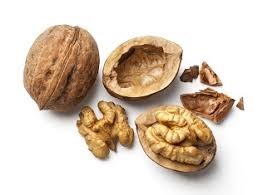
When regularly eaten as part of a healthy diet, can slow brain aging and reduce the risk of Alzheimer’s, according to the Mayo Clinic.
“Nuts have an optimal fatty acid profile for the brain, including generally high concentrations of mono- and polyunsaturated fatty acids. And walnuts in particular have omega-3 fatty acids,” which are excellent for your brain, explains Wendy Bazilian, DrPH, RDN, author of the Eat Clean, Stay Lean series and The Superfood Rx Diet.
They’re also rich in vitamins, minerals and phytochemicals that can support your health from head to toe, including fiber, vitamin E, magnesium, thiamin and zinc. And when your body as a whole is healthy, your brain will reap the benefits.
Before you go nuts with eating them though, take a look at these common mistakes. Making them could mean you’re getting less brain bang for your buck.
1. Choosing Overly Salty or Sugary Nuts
Salt and sugar are often used to give nuts a flavor boost. But regularly getting too much sodium or added sugar can have a negative effect on cognitive health.
Fix it: One option is to stick with plain, unsalted nuts — they’re typically made without added salt or sugar. But if you like your nuts salted, it’s also fine to look for lower-sodium options made with 50 percent less salt, Bazilian says. (Just make sure you’re staying below your recommended daily sodium intake for the day.)
Try to limit your consumption of candied nuts, which are often packed with sugar.
2. Not Eating Them Often Enough
Nuts will do your brain the most good when you eat them regularly. Followers of the MIND diet, a low-sodium Mediterranean-style diet, had the lowest rates of Alzheimer’s disease and dementia when they consumed nuts, seeds and legumes five or more times per week, according to findings in the February 2015 issue of Alzheimer’s & Dementia.
Fix it: Make it a point to work nuts into your diet most days. A simple handful makes for a satisfying snack, but that’s not your only option. Bazilian recommends:
- Adding chopped nuts to oatmeal or yogurt
- Tossing nut butter or whole soaked nuts into the blender when making a smoothie (soaking makes the whole nuts easier to blend)
- Using crumbled or pulverized walnuts as a meatless taco filling
- Spreading nut butters on sandwiches or toast
3. Not Paying Attention to Portion Size
Nuts are known for being calorie-dense. A 1.5-ounce serving of almonds has 246 calories, while the same amount of cashews has 236 calories.
Grab handfuls throughout the day or snack straight from the container, and you easily run the risk of going over your calorie budget for the day, says Alisa Bloom, MPH, RDN, a nutrition expert and health and wellness coach based in Chicago.
Fix it: Be mindful about how many nuts you’re eating. “The research shows mostly around 1.5 ounces is what’s most associated with health benefits,” Bazilian says. THAT”S 1 to 2 TABLESPOONS!
4. Only Eating Peanuts or Peanut Butter
Peanuts and PB serve up plenty of healthy fats and vitamin E. But making them your only go-to means you’ll miss out on the nutrients their crunchy cousins have to offer.
Case in point? Walnuts are the only nut with significant levels of omega-3 plant fats, which fight cognition crushers like oxidative stress and inflammation, Bazilian says.
Brazil nuts offer powerful antioxidants like selenium, while almonds offer calcium — a mineral that may be beneficial for memory, says Bloom.
Fix it: Keep several types of nuts on hand and enjoy a different pick each day. (Store them in the refrigerator or freezer to increase their shelf life — the fat in nuts will go rancid more quickly at room temperature.) Make a peanut butter and banana smoothie on Monday, snack on almonds on Tuesday, and add walnuts to your salad on Wednesday, for instance.
5. Not Buying Certain Nuts Organic
Exposure to certain pesticides could increase the risk for cognitive dysfunction, Alzheimer’s disease and dementia, according to a June 2020 review in Toxicology Letters. In particular, the chemicals used to grow conventional almonds, cashews, peanuts, and pistachios are thought to pose potential health risks.
Fix it: Consider buying organic nuts when possible. “The more we can lower a toxic burden risk, even for a healthy food, the better,” Bloom says.
But if organic isn’t an option, don’t let that stop you from eating nuts altogether. “Organic is a great idea if you can afford it and if the nuts are fresh,” Bazilian says. “But in the grand scheme of things, you’ll get more benefits from getting the nutrients of [conventional] nuts rather than avoiding nuts.”
10 Antioxidant Rich Foods to Include in Your Diet
Posted: July 5, 2022 Filed under: Food and it's Impact on Our Health | Tags: #delivery, #glutenfree, #healthyeating, #Lactosefree, #mealdelivery, #MillieBarnes, #Ortega, #pescatarian, #Riverside, #SanMarco, #vegetarian, #weightloss Leave a commentThese antioxidant rich foods may help you to fight free radicals and improve your long-term health.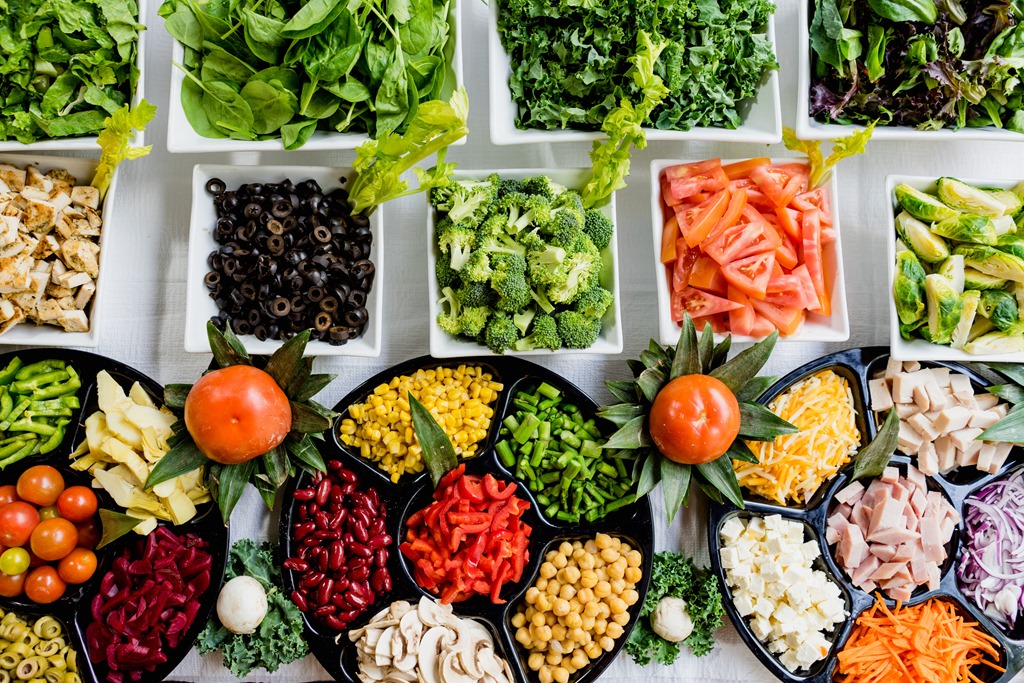
Including antioxidant rich foods in your diet has never been more important, with air pollution, tobacco smoke, UV radiation, alcohol and fried foods all exposing us to countless sources of oxidative stress. Our fast modern lifestyles have fueled the steep rise in chronic health conditions too, but the good news is that including more antioxidant rich foods in your diet can help your body to withstand this constant attack from free radicals.
You might be wondering, what are antioxidants? In short, antioxidants are molecules that are built to counteract the harmful effects of oxidative stress, preserve the integrity of our cells and protect our DNA from damage. Consuming antioxidant rich foods may even delay the aging process. However, since our bodies are not able to synthesize the vast majority of these vital compounds, they have to be ingested with foods.
Berries
Berries are a true nutritional powerhouse. Fruits like strawberries, blueberries, blackcurrants and cranberries are one of the best dietary sources of vitamins and fiber. Multiple studies, such as one published in the International Journal of Molecular Sciences(opens in new tab), have shown how regular consumption of berries can significantly bring down inflammation levels and vastly reduce the risk of developing cardiovascular diseases and certain types of cancer.
These strong health-promoting properties are mostly down to the exceptional levels of antioxidants in these fruits, including phenolic acids, flavonoids and vitamin C.
Although every fruit from this family will benefit our health, some will exhibit stronger antioxidant properties than the others. According to a review published in the journal, blackcurrants and blueberries tend to have the highest concentration of these vital compounds.
Pomegranate
Pomegranates are small red fruits packed with crunchy, juicy seeds. A review published in the International Journal of Chemical Studies(opens in new tab) revealed how these fruits may be useful at treating a host of different infections and reducing the risk of developing chronic conditions like osteoarthritis, type 2 diabetes and Alzheimer’s disease.
Though nowhere near as popular as berries, pomegranates contain a relatively similar level of health-promoting nutrients. According to a review published in the Journal of Food Bioactives(opens in new tab), they are a rich source of many different antioxidants, including ellagic acids, gallic acids, anthocyanins, and ellagitannins.
PLUMS
Sweet and juicy, plums are another example of a great antioxidant rich food. As described in an analysis published by the Journal of Agricultural and Food Chemistry(opens in new tab), one medium-sized fruit contains nearly 6.5mg of vitamin C (almost 10% of your recommended Daily Value).
Multiple studies included in a review published in Phytotherapy Research(opens in new tab) demonstrated that regular consumption of plums can lead to better cognitive function, bone density and cardiovascular health.
Chocolate
If you want to top up your antioxidant intake, consider making dark chocolate your next snack of choice. Although dark chocolate’s bitter flavor may not be to everyone’s liking, it’s one of the healthiest items you can find in the confectionary aisle. Its main ingredient, cocoa powder, is a rich dietary source of flavonoids like catechin, epicatechin and procyanidins. These are compounds that have been shown to lower inflammation levels, improve cardiovascular health and contribute to better immune responses.
According to a review published in the Oxidative Medicine and Cellular Longevity(opens in new tab), cocoa consumption may also have a positive impact on insulin resistance, cognitive function and mood. It’s worth noting though that the more processed the chocolate, the less of an antioxidant capacity it will have. To get the most benefit, aim for minimally processed chocolate with a high cocoa content.
BEETROOTS
Beetroots are undoubtedly one of the best antioxidant rich foods you can include in your diet. There are multiple health benefits associated with their consumption. These root vegetables provide a significant amount of nitrates, compounds that have a direct impact on the functioning of our cardiovascular system.
Beetroot juice also contains a high amount of antioxidant and anti-inflammatory polyphenols. These vegetables are particularly abundant in betalains, polyphenols which give them their characteristic purple coloring.
According to a review published in the Nutrients(opens in new tab) journal, regular beetroot and beetroot juice consumption can lead to lower inflammation levels, better cognition, improved blood pressure and a vastly reduced risk of developing several types of cancer. A review published in Sports Medicine(opens in new tab) also suggests that there is some evidence that beetroot juice may have a significant impact on the sports performance among athletes.
Green Leafy Vegetables
Green leafy vegetables are the cornerstone of a healthy diet. Kale, spinach, watercress, cabbage or lettuce are not only very low in calories and dietary fats, they also provide a significant amount of fiber, vitamins and minerals.
Spinach is a great example of a green leafy vegetable with a high antioxidant content. Research published in Food and Function(opens in new tab) showed that regular consumption of spinach may lead to a reduced risk of developing obesity, type 2 diabetes, atherosclerosis and several types of cancer.
What’s more, this green leafy vegetable may be uniquely beneficial to our eye and brain health. It contains two powerful carotenoid antioxidants: lutein and zeaxanthin. And according to a review published in the Nutrition Reviews(opens in new tab) journal, lutein and zeaxanthin can absorb damaging blue light that enters the eye, protecting this vital organ from degeneration.
ARTICHOKES
Artichoke is a vegetable that has a similar taste to asparagus and is most commonly found in the Mediterranean diet. They are a rich source of inulin, a type of a prebiotic fiber, as well as potassium and vitamin C.
According to a review recently published in the International Journal of Molecular Sciences(opens in new tab), artichokes have been shown to possess strong anti-inflammatory and antimicrobial properties. These characteristically bulky vegetables are also a rich source of antioxidants like vitamin C, hydroxycinnamic acids, polyphenols and flavonoids.
Legumes
When thinking about antioxidant rich foods, it’s likely that legumes — beans, lentils and peas — would not cross your mind. However, many of these examples of these staples provide a high amount of polyphenols with strong free radical scavenging abilities.
According to an analysis published in the Journal of Food Science(opens in new tab), yellow pea, green pea, chickpea, soybean, common bean, lentils, and red kidney bean are the lentils with the highest antioxidant abilities. They’re also some of the best vegan sources of protein to include in your diet and high in fiber.
NUTS
Although nuts are very high in calories and dietary fats, they have many health benefits. A review published in Nutrients(opens in new tab) revealed that regular nut consumption can vastly decrease the risk of developing a host of chronic conditions, including cardiovascular disease, type 2 diabetes, obesity, gallstones and certain types of cancer. One of the reasons behind this positive impact is that these food staples contain many different carotenoids, phytosterols (plant steroids) and ellagic acids with strong antioxidant properties.
And according to a comparison published in the Food Science and Technology(opens in new tab) journal, walnuts and pecans tend to show the highest ability to scavenge free radicals.
Benefits of Chocolate and Raw Cacao
Posted: July 2, 2022 Filed under: Food and it's Impact on Our Health | Tags: #delivery, #glutenfree, #healthyeating, #Lactosefree, #mealdelivery, #MillieBarnes, #Ortega, #pescatarian, #Riverside, #SanMarco, #vegetarian, #weightloss Leave a comment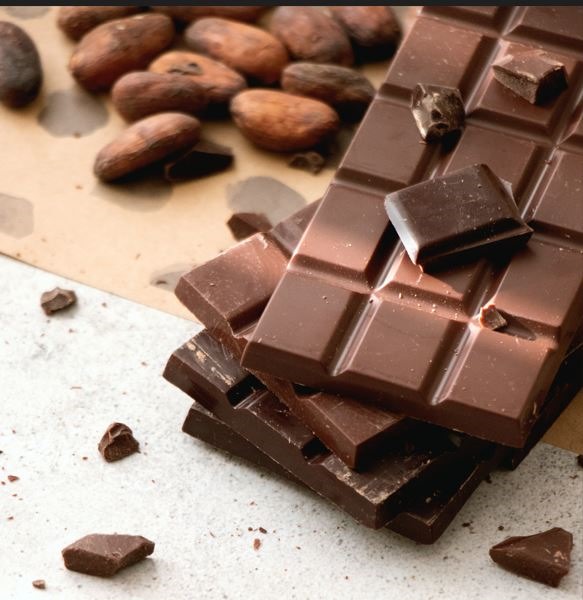
I found a great web site that offers luscious raw chocolate confections but also great info on the health benefits of raw chocolate.
Graph designed from information gathered at Natural News: Examining the Properties of Chocolate and Cacao for Health. Source: Source: US department of Agriculture/Journal of American Chemical Society and Brunswick Laboratories MA, USA
This study in the Journal of Cerebral Blood Flow and Metabolism indicates that the flavanols found in cacao may be helpful in preventing additional neural damage in the case of a stroke. This could indicate a protective function for the flavanols found in cacao, as cocoa was specifically used as part of the trial.
Additional details on the neuro-benefits of cocoa and more layman’s terms about the latest research from the Journal of Cerebral Blood Flow & Metabolism.
his study in the American Journal of Clinical Nutrition shows that heart health is increased by consumption of cacao. Blood pressure is reduced, and endothelial function improved in overweight adults.
“Chocolate contains more magnesium than any other food. Magnesium is the number one mineral deficiency in the west. It is the most powerful stress relieving mineral. It also relaxes the muscles and builds strong bones and teeth.” What more do you need?
Chocolate again scores well in a literature review for protective effects against heart disease. From the article published in Nutrition & Metabolism (Jan 3, 2006,) “The body of short-term randomized feeding trials suggests cocoa and chocolate may exert beneficial effects on cardiovascular risk via effects on lowering blood pressure, anti-inflammation, anti-platelet function, higher HDL, decreased LDL oxidation” and “Meanwhile, the large body of prospective studies of flavonoids suggests the flavonoid content of chocolate may reduce risk of cardiovascular mortality. Our updated meta-analysis indicates that intake of flavonoids may lower risk of CHD mortality”.
Another study, from the Archives of Internal Medicine February 2006.
Chocolate has been shown to have excellent antioxidant levels. ORAC (Oxygen Radical Absorbance Capacity) values of dark chocolate (13,120 per 100 grams) exceed those of prunes (5, 700); blueberries (2,400), strawberries (1,540) and spinach (1,260). Adding milk to chocolate does not help, in fact, it seems to block the activity of the phytochemicals responsible for the powerful antioxidant capacity of cacao. The August 28, 2003 issue of the journal Nature has a great article discussing the power of dark chocolate, of which, cacao is the key ingredient.
Researchers from the University of Cambridge in England have finally published solid evidence to demonstrate the consumption of chocolate is associated with improved heart and vascular health. Writing in the prestigious BMJ (British Medical Journal), Dr. Oscar Franco and his team determined several factors including diet, exercise, body weight control and lifestyle changes could help reduce the risk of heart disease, a condition expected to claim the lives of nearly 24 million people worldwide by the year 2030. The study authors found that the antioxidant and anti-inflammatory properties of cocoa from chocolate consumption could reduce heart disease risk by one-third and could also reduce the risk of sudden death from a heart attack and stroke incidence.
Cacao, ‘the food of the gods’ has received considerable attention lately as it has been found to contain one of the highest levels of antioxidants on the planet, exceeding red wine, green tea, and other exotic fruits and vegetables. Recently published in the peer-reviewed Journal of Agricultural Food Chemistry (December 3, 2003) is an article titled “Cocoa has more phenolic phytochemicals and a higher antioxidant capacity than teas and red wine”.
Cacao is showing benefits for reduction in blood pressure and greater insulin sensitivity in healthy persons. In an article titled “Short-term administration of dark chocolate is followed by a significant increase in insulin sensitivity and a decrease in blood pressure in healthy persons” published in the American Journal of Clinical Nutrition, March 2005, insulin sensitivity was improved almost 12% in 15 test subjects given dark chocolate and systolic blood pressure dropped almost 6% among the same group.
More testing shows that the antioxidant effects of cacao are helpful in arteriosclerosis. Testing with laboratory rabbits showed, “The antioxidative effect of Cacao Liquor Polyphenols was superior to those of the well-known antioxidative substances, vitamin C, vitamin E and probucol.” Arteriosclerosis, April 2005.
Cacao may help lower the oxidative stress of strenuous activities – thus helping athletes to recover. Recent research “conclude[s] that dietary flavanols, using cocoa drink as example, can lower the plasma level of F(2)-isoprostanes, indicators of in vivo lipid peroxidation.” Free Radical Biological Medicine, August 2004.
Free radical decreases have been noticed in subjects eating chocolate. In one trial there was a 16% drop in the amount of expelled free-radicals, indicating a higher antioxidant level in the subjects taking chocolate. Found in Nutr. Cancer, Vol 47, Iss 2, 2003.
The procyanidin found in Cacao have also been shown to inhibit cataract formation in diabetic lab rats. Experimental Biological Medicine, January, 2004.
All regular readers of NaturalNews know that researchers have discovered chocolate (especially the organic, not junked up with additives and sugar type) contains phytochemicals which appear to promote good health. But no one has had much of a clue about the specifics of some of those benefits on the cardiovascular system — until now. Scientists at the European Society of Cardiology Congress currently underway in Paris just announced that chocolate provides huge protection from heart disease as well as stroke.
Controlling Diabetes with Diet
Posted: July 1, 2022 Filed under: Food and it's Impact on Our Health | Tags: #delivery, #glutenfree, #healthyeating, #Lactosefree, #mealdelivery, #MillieBarnes, #Ortega, #pescatarian, #Riverside, #SanMarco, #vegetarian, #weightloss Leave a comment
Although I started my business 36 years ago to help people who had severe food allergies it quickly grew to thirty clients within a few weeks. The word got out that although my service was lactose and gluten free it certainly didn’t taste plain and the meals appealed to a very wide range of people whether they had allergies or not.
There were a few times over the years where I stopped doing the service for awhile and worked in kitchens around Jacksonville. One of the things I realized very quickly was this way of eating was absolutely perfect for diabetics. I’ve always leaned toward low glycemic and this is ideal for someone who has to watch their blood sugar. And even if you’re not diabetic it turns out watching your blood sugar helps with blood pressure, cancer, heart disease and other health problems.
This was really brought home about six years ago when a friend of mine on Facebook kept posting consistently that he could not get his blood sugar regulated and that his diabetes was out of control and his doctor was really worried. So I reached out and offered to help him. He replied that there was no way that he could afford to work with me. It took me several times of offering to work with him for free or for barter where he accepted my help.
So two mornings later he came and met with me for a few hours then we talked about how he had been eating. He told me that he was eating exactly the way the Diabetes Association recommended he eat, but that it was not working. In fact he told me he was taking Duval counties agricultural departments class on diabetes and that he just wasn’t working for him. So we talked, I gave him an exact way of eating and he headed out to go to the grocery store.
So about 11:30 the next morning he called me and he was in tears. He told me for the first time in six years that after breakfast his blood sugar was in the range it should have been in. He continued to do better and told me that the following week he went back to the class at the agricultural department. He was very excited to share what he had learned and how well he was doing. He asked if they would be interested in me coming in and talking to them and sharing my knowledge. They told him they weren’t interested.
I can tell you that four months later his doctor was blown away at the next visit and that he was able to go off of insulin. He said when he went to see his dentist that his dentist was thrilled at how much better his gums were doing and his overall health.
On one of our later visits I asked him if he had a copy of the flyer that he had gotten about the class that he did. It turns out it was a trifold pamphlet put out in tandem with the American Heart Association and the diabetic association. The last page gave the diet that they recommended. What they recommended was oatmeal for breakfast. Oatmeal is a grain and derives almost all of its calories from carbohydrates. If you add a healthy serving of fruit you drive that carb load up even further. The other meals were just as deficient.
What our government tells us to eat every day as a crock and is based on heavy lobbying from the food industries. I’m sure everyone remembers when Oprah was sued by the beef board in Texas for saying on her TV show that she did not eat beef. She had to move her show to Texas and spend several weeks defending herself. It cost her lot of money to do so and she won that suit. Because she has the right to say whether she doesn’t eat beef or not. And the science shows us that beef is not that healthy to eat very often. Oprah knew it at the time and we all know it now. But this shows the power of the lobbying forces and the food industry. We should all be very wary of their recommendations and go back to eating real food and stop eating products.
In most cases if you use insulin, you can go back to oral medication and diet to control your blood sugar. If you are on oral medication, you most likely can go off of it aster beginning to eat correctly.
Veggie Rice
Posted: July 1, 2022 Filed under: Recipes | Tags: #delivery, #glutenfree, #healthyeating, #Lactosefree, #mealdelivery, #MillieBarnes, #Ortega, #pescatarian, #Riverside, #SanMarco, #vegetarian, #weightloss Leave a comment
Veggie Rice
1 teaspoon sesame oil
1 cup frozen peas
2 Jasmine rice, cooked
1 yellow squash, diced
1 zucchini, diced
1 onion, diced
6 scallions, cut diagonally
1 broccoli, cut in small florets
1 red pepper, diced
1 Tablespoon grated ginger
2 clove garlic, minced
1 green pepper, diced
1 T. sweet chili sauce
2 Tablespoons Coconut Aminos
Cilantro- for garnish
1) Heat the oil in a wok. Add the broccoli and pepper and stir-fry, over a high heat, for 3 mins. Add the tofu and cook for 1-2 mins, until crisp.
2) Tip in the rice and stir-fry for 4 mins, breaking up the grains as they warm. Stir through the peas and cook for a further 2-3 mins.
3) Meanwhile, make the sauce. Mix the chilli, garlic, ginger, tamari, sweet chilli sauce and vinegar in a bowl. Pour it over the rice mixture and toss until coated and warmed through. To serve, spoon into bowls and scatter over the sesame seeds and spring onions.
Why You Should Use Vinegar When Boiling Potatoes
Posted: June 29, 2022 Filed under: In The Kitchen with Millie- How To's, Recipes | Tags: #delivery, #glutenfree, #healthyeating, #Lactosefree, #mealdelivery, #MillieBarnes, #Ortega, #pescatarian, #Riverside, #SanMarco, #vegetarian, #weightloss Leave a comment
Photo by Hai Nguyen on Unsplash
Potatoes are a versatile ingredient in cooking. They can be baked, mashed, fried, boiled or added to roasts, soups, and stews. However, it’s important to know which potato to use in a recipe that will give it the best texture and its own distinct flavor, per Spruce Eats. And if you thought all potatoes were the same, settle in to learn something new.
Most potatoes can be put into two categories — waxy or starchy. Higher starch content can break down or become creamier and they’re best used when making mashed or baked potatoes. Waxy varieties are the types of potatoes that will hold up better to boiling in water, like when you’re making potato salad. Speaking of the popular side dish, nothing is worse than biting into potato salad and getting a mouthful of mushiness. If this is something you’ve struggled with, before you give up on preparing potato salad from scratch, try adding a bit of vinegar to your pot of water.
How vinegar helps potatoes keep their shape
In Our Steps/Shutterstock
Once you’ve determined that you’re using the correct type of potato for boiling, adding vinegar to the pot of water will help them retain their shape. This hack provided by Home Cook World calls for boiling potatoes for 30 minutes and adding a bit of salt and a dash of vinegar to your boiling water at the 13 minute mark. Why is vinegar helpful?
According to Eating Expired, vinegar makes potatoes form a thin crust on their outer layer. This crust is what’s necessary to help them keep their shape and not become mushy or fall apart. Also, it’s important to note that there’s no specific type of vinegar that’s better at this over another. Eatwell 101 reports that using white, apple cider, or red wine varieties of vinegar all work well to keep potatoes in tact.
The next time a recipe calls for boiled potatoes, try adding vinegar to your pot of water to keep your potatoes firm and ensure your recipe is a success.
How Gut Bacteria Impacts the Brain, the Link Between Health and Happiness
Posted: June 27, 2022 Filed under: Food and it's Impact on Our Health | Tags: #delivery, #glutenfree, #healthyeating, #Lactosefree, #mealdelivery, #MillieBarnes, #Ortega, #pescatarian, #Riverside, #SanMarco, #vegetarian, #weightloss Leave a comment
I have offered Health and Happiness Seminars for decades. It is a 4 part class and I help the students make slow steady changes during those four weeks. Most of them look at me like I am full of it when I tell them that they will be far happier at the end of the month. That they will sleep better by the end of the first week and begin losing weight and feeling ,more energetic with 3 or 4 days. It is such a joy to see their faces at the 2cd class and listen to them share! As I teach them how to improve the way they eat, and why, and help them make changes each week they are amazed. I had a teacher from Georgia drive down to my classes one summer and she told me they swore she had had lipo and cosmetic work when she went back to teach in September. It make that big of a difference, and it is all about great nutrition and gut health.
A growing body of research has shown that the teeming populations of gut bacteria within us have evolved complex connections that can affect our body’s basic functions — from metabolism to sleep to mood.
Changes in the makeup of the gut bacteria in the human digestive system have been associated with a growing number of diseases.
Healthy Heart
Some of the many beneficial compounds that certain gut bacteria produce for us are carotenoids—antioxidants that are believed to protect against stroke and angina.
In a 2012 study in Nature Communications, researchers in Sweden compared the gut microbiome of stroke patients to that of healthy subjects and found that there were more carotenoid-producing gut bacteria in healthy participants.
Stanley Hazen, M.D., Ph.D., and his team at the Cleveland Clinic have been looking at a variety of ways microbes play a role in heart disease.
For example, when certain gut bacteria metabolize lecithin (abundant in egg yolks) and carnitine (a compound in red meat), it boosts compounds in the blood that are linked to an increased risk of heart attack and stroke. Remove the bacteria and the risk-causing compounds vanish even after eating those foods.
Allergies Denied
Researchers in Copenhagen reviewed the medical records and stool samples of 411 children for 6 years and found that those who had the least diverse colonies of gut bacteria as infants were more likely to develop some types of allergies.
Trim Weight
A growing body of studies indicates that obese people tend to have a much lower diversity of gut bacteria — up to 40 percent less — than people with a healthy weight. And gut microbes may be responsible for those lean or plump traits: several studies with mice have found that transferring gut microbes from obese mice (or from obese humans) into non-obese mice, leads the non-obese mice to gain weight.
In turn, adding gut bacteria from lean mice into heavy ones causes the chubby mice to lose weight on a high-fiber, low-fat diet. Researchers believe different bacteria metabolize food differently, which could affect how much your body absorbs.
A 2013 study in the Proceedings of the National Academy of Sciences suggests certain gut microbes may help lower blood pressure.
Researchers found that by-products produced by certain gut bacteria activated a specific kind of cell receptor in blood vessels that lowers blood pressure. More bacteria equals more by-products, which equals healthier blood pressure.
Fight Cancer
A robust and diverse gut microbiome may help certain chemotherapies work better. French researcher Laurence Zitvogel, M.D., Ph.D., and his colleagues observed that gut bacteria in mice encouraged immature immune cells in the lymph nodes to develop into tumor-targeting T-cells.
In contrast, when mice were treated with antibiotics (which wipes out bacteria) before beginning chemotherapy, the chemotherapy was less effective. The researchers believe the gut bacteria help prime the immune system to respond to chemotherapy.
Some microbes may be associated with colon cancer. University of Michigan researchers exposed two groups of germ-free mice — essentially mice with sterile colons — to a known carcinogen.
One group then received gut bacteria from mice with colon cancer and went on to develop twice the number of tumors than the other group who got gut bacteria from cancer-free mice. The researchers narrowed down the microbial families associated with colon cancer and one included Prevotella.
People with inflammatory bowel disease are at higher risk of developing colon cancer than the general population. Researchers have thought that the main culprit is overactive immune cells, which release DNA-damaging molecules.
Now new findings in Science suggest that overactive immune cells also may be causing an imbalance in your gut bacteria — encouraging E. coli strains that produce cancer-causing toxins.
Relaxed & Happy
There’s something to be said for “gut feelings.”
Gut bacteria produce hundreds of different neurotransmitters, including up to 95 percent of the body’s supply of serotonin, a mood and sleep regulator. Serotonin also controls movement within the intestines.
Our gut is said to be our “second brain” in part because the vagus nerve is a major communications highway that stretches from the brain to various points along the intestinal lining; communication travels in both directions.
One Lactobacillus species, for example, sends messages from the small intestine to the brain along this nerve: in a study led by John Cryan, Ph.D., a neuroscientist at University College Cork in Ireland, anxious mice were dosed with a proprietary strain of Lactobacillus rhamnosus.
Those rodents then had lower stress hormone levels and an increase in brain receptors for a neurotransmitter that’s vital in curbing worry, anxiety and fear. The effects were similar to those of Valium.
According to another study, when mice had this bacteria in their gut, they showed less depressive behavior. Whatever bacteria may be responsible for “feeling good,” it appears they can be acquired: a recent experiment moved gut bacteria from fearless mice into anxious mice. The new bacteria sparked a personality change, making timid mice more gregarious
Dan Littman, M.D., Ph.D., a microbiologist at the NYU School of Medicine, led a study that found an association between the gut bacteria Prevotella copri and the onset of rheumatoid arthritis, an autoimmune disease of the joints. While the connection was significant, it’s not clear which comes first: the bacteria or RA.
However, other animal studies, Littman says, have clearly shown that gut microbes play a role in causing autoimmune diseases. One of these, published in 2013 in the journal Science, showed 75 percent of female mice at risk of autoimmune type 1 diabetes were protected against the disease when they were given gut bacteria from healthy mice.
Manage Crohn’s
A large study out of Massachusetts General Hospital involving more than 1,500 patients recently reported a connection between gut microbes and Crohn’s disease (an inflammatory bowel disease that can affect any part of the GI tract, but typically the intestines).
In addition to having less diversity, Crohn’s patients had fewer bacteria known to quell inflammation and more bacteria that cause inflammation.
Interestingly, those who received the standard antibiotic treatment for Crohn’s had a microbe mix that was even more out of balance. Another study found that when Crohn’s patients were given a prebiotic fiber supplement each day, disease symptoms decreased significantly.
My Path Back to a Pescatarian Diet
Posted: June 26, 2022 Filed under: Food and it's Impact on Our Health | Tags: #delivery, #glutenfree, #healthyeating, #Lactosefree, #mealdelivery, #MillieBarnes, #Ortega, #pescatarian, #Riverside, #SanMarco, #vegetarian, #weightloss Leave a comment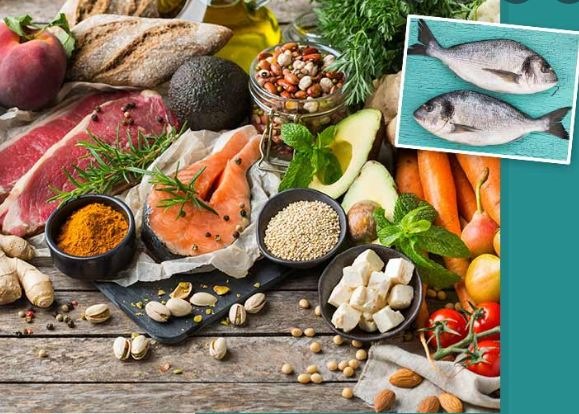
When I transitioned away from strict vegetarian 15 years ago it was because I kept developing more allergies after becoming highly sensitized to latex which cross-reacts with a soy or gluten allergy. For about 7 years I ate Pescatarian and loved it. When organic meats got easier to find I tried widening my diet out but did not feel as well. So my Meal Delivery service has included meats for the last 10 years I have mostly eaten Pescatarian. With the climate issues we are experiencing many of my clients have asked me to lean more toward plant-based and I have decided to move in that direction by transitioning to Pescatarian.
While I am well versed and considered an expert on Vegetarian Nutrition I do not feel it gives us the saturated fats we desperately need nor do we get enough Omega-3 fats.
For a look at why we need Saturated Fats please read my article The Importance of Saturated Fats in the Human Diet.
To make my diet perfect I eat a plant based diet that includes seafood, mostly cold water fish. I also cook 75% of the my food with Ghee. There are many benefits to cooking with and eating ghee. It gives us a very stable fat to cook with that can be used for sautéing and baking, it gives use badly needed Vitamins A, C,D, and K as well as those saturated fats, monounsaturated Omega-3’s, as well as a small amount of polyunsaturated fats. It also has more conjugated linoleic acid. It is also lactose free.
So I cook with ghee, eat seafood about 3 times a week, rely on eggs, beans, nuts and seeds for protein also. I eat about half of my daily intake raw including salads and fruit and ALWAYS have raw food with any cooked food as that gives me the enzymes I need for proper digestion and gut health. I put a healthy emphasis on green leafy vegetables as they are crucial for meeting out needs for calcium and iron.
I eat no sugar, relying on Monk Fruit Sweetener in my coffee and to make desserts, It has no glycemic load and no calories and gives the correct texture that you need for baked goods.
I do use some grains but only gluten free, I use rice pasta occasionally but never for a full meal such as spaghetti. It’s mostly devoid of nutrition so even when I make a Pasta Salad it will have WAY more veggies than pasta.
Most of us get enough protein and fat, but almost no one gets enough vitamins, minerals, enzymes and phytochemicals. These nutrients are the key to health and longevity. This is an anti-inflammatory diet, one that will help you heal and slow down the aging process, help you sleep, lower blood pressure and have more energy.


 Meal Delivery Service by Millie Barnes