Avoiding This Type of Food May Protect Your Telomeres, Boosting Longevity
Posted: September 3, 2020 Filed under: Food and it's Impact on Our Health | Tags: #allergies, #atlanticbeach, #BeyondPaleo, #cancer, #energy, #energy #pontevedrabeach, #glutenfree, #healing, #higherenergy, #immunesystem, #JacksonvilleFL, #jax, #Lactosefree, #mealdeliveryservice, #nutritioncoaching, #weightloss Leave a commentProcessed Foods age the body and lead to inflammation.

As humans get older, telomeres — the protective caps on the ends of our chromosomes — naturally shorten due to oxidative stress and inflammation. As they shrink, people become more likely to get sick with certain diseases and ultimately, die younger.
In a recent study, researchers discovered a popular type of food appears to speed up this harmful process: ultra-processed foods.
Ultra-processed foods are industrial creations often devoid of nutrients and whole foods. Instead, they are complete with a long list of additives, including oils, fats, sugars, starch, protein isolates, flavorings, colorings, emulsifiers, and other cosmetic additives.
They’re also often cheap to make, convenient for consumers, and can last years on the shelf. Think sugary cereals, canned soup, and white bread — tasty foods that line our pantries, but hurt our health.
According to this study, which analyzed the diets and telomere lengths of 886 people, ultra-processed foods appear to make cells age faster. People who ate more than three servings of ultra-processed foods daily were twice as likely to have short telomeres than people who opted out of these nutrient-poor foods.
“It is not well known the effect of the cocktail of all additives included in ultra-processed food on the long-term health of the population,” study co-author Maira Bes-Rastrollo, a researcher at the University of Navarro, tells Inverse.
Still, based on these findings, people should lower the amount of ultra-processed foods below three servings per day, Bes-Rastrollo advises. To slow cellular aging, she advises adopting a Mediterranean diet, one that’s complete with a high intake of fruits, vegetables, fish, and olive oil.
Currently, ultra-processed foods make up an estimated 60 percent of the average American’s diet. While it may be challenging to limit intake, your longevity could depend on it, these findings suggest.
This research was presented at this year’s European and International Conference on Obesity (ECOICO 2020), held online between September 1-4. They were previously published in the American Journal of Clinical Nutrition.
Past research links ultra-processed foods with negative health outcomes like hypertension, obesity, metabolic syndrome, depression, type 2 diabetes, and various cancers. But researchers hadn’t yet explored this type of food’s impact on telomere length, a vital metric of cellular aging.
To fill in this research gap, scientists harnessed data from the SUN Project. In 1999, the SUN Project recruited participants who had graduated from the University of Navarra and other Spanish universities. Then, scientists collected data from this cohort through self-reported questionnaires mailed out every two years.
A decade after the project kicked off, 886 participants over the age of 55 provided saliva samples for DNA analysis along with their daily food intake. The scientists extracted DNA from the saliva to measure telomere lengths.
In total 645 men and 241 women were split into four groups based on their UPF consumption. The groups included: less than 2 servings a day, 2 to 2.5 servings a day, more than 2.5 to 3 servings a day, and more than 3 servings a day.
In the group, the main contributors to ultra-processed food consumption were:
- 17 percent: dairy products (custard, ice cream, milkshake, and petit suisse)
- 15 percent: processed meat (ham, chorizo, mortadella, salami, pate, black pudding mortadella, sausages, hamburgers, and sobrasada)
- 12 percent: pastries (muffins, doughnuts, croissants, or other non-handmade pastries and confectionary)
- 9 percent: cookies
- 9 percent: sugar-sweetened beverages
The researchers found that, as ultra-processed food consumption went up, the likelihood of having shortened telomeres dramatically rose.
The quartile above the lowest category jumped 29 percent in the medium-low group, 40 percent in the medium-high group, and 82 percent in the high UPF consumption group. Participants with the highest ultra-processed food consumption had almost twice the odds of having short telomeres compared with those with the lowest consumption.
Bes-Rastrollo and her colleagues predict this troubling effect stems from higher total intakes of salt, saturated fat, and sugar, as well as inadequate intakes of fiber and micronutrients. They hope to replicate these findings with long term studies on larger populations.
Eating for cell health— A plate of cookies or sausage sandwich does not seem to acutely shorten telomeres. Instead, habitually consuming these foods seems to cause other health problems that eventually shorten them.
“Probably, the shorter telomere is a consequence of other health costs that finally produce oxidative stress and inflammation,” Bes-Rastrollo says.
Jibing with this prediction, ultra-processed food intake was also associated with increased risk of depression (especially in patients with low levels of physical activity), hypertension, being overweight or obese, and dying for any cause.
In the study, people with shorter telomeres ate higher services of ultra-processed foods and fewer servings of fruits and vegetables.
Participants who ate a diet heavy in ultra-processed foods were also more likely:
- Have a history of heart disease, diabetes, and abnormal blood fats.
- To snack more between meals, consumers more fats, salt, fast foods, and processed meat.
They were less likely to consume carbohydrates, olive oil, fiber, protein, fruits, vegetables, and other micronutrients.
Across the board, participants who ate more ultra-processed foods were less likely to adhere to the Mediterranean diet — the very diet Bes-Rastrollo recommends.
“Whole foods like fruits and vegetables, a key aspect of the Mediterranean diet, should be promoted and more education among the population on how to cook healthy and easy meals should be desirable,” Bes-Rastrollo says.
LONGEVITY HACKS is a regular series from Inverse on the science-backed strategies to live better, healthier, and longer without medicine.
HOW THIS AFFECTS LONGEVITY — Researchers discover that ultra-processed foods seem to accelerate cellular aging by shortening telomeres, the protective caps on the ends of chromosomes.
WHY IT’S A HACK — It can be hard to break eating habits, but cutting down to three servings a day of these nutrient-poor foods could help you live longer and healthier.
SCIENCE IN ACTION — On a daily basis, swap out french fries for Brussel sprouts or skip the soda and opt for green tea. You can even make your beef enchilada veggie — small tweaks can add up to meaningful health outcomes over a lifetime.
HACK SCORE OUT OF 10— (To protect telomeres, keep tasty, low nutrient foods below three servings a day, nutrition experts say)
Abstract:
Background: Telomere length (TL) is a marker of biological age that may be affected by dietary factors through oxidation and inflammation mechanisms. In addition, ultra-processed food (UPF) consumption has increased worldwide and it has been associated with the risk of developing several diseases.
Objectives: We aimed to evaluate the association between UPF consumption and the risk of having short telomeres in an elderly population of the Seguimiento Universidad de Navarra (SUN) Project.
Methods: This is a cross-sectional study of 886 participants (645 men and 241 women) aged 57–91 y recruited from the SUN Project (Spain, 1999–2018). TL was measured from saliva samples by real-time qPCR at baseline and UPF consumption was collected using a validated 136-item FFQ and classified according to the NOVA system. We evaluated the association between consumption of energy-adjusted UPF categorized into quartiles (low, medium-low, medium-high, and high consumption) and the risk of having short telomeres (<20th percentile) using logistic regression models.
Results: Those participants with the highest UPF consumption had almost twice the odds of having short telomeres compared with those with the lowest consumption (adjusted OR: 1.82; 95% CI: 1.05, 3.22; P-trend = 0.03).
Conclusions: A higher consumption of UPF (>3 servings/d) was associated with higher risk of having shorter telomeres in an elderly Spanish population of the SUN Project.
Is Dimethicone in Natural Skincare Products Good or Bad for Your Skin?
Posted: July 9, 2020 Filed under: Non-Toxic Choices, Skin Care | Tags: #allergies, #atlanticbeach, #BeyondPaleo, #cancer, #energy, #energy #pontevedrabeach, #glutenfree, #healing, #higherenergy, #immunesystem, #JacksonvilleFL, #jax, #Lactosefree, #mealdeliveryservice, #nutritioncoaching, #weightloss Leave a comment
Millie- Even though I have always used organic or natural skin and makeup choices I have been alarmed at how many so-called natural and organic products contain silicones. Another chemical that most organic products have is Butylene glycol. It is a petroleum product that hey consider organic. The word organic means nothing more than “ noting or pertaining to a class of chemical compounds that formerly comprised only those existing in or derived from plants or animals, but that now includes all other compounds of carbon”. It has been tough finding effective skin products without these items. While I can tolerate silicones with no reaction, I do find that using products with them makes my serums and moisturizers less effective. The reason for this is that silicones sit on top of the skin and form a barrier, so that treatments aren’t effective as they do not reach the skin. So my oils and moisturizers cannot nourish the skin. Also it does not let the skin breath properly. I have spent a year experimenting with my skin care, and my skin looks far better with products that are not occlusive to his degree.
Have you ever wondered what makes your favourite moisturizer light as air and non-greasy? It’s simple: you can thank silicone for that kind of texture.
Yes, silicone – the umbrella term for a countless number of synthetic polymers whose place in clean beauty has been called into question on more than one occasion. However, silicones aren’t new to the industry.
First introduced in the ’50s, cosmetic grade synthesized silicon-carbon polymers (also known as silicones) offered companies a number of characteristics that made improving the feel, appearance, and performance of cosmetic products infinitely better.
Today, silicone compounds are being developed in many different shapes and forms, from fluids to powders. In natural products, like sunscreen, an emollient called dimethicone gives life to some of the most luxurious, desirable textures on the market.
The downside? Like any other synthetic ingredient, there have been negative effects associated with prolonged use of dimethicone on the skin. The verdict on this ingredient amongst industry professionals is truly a mixed bag, which makes forming an opinion about whether or not its a “good” or “bad” substance a bigger challenge.Though some might suggest avoiding silicones like dimethicone at all costs, it may not be necessary.
Here, you’ll discover all you need to know about dimethicone and its benefits. Plus, Sara A. Dudley, CEO of The Sunscreen Company, weighs in on dimethicone in sun care products.
What is dimethicone?
By definition, silicone is a synthetic polymer made up of silicon, oxygen, and other elements like carbon and hydrogen. Dimethicone works well with humectants – agents that help retain the skin’s moisture levels.
Found prominently in creams, lotions and primers for its ability to moisturize the skin without feeling heavy, dimethicone is frequently used as a substitute for petrolatum-based ingredients.
The silky, spreadable texture of dimethicone allows products to be applied smoothly and fills in wrinkles and fine lines, resulting in an even appearance. These properties often produce an effect that makes you think a product is “working” despite the fact that its effects are temporary.
Why use it?
Back in 2017, founder and editor of The Skincare Edit, Michelle Villett, summed up the reasons why silicones like dimethicone are used by brands in the most concise way: they’re smoothing, water resistant, and they’re inexpensive for companies to purchase and include in their formulas.
The pros
Aside from moisturizing and smoothing skin without feeling heavy, dimethicone can also be used to treat sensitive skin.
“It can actually help people with compromised skin barriers because it’s occlusive. For my infant son, for example, we use a body moisturizer that has a little dimethicone in it for his eczema because he needs the added protection,” said Dudley.
Although Dudley views the dimethicone “grey zone” in clean beauty as an interesting topic, she doesn’t believe the product is actually harmful to the skin.
“It has been overused in a lot of conventional products because it tricks consumers into thinking it’s giving extra hydration. It will make skin or hair look good in the short term but it’s not really treating or hydrating the skin in a beneficial way,” she explained. “From a sunscreen standpoint, it can help with spreadability, especially for mineral sunscreens that have really large particulates in them.”
The cons
A long-standing debate persists about whether or not silicones like dimethicone cause clogged pores, irritation and prevent other ingredients from absorbing into the skin. However, it’s been said that there’s no scientific basis for those claims, since silicones are “pure synthetics” specially formulated to avoid clogging pores and irritating the skin.
Another reason why dimethicone is viewed negatively is because of its occlusive nature, which forms a barrier on the skin that’s been said to “exacerbate acne” by trapping moisture, bacteria, sebum, and other impurities.
Dudley notes consumers concern about the bioaccumulation of particles from silicones in water systems, and for this reason, The Sunscreen Company has removed it from their products.
“I think it gets a bad rap as being not natural, although I would argue it’s just further down the chain of what is considered naturally derived,” said Dudley. “It’s considered a cheap ingredient or filler, something designed by big brands to dupe customers. I think it can have a place in clean beauty, but it just needs to be used a lot more judiciously and transparently than what has been done in the past.”
Your verdict:
After weighing both sides of the case on dimethicone, it turns out that your judgement is the most important factor in deeming how safe or unsafe it is to use on the skin.
To learn more about the potentially adverse affects on the body and the environment related to dimethicone, EWG’s Skin Deep is a great resource. The scientific findings about dimethicone’s “harmfulness” are limited, though its been proven time and time again to serve as a less toxic alternative to pesticide-containing products.
#mealdeliveryservice, #jax,#lactosefree,#glutenfree,#JacksonvilleFL,#nutritioncoaching, #allergies,#cancer,#energy,#higherenergy,#healing, #beyondpaleo, #immunesystem, #weightloss, #energy #pontevedrabeach, #atlanticbeach
Mango and Lime Tarts with Guava and Tropical Nut Crust
Posted: June 28, 2020 Filed under: Recipes | Tags: #allergies, #atlanticbeach, #BeyondPaleo, #cancer, #energy, #energy #pontevedrabeach, #glutenfree, #healing, #higherenergy, #immunesystem, #JacksonvilleFL, #jax, #Lactosefree, #mealdeliveryservice, #nutritioncoaching, #weightloss Leave a comment
Coconut- Macadamia Crust with Lime Curd, Sliced Mangoes and a Guava Glaze
Serving Size : 10
Ghee
2 1/2 cups roasted macadamia nuts (about 10 ounces)
1 7/8 cups sweetened shredded coconut
1 5/8 cups almonds- sliced
5/8 cup golden brown sugar — (packed)
3 3/4 large egg whites
1 1/4 cups sugar
½ cup fresh lime juice
12 1/2 large egg yolks
5/8 cup chilled unsalted butter — (1 stick) cut into pieces
Make crust: Preheat oven to 350°F. Butter eight 4-inch-diameter tartlet pans with removable bottoms with butter, preferably ghee. Combine nuts, coconut and brown sugar in processor. Process until nuts are finely chopped. Transfer to large bowl. Beat egg whites in another large bowl until soft peaks form. Fold whites into nut mixture in 3 additions (mixture will be thick and sticky). Let mixture stand 10 minutes.
Using plastic wrap as aid, press about 1/3 cup nut mixture onto bottoms and up sides of each prepared pan. You can use individual tart pans, a large tart pan or a non-stick large muffin pan to make individual tart crusts. Place pans on baking sheet. Bake until crusts are puffed and begin to brown, about 20 minutes. Cool crusts in pans 5 minutes. Using oven mitt, gently remove pan sides; cool crusts completely on rack.
Make lime curd: Whisk sugar, lime juice and yolks in large metal bowl to blend. Set bowl over saucepan of simmering water; whisk constantly until mixture thickens and candy thermometer registers 180°F., about 9 minutes. Gradually add chilled butter, whisking until melted and well blended. Press plastic wrap directly on surface of curd. Refrigerate until cold, about 3 hours.
Fill each crust with 5 tablespoons lime curd. Arrange mango slices decoratively atop tartlets. Whisk guava jelly in heavy small saucepan over low heat until melted. Brush over mango slices.
Shrimp, Mango and Cucumber Salad
Posted: June 18, 2020 Filed under: In The Kitchen with Millie- How To's, Recipes | Tags: #allergies, #atlanticbeach, #BeyondPaleo, #cancer, #energy, #energy #pontevedrabeach, #glutenfree, #healing, #higherenergy, #immunesystem, #JacksonvilleFL, #jax, #Lactosefree, #mealdeliveryservice, #nutritioncoaching, #weightloss Leave a comment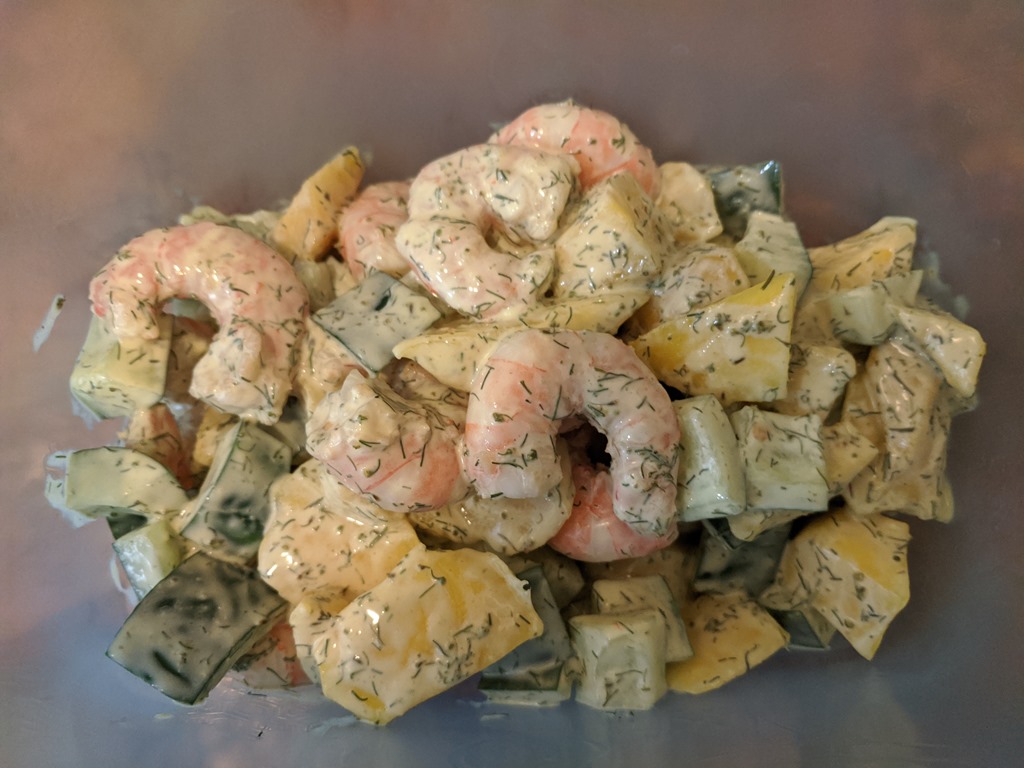
-
3 tablespoons distilled white vinegar
-
3 tablespoons sugar or honey
-
6 tablespoons Dijon mustard
-
6 tablespoons mayonnaise
-
4 large pickling cucumbers, peeled, cut into 1/2-inch cubes (about 2 cups)
-
2 large mango, peeled, pitted, cut into 1/2-inch cubes (about 1 1/2 cups)
-
1 pound cooked medium shrimp
-
3 tablespoons chopped fresh dill
-
Hot pepper sauce
-
Mix vinegar and sugar in small bowl until sugar dissolves. Whisk in mustard and mayonnaise. Cover and chill.
-
Combine cucumbers, mango, shrimp, and dill in large bowl. Pour dressing over; toss to coat. Season with salt and hot pepper sauce.
Why This Doctor Recommends Micro-dosing Caffeine To His Patients
Posted: June 12, 2020 Filed under: Food and it's Impact on Our Health | Tags: #allergies, #BeyondPaleo, #cancer, #energy, #glutenfree, #healing, #higherenergy, #immunesystem, #JacksonvilleFL, #jax, #Lactosefree, #mealdeliveryservice, #nutritioncoaching, #weightloss Leave a comment
June 7, 2020 — 11:20 AM
Share on:<?XML:NAMESPACE PREFIX = “[default] http://www.w3.org/2000/svg” NS = “http://www.w3.org/2000/svg” />
The concept of microdosing is all the rage these days—and for a good reason. Microdosing refers to the practice of taking tiny portions of a substance, usually around one-tenth or one-twentieth of a normal dose. The idea is to reap the positive benefits of a substance, without any of the negative.
What’s more, everyone’s body is different, so people respond to substances in their own unique way. Plus, sometimes it’s easier to ramp up something slowly rather than go straight for the higher dose, which is why I often recommend microdosing to my patients in various contexts. Recently, one practice I’ve been fascinated with is microdosing caffeine.
What is caffeine microdosing?
To achieve an optimal energy zone, you generally need to consume between 60 mg and 100 mg of caffeine. Plus, your overall ability to concentrate and perform is more ideal when you can remain in this sweet spot over a steady period of time. To put that into perspective, one cup of coffee generally contains about 100 mg of caffeine, a shot of espresso is 85 mg of caffeine, and a cup of green tea is 40 mg of caffeine.
One way to optimize your intake is through microdosing, or consuming small amounts of caffeine throughout the day. This might look like drinking a cup of coffee in the morning, and then only having green tea throughout the rest of the day. Or slowly sipping your coffee in the morning, which may help you drink around 10 mg or so of caffeine at a time. These techniques may give you enough stimulation to help you be as productive as possible without feeling jittery or anxious.
The benefits of caffeine, even in small doses.
While too much caffeine can cause negative side effects like anxiousness or a rapid heartbeat, there is a lot of evidence in scientific literature regarding caffeine, its health benefits, and its potential as a microdosing agent.
In addition to increasing energy and improving cognition, there is also some research that indicates it may affect inflammatory conditions and autoimmunity. Other literature suggests that natural caffeine sources like coffee may help prevent prediabetes and type 2 diabetes.
Caffeine has also been researched since the 1970s as a performance-enhancing substance, for athletes and military, but often at moderate to high doses. However, what we are finding now is that low doses can be safer and better for the body: They can help improves alertness, mood, and cognition during and after physical exercise but with few (if any) side effects. In fact, a recent review suggested that low doses of caffeine, as low as 3 mg, can be just as effective as higher doses.
What’s more, scientists at Harvard did a randomized, double-blind placebo-controlled study where 16 male subjects microdosed caffeine for, and were sequestered for, 29 days. They were also deprived of time cues so they could simulate the extended wakefulness that doctors, military, and emergency services first responders often experience. What the researchers found was that those who took the low-dose caffeine supplement performed better on cognitive tests and had fewer accidental sleep onsets. The results suggest that microdosing caffeine can be especially helpful in circumstances in which an individual must wait for the opportunity for a good night of restorative sleep (think essential workers).
Should you try microdosing caffeine?
When patients are interested in optimizing their nutrient and vitamin levels, I often run a nutritional genomics panel. When I do this, one of the common genes that is tested for is a gene that affects caffeine metabolism. If a patient has a gene mutation in the CYP1A2 gene, they have an increased risk of high blood pressure or heart attack if they drink more than 200 mg of caffeine daily.
This is all to say that some people are more sensitive to caffeine than others. Maybe you’ve already noticed this about yourself anecdotally—perhaps after having two cups of coffee you feel shaky or anxious. For context, most people tend to get into the jitter zone when they hit 140 mg to 200 mg, which is often the case when drinking energy and power drinks.
Regardless of how you metabolize caffeine, taking it in small amounts can help you hone in on the exact dose you need to optimize your focus, creativity, mood, and energy without worrying about what happens when you “crash” from the caffeine high and start getting headaches and other side effects.
Cautions for caffeine microdosing.
One thing I always like to caution people about is reading labels. You want to make sure that your good intentions are not negated by taking a product that has other unhealthy ingredients mixed in or contains caffeine from an unnatural source.
I always advise my patients to look for labels such as “from a plant source” like green coffee beans or green tea leaves, for example. If this isn’t disclosed on the label, it’s possible that the product you are taking could be synthetic and made in a lab. Also there are more health benefits from using a natural source of caffeine rather than a synthetic processed form. Like with anything you ingest, make sure the products are true to their purpose.
Also, please remember that it is important to consult with your doctor before trying something new, like caffeine microdosing.
Bottom line.
Microdosing can be a useful way to reap the benefits of caffeine. Especially if you are a slow caffeine metabolizer like me, it can help you avoid unwanted side effects from excess coffee. Just be sure to speak to your doctor before making any drastic changes to your nutrition routine.
Ready to learn how to fight inflammation and address autoimmune disease through the power of food? Join our 5-Day Inflammation Video Summit with mindbodygreen’s top doctors.
Marvin Singh, M.D is an Integrative Gastroenterologist in San Diego, California, and a Member of the Board and Diplomate of the American Board of Integrative Medicine. He is also…
High Blood Pressure: The Tasty Green Snack Proven to Lower your Risk of Hypertension
Posted: June 12, 2020 Filed under: Food and it's Impact on Our Health | Tags: #allergies, #BeyondPaleo, #cancer, #energy, #glutenfree, #healing, #higherenergy, #immunesystem, #JacksonvilleFL, #jax, #Lactosefree, #mealdeliveryservice, #nutritioncoaching, #weightloss Leave a comment/https%3A%2F%2Fcdn.images.express.co.uk%2Fimg%2Fdynamic%2F11%2F590x%2Fsecondary%2Fcelery-potassium-2511311.jpg%3Fr%3D1591811834259)
Hypertension: Celery contains potassium, which counters the harmful effects of sodium
“Celery stalk salt content is low, and you also get fibre, magnesium and potassium to help regulate your blood pressure, as well,” notes Cleveland Clinic.
Foods that are rich in potassium are particularly important in managing high blood pressure because potassium lessens the effects of sodium, according to the American Heart Association (AHA).
Sodium, which is found in salt, raises your blood pressure, but the more potassium you eat, the more sodium you lose through urine.
“Potassium also helps to ease tension in your blood vessel walls, which helps further lower blood pressure,” explains the AHA.
HIGH blood pressure doesn’t produce symptoms so the only way to keep it in check is to make healthy lifestyle decisions. Eating a healthy diet is a surefire way to reverse high blood pressure and no diet would be complete without this green snack.
High blood pressure is when your blood pressure, the force of blood flowing through your blood vessels, is consistently too high. Over time, this causes your blood vessels to lose their elasticity, restricting the amount of blood that flows through them. Restricting the supply of blood to your heart is particularly concerning because it can trigger a heart attack.
Unfortunately, high blood pressure does not usually have any symptoms, so the only way to find out if you have it is to get your blood pressure checked.
According to the NHS, blood pressure tests can also be carried out at home using your own blood pressure monitor.
Blood pressure is measured in millimetres of mercury (mmHg) and is given as two figures.
Systolic pressure – the pressure when your heart pushes blood out – is the top number and diastolic pressure – the pressure when your heart rests between beats – is the bottom number.
“High blood pressure is considered to be 140/90mmHg or higher (or an average of 135/85mmHg at home) – or 150/90mmHg or higher (or an average of 145/85mmHg at home) if you’re over the age of 80,” explains the health body.
If the test determines that your blood pressure is too high, you must make healthy lifestyle decisions to lower it.
Overhauling your diet plays a key role and a robust body of evidence can point you to the most heart-healthy items.
According to research, snacking on celery can help to combat high blood pressure.
Consult your Physician if you Decide to NOT Exercise
Posted: June 11, 2020 Filed under: Food and it's Impact on Our Health | Tags: #allergies, #BeyondPaleo, #cancer, #energy, #glutenfree, #healing, #higherenergy, #immunesystem, #JacksonvilleFL, #jax, #Lactosefree, #mealdeliveryservice, #nutritioncoaching, #weightloss Leave a comment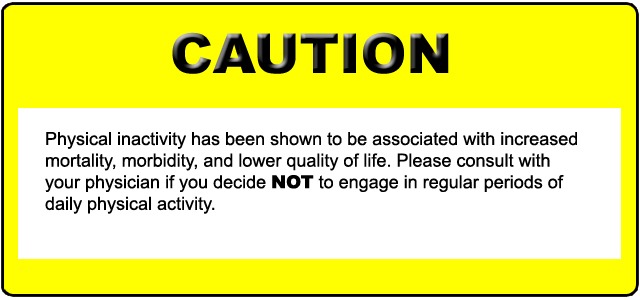
your physician before using this exercise equipment or beginning any exercise program.” It’s a well-intended message designed to be responsible and keep people safe.
But scientists called for public warnings with exactly the opposite message at a satellite symposium that was organized by the American Society for Nutrition on Friday, April 25. The event, sponsored by Herbalife Nutrition Institute, took place at Experimental Biology in San Diego.
Endocrinologist Dr. David Heber, director of the UCLA Center for Human Nutrition, reminded that a sedentary lifestyle has disastrous pathologic consequences. He said that, combined with obesity, physical inactivity leads to abdominal adiposity, visceral fat, chronic systemic inflammation, insulin resistance, and ultimately diabetes and cardiovascular disease.
Underlining the consequence of protein breakdown due to physical inactivity, Dr. Heber counseled that the muscle loss and a subsequent drop in resting metabolic rate puts the U.S. population at risk of widespread sarcopenic obesity. Muscle burns 30 Kcals per kilogram versus fat’s only 6 Kcals per kilogram, he reminds.
Former U.S. surgeon general Dr. Richard Carmona said that the problems of getting people to do more for their health wasn’t a matter of needing more knowledge or authority. “It’s getting people to listen,” he said. “Where we have failed is really in the translation. We need better translators of science.”
Sharing some of his 2002-2006 term experiences, Dr. Carmona illustrated how obesity was burdensome to the country by ways of high costs — and even to national security. After Hurricane Katrina, for example, he said a lot of the people affected had low health literacy, were obese, and had several medical conditions related to obesity such as high blood pressure and type 2 diabetes. These issues exacerbated the tragic event.
“Obesity doesn’t get the attention it deserves,” he said. “Health care is really sick care and it’s driven by obesity.”
University of Colorado Professor of Pediatrics and Medicine James Hill, Ph.D., said regular physical activity of an hour or more daily was one of the behaviors that has shown to be key in leading to long-term weight management success, according to the National Weight Control Registry of which he co-founded. The registry follows more than 6,000 formerly obese people who have lost weight and kept it off permanently.
But the reason physical activity is important had little to do with burned calories, he explained. “In my opinion,” he said, “the important point is that it helps our bodies operate in the way they’re meant to operate.”
Hill said once physical activity reaches a specific threshold it has a way of adjusting the body’s appetite according to energy expenditure. Showing a figure modified from the work of Jean Mayer and colleagues, he illustrated the concept of the physical activity threshold explaining that to the left of the bar was an unregulated zone and to the right there was a regulated zone.
“Our biology works best at high level of physical activity. Energy expenditure is driving the bus,” he said. “But most of us are left of the bar.”
Most now includes 88.9 percent of the world population in 122 countries, according to professor of epidemiology and kinesiology Bill Kohl, Ph.D., of University of Texas at Austin’s Department of Kinesiology and Health Education.
In July 2012, Kohl reported conclusions in The Lancet that one out of three (31.1 percent) adults didn’t meet physical activity guidelines of 150 minutes per week, that men were more active than women, that inactivity increases with age, that inactivity is higher in high-income countries. In addition, he found that four out of five (80.3 percent) adolescents didn’t meet guidelines of 60 minutes per day and that boys were more active than girls.
Throughout the world, Kohl said, overall physical activity is declining rapidly. He cited research of Timothy Church and colleagues, as well as a review paper by Shu Wen Ng and Barry Popkin, showing that one of the major reasons had to do with drastically declining from occupational physical activity.
“I submit to you that this isn’t just a weight loss problem,” he said. “It’s a pandemic. If the number of people in the world that were physically inactive were smoking, we’d be up in arms. We should be up in arms.”
How much physical activity should one do to gain an impact? There’s a dose-response effect, according to John Jakicic, Ph.D., professor and chair of the University of Pittsburgh department of health and physical activity.
Based on his prior research and from Goodpaster et al and Slentz et al (and unpublished data he shared), he said that the higher level of physical activity one has, the greater the body weight change, the greater impact on visceral adiposity, and greater reduction of HbA1c (glycated hemoglobin).
Rather than put up warnings about exercise, he said, why not put up a new cautionary statement: “Physical inactivity has been shown to be associated with increased mortality, morbidity, and lower quality of life. Please consult with your physician if you decide not to engage in regular periods of daily physical activity.”
Dr. Julian Alvarez Garcia of University of Alicante (Spain), reminded that exercise is a “very complex phenomenon.” Athletes, for example, will often time nutrition before, during, or after exercise to fuel specific adaptations such as for weight loss, endurance, or strength.
Moving what he called “a step beyond energetics,” Dr. Garcia suggests that a different mindset be used when eating. We shouldn’t think of nutrition as feeding exercise, but “feeding adaptation,” he said.
Share this:
The Top 20 Biggest Nutrition Myths
Posted: May 14, 2020 Filed under: Food and it's Impact on Our Health | Tags: #allergies, #antiaging, #cancer, #coaching, #cooking, #gersondiet, #gettingwell, #glutenfree, #glutenfreedesserts, #healing, #Healthy, #holistic, #immunesystem, #Lactosefree, #livewell, #mealdelivery, #mealdeliveryservice, #mealsdelivered, #mediterreanean, #MillieBarnes, #moreenergy, #Nutrition, #nutritioncoaching, #organic, #soups, #wellness, Paleo Leave a commentFrom 

Scrolling through social media, reading your favorite magazine, or visiting popular websites exposes you to endless information about nutrition and health — most of which is incorrect. Even qualified health professionals, including doctors and dietitians, are to blame for spreading misinformation about nutrition to the public, adding to the confusion.
Here are 20 of the biggest myths related to nutrition, and why these antiquated beliefs need to be put to rest.
1. ‘Calories in, calories out’ is all that matters when it comes to weight loss
Though creating a calorie deficit by burning more energy than you take in is the most important factor when it comes to weight loss, it’s not the only thing that matters. Relying solely on calorie intake doesn’t account for the large number of variables that may prevent someone from losing weight, even when on a very low calorie diet. This concept also fails to emphasize the importance of sustainability and diet quality for weight loss.This can lead to choosing low calorie, nutrient-poor foods like rice cakes and egg whites over higher calorie, nutrient-dense foods like avocados and whole eggs, which isn’t the best for overall health.
Millie- Meeting your calorie needs (1800 to 2000 calories a day) from healthy foods that truly meet your nutrient needs is the ONLY way to lose weight. Exercise or caloric restriction does not work
Though this antiquated and incorrect theory is slowly being put to rest, many people still fear high fat foods and follow low fat diets in the hopes that cutting their fat intake will benefit their overall health.
Dietary fat is essential for optimal health. Plus, low fat diets have been linked to a greater risk of health issues, including metabolic syndrome, and may lead to an increase in insulin resistance and triglyceride levels, which are known risk factors for heart disease.
What’s more, diets that are higher in fat have been proven just as effective — or even more so — than low fat diets when it comes to encouraging weight loss.
Of course, extremes in either direction, whether it be a very low fat or very high fat diet, may harm your health, especially when diet quality is poor.
Millie- I completely disagree with what they say about this. It takes 3 balanced meals a day to meet your nutrient needs.
4. You need to eat small, frequent meals for optimal health
Eating frequent meals throughout the day is not the best way to promote weight loss. Research shows that a regular meal pattern may be best for health.
5. Non-nutritive sweeteners are healthy
The rising interest in low calorie, low carb, sugar-free foods has led to an increase in products that contain non-nutritive sweeteners (NNS). While it’s clear that a diet high in added sugar significantly increases disease risk, intake of NNS can also lead to negative health outcomes.
For example, NNS intake may increase your risk of type 2 diabetes by leading to negative shifts in gut bacteria and promoting blood sugar dysregulation. What’s more, regular NNS intake is associated with overall unhealthy lifestyle patterns (16Trusted Source, 17Trusted Source).
6. Macronutrient ratio matters more than diet quality
Although macro coaches may lead you to believe that the ratio of macronutrients in your diet is all that matters when it comes to weight loss and overall health, this narrow-minded take on nutrition is missing the bigger picture.
While tweaking macro ratios can benefit health in many ways, the most important factor in any diet is the quality of the foods you eat.
Though it may be possible to lose weight by eating nothing but highly processed foods and protein shakes, focusing solely on macronutrients discounts how eating certain foods can either increase or decrease metabolic health, disease risk, lifespan, and vitality.
Millie- Your diet needs to be totally made of of real food, not products. If it needs a label or comes in a box, don’t eat it. Only real food, healthy fats, high quality animal proteins and lots of vegetables and salads should be included every day.
7. White potatoes are unhealthy
Often labeled as “unhealthy” by those in the nutrition world, white potatoes are restricted by many people wanting to lose weight or improve their overall health. While eating too much of any food — including white potatoes — can lead to weight gain, these starchy tubers are highly nutritious and can be included as part of a healthy diet. White potatoes are an excellent source of many nutrients, including potassium, vitamin C, and fiber.
Plus, they’re more filling than other carb sources like rice and pasta (which are empty calories and contain almost no nutrition and are very hard to digest), and can help you feel more satisfied after meals. Just remember to enjoy potatoes baked or roasted, not fried ( not true- potatoes fried in vegetable oils are horrible for you, because heated vegetable oils are highly toxic and inflammatory) . Fry occasionally in duck or beef fat, they taste amazing!!
Take a trip to your local grocery store and you’ll find a variety of products labeled “diet,” “light,” “low fat,” and “fat-free.” While these products are tempting to those wanting to shed excess body fat, they’re typically an unhealthy choice.
Research has shown that many low fat and diet items contain much more added sugar and salt than their regular-fat counterparts. It’s best to forgo these products and instead enjoy ghee daily, and nut butters. Low fat and diet foods are typically high in sugar and salt. Unaltered higher fat alternatives are often a healthier choice.
9. Supplements are a waste of money
While focusing on consuming a nutrient-dense, well-rounded diet is the most essential component of health, supplements — when used correctly and in the right form — can be beneficial in many ways.
For many, especially those with health conditions like type 2 diabetes, as well as those who take common medications like statins, proton pump inhibitors, birth control, and antidiabetic medications, taking specific supplements can significantly affect their health. For example, supplementing with magnesium and B vitamins has been shown to benefit those with type 2 diabetes by enhancing blood sugar and reducing heart disease risk factors and diabetes-related complications.
Those on restrictive diets, people with genetic mutations like methylenetetrahydrofolate reductase (MTHFR), people over the age of 50, and pregnant or breastfeeding women are other examples of populations that may benefit from taking specific supplements.
10. Following a very low calorie diet is the best way to lose weight
While reducing calorie intake can indeed boost weight loss, cutting calories too low can lead to metabolic adaptations and long-term health consequences. Going on a very low calorie diet leads to a reduction in metabolic rate, increased feelings of hunger, and alterations in fullness hormones. This makes long-term weight maintenance difficult. This is why studies have shown that low calorie dieters rarely succeed in keeping excess weight off in the long term.
Obesity is associated with many health conditions, including type 2 diabetes, heart disease, depression, certain cancers, and even early death. Still, reducing your disease risk does not mean you have to be skinny. What’s most important is consuming a nutritious diet and maintaining an active lifestyle, as these behaviors often improve your body weight and body fat percentage.
Many people are told to pop calcium supplements to keep their skeletal system healthy. However, current research has shown that supplementing with calcium may do more harm than good. For example, some studies have linked calcium supplements to an increased risk of heart disease. Additionally, research shows that they don’t reduce the risk of fracture or osteoporosis.
If you’re concerned about your calcium intake, it’s best to focus on dietary sources of calcium like full fat salmon, sardines, green leafy vegetables, and seeds..especially sesame seeds.
Millie – Although medical professionals commonly prescribe calcium supplements, current research shows that these supplements may do more harm than good. Taking more calcium causes you to leach it from the bones.
13. Fiber supplements are a good substitute for high fiber foods
Many people struggle with getting adequate dietary fiber, which is why fiber supplements are so popular. But dry fiber can harm the colon. High fiber whole foods like vegetables and fruit contain nutrients and plant compounds that work synergistically to promote your health, and they can’t be replaced by fiber supplements.
Certain juices and smoothies are highly nutritious. For example, a nutrient-dense smoothie or freshly made juice composed primarily of non-starchy vegetables can be a great way to increase your vitamin, mineral, and antioxidant intake.
Yet, it’s important to know that most juices and smoothies sold at stores are loaded with sugar and calories. When consumed in excess, they can promote weight gain and other health issues like tooth decay and blood sugar dysregulation
15. Everyone can benefit from a probiotic
Probiotics are amongst the most popular dietary supplements on the market. However, practitioners generally overprescribed them, and research has demonstrated that some people may not benefit from probiotics like others do.
Not only are some people’s digestive systems resistant to probiotic colonization, but introducing probiotics through supplements may lead to negative changes in their gut bacteria.
Plus, bacterial overgrowth in the small intestine related to probiotic use can lead to bloating, gas, and other adverse side effects.
Additionally, some studies show that probiotic treatment following a course of antibiotics may delay the natural reconstitution of normal gut bacteria.
Millie- eating healthy foods, plenty of fruits and vegetables, help your gut grow and maintain health gut flora.
16. Tracking calories and macros is necessary for weight loss
There’s no need to obsess over your calorie intake and track every morsel of food that passes your lips to lose weight.
Although food tracking can be a useful tool when trying to lose excess body fat, it’s not right for everyone.
What’s more, being overly preoccupied with food by tracking calories has been associated with an increased risk of disordered eating tendencies. Although tracking calories may help some people lose weight, it’s not necessary for everyone and may lead to disordered eating tendencies.
17 High cholesterol foods are unhealthy
Cholesterol-rich foods have gotten a bad rap thanks to misconceptions about how dietary cholesterol affects heart health.
While some people are more sensitive to dietary cholesterol than others, overall, nutrient-dense, cholesterol-rich foods can be included in a healthy diet. In fact, including cholesterol-rich, nutritious foods like eggs in your diet boosts health by enhancing feelings of fullness and providing important nutrients that other foods lack.
Just as fat has been blamed for promoting weight gain and heart disease, carbs have been shunned by many people over fears that consuming this macronutrient will cause obesity, diabetes, and other adverse health effects. In reality, eating a moderate amount of nutritious carbs that are high in fiber, vitamins, and minerals like starchy root vegetables, ancient grains, and legumes will likely benefit your health — not harm it.
For example, dietary patterns that contain a balanced mix of high fiber carbs mainly from produce, healthy fats, and proteins, such as the Mediterranean diet, have been associated with a reduced risk of obesity, diabetes, certain cancers, and heart disease.
Millie- Fruits and vegetables are calorically 95% carbs. BUT, they are not empty carbs. It’s the processed carbs that are bad for you, cookies, pasta, cakes, sugars.
The bottom line – The nutrition world is rife with misinformation, leading to public confusion, mistrust of health professionals, and poor dietary choices.
This, coupled with the fact that nutrition science is constantly changing, makes it no wonder that most people have a warped view of what constitutes a healthy diet.
Although these nutrition myths are likely here to stay, educating yourself by separating fact from fiction when it comes to nutrition can help you feel more empowered to develop a nutritious and sustainable dietary pattern that works for your individual needs.
Using Green Tea to Help Prevent Cancer and Treat Cancer
Posted: May 14, 2020 Filed under: Food and it's Impact on Our Health | Tags: #allergies, #antiaging, #cancer, #coaching, #cooking, #gersondiet, #gettingwell, #glutenfree, #glutenfreedesserts, #healing, #Healthy, #holistic, #immunesystem, #Lactosefree, #livewell, #mealdelivery, #mealdeliveryservice, #mealsdelivered, #mediterreanean, #MillieBarnes, #moreenergy, #Nutrition, #nutritioncoaching, #organic, #soups, #wellness, Paleo Leave a comment
FYI_ Coffee has the same properties, is high in antioxidants and is a great antidepressant!!
Tea consumption is associated with a reduced risk of heart disease, stroke, and premature death in general, with each additional cup of green tea a day associated with a 4-percent lower mortality risk. So, perhaps “drinking several cups of tea daily can keep the doctor away,” as well as the mortician—but what about cancer?
As I discuss in my video Can Green Tea Help Prevent Cancer, there is “growing evidence from laboratory, epidemiologic [population], and human intervention studies that tea can exert beneficial disease-preventive effects” and, further, may actually “slow cancer progression.” Let’s review some of that evidence.
Not only do those who drink a lot of tea appear to live longer than those who drink less, as you can see at 0:49 in my video, drinking lots of tea may also delay the onset of cancer. At 0:56 in my video, you can see a table titled “Average age at cancer onset and daily green tea consumption.” The green tea intake is measured in Japanese tea cups, which only contain a half a cup, so the highest category in the table is actually greater than or equal to five full cups of tea, not ten as it appears in the table. Women who did get cancer appeared to get it seven years later if they had been drinking lots of tea compared to those who had consumed less. Men, however, had a three-year delay in cancer onset if they had consumed more than five full cups of green tea daily, the difference potentially “due to higher tobacco consumption by males.”
Green tea may be able to interfere with each of the stages of cancer formation: the initiation of the first cancer cell, promotion into a tumor, and then subsequent progression and spread, as you can see at 1:24 in my video. Cancer is often initiated when a free radical oxidizes our DNA, causing a mutation, but, as you can see at 1:44 in my video, we can get a nice “spike of antioxidant power” of our bloodstream within 40 minutes of drinking green tea. “This increase may, in turn, lower oxidative damage to DNA and so decrease risk of cancer.”
Furthermore, in terms of genoprotective effects—that is, protecting our genes—pre-existing oxidation-induced DNA damage was lower after drinking green tea, suggesting consumption can boost DNA repair as well. We didn’t know for certain, however…until now.
There is a DNA-repair enzyme in our body called OGG1. As you can see at 2:15 in my video, within one hour of drinking a single cup of green tea, we can boost OGG1’s activity, and after a week of tea drinking, we can boost it even higher. So, “regular intake of green tea has additional benefits in the prevention and/or repair of DNA damage.” In fact, tea is so DNA-protective it can be used for sperm storage for fresh samples until they can be properly refrigerated.
What’s more, tea is so anti-inflammatory it can be used for pain control as a mouthwash after wisdom tooth surgery, as you can see at 2:41 in my video. In terms of controlling cancer growth, at a dose of green tea compounds that would make it into our organs after drinking six cups of tea, it can cause cancer cells to commit suicide—apoptosis (programmed cell death)—while leaving normal cells alone. There are a number of chemotherapy agents that can kill cancer through brute force, but that can make normal cells vulnerable, too. So, “[g]reen tea appears to be potentially an ideal agent for [cancer] prevention”: little or no adverse side-effects, efficacious for multiple cancers at achievable dose levels, and able to be taken orally. We have a sense of how it works—how it stops cancer cells from growing and causing them to kill off themselves—and it’s cheap and has a history of safe, acceptable use. But, all of this was based on in-vitro studies in a test tube. “It needs to be evaluated in human trials,” concluded the researchers. Indeed, what happens when we give green tea to people with cancer? Does it help?
Tea consumption may reduce the risk of getting oral cancer. Not only may the consumption of tea boost the antioxidant power of our bloodstream within minutes and decrease the amount of free-radical DNA damage throughout our systems over time, but it can also increase the antioxidant power of our saliva and decrease the DNA damage within the inner cheek cells of smokers, though not as much as stopping smoking all together. You can see several graphs and tables showing these findings in the first 35 seconds of my video Can Green Tea Help Treat Cancer?.
Might this help precancerous oral lesions from turning into cancerous oral lesions? More than 100,000 people develop oral cancer annually worldwide, with a five-year overall survival rate of less than the flip of a coin. Oral cancer frequently arises from precancerous lesions in the mouth, each having a few percent chance of turning cancerous every year. Can green tea help?
Fifty-nine patients with precancerous oral lesions were randomized into either a tea group, in which capsules of powdered tea extract were given and their lesions were painted with green tea powder, or a control group, who essentially got sugar pills and their lesions painted with nothing but glycerin. As you can see at 1:23 in my video, within six months, lesions in 11 out of the 29 in the tea group shrunk, compared to only 3 of 30 in the placebo group. “The results indicate that tea treatment can improve the clinical manifestations of the oral lesions.”
The most important question, though, is whether the tea treatment prevented the lesions from turning cancerous. Because the trial only lasted a few months, the researchers couldn’t tell. When they scraped some cells off of the lesions, however, there was a significant drop in DNA-damaged cells within three months in the treatment groups, suggesting that things were going in the right direction, as you can see at 1:46 in my video. Ideally, we’d have a longer study to see if they ended up with less cancer and one that just used swallowed tea components, since most people don’t finger-paint with tea in their mouths. And, we got just that.
As you can see at 2:15 in my video, there were the same extraordinary clinical results with some precancerous lesions shrinking away. What’s more, the study lasted long enough to see if fewer people actually got cancer. The answer? There was just as much new cancer in the green tea group as the placebo group. So, the tea treatment resulted in a higher response rate, as the lesions looked better, but there was no improvement in cancer-free survival.
These studies were done on mostly smokers and former smokers. What about lung cancer? As you can see at 2:46 in my video, population studies suggest tea may be protective, but let’s put it to the test. Seventeen patients with advanced lung cancer were given up to the equivalent of 30 cups of green tea a day, but “[n]o objective responses were seen.” In a study of 49 cancer patients, 21 of whom had lung cancer, the subjects received between 4 and 25 cups worth of green tea compounds a day. Once again, no benefits were found. The only benefit green tea may be able to offer lung cancer patients is to help lessen the burns from the radiation treatments when applied on the skin. Indeed, green tea compresses may be able to shorten the duration of the burns, as you can see at 3:21 in my video.
The protective effects of green tea applied topically were also seen in precancerous cervical lesions, where the twice-a-day direct application of a green tea ointment showed a beneficial response in nearly three-quarters of the patients, compared to only about 10 percent in the untreated control group, which is consistent with the benefits of green tea compounds on cervical cancer cells in a petri dish. When women were given green tea extract pills to take, however, they didn’t seem to help.
I talked about the potential benefit of green tea wraps for skin cancer in Treating Gorlin Syndrome with Green Tea, but is there any other cancer where green tea can come into direct contact? Yes. Colon cancer, which grows from the inner surface of the colon that comes into contact with food and drink. As you can see at 4:13 in my video, in the colon, tea compounds are fermented by our good gut bacteria into compounds like 3,4DHPA, which appears to wipe out colon cancer cells, while leaving normal colon cells relatively intact in vitro. So one hundred thirty-six patients with a history of polyps were randomized to get green tea extract pills or not. Now, this study was done in Japan, where drinking green tea is commonplace, so, effectively, this was comparing those who drank three cups of green tea a day to subjects who drank four daily cups. A year later on colonoscopy, the added-green tea group had only half the polyp recurrence and the polyps that did grow were 25 percent smaller. With such exciting findings, why hasn’t a larger follow-up study been done? Perhaps due to the difficulty “in raising funds” for the study, “because green tea is a beverage but not a pharmaceutical.”
There is good news. Thanks to a major cancer charity in Germany, researchers are currently recruiting for the largest green tea cancer trial to date, in which more than 2,000 patients will be randomized. I look forward to presenting the results to you when they come in.
How to Improve Your Respiratory Health in Case you Get Covid-19
Posted: May 6, 2020 Filed under: Food and it's Impact on Our Health | Tags: #allergies, #BeyondPaleo, #cancer, #energy, #glutenfree, #healing, #higherenergy, #JacksonvilleFL, #jax, #Lactosefree, #mealdeliveryservice, #nutritioncoaching Leave a comment
Avoid dairy and gluten containing foods, exercise and stop smoking..
(CNN)Covid-19 is a respiratory illness, meaning if a person is infected, the condition of their respiratory system is one determinant of how they’ll fare with the disease.
First it’s important to understand how the virus attacks our lungs. When people are infected, the virus travels to the mucus membranes and then the lungs. To control the infection, the body responds with inflammation in the lungs. And this inflammation prevents the lungs from being able to oxygenate the blood and remove carbon dioxide, which leads the patient to gasp for air and suffer more serious illness.
But there are things you can do to improve respiratory health, just by changing a few lifestyle factors, according to Dr. Robert Eitches, an allergist and immunologist at Cedars-Sinai Medical Center in Los Angeles. Enhancing your respiratory health doesn’t prevent you from getting infected, he said. But it does have benefits that may reduce the severity of the illness if you are infected, and therefore your exposure to the virus.
Here’s how you can strengthen your body’s respiratory capacity so that if you do get infected with coronavirus, the chances of serious illness may be lower.
Reduce excess mucus buildup
“Mucus is naturally occurring in our bodies, and it provides a very important function to maintain good health in our respiratory tract,” Steele said. “It helps to capture [allergens, bacteria and viruses].”
In our respiratory tract, we have little hairs called cilia that move those threats out of our tract. We swallow the majority of mucus, Steele said, but when we have things that irritate our nasal passages, we can produce too much mucus and be unable to clear it. This creates a breeding ground for bacteria and viruses, and blocks oxygen from entering and leaving the pathways of the lungs.
We also have mucus in our lungs. People with asthma produce too much mucus, which can predispose them to blockages and inflammation in their airways, Steele said.
There may be a connection between diet and mucus buildup. “Some people believe that inflammatory foods such as milk and wheat increase mucus production,” Eitches said. “Another school of thought that I have seen to work both anecdotally with my patients and with myself is eating spicy foods.”
Spicy foods that have capsaicin — chiles, jalapenos, cayenne, hot sauce — can thin mucus and allow it to be coughed out.
Exercise
Exercise can improve respiratory capacity, or breathing ability. Alveoli are tiny, balloon-shaped air sacs arranged in clusters throughout the lungs. They’re integral to the respiratory system, as they exchange oxygen and carbon dioxide to and from the bloodstream.
When a person is sedentary, Steele said, that results in a phenomenon called “atelectasis,” when the lung sacs don’t have enough air and collapse slightly. To improve the lung sac capacity, people have to “breathe against resistance,” he added.
“You can think of it like a partially deflated balloon,” he suggested. “And what’s the way that you keep the air inside a balloon? You tie a knot in it to increase the resistance, so the air has to work harder to get out.”
By breathing against resistance when exercising, you’re “actually helping to expand and keep open the air sacs” in your lungs, Steele said.
In addition to cardio, yoga and stretching, breathing exercises such as pursed lip breathing and deep yogic nasal breathing can help and are easy to do wherever you are, Eitches suggested. Pursed lip breathing is when you take in a deep breath with your mouth, close your lips, then exhale through them as if you’re blowing up a balloon. There are similar benefits from deep yogic nasal breathing as you filter the air through your nose.
Improving your lung function means “you would be less likely to hit a critically low lung function state, which would in turn cause you to not be able to oxygenate your blood,” Eitches said.
“Respirators essentially breathe for you to try to push open your airways. These exercises will teach you how to fight off the respiratory side effects [of Covid-19] on your own.”
Additionally, Steele said, exercise decreases inflammation in the body and can reduce the occurrence of acute respiratory distress syndrome, a serious complication in some patients hospitalized with Covid-19.
Stop smoking
One of the most important steps to improving your respiratory health is avoiding anything that impairs lung function, such as smoking cigarettes and vaping, Eitches said.
Smoking and vaping cause irritation in the lung airways that leads to permanent, adverse effects on lung function by destroying lung tissue where air exchange occurs.
“Smoke is composed of small particles; when inhaled, the particles get stuck in the lungs,” Eitches said. “This begins a vicious cycle of permanent lung damage.”
Both activities can also suppress the immune system, which you need to be able to help fight infections.
Dr. Ryan Steele, an allergist-immunologist and assistant professor at the Yale School of Medicine, cautioned against smoking marijuana, too.
Many candles have metal wicks, which are vaporized along with smoke and can cause similar lung damage.
Taking steps to improve respiratory health is another tool to add to one’s prevention kit, as we weather the pandemic and anticipate another possible wave in the fall.
“The stronger your baseline health, the stronger your body will be to fight off infections,” Eitches said. “It’s like having the appropriate ammunition to fight a war.”
CNN’s Brian Fung and Jen Christensen contributed to this report.


 Meal Delivery Service by Millie Barnes