Study: Eating Organic Produce Slashes Pesticide Concentrations in the Body
Posted: September 11, 2012 Filed under: Food and it's Impact on Our Health, Non-Toxic Choices 1 Comment
There has been a huge debate recently about whether organic food is better for you, has more nutrients. I am puzzled by this; many organic fruits and vegetables taste FAR better than non-organic..sweet potatoes, lettuces, broccoli to name a few. As an organic gardener I fail to understand how anyone could think that food grown in whole soil with everything it needs as far as nutrients, microbes enzymes could NOT be more nutritious than one grown with chemical fertilizer and pesticides.
BUT, the one thing no one has brought up is that no matter the nutrient levels, organic food has NO PESTICIDES! Duh…isn’t that the main point, no pesticides going into our body, our children’s bodies and our water supply and soil?
I’ve been thinking about blogging these thoughts and then today Treehugger published this…
Eating Organic Produce Slashes Pesticide Concentrations in the Body
Say what you will about buying and eating organic fruits and vegetables, but one thing is certain: Consumers can significantly reduce their intake of pesticide residues by choosing organic produce, according to researchers at Stanford University who reviewed a massive body of scientific studies on the oft-argued issue.
The debates about organic produce run rampant. Naysayers say there’s little difference between organic and “conventional” (isn’t it sad that the use of pesticides has become conventional?), backlashers complain that organic produce is merely precious food for the green elite, agriculture giants say the chemicals don’t reach consumers. But for those of us who prefer our food without the addition of chemical pesticides and synthetic fertilizers, it’s nice to have the back-up…thank you kindly, Stanford University.
The researchers looked at more than 230 field studies and 17 human studies held in the United States and Europe to compare pesticide residues, antibiotic resistance and vitamin and nutrient levels in organic and conventionally produced foods. The study was published online at The Annals of Internal Medicine.
Dark Circles Under Your Eyes
Posted: September 4, 2012 Filed under: Food and it's Impact on Our Health, Non-Toxic Choices Leave a comment
I saw a commercial the other night on TV that said dark circles can be caused by aging, stress, lack of sleep. While slight circles can indicate those conditions or a genetic predisposition to dark circles, the truth and the whole picture is more indicative of other conditions.
The swelling and dark circles in children indicate food allergies or intolerances. In adults it indicates that issue as well as showing that the kidneys are simply over-taxed. The kidneys filter and eliminate toxins from what we put in our bodies that do not belong there; trans-fats, glutens, undigested proteins, chemicals and additives in our food “products”.
You are not doomed to live with these dark circles and puffiness under the eyes. Detoxing, eliminating gluten and lactose containing foods will alleviate these circles, and also help your kidneys heal, give you more energy, help you lose weight and radically improve your health.
Cereal bars more fatty than a can of cola
Posted: August 18, 2012 Filed under: Non-Toxic Choices Leave a commentThe image of cereal bars as a healthy snack is a ‘myth’, as study finds that many contain higher levels of fat and sugar than a can of cola.
Grains are unhealthy for humans in general. but this stuff is toxic. I describe cereal bars as Styrofoam glued together with high fructose corn syrup.

The image of cereal bars as a healthy snack is a ”myth”, according to a study that found many contain high levels of fat and sugar.
All but one of the 30 bars in the study were high in sugar, with 16 containing more than 30% sugar, the consumer group Which? found.
One bar, Nutri-Grain Elevenses, contained nearly four teaspoons of sugar (18g) – more than in a small 150ml can of cola (15.9g) and 20% of the recommended daily allowance.
The Tracker Roasted Nut bar was found to be almost a third fat, and while some of this came from the peanuts and hazelnuts that also provide some nutritional content, the ingredients also contained vegetable fat and harmful hydrogenated fats.
Monster Puffs, a cereal bar marketed to children and described as ”great for your lunchbox”, contained 43.5% sugar, or more than two teaspoons, Which? found.
SLS and Paraben Free Shampoos
Posted: August 3, 2012 Filed under: Non-Toxic Choices Leave a commentI switched shampoos about 5 years ago after all the info came out about parabens being linked to breast cancer.

Here are 4 great paraben free choices;
People have been hearing that SLS and parabens are bad news, and many have been curious about switching some of their personal care products for their non-toxic equivalents. Here are four shampoos to take the work out of hunting downSLS and paraben free shampoos. Read more for the full details.
Sodium lauryl sulfate is an extremely skin-irritating ingredient found in many personal care and household cleaning products like toothpaste, shampoo, face wash, body wash, liquid hand soap, cosmetics and detergents.
Parabens are chemical compounds widely used by the personal care industry as preservatives. They are controversial because of their endocrine disrupting qualities.
All four of these great shampoos are SLS and paraben free. They can be purchased online or at local stores.
SLS and Paraben Free Shampoo Line-Up:
1. Photo of all four products.
2. Kiss My Face – Whenever Shampoo with Organic Botanicals. $7.99
3. Yes to Carrots – Nourishing Shampoo. $8.99
4. Aubrey Organics – GPB Glycogen Protein Balancing Shampoo. $10.48
5. Burt’s Bees – Super Shiny Grapefruit & Sugar Beet Shampoo. $8.00
As a side note, if you want to go even greener, abandon the plastic bottle all together and try a shampoo bar.
Major Food Organization Is Teaming Up With Monsanto and Friends to Block Your Right to Know What’s in Your Food
Posted: August 2, 2012 Filed under: Food and it's Impact on Our Health, Non-Toxic Choices Leave a comment
Big Food companies like ConAgra, Smucker, Hormel, Kellogg, Coca-Cola and PepsiCo want to block consumer protection legislation.
By Ronnie Cummins
[The California Ballot Initiative to label genetically engineered food is] “a serious, long-term threat to the viability of agricultural biotechnology. Defeating the Initiative is GMA’s single highest priority this year.” — Pamela Bailey, President of Grocery Manufacturers Association, speech to the American Soybean Association, July 9, 2012
This November, Californians will vote for or against Prop 37, the California Right to Know Genetically Engineered Food Act. The outcome of that vote will likely determine whether the U.S. will one day join the nearly 50 other countries that allow their citizens to choose between genetically engineered and non-genetically engineered food through the enactment of laws requiring mandatory labeling of genetically modified organisms (GMOs).
The election is three months away, but the battle lines were drawn months ago. Lining up against the consumer’s right to know — and throwing plenty of money into the fight — is a long list of industry front groups, food conglomerates and biotech companies. Near the top of that list is the powerful Washington, DC-based Grocery Manufacturer’s Association (GMA), a multi-billion-dollar trade association. The GMA represents America’s $1.2 trillion “Big Food” industry, led by supermarket chains, Monsanto and other biotech companies, animal drug companies, multinational food manufacturers, and junk food restaurants — all of whom rely on the use of dangerous chemicals, pesticides, animal drugs, and GMOs to produce cheap, contaminated food.
So far, the GMA has contributed a handsome $375,000 to the campaign to defeat Prop 37. Making the pot even sweeter are some hefty direct donations to the anti-labeling campaign from individual GMA members, including ConAgra Foods, J.M. Smucker, Hormel Foods, Kellogg Co., Coca-Cola North America and PepsiCo. and others.
The GMA’s list of dues-paying members tops 300. How many more thousands – or millions — of dollars will members spend in a desperate attempt to keep Californians from knowing what’s in their food? And the bigger question: Why? Why spend millions of dollars to keep ingredients secret – ingredients food manufacturers claim are perfectly safe – instead of spending a fraction of that amount to just list those ingredients on the labels they already put on every food product?
According to its Web site, the GMA is looking out for consumers:
Making smart food choices for yourself and your family is critical to good health. GMA and its members are constantly working to provide consumers with helpful, easy-to-understand and essential information about grocery products and nutrition.
But they aren’t. National and California polls show overwhelming consumer support for GMO labeling. Yet in California, the GMA is clearly working to prevent consumers from being able to make “smart food choices.”
Not surprising, if you take a look at the GMA’s long history of being on the wrong side of consumer rights. Over the years the GMA has earned an anti-consumer reputation in Washington and state legislatures for opposing just about every food safety, fair trade, animal welfare, and consumer right-to-know legislation put forward by public interest groups. It has opposed food irradiation labels, nutrition labeling, country-of-origin labeling, the banning of hazardous chemicals such as BPA from food and food packaging, and of course, labels on genetically engineered food.
Here’s a short history of GMA’s anti-consumer positions:
- 1993-94: Opposed labels on dairy products derived from cows injected with Monsanto’s controversial Bovine Growth Hormone (rBGH).
- 1998: Supported, along with Monsanto, the use of GMO seeds, food irradiation, and sewage sludge in organic agriculture, spawning a nationwide organic consumer backlash.
- 2001: Along with the chocolate industry, lobbied against legislation in the U.S. Congress that would have exposed slave-like child labor practices on cacao plantations in Africa.
- 2004: Helped defeat a California bill that would have set nutrition standards for school food.
And while the GMA Web site feigns concern for consumer health, its lobbyists have fought every proposed state bill over the last two decades to restrict the sale of junk food or soda in schools. GMA lobbyists have routinely banded together with restaurant associations to oppose the posting of calories on menu boards. With its vast lobbying resources and money to contribute to political campaigns, the GMA is often able to beat back nutrition or consumer right-to-know advocates.
The Whole Grain Lie – Looking Beyond Gluten
Posted: July 20, 2012 Filed under: Food and it's Impact on Our Health, Non-Toxic Choices Leave a commentFrom; The Gluten Free Society
 Photo from another Grain Free Site; My Life In a Pyramid
At the last Gluten Free Society meeting, I lectured on the detrimental properties of grain. So here it is – The Whole Grain Lie that’s slowly killing you…
Why do we assume that grain is such a healthy food?
The Food Guide Pyramid recommends large quantities of grain as a staple food in the diet. Why? Did you know that the U.S. Government mandated that processed grain products be fortified with vitamins and minerals in 1943? The reason? Processed grains caused nutritional diseases like Beri Beri and Pellagra (vitamin B1 and B3 deficiency respectively).
Detrimental Qualities of Grain (Including Whole Grain)
- The seeds are doused with chemical hormones and pesticides like atrazine to aid in growth. These chemicals mimic estrogen and cause hormone disruption in both men and women.
- Low in the essential fatty acids EPA and DHA (omega 3)
- Poor source of complete protein
- Contain enzyme inhibitors
- Contains addictive proteins that can alter behavior, mood, and contribute to mental dysfunction
- Contain anti nutrients that cause malabsorption of minerals
- Contain autoimmune inducing peptides and lectins
- Cause sodium and water retention
- Cause excessive insulin response leading to weight gain and diabetes.
But Our Children Eat Grain –
- Breakfast = cereal, donuts, bagels, cereal bars, tortillas, toast, kolaches, etc.
- Lunch = Sandwich and whole grain crackers
- Dinner = Pasta, pizza, breaded chicken fingers, hamburgers, etc
- Snacks = Goldfish, whole grain crackers, drinks and fruit snacks loaded with corn syrup (yes, corn is a grain – not a vegetable).
Our children are fatter and sicker than they have ever been. According to statistics and recent published studies, half of kids today are overweight.
What Can You Do?
- Get educated and make healthy diet changes for your children before it’s too late.
- Watch this video on how gluten affects children now.
Read More HERE…
Monsanto Outspends All Other Ag Companies on Lobbying, Except Big Tobacco
Posted: July 4, 2012 Filed under: Food and it's Impact on Our Health, Non-Toxic Choices Leave a commentFrom TreeHugger
And you wonder why there are no GMO labels in the US?

You probably already know about how much lobbying Big Ag does in DC to ensure that Congress never really gets around to changing our industrial agriculture system (cynical, but essentially accurate), but over at Mother Jones, Tom Philpott points out a particularly egregious and shocking fact. Get this:
In 2011 Monsanto spent $6.3 million lobbying Congress. In the first three months of 2012 alone they spent $1.4 million on lobbying. That’s more than any other agribusiness company except for the tobacco company Altria, according to OpenSecrets.org.
We Are NOT Meant To Eat Grains
Posted: July 4, 2012 Filed under: Food and it's Impact on Our Health, Non-Toxic Choices Leave a comment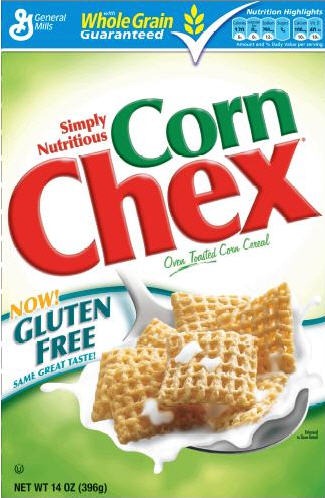



Cereal Makers Scolded Because Claim Of Lowering Cholesterol 10 Percent In Month Makes It A "Drug"
The Food and Drug Administration scolded the makers of Cheerios about the way they promote the cereal’s health benefits. The FDA sent a letter of warning to General Mills accusing them of making unauthorized health claims
The FDA gave General Mills 15 days to explain how it will correct the statements on Cheerios boxes.
What I noticed on the box was on the side, a graph showing percentage of daily nutritional requirements that Cheerios met. It shows that we get 5% of what we need nutritionally from Cheerios 5%???? That is supposed to be a good breakfast???
My point is that packaged breakfast cereals are basically cardboard, they are devoid of nutrients, giving us fiber but little else. And they do a lot of damage; studies show a link to schizophrenia, autism, diabetes, learning disorders, weight gain, leaky gut.
Much research has proven that dietary fat is not necessarily converted into body fat. Carbohydrates, on the other hand, are readily converted into fat by the action of insulin. According to many experts, most overweight people became overweight due to a condition called hyperinsulinemia — elevated insulin levels in the blood. When you eat a high-carbohydrate meal, the increased blood sugar stimulates insulin production by the pancreas. Insulin is the hormone that allows blood sugar to be used by the cells. However, a side effect of insulin is that it also causes fat to be deposited, and it stimulates your brain to produce hunger signals. So what do you do? You eat more carbohydrates, and the cycle repeats. In time, your body cells become resistant to insulin, meaning that your pancreas has to work overtime, producing up to four or five times as much insulin just to keep up with the demand. It has been shown that high levels of insulin have a deleterious effect on the body, including premature aging.
Restricting the intake of carbohydrates puts a halt to this vicious cycle. When you restrict your carbohydrate intake, your insulin levels decrease and the levels of glucagon increase. Glucagon is a hormone that causes body fat to be burned and cholesterol to be removed from deposits in the arteries.
Grains are grass seeds. The grains of today are rather tall, but they’re huge compared to the seeds from which they’re developed. Grains have been cultivated and eaten humans for only about 8,000 years.
In nature we did not eat grains or grass seeds. We did not develop any gathering or digestive equipment for grains. Natural grain eaters must be able to efficiently gather, grind and digest grains. Humans fail on all counts. Our teeth handle grains poorly. In fact, humans refuse to chew tasteless and hard grains. Even so, humans, not being starch eaters, cannot digest more than a handful of grains, if that much. True starch eaters secrete a plethora of starch-splitting enzymes in copious amounts. Humans secrete one starch-splitting enzyme, salivary amylase (ptyalin) which is quickly exhausted. After a mouthful or two of starch, the eater palls and stops.
Nope, we’re not grain eaters. The way we do eat grains by mechanical gathering, refining, cooking, etc. makes them palatable but more pathogenic.
Our diets need to consist of 50% fat, 30% protein, the rest should be from carbs…BUT …carbs from vegetables and a small amount of fruit. That’s it. No grains, no cereals, no Cheerios, no bread, no pasta.
California Dumps Flammability Standard That Filled Our Furniture With Toxic Flame Retardants
Posted: June 20, 2012 Filed under: Going Green; How and Why..., Non-Toxic Choices Leave a commentFrom Treehugger

Millie; Flame Retardant chemicals are extremely toxic and are in our furniture and in out children’s sleepwear! This means that between the sleepwear and the mattress we are absorbing HIGHLY toxic chemicals. They are endocrine interrupters and are known to lower sperm count. I became aware of these chemicals about 30 years ago when making choices for my children’s sleepwear. I chose plain white cotton oversize t-shirts for my children to sleep in. I sleep on an organic wool and cotton futon with a luxurious feather topper. You should to. Both together cost me less than $500. 5 years ago…WAY cheaper than a conventional mattress. The latex and chemicals in normal mattresses cause me to go into anaphylactic shock if I sleep on them.
TreeHugger has been complaining for years that flame retardants are a problem because they are bio-accumulative and are being found everywhere, from baby’s umbilical cords to polar bears. That they be endocrine disruptors. That they don’t even work or even do more harm than good. But the stuff kept being poured into furniture and electronics to meet the California Flammability Standard, that became the de facto national standard.
Now Governor Jerry Brown has thrown the standard out. According to Sarah Janssen at NRDC Switchboard,Brown made a historic and significant announcement when he directed a state agency to replace an outdated and ineffective flammability standard, TB 117, with an updated standard that will eliminate the use of unnecessary and toxic chemicals while providing better fire safety. Governor Brown has taken a strong position that favors public health over corporate profits. This directive will have a significant public health impact by reducing exposure to toxic chemicals in not just California but across the U.S.
The Governor summarizes the issue: Toxic flame retardants are found in everything from high chairs to couches and a growing body of evidence suggests that these chemicals harm human health and the environment,” said Governor Brown. “We must find better ways to meet fire safety standards by reducing and eliminating—wherever possible—dangerous chemicals.
Eating Organic Economically; How I Eat and Cook all Week.
Posted: June 13, 2012 Filed under: Gardening, Going Green; How and Why..., Non-Toxic Choices 2 Comments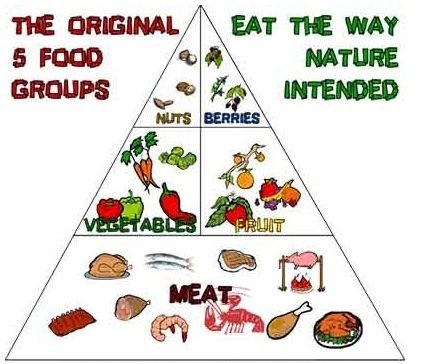
I hear all the time from friends and clients, “It’s too expensive to eat organic!” If you eat packaged foods, buy gluten free or organic prepared foods, of course it is expensive. You pay for convenience. But change your perspective, make most foods from scratch and you will be able to lower your food bills, even eating organically.
1 whole organic chicken 10.00
1 pound grass-fed hamburger 6.00 a pound from JD Beef at RAM
18 eggs- Grassroots Market 5 Points– 3.99
1 pound Applegate Farms turkey bacon 3.79- Publix has it for 1.80 less than health foods stores!
½ pound salmon 4.99
1 pound butter 5.89
1 pound carrots 2.99
3 large onions
¾ pound coffee 3.00 a week (6.00 a pound, organic and free trade from Green Mountain Coffee- delivered to my door every 5 weeks).
3 green peppers bell peppers
1 bag celery 1.99
1 pint blueberries 3.99
1 bunch kale, Swiss chard, spinach, Malabar spinach or broccoli
3 large sweet potatoes 2.99
3 beefsteak tomatoes
2 Garlic bulb
2 limes .99 and 2 lemons 1.10
45.73- total grocery bill to meet all my nutrient and calorie needs
The items in red are the things I grow in sub-irrigated containers; I used 5 gallon buckets, soil, perlite and made sub-irrigated containers. Growing from seed is cheap.
If you have a backyard, or a deck for container gardening, or grow lights indoors, you can save further in ways that processed food eaters can’t: Almost all year I grow salad greens, herbs, braising greens of some kind and cucumbers and tomatoes. (The salad herbs oregano, thyme, mint, basil, cilantro and parsley never quit here in any season!)
Items I make myself; almond butter made in the Champion juicer, coconut milk yogurt, mayonnaise, salad dressings. These things are very inexpensive to make, very easy to do…not much labor.
Starting on the day I shop, here’s how I eat and cook all week, very simply, but extremely healthy.
First Night; I roast a whole chicken by rubbing butter all over it, salt and peppering it, maybe some garlic or lemon juice and zest. Then roast it for 30 minutes on 450°. Then turn the oven down to 300° and bake for 30 minutes. Now turn the oven back up to 400° and roast that bird just 165°, checking for temp in the thickest part of the breast, not hitting the bone. Save the pan drippings for cooking, save the carcass for stock. Here’s a link to making stock- https://optimumnutrition.wordpress.com/2009/08/12/chicken-stock-101/
That is dinner the first night; a leg and thigh and some breast meat, pour pan drippings over it, using fat and gelatin in roasting pan. With some sautéed peppers and onions and a few slices of ripe tomato, here’s a great dinner.
Breakfast is usually 2 eggs, fried in butter or coconut oil, 3 slices of turkey bacon, some coconut milk yogurt and a handful of blueberries. And 6 ounces of Turkish coffee, ground and brewed each morning. Some mornings I have Ezekiel bread.
Lunch is usually whatever I’ve had for dinner the night before, or an Ezekiel bread sandwich, with meat, fresh olive oil mayonnaise, or almond butter. Maybe Ezekiel with almond butter and sauerkraut, toasted. Usually a cup of meat stock and/or coconut milk yogurt.
Second night; take the rest of the meat off of the chicken, make stock. Have a great chicken soup that night, add sautéed celery, carrots, bay leaf. Maybe some kale sautéed in chicken fat, some gelatin from chicken pan drippings, onions, mushrooms. Sliced tomatoes.
Third night; 1/3 pound hamburger patty, sautéed onions and peppers, 8 ounces chicken stock, sliced tomatoes, coconut milk yogurt.
Fourth night; fresh salmon with dill, Dijon and fresh lemon juice, sautéed peppers, mushrooms and onions, sliced tomatoes. A cup of chicken stock.
Fifth night; Chicken meat prepared however you want, sautéed kale, ½ sweet potato, sautéed mushrooms. Coconut milk Crème Brule and a few blueberries.
Sixth night; 1/3 pound hamburger patty, pan gravy, ½ sweet potato with butter, kale with onions.
Seventh Night; Rest of hamburger with peppers, onions, tomato, salsa, avocado and fresh corn tortilla.
Shop again, or have leftovers, or breakfast for dinner.
Extras I buy if I can afford them; cherries, plantains to fry, dark chocolate, steaks, roasts, Ezekiel bread, wine.
Things I always have in the kitchen; raw butter, Tropical Traditions Coconut Oil and their coconut cream (to use in recipes that call for heavy cream or for decadent desserts) Dijon mustard, olives, herbs and spices, an array of vinegars, olive oil, sesame oil, masa harina, coconut oil, lemons, limes, Kava tea, organic coffee, Yerba Mate Tea, quinoa, rice, teff, coconut and tapioca flours, coconut milk, curry sauces, olives.
Bear in mind that this is a very basic dinner menu, showing how to meet all of your calorie and nutrient needs affordably. These dinners reflect basic eating, by adding other ingredients I can get real fancy, and I do at times.


 Meal Delivery Service by Millie Barnes