Broth is Beautiful
Posted: September 8, 2009 Filed under: Food and it's Impact on Our Health, In The Kitchen with Millie- How To's Leave a commentFrom Weston Price Foundation;
"Good broth will resurrect the dead," says a South American proverb. Said Escoffier: "Indeed, stock is everything in cooking. Without it, nothing can be done."
A cure-all in traditional households and the magic ingredient in classic gourmet cuisine, stock or broth made from bones of chicken, fish and beef builds strong bones, assuages sore throats, nurtures the sick, puts vigor in the step and sparkle in love life–so say grandmothers, midwives and healers. For chefs, stock is the magic elixir for making soul-warming soups and matchless sauces.
Meat and fish stocks play a role in all traditional cuisines-French, Italian, Chinese, Japanese, African, South American, Middle Eastern and Russian. In America, stock went into gravy and soups and stews. That was when most animals were slaughtered locally and nothing went to waste. Bones, hooves, knuckles, carcasses and tough meat went into the stock pot and filled the house with the aroma of love. Today we buy individual filets and boneless chicken breasts, or grab fast food on the run, and stock has disappeared from the American tradition.
Grandmother Knew Best
Science validates what our grandmothers knew. Rich homemade chicken broths help cure colds. Stock contains minerals in a form the body can absorb easily-not just calcium but also magnesium, phosphorus, silicon, sulphur and trace minerals. It contains the broken down material from cartilage and tendons–stuff like chondroitin sulphates and glucosamine, now sold as expensive supplements for arthritis and joint pain.
Fish stock, according to traditional lore, helps boys grow up into strong men, makes childbirth easy and cures fatigue. "Fish broth will cure anything," is another South American proverb. Broth and soup made with fishheads and carcasses provide iodine and thyroid-strengthening substances.
When broth is cooled, it congeals due to the presence of gelatin. The use of gelatin as a therapeutic agent goes back to the ancient Chinese. Gelatin was probably the first functional food, dating from the invention of the "digestor" by the Frenchman Papin in 1682. Papin’s digestor consisted of an apparatus for cooking bones or meat with steam to extract the gelatin. Just as vitamins occupy the center of the stage in nutritional investigations today, so two hundred years ago gelatin held a position in the forefront of food research. Gelatin was universally acclaimed as a most nutritious foodstuff particularly by the French, who were seeking ways to feed their armies and vast numbers of homeless in Paris and other cities. Although gelatin is not a complete protein, containing only the amino acids arginine and glycine in large amounts, it acts as a protein sparer, helping the poor stretch a few morsels of meat into a complete meal. During the siege of Paris, when vegetables and meat were scarce, a doctor named Guerard put his patients on gelatin bouillon with some added fat and they survived in good health.
The French were the leaders in gelatin research, which continued up to the 1950s. Gelatin was found to be useful in the treatment of a long list of diseases including peptic ulcers, tuberculosis, diabetes, muscle diseases, infectious diseases, jaundice and cancer. Babies had fewer digestive problems when gelatin was added to their milk. The American researcher Francis Pottenger pointed out that as gelatin is a hydrophilic colloid, which means that it attracts and holds liquids, it facilitates digestion by attracting digestive juices to food in the gut. Even the epicures recognized that broth-based soup did more than please the taste buds. "Soup is a healthy, light, nourishing food" said Brillant-Savarin, "good for all of humanity; it pleases the stomach, stimulates the appetite and prepares the digestion."
Attention to Detail
Stock or broth begins with bones, some pieces of meat and fat, vegetables and good water. For beef and lamb broth, the meat is browned in a hot oven to form compounds that give flavor and color–the result of a fusion of amino acids with sugars, called the Maillard reaction. Then all goes in the pot–meat, bones, vegetables and water. The water should be cold, because slow heating helps bring out flavors. Add vinegar to the broth to help extract calcium–remember those egg shells you soaked in vinegar until they turned rubbery.
Heat the broth slowly and once the boil begins, reduce heat to its lowest point, so the broth just barely simmers. Scum will rise to the surface. This is a different kind of colloid, one in which larger molecules–impurities, alkaloids, large proteins called lectins–are distributed through a liquid. One of the basic principles of the culinary art is that this effluvium should be carefully removed with a spoon. Otherwise the broth will be ruined by strange flavors. Besides, the stuff looks terrible. "Always Skim" is the first commandment of good cooks.
Two hours simmering is enough to extract flavors and gelatin from fish broth. Larger animals take longer–all day for broth made from chicken, turkey or duck and overnight for beef broth.
Broth should then be strained. The leavings, picked over, can be used for terrines or tacos or casseroles. Perfectionists will want to chill the broth to remove the fat. Stock will keep several days in the refrigerator or may be frozen in plastic containers. Boiled down it concentrates and becomes a jellylike fumée or demi-glaze that can be reconstituted into a sauce by adding water.
Cutting Corners
Research on gelatin came to an end in the 1950s because the food companies discovered how to induce Maillard reactions and produce meat-like flavors in the laboratory. In a General Foods Company report issued in 1947, chemists predicted that almost all natural flavors would soon be chemically synthesized. And following the Second World War, food companies also discovered monosodium glutamate (MSG), a food ingredient the Japanese had invented in 1908 to enhance food flavors, including meat-like flavors. Humans actually have receptors on the tongue for glutamate. It is the protein in food that the human body recognizes as meat.
Any protein can be hydrolyzed to produce a base containing free glutamic acid or MSG. When the industry learned how to make the flavor of meat in the laboratory, using inexpensive proteins from grains and legumes, the door was opened to a flood of new products including bouillon cubes, dehydrated soup mixes, sauce mixes, TV dinners and condiments with a meaty taste. "Homemade" soup in most restaurants begins with a powdered soup base that comes in a package or can and almost all canned soups and stews contain MSG, often found in ingredients called hydrolyzed porteins. The fast food industry could not exist without MSG and artificial meat flavors to make "secret" sauces and spice mixes that beguile the consumer into eating bland and tasteless food.
Short cuts mean big profits for producers but the consumer is short changed. When homemade stocks were pushed out by cheap substitutes, an important source of minerals disappeared from the American diet. The thickening effects of gelatin could be mimicked with emulsifiers but the health benefits were lost.
Most serious, however, were the problems posed by MSG, problems the industry has worked very hard to conceal from the public. In 1957, scientists found that mice became blind and obese when MSG was administered by feeding tube. In 1969, MSG-induced lesions were found in the hypothalamus region of the brain. Other studies all point in the same direction–MSG is a neurotoxic substance that causes a wide range of reactions, from temporary headaches to permanent brain damage.
Why do consumers react to factory-produced MSG and not to naturally occurring glutamic acid found in food? One theory is that the glutamic acid produced by hydrolysis in factories contains many isomers in the right-handed form, whereas natural glutamic acid in meat and meat broths contains only the left-handed form. L-glutamic acid is a precursor to neurotransmitters, but the synthetic form, d-glutamic acid, may stimulate the nervous system in pathological ways.
A "Brothal" in Every Town
Peasant societies still make broth. It is a necessity in cultures that do not use milk because only stock made from bones and dairy products provides calcium in a form that the body can easily assimilate. It is also a necessity when meat is a luxury item, because gelatin in properly made broth helps the body use protein in an efficient way.
Thus, broth is a vital element in Asian cuisines–from the soothing long-simmered beef broth in Korean soups to the foxy fish broth with which the Japanese begin their day. Genuine Chinese food cannot exist without the stockpot that bubbles perpetually. Bones and scraps are thrown in and mineral-rich stock is removed to moisten stir-frys. Broth-based soups are snack foods from Thailand to Manchuria.
Asian restaurants in the US are likely to take shortcuts and use a powdered base for sweet and sour soup or kung pau chicken but in Japan and China and Korea and Thailand, mom-and-pop businesses make broth in steamy back rooms and sell it as soup in store fronts and on street corners.
What America needs is healthy fast food and the only way to provide this is to put brothals in every town, independently owned brothals that provide the basic ingredient for soups and sauces and stews. And brothals will come when Americans recognize that the food industry has prostituted itself to short cuts and huge profits, shortcuts that cheat consumers of the nutrients they should get in their food and profits that skew the economy towards industrialization in farming and food processing.
Until our diners and carryouts become places that produce real food, Americans can make broth in their own kitchens. It’s the easy way to produce meals that are both nutritious and delicious-and to acquire the reputation of an excellent cook.
Sidebar Articles
Heads and Feet
If you’ve ever shopped in Europe, you’ve noticed that calves feet are displayed at the local butchers and chickens come with their heads and feet attached. Hooves, feet and heads are the most gelatinous portions of the animal and fetch high prices in traditional economies. In fact, Tysons exports the feet from American chickens to China. Jewish folklore considers the addition of chicken feet the secret to successful broth.
It’s hard to find these items in America. Asian and Latin American markets sometimes carry whole birds and some butchers in ethnic neighborhoods carry calves feet. If you have freezer space, you can buy frozen chicken feet and calves feet in bulk from meat wholesalers that cater to the restaurant trade. Have the butcher cut the calves feet into one-inch cubes and package them in 1-quart bags. For the most satisfactory results, use 2-4 chicken feet for chicken stock and about 2 pounds calves feet pieces for a large pot of beef stock.
Sauce Basics
Meat sauces are made from stocks that have been flavored and thickened in some way. Once you have learned the technique for making sauces-either clear sauces or thick gravies-you can ignore the recipe books and be guided by your imagination.
Reduction Sauces are produced by rapid boiling of gelatinous stock to produce a thick, clear sauce. The first step is to "deglaze" coagulated meat juices in the roasting pan or skillet by adding 1/2 cup to 1 cup wine or brandy, bringing to a boil and stirring with a wooden spoon to loosen pan drippings. Then add 3 to 4 cups stock, bring to a boil and skim. (Use chicken stock for chicken dishes, beef stock for beef dishes, etc.) The sauce may now be flavored with any number of ingredients, such as vinegar, mustard, herbs, spices, fresh orange or lemon juice, naturally sweetened jam, garlic, tomato paste, grated ginger, grated lemon rind, creamed coconut, whole coconut milk or cultured cream. Let sauce boil vigorously, uncovered, until reduced by at least one half, or until desired thickness is achieved. You may add about 1-2 teaspoons gelatin to promote better thickening, although this should be avoided by those with MSG sensitivities (as gelatin contains small amounts of MSG). Another way to thicken is to mix 2 tablespoons arrowroot powder with 2 tablespoons water. Gradually add this to the boiling sauce until the desired thickness is obtained. If sauce becomes too thick, thin with a little water. The final step in sauce-making is to taste and add sea salt if necessary.
Gravies are thickened with flour rather than by reduction. They are suitable for meats like roast chicken and turkey, which drip plenty of fat into the pan while cooking. After removing the roasting fowl and roasting rack, place pan on a burner. You should have at least 1/2 cup good fat drippings-if not, add some butter, goose fat or lard. Add about 1/2 cup unbleached flour to the fat and cook over medium high heat for several minutes, stirring constantly, until the flour turns light brown. Add 4 to 6 cups warm stock, bring to a boil and blend well with the fat-flour mixture, using a wire whisk. Reduce heat and simmer 10 minutes or so. Check for seasonings and add sea salt and pepper if necessary. You may also add herbs, cream, butter, whole coconut milk or creamed coconut.
Recipes
Chicken Stock
1 whole free-range chicken or 2 to 3 pounds of bony chicken parts, such as necks, backs, breastbones and wings*
gizzards from one chicken (optional)
2-4 chicken feet (optional)
4 quarts cold filtered water
2 tablespoons vinegar
1 large onion, coarsely chopped
2 carrots, peeled and coarsely chopped
3 celery stalks, coarsely chopped
1 bunch parsley
*Note: Farm-raised, free-range chickens give the best results. Many battery-raised chickens will not produce stock that gels.
If you are using a whole chicken, cut off the wings and remove the neck, fat glands and the gizzards from the cavity. Cut chicken parts into several pieces. (If you are using a whole chicken, remove the neck and wings and cut them into several pieces.) Place chicken or chicken pieces in a large stainless steel pot with water, vinegar and all vegetables except parsley. Let stand 30 minutes to 1 hour. Bring to a boil, and remove scum that rises to the top. Reduce heat, cover and simmer for 6 to 8 hours. The longer you cook the stock, the richer and more flavorful it will be. About 10 minutes before finishing the stock, add parsley. This will impart additional mineral ions to the broth.
Remove whole chicken or pieces with a slotted spoon. If you are using a whole chicken, let cool and remove chicken meat from the carcass. Reserve for other uses, such as chicken salads, enchiladas, sandwiches or curries. Strain the stock into a large bowl and reserve in your refrigerator until the fat rises to the top and congeals. Skim off this fat and reserve the stock in covered containers in your refrigerator or freezer.
Beef Stock
about 4 pounds beef marrow and knuckle bones
1 calves foot, cut into pieces (optional)
3 pounds meaty rib or neck bones
4 or more quarts cold filtered water
1/2 cup vinegar
3 onions, coarsely chopped
3 carrots, coarsely chopped
3 celery stalks, coarsely chopped
several sprigs of fresh thyme, tied together
1 teaspoon dried green peppercorns, crushed
l bunch parsley
Place the knuckle and marrow bones and optional calves foot in a very large pot with vinegar and cover with water. Let stand for one hour. Meanwhile, place the meaty bones in a roasting pan and brown at 350 degrees in the oven. When well browned, add to the pot along with the vegetables. Pour the fat out of the roasting pan, add cold water to the pan, set over a high flame and bring to a boil, stirring with a wooden spoon to loosen up coagulated juices. Add this liquid to the pot. Add additional water, if necessary, to cover the bones; but the liquid should come no higher than within one inch of the rim of the pot, as the volume expands slightly during cooking. Bring to a boil. A large amount of scum will come to the top, and it is important to remove this with a spoon. After you have skimmed, reduce heat and add the thyme and crushed peppercorns.
Simmer stock for at least 12 and as long as 72 hours. Just before finishing, add the parsley and simmer another 10 minutes. You will now have a pot of rather repulsive-looking brown liquid containing globs of gelatinous and fatty material. It doesn’t even smell particularly good. But don’t despair. After straining you will have a delicious and nourishing clear broth that forms the basis for many other recipes in this book.
Remove bones with tongs or a slotted spoon. Strain the stock into a large bowl. Let cool in the refrigerator and remove the congealed fat that rises to the top. Transfer to smaller containers and to the freezer for long-term storage.
Fish Stock
3 or 4 whole carcasses, including heads, of non-oily fish such as sole, turbot, rockfish or snapper
2 tablespoons butter
2 onions, coarsely chopped
1 carrot, coarsely chopped
several sprigs fresh thyme
several sprigs parsley
1 bay leaf
1/2 cup dry white wine or vermouth
1/4 cup vinegar
about 3 quarts cold filtered water
Ideally, fish stock is made from the bones of sole or turbot. In Europe, you can buy these fish on the bone. The fish monger skins and filets the fish for you, giving you the filets for your evening meal and the bones for making the stock and final sauce. Unfortunately, in America sole arrives at the fish market preboned. But snapper, rock fish and other non-oily fish work equally well; and a good fish merchant will save the carcasses for you if you ask him. As he normally throws these carcasses away, he shouldn’t charge you for them. Be sure to take the heads as well as the body-these are especially rich in iodine and fat-soluble vitamins. Classic cooking texts advise against using oily fish such as salmon for making broth, probably because highly unsaturated fish oils become rancid during the long cooking process.
Melt butter in a large stainless steel pot. Add the vegetables and cook very gently, about 1/2 hour, until they are soft. Add wine and bring to a boil. Add the fish carcasses and cover with cold, filtered water. Add vinegar. Bring to a boil and skim off the scum and impurities as they rise to the top. Tie herbs together and add to the pot. Reduce heat, cover and simmer for at least 4 hours or as long as 24 hours. Remove carcasses with tongs or a slotted spoon and strain the liquid into pint-sized storage containers for refrigerator or freezer. Chill well in the refrigerator and remove any congealed fat before transferring to the freezer for long-term storage.
 Sally Fallon is the author of Nourishing Traditions: The Cookbook that Challenges Politically Correct Nutrition and the Diet Dictocrats (with Mary G. Enig, PhD), a well-researched, thought-provoking guide to traditional foods with a startling message: Animal fats and cholesterol are not villains but vital factors in the diet, necessary for normal growth, proper function of the brain and nervous system, protection from disease and optimum energy levels. She joined forces with Enig again to write Eat Fat, Lose Fat, and has authored numerous articles on the subject of diet and health. The President of the Weston A. Price Foundation and founder of A Campaign for Real Milk, Sally is also a journalist, chef, nutrition researcher, homemaker, and community activist. Her four healthy children were raised on whole foods including butter, cream, eggs and meat.
Basic Recipe for Sauerkraut
Posted: September 8, 2009 Filed under: Food and it's Impact on Our Health Leave a comment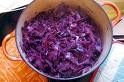
- 1 litre glass jar with plastic lid or spring lid
- 1 Cabbage Medium sized (1kg)
- 2 tablespoon sea salt
- 1 tablespoon of carraway seeds or fresh chopped dill.
Germans have always sliced the cabbage with a specially made machine and pounded them with a wooden mortar in a large crock to bruise the cell walls.
Grate cabbage with a hand grater or process in a food processor, then mix in a large food grade plastic bucket (get them at a hardware store) with the salt and Kefir whey. Pound with a meat mallet or wooden pounder of some kind. I’ve been known to use a pick handle, a clean one of course. Pound until the juices cause suction when you pull the pounder out of the mix.
Press the mixture into a clean glass jar using a wooden spoon. Press firmly until the juice rises to the top and covers the mixture, which it will do when it is pounded enough. Leave at least one inch or more of space at the top of the jar to allow for expansion.
Cover the kraut and store the jar in a cupboard for 3-5 days (depending on the ambient temperature) before transferring to the refrigerator. The sauerkraut may be consumed after a couple of weeks, though if you allow the fermentation process to continue for a month or so in the refrigerator you will be well rewarded with a most delicious flavor. I love sauerkraut at 4 months old.
As with all fermenting, follow your nose. If it smells putrid or you have any doubts about the quality, then discard the sauerkraut and start again.
From Nourished Magazine
Local???
Posted: September 6, 2009 Filed under: Food and it's Impact on Our Health Leave a comment
Banners saying simply “Local” hang above the produce sections at some Wal-Marts. Don’t ask questions. Writes Mitchell: “The chain’s local food offerings are usually limited to a few of the main commodity crops of that particular state—peaches in Georgia or potatoes in Maine—and sit amid a sea of industrial food and other goods shipped from the far side
Why Grass-Fed Beef Is Better for the Environment…and Us!
Posted: September 6, 2009 Filed under: Food and it's Impact on Our Health Leave a commentRancher Dave Evans of Marin Sun Farms raises 500 head of cattle on nothing but grass in Nicasio, California. Here he explains how his farm works.
By: Dave Evans, as told to Joel Weber; Illustrations: Heather Jones
Published: March 2008 [ Updated: Nov 7, 2008 – 3:44:18 PM ]
 The grass that fills my pastures is a diverse array of mostly native perennials and legumes, such as rye grass and clover. The grass stores the sun’s energy and converts it into carbon, which my cows will eventually convert into protein. Grassland can sequester as much carbon as a forest, which is a claim no factory farm can make. Grass and soil need a break from grazing to recover and regenerate, and I use electric fences to divide the land into paddocks as large as 100 acres and as small as two acres to restrict animals’ access. I change my pasture-management strategy almost daily, but typically the grass will measure about six inches tall when the cattle enter a paddock. I’ll lead them into a new paddock once the grass is half that length.
  When cows eat grass, an organ called the rumen—something we humans don’t have, which is why we don’t eat grass (notice what he says here, we DON”T eat grass- ie. GRAINS!!) —converts the sun’s energy into high-quality protein. As the cattle move throughout the pasture, their hooves help spread and plant grass seed while their feces acts as fertilizer. And because they don’t stand in the same place all day, covered in their own dung, I don’t need to pump them full of antibiotics, the way factory farmers do.
  After I move cattle off a paddock, I bring in laying hens to eat the parasites and fly larva that thrive in cow pies. The chickens eat the bad stuff most farmers eliminate with pesticides, and those bugs give the hens’ eggs more flavor. Chicken excrement also contains a lot of nitrogen, which functions as a fertilizer. Most commercial farms increase yields with synthetic nitrogen, and the farms excrete so much fertilizer that it ends up in the ocean where it kills sea life. Keeping free-range chickens prevents that sort of pollution. I simply move the hens so that excess nitrogen never builds up and the soil stays healthy.
Learn more about Dave Evans or find grass-fed beef near you by visiting eatwild.com.
A Better Burger
Posted: September 5, 2009 Filed under: Food and it's Impact on Our Health, In The Kitchen with Millie- How To's Leave a commentSettle for nothing but grass fed ground chuck. Season it simply, then shape it with a light hand. Grill it outside, or sear it indoors.
For Good Measure: For those who like their burgers well done, I poke a small hole in the center of the patty before cooking helps the burger center to get done before the edges dried out.
Serves 4
You can grill this burger, or pan-broil it in a twelve-inch cast-iron.
1 1/4 pounds 100 percent grass fed ground chuck
3/4 teaspoon salt- salt your steaks or hamburgers AFTER you cook them, as salt draws moisture out of the meat.
1/4 teaspoon ground black pepper
desired toppings
1. Break up chuck to increase surface area for seasoning. Sprinkle pepper over meat; toss lightly with hands to distribute seasoning. Divide meat into four equal portions (5 ounces each); with cupped hands, toss one portion of meat back and forth to form loose ball. Pat lightly to flatten into 1-inch-thick burger, 3 1/2 to 4 inches across, using fingertips to create pocked, textured surface. Repeat with remaining portions of meat.
2. If grilling, heat enough coals to make hot fire. When coals are hot and covered with white ash, spread them in single layer. Position grill rack and lid; heat until rack is very hot, about 5 minutes. Place burgers on rack; cover and grill, turning once, to desired doneness as follows: 3 minutes per side for rare, 4 minutes per side for medium-rare, 5 minutes on first side and 4 minutes on second side for medium, and 5 minutes per side for well done. If pan-broiling, heat skillet over medium-high heat. When skillet is hot (drops of water flicked into it evaporate immediately), add patties and cook, turning once, to desired doneness, using same times as if grilling. Serve immediately with buns and desired toppings.
Dark Chicken Stock
Posted: September 5, 2009 Filed under: Food and it's Impact on Our Health, In The Kitchen with Millie- How To's Leave a comment"This is close to a classic brown stock. Here you want to brown the meat and cook it quickly, to give you the flavor of roasted meat, not of bones. You can use this technique with meaty veal or beef bones, or those of rabbit or duck."
Makes about a quart
2 tablespoon coconut oil or smaltz
5 pounds chicken wings or other meaty chicken pieces, roughly chopped
2 medium onion, chopped
6 garlic cloves, cut in half
2 carrot, peeled and chopped
2 celery stalk, chopped
1. Preheat the oven to 450° F. Place a roasting pan over high heat on top of the stove and add the oil. A minute later, add the chicken pieces and place the pan in the oven. Stir from time to time, but don’t worry about bones sticking to the bottom. The chicken will give up its liquid and then become dark and dry.
2. After about 45 minutes, add the vegetables. Roast for 15 minutes, then stir. Roast for another 15 minutes, then stir again and add 4 cups water. Stir and scrape the stuck bits of chicken off the bottom of the pan. Roast for 20 minutes more.
3. Cool, then strain, pressing on the solids to extract as much liquid as possible. Use immediately, or refrigerate for up to 3 days, or freeze for up to 3 months.
Smart Choices? NOT!
Posted: September 5, 2009 Filed under: Food and it's Impact on Our Health 1 Comment“You’re rushing around, you’re trying to think about healthy eating for your kids and you have a choice between a doughnut and a cereal,” Dr. Kennedy said, evoking a hypothetical parent in the supermarket. “So Froot Loops is a better choice.”
She said the program was also influenced by research into consumer behavior. That research showed that, while shoppers wanted more information, they did not want to hear negative messages or feel their choices were being dictated to them.
I say this is a load of crap, this study is bought and paid for by the food industry! I find that people ARE desperate for information on what constitutes great nutrition! My clients are thrilled when they learn that organic grass fed meat, eggs, coconut oils and butter are wonderful healthy foods that they should be eating every day, are indeed crucial for health…
PS; if you see this label, run! 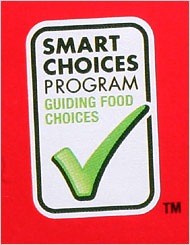
Read the article in the NYTimes and tell me what you think!
September 5, 2009
For Your Health, Froot Loops
A new food-labeling campaign called Smart Choices, backed by most of the nation’s largest food manufacturers, is “designed to help shoppers easily identify smarter food and beverage choices.”
The green checkmark label that is starting to show up on store shelves will appear on hundreds of packages, including — to the surprise of many nutritionists — sugar-laden cereals like Cocoa Krispies and Froot Loops.
“These are horrible choices,” said Walter C. Willett, chairman of the nutrition department of the Harvard School of Public Health.
He said the criteria used by the Smart Choices Program were seriously flawed, allowing less healthy products, like sweet cereals and heavily salted packaged meals, to win its seal of approval. “It’s a blatant failure of this system and it makes it, I’m afraid, not credible,” Mr. Willett said.
The Food and Drug Administration and the Department of Agriculture have also weighed in, sending the program’s managers a letter on Aug. 19 saying they intended to monitor its effect on the food choices of consumers.
The letter said the agencies would be concerned if the Smart Choices label “had the effect of encouraging consumers to choose highly processed foods and refined grains instead of fruits, vegetables and whole grains.”
The government is interested in improving nutrition labeling on packages in part because of the nation’s obesity epidemic, which experts say is tied to a diet heavy in processed foods loaded with calories, fats and sugar.
The prominently displayed label debuts as many in the food industry and government are debating how to provide information on the front of packages that includes important elements from the familiar nutrition facts box that usually appears on the back of products.
Eileen T. Kennedy, president of the Smart Choices board and the dean of the Friedman School of Nutrition Science and Policy at Tufts University, said the program’s criteria were based on government dietary guidelines and widely accepted nutritional standards.
She said the program was also influenced by research into consumer behavior. That research showed that, while shoppers wanted more information, they did not want to hear negative messages or feel their choices were being dictated to them.
“The checkmark means the food item is a ‘better for you’ product, as opposed to having an x on it saying ‘Don’t eat this,’ ” Dr. Kennedy said. “Consumers are smart enough to deduce that if it doesn’t have the checkmark, by implication it’s not a ‘better for you’ product. They want to have a choice. They don’t want to be told ‘You must do this.’ ”
Dr. Kennedy, who is not paid for her work on the program, defended the products endorsed by the program, including sweet cereals. She said Froot Loops was better than other things parents could choose for their children.
“You’re rushing around, you’re trying to think about healthy eating for your kids and you have a choice between a doughnut and a cereal,” Dr. Kennedy said, evoking a hypothetical parent in the supermarket. “So Froot Loops is a better choice.”
Froot Loops qualifies for the label because it meets standards set by the Smart Choices Program for fiber and Vitamins A and C, and because it does not exceed limits on fat, sodium and sugar. It contains the maximum amount of sugar allowed under the program for cereals, 12 grams per serving, which in the case of Froot Loops is 41 percent of the product, measured by weight. That is more sugar than in many popular brands of cookies.
“Froot Loops is an excellent source of many essential vitamins and minerals and it is also a good source of fiber with only 12 grams of sugar,” said Celeste A. Clark, senior vice president of global nutrition for Kellogg’s, which makes Froot Loops. “You cannot judge the nutritional merits of a food product based on one ingredient.”
Dr. Clark, who is a member of the Smart Choices board, said that the program’s standard for sugar in cereals was consistent with federal dietary guidelines that say that “small amounts of sugar” added to nutrient-dense foods like breakfast cereals can make them taste better. That, in theory, will encourage people to eat more of them, which would increase the nutrients in their diet.
Ten companies have signed up for the Smart Choices program so far, including Kellogg’s, Kraft Foods, ConAgra Foods, Unilever, General Mills, PepsiCo and Tyson Foods. Companies that participate pay up to $100,000 a year to the program, with the fee based on total sales of its products that bear the seal.
The Smart Choices checkmark is meant to take the place of similar nutritional labels that individual manufacturers began plastering on their packages several years ago, like PepsiCo’s Smart Choices Made Easy and Sensible Solution from Kraft.
In joining Smart Choices, the companies agreed to discontinue their own labeling systems, Ms. Kennedy said.
Michael R. Taylor, a senior F.D.A. adviser, said the agency was concerned that sugar-laden cereals and high-fat foods would bear a label that tells consumers they were nutritionally superior.
“What we don’t want to do is have front-of-package information that in any way is based on cherry-picking the good and not disclosing adequately the components of a product that may be less good,” Mr. Taylor said.
He said the agency would consider the possibility of creating a standardized nutrition label for the front of packages.
“We’re taking a hard look at these programs and we want to independently look at what would be the sound criteria and the best way to present this information,” Mr. Taylor said.
Michael Jacobson, executive director of the Center for Science in the Public Interest, an advocacy group, was part of a panel that helped devise the Smart Choices nutritional criteria, until he quit last September. He said the panel was dominated by members of the food industry, which skewed its decisions.
“It was paid for by industry and when industry put down its foot and said this is what we’re doing, that was it, end of story,” he said. Dr. Kennedy and Dr. Clark, who were both on the panel, said industry members had not controlled the results.
Mr. Jacobson objected to some of the panel’s nutritional decisions. The criteria allow foods to carry the Smart Choices seal if they contain added nutrients, which he said could mask shortcomings in the food.
Despite federal guidelines favoring whole grains, the criteria allow breads made with no whole grains to get the seal if they have added nutrients.
“You could start out with some sawdust, add calcium or Vitamin A and meet the criteria,” Mr. Jacobson said.
Nutritionists questioned other foods given the Smart Choices label. The program gives the seal to both regular and light mayonnaise, which could lead consumers to think they are both equally healthy. It also allows frozen meals and packaged sandwiches to have up to 600 milligrams of sodium, a quarter of the recommended daily maximum intake.
“The object of this is to make highly processed foods appear as healthful as unprocessed foods, which they are not,” said Marion Nestle, a nutrition professor at New York University.
Nutrition Activists Celebrate Cholesterol during National Cholesterol Education Month
Posted: September 3, 2009 Filed under: Food and it's Impact on Our Health Leave a commentFrom The Weston Price Foundation
Group Cites Key Roles of Cholesterol in Body Chemistry, Hormone Balance, Longevity
WASHINGTON, DC, September 1, 2009–September is National Cholesterol Education Month, when government officials will stress cholesterol reduction as a top priority, claiming that “high levels of cholesterol significantly increase the risk of heart disease.” However, the Weston A. Price Foundation, a nonprofit nutrition education organization, urges citizens to celebrate September by learning about the vital roles of cholesterol in the body chemistry and by embracing nutrient-dense, cholesterol-rich foods.
“Cholesterol is deemed a deadly poison. Most people are afraid of eating foods containing cholesterol and of receiving a diagnosis of ‘high’ cholesterol,” says Sally Fallon Morell, president of the Weston A. Price Foundation. “Yet, having adequate cholesterol levels in the body is key to good health. The notion that cholesterol is a villain in the diet is a myth, based on flimsy evidence and opposed by many honest scientists, including prominent lipids researcher, Dr. Mary Enig. But, this theory was promoted by the food processing industry to demonize animal fats, which are competitors to vegetable oils and by the pharmaceutical industry to create a market for the sales of cholesterol-lowering drugs.”
Cholesterol is an important building block of the cell, providing structure and impermeability to the cell membrane, making it waterproof. “Without adequate cholesterol in the cell membrane, our cells become ‘leaky’ and cannot function properly,” says Fallon. “In addition, many important substances are made out of cholesterol, including stress hormones like cortisol, sex hormones like estrogen and testosterone, the bile salts for digesting fats, and vitamin D.”
Cholesterol is vital to proper neurological function, playing a key role in the formation of memory and the uptake of hormones in the brain, including serotonin, the body’s feel-good chemical. When cholesterol levels drop too low, the serotonin receptors cannot work, leading to depression and anti-social behavior. Cholesterol is a major component of the brain, much of it in the myelin sheaths that insulate nerve cells and in the synapses that transmit nerve impulses.
Fallon notes that cholesterol-lowering is associated with numerous health problems including depression, cognitive impairment, amnesia, cancer, muscle pain, weakness and neuropathy. “The all-cause death rate is higher in those with cholesterol under 180 mg/dl, yet this is the level the medical profession urges us to meet. People with low cholesterol levels have more deaths from cancer, stroke, intestinal diseases, accidents and suicide. And having low cholesterol does not necessarily protect against heart disease—many people with low cholesterol suffer heart attacks.”
National Cholesterol Education Month is focusing on cholesterol lowering in the elderly; however a 2001 report from the on-going Honolulu Heart Study, published in the Lancet, found “increased mortality in elderly people with low serum cholesterol. . . [and that] long-term persistence of low cholesterol concentration actually increases risk of death.” Corroborating studies indicate that high cholesterol levels in the elderly are associated with a longer lifespan, partly because cholesterol protects against infectious diseases like pneumonia and influenza.
However, Fallon’s biggest concern is the effect of cholesterol fear-mongering on growing children, noting that, “Cholesterol is vital for normal growth and development of the nervous system. Pregnant and nursing women and growing children need cholesterol-rich foods like whole milk, butter, egg yolks and liver to ensure optimal development. Children are being denied these foods on the spurious claim that they will cause obesity and heart disease later in life. The result is an epidemic of learning disabilities and growth problems, and later in life the specter of infertility and chronic disease.”
The Foundation urges parents to learn the other side of the story during National Cholesterol Education Month, by educating themselves on the benefits of a cholesterol-rich diet and by feeding nutrient-dense foods like cheese, eggs, bacon and meat to their children, so that they can do well in school and enjoy protection from disease.
For further information:
- The Oiling of America (History of the anti-cholesterol movement)
- Dangers of Statin Drugs
The Weston A. Price Foundation is a 501(c)3 nutrition education foundation with the mission of disseminating accurate, science-based information on diet and health. Named after nutrition pioneer Weston A. Price, DDS, author of the book Nutrition and Physical Degeneration, the Washington, DC-based Foundation publishes a quarterly journal for its 11,000 members, supports 400 local chapters worldwide and hosts a yearly conference. The Foundation headquarters phone number is (202) 363-4394, website is westonaprice.org, and general email address is info@westonaprice.org.
The obvious advantage of organic food over conventional
Posted: September 2, 2009 Filed under: Food and it's Impact on Our Health Leave a comment Posted 12:23 PM on 11 Aug 2009
by Tom Philpott

A bit of nitrogen with those veggies? A recent literature review [PDF] by the U.K. Food Standards Agency concluded that organic foods offer no nutritional advantages to ones grown with conventional chemical agriculture.
The report quickly bounced around the media and the internets and has congealed into received wisdom. For example, in a recent chat with readers, Washington Post food politics columnist (and general policy writer) Ezra Klein engaged in the following exchange:
Santa Fe, N.M.: I saw a report today on a study finding that organic food isn’t any healthier than conventional food. Is buying organic a waste of money, in your opinion?
Ezra Klein: Honestly? Yes. It’s definitely not healthier, at least not according to any study I’ve seen. There’s some argument that it’s more environmentally friendly. But it’s not something that I’m convinced is worth a premium. I’d rather buy from a local farm that uses some pesticides than a major producers who has gone organic.
Whoa—lots going on there. Let’s stick to the “definitely not healthier” bit for now. (As for the idea that there’s just “some argument” for the environmental benefits of not dousing fields of food with synthetic poisons and greenhouse-gas-spewing fertilizer, I’m not sure what to say.)
Well, Ezra, here is a study, released last year by the U.S.-based Organic Center, that comes to a conclusion quite different from the U.K. agency’s findings. It’s called “New Evidence Confirms the Nutritional Superiority of Plant-Based Organic Foods.” The Organic Center recently released a cogent rebuttal to the U.K. findings as well.
True, the Organic Center is funded by Big Organic companies like Dean Foods (owner of Horizon Dairy) and Whole Foods, which have an interest in promoting organics as healthier. But I’ve never seen the Center’s scholarship successfully challenged.
Moreover, as Paula Crossfield’s excellent recent post on Civil Eats shows, the U.K. Food Standards Agency itself, despite its governmental status, can hardly be seen as a neutral adjudicator. Like our own FDA, the FSA is shot through with once and future food-industry execs and flacks. (Paula also points us to another study finding nutritional advantages to organic food—this one commissioned by the European Union.)
The Organic Center claims that the FAS study neglected to consider total antioxidant content—which seems a pretty gaping oversight, giving that antioxidants are emerging as a key micronutrient for fighting cancer and other maladies. (The Center’s own study found significantly more total antioxidants in organic food than conventional.) The Center also makes a convincing case that the FAS researchers botched the measurement of another key micronutrient, polyphenols.
But what I find most immediately significant is this: Both studies found that conventionally grown produce has substantially higher levels of nitrates than organic—most likely from widespread use of synthetic nitrogen fertilizer on conventional farms.
This consensus around a nitrogen gap suggests a non-trivial advantage for organic food: A growing body of literature indicts heightened levels of nitrates in the U.S. diet as a significant health menace. For a while, we’ve known that nitrates are a powerful carcinogen.
The latest: a rather stunning recent report from the Journal of Alzheimer Disease (press release here) linking nitrates in food to “increased deaths from diseases, including Alzheimer’s, diabetes mellitus and Parkinson’s.”
The study’s lead author, Suzanne de la Monte of Rhode Island Hospital and Brown University, declares that we have become a “nitrosamine generation,” exposed to increasing levels of nitrogen-derived compounds that pose a threat at even in low doses. She indicts nitrate-preserved foods like bacon—but also conventional agriculture.
According to de la Monte, “We receive increased exposure through the abundant use of nitrate-containing fertilizers for agriculture,” which are both taken up in food crops and also seep into drinking water.
De la Monte reports that incidence of the diseases in question—Alzheimer’s, Parkinson’s, and type 2 diabetes—have “all increased radically over the past several decades and show no sign of plateau.” According to de la Monte:
Because there has been a relatively short time interval associated with the dramatic shift in disease incidence and prevalence rates, we believe this is due to exposure-related rather than genetic etiologies.
The press release adds:
The findings indicate that while nitrogen-containing fertilizer consumption increased by 230 percent between 1955 and 2005, its usage doubled between 1960 and 1980, which just precedes the insulin-resistant epidemics the researchers found. They also found that sales from the fast food chain and the meat processing [industry] increased more than 8-fold from 1970 to 2005, and grain consumption increased 5-fold.
To me, the study stands as a pretty damning indictment of industrial agriculture—and in particular efforts to extend its alleged benefits to the global South. Hey, grow more food with our agrichemicals—and melt your brains and become dependent on pharmaceutical insulin in the process!
It bears remembering, too, that industrial agriculture’s reliance on synthetic fertilizer contributes significantly to climate change [PDF] and coastal dead zones.
Organic agriculture, meanwhile, relies on slow-release fertilizers that don’t get taken up as readily by plants, leaving lower residue levels in food. And because organic ag builds carbon in soil, it also tends to hold nitrogen better, not letting it leach into soil or air nearly as much.
From The Grist
A debate about soil, organics, and nutrition
Posted: September 2, 2009 Filed under: Food and it's Impact on Our Health Leave a comment
From The Grist
by Tom Philpott
“The whole problem of health—in soil, plant, animal, and man—is one great subject.”
—Albert Howard, The Soil and Health
Ezra Klein and I are engaged in a little debate over the value of organic food. I’m honestly a little surprised to be arguing with the Washington Post’s food-policy columnist about the desirability of removing toxic, ecologically damaging chemicals from food production. But no matter.
I got the ball rolling here; and here’s Ezra’s riposte. Narrowly, we’re debating whether organically grown foods offer more nutritional value than ones raised with synthetic chemicals.
I say they almost certainly do; Ezra is skeptical. From reading Ezra’s post and several comments from his readers, I find that people seem downright nonplussed by the idea that soil conditions and growing methods might affect the nutritional content of the resulting food. Their puzzlement in turn puzzles me. If we are what we eat, then so are plants; and plants are mainly eating soil (and the various nutrients and substances contained therein).
It makes me wonder what—or if?—people in our post-agricultural society think about the whole question of soil. Yet methods of soil stewardship are key to this debate. So before I dig into the details with the celebrated policy wonk—which study says what, funded by whom—I want to take a broad look at soil. In the process, I hope to open people’s minds to the idea that soil stewardship could affect food quality.
In his In Defense of Food, Michael Pollan pretty much debunked the tenets of what he called “nutritionism”—the idea that human nutrition could be reduced to a set of macronutrients (vitamin A, the B vitamins, etc.), which could then be isolated and fed to be people to keep them healthy. Scientists have known for a while that a given dose of, say, isolated vitamin A in pill form (or added to bread as fortification) does not provide anything close to the same benefit as an equal dose in the context of a carrot. You can’t live well on 2,500 calories from sugar water plus oat fiber and a One a Day vitamin. Scientists now know that, but haven’t quite figured out why. Human nutrition turns out to be more mysterious than people in white lab coats have so far been able to decipher.
For about 100 years now, a form of nutritionism has also held sway among soil scientists, too. Where human nutritionists focused on vitamin A, etc., soil scientists seized upon N, P, and K—nitrogen, phosphorous, and potassium. No one disputes that these are basic building blocks of plant life—without sufficient access to each of them, plants can’t flourish. But just as human nutritionists at one time thought that nutrition could be isolated into macronutrients and delivered to people out of the context of food, so plant scientists decided that N, P, and K were sufficient, in isolated form, for plant life.
This idea marked the rise of what become known as NPK thinking—the nutritionism of soil scientists. By learning to synthesize nitrogen and mine phosphorous and potassium, technologists sparked an agricultural revolution. Farmers could abandon the time-consuming task of recycling nutrients and building soil; instead, they could merely purchase newly available inputs (on the installment plan, of course). Society had “solved” the whole vexing problem of soil fertility; farmers could now focus on growing food, and lots of it (meaning fewer farmers).
In the NPK-think that still rules conventional agriculture, soil is essentially an inert medium for conveying isolated blasts of synthesized and mined NPK to crops. The effect on soil quality has been dreadful. Writing in The Fatal Harvest Reader (2002), the California farmer Jason McKenney describes the effect:
We now know that massive use of synthetic fertilizers to create artificial fertility has had a cascade of adverse effects on natural soil fertility and the entire soil system. Fertilizer application begins the destruction of soil biodiversity by diminishing the role of nitrogen-fixing bacteria and amplifying the role of everything that feeds on nitrogen. These feeders then speed up the decomposition of organic matter and humus. As organic matter decreases, the physical structure of soil changes. With less pore space and less of their sponge-like qualities, soils are less efficient at storing water and air. More irrigation is needed. Water leeches through soils, draining away nutrients that no longer have an effective susbstrate on which to cling. With less available oxygen the growth of soil microbiology slows, and the intricate ecosystem of biological exchanges breaks down.
I saw it in extreme form on a trip last spring to Immokalee, Florida—source of 90 percent of the winter tomatoes grown in the United States. As I and many others have pointed out, workers are abused there as a matter of course.
But the growing conditions are also quite startling. When you look down in an Immokalee tomato field, what you see is sand—there’s no evident organic matter in the growing medium (the word “soil” doesn’t quite apply here). To prepare for tomato growing, you start by sterilizing the ground with an extremely toxic pesticide—and in the process wipe out any beneficial microbes that might be lingering there. Then you inject the doses of NPK to maximize output, and you’re ready to go. (You may need more insecticide sprayings as the season wears on.)
More than in any other place I’ve seen, plants there live on a diet equivalent to sugar water, oat fiber, and vitamin pills. Can there be any real wonder that the resulting tomatoes are so pathetically lacking in flavor? And do people still doubt that they may be less healthful as well?
Indeed, there’s strong evidence that the nutritional value of industrially grown vegetable crops has declined significantly since 1950.
In contrast to industrial agriculture’s reliance on NPK, organic ag focuses on building soil as a living ecosystem. Even large-scale industrial-organic farms nourish their soil with nitrogen-fixing cover crops and well-composted manure, which along with NPK deliver loads of organic matter and micronutrients. And the nitrogen available from legume cover crops and manure releases slowly, not jolting crops into rapid growth like straight anhydrous ammonia. And whereas the harsh chemicals and poisons of conventional farming squeeze out microbial life in the soil, organic farmers seek to nourish it.
Given all of this, I would be surprised if a tomato grown in Immokalee’s chemical-infused sands delivered as much health-giving properties as one grown in rich, living humus.
All right, so back to the details of the debate.
I pointed to a literature review conducted by the U.S.-based Organic Center, which is funded by Big Organic groups like Horizon and Whole Foods; Ezra pointed to one funded by the U.K. Food Safety Agency, the equivalent of the U.S. FDA. And like that agency, the FSA has not managed to remain free of food-industry influence. For example, its current chief executive is Tim Smith, whose bio reads like this:
Tim Smith is the former Chief Executive of Arla Foods UK plc. The company, which is responsible for a number of major food brands, is now part of Arla Foods amba, Europe’s largest dairy manufacturer. He was appointed Chief Executive of Arla Foods in early 2005.
Tim Smith graduated from Leeds University with a degree in microbiology and zoology. He has spent his entire career in the food business: from 1979 to 1994 he was at Northern Foods, finishing his career there as a Divisional Director. After five years at Sara Lee Corporation, where he was President of UK operations, he joined Express Dairies plc as Executive Director. Express Dairies merged with Arla Foods in October 2003.
Impressive. I don’t think even a U.S. president would appoint a career Big Food exec to the top food-safety post upon his first swing through the revolving door. Even Michael Taylor, the former Monsanto exec (and before that, lawyer) Obama recently handed a top position at FDA, served a few stints in government before the appointment.
At any rate, neither Ezra nor I is leaning on a pristine study untainted by special interest. And in this age of industry dominance of research agendas, there may be no pristine studies. So let’s look at details.
Ezra makes two major points to refute my position: 1) organic food may have more total antioxidants than conventional, but that’s irrelevant, because of the “wealth of studies showing that antioxidants do not appear to reduce the risk of cancer or heart disease or anything else”; and 2) that my contention that the lower nitrogen content of organic foods makes them healthier is based on a “circumstantial argument” about the danger of nitrates “that is plausible, but hasn’t been studied.”
Ezra links to two studies to back up his claim about the irrelevance of antioxidants. The first one is itself irrelevant, because it is measuring the value of antioxidant supplements—ie, isolated antioxidants—and we’re talking about antioxidants in whole foods. I agree that taking, say, beta-caratene pills is probably worthless; I doubt that beta-caratene in, say, the context of a carrot is worthless.
The second study is more interesting. This investigates whether “natural antioxidants, i.e. Vitamin C, Vitamin E and carotenoids” fight certain kinds of heart damage. It concludes:
Animal studies indicate that dietary antioxidants may reduce atherosclerosis progression, and observational data in humans suggest that antioxidant vitamin ingestion is associated with reduced cardiovascular disease, but the results of randomised controlled trials are mainly disappointing.
I assume that by “dietary antioxidants,” the researchers mean nutrients from whole foods and not isolated supplements. So the finding would seem to support Ezra’s claim. But then we get this:
The favorable effects shown by some studies relating antioxidant dietary intake and cardiovascular disease, may have been exerted by other chemicals present in foods. Flavonoids are the ideal candidates, since they are plentiful in foods containing antioxidant vitamins (i.e. fruits and vegetables) and are potent antioxidants. Tea and wine, rich in flavonoids, seem to have beneficial effects on multiple mechanisms involved in atherosclerosis.
So flavonoids may actually help, according to this study. Now, both the FSA and Organic Center studies measured something called “total phenolics,” a category than encompasses flavonoids. The FSA study found no difference; and the Organic Center study showed a more than 20 percent advantage for organic food. Both studies are essentially gathering results from past studies and consolidating their results. As such, they’re looking at much the same data. So why the difference? According to the Organic Center’s critique of the FSA study:
Unlike the London study, The Organic Center review focused on nutrient differences in “matched pairs” of crops grown on nearby farms, on the same type of soil, with the same irrigation systems and harvest timing, and grown from the same plant variety. It also rigorously screened studies for the quality of the analytical methods used to measure nutrient levels, and eliminated from further consideration a much greater percentage of the published literature than the FSA team.
While the FSA team found 80 comparisons of phenolic compounds, the TOC [Organic Center] team focused on the more precise measure of total phenolic acids, or total polyphenols, and found just 25 scientifically valid “matched pairs.” By mixing together in their statistical analysis the results of several specific phenolic acids, the FSA team likely lost statistical precision.
The “matched pairs” thing seems legit. Crops draw nutrients from soils; different soils have different levels and types of nutrients. Different vegetable varieties, too, have different properties—including levels of nutrient uptake.
At the University of California-Davis, scholars at the Long Term Research on Agricultural Systems project have been examining “matched pairs” of organic and conventional crops since 1993. In a 2007 paper, the group compared the nutritional content of organic and conventional tomatoes grown between 1994 and 2004. The result: organic tomatoes showed significantly levels of two flavonoids called quercetin and kaempferol that were on average, respectively, 79 percent and 97 percent higher than conventional. Moreover:
The levels of flavonoids increased over time in samples from organic treatments, whereas the levels of flavonoids did not vary significantly in conventional treatments. This increase corresponds not only with increasing amounts of soil organic matter accumulating in organic plots but also with reduced manure application rates once soils in the organic systems had reached equilibrium levels of organic matter.
Okay, on to the question of nitrogen. As I wrote in the earlier post, both the FSA and Organic Center studies acknowledge that organic foods show lower levels of nitrogen in organic food. I cited that fact as a serious nutritional advantage for organic food, and pointed to a recent study by a Brown researcher linking type-2 diabetes and Alzheimer’s disease to increased exposure to nitrogen-related compounds.
Ezra dismissed the argument as “circumstantial.”
I should have been more precise. As the Organic Center put it in its rebuttal to the FSA, “Elevated levels of nitrogen in food are regarded by most scientists as a public health hazard because of the potential for cancer-causing nitrosamine compounds to form in the human GI tract.”
And it’s nitrosamine compounds that the Brown study linked to diabetes and Alzheimer’s. The researcher makes a circumstantial link between the explosion in nitrogen fertilizer applications after 1960 and the abrupt rise in Alzeimer’s and diabetes over the same period. But they also demonstrate the ability of nitrosamines to cause significant cellular damage. According to the study’s press release:
Nitrosamines basically become highly reactive at the cellular level, which then alters gene expression and causes DNA damage. The researchers note that the role of nitrosamines has been well-studied, and their role as a carcinogen has been fully documented. The investigators propose that the cellular alterations that occur as a result of nitrosamine exposure are fundamentally similar to those that occur with aging, as well as Alzheimer’s, Parkinson’s and Type 2 diabetes mellitus.
Given that information, it seems wise to minimize the level of nitrogen—which can turn to nitrosamines in the digestive process—in food. Moreover, the researchers evidently aren’t finished with the topic. The press release adds, chillingly: “Two subsequent papers have been accepted for publication in the near future that demonstrate experimentally that low levels of nitrosamine exposure cause neurodegeneration, NASH [non-alcoholic steatohepatitis], and diabetes.”
Nor are these the only ways that organics are “better for you.” Here’s an important one: they carry drastically lower pesticide residues. The Chicago Tribune recently obtained USDA data showing that “more than 50 pesticide compounds showed up on domestic and imported peaches headed for U.S. stores.” Moreover:
Five of the compounds exceeded the limits set by the Environmental Protection Agency, and six of the pesticide compounds present are not approved for use on peaches in the United States.
Ezra ended his response like this: “[W]hat we do know is that organic produce is more expensive and harder to find.”
I agree completely; but it seems clear to me that the answer is not to marginalize organics, but rather to stop using government cash and lax antitrust/environmental/labor regulation to prop up a destructive food system. We get the food system that we as a society pay for.


