The way we eat is trashing the fragile conditions that make human life possible
Posted: September 1, 2009 Filed under: Food and it's Impact on Our Health Leave a comment‘Feeding the world’–or consuming it?
Posted 5:04 PM on 31 Aug 2009
by Tom Philpott
In the ongoing debate about whether sustainable agriculture can “feed the world,” it’s important not to lose sight of what industrial agriculture is doing to ecosystems—both in specific areas and on a grand scale.
Producing and distributing lots and lots of calories, leveraged by fossil fuel and synthetic fertilizers and poisons, may solve certain short-term problems; but the practice also creates long-term ones that won’t be easily solved.
In June, a study emerged showing that so-called inert ingredients in Roundup, Monsanto’s widely used flagship herbicide, can kill human cells even at low levels—“particularly embryonic, placental and umbilical cord cells,” reports Scientific American. This is an herbicide that’s used on virtually all of our nation’s corn and soy fields, covering tens of millions of acres of cropland. (It’s also widely used by landscapers and on home lawns.)
Then there was the recent atrazine imbroglio. For years, the EPA has been assuring the public that the highly toxic herbicide, still widely used in the Corn Belt, wasn’t showing up in drinking water in worrisome levels. Turns out that was a lie, as some excellent muckraking by the Huffington Post Investigative Fund revealed. Atrazine exposure has been strongly associated with reproductive health maladies, including a rise in hermaphroditism among frog populations.
Note that corn and soy production, as practiced today, is completely reliant on these two broad-spectrum herbicides.
Now comes news about the hazards of another input critical to the project of industrial agricultire: synthetic nitrogen fertilizer. When farmers apply nitrogen to farm fields, a certain amount enters the atmosphere as nitrous oxide. And according to a study conducted by researchers at the National Oceanic and Atmospheric Administration (NOAA) and published in Science, human-generated nitrous oxide is now the No. 1 contributor to ozone-layer depletion.
The study is the first ever to look closely at nitrous oxide’s role as an ozone destroyer. The results are alarming. From a summary of the study on the NOAA website:
For the first time, this study has evaluated nitrous oxide emissions from human activities in terms of their potential impact on Earth’s ozone layer. As chlorofluorocarbons (CFCs), which have been phased out by international agreement, ebb in the atmosphere, nitrous oxide will remain a significant ozone-destroyer, the study found. Today, nitrous oxide emissions from human activities are more than twice as high as the next leading ozone-depleting gas.
The withering away of the ozone layer, which was slowed but not stopped by the 1987 Montreal Protocol phasing out CFCs, is no trivial matter. As the NOAA summary puts it:
The ozone layer serves to shield plants, animals and people from excessive ultraviolet light from the sun. Thinning of the ozone layer allows more ultraviolet light to reach the Earth’s surface where it can damage crops and aquatic life and harm human health.
Moreover, the Montreal Protocol does not regulate nitrous oxide.
Of course, agriculture-induced nitrous oxide isn’t just eating the ozone layer. It’s also a greenhouse gas with 300 times the heat-trapping power of carbon dioxide.
Thus the implications of agriculture’s reliance on synthetic nitrogen fertilizer are literally earth-shaking: The way we’re feeding ourselves is contributing dramatically to two processes—climate change and ozone depletion—that could literally make the planet uninhabitable by humans.
Worse still, we my be seriously underestimating industrial agriculture’s nitrous oxide emissions. When considering agriculture’s contribution of nitrous oxide to the atmosphere, scientists have assumed that about 1 percent of the nitrogen fertilizer applied by farmers ends up in the atmosphere as nitrous oxide. The EPA operates under that assumption, as did the Intergovernmental Panel on Climate Change. But the real number may be considerably higher. A 2008 study [PDF] by the Nobel-winning atmospheric chemist Paul Crutzen found that as much as 5 percent of nitrogen fertilizer applied by farmers turns into nitrous oxide—which would make agriculture a much larger contributor to climate change (and ozone depletion) than is currently assumed.
On top of all of that, nitrogen runoff from agriculture is also strongly implicated in the creation of coastal dead zones—large algae blooms that suck oxygen out of the sea and snuff out marine life.
What all of this points to is the need to bring ecological considerations into agriculture. And in fact, there’s already a budding field known as agroecology. Agrocecology is now at best a fringe field in academia; as public funding for university research dries up, giant agribusiness firms like Monsanto increasingly finance—and control—the research agenda. They have little interest in ecology and vested interests in pushing their own proprietary products.
It’s the Beef
Posted: August 30, 2009 Filed under: Food and it's Impact on Our Health 1 Commentby Sally Fallon and Mary G. Enig, PhD
With the exception of butter, no other food has been subjected to such intense demonization in recent years as red meat, particularly beef. The juicy hamburger, that delicious marbled steak and the Sunday roast have been accused of terrible crimes. Beef causes heart disease, say the Diet Dictocrats. Beef causes cancer, particularly colon cancer, beef causes osteoporosis, beef causes autoimmune diseases like asthma, beef harbors E. coli leading to food-borne illness, beef causes Creutzfeldt Jakob disease.
Recently a vegetarian group called People for the Ethical Treatment of Animals placed billboard ads warning men not to eat beef because it causes impotence! Red meat is an acid-forming food, say the vegetarians, which putrefies in the gut because humans can’t digest meat. Beef production destroys the environment, according to the zealots, and takes away land that could be dedicated to grain for starving millions. Let’s examine these accusations one at a time.
Does beef cause heart disease?
First is the notion that beef causes heart disease. This actually dates back to the 1950’s when the lipid hypothesis was &taking hold on the American consciousness. At that time, scientists were grappling with a new threat to public health-a steep rise in heart disease, especially myocardial infarction (MI)-a massive blood clot leading to obstruction of a coronary artery and consequent death to the heart muscle. MI was almost nonexistent in 1910 and caused no more than three thousand deaths per year in 1930. By 1960, there were at least 500,000 MI deaths per year in the US.
Many scientists believed that the culprit was cholesterol and saturated fats found in animal foods like butter, eggs and beef. They reasoned that saturated fat and cholesterol raised the level of cholesterol in the blood which in turned caused the deposition of cholesterol as plaques in the arteries, leading to obstructions and heart disease. This, in a nutshell, is the lipid hypothesis.
This theory was tested in 1957 when Dr. Norman Jolliffe, Director of the Nutrition Bureau of the New York Health Department, initiated the Anti-Coronary Club. With great media fanfare, a group of businessmen, ranging in age from 40 to 59 years, were placed on the so-called Prudent Diet. Prudent Dieters used corn oil and margarine instead of butter, cold breakfast cereals instead of eggs and chicken and fish instead of beef. Anti-Coronary Club members were to be compared with a "matched" group of the same age who ate eggs for breakfast and had meat three times a day. Jolliffe, an overweight diabetic confined to a wheel chair, was confident that the Prudent Diet would save lives, including his own.
The results of Dr. Jolliffe’s Anti-Coronary Club experiment were published in 1966 in the Journal of the American Medical Association. Those on the Prudent Diet of corn oil, margarine, fish, chicken and cold cereal had an average serum cholesterol of 220, compared to 250 in the meat-and-potatoes control group. However, the study authors were obliged to note that there were eight deaths from heart disease among Dr. Jolliffe’s Prudent Diet group, and none among those who ate meat three times a day. Dr. Jolliffe was dead by this time. He succumbed in 1961 from a vascular thrombosis, although the obituaries listed the cause of death as complications from diabetes.
The truth is that in spite of all the propaganda you have heard, the lipid hypothesis has never been proved. In fact, inadequate protein intake leads to loss of myocardial muscle and may, therefore, contribute to coronary heart disease.
There are many societies where the populace consumes high levels of animal food and saturated fat but remains free of heart disease. Dr. George Mann, who studied the Masai cattle herding peoples in Africa, found no heart disease, even though their diet consisted of meat, blood and rich milk. Butterfat consumption among Masai warriors, who consider vegetable foods as fodder for cattle, can reach one and one half pounds per day. Yet these people do not suffer from heart disease. Mann called the lipid hypothesis "the greatest scam in the history of medicine." It is a scam that has been used to convince millions of healthy people that they are sick and must take expensive drugs with serious side effects, a falsehood that has persuaded Americans to adopt a bland, tasteless diet simply because their cholesterol has been defined as being too high.
It is true that beef consumption in the United States has gone up during the last eighty years, the period of huge increases in heart disease. Today we consume 79 pounds of beef per person per year versus 54 in 1909, a 46% increase-but poultry consumption has increased a whopping 280%, from 18 pounds per person per year to 70. Consumption of vegetable oils, including those that have been hydrogenated, has increased 437%, from 11 pounds per person per year to 59; while consumption of butter, lard and tallow has plummeted from 30 pounds per person per year to just under 10. Whole milk consumption has declined by almost 50%, while lowfat milk consumption has doubled. Consumption of eggs, fresh fruits (excluding citrus), fresh vegetables, fresh potatoes and whole grain products has declined; but consumption of sugar and other sweeteners has almost doubled. Why, then, do today’s politically correct dietary gurus continue to blame beef consumption for our ills? Is it because it is the one wholesome food that has shown an increase over the past ninety years?
What’s the likely cause of heart disease?
The most likely causes of increased heart disease in America are the other changes in our diets-huge increases in consumption of refined carbohydrates and vegetable oils, particularly hydrogenated vegetable oils; and the decline in nutrient levels in our food, particularly minerals and fat soluble vitamins-vitamins found only in animal fats.
The only claim that can be made against beef as a cause of heart disease is that some studies have shown beef consumption to temporarily raise cholesterol levels in short term feeding experiments. Other studies have shown that beef consumption, including beef fat consumption, lowers cholesterol levels. But even if all studies show that beef consumption raises cholesterol levels, the only conclusion you can draw is-so what? There is no greater risk of heart disease at cholesterol levels of 300 than at 180, and people with cholesterol levels below 180 are at greater risk of death from other causes, such as cancer, intestinal diseases, accidents, violence and suicide.
In other words, it’s much more dangerous to have cholesterol levels that are too low than cholesterol levels that are too high.
Cholesterol is your best friend
The truth is that cholesterol is your best friend. It is vital for the function of the nervous system and the integrity of the digestive tract. Steroid hormones that help the body deal with stress are made from cholesterol. Sex hormones like estrogen and testosterone are made from cholesterol. Bile salts that the body uses to digest fats are made from cholesterol. Vitamin D, needed for thousands of biochemical processes, is made from cholesterol.
Cholesterol is a powerful antioxidant that protects us against cancer. It is vital to the cells because it provides waterproofing and structural integrity. And, finally, cholesterol is the body’s repair substance. When our arteries are weak and develop fissures or tears, cholesterol is sequestered and used for repair. When cholesterol levels in the blood are high, it’s because the body needs cholesterol. Blaming heart disease on cholesterol is like blaming a fire on the firemen who arrive to put out the flames.
Does beef cause cancer?
What about the accusation that beef causes cancer, in particular cancer of the colon? The genesis of this myth involves more than just muddied thinking, but actual skulduggery. In 1965 an influential physician, Ernst Wynder, took the data for the mostly processed vegetable oils, called them animal fat (which they were not) and compared them with worldwide colon cancer mortality. The table he produced showed high rates of colon cancer in European countries and low rates of colon cancer in Japan, and concluded that there was a positive effect, in other words, that saturated fat, the kind found in beef, caused colon cancer. What the data actually showed was that consumption of polyunsaturated vegetable oils, not saturated animal fats, was associated with the incidence of colon cancer. And Wynder forgot to mention that Asians have much higher rates than Americans of other types of cancers, particularly cancers of the liver, pancreas, stomach, esophagus and lungs.
Then in 1973, William Haenszel and his colleagues from the National Cancer Institute reported the findings from a study that relied on dietary recall and lacked matched controls-in other words, a very poorly designed study. The researchers stated that they found a relationship between beef and colon cancer that fit the earlier work of Wynder. Actually, what they really found was that among westernized Japanese Americans, those who said they consumed lots of macaroni, green beans and peas, as well as beef, had the highest rates of colon cancer; while among traditional Japanese Americans, those who said they consumed lots of dried cuttlefish, Chinese peas, bamboo shoots, rice and fermented soy products had the highest rates of colon cancer. Thus, the researchers singled out beef as the culprit from a choice of several foods associated with cancer in Westerners and ignored politically correct foods like soy products, fish and vegetables as a potential cause of cancer in Japanese Americans. Instead, this second-rate and inconclusive study has become firmly fixed in the consciousness of the scientific community as providing evidence for the assertion that beef causes colon cancer.
Two American studies conducted in the 1990’s have found a higher risk of colon cancer among those who eat red meat. However, no study done in Europe has ever shown an association between meat consumption and cancer. This suggests that European sausage and luncheon meat, included in the rubric of "meat consumption," are prepared by traditional methods that require few additives, while the similar products in the United States contain many carcinogenic preservatives and flavorings. Unfortunately, the American Cancer Society’s 1996 recommendation that Americans cut down on their consumption of meat-particularly fatty meat-in order to avoid cancer makes no distinction between fresh meats and those that have been embalmed with modern chemicals.
While two US studies have implicated meat consumption as a cause of colon cancer, there are several that contradict these findings. In 1975, Rowland Philips compared Seventh-Day Adventists physicians, who do not eat meat, with non-Seventh Day Adventist physicians, and found that the vegetarian doctors had higher rates of gastrointestinal and colon-rectal cancer deaths. National Cancer Institute data show that Argentina, with very high levels of beef consumption, has significantly lower rates of colon cancer than other western countries where beef consumption is considerably lower. A 1997 study published in the International Journal of Cancer found that increased risk of colon and rectal cancer was positively associated with consumption of bread, cereal dishes, potatoes, cakes, desserts and refined sugars, but not with eggs or meat. And a 1978 study published in the Journal of the National Cancer Institute found no greater risk of colon cancer, regardless of the amounts of beef or other meats ingested. The study also found that those who ate plenty of cruciferous vegetables, such as cabbage, Brussels sprouts and broccoli, had lower rates of colon cancer. So just because it’s all right to eat beef doesn’t mean you shouldn’t eat your broccoli.
Actually, we know one of the mechanisms whereby colon cancer is initiated, and it does not involve meat per se. Colon cancer occurs when high levels of dietary vegetable oils and hydrogenated fats, along with certain carcinogens, are acted on by certain enzymes in the cells lining the colon, leading to tumor formation. This explains the fact that in industrialized countries, where there are many carcinogens in the diet and where consumption of vegetable oils and carcinogens is high, some studies have correlated meat-eating with colon cancer; but in traditional societies, where vegetable oils are absent and the food is free of additives, meat-eating is not associated with cancer.
Riding piggy back on the alleged association of beef with colon cancer are supposed links with other cancers, such as breast cancer. Here the evidence shows a similarly inconsistent pattern. Cancer is a disease of rich countries where numerous factors can be fingered-altered fats, fabricated foods, low levels of protective nutrients, high levels of carcinogens-and rich countries consume lots of beef. But association is not the same as cause. Countries where there are more telephones have more cancer, but that does not mean that telephones cause cancer. Fat consumption in general also gets the blame for high rates of breast cancer. But a recent survey showed that women on lowfat diets have just as much breast cancer as those on high fat diets.
High protein diets are said to cause osteoporosis and Americans are now being advised to avoid beef in order to protect their bones. Once again, it’s important to look at the studies carefully. Research that showed a link with bone loss and protein consumption was done with purified protein powders. With meat, a natural protein food, there was no negative calcium balance. New evidence indicates that women who eat lots of meat had fewer hip fractures compared to those who avoided it.
High protein diets are said to contribute to kidney problems but, again, the evidence is contradictory. Although protein restriction can be helpful for those who are suffering kidney failure, there is no evidence that eating meat causes kidney disease. The fat-soluble vitamins found exclusively in animal fats are very important for healthy kidney function.
Does beef cause autoimmune diseases or asthma?
What about the accusation that meat contributes to autoimmune diseases and asthma? This hypothesis is predicated on the fact that meat contains arachidonic acid, a fatty acid from which the supposedly pro-inflammatory Series Two prostaglandins-local tissue hormones-are formed. This is one of the nuttiest notions to take hold in the scientific community for a long time. It was promulgated by Barry Sears, author of The Zone, and taken up with a vengeance by the anti-meat forces. These people know nothing about prostaglandins. Some of the prostaglandins that the body makes from arachidonic acid do indeed promote inflammation-which is a very important protective response when you have injured yourself. But the same arachidonic acid also forms the basis of anti-inflammatory prostaglandins that the body uses, when appropriate, to reduce inflammation. And besides, the amount of arachidonic acid in beef is very low-less than half a percent of total fat content. It is much lower than the amount of omega-3 fatty acids, the current darlings of the nutritional community, yet none of the voices promoting omega-3 fatty acids ever tell us that we can get them from beef.
What about "Mad Cow Disease"?
Beef consumption in England plummeted recently with the ‘Mad Cow Disease" scare. Mad cow disease, or bovine spongiform encephalopathy (BSE), is a wasting disease of cattle characterized by nervous disorders and weakness, said to be related to Creutzfeldt-Jakob disease (CJD) in humans. Scientists have not been able to link a virus to this disease, so they theorize that an abnormal protein particle called a prion, found in the brains of cattle with BSE and humans with CJD, is the cause. The theory is that these prions are infectious agents, passed along to cows though the practice of animal part feeding and then to humans who eat infected meat, particularly meat from the nervous system, like brain.
There’s a lot wrong with this theory. For one thing, BSE is nonexistent in the USA, where animal part feeding has been going on for almost one hundred years. Another is recorded cases of CJD among vegetarians; yet another is the absence of CJD in the Shetlands where scrapie, a disease similar to BSE, is common in sheep and where potted sheeps brain is a national dish.
The research of Mark Purdey, a diary farmer in England, indicates that the mad cow disease epidemic in England occurred in areas where farmers were forced to treat their cattle with organophosphate pesticides in a warble fly eradication program.20 The warble fly makes holes in the cows’ backs-not dangerous in itself, but it reduces the value of pelts sold to leather manufacturers. These holes are open doors to the spinal cord and organophosphate pesticides are very toxic to the nervous system. By a complex process, these compounds seem to cause certain proteins to fold in pathological ways-these are the prions that are found in the brains of animals with BSE and humans with CJD. Mineral deficiencies are also involved, particularly magnesium, which is a mineral that protects the nervous system. Finally, a similar disease occurs among wild animals living in areas of volcanic soils, whose diets are high in aluminum and manganese, minerals known to be toxic to the nervous system. Clusters of human CJD cases are also found in areas where the soil has mineral imbalances, where there are cement factories and where high levels of organophosphate insecticides have been used.
So the answer to CJD and BSE is good soil management and the elimination of neurotoxic compounds in farming-but it’s easier to just blame it on beef. By the way, now that animal part feeding has been outlawed, feedlot operators are turning to soy feeds as a protein substitute. Soy is very toxic to cows’ livers. Does the use of soy in cattle feeding explain why beef-lean beef-has become politically correct again? After all, the other politically correct meats-chicken and salmon-use up vast quantities of soybean meal in battery feeding and fish farms.
What about E.Coli?
A final slur against beef is that beef is a vector for pathogenic E. coli and therefore a major cause of foodborne illness. Never mind that E. coli shows up in plant foods like apple juice and salad dressings; and never mind that E. coli is relatively benign and never caused foodborne illness in small amounts until recently. Once again, it’s easier to just blame it on beef.
Charles Walters of Acres USA points out that old fashioned all-meat hamburgers, when handled with reasonable care, did not formerly pose a foodborne illness problem. Why, then, are we getting outbreaks of foodborne illness from fast food outlets, where food handling techniques are rigidly controlled-from frozen patty to the grill? He believes that the problem lies in the fact that hamburgers are now bulked out with hydrolyzed soybeans, also called textured vegetable protein, much of it made from genetically modified soybeans. With modern processing, 100 pounds of ground meat can be bulked out to 124 pounds.
E. coli DNA is used as a vector in genetically modified soybeans. The E. coli causing problems in fast food hamburgers is called facultative bacteria, which means that it operates with or without air. Does this bacteria come from the genetically modified soy and is it more dangerous than E. coli that occurs in the guts of cattle? It’s a question that needs answering. Says Walters: "This E. coli the news releases keep talking about is not a consequence of slaughterhouse personnel not washing their hands enough, Involved is the negative spin, which is what it lives on. It is in the tissue. It is not errant E. coli leaving the intestinal tract and infecting the product. The scientists know this and this is why they’re trying to fall back on irradiation and heavy cooking."
There are studies that support Walter’s theory. One found that spoilage was greater and most rapid in "extended" than in "nonextended" (meaning pure) ground beef. Another study showed that coliform counts were significantly higher in beef mixed with textured soy protein after one day of storage in comparison to the 100% ground beef.
Does beef cause impotence?
The accusation that beef causes impotence is a tactic that can definitely be described as "below the belt." Beef causes impotence by "clogging arteries, limiting blood flow to the extremities." So goes the argument proffered by People for the Ethical Treatment of Animals. Nothing could be more unethical than the implied suggestion that vegetarianism is good for your sex life. We know that vegetarianism-the practice of not eating animal foods-can lead to many deficiencies that directly contribute to impotence, infertility and reproductive difficulties-deficiencies in protein, zinc, vitamins B6 and B12, and fat-soluble vitamins A and D.
The notion that beef is an "acid-forming" food is another favorite vegetarian argument. Beef contains lots of sulphur and phosphorus, which technically form an acid when dissolved in water, but that does not mean that eating meat causes the body to be too acid. Actually, meat provides both high-quality protein and vitamin D (if you eat the fat and organ meats, that is), both of which are needed to maintain proper acid-alkaline balance in the body.
Meat does not putrefy in the gut. Humans are admirably equipped to digest meat. That is the main job of the human stomach, which-unlike the stomach of the cow or rabbit-contains millions of cells that secrete hydrochloric acid. Our intestinal tract is much shorter than that of the vegetarian animals, but somewhat longer than that of purely carnivorous animals. Man is an omnivore-with teeth, stomach, intestines and bowel all designed to handle both animal and plant foods.
Do cattle use land that should be planted with grain?
Vegetarians argue that cows and sheep require pasturage that could be better used to raise grains for starving millions in third-world countries. This argument ignores the fact that a large portion of our earth’s land is unsuited to cultivation. The open range, desert and mountainous areas yield their fruits in grazing animals. Grasslands perfectly suited to grazing cover an area in China’s interior equal to three times the entire amount of land under cultivation in the rest of the country. Citing the arguments of vegetarians, the Chinese government has opted for more intense cultivation of existing agricultural lands rather than development of these untapped regions in order to supply much-needed animal products to the Chinese diet.
A far more serious threat to humanity is the monoculture of grains and legumes, which tends to deplete the soil and requires the use of artificial fertilizers and pesticides. The educated consumer and the enlightened farmer together can bring about the return of the mixed farm, where cultivation of fruits and vegetables is combined with the raising of livestock and fowl in a manner that is efficient, economical and environmentally friendly. Cattle providing rich manure are the absolute basis for healthy, sustainable farming. On marginal land, wise grass feeding practices can actually improve soil quality and restore pasture land. It is not animal cultivation that leads to hunger and famine but unwise agricultural practices and monopolistic distribution systems.
Do vegetarians live longer than meat eaters?
Since we’re talking about vegetarianism, let’s examine the claim that vegetarians live longer than meat eaters. The late Dr. Russell Smith, who was a statistician, took a close look at the studies purporting to show that vegetarianism was a healthier life-style. In a review of some 3,000 articles in the scientific literature, he found only two that compared mortality data for vegetarians and nonvegetarians. One was a 1978 study of Seventh Day Adventists (SDA’s). Although published analyses of this study claim that it showed that the vegetarians lived longer, Smith’s analysis of total mortality rates as a function of the frequencies of consuming cheese, meat, milk, eggs and fat attached to meat found that the total death rate decreased as the frequencies of consuming cheese, eggs, meat and milk increased.
The second study was published by Burr and Sweetnam in 1982. Once again, although the authors claim that their study showed that vegetarians lived longer, Smith found quite the opposite when he looked carefully at the hard data. He found that the all-cause death rates were slightly greater for vegetarian men compared to nonvegetarian men; and significantly greater for vegetarian women compared to nonvegetarian women.
Vegetarians never mention a study by Dr. Emmanuel Cheraskin who surveyed 1040 dentists and their wives. Those who had the fewest problems and diseases as measured by the Cornell Medical Index had the most protein in their diets. Yet almost all the treatments for chronic disease found in alternative publications these days begin with the recommendation of a vegetarian diet. Typical is an article by a Dr. Brodie that appeared in Issue #13 of Alternative Medicine Digest, published by Burton Goldberg. Dr. Brodie recommends a "balanced vegetarian diet" of raw fruits and vegetables, whole grains and beans with no "refined sugars, red meat, caffeine and chemically preserved foods." This is truly guilt by association!
But wait! In order to get well, Dr. Brodie recommends certain supplements including vitamin A, vitamin B6, thymus extracts, zinc, cysteine, and bovine cartilage, all of which are largely absent in plant foods and plentifully available in beef! At least they are available if you are eating the whole animal as our ancestors did-meat, organs, cartilage, bones and fat.
Is beef good for you?
What a shame we have demonized red meat because this is one modern food, enjoyed by almost everybody, that is rich in nutrients. Red meat provides complete protein, including sulphur-containing proteins like cysteine. Beef is a wonderful source of taurine and carnitine, needed for healthy eyes and a healthy heart. Beef also provides another key nutrient for the cardiovascular system-coenzyme Q10.
Beef is an excellent source of minerals like magnesium and zinc-you need zinc for clear thinking and a healthy sex life. The fuzzy-headedness that vegetarians mistake for heightened consciousness is really the fog of zinc deficiency. Vitamin B6 is abundant in meat, especially rare meat. Red meat is one of the best sources of vitamin B12, which is vital to a healthy nervous system and healthy blood. Vegetarians are especially prone to vitamin B12 deficiency. One of the first signs of vitamin B12 deficiency is a tendency to irrational anger–so much for vegetarian claims that we will have a more peaceful, harmonious world if we all just stop eating meat.
If you use the animal bones and hooves to make stock, and use the stock as our ancestors did in soups, stews and sauces, you will get plenty of calcium and the components of cartilage to give you healthy bones and cartilage. If you eat organ meats, as our ancestors did, you will get vital fat-soluble nutrients like vitamin A and D, both of which are essential for protein utilization and mineral absorption. See- Chicken Stock 101
What about saturated fat?
In fact, the one warning we could give you about meat is not to eat it lean. In spite of claims to the contrary, the diet of the cave man was not one of lean meat. Paleolithic man always ate his meat with fat.
Vilhjalmur Stefansson, who spent many years living with the Eskimos and Indians of Northern Canada, reports that wild male ruminants like elk and caribou carry a large slab of back fat, weighing as much as 40 to 50 pounds. The Indians and Eskimo hunted older male animals preferentially because they wanted this backslab fat, as well as the highly saturated fat found around the kidneys. Other groups used blubber from sea mammals like seal and walrus.
"The groups that depend on the blubber animals are the most fortunate in the hunting way of life," wrote Stefansson, "for they never suffer from fat-hunger. This trouble is worst, so far as North America is concerned, among those forest Indians who depend at times on rabbits, the leanest animal in the North, and who develop the extreme fat-hunger known as rabbit-starvation. Rabbit eaters, if they have no fat from another source-beaver, moose, fish-will develop diarrhea in about a week, with headache, lassitude, a vague discomfort. If there are enough rabbits, the people eat till their stomachs are distended; but no matter how much they eat they feel unsatisfied. Some think a man will die sooner if he eats continually of fat-free meat than if he eats nothing, but this is a belief on which sufficient evidence for a decision has not been gathered in the north. Deaths from rabbit-starvation, or from the eating of other skinny meat, are rare; for everyone understands the principle, and any possible preventive steps are naturally taken."
Normally, according to Stefansson, the diet consisted of dried or cured meat "eaten with fat," namely the highly saturated cavity and back slab fat that could be easily separated from the animal. Another Arctic explorer, Hugh Brody, reports that Eskimos ate raw liver mixed with small pieces of fat and that strips of dried or smoked meat were "spread with fat or lard." Pemmican, a highly concentrated travel food, was a mixture of lean dried buffalo meat and highly saturated buffalo fat. (Buffalo fat, by the way, is more saturated than beef fat.) Less than two pounds of pemmican per day could sustain a man doing hard physical labor. The ratio of fat to protein in pemmican was 80% to 20%. As lean meat from game animals was often given to the dogs, there is no reason to suppose that everyday fare did not have the same proportions: 80% fat (mostly highly saturated fat) to 20% protein-in a population in which heart disease and cancer were nonexistent.
The beef industry has been forced to be apologetic about its product because it’s very difficult to get the fat out of beef. You can reduce the fat content by using hormones, but you end up with a product that is tough and tastes terrible, not to mention full of hormones. Beef producers need to recognize that the fat is the most important part of the beef, rich in components that promote good health and that help you utilize the nutrients in all the other parts of the beef. In addition to vitamins A and D, fat contributes many important fatty acids, including palmitoleic acid, an antimicrobial fat that protects us against pathogens in the gut. If you want to be sure that you don’t get foodborne illness from your hamburger, use full fat ground beef.
Fat also provides a substance called conjugated linoleic acid or CLA, at least it does if the animals have been on green grass. CLA is a substance that protects us against cancer and that promotes weight loss-that’s right, fat can make you thin, if it’s the right kind of fat.
And the right kind of fat is also saturated fat which, in spite of what we’ve been told, plays many important roles in the body chemistry. The scientific literature delineates a number of vital roles for dietary saturated fats-they enhance the immune system, are necessary for healthy bones, provide energy and structural integrity to the cells, protect the liver and enhance the body’s use of essential fatty acids. Stearic acid and palmitic acid, found in beef tallow and butter, are the preferred foods for the heart. As saturated fats are stable, they do not become rancid easily, do not call upon the body’s reserves of antioxidants, do not initiate cancer, do not irritate the artery walls.
In fact saturated beef fat is one of the most useful fats in the culinary repertoire. As it is very stable and doesn’t go rancid when heated to high temperatures, it’s perfect for frying. While we don’t recommend a lot of fried foods, we know that our children and grandchildren are going to eat them. Fast food outlets used to fry their potatoes in healthy stable beef tallow. They were crisp, tasted delicious and provided many important nutrients. But the phony cholesterol issue has forced these outlets to switch to partially hydrogenated vegetable oil, which is known to cause a host of chronic diseases including cancer, heart disease, bone problems, infertility and autoimmune disease.
What about the beef industry?
The beef industry should know these things but it doesn’t. Instead the National Beef Checkoff Board, funded by mandatory payments from cattlemen, officially endorses consumption of only three and one-half ounce servings of lean beef, about the size of a pack of cards, and runs ads that say things like this: ". . . when it comes to lowering ‘bad’ cholesterol levels, lean red meat has the same effects as white chicken meat. That means eating lean beef may reduce the risk of heart disease. Since seven cuts of beef fall between a skinless chicken breast and chicken thigh in terms of total fat, consumers can feel good about eating beef." This is damning a good product by faint praise. The Checkoff Board had bought into the phony cholesterol theory and sides squarely with the Diet Dictocrats, calling for irradiation to kill "emerging pathogens" and subsidies to giant processors.
Steve and Jeanne Charter, ranchers from Shepherd, Montana, have refused to make the checkoff payments and are willing to take on the Beef Checkoff Board in court. At preliminary hearings the judge listened while Checkoff bureaucrats defended the Department of Agriculture’s food pyramid, based on seven to eleven servings of grain per day, while the Charters championed the juicy steak-to cheers from fellow ranchers.
We need to stand up and support people like the Charters because beef is not the demon food we’ve been told it is. Beef does not cause disease. In fact beef contributes to good health by providing many important nutrients. All this can be found in the scientific literature. So what’s the beef, then, about beef?
Perhaps it also has to do with the characteristics of cattle-herding peoples. Unlike agriculturists, who require an organized social structure highly susceptible to centralized control, the pastoral way of life favors the independent thinker. And the beef industry, for all its faults, is far less subject to monopolistic control than the grain industry is. And it’s easier to manipulate prices on grain, a commodity controlled by just a few families, than it is to control prices on an industry supported by thousands of cattlemen.
While it is not as true today as it was in the days before the barbed wire fence, cattle keeping families enjoy the luxury of greater independence than those who till the soil or tend vines. They inhabit the wide open spaces and are more accustomed to fending for themselves than relying on their neighbors.
This is not to say there is anything wrong with relying on one’s neighbors-in fact, to survive and revive, more cooperation in the beef industry will be needed-but democracy needs a critical mass of the kind of free thinking, independent businessman that you find in the cattle industry. This may be the real reason the Chinese decided not to develop their western grasslands-even small numbers of forward thinking Chinese cowboys would be a threat to that totalitarian society.
People who raise beef not only tend to be free thinkers, they are also good thinkers, because beef provides many factors needed for the modern equivalent of the quick draw-keen, quick minds-including zinc, B12, cholesterol, omega-3 fatty acids, trace minerals, saturated fat and complete protein. In fact, when it comes to good health-it’s the beef.
From The Weston Price Foundation
Do High Protein Diets Cause Bone Loss?
Posted: August 30, 2009 Filed under: Food and it's Impact on Our Health 4 Comments
By Sally Fallon and Mary G. Enig, PhD
An estimated 15 to 20 million Americans suffer from osteoporosis–thinning of the bones leading to back pain, increased fractures, and frailty, frequently with extensive suffering. One theory proposed to explain its prevalence in the US is a diet that is high in protein, from excessive consumption of meat.
The protein theory was first presented in 1968 and followed up in 1972 with a study comparing bone density of vegetarians and meat eaters. Twenty-five British lacto-ovo vegetarians were matched for age and sex with an equal number of omnivores. Bone density, determined by reading X-rays of the third finger metacarpal, was found to be significantly higher in the vegetarians. Two years later, a study on North Alaskan Eskimos reported that bone loss, determined by a technique called direct photon absorptiometry, was significantly greater in Eskimos than in whites, and began at an earlier age. Although growth patterns and bone densities in children were similar for both groups, by age 70, Eskimos were found to have bone densities 15% below comparable whites, with Eskimos females at 30% below comparable whites. The authors of the study attribute the decline in bone mass to the high protein diet of the Eskimos, especially its high meat content. Some studies with animals, as well as further studies with humans, given diets high in protein also indicate a greater loss of calcium and thinner bones than controls on low protein regimes.
But the pioneering research of Dr. Weston Price indicates that we should not accept the protein theory without further study. Dr. Price found many groups throughout the world subsisting on high meat diets. Although he did not directly study bone density in these peoples, he did study their teeth. He found that groups on high meat diets–including Alaskan Eskimos–had a high immunity to tooth decay, were sturdy and strong, and virtually free from degenerative disease. Groups subsisting mainly on plant foods were less robust and had more tooth decay. Pre-Columbian skeletons of American Indians whose diets consisted largely of meat show no osteoporosis, while those of Indians on largely vegetarian diets indicate a high incidence of osteoporosis and other types of bone degeneration. The implication of Dr. Price’s research and other anthropological studies is that high meat diets protect against osteoporosis. How do we explain this discrepancy?
The research of Dr. Herta Spencer, of the Veterans Administration Hospital in Hines Illinois, supplies us with clues. She notes that the animal and human studies that correlated calcium loss with high protein diets used isolated, fractionated amino acids from milk or eggs. Her studies show that when protein is given as meat, subjects do not show any increase in calcium excreted, or any significant change in serum calcium, even over a long period. Other investigators found that a high protein intake increased calcium absorption when dietary calcium was adequate or high, but not when calcium intake was a low 500 mg per day.
The textbooks tell us that the body needs vitamin D for calcium utilization, and vitamin A for both calcium and protein assimilation. Protein given as a powder lacks these fat-soluble co-factors that the body can use to build and maintain healthy bones.
Synthetic vitamin D, on the other hand, can cause hypercalcemia, a disturbance of calcium equilibrium leading to excessive blood calcium and calcification of soft tissues. Synthetic vitamin D added to commercial milk does not have the same beneficial effect as vitamin D from cod liver oil in preventing rickets and strengthening the bones.
Fats, especially animal fats, also supply usable vitamin K. This nutrient is associated with blood clotting–individuals who lack the ability to use vitamin K suffer from hemophilia and risk uncontrolled bleeding when injured. But Vitamin K also plays an important role in bone metabolism. Vitamin K is more available in dairy fats than in the oils found in green vegetables. Studies indicate that vitamin K is more completely absorbed from vegetables consumed with butter than with vegetables eaten plain. Vitamin K is also manufactured by intestinal flora. Use of antibiotics can inhibit vitamin K production, leading to bone loss. Consumption of lacto-fermented foods such as yoghurt and old fashioned sauerkraut promotes the growth of beneficial flora in the intestines, and hence contributes to healthy bones.
Fat soluble vitamin E also plays a role in promoting bone health, by protecting the calcium depositing mechanism from free radical disruption. In a recent study, investigators at Purdue University found that high levels of free radicals from omega-6 linoleic acid (found principally in corn, soy and safflower oils) interfered with bone formation, but that vitamin E gave needed protection in a diet high in polyunsaturates. In addition, they found that high levels of saturated fat also gave protection. That’s right, the much-maligned saturated fats, found in tropical oils, butter and other animal fats, play an important role in bone modeling. This may be a major reason that population groups in tropical areas, where coconut and palm oils form a major component of the diet, have very little osteoporosis.
Bone loss in women coincides with diminution of estrogen and progesterone at the onset of menopause. But archeological evidence indicates that menopause does not necessarily initiate osteoporosis. Human skeletons of Huguenot women ages fifteen to eighty-nine recently exhumed in London showed little difference in bone density between premenopausal and post menopausal women. Once again, the role of animal fats in the diet can explain this contradiction. Vitamin A in animal fats is absolutely essential for the health of the entire glandular system, and hence the continued production of regulating hormones throughout life. Hormone replacement often recommended for the prevention of osteoporosis is not an ideal substitute for the natural hormones produced in properly nourished bodies. Estrogen is also synthesized in the adipose (fat) tissue. Perhaps this is why women naturally gain some weight at menopause. The extra body fat supplies them with additional estrogen and protects them from bone loss. Maintaining a svelte figure in middle age, either through weight loss or liposuction, does not necessarily confer health benefits. Very thin women are much more at risk for bone loss than those who allow themselves to enjoy good, wholesome food and become pleasingly plump. Many women smoke cigarettes to keep their weight down, a habit that lowers estrogen concentration in the blood stream and inhibits its effects.
Only a rich, wholesome and varied diet can supply the many nutrients needed for the complex process that maintains the integrity of our bones. Dairy products, vegetables, nuts, meat and old fashioned bone broths supply calcium. Dr. Spencer’s research indicates that post-menopausal women need about 1200 mg of calcium per day–400 more that the recommended daily allowance of 800 mg.14 One quart of whole milk, or six ounces of whole natural cheese supply the optimum 1200 mg of calcium. Individuals with a poor tolerance to milk products must take extra care to obtain sufficient dietary calcium. Fish, chicken or beef broth, prepared with a little vinegar to pull calcium from the bones, are excellent sources, and have supplied easily assimilated calcium to pre-industrialized peoples throughout the globe. Leafy green vegetables and grains, nuts and seeds are also good sources if properly prepared. Vegetables and grains should be consumed with animal fats like butter or eggs; and nuts, legumes and grains should be soaked, sprouted or sour leavened to neutralize phytic acid, a substance that can block calcium absorption.
The "acid-ash" of meat is given as the reason high meat diets cause bone loss. But meats also supply phosphorus, which counteracts this acidity. Phosphorus is needed for the phosphate component of bone matter. Meats are also excellent sources of vitamin B12, which plays a recently discovered but little understood role in maintaining the integrity of the bones.
Plant foods such as fruits, especially apples, nuts and grains supply boron, needed for the conversion of vitamin D to its active form, and for the formation of estrogen. Iodine found in natural sea salt, sea foods and butter helps maintain healthy ovaries and thyroid gland, both of which play a role in maintaining bone integrity. Magnesium, found in whole foods, also contributes to bone health as does natural fluoride, present in hard water as calcium fluoride. Chromium may also contribute to bone health by normalizing insulin activity. Type I diabetics are prone to osteoporosis. Chromium picolinate has been found to reduce the amount of calcium excreted in the urine and therefore may protect against bone loss. Refined carbohydrates such as sugar and white flour can cause chromium deficiency.
But sodium fluoride added to drinking water is one of a number of substances that is harmful to our bones. It causes an apparent increase in bone mass, but the bone structure is abnormal and weak. Recent studies indicate that hip fractures are more common in areas where water is fluoridated.
The late distinguished dentist, Dr. Melvin Page, demonstrated that sugar consumption upsets the natural homeostasis of calcium and phosphorus in the blood. Normally, these minerals exist in a precise ratio of ten to four. Sugar consumption causes serum phosphorus to decrease and calcium to rise. The excess serum calcium, which comes from the bones and teeth, cannot be fully utilized because phosphorus levels are too low. It is excreted in the urine or stored in abnormal deposits such as kidney stones and gallstones. Caffeine also upsets the natural balance of calcium and phosphorus, and causes increased calcium to be excreted in the urine. Phosphoric acid in soft drinks is a major cause of calcium deficiency in children and osteoporosis in adults.21 Aluminum from antacids, cans and pollution also contributes to bone loss.
Osteoporosis is often associated with excess consumption of alcohol. This is the likely explanation of bone loss in Eskimos, who are highly prone to alcoholism. The fact that the Eskimo is an obligate carnivore may also explain his susceptibility to both alcoholism and bone loss. Isolated groups like Eskimos and Irish sea coast peoples, whose traditional diet has been rich in marine oils, lack the desaturating enzymes needed to produce very long, highly unsaturated fatty acids needed for prostaglandin production. People with arctic or sea coast ancestry would be wise to supplement their diet with cod liver oil, a rich source of very long chain fatty acids needed for virtually every metabolic process.
Even small changes in the native diet of carnivorous populations render them vulnerable to degenerative disease like osteoporosis and alcoholism. A recent article on the Canadian Inuit’s indicates that commercial foods like jam, white bread and peanut butter have replaced some of the meat in their diet, even while they continue to maintain a traditional lifestyle.
The 1972 study comparing British vegetarians and omnivores calls for additional comment. Bone density determinations through absorptiometry or X-ray are highly subject to error, especially in unblinded studies where researchers may be biased towards obtaining pre-determined results. Subjects were matched merely for age, height and sex, but not for body composition and dietary habits such as smoking and sugar, coffee and alcohol consumption. A group of omnivores that smokes, drinks and indulges in a calcium-poor diet of refined carbohydrates will naturally have more of a tendency to bone loss than a group of health-conscious lacto-ovo vegetarians who consume plenty of dairy products. (British vegetarians do, in fact, tend to be very health conscious, avoiding not only meat but also alcohol, cigarettes, coffee and soft drinks. Unlike American vegetarians, they understand the importance of calcium-rich whole dairy products in the diet and eat plentifully of milk, cheese, butter and eggs.) When researchers compare the effects of high-meat diets to normal diets in the same person, no adverse effects are found, even over extended periods of time.
Individuals who find they do better on high meat diets need not, therefore, worry about osteoporosis, as long as their diet includes complementary animal fats, plenty of calcium and a variety of other properly prepared whole foods.
 Sally Fallon is the author of Nourishing Traditions: The Cookbook that Challenges Politically Correct Nutrition and the Diet Dictocrats (with Mary G. Enig, PhD), a well-researched, thought-provoking guide to traditional foods with a startling message: Animal fats and cholesterol are not villains but vital factors in the diet, necessary for normal growth, proper function of the brain and nervous system, protection from disease and optimum energy levels. She joined forces with Enig again to write Eat Fat, Lose Fat, and has authored numerous articles on the subject of diet and health. The President of the Weston A. Price Foundation and founder of A Campaign for Real Milk, Sally is also a journalist, chef, nutrition researcher, homemaker, and community activist.
 Mary G. Enig, PhD is an expert of international renown in the field of lipid biochemistry. She has headed a number of studies on the content and effects of trans fatty acids in America and Israel, and has successfully challenged government assertions that dietary animal fat causes cancer and heart disease. Recent scientific and media attention on the possible adverse health effects of trans fatty acids has brought increased attention to her work. She is a licensed nutritionist, certified by the Certification Board for Nutrition Specialists, a qualified expert witness, nutrition consultant to individuals, industry and state and federal governments, contributing editor to a number of scientific publications, Fellow of the American College of Nutrition and President of the Maryland Nutritionists Association. She is the author of over 60 technical papers and presentations, as well as a popular lecturer. Dr. Enig is currently working on the exploratory development of an adjunct therapy for AIDS using complete medium chain saturated fatty acids from whole foods. She is Vice-President of the Weston A Price Foundation and Scientific Editor of Wise Traditions as well as the author of Know Your Fats: The Complete Primer for Understanding the Nutrition of Fats, Oils, and Cholesterol, Bethesda Press, May 2000. She is the mother of three healthy children brought up on whole foods including butter, cream, eggs and meat.
The guilty secrets of palm oil: Are you unwittingly contributing to the devastation of the rain forests?
Posted: August 29, 2009 Filed under: Food and it's Impact on Our Health Leave a commentDoes your shopping basket contain KitKat, Hovis, Persil or Flora? If so, you may be contributing to the devastation of the wildlife-rich forests of Indonesia and Malaysia, where orangutans and other species face extinction as their habitat disappears.
It’s an invisible ingredient, really, palm oil. You won’t find it listed on your margarine, your bread, your biscuits or your KitKat. It’s there though, under "vegetable oil". And its impact, 7,000 miles away, is very visible indeed.
The wildlife-rich forests of Indonesia and Malaysia are being chain-sawed to make way for palm-oil plantations. Thirty square miles are felled daily in a burst of habitat destruction that is taking place on a scale and speed almost unimaginable in the West.
When the rainforests disappear almost all of the wildlife – including the orangutans, tigers, sun bears, bearded pigs and other endangered species – and indigenous people go. In their place come palm-oil plantations stretching for mile after mile, producing cheap oil – the cheapest cooking oil in the world – for everyday food.
It’s not that people haven’t noticed what is going on. The United Nations has documented this rampage. Environmental groups have warned that what we buy affects what is happening in these jungles. Three years ago, Britain’s biggest supermarket, Tesco, was persuaded to join the only organization that just might halt the chopping, the Roundtable on Sustainable Palm Oil.
In his globe-trotting Tribe series two years ago, the TV explorer Bruce Parry was visibly moved by the sad fate of the Penan, a forest-dwelling tribe in Borneo. Most recently, the BBC’s prime-time Orangutan Diary showed the battle to create fresh habitats for "red apes" orphaned by deforestation, principally for palm oil.
But if there’s plenty of evidence of the devastating environmental effects of palm-oil, little of it can be seen on the products in Britain’s biggest supermarkets.
Until now, the best estimate of the number of leading supermarket products containing palm oil (Elaeis guineensis) has been one in 10, the figure quoted by Friends of the Earth in its 2005 report, "The Oil for Apes Scandal". After a two-month investigation, The Independent has established that palm oil is used in far greater quantities. We can reveal for the first time that it is confirmed or suspected in 43 of Britain’s 100 bestselling grocery brands (see box, right), representing £6bn of the UK’s £16bn annual shopping basket for top brands. If you strip out drinks, pet food and household goods, the picture is starker still: 32 out of 62 of Britain’s top foods contain this tree-felling, wildlife-wrecking ingredient.
It’s in Special K, Crunchy Nut Cornflakes, KitKat, Galaxy, Dairy Milk and Wrigley’s chewing gum. It’s in Persil washing powder, Comfort fabric softener and Dove soap. And it’s almost certainly in thousands of supermarket own brands. Yet none of these manufacturers can prove their supply is "sustainable".
What, then, is "unsustainable" palm oil? Step one: log a forest and remove the most valuable species for furniture. Step two: chainsaw or burn the remaining wood releasing huge quantities of greenhouse gas. Step three: plant a palm-oil plantation. Step four: make oil from the fruit and kernels. Step five: add it to biscuits, chocolate, margarine, soaps, moisturizers and washing powder. At breakfast, when millions of us are munching toast, we’re eating a small slice of the rainforest.
From outer space, Borneo and Sumatra resemble giant emerald stepping stones between Thailand and Australia. Reaching the heart of their still-massive jungles takes days of boat trips and trekking. Gibbons hoot and long-tailed macaques squawk. Mongooses and pangolins scamper through the undergrowth. Large-beaked rhinoceros hornbills soar above the forest. The huge green and black Rajah Brooke’s butterfly flutters by.
These rainforests are honey pots for flora and fauna, among the most biodiverse places on Earth. Consider the figures. Sumatra – the size of Spain, owned by Indonesia – has 465 species of bird, 194 species of mammal, 217 species of reptile, 272 species of freshwater fish, and an estimated 10,000 species of plant. Borneo – the size of Turkey and shared between Indonesia and Malaysia – is even richer: 420 birds, 210 mammals, 254 reptiles, 368 freshwater fish and around 15,000 plants.
All these species evolved to live in this unique forest environment. The Sumatran rhino is the smallest, hairiest and most endangered in the world; the Sumatran tiger is the smallest tiger. The black sun bear, with its U-shaped patch of white fur under its chin, is the smallest bear. Some of them are curious in the extreme: the bug-eyed western tarsier; the striped rabbit; the marled cat; and the tree-jumping clouded leopard, which feasts on pygmy squirrels and long-tailed porcupines.
Of all the animals, though, the most famous by far is the orangutan (or "man of the jungle"). With its orange hair and long arms, the orangutan is one of our planet’s most unusual creatures. And one of the smartest, too. The Dutch anthropologist Carel van Schaik found that orangutans could perform tasks which were well beyond chimpanzees, such as making rain hats and leak proof roofs for their nests.
The primatologist Dr Willie Smits estimates that orangutans can distinguish between 1,000 different plants, knowing which ones are edible, which are poisonous, and which cure headaches. In her book Thinkers of the Jungle, the psychology professor Anne Russon recalled that one orangutan keeper took three days to solve the mystery of who’d been stealing from the fridge. It turned out that an orangutan had been using a paperclip to pick the lock of its cage, then hiding the paperclip under its tongue.
Along with chimpanzees, gorillas and bonobos, orangutans are great apes, sharing 97 per cent of their DNA with humans, having split from us a mere 13 million years ago. They exist only in these forests of Borneo and Sumatra, and it is their arboreal nature that leaves them so vulnerable to deforestation. Between 2004 and 2008, according to the US Great Ape Trust, the orangutan population fell by 10 per cent (to 49,600) on Borneo and by 14 per cent (to 6,600) on Sumatra. As the author Serge Wich warned: "Unless extraordinary efforts are made soon, it could become the first great-ape species to go extinct."
Native people too, known in Borneo as Dayaks, are under threat. About 10,000 members of the semi-nomadic Penan tribe survive but their traditional lifestyle – which includes harvesting the starchy sago tree – is being felled.
A researcher with Survival International, the London-based human-rights organisation, returned to the UK last month with transcripts of interviews with the Penan conducted deep in the jungle. According to one headman, called Matu, hunters were increasingly returning empty-handed. "When the logging started in the Nineties, we thought we had a big problem," he complained. "But when oil palm arrived [in 2005], logging was relegated to problem No 2. Our land and our forests have been taken by force.
"Our fruit trees are gone, our hunting grounds are very limited, and the rivers are polluted, so the fish are dying. Before, there were lots of wild boar around here. Now, we only find one every two or three months. In the documents, all of our land has been given to the company."
"There were no discussions," said another Penan. "The company just put up signs saying the government had given them permission to plant oil palm on our land."
Indonesia is trying to crack down on illegal foresting, but corruption is rife hundreds of miles from Jakarta. Satellite pictures show logging has encroached on 90 per cent of Borneo’s national parks – and according to the United Nations Environment Programme (UNEP): "New estimates suggest 98 per cent of [Indonesia’s] forest may be destroyed by 2022, the lowland forest much sooner."
In its 2007 report, "The Last Stand of the Orangutan", UNEP warned that forest rangers were outnumbered and outgunned by logging guards with military training and automatic weapons – and faced "high and sometimes lethal risks" in confronting them. The programme’ s executive director Achim Steiner wrote: "The driving forces are not impoverished farmers, but what appears to be well-organized companies with heavy machinery and strong international links to the global markets."
In its own way, palm oil is a wonder plant. Astonishingly productive, its annual yield is 3.6 tons a hectare compared with half a ton for soy or rapeseed. Originally found in West Africa, palm oil is uniquely "fractionable" when cooked, meaning its properties can be easily separated for different products. Although high in artery-clogging saturated fat, it is healthier than hydrogenated fats. For manufacturers, there is another significant benefit. At £400 a ton, it is cheaper than soy, rapeseed or sunflower.
Some 38m tons of palm oil are produced globally, about 75 per cent in Malaysia and Indonesia. Borneo’s 11,000 square miles of plantations produce 10m tons a year while Sumatra’s 14,000 square miles yield 13m tons.
Since 1990, the amount of land used for palm-oil production has increased by 43 per cent. Demand is rising at between six and 10 per cent a year. China’s billion-plus population is the biggest consumer, importing 18 per cent of global supply. About 16 per cent arrives in the EU.
In the UK, almost every major food manufacturer uses palm oil, among them Kellogg’s, Cadbury, Mars, Kraft, Unilever, Premier Foods, Northern Foods and Associated British Foods (ABF). Companies typically say they are working to source sustainable supplies – and insist their use is "small", "very small" or "minute".
The US household giant Procter & Gamble, which uses palm oil in detergents, shampoos and soaps, says: "P&G uses very little palm oil – about 1 per cent of a worldwide production of palm and its derivatives." One per cent of global production is 380,000 tons a year. P&G says it hopes to source a sustainable supply by 2015 – six years’ time.
Right now no multinational can vouch that its supply is sustainable. The Anglo-Dutch household giant Unilever, the world’s biggest user of palm oil, is swallowing up 1.6m tons a year, 4 per cent of global supply. It admits the product causes huge damage, but believes it has a solution. Together with the World Wildlife Fund (WWF), Unilever set up the Roundtable on Sustainable Palm Oil (RSPO) in 2004. For its first four years – to the frustration of green groups – the RSPO talked, devising eight principles and 39 practical criteria designed to protect native peoples, plantation workers, small farmers and wildlife.
Forty per cent of palm-oil suppliers are now members of the RSPO and it hopes all of them will eventually join. Members promise not to chainsaw any virgin forest; but they are still allowed to chop down "degraded forest" – where some trees have been felled – preventing other trees from re-growing and animals from returning.
Palm-oil plantations are barren places. When vast blocks of palms are planted in straight lines, stretching for mile after mile, 90 per cent of the wildlife disappears. In the words of Junaida Payne, of WWF Malaysia’s Sabah office, they are "biological deserts".
Jan Kees Vis, Unilever’s director of sustainable agriculture and chairman of the RSPO, says it is "not realistic" to halt palm-oil expansion, but believes much growth can be achieved by raising yields. The best plantations currently yield 10 tons per hectare, but in the future this could hit 18 or even 50 tons, he says.
The best plantations can obtain RSPO certification for sustainability – but only 4 per cent of global supply (1.5m tons) is currently certified sustainable. The first shipment arrived in Rotterdam last November and costs about 35 per cent more than normal supplies. Another scheme, Green Palm, is already bringing prices for RSPO supplies down further, adding just 5 per cent to the cost.
Unilever has publicly committed to sourcing only certified palm oil by 2015. Premier Foods has a date of 2011, United Biscuits 2012. Most companies, however, including Cadbury, Kellogg’s, Nestlé, Mars and Heinz, have given no commitment to switch to an RSPO-certified supply. They merely say that their suppliers are members.
As Vis puts it bluntly: "The volume of certified palm oil traded is disappointingly low so far; the reason for this being that many companies are not prepared to pay a premium for certified oil."
Environmentalists fear that the RSPO is itself greenwash, cover for a programme of vicious and unrelenting deforestation. Even the RSPO concedes that its members have subsidiaries who plant palm oil, and who are not bound by – and do not abide by – its rules.
As if this were not enough, in the rush to replace diminishing fossil fuel, palm oil is being mixed into petrol. The EU Biofuels Directive aims to put biofuels in 5 per cent of all fuel pumps. Destroying peat forests for palm oil is especially bad for the climate, as these semi-saturated soils are dense "carbon stores" which release colossal quantities of C02 when they are burnt to make way for palm oil.
In its "Cooking the Climate" report, Greenpeace calculated that the burning of South-east Asia’s peat forests – largely for palm-oil plantations – spewed 1.8bn tons of greenhouse gas into the atmosphere: 4 per cent of global climate-change emissions from 0.1 per cent of Earth’s land. According to Greenpeace forest campaigner James Turner, "The destruction of these forests is a really serious cause of climate change, but some companies are still trying to look the other way. It’s time for them to cancel contracts with the worst suppliers, because purchasing power is a highly effective tool in changing this industry."
Conservationists are increasingly wondering whether the wholesale destruction of rainforests to make margarine is the most striking of all examples of environmental lunacy. It isn’t just destroying one of the last great wildernesses, its rare animals and some of the remaining people whose ways are at odds with modern living. It also threatens to damage our own lives in the West.
Deforestation causes 18 per cent of Co2 emissions, according to British government figures – a key element in the rising temperatures that in coming decades will alter our world for ever. No one can be exactly sure what climate change will bring but, in Britain, we can expect more flooding and winter gales, drier summers, water shortages, and more food poisoning and skin cancer. The sea will not just sweep over Bangladesh and the Maldives, but possibly threaten low-lying parts of Britain, such as London, too. Meanwhile, millions of people in developing countries with failing agriculture could migrate to northern Europe.
The wealthy Western countries who have already felled their own forests (woods once covered Britain from Cornwall to Caithness) may have to pay more and more to protect those that remain in other parts of the world. At the Copenhagen summit in December, Britain and other countries will press for REDD (Reducing Emission from Deforestation and Degradation) – essentially a scheme for funding jungles in developing countries.
In the meantime, forest campaigners hope that big companies will come under increasing scrutiny over palm oil. The Unilever-backed RSPO wants them to commit to a sustainable supply. Friends of the Earth and Greenpeace say palm-oil use should be reduced or phased out altogether. A few have already done so – PepsiCo, for instance, is phasing out palm oil from its remaining two products. United Biscuits says it has reduced palm oil in Digestives by 65 per cent and in McCoys by 76 per cent since 2005.
So far, companies have managed to avoid much scrutiny over the havoc palm oil is wreaking. For now, it is "only" the native peoples, the orangutans and the other animals of the rainforest who have experienced the most profound changes. They are losing the habitat that they thought would be around for ever.
"When I was a young girl I used to be so happy walking in the forest," one Penan woman told Bruce Parry after trekking overnight to pass on her message. "I used to sing while I was looking for sago. I loved to hear the sound of the wild peacocks, the hornbills and the gibbons, and when I looked at the forest it was lovely."
Palm oil facts
90 per cent of Sumatra’s orangutan population has disappeared since 1900. They now face extinction
90 per cent of wildlife disappears when the forest is replaced by palm, creating a biological desert
98 per cent of Indonesia’s forests may be destroyed by 2022 according to the United Nations
43 of Britain’s 100 top grocery brands contain or are thought to contain palm oil
I say; Make your food from scratch, use real butter or unrefined coconut or red palm oil. Making your own food from scratch also cuts down drastically on packaging, additives, preservatives…it’s good for you and the planet!
Here is a long list of companies that use Palm Oil, you CAN avoid them!!!
BPA Industry Fights Back with Tobacco Industry Tactics
Posted: August 29, 2009 Filed under: Food and it's Impact on Our Health Leave a comment
When it comes to the political side of the Bisphenol A (BPA) story, we owe a real debt to Meg Kissinger and Susanne Rust of the Milwaukee Journal Sentinel. They have followed the money (FDA Chair Studying BPA Took $5 Million Donation From BPA Supporter or FDA Chair’s Donor was Michigan’s "First Polluter") or and the political processes ( How Science Works at the FDA) and have been justly awarded prizes for their coverage.
Now they are covering the industry pushback, the "highly calibrated campaign by plastics makers to fight federal regulation of BPA, downplay its risks and discredit anyone who characterizes the chemical as a health threat."
Journal-Sentinel graphic showing connections
They write about the campaign:
New public relations materials show how the chemical industry is getting more aggressive about protecting its image as worries about chemicals in plastics mount – often in new and subtle ways.
Chemical makers and plastics industry executives are putting up their own versions of news clips on social media outlets such as YouTube, MySpace, Wikipedia, Twitter and blogs. Often, they are disguised as neutral, unbiased information and rarely reveal the source.
(All of the youtube videos linked to in the article, written on August 22, have been removed by their owners.)
So what might look to consumers researching BPA on the Internet as independent information are often stories written by chemical industry public relations writers.
Allegiances are not always explained. The most impassioned defense of BPA on the blogs comes from Trevor Butterworth, editor of Statistical Assessment Service, also known as STATS. He regularly combs the Internet for stories about BPA and offers comments without revealing his ties to industry.
Trevor Butterworth wrote a fascinating 27,000 word essay called Science Suppressed: How America became obsessed with BPA challenging the Journal Sentinel and those who want to get rid of the stuff. But I take Butterworth with a grain of salt; read Huffington Post Gets Astroturfed for more information. He responded to my post:
…it shows why so many liberal scientists I know now despise environmental activists: you are more interested in slander and religious pronouncements than engaging in empirically-driven debate.
Which I find really funny, having been called a "corporate greenwashing agenda lackey" because I did not insist that everyone throw out their old SIGG. But as David Rosner points out at the end of the Journal Sentinel article, regarding the industry’s actions:
"If I hadn’t studied how this industry has operated in the past, I would say I was shocked," Rosner said. "But this attempt to deflect and distort public opinion is par for the course. They will ultimately do virtually anything to protect their product, even attack the messengers."
He added: "We’re watching a propaganda campaign in the making."
The real scandal has become, as Butterworth notes, the loss of "empirically-driven debate" in America. Everything is polarized and emotional; If you are in favor of universal healthcare you are a Nazi; it has got to the point that if you think that Saturday mail delivery is unnecessary you are a member of the "liberal elite" who use computers.
But ultimately, when you do look at the Bisphenol A studies, it doesn’t take a long time to decide that putting a synthetic estrogen in your kid’s mouth is not a particularly good idea, and that there is more to this story than "slander and religious pronouncements."
More in the Journal Sentinel
More on the political side of the BPA Story:
FDA Chair Studying BPA Took $5 Million Donation From BPA Supporter
BPA Update: Canada Declares it Toxic, FDA Chair’s Donor was Michigan’s "First Polluter"
BPA Update: How Science Works at the FDA
The Perfect Vinaigrette..
Posted: August 27, 2009 Filed under: Food and it's Impact on Our Health Leave a commentIn order to help you get more healthy fats in the diet, here’s several recipes;
The first recipe is for mayonnaise, wonderful, creamy real mayonnaise. A great source of healthy saturated fats, and olive oil. Unheated olive oil, the only way you should be eating any vegetable oils. And by the way, real mayonnaise is a beautiful deep yellow color. Love all that Vitamin D!
 Oeufs mayonnaise (hard-boiled eggs and mayonnaise)
Mayonnaise
5 organic egg yolks
1 t. Dijon mustard
2 T. lemon Juice
salt and freshly ground pepper to taste
3/4 cup organic extra virgin olive oil
Put all ingredients in the food processor on the blender except the egg yolks, blend on low. Then drizzle the oil in a slow steady stream into the blender. Store in the fridge it a airtight container, preferably glass.
Variations;
Roasted Garlic mayo- same recipe as above, but add 4 heads roasted garlic.
Zesty Mayo- same recipe as above, but add a dash of Worcestershire and a dash of Tabasco.
Pesto Mayo- same recipe as above, but add 1 cup of fresh basil, 1 teaspoon garlic.
Cajun Mayo- same recipe as above, but add oregano, cumin, cayenne pepper and smoked paprika.
Asian Mayo- same recipe as above, but add 1/2 cup of cilantro, a few drops of toasted sesame oil, 1/2 teaspoon of ginger and garlic.
Southwestern Mayo- same as above but add lemon zest, lime zest, a dash of smoked paprika and a pinch of cumin.
The Perfect Vinaigrette
Using fresh mayonnaise you can make the best vinaigrette, and it doesn’t separate.
Red wine, white wine, or champagne vinegar can be used in this recipe; however, use only organic oil and vinegar.
1 tablespoon wine vinegar
1 1/2 teaspoons very finely minced shallot
1/2 teaspoon regular or light mayonnaise
1/2 teaspoon Dijon mustard
1/8 teaspoon table salt
3 tablespoons extra-virgin olive oil
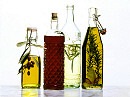
Combine vinegar, shallot, mayonnaise, mustard, salt and pepper in small glass bowl. Whisk until mixture is milky in appearance and no lumps of mayonnaise remain.
Place oil in small measuring cup so that it is easy to pour. Whisking constantly, very slowly drizzle oil into vinegar mixture. If pools of oil are gathering on surface as you whisk, stop addition of oil and whisk mixture well to combine, then resume whisking in oil in slow stream. Vinaigrette should be glossy and lightly thickened, with no pools of oil on its surface.
Florida Statute Guarantees your Right to Have a Clothesline!
Posted: August 25, 2009 Filed under: Food and it's Impact on Our Health 2 CommentsMany home owners association forbids clothesline. I know that Sawgrass in Ponte Vedra does. Luckily Florida state law overrides it.
FLORIDA STATUTES
TITLE 11. COUNTY ORGANIZATION AND INTERGOVERNMENTAL RELATIONS
CHAPTER 163. INTERGOVERNMENTAL PROGRAMS
PART I. MISCELLANEOUS PROGRAMS
Fla. Stat. § 163.04 (2003)
§ 163.04. Energy devices based on renewable resources
(1) Notwithstanding any provision of this chapter or other provision of general or special law, the adoption of an ordinance by a governing body, as those terms are defined in this chapter, which prohibits or has the effect of prohibiting the installation of solar collectors, clotheslines, or other energy devices based on renewable resources is expressly prohibited.
(2) No deed restrictions, covenants, or similar binding agreements running with the land shall prohibit or have the effect of prohibiting solar collectors, clotheslines, or other energy devices based on renewable resources from being installed on buildings erected on the lots or parcels covered by the deed restrictions, covenants, or binding agreements. A property owner may not be denied permission to install solar collectors or other energy devices based on renewable resources by any entity granted the power or right in any deed restriction, covenant, or similar binding agreement to approve, forbid, control, or direct alteration of property with respect to residential dwellings not exceeding three stories in height. For purposes of this subsection, such entity may determine the specific location where solar collectors may be installed on the roof within an orientation to the south or within 45 degrees east or west of due south provided that such determination does not impair the effective operation of the solar collectors.
(3) In any litigation arising under the provisions of this section, the prevailing party shall be entitled to costs and reasonable attorney’s fees.
(4) The legislative intent in enacting these provisions is to protect the public health, safety, and welfare by encouraging the development and use of renewable resources in order to conserve and protect the value of land, buildings, and resources by preventing the adoption of measures which will have the ultimate effect, however unintended, of driving the costs of owning and operating commercial or residential property beyond the capacity of private owners to maintain. This section shall not apply to patio railings in condominiums, cooperatives, or apartments.
Avoid Antibacterial Products and Soaps!
Posted: August 25, 2009 Filed under: Food and it's Impact on Our Health Leave a commentFrom The Good Human
We have not used antibacterial soaps in our house for years, yet no bugs have come along to kill us yet. The fact is is that the increased usage of antibacterial everything is actually going to make us sicker in the long run. From Mother Jones magazine (one of our favorites), I wanted to share a few facts about our “war on germs”:
- In 1993 there were only a few dozen antibacterial products. Today there are more than 9,000.
- In 2005, an FDA advisory panel concluded that antibacterial soap is no better than regular soap for preventing infection.
- Triclosan, the active ingredient in many antimicrobial soaps, has been detected in women’s breast milk and 58% of US waterways. (I wrote about the dangers of Tricolsan before.)
- A 2007 study found that adults who regularly use household cleaning sprays are 30-50% more likely to develop asthma.
- In 1974, 2% of staph infections were resistant to antibiotics; today, more than 60% are.
We are actually doing way more harm than good by coating our lives with antibacterial sprays, lotions, soaps and gels. In doing this so much, we are creating superbugs that will adapt and become immune to our products…which in turn could make us all very, very sick. Also, all these antibacterial products end up in septic tanks and sewage treatment plants, where they kill off the good microbes needed to digest our waste. We need germs in order to survive as a species! So next time you reach for the antibacterial stuff at the store, think twice – and realize that regular old soap cleans just as well without doing anything harmful to our germs or our environment.
Provencal Chicken in the Pot
Posted: August 23, 2009 Filed under: Food and it's Impact on Our Health, In The Kitchen with Millie- How To's 3 CommentsThis is one of the most tender and aromatic roast chicken recipes you’ll ever taste! Since I published an article yesterday on cast iron cookware, I figured I would post a great recipe using my Dutch oven!
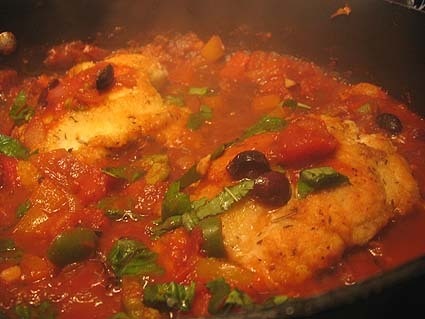
Chicken Provencal in the Pot
4 pounds whole organic chicken
kosher salt and freshly ground black pepper
 bouqquet garni or use 1 teaspoon tarragon, 1 t. basil, 1 t. thyme.
1 cup dry white wine
12 small red potatoes
40 cloves of garlic- do not peel!
12 small white onions
4 carrots- chunked
1 pound fresh peas- shelled or 10 oz. frozen
2 T. white flour mixed with 1 T. water
Preheat oven to 350 degrees F. Make a mixture of salt and pepper in a small bowl. Use this to generously season the interior and exterior of a 4-pound fryer. Tie a bouquet garni together with string and put it inside.
Pour ½ cup of butter into a large (about 9 quarts) Dutch oven with a lid. Add the bed of herbs and all of the garlic. Set the prepared chicken on this bed and turn it over and over in the already perfumed oil. Add the dry white wine.
Scatter the vegetables around on top of the bed of herbs. Then with all the oil, wine and aromatics below and the chicken and vegetables on top, put the lid on and seal it hermetically with a band of flour and water paste.
Bake 1 hour and 30 minutes in the preheated oven.
Remove from oven and allow the Dutch oven to sit undisturbed for 15 to 20 minutes. Do not lift the lid!
In preparation for serving, put a small serving bowl (for the garlic) and a slotted spoon on the table.
A pair of poultry shears is the easiest tool to use for cutting the hot chicken into serving pieces.
A pair of tongs will help you hold the chicken still for cutting without burning your fingers.
Carry the Dutch oven to the table and lift off the lid at the moment of serving and take a deep breath. The aroma is incredible!
Serve with toasted slices of Ezekiel Bread, which each diner will spread by squeezing out the incomparable garlic puree. Don’t be surprised. The chicken will not be browned.
PS- save the stock from this and use it all week to flavor your green leafy veggies. I’d sauté some onions in in and top with kale or Swiss chard and stir, cover and cook gently for about 4 or 5 minutes..mmmm
Save the carcass and make stock. – Chicken Stock 101. Chicken stock, made correctly, is your best source of iron and calcium. So, drink stock each day, cook with it, season with it.
Animal farming is an efficient use of land
Posted: August 22, 2009 Filed under: Food and it's Impact on Our Health Leave a comment A year ago I started a square foot garden in my backyard. I had a compost pile already, but began bringing kitchen waste from the health food store deli I where I was a Chef. I mean huge amounts; black plastic bags full of lettuce, 3 gallon buckets almost everyday full of veggie waste. And seeds! I planted bell peppers from the seeds I got from the produce. Along with buying potting soil by the 40 pound bag, I was able to build up my soil, kinda. I needed fertilizer. I bought composted manure and along with buying organic fertilizers, I was able to start growing sweet potatoes, tomatoes, Swiss Chard.
Now bear in mind I am a newb at this, I haven’t grown any veggies since the early 80’s and quite frankly my ex did most of the work, I got to pick it and prepare it. So this time I got to see how it all worked, had to start really learning how. One thing that quickly struck me was that I was sick of buying dirt and fertilizer! So I tried worm farming and Bokashi composting. Not enough compost could be produced this way for me to get enough fertilizer out of it.
At the same time I was continuing studying how to radically green my lifestyle. I have always been a very serious environmentalist; never used paper towels, used cloth bags to shop, used cloth diapers and a clothesline with all 5 kids, never worn polyester clothing, used as little plastic in the kitchen as possible, never bought water in plastic bottles, taken short showers. But I wanted to do more. I insulated all my windows, went the bidet route when it came to toilet paper, began making everything I eat from scratch including mayonnaise, salad dressings.
Then I came across Joseph Jenkins book; “The Humanure Handbook”. It is available free on the web, so I dove in, built a sawdust toilet. Now I didn’t know if this was going to be something I would stick with, didn’t know what the ick factor would be…so I decided to try it a month and see. My kids howled, made fun of me, said mom was turning into a cat, using a litter box…we had much fun with it. But the bottom line is it was easy; no smells, easy to deal with. I buy wheat bran from the feed store; 50 pounds for 12 bucks. About the time I needed to empty the bucket, it was time to mow the yard…this gives me the cover material I need, along with food scraps and yard waste to do high heat, or Thermal, composting. This is the only way to create enough compost to grow my own veggies, make compost tea, build up my soil.
Which is exactly how it plays out on a farm. You need farm animals to keep from having to buy fertilizer! And it makes the most beautiful soil, light, fluffy, loamy dirt. Since I have no room for a cow, or goats or chickens..that leaves humanure; cheap, readily available.
AND BEST OF ALL?? I do not foul 3 gallons of drinking water every time I flush! That is awesome!
But the reason I started this rant is because of the big push every one on the net seems to be making to get people to turn to a vegetarian diet, saying it is green, that animal farming isn’t a good use of our land, that we can all eat grains (a horrible choice health wise, BTW!, see this article- Grain Based Diets Are Bad for Humans). Vegetarian Diets are not healthy for many reasons (see- Vegetarian Diet are Not Healthy For Humans). But the main point I want to make is that we are healthiest eating meat, and we do not have enough arable land to grow all the veggies and grains if that all people ate, there is not enough depth of nutrients. We need saturated fats and meat broths and grass fed meat to be healthy!
Read what Barry Groves, PhD, has to say on his website- Second Opinions- Exposing Dietary Misinformation.
Animal farming is an efficient use of land
The human population of this planet is now approaching six billion and, even if every country on Earth enforced a strict and effective birth-control policy today, it is estimated that the total population will climb to fifteen billion before stabilizing. The Earth’s total land area is 179,941,270 square kilometers (69,479,518 square miles). A little simple mathematics tells us that at present, on average, one square kilometer has to support just over thirty-three people. If all of it were cultivated, that would certainly be possible.
The argument fails, however, because not all of it is available for arable cultivation. The main environmental factors which determine plant development and distribution are climate and soil type. We can discount the whole of the unproductive continent of Antarctica, so that reduces the total by 13,335,740 square kilometers immediately. We can also discount, at least as far as arable farming is concerned, all other ice-covered areas, tundra, mountains, deserts, heath and moor land, areas covered by rivers, salt marshes and lakes, cities, roads, and railways; and to a large extent semi-deserts, savannah, rain forest, low-lying meadow land and areas liable to regular flooding. We have now discounted most of the Earth’s surface. In fact, only eleven percent of the land surface is farmed.
Almost all of the land we have just discounted does support grass or other plant life which we cannot utilize directly. We need a system which converts that grass into a form of food that we can eat. And we have one: much of the land we have discounted for arable use can be, and is, used for the raising of food animals. Take New Zealand, for example. Here we have a country of 269,000 square kilometers — larger than Great Britain — with a human population of 3 million, a sheep population of 42 million (see figure 1) and many cattle. When I was in New Zealand for three months in Spring 1999, I didn’t see one field of grain. It wasn’t surprising: as the ground is rarely flat and the volcanic rock on which New Zealand is built is very close to the surface, that country is quite unsuitable for the cultivation of grain (see figure 2). And the same applies to many other parts of the world.
At present one-third of the world’s population is starving. If we all became vegetarians, we would have no use for, and would stop farming, all the land that will support only food animals. But taking all the land that supports food animals, but cannot support arable farming, out of production is hardly likely to ease the problem. In many areas where animals are farmed, they are the only things which can be farmed. In these areas, therefore, animal farming is the most efficient use of the land.
The vegetarian may argue that land that is not cultivable at present can be made so, but it is an argument which has already been shown to be false. The situation with respect to land use is not static. As the population has increased this century, so the amount of land available for cultivation has decreased. Where deforestation has taken place to make way for cultivation, soils have been exposed to higher precipitation and temperatures (4) . These processes deplete the soil’s organic matter, the soils harden and turn to desert. In 1882, desert or wasteland covered an estimated 9.4 percent of the Earth’s surface. By 1952 that area had increased to nearly twenty-five percent. It is a growing trend and one which, once it has happened, is very difficult, if not impossible, to reverse.
In many areas with naturally low productive capability, irrigation is used to increase agricultural productivity. But irrigation carries with it the seeds of its own destruction. Semi-arid soils are characteristically salty. The irrigation water, from essentially the same area, is also usually saline. Without adequate drainage, the irrigation water seeps into the soil and raises the water table. This brings the underlying water nearer the surface where it evaporates more freely, leaving behind the salty chemicals. In time, the salts of sodium, magnesium and calcium clog the pores in the soil and leave a whitish bloom on the surface. This process not only destroys the soil structure so that yields fall, it leads eventually to a level of salinity where no plant can grow. Kovda estimates that between sixty and eighty percent of all irrigated land, that is millions of acres, is being transformed into deserts in this way.
Most of the world’s surface is not covered by land, but by the oceans and seas. At present, millions of tons of fish are caught or farmed each year. As well as not eating meat, many vegetarians don’t eat fish. If vegetarianism really caught on and everybody on the planet stopped eating fish, the two-thirds of the population who are not starving at present would soon join the third who are.
The British situation
The prosperous, well-fed United Kingdom has a total land area of some 88,736 square miles (229,827 sq km) and a population of 57,537,000 ( 1991 Census ). Arable and orchard farming occupy thirty percent while permanent meadow and pasture, which support food animals, covers fifty percent of the total area. But all of that is woefully insufficient — we still have to import one-third of the food that we need.
The UK’s major livestock production is sheep, which are reared in almost every part of the kingdom. If we all became vegetarians, the mountains of Wales and Scotland would become largely unproductive, as would the moorlands of central and northern England. We would not eat the 720,000 tons of fish caught each year — over 12.7kg (28 lbs) per head. If we all became vegetarians, how much more food would we have to import? and where would it come from? The USA and Canada, who are net exporters of grain, might seem to be the answer to the latter question, although our food import bill — already £6 billion per annum — would rise alarmingly. If they too became vegetarian, however, they too would need to import. No: if we all became vegetarians, make no mistake, we would starve.
A fishy problem
For many lacto-ovo-vegetarians, the killing of animals is a problem. On moral grounds some are tending to change to eating fish — although the logic whereby the killing of fish is considered correct if the killing of land animals is not, escapes me. They are encouraged in this change by the belief that the eating of fish is what has allowed the Japanese to live longer and that it is good for them. Wanting to be healthy themselves, they buy sea fish like cod, sea bass, red snapper and haddock. But these are not the ‘healthy’, omega-3-oil bearing fish that doctors are advising us to eat.
Fish stocks are declining. Cod used to be a cheap fish. It is presently £7.70 per kilogram, — over £2 more than farmed salmon. As prices reflect the laws of supply and demand, this can mean only one thing: there is a shortage of cod. Cod is not the only fish that is scarce around Britain, so are haddock, wild salmon and monkfish. It is the same story world-wide. The one fish which is plentiful now is the North-Sea herring. This does contain omega-3 oils and, with the mackerel, is good for us. It is also the cheapest fish on the market, yet the British have almost stopped eating it.
The fish for which we have rejected herring is tuna from the Pacific and other exotic species: tiger prawns from India and sailfish from the Caribbean. This change reflects a growing and disturbing trend. With the North Sea almost fished out and now highly regulated, third-world fishermen, hungry for foreign currency, are plundering their own declining stocks in other unregulated oceans.
With fish becoming increasingly difficult to catch in quantity, modern fishermen and their equipment are becoming increasingly sophisticated. Cornish fishermen are using four-mile-long drift nets to catch tuna in the northern Atlantic. The nets are called ‘walls of death’ because of the numbers of dolphins and other unwanted fish they catch. The Japanese fish for tuna with lines up to sixty-five miles long with thousands of baited hooks. In the North Sea, trawling does more damage than pollution.
Fish are very good at renewing themselves — if they are allowed to do so. But few will let them. Despite international agreements and quotas, in the northern seas, no-one, with the possible exception of Iceland, is managing their fish stocks properly and the problem of over-fishing is spiraling out of control.
Fishermen’s methods have been likened to farming. But they are centuries behind: where the farmer sows and reaps, the fisherman, like the primitive hunter-gatherer, only reaps. He does not use his resources nearly as efficiently as the land farmer. Without fish, we would be hard pressed in this island for sufficient high-quality food. We need fish, but we will only exacerbate the problem of over-fishing if we switch from meat to fish — from efficient animal farming to inefficient and wasteful fishing.
In conclusion, meat eaters must have sympathy for and agree with the animal rights campaigner where animals, which should be grazing in fields, are confined to pens and battery houses while their natural habitat is turned into golf courses and leisure grounds for us.
And paying farmers to let land lie fallow when it could safely support cattle or sheep, particularly while we are importing vast quantities of food, is madness.
It is legitimate to challenge this regime.
The only way to eradicate the forms of intensive farming which are so disliked, is to control and reduce the population and, hence, the need for such a system.
Not only will undertaking unnatural dietary practices not provide a solution, they are much more likely to exacerbate the situation.
The Western vegetarian at the moment is in a very privileged position. So long as not too many join him, he can afford to indulge his naïve dietary fads in a way that is denied to most of the people of this Earth. While he ponders on this fact, he might also apply himself to Kant’s Categorical Imperative which may be rewritten:
What would be wrong for all, is wrong for one.
Thought I would add these references the last time I wrote on this subject, some girl wrote me all irate because she said she assumed my work was satire because the every IDEA that Vegetarianism was bad for humans was ridiculous and she wanted references…
References
1. Social Surveys (Gallup Poll) Ltd. The 1988 Survey into Meat Eating and Vegetarianism. Commissioned by the Realeat Co. Ltd. 1988.
2. MORI/Sunday Times. Attitudes to Health and Diet 1989.
3. Beardsworth A., Keil T.. Health-related beliefs and dietary practices among vegetarians and vegans: a qualitative study. Hlth Educ J 1991; 50 (1): 38.
4. Kovda V. A.. Soil Preservation. In Polunin N. ed, The Environmental Future. Macmillan, London, 1972.
5. Lee R. B.. What hunters do for a living, or how to make out on scarce resources. In: Lee R. B., DeVore I., eds. Man The Hunter. Aldine, Chicago. 1968.
6. Gaulin S. J. C., Konner M.. On the natural diet of primates, including humans. In: Wurtman R. Y., Wurtman J. J., eds. Nutrition and The Brain. Vol 1, Raven Press, New York. 1977.
7. Bryant V. M., Williams-Dean G.. The Coprolites of Man. Scientific American, January 1975.
8. Hawkes J. G.. The Hunting Hypothesis . In: Ardrey R., ed. The Hunting Hypothesis . Collins, London, 1976.
9. Crawford M., Crawford S.. What We Eat Today . Spearman, London, 1972.
10. Leopold A. C, Ardrey R.. Toxic Substances in Plants and Food Habits of Early Man. Science, 1972
11. Stephen A. Whole grains — impact of consuming whole grains on physiological effects of dietary fiber and starch. Crit Rev Food Sci Nutr 1994; 34: 499-511.
12. Yudkin J.. Archaeology and the nutritionist . In: Ardrey R., ed. The Hunting Hypothesis . Collins, London, 1976.
13. Groves B A. The Cholesterol Myth . A Second Opinion publication, 19th revision, March 1999.
14. Callender S. T., Spray G. H.. Latent pernicious anaemia. Br J Haematol 1962; 8: 230.
15. Halstead J. A., Carroll J., Rubert S.. Serum and tissue concentration of vitamin B 12 in certain pathologic states. N Eng J Med 1959; 260:575.
16. Herbert V.. Vitamin B-12: plant sources, requirements and assay . Am J Clin Nutr 1988; 48: 852.
17. Miller D. R., Specker B. L., Ho M. L., Norman E. J.. Vitamin B-12 status in a macrobiotic community. Am J Clin Nutr 1991; 53: 524-9.
18. Chanarin I., Malkowska V., O’Hea A-M., Rinsler M. G., Price A. B.. Megaloblastic anaemia in a vegetarian Indian community. Lancet 1985; ii: 1168.
19. Freeland-Graves J.. Mineral adequacy of vegetarian diets. Am J Clin Nutr 1988; 48: 859.
20. Sanders T. A. B.. Micronutrients: vitamin B-12. Matern Child Hlth . 1992; 17: 19-20.
21. Dagnelie P. C., et al . Increased risk of vitamin B-12 and iron deficiency in infants on macrobiotic diets. Am J Clin Nutr 1989; 50: 818.
22. Herens M. C., Dagnelie P. C., Kleber R. J., Mol M. C. J., van Staveren W. A.. Nutrition and mental development of 4-5 year old children on macrobiotic diets. J Hum Nutr Diet 1992; 5: 1-9.
23. Lifshitz F., et al . Nutritional dwarfing in adolescents. Semin Adolesc Med 1987; 3 (4): 255.
24. Roberts I. F., West R. J., Ogilvie D., Dillon M. J.. Malnutrition in infants receiving cult diets: a form of child abuse. Br Med J 1979; 1: 296.
25. Kruger D. M., et al . Vitamin D deficiency rickets: report on three cases. Clin Orthop 1987; 224: 277.
26. Bindra G. S., Gibson R. S.. Iron status of predominantly lacto-ovo-vegetarian East Indian immigrants to Canada: a model approach. Am J Clin Nutr. 1986; 44: 643.
27. Galler J. R.. Malnutrition — a neglected cause of learning failure. Postgrad Med 1986; 80 (5): 225-8
28. Bradley P. J.. Deprivation in infancy or in adult life. Lancet 1991; 337: 1043.
29. Barker D. J. P.. The intrauterine origins of cardiovascular and obstructive lung disease in adult life. J R Coll Phys 1991; 25(2): 129.
30. Seidman D. S., Laor A., Gale R., Stevenson D. K., Danon Y. L.. Is low birthweight a risk factor for asthma during adolescence? Arch Dis Child 1991; 66(5): 584.
31. Stock M. B., Smythe P. M.. Does undernutrition during infancy inhibit brain growth and subsequent intellectual development? Arch Dis Child 1963; 38: 546.
32. Association between reported diet and all-cause mortality: 21-year follow-up on 27,530 7th Day Adventists . Am J Epidem 1984; 119 (5): 775.
33. Egold B., Laskar J., Wolf S., Putvin L.. The Roseto effect: a 50-year comparison of mortality rates. Am J Public Health 1992; 82: 1089-92
34. McCormick J., Elmore-Meegan M.. Maasai diet. Lancet 1992; 340: 1042-3.
35. McClellan W. S., Du Bois E. F.. Prolonged meat diets with a study of kidney function and ketosis. J Biol Chem 1930; 87: 651-668.
36. McCarrison, Sir Robert (with Sinclair, Dr. H. M.). Nutrition and Health . Faber & Faber, London, 1953
37. Thorogood M., Mann J., Appleby P., McPherson K.. Risk of death from cancer and ischaemic heart disease in meat and non-meat eaters . Br Med J . 1994; 308: 1667-70.
38. McKeigne P. M., Marmot M. G., Adelstein A. M., et al . Diet and risk factors for coronary heart disease in Asians in north-east London. Lancet 1985; ii: 1086-90.
39. Pauletto P, et al. Blood pressure and atherogenic lipoprotein profiles of fish-diet and vegetarian villagers in Tanzania: the Lugalawa Study. Lancet 1996; 348: 784-8.
40. Ness A R, Powles J W. Dietary habits and mortality in vegetarians and health conscious people: Several uncertainties still exist. Br Med J 1997; 314: 148.
41. Shibata H., Nagai H., Haga H., Yasumura S., Suzuki T., Suyama Y. Nutrition for the Japanese elderly. Nutr Health. 1992; 8(2-3): 165-75.
42. Holmberg L., Ohlander E. M., Byers T., Zack M., Wolk A., Bergstrom R., et al . Diet and breast cancer risk. Arch Intern Med 1994; 154: 1805-11.
43. Shultz T. D., Chew B. P., Seaman W. R.. Differential stimulatory and inhibitory responses of human MCF-7 breast cancer cells to linoleic acid and conjugated linoleic acid in culture. Anticancer Res . 1992; 12: 2143-5
44. Ip C, Scimeca J. A., Thompson H. J.. Conjugated linoleic acid. A powerful anticarcinogen from animal fat sources. Cancer. 1994; 74(3 Suppl): 1050-4
45. Franceschi S, et.al . Intake of macronutrients and risk of breast cancer. Lancet 1996;347:1351-6
46. Lutz W.J. The Colonisation of Europe and Our Western Diseases. Medical Hypotheses 1995; 45: 115-120
47. Vilhjalmur Stefansson. Cancer Disease of Civilization . Hill and Wang, New York, NY, 1960 .
48. Strachan D. P., Powell K. J., Thaker A., Millard F. J. C., Maxwell J. D.. Vegetarian diet as a risk factor for tuberculosis in immigrant south London Asians. Thorax 1995; 50: 175-80
49. McCaddon A., Kelly C. L.. Familial Alzheimer’s disease and Vitamin B-12 deficiency. Age and Ageing 1994; 23: 334-7.
50. Fallon S W, Enig M G. Newlife , May 1966.


 Meal Delivery Service by Millie Barnes