Voting With Our Wallets
Posted: January 21, 2012 Filed under: Food and it's Impact on Our Health Leave a comment
CNN ran this article this morning;
Child slavery and chocolate: All too easy to find
In “Chocolate’s Child Slaves,” CNN’s David McKenzie travels into the heart of the Ivory Coast to investigate children working in the cocoa fields. (Premieres Friday January 20, 8 p.m. GMT, 9 CET on CNN International.)
By David McKenzie and Brent Swails, CNN
Daloa, Ivory Coast (CNN) – Chocolate’s billion-dollar industry starts with workers like Abdul. He squats with a gang of a dozen harvesters on an Ivory Coast farm.
Abdul holds the yellow cocoa pod lengthwise and gives it two quick cracks, snapping it open to reveal milky white cocoa beans. He dumps the beans on a growing pile.
Abdul is 10 years old, a three-year veteran of the job.
He has never tasted chocolate.
During the course of an investigation for CNN’s Freedom Project initiative – an investigation that went deep into the cocoa fields of Ivory Coast – a team of CNN journalists found that child labor, trafficking and slavery are rife in an industry that produces some of the world’s best-known brands.
It was not supposed to be this way.
After a series of news reports surfaced in 2001 about gross violations in the cocoa industry, lawmakers in the United States put immense pressure on the industry to change.
“We felt like the public ought to know about it, and we ought to take some action to try to stop it,” said Iowa Sen. Tom Harkin, who, together with Rep. Eliot Engel of New York, spearheaded the response. “How many people in America know that all this chocolate they are eating – candies and all of those wonderful chocolates – is being produced by terrible child labor?”
More about the Harkin-Engel Protocol
But after intense lobbying by the cocoa industry, lawmakers weren’t able to push through a law. What they got was a voluntary protocol, signed by the heads of the chocolate industry, to stop the worst forms of child labor “as a matter of urgency.” One of the key goals was to certify the cocoa trade as child-labor free.
“It was meant to achieve the end of child slave labor in cocoa fields,” Engel said.
It didn’t.
UNICEF estimates that nearly a half-million children work on farms across Ivory Coast, which produces nearly 40% of the world’s supply of cocoa. The agency says hundreds of thousands of children, many of them trafficked across borders, are engaged in the worst forms of child labor.
A recent study by Tulane University says the industry’s efforts to stop child labor are “uneven” and “incomplete” and that 97% of Ivory Coast’s farmers had not been reached. But the industry’s main representative in the country disagrees with the assessment.
“I think the situation has improved exponentially,” said Rabola Kagohi, country director for the International Cocoa Initiative, the chocolate industry’s answer to fighting child labor and trafficking. “Today, the message is physically getting through.”
Kagohi works out of a basement office with one other permanent employee.
“There are some results,” he said. “I wish that you had spoken to some planters.”
None of the farmers CNN spoke to in the heart of the cocoa production region said they had ever been reached by the International Cocoa Initiative, the government or chocolate companies about child trafficking.More……
How Can You Help?
Bu voting when you shop, with your choices. There are two options that I found easy to use; And here are a few websites to check on the brand you are choosing while shopping;
Paula Deen is Announcing She Has Diabetes
Posted: January 15, 2012 Filed under: Food and it's Impact on Our Health, In The Kitchen with Millie- How To's | Tags: diabetes, eating low fat, Paula Deen Leave a commentPaula Deen — the queen of high-calorie, Southern cooking — is about to come clean and confess that she can’t eat her own dishes anymore because she has diabetes.
The Georgia-born chef — a Food Network star who has written five best-selling cookbooks — has been trying to keep her condition a secret, even after the National Enquirer reported in April that she has Type 2 diabetes, which is often associated with fatty foods and obesity.
Sources say Deen, 64, who never addressed the diabetes question, has worked out a multimillion-dollar deal to be the spokeswoman for a pharmaceutical company and endorse the drug she is taking. To Read More…
Paula Deen is criticized for cooking high fat, high sugar cuisine. Barbara Walters asked her, “You tell kids to have cheesecake for breakfast. You tell them to have chocolate cake and meatloaf for lunch. And French fries. Doesn’t it bother you that you’re adding to this?”
“Maybe she’ll retire “Paula’s Brunch Burger,” which features a fried egg and bacon atop a burger served between glazed doughnuts instead of a bun”.
Millie; The statement here that her high fat, high sugar cuisine is the problem is only half right. I went to her site and perused through about 20 recipes and what I found was recipes with no fat in them, not one recipe called for butter, many called for vegetable oil. Most recipes had a very high percentage of carbohydrates. Hey Paula; did you give any thought to simply LOSING WEIGHT and changing your diet?
And THAT is the problem with her food- Not the fact that her food is high fat, it’s that it’s the he wrong fats and too many carbs, too much emphasis on desserts.
BUT the bigger problem here is this woman’s decision to make money off of having diabetes! Her decision to partner with a pharmaceutical company instead of learning what great nutrition is mirrors most peoples attitude about their health nowadays..take a pill, that’ll take care of it.
WAKE UP AMERICA- Diabetes is completely preventable and totally treatable by SIMPLY CHANGING YOUR DIET. That’s right- control your carb intake, stop eating grains, add way more high quality fats and proteins to your diet…and you’ll get well. This is Not information that your doctor, or the pharmaceutical companies want you to know. Read this article about a young man I met last year who had just been diagnosed with diabetes. The advise Mayo Clinic gave him is absolutely criminal.
Read these posts to learn more;
Grain Based Diets Better for Everyone
What We have Been Taught About Nutrition HAs Been a Big Fat Lie
Why You DON”T Want to Do This!
Posted: January 14, 2012 Filed under: Food and it's Impact on Our Health, In The Kitchen with Millie- How To's, Non-Toxic Choices Leave a commentStorage Tip: Use an Enamel Coffee Pot for Olive Oil
 The enemies of olive oil are air and sunlight which cause oxidation and loss of flavor. There are many ways to protect your olive oil, but the most popular is to store your oil in a tinted bottle with a spout.
Here is why you do not want to do this;
Notice they say that “The enemies of olive oil are air and sunlight”. That should read the enemy of any oil is oxygen and light. When vegetable oils are removed from the foods they came in originally they immediately, upon exposure to oxygen begin to be rendered rancid. Not one day later, not 3 weeks later, immediately! when each fat molecule in non-saturated fats are exposed they are then rancid, These oils should be used in extreme moderation, as a very small part of our fat intake, and they should never be heated. Ever. When heated they are highly carcinogenic.
Personally, I rarely eat vegetable oils because when rancid (always) or heated they contribute to heart disease. I get these type of fats from the foods they came in, by eating them whole; olives, nuts, avocadoes, green leafy vegetables.
BUT, if you are going to buy olive oil, follow these guidelines;
- Buy only organic, virgin.
- Buy in a small amount, in a dark bottle, from a store which has a fast turnover.
- Keep MOST of it in the freezer, if you use it quickly keep it in the refrigerator tightly closed, in the dark.
- Use no more than a Tablespoon or so a week and always use fresh, never heated in salad dressings and mayonnaise.
- Again; never cook with it.
For more info- Why You Should Be Cooking with Saturated Fats
WAR on Cancer Isn’t Working
Posted: January 13, 2012 Filed under: Food and it's Impact on Our Health, Non-Toxic Choices Leave a comment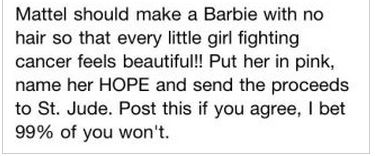
We have bumper stickers that tell us to be AWARE of cancer and to “Save the Ta-Ta’s”. We have pink packaging on food. We are asked to run marathons FOR cancer research. We have woman REMOVING Their breasts because they MIGHT get cancer.
Our cancer rates are off the charts, along with heart disease, diabetes, obesity, birth defects, learning disorders, depression…..
But guess what? ALL of these conditions are caused by poor nutrition. Malnourishment. Americans have severely compromised immune systems due to low quality food intake.
The problem is that most people have no idea what a healthy diet is!
Common myths;
- Low fat is healthy.
- Red Meat is bad for you.
- Grains, especially whole grains, are good for you.
- Caloric restrictions works to aid in weight loss.
- Fat makes you fat.
- Cereal is a decent, even healthy, breakfast.
- It’s healthy to cook with olive oil.
- Vegetarianism is healthy and better for the planet.
Our cancer rates began to rise in the early 1960’s due to the fact that Americans had at that point continued to eat the alternative fats we were asked to use while we were were rationing food during World War 2. Combined with the proliferation of processed foods, instant foods, eating out more often, woman beginning to work outside the house, TV becoming what we do most of the time…I could go on but you get the point. We do not eat the diet we are meant to eat; plenty of healthy organic fats (remember they ALL used to be organic along with everything else we ate), high quality protein and mostly green leafy veggies and other low glycemic foods.
Cancer is treatable, even curable, when we repair the immune system. That can only occur with the right nutrients, nourishing and repairing the body. Cancer is preventable by keeping our immune system intact and that only occurs with enough of the healthy saturated fats and organic grass fed proteins our bodies need so badly.
For more reading;
The Importance of Saturated Fats for Biological Functions
What If The Whole Low-Fat Trend Has Been A Big Lie?
Young, Obese and in Surgery
Posted: January 8, 2012 Filed under: Food and it's Impact on Our Health Leave a comment
Millie; Her Physician, Dr. Vayner said, prophetically, “It’s not your fault, but you’re not going to be able to do it.”
WHAT? Her doctor told her she would not be able to lose weight? How about educating her as to what great nutrition is, how carbs are what makes her gain weight? Or doesn’t this doctor (or other doctors) know how to educate their patients on nutrition? And if they don’t perhaps they should not be practicing medicine! My mechanic knows what fuel is best for my car and how to keep my engine clean and a doctor doesn’t know such basic info? I had a doctor tell me once he didn’t “have time” to educate his patients. I had another tell me there was NO PROFIT in teaching them how to get well to a high degree because then her patients wouldn’t continue to come in that average 7 times a year!
In ancient China a physician was paid when his patients were well, when they got sick he didn’t get paid!
Here’s the article from NYTimes;
By ANEMONA HARTOCOLLIS
Though Shani Gofman had been teased for being fat since the fourth grade, she had learned to deal with it.
She was a B student and in the drama club at school. She had good friends and a boyfriend she had met through Facebook. She even showed off her curves in spandex leggings and snug shirts.
When her pediatrician, Dr. Senya Vayner, first mentioned weight-loss surgery, Ms. Gofman was 17, still living with her parents in Bensonhurst, Brooklyn, her bedroom decorated with glow-in-the-dark stars because she was afraid of the dark.
There was no question, at 5-foot-1 and more than 250 pounds, she was overweight. But she resisted, saying she could diet.
“I’ll lose weight,” Ms. Gofman assured her doctor.
Dr. Vayner said, prophetically, “It’s not your fault, but you’re not going to be able to do it.”
Along with the obesity epidemic in America has come an explosion in weight-loss surgery, with about 220,000 operations a year — a sevenfold leap in a decade, according to industry figures — costing more than $6 billion a year. And the newest frontier is young patients like Ms. Gofman, who allowed The New York Times to follow her for a year as she had the operation and then embarked on a quest to lose weight, navigating challenges to her morale, her self-image and her relationships with family members and friends.
This Says It All
Posted: January 7, 2012 Filed under: Food and it's Impact on Our Health, Going Green; How and Why..., Non-Toxic Choices Leave a comment
A Lower Glycemic Energy Bar
Posted: January 4, 2012 Filed under: Food and it's Impact on Our Health, In The Kitchen with Millie- How To's Leave a commentHere is a recipe for an energy bar that is way lower on the glycemic index due to the lower coconut cream, coconut and nuts. Bear in mind though that I am not an advocate of eating these often, but we all get stuck hungry or with no other choices sometimes.
Millie’s Energy Bar
1 cup almonds
1 cup cashews
3 T Almond Butter
2 cups dried cherries
1 cup grated coconut
2 T. Coconut Cream – Available from Tropical Traditions or at your health food store, called coconut butter.
1 T. Raw Chia Seeds
½ t. Stevia
½ T. cinnamon
1 t. vanilla
1 T. orange zest- use a micro planer and you will get just zest, none of the pith that is bitter.
Pinch Sea Salt
- Heat the oven to 350°F and arrange a rack in the middle. Place parchment paper in an 8-by-8-inch baking pan; set aside.
- Place almonds on a rimmed baking sheet in a single layer and bake, stirring halfway through, until fragrant and light golden brown, about 10 minutes. Transfer to a wire rack to cool completely.
- Place apricots and dried cherries in the bowl of a food processor fitted with a blade attachment and process until finely chopped, about 1 minute. Transfer to a small bowl.
- Place cooled almonds and the cashews in the food processor and pulse until finely chopped and the texture of fine meal, about 25 (1-second) pulses. Add dried fruits and process, stopping to scrape down the sides as needed, until nuts and fruits are combined are finely chopped, about 45 seconds. Add almond butter, orange zest, vanilla, cinnamon, salt, and process until evenly combined, about 45 seconds. Transfer mixture to a large bowl.
- Using your hands, knead the coconut into the mixture until evenly mixed, about 3 minutes.
- Transfer mixture to the prepared baking pan and, using your hands, pat it into an even layer to the edges of the pan. Fold the waxed or parchment paper over and press down on it with the bottom of a measuring cup or a flat-bottomed cup until the mixture is firmly packed and the top is smooth. Freeze for 30 minutes or refrigerate overnight.
- Lift the paper and the energy bar slab out of the pan and place on a cutting board. Remove the paper. Cut into 4 squares, then cut each square into 4 (4-by-1-inch) bars to form 16 bars total. Wrap each bar in plastic wrap. Store at room temperature for up to 5 days or freeze for up to 3 weeks.
High Milk Intake Linked to Prostate Cancer
Posted: January 2, 2012 Filed under: Food and it's Impact on Our Health Leave a comment
Environmentalists go back and forth about the necessity of milk in a healthy diet. Some are advocates of organic milk, some raw milk, and some are vegans that shun milk entirely. It’s a balance of finding the healthiest, lowest impact means of getting the essential nutrients necessary for optimal health.
But a recent study has many questioning whether drinking milk on a regular basis may have harsh implications for the health of the prostate later in life. The study, published in this month’s addition of the American Journal of Epidemiology found that those that drank milk daily were more likely to die of prostate cancer later in life.
The study followed 2,200 men born between 1903 and 1937.
Reuters reports:
Among 463 men who recalled drinking milk less than once a day in their teens, one percent developed advanced prostate cancer or died of the disease over a quarter century of follow-up.
That figure was three percent among the more than 1,800 men who said they drank milk at least daily in adolescence.
The study found a connection between high milk intake during teen years and the health of the prostate gland. While the link could not be explained through education, check-ups, and diet, questions certainly remain.
Again, Reuters:
From these data alone we cannot recommend that teenage boys should chance their dietary habits,” [Johanna Torfadottir, a nutrition scientist and a graduate student at the University of Iceland] said. “We are only looking at the risk of one disease, prostate cancer, and obviously risks of other conditions, e.g. bone health, need to be considered.”
While the research is just emerging, it creates more questions for milk consumption. Not to mention the environmental implications. Cows produce 120 pounds of waste each day, comparable to two dozen people, along with 18 percent of the world’s carbon dioxide.
Even if going vegan entirely isn’t realistic for you, limiting dairy to small portions of high quality local products is certainly a worthwhile feat especially in the face of emerging heath benefits.
A New Year…
Posted: January 1, 2012 Filed under: Food and it's Impact on Our Health Leave a comment Happy New Year! As we go into the new year let’s make it a year for changes, positive changes. I have recently changed the name of my business, along with my business site and blog name.
The new name is Criterion Living
cri·te·ri·on- a standard of judgment or criticism; a rule or principle for evaluating something.
I consider a Traditional Human Diet the gold standard of nutrition. NOT low fat, not a diet to lose weight, not caloric restriction, not vegan or vegetarian..good old-fashioned traditional fats, proteins and veggies. All organic, preferably local, cooked fresh and enjoyed. NOT eating on the run, skipping meals, being afraid of food.
Let THIS year be the year you get healthy, learn what great nutrition is, help yourself and others to achieve goals.
Let’s turn off the TV, return to spending quality time with each other, talking to our spouses and children, luxuriating in the pleasures of great food, abundant health and happiness and great conversation.
Let’s skip a movie and take a walk, practice yoga.
Turn off the dryer and use the clothesline.
Let’s stop whining and do something to make a difference!
Let’s work at giving and sharing what we have with each other; our talents, our happiness. Find out which friends have small businesses and talents and SUPPORT them!
And most importantly; Let’s learn to live each day, each moment from a deep well of gratitude. It’s amazing how different life looks when we appreciate what we have.
Sources for Grass Fed Meats, Eggs, Whole Food
Posted: December 29, 2011 Filed under: Food and it's Impact on Our Health Leave a commentEatWild.com is a site that let’s you search by state for sources of healthy, natural and nutritious grass-fed beef, lamb, goats, bison, poultry, pork, dairy and other wild edibles.
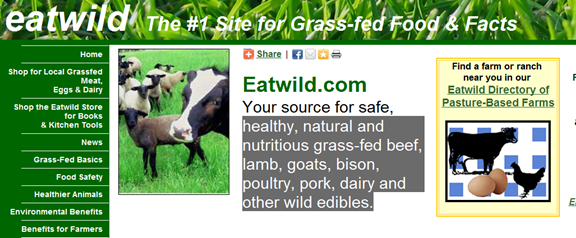
As great a source as it is for food, it’s also a great reference site on the benefits of these foods.


 Meal Delivery Service by Millie Barnes