VEGAN DIET WITH SOY LOWERS TESTOSTERONE AND CAUSES ERECTILE DYSFUNCTION
Posted: April 9, 2012 Filed under: Food and it's Impact on Our Health Leave a commentVEGAN DIET WITH SOY LOWERS TESTOSTERONE AND CAUSES ERECTILE DYSFUNCTION
Vegan Diet with Soy Lowers Testosterone and Causes Erectile Dysfunction
Posted: April 9, 2012 Filed under: Food and it's Impact on Our Health, Non-Toxic Choices 2 Comments
This article in the journal Nutrition was pretty simple. A 19 year old male sought treatment for lack of libido and sexual dysfunction. He had voluntarily started a vegan diet previously. The study measured the effects of ceasing a vegan diet and removing soy from the diet.
Previous research has focused on the beneficial effects of soy and its active ingredients, isoflavones. For instance, soy consumption has been associated with lower cardiovascular and breast cancer risks. However, the number of reports demonstrating adverse effects of isoflavones due to their estrogen like properties has increased. We present the case of a 19-y-old type 1 diabetic but otherwise healthy man with sudden onset of loss of libido and erectile dysfunction after the ingestion of large quantities of soy-based products in a vegan-style diet. Blood levels of free and total testosterone and dehydroepiandrosterone (DHEA) were taken at the initial presentation for examination and continuously monitored up to 2 year after discontinuation of the vegan diet. Blood concentrations of free and total testosterone were initially decreased, whereas DHEA was increased. These parameters normalized within 1 year after cessation of the vegan diet. Normalization of testosterone and DHEA levels was paralleled by a constant improvement of symptoms; full sexual function was regained 1 year after cessation of the vegan diet. This case indicates that soy product consumption is related to hypogonadism and erectile dysfunction. To the best of our knowledge, this is the first report of a combination of decreased free testosterone and increased DHEA blood concentrations after consuming a soy-rich diet. Hence, this case emphasizes the impact of isoflavones in the regulation of sex hormones and associated physical alterations.
The negative effects of the vegan/soy diet show a measured decrease after two weeks, but continued to improve for (at least) 724 days after quitting the vegan/soy diet.
MORE….
Traditional Bone Broth in Modern Health and Disease
Posted: April 8, 2012 Filed under: Food and it's Impact on Our Health Leave a comment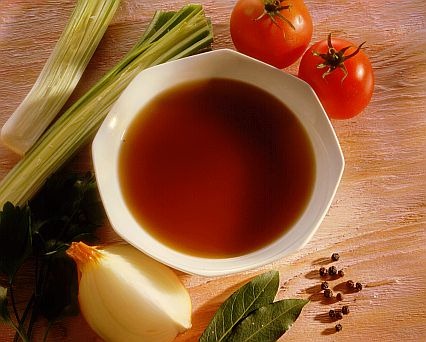
Broth, made from the bones of animals, has been consumed as a source of nourishment for humankind throughout the ages. It is a traditional remedy across cultures for the sick and weak. A classic folk treatment for colds and flu, it has also been used historically for ailments that affect connective tissues such as the gastrointestinal tract, the joints, the skin, the lungs, the muscles and the blood. Broth has fallen out of favor in most households today, probably due to the increased pace of life that has reduced home cooking in general. Far from being old-fashioned, broth (or stock) continues to be a staple in professional and gourmet cuisine, due to its unsurpassed flavor and body. It serves as the base for many recipes including soup, sauces and gravy. Broth is a valuable food and a valuable medicine, much too valuable to be forgotten or discounted in our modern times with our busy ways and jaded
Nutritional Contents
Basically then, broth will contain the ingredients that are in bone. Covering and adhering to the ends of bones to form a joint, is cartilage. Therefore broth will also contain the ingredients that are in cartilage. Bone and cartilage are both classified as connective tissue. Connective tissue is one of the four basic tissue types that exist in animals. It functions to bind or hold together and to support and strengthen the body. Connective tissue consists of a matrix, and cells that secrete the matrix. The matrix is the material that fills the space between the cells and is therefore referred to as the extracellular matrix. It is composed of protein fibers, and ground substance, which can be a liquid, a gel or a solid. Since the cells are few, it is the valuable nutrients from the matrixes of bone and cartilage, which create the substance called broth.
The Case Against Gluten: For Everyone
Posted: April 8, 2012 Filed under: Food and it's Impact on Our Health, Non-Toxic Choices Leave a comment
In the U.S., public awareness of gluten free diets has reached widespread recognition, but largely in name only. For those suffering with celiac disease or acute wheat allergies, it’s critical. For those with known reactions to gluten, it’s of serious importance. For those who don’t really know what it’s about, but see it on packaging, it seems to evoke a similar response as being forced to “Press 1 for English”. Journalists tend to frame the gluten free approach as legit for celiac treatment, but ultimately a fad diet controlling minions of mindless Gwyneth Paltrow lovers (AP Article). The paleo diet community views it as more of a religion (that’s tongue-in-cheek hyperbole, people!). Before we continue, here are my biases: I experience repeatable, specific, and boring symptoms from gluten intake, but I do not have celiac disease or a “gluten allergy”. Evolutionary biology is a scientific fact and I believe the paleo diet provides ultimate explanations for why we shouldn’t eat grains. So what are the proximate explanations for going gluten free? Is it fad or for’ real?
A quick and dirty primer
Celiac (or coeliac) disease is an autoimmune disorder in which the small intestine is damaged by components of gluten, a protein found in wheat and other grains. The effects of celiac disease are numerous, serious, and varied. For a entertaining sobering look, check out Tim Ferriss’ How to Keep Feces Out of Your Bloodstream. Strictly speaking, a “wheat allergy” can be similar to something like a peanut allergy. Folks in this group experience rapid onset symptoms that are serious, including the potential of anaphylactic shock. It’s mainly for these folks that food is required to expose the presence of wheat content on packaging.
Posted: April 8, 2012 Filed under: Food and it's Impact on Our Health Leave a comment

DIY Pallet Garden – http://lifeonthebalcony.com/how-to-turn-a-pallet-into-a-garden/
Chocolate Chip Cookies
Posted: April 8, 2012 Filed under: Food and it's Impact on Our Health Leave a comment
recipe yields 24-28 cookies
1/2 cup melted butter or coconut oil
1/2 cup honey
1 cups almond flour, firmly packed
3/4 cups coconut flour, firmly packed
1/2 teaspoon sea salt
1 cup chocolate chips
Preheat your oven to 325.
Stir together all ingredients, except chocolate.
Fold in the chocolate chips (be sure to wait until the mixture is cooled down… not warm from the melted butter).
Scoop onto silpat/parchment lined baking sheets. And flatten the dough. These should not move or spread much during baking.
Bake for 18-22 minutes, until golden brown. Remove from baking sheet onto cooling racks.
*you may notice there is no baking soda, that is not an error.
Almond Shortbread Cookie Recipe- Gluten Free
Posted: April 8, 2012 Filed under: Food and it's Impact on Our Health Leave a commentAlmond Shortbread Cookie Recipe- Gluten Free
Food Poisoning Alert, Wash Those Grocery Totes!
Posted: April 7, 2012 Filed under: Food and it's Impact on Our Health Leave a commentFood Poisoning Alert, Wash Those Grocery Totes!
What to Eat For Breakfast..No Mystery..
Posted: April 7, 2012 Filed under: Food and it's Impact on Our Health 2 Comments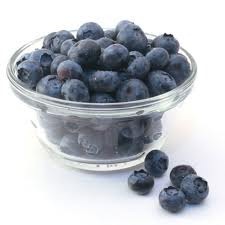


Science Daily had an article today saying that eating a low glycemic food at breakfast will help you be satiated and keep the blood sugar from dropping later in the day.
Their suggestions on WHAT to eat? Almonds, Yep, that’s all they could come up with! They also went on to say that as to what we actually should eat ; “This is a very tall order for food product manufacturers,” Shelke said. “It takes a lot of skill and understanding.” They are saying our food manufacturers are going to have to get creative about producing a “food” that fits this criteria!
What absolute rubbish!
This mysterious food already exists! It called bacon and eggs with a a small amount of fruit…or how we do it in the south, sliced tomatoes, maybe…
Here’s a few more suggestions (in case we can’t “figure it out”…)
Eggs, fried in Organic Butter with Turkey Bacon, Blueberries
Scrambled Eggs (fried in coconut oil) with Chicken Sausage, Sliced Tomatoes
Organic Scrambled Eggs with Butter, Salsa w/Fruit & Ezekiel Toast
Turkey Omelet & Melon
Mushroom and Onion Omelet/ Fresh Fruit Salad
Eggs Florentine with Rice Mozzarella and Pineapple/ Nuts
Vegetable and Turkey Bacon Omelet with Fresh Fruit
Grilled Chicken and Egg Tostada, Fresh Fruit Salad
Roasted Turkey, Scrambled Eggs, Peaches
Broccoli & Turkey w/ Scrambled Eggs / Fruit Salad
Ezekiel Bread French Toast Stuffed with Rice Cream Cheese with Walnuts and Vanilla, Organic Maple Syrup or Bananas Sautéed with Butter
Breakfast should be 1/3 of our days nutrients and calories, approximately 650 to 700 calories. Cook those eggs and bacon with about a T. butter, eat low glycemic veggies or a small serving of nutrient rich berries and you are set until lunch. No drop in blood sugar, no hunger, no weight gain…no mystery!
·


 Meal Delivery Service by Millie Barnes