Specific Sugar Molecule Causes Growth of Cancer Cells
Posted: April 19, 2015 Filed under: Food and it's Impact on Our Health Leave a commentFrom; Science Daily
 Sugar molecules on the surface of cells change their characteristics during development of cancer. Normal cells, as shown on the left, typically have long chains of sugar molecules (illustrated by circles filled with different colours and with the protein, that the chains are attached to, illustrated as a black line) that end in our blood type antigen like ABO. Cancer cells, on the contrary, often have truncated, immature chains of sugar molecules, as shown on the right.
University of Copenhagen
Summary:
The process of glycosylation, where sugar molecules are attached to proteins, has long been of interest to scientists, particularly because certain sugar molecules are present in very high numbers in cancer cells. It now turns out that these sugar molecules are not only present but actually aid the growth of the malignant cells. In the long term this discovery is an important step towards a cure that can stop the growth of cancer cells.
The process of glycosylation, where sugar molecules are attached to proteins, has long been of interest to scientists, particularly because certain sugar molecules are present in very high numbers in cancer cells. It now turns out that these sugar molecules are not only present but actually aid the growth of the malignant cells. In the long term this discovery is an important step towards a cure that can stop the growth of cancer cells.
In co-operation with a research group from Singapore, scientists at University of Copenhagen have shown that immature sugar molecules in the form of truncated O-glycans aid growth properties of cancer cells. Previously, scientists have not been able to decode the significance of these truncated O-glycans, and therefore, the results, which were recently published in the journal PNAS, represent an important contribution to understanding the growth of cancer cells as well as the work towards developing a cure that can limit or stop the growth.
Catharina Steentoft, PhD student at Copenhagen Center for Glycomics and one of the scientists behind the results, stresses that this is basic science and there is still a long way from the results to actually developing a treatment or using them for diagnostic purposes. The results are still a cause for optimism, though.
“This is part of how we will proceed in the battle against cancer. When you know a certain process is important for the development of cancer you can start to consider ways to affect this process in a way that stops the cancer cell from taking advantage of it,” explains Catharina Steentoft.
Sugar molecules affect proteins
Sugar molecules play an important role in almost all of the processes taking place in the body. One of the ways in which sugar molecules affect us is through glycosylation, a process where sugar molecules are attached to proteins. The proteins are basically the building bricks of the body, whilst sugar molecules affect the proteins, and therefore play a significant role in the human organism. A flaw in a chain of sugar molecules can lead to protein malfunctioning and disease.
As early as 1982, scientists around the world realised the importance of sugar molecules for cancer. The American doctor and scientist Georg F. Springer discovered that a certain type of sugar molecules, the truncated O-glycans, were particularly prominent in cancer cells. The discovery of Catharina Steentoft and colleagues builds on the foundation of this knowledge.
Pinpointing ways to proceed
For 30 years, scientists all over the world have worked on using the truncated O-glycans as biomarkers for diagnostics and outcome-prediction, but now the group of researchers from Singapore and Copenhagen has finally pinpointed the significance of these sugar molecules — that they actually cause the cancer cells to grow and the cancer to spread more aggressively.
“We have now taken the first step towards understanding how cancer cells can change their glycosylation and produce these truncated O-glycans. It is a rather big step forward since it gives us an entirely new understanding of something we have worked many years to grasp. It guides our entire field of research towards new ways to proceed in the battle against cancer,” Catharina Steentoft says.
Story Source:
The above story is based on materials provided by University of Copenhagen. Note: Materials may be edited for content and length.
Journal Reference:
- D. J. Gill, K. M. Tham, J. Chia, S. C. Wang, C. Steentoft, H. Clausen, E. A. Bard-Chapeau, F. A. Bard. Initiation of GalNAc-type O-glycosylation in the endoplasmic reticulum promotes cancer cell invasiveness. Proceedings of the National Academy of Sciences, 2013; 110 (34): E3152 DOI:10.1073/pnas.1305269110
Fresh Juice Delivery!
Posted: April 8, 2015 Filed under: Food and it's Impact on Our Health, Going Green; How and Why..., Products Leave a comment


I am SO excited about the response to the RAW JUICES we are now delivering! They are made early on the morning, chilled quickly before they go out the door for delivery.
Here’s what we offer;
Jamu Kunyit,a Balinese-style Turmeric Juice with Tamarind-
Turmeric’s anti-inflammatory and anti-tumor properties combined with the depth of anti-0xidents in this drink make it an ideal medicinal drink. But the TASTE is amazingly refreshing! I simmer the organic turmeric root at 120 for several hours to maintain the enzymes, then add organic tamarind and continue steeping, as it cools slightly I add raw honey, lime zest and fresh lime juice. Kunyit Asam Jamu is recommended for enhancing detoxification and preventing disease. It is common in Indonesia to consume this with the addition of an egg yolk, which has been shown to further enhance the bioavailability of the active ingredient Curcumin. $18.00 a Quart
Beta-C- carrots, celery. green apple, ginger, turmeric, lime.
Happy Greens- cucumber, celery, baby kale, spinach, parsley, lime.
16 oz 13.00 32 oz- 25.00
Our juices are made the from all organic ingredients, made the day they are delivered, refrigerated immediately and delivered in glass jars. These are returned on the next delivery.
Benefits of Juicing- Juicing offers many health benefits including a faster, more efficient way to absorb immune boosting nutrients naturally found in fruits and vegetables. It provides a way to access digestive enzymes typically locked in the fiber of whole fruits and vegetables.
It’s best to drink juice the same day they are made. As soon as any juice meets the air it begins to oxidize, compromising its nutritional value. However, storing our full juices in the refrigerator in a tightly sealed glass jar slows this process. The best time to drink juice is on an empty stomach or at least an hour before eating a meal. This maximizes the amount of nutrients absorbed into the body. Of course, fresh pressed juice is still loaded with health benefits even if you can’t drink it during the recommended window.
Juicing and Illness- There is lots of research that shows the healing properties of juicing. Juicing aids weight loss, brings increased energy levels, strengthened immunity, and helps build strong bones. It also helps prevent and heal heart disease, cancer and strokes, three of the leading causes of death. A growing body of research suggests that most vitamin supplements don’t help prevent chronic disease. A synthetic vitamin or mineral is a laboratory simulation of the real thing. Natural, plant-based vitamins and minerals are more easily and completely absorbed by the body.
Please fill out the form below and I will contact you;


11 Unhealthy Foods You Mistake As Healthy and Their Surprising Swaps
Posted: April 7, 2015 Filed under: Food and it's Impact on Our Health Leave a commentFrom- 
 I did not copy all of the foods listed here, sometimes the alternatives are just as unhealthy as the originals! Info was given, for instance to substitute hemp or almond milk for dairy. But no one should drink these types of milk, too processed, not fresh, too much packaging.
1. Pasta < Spaghetti Squash
Eating spaghetti squash will help fill up your plate without adding a ton of calories. Each cup of the cooked squash contains only 42 calories – 2 percent of the daily calorie intake on a 1,500-calorie diet, or 1.5 percent of a 2,000-calorie diet. Due to the squash’s low calorie content, substituting spaghetti squash in place of spaghetti pasta dramatically reduces the calorie content of your meal; substituting a cup of squash in place of pasta saves you 179 calories. If you normally eat spaghetti once a week, the calorie difference in switching to spaghetti squash translates to 2.5 pounds of weight loss over the course of a year.
Each cup of cooked squash contains approximately 10 grams of total carbohydrates, including 2.2 grams of fiber.
One cup of squash contains vitamin A, several B vitamins, as well as vitamins C, E and K. In addition, spaghetti squash provides a source of the essential minerals calcium, zinc, copper, manganese and selenium.
2. Soy Sauce < Coconut Aminos
There is a lot of misinformation out there about the health of soy. One things for sure though, unfermented soy has been shown to be a hormone disrupter, particularly an estrogen mimicker. It’s recommended that people with autoimmune disease or any sort of endocrine system imbalance (thyroid, hormones, adrenal glands) avoid soy because of it’s thought-to-be negative affects on the body.
Instead, opt for coconut aminos, which are just a tad sweeter than soy sauce, without the soy or wheat that soy sauce contains.
The most notable benefit of coconut aminos is its impressive amino acid content compared to soy-based sauces. Commonly described as the “building blocks of protein,” amino acids are vitally important to human health. They contribute to the repair and rebuilding of muscle tissue, help to enhance overall brain and nervous system function and assist in boosting the immune system and physical energy levels. Second only to water, protein is one of the most important substances in our bodies, which is why it is nutritionally beneficial to consume a diet that is rich in amino acids.
3. Agave Nectar (refined sugar) < Raw Honey
Though most health food stores carry it, the trendy sugar substitute, agave nectar, shockingly contains 70 to 80 percent fructose, which is more than what’s found in high-fructose corn syrup. Most agave is laboratory-generated super-condensed fructose syrup, without any nutrients.
Raw honey has anti-viral, antibacterial, and antifungal properties. It promotes body and digestive health, is a powerful antioxidant, strengthens the immune system, eliminates allergies and is an excellent remedy for skin wounds and all types of infections.
4. Gatorade (or any energy or sports drinks) < Coconut Water
It’s better than a sports drink. Dubbed “nature’s Gatorade”, coconut water is a natural isotonic drink that provides many of the same benefits as formulated sports drinks, including the electrolytes calcium, magnesium, phosphorus, sodium and potassium, but in their natural form.
5. Margarine < Butter or Ghee
Margarine is nothing more than chemicals, sugar and dairy and is created in a lab. There is nothing natural about margarine. It’s made from trans fat, which is known as the artery clogging fat. It also increase LDL levels (the bad cholesterol) and lowers HDL (the good cholesterol).
Butter or ghee (which is clarified butter), on the other hand, packs some great nutritional value!
Butter is a great source of vitamins A, D, E and K. Trace minerals are found in butter such as manganese, chromium, zinc, copper and selenium, which is a powerful antioxidant. Butter contains more selenium per gram compared to herring or wheat germ. What’s more, butter is also a great source of iodine.
The fat in butter is great for your immune system and boosting metabolism. (Fat doesn’t make you fat, sugar makes you fat!) It’s also great for skin health and cognition.
Butter contains Wulzen Factor – This is a hormone like substance with many functions. It can prevent stiffness in the joints, as well as arthritis. It is also responsible for ensuring that calcium is deposited in the bones rather than in the joints. Note that the Wulzen factor can only be found in raw butter and cream.
Ghee is just butter with the milk solids removed, making a it a great option for those unable to handle standard dairy.
Always opt for organic to avoid hormones!
6. Sugar < Cinnamon
Sugar cause inflammation and inflammation causes disease. It’s really that simple.
7. Store Bought Salad Dressings < Olive Oil & Apple Cider Vinegar
These contain so many ingredients, like filler and added sugar. All totally unnecessary. Instead, drizzle some olive oil and ACV instead, maybe a sprinkle of celtic sea salt and you’ve got a great – and easy – dressing! You still want to keep olive oil to a minimum, eat only occasionally. Eat whole olives instead! Use lots of tomatoes or guacamole on your salads!
8. Conventional Beef < Grass-Fed Beef
Skip the hormones and chemicals and opt for a pure, organic option. Full of protein, vitamins and minerals, grass-fed beef is an easy option to add to your families menu.
9. White Rice < Cauliflower Rice
This cruciferous veggie has been linked to cancer prevention due to it’s nutrient support to 3 body systems closely related to cancer – detox system; antioxidant system; and inflammatory/anti-inflammatory system. Imbalances in any of these systems can increase the risk for cancer, but this awesome veggie supports them all!
10. Milk Chocolate < Dark Chocolate
Milk chocolate = sugar and dairy. Whereas dark chocolate – over 70% cacao – is actually good for you! Quality, high cacao chocolate contains fiber, iron, magnesium, copper, manganese and other minerals. It’s full of antioxidants, which protect you from free radicals – one of the things that lead to disease. It’s also thought to be good for your brain!
11. Cake or Cookies < Fresh Fruit with Cacao Nibs and Coconut Milk
Gluten, sugar, dairy – you know by now if you’ve been watching and/or reading my info for a while now that these 3 components are no-no’s in my book. They lead to inflammation, disease, gut troubles, decrease immunity, increase brain fog and for many, cause skin issues and so much more.
Changes to the Meal Delivery Service AND Raw Juices are Being Added for Delivery!
Posted: March 19, 2015 Filed under: Food and it's Impact on Our Health Leave a commentI’ve been studying nutrition for about 45 years now, in a quest to get well and optimize my own health and nutrition, as well as helping others eat well and heal. Sixteen years ago I moved away from a vegetarian diet and began eating seafood again (and organic meat was unavailable in Jacksonville or priced so that it wasn’t feasible). This worked well for me for a while and then I embraced a modified Paleo diet at that point. I certainly healed from a lot of different things by making this move; I repaired my immune system, began healing from many food allergies.
However four years ago I got an infection while in the hospital and developed MRSA. The spot on my leg developed into a small skin cancer and I’ve been actively treating it since. It is responded extremely well to the local treatment with Black Salve. I’ve also continued to study nutrition and healing from cancer and have tweaked the diet. This was based on feedback from physicians I work with, clients that have worked with for nutrition as well as experimenting with myself and extensive study. What I’ve discovered is that the Paleo or traditional human diet will certainly help us meet our nutrient needs, and is amazing for rectifying nutrition deficiencies- from eating vegetarian, from eating low fat, from eating too many carbs.
However there are many factors in our health; nutrition, stress, environmental issues. We aren’t picking food and eating it right away. Even organic food is picked early and exposed to light extensively. These practices rob it of nutrients. I realized when I began treating myself and closely monitoring the pH of my body that I was meeting my nutrient needs, but the Traditional Diet taught my Weston Price left my body ph far too acidic. This, and the awful stress filled years of the legal battles (for custody with a focus on my nutrition) had left my immune system damaged.
Back to the drawing board, or research I should say. I have intensely studied this last year and am changing the cooking service based on that research.
 I am tweaking the meal delivery service to reflect these changes. Going forward I’ll offer 8 ounce portions of meat, 4 ounces per meal, twice a day is ideal. The new price on the entrées is $14. I’m increasing the serving sizes of the side dishes, adding more salads, adding slightly more raw foods.
This will enable you to eat more fruits ad veggies, which should be double the amount (by volume) than the proteins.
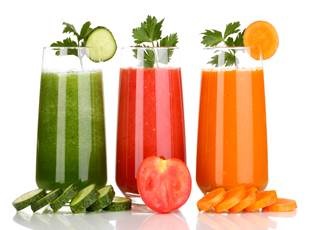
AND I will be offering fresh, raw juices delivered the day they are made! I will add these to the menu. These changes will be reflected next week and the juices will be ready for delivery in two weeks!
5 Health Benefits You Never Knew About Organic Food
Posted: March 11, 2015 Filed under: Food and it's Impact on Our Health Leave a comment

From HuffPost Taste
- Organic Food is filling- Health-conscious stores like Whole Foods or organic meal delivery services like Beyond-Paleo.com, are dedicated to ensuring the fruits and vegetables they offer are 1oo% fresh, never frozen, and free of anything that could come between your body and the nutrition.
Farm-grown, natural food, from free-range steroid-free chicken to vine-ripened tomatoes, make the difference between food that offers nutrition, and processed junk that actually can leave you unsatisfying and hungry.
- Traditional meals and processed foods have ingredients added that leave us unsatisfied, even feeling hungrier than before we ate.
- Sugar substitutes, MSG and other additives actually trigger the hunger mechanisms chemically. You are still left unsatisfied, meaning you’ll eat more. (NY Times).
- Organic foods need no preservatives
Organic foods, of course, have no processing or additives. These foods tastes better, and even the most basic food products like fruits and vegetables have natural resistance to bacteria and decay, meaning they usually have a shelf life of usually about a week. For many fruits, those additional days can actually result in the food tasting even better!What is surprising is even the savings in terms of such things as sodium. Consider fresh, organically grown free range chicken, compared to frozen chicken shipped into a mass market grocery chain. The sodium level can be hundreds of milligrams per serving for the frozen, while the organic chicken may have absolutely no additional sodium content.
And this is not even mentioning the variety of additives that affect texture, color, or consistency, such as questionable food colorings or the much-maligned protein, gluten. Organic foods may vary in such characteristics, but more than make up for the variances with more consistent food and nutritive values.
- Organic food is ‘fast’ food
The big fast food chains claim to provide hot, ready to eat foods quickly. The challenge is that for their food to remain safe over the longer periods of time, more additive and preservatives have to be included. Conventional fast food, with all those additives, actually leave you feeling bloated, uncomfortable; with the excessive levels of sodium and sugars, they’re downright unhealthy.
Even those organic meats and certain veggies that need preparation time actually deliver their nutrition into your system faster, more easily than their more processed “Fast Food” replacements. For most vegan meals, time of preparation is actually far less than other diets. Now THAT is good ‘Fast Food’!
- Organic food is precisely what our bodies were designed to eat
Our bodies are designed to digest foods that are natural, just as we ourselves are natural. By eating the foods that carry necessary nutrition, and nothing else, we allow our system to get what it needs directly from the source, not needing to break down or digest unnecessary additives or preservatives.
Many of the food additives are considered by the FTA to be “GRAS” – Generally Recognized as Safe. It isn’t particularly encouraging, but the term means they have not yet been proven a health hazard. Further, many of them were created by corporations as proprietary, and may have even been made of petroleum products or by byproducts.
Far better for you are the organic foods, not just GRAS, but completely healthful and containing the nutrition and food value you need.
- Organic food is complete
Our lives are an interaction with our environment. There are no ‘additives required’ for organic food to be useful to our bodies. Taking in the right proportion the foods your body needs means you get exactly what you need, without requiring fillers, preservatives, or flavor enhancers that processed foods require.
How do you incorporate good health in your fast-paced life? Do you change your mind before you change your diet, or vice versa? Let us know how organic foods fit into your life in the comment box below.
Organic Meals Delivered Twice a Week
Posted: March 11, 2015 Filed under: Food and it's Impact on Our Health Leave a comment- Too Busy to Cook?
- Need More Energy?
- Long for Fresh, Healthy Meals?


Beyond-Paleo will delivered meals twice a week to your home or office!! Servings are generous, all meat is grass fed/organic, veggies, spices, etc. are organic!
|
Tuesday |
|
|
Shrimp and Lime Tostadas |
16.00 |
|
Mushroom Almond Pate with Rice Crackers |
7.00 |
|
Swiss Chard with Caramelized Onions |
7.00 |
|
Chicken with Mango Barbeque Sauce |
16.00 |
|
Cauliflower “Rice” |
7.00 |
|
Thai “Pasta” with Coconut and Basil (zucchini pasta) |
7.00 |
|
Shepherd’s Pie with Grass Fed Beef |
16.00 |
|
Fresh Salad with Balsamic Viniagrette |
7.00 |
|
Roasted Eggplant and Tomato Soup with Fresh Basil |
7.00 |
|
Banana Clafouti |
5.00 |
|
Friday |
|
|
Oven “Fried” Chicken |
16.00 |
|
Fingerling Potatoes with Shallot Compote |
7.00 |
|
Spring Vegetable Ragout- a medley of asparagus, snow peas and mushrooms with lemon dressing. |
7.00 |
|
Lentil Dahl |
16.00 |
|
Cauliflower Paprikish |
7.00 |
|
Spinach Paneer |
7.00 |
|
Slash and Burn Salmon |
16.00 |
|
Swiss Green Beans- green beans, red peppers, red onions, fresh dill, black olives with vinaigrette |
7.00 |
|
Asian Sweet Potato Salad |
7.00 |
|
Raw Apple Pie with Fig-Date Crust |
5.00 |
|
Bone Stock- by the quart , specify beef or chicken |
Beef- 20.00 Chix- 15.00 |
|
Salad Dressings; Choose from Webpage |
12.95 -12 oz. |
|
Mayonnaise; Made with organic olive oil, eggs, Dijon mustard, salt, pepper and organic olive oil. |
12.95 -12 oz. |
|
Quart of Soup- New Item!! A quart of Soup. Available on Tuesdays delivery, made with my bone stocks! |
25.00 |
|
Deep Dish Breakfast Frittata– 8 servings of layered potatoes, eggs, mushrooms, red peppers, onions and dill. Vegetarian- With Bacon- With Smoked Salmon- |
40.00 45.00 48.00 |
Moderation Is NOT the Best Approach to Losing Weight
Posted: February 18, 2015 Filed under: Food and it's Impact on Our Health Leave a comment(or why skipping breakfast and eating a small salad for lunch will NEVER let you lose weight)

This is what they have to say;
A new study by nutritionists and public health experts at Harvard University showed that the conventional wisdom that the key to weight loss is just to eat less and exercise more actually isn’t very effective when it comes to weight loss. For many people, they say, what you eat matters just as much.
The moral of the story is that it’s not enough to count calories; you have to look at the kinds of calories you’re counting because your body processes them differently based on their source. The Harvard study followed 120,877 men and women of all shapes and sizes for 12 to 20 years. Every two years, they completed a survey about their diet and lifestyle, along with their weight and current health.
The results were startling: even though most of us have been taught to believe that just eating less, avoiding fatty foods, and taking everything in moderation, it’s just not enough to stay healthy. Instead, they propose, Americans should temper their diet to minimize the foods that contribute the most to weight gain, like French fries, potato chips, and sugar-sweetened drinks. They also noted that the “good foods” were the ones most people already associate as good for you: fruits, vegetables, and whole grains.
Millie- there is where I disagree; fruits, and veggies are needed in the diet, and healthy for you…but they should only be 25 to 30% of our caloric intake. Grains have no place in the human diet. I consider them “recreational” foods. Fats and high quality organic sources of proteins are the most important part of our diet..for the depth of nutrients they have.
You need 2000 calories a day; 50% of that should be from fat, 30% protein..the remainder should be low glycemic veggies and a serving of fruit.
HERE is a perfect day (and yes, for weight loss as well as how you should eat for the rest of your life!…
Ideal Day
Breakfast:– 2 or 3 whole organic, free range eggs, 2 to 3 slices organic bacon or Sausage, or a small hamburger patty, or 6 ounces of steak. Coconut Milk Yogurt, ½ cup Blueberries, Coffee or Green Tea
Lunch– 2 each chicken legs, 2 cups sautéed red cabbage and onions or Greens, Sliced tomato
Midafternoon- 1 cup beef or chicken broth
Dinner- 8 ounces grass fed beef, bison or free range chicken, cooked with 1 T. organic virgin coconut oil or butter, 2 cups kale or broccoli or other green LEAFY green vegetable with ½ cup mushrooms, peppers and onions cooked with butter, ½ Sweet Potato if desired.
Caloric Restriction Does Not Work for Weight Loss
Posted: February 18, 2015 Filed under: Food and it's Impact on Our Health Leave a comment

Caloric restriction is an absurd way to try to lose weight; the body goes into starvation mode and you severely limit the nutrients you take in. this means the body, wanting to keep you alive, hangs on to everything you feed it, trying to get the nourishment it needs.
2000 calories a day, with only 25% coming from healthy low glycemic veggies and a small amount of fruit…allows the body to lose weight, about a pound a day in fact. It’s healthy to lose a pound a day if you are meeting your nutrient needs. This means no food cravings, being completely satiated at each meal, higher energy, you sleep better, look better.
Exercise has almost no effect on weight loss; you cannot exercise enough in one day to take off a pound of fat. It does keep you in shape, alleviates depression and is crucial for cardiovascular health.
Actually, Adkins was very close to right in his approach to weight loss. He just did not understand the crucial role that fats play in health and how important it is to ONLY eat organic grass fed meat.
As a Nutritionist (and Chef) my clients lose an average of a pound a day, get rid of allergies, and achieve a very high level of health and happiness. How we nourish ourselves equals how we feel and how healthy we are. It’s cause and effect. We understand the role that using high grade fuel in our cars means a clean well running engine. We miss this detail when we think of health.
I have trouble understanding how we think it’s a mystery why Americans are fat; Americans begun eating low fat 30 years ago, most people live on carbs. The average food diary I see from my clients is 1100 to 1400 calories with almost 70% coming from carbs! That is a prescription for weight gain… We need healthy fats, most of them saturated, grass fed meats, high quality food from organic sources…and to cut the carbs!
Versatile Paleo Wraps
Posted: February 18, 2015 Filed under: Food and it's Impact on Our Health, Recipes Leave a comment
Giving up gluten 28 years ago was challenging, but not anywhere near as hard as giving up corn. At the time everyone said that corn had no gluten. However, every time I ate it the fibromyalgia symptoms came back…the tiredness, the muscle aches. So I gave it up. Shortly afterwards I began working with two families who had autistic children. Both of them were still eating corn and as soon as we removed it from their diet they improved dramatically. one three year old spoke for the first time!!
Years later I still miss tortillas and chips. I have made some that were gluten free but they were still made with grains. So when I saw this post on CupcakesOMG! I had to try them.
I’m thrilled to say they are awesome and were still good later that day and the next day. Sometimes baked goods that are gluten free are only really good fresh.
 Melissa, the owner of the blog, says, “So far, I’ve eaten these tortillas as fish tacos, breakfast tacos, lunch wraps (with like, lunch meat and shit in them), and almond butter honey roll ups–DESSERT!!!! And the thing is, there are countless more options! What about eating it like a pizza and topping it with some marinara, prosciutto, and olives? Or rolling it up with a bit of coconut whipped cream and cinnamon apples for a warm, crepe, fall-themed breakfast? And, omg, I don’t mean to get crazy here, but what IF you filled it with a little almond butter, Enjoy Life chocolate chips, and…some sliced banana?!?! I know, I know…I’m out of control right now”.
Take a look ate her wonderful blog and try these! I made them with butter instead of coconut oil. I prefer it for it’s depth of nutrients. I also added a teaspoon of toasted cumin and garlic powder.
Paleo Wraps/Tortillas
Adapted from Stupid Easy Paleo
Makes about 10 wraps
- 4 teaspoon butter, melted
- 8 eggs
- 1 cup arrowroot flour
- 4 Tablespoon coconut flour
- 1/2 teaspoon baking soda
- pinch of salt
1. Add all ingredients to a blender and blend well.
2. Heat a 6 or 8 inch iron frying pan. Add about 1/4 of a cup, maybe less, of batter to the pan and swirl until it completely coats the pan in a thin layer (you want to make these thin, like crepes, or, I dunno, tortillas!). Cook for about a minute or so or until the size start to peel away from the pan, then, using an offset spatula, flip over and cook on the other side for another minute.
3. Remove from the pan and allow to cool on a cooling rack for a few minutes.
4. Store in a covered container in the refrigerator. They keep pretty well for about a week. Reheat for 20 seconds before using.
Great Nutrition Essential for Mental Health
Posted: February 3, 2015 Filed under: Food and it's Impact on Our Health Leave a commentEvidence is rapidly growing showing vital relationships between both diet quality and potential nutritional deficiencies and mental health, a new international collaboration led by the University of Melbourne and Deakin University has revealed.
Published in The Lancet Psychiatry today, leading academics state that as with a range of medical conditions, psychiatry and public health should now recognise and embrace diet and nutrition as key determinants of mental health.
Lead author, Dr Jerome Sarris from the University of Melbourne and a member of the International Society for Nutritional Psychiatry Research (ISNPR), said psychiatry is at a critical stage, with the current medically-focused model having achieved only modest benefits in addressing the global burden of poor mental health.
“While the determinants of mental health are complex, the emerging and compelling evidence for nutrition as a key factor in the high prevalence and incidence of mental disorders suggests that nutrition is as important to psychiatry as it is to cardiology, endocrinology and gastroenterology,” Dr Sarris said.
“In the last few years, significant links have been established between nutritional quality and mental health. Scientifically rigorous studies have made important contributions to our understanding of the role of nutrition in mental health,” he said.
Findings of the review revealed that in addition to dietary improvement, evidence now supports the contention that nutrient-based prescription has the potential to assist in the management of mental disorders at the individual and population level.
Studies show that many of these nutrients have a clear link to brain health, including omega-3s, B vitamins (particularly folate and B12), choline, iron, zinc, magnesium, S-adenosyl methionine (SAMe), vitamin D, and amino acids.
“While we advocate for these to be consumed in the diet where possible, additional select prescription of these as nutraceuticals (nutrient supplements) may also be justified,” Dr Sarris said.
Associate Professor Felice Jacka, a Principal Research Fellow from Deakin University and president of the ISNPR noted that many studies have shown associations between healthy dietary patterns and a reduced prevalence of and risk for depression and suicide across cultures and age groups.
“Maternal and early-life nutrition is also emerging as a factor in mental health outcomes in children, while severe deficiencies in some essential nutrients during critical developmental periods have long been implicated in the development of both depressive and psychotic disorders,” she said.
A systematic review published in late 2014 has also confirmed a relationship between ‘unhealthy’ dietary patterns and poorer mental health in children and adolescents. Given the early age of onset for depression and anxiety, these data point to dietary improvement as a way of preventing the initial incidence of common mental disorders.
Dr Sarris, an executive member of the ISNPR, believes that it is time to advocate for a more integrative approach to psychiatry, with diet and nutrition as key elements.
“It is time for clinicians to consider diet and additional nutrients as part of the treating package to manage the enormous burden of mental ill health,” he said.
Story Source:
The above story is based on materials provided by University of Melbourne. Note: Materials may be edited for content and length.
Journal Reference:
- Jerome Sarris, PhD et al. Nutritional medicine as mainstream in psychiatry.The Lancet Psychiatry, January 2015 DOI: 10.1016/S2215-0366(14)00051-0
Cite This Page:
University of Melbourne. “Diet, nutrition essential for mental health.” ScienceDaily. ScienceDaily, 29 January 2015. <www.sciencedaily.com/releases/2015/01/150129104217.htm>.


 Meal Delivery Service by Millie Barnes