Mary Estella’s Pecan Pie
Posted: December 18, 2016 Filed under: Recipes Leave a commentI own a lot of cookbooks. But only one have I made every recipe in the book, over and over again. Mary Estella’s Natural Foods Cookbook.
I could never stand that Southern classic Pecan Pie, laden with corn syrup and horribly over sweet. I have been making this recipe for years and have it every Thanksgiving and Hanukkah. It’s also available for order on my website- Pecan Pie.
It uses no added sweetener, but is plenty sweet.

Mary Estella’s Pecan Pie
Serving Size : 8
2/3 cup apricots, dried
1 cup dates — pitted
2 cups apple juice
2 tablespoons agar or gelatin
1 1/2 tablespoons arrowroot
1/4 cup apple juice
1 1/2 teaspoons vanilla
1 1/2 cups pecans — roasted
1 Gluten free pie shell
1) Preheat oven to 350°
2) Place dates and apricots in a pan with the 2 cups apple juice. Bring to a simmer, turn to low heat and simmer 20 minutes.
3) In the food processor, grind almonds to a coarse meal. add flour and with processor still running, add oil, then begin adding water a small amount at a time until mixture is moistened.
4) Bake pie shell
5) Mix arrowroot with the remaining apple juice, stir well and add to the date mixture. Stir, bring to simmer, add vanilla, and remove from heat.
6) Put date mixture in food processor with the pecans and pulse briefly. you want the mixture still chunky
7) Pour mixture into the pie shell and chill until set..
Seven Essential Tips to Breaking up with Sugar
Posted: December 18, 2016 Filed under: Food and it's Impact on Our Health, Non-Toxic Choices Leave a comment
By now you know sugars role in growing cancers, see-Specific Sugar Molecule Causes Growth of Cancer Cells
Global recognition is building for the very real health concerns posed by large and increasing quantities of hidden sugar in our diets. This near-ubiquitous additive found in products from pasta sauces to mayonnaise has been in the headlines and in our discussions. The seemingly innocuous sweet treat raises eyebrows from community groups to policy makers – and change is in the air.
Let’s review some of the sugar-coated headers from the past 12 months:
- The global obesity epidemic continued to build while more than two-in-three Australian adults faced overweight or obesity – and almost one in four of our children.
- Science around sugary drinks further solidified, with consumption now linked to obesity, childhood obesity, heart disease, diabetes(type-2), dental caries and even lower fertility.
- Australians were estimated to consume a staggering 76 litres of sugary drinks each since January alone, and new reports highlighted that as much as 15% of the crippling health costs associated with obesity could result from sugary drinks consumption.
- Meanwhile around the planet, more countries took sound policy measures to reduce sugar consumption in their citizens. France, Belgium, Hungary, Finland, Chile, the UK, Ireland, South Africa and many parts of the United States implemented, continued or planned the implementation of pricing policies for sugary drinks.
In short, the over-consumption of sugar is now well recognised as a public health challenge everywhere. With all this in mind and a New Year ahead, it’s time to put big words into local action. With resolutions brewing, here are seven helpful tips to breaking up with sugar in 2017.
1. UNDERSTAND SUGAR
When it comes to sugar, things can get pretty confusing. Below, I shed some light on the common misunderstandings, but let’s recheck sugar itself – in simplest terms.
Sugar is a type of refined carbohydrate and a source of calories in our diet. Our body uses sugar and other sources of calories as energy, and any sugar that is not used is eventually stored as fat in our liver or on our bellies.
“Free sugars” are those added to products or concentrated in the products – either by us or by the manufacturer. They don’t include sugars in whole fruits and vegetables, but more on that later. For a range of health reasons, the World Health Organization recommends we get just 5% of our daily calories from free sugars. For a fully grown man or woman, this equates to a recommended limit to sugar consumption of roughly 25 grams – or 6 teaspoons. For women, it’s a little less again.
Consume more than this, and our risk of health problems rises.
2. QUIT SOFT DRINKS
With 16 teaspoons of sugar in a single bottle serving – that’s more than 64 grams – there’s nothing “soft” about soft drinks. Including all carbonated drinks, flavoured milks and energy drinks with any added sugars, as well as fruit drinks and juices, sugary drinks are a great place to focus your efforts for a healthier 2017. Sugary drinks provide no nutritional value to our diets and yet are a major source of calories.
What’s more concerning, evidence suggests that when we drink calories in the form of sugary drinks, our brains don’t recognise these calories in the same way as with foods. They don’t make us feel “full” and could even make us hungrier – so we end up eating (and drinking) more. In this way, liquid calories can be seen as even more troubling than other forms of junk foods. Combine this with studies that suggest the pleasure (and sugar spike) provided by sugary drinks may make them hard to give up – and it’s not difficult to see why many of us are drinking higher amounts, more often and in larger servings. This also makes cutting down harder.
The outcome is that anything up to one-seventh of the entire public cost of obesity in Australia could now result from sugary drinks. In other words, cut out the sugary drinks and you’ll be doing your own health a favour – and the health of our federal and state budgets.
3. EAT FRUIT, NOT JUICE
When it’s wrapped in a peel or a skin, fruit sugars are not a challenge to our health. In fact, the sugars in fruit are nature’s way of encouraging us to eat the fruit to begin with. Fruits like oranges, apples and pears contain important fibres. The “roughage” in our foods, this fibre is healthy in many ways but there are three in particular I will focus on. First, it slows our eating down; it is easy to drink a glass of juice squeezed from 7 apples, but much harder to eat those seven pieces whole. Second, it makes us feel full or satiated. And third, it slows the release of the sugars contained in fruit into our blood streams, thus allowing our bodies to react and use the energy appropriately, reducing our chances of weight gain and possibly even diabetes.
Juice, on the other hand, involves the removal of most of those fibres and even the loss of some of the important vitamins. What we don’t lose though, is the 21 grams or more than five teaspoons of sugar in each glass.
In short, eat fruit as a snack with confidence. But enjoy whole fruit, not juice.
4. SUGAR BY ANY OTHER NAME
High-fructose corn syrup, invert sugar, malt sugar and molasses – they all mean one thing: sugar.
As the public awakens to the health challenges posed by sugar, the industry turns to new ways to confuse consumers and make ‘breaking up’ more difficult. One such way is to use the many alternative names for sugar – instead of the ‘s’ word itself. Be on the lookout for:
Evaporated cane juice, golden syrup, malt syrup, sucrose, fruit juice concentrate, dextrose and more…
5. EAT WHOLE FOODS WHERE POSSIBLE
Tomato sauce, mayonnaise, salad dressings, gravies, taco sauces, savoury biscuits and breakfast cereals – these are just some of the many foods now often packed with hidden, added sugars.
A study found that 74% of packaged foods in an average American supermarket contain added sugars – and there is little evidence to suggest Australia would be dramatically different. Added to food to make it more enjoyable, and moreish, the next tip when avoiding such a ubiquitous additive is to eat whole foods.
It’s hard to hide sugar in plain flour, or a tomato, or frozen peas. Buying and cooking with mostly whole foods – not products – is a great way to ensure you and your family are not consuming added sugars unaware.
6. SEE BEYOND (UN)HEALTHY CLAIMS
Words like “wholesome”, “natural” and “healthy” are clad on many of our favourite ingredients. Sadly, they don’t mean much.
Even products that are full of sugar, like breakfast cereals and energy bars, often carry claims that aim to confuse and seduce us into purchase. Be wary – and be sure to turn the package over and read the ingredients and nutrition labelling where possible (and if time permits).
7. BE OKAY WITH SOMETIMES
The final but crucial message in all of this is that eating or drinking sugar is not a sin. Sugar is still a part of our lives and something to enjoy in moderation. The occasional piece of cake, or late night chocolate – despite the popular narrative painted by industry to undermine efforts for true pricing on sugar – these occasional sweet treats are not the driving challenge for obesity. The problem is that sugary drinks, and sugar in our foods, have become every day occurrences.
With this in mind, let’s not demonise sugar but instead let’s see it for what it is. Enjoy some juice or bubbles from time to time but make water the default on an everyday basis. With the average can of cola containing 39 grams or 9 teaspoons of sugar, be OK with sometimes.
BITTER TRUTH
Let’s be honest, most countries now face serious health challenges from obesity. Even more concerning, so do our kids. While no single mission will be the panacea to a complex problem, using 2017 to set a new healthy goal of giving sugar the kick would be a great start.
Understand sugar, be aware of it, minimise it and see it for what it is – a special treat for a rare occasion.
This New Year’s, make breaking up with sugar your planned resolution.
“Hey sugar – it’s not me, it’s you…”
Red cabbage microgreens lower ‘bad’ cholesterol in animal study
Posted: December 18, 2016 Filed under: Food and it's Impact on Our Health, In The Kitchen with Millie- How To's | Tags: #BeyondPaleo, #microgreens Leave a comment
I began growing micro-greens this year. They are 10 times a nutritious as sprouts and very easy to grow. See Using Microgreens in Your Diet.
December 14, 2016
American Chemical Society
Microgreens are sprouting up everywhere from upscale restaurants to home gardens. They help spruce up old recipes with intense flavors and colors, and are packed with nutrients. Now testing has shown that for mice on a high-fat diet, red cabbage microgreens helped lower their risk factors for developing cardiovascular disease and reduce their weight gain.
Microgreens are sprouting up everywhere from upscale restaurants to home gardens. They help spruce up old recipes with intense flavors and colors, and are packed with nutrients. Now testing has shown that for mice on a high-fat diet, red cabbage microgreens helped lower their risk factors for developing cardiovascular disease and reduce their weight gain. The report appears in ACS’ Journal of Agricultural and Food Chemistry.
Microgreens are tender, immature plants and herbs that take only a week or two to grow before they’re ready for harvesting. A growing body of research suggests that microgreens could offer more health benefits than their mature counterparts. And since previous studies have shown that full-grown red cabbage can help guard against excessive cholesterol, Thomas T.Y. Wang and colleagues wanted to see if red cabbage microgreens might have a similar or even greater effect than their larger counterparts.
To test their hypothesis, the researchers used mice that were a model for obesity. These animals also tend to develop high cholesterol and other risk factors for cardiovascular disease. The team divided 60 of these mice into different diet groups. They received food low in fat or high in fat, and with or without either red cabbage microgreens or mature red cabbage. Both the microgreens and mature cabbage diets reduced weight gain and levels of liver cholesterol in the mice on high-fat diets. But the study also showed that microgreens contained more potentially cholesterol-lowering polyphenols and glucosinolates than mature cabbage. The baby plants also helped lower LDL, or “bad,” cholesterol and liver triglyceride levels in the animals.
Story Source:
Materials provided by American Chemical Society
6 Anti Inflammatory Powerhouse Foods
Posted: December 17, 2016 Filed under: Food and it's Impact on Our Health Leave a commentCLEAN EATING CAN PUT OUT THE FIRE THAT’S MAKING YOU SICK

Photograph by Shutterstock
Adapted from Eat Clean, Stay Lean
Chronic inflammation has been associated with an increased risk of arthritis, diabetes, heart disease, high blood pressure, osteoporosis, and cancer. Sure, some inflammation is good—like the acute kind is a form of self-protection, your body’s immune response to a cut or pathogens entering the body. Chronic inflammation, however, means that your body is constantly producing immune cells, which can damage the body. This harmful inflammation is a result of never-ending stress, being overweight, or a diet high in things like sugar, trans fats, and various toxins.
But while the wrong diet promotes excessive inflammation, a diet rich in clean foods can help reduce it and its harmful effects on your body. The following foods in particular are anti-inflammatory powerhouses:
COLD WATER FISH
Salmon, black cod, sardines, and anchovies are full of anti-inflammatory omega-3 fatty acids. Salmon is a particularly good choice—its rosy pink color comes from carotenoids, which also have anti-inflammatory properties.
SPICES AND HERBS
Herbs and spices like basil, rosemary, thyme, oregano, turmeric, peppercorns, ginger, and cinnamon are loaded with all sorts of antioxidants that have even been found to reduce pro-inflammatory compounds that build up on meat during grilling. And ginger and turmeric, in particular, have been linked to joint pain relief. Add them to marinades, dressings, spice rubs, and teas for a dose of health and flavor.
SWEET POTATOES
Sweet potatoes are high in vitamins C and E and the carotenoids alpha- and beta-carotene, all of which reduce inflammation and promote healthy, vibrant skin.
More: Top 10 Anti-Aging Superfoods Your Skin Needs
TEA
Green, black, and white teas contain free radical-fighting catechins, which have recently been associated with reduced muscle inflammation and a speedier recovery after exercise.
WALNUTS
Walnuts contain alpha-linolenic acid—an omega-3 fatty acid that reduces inflammation and is associated with a reduced risk of heart disease and
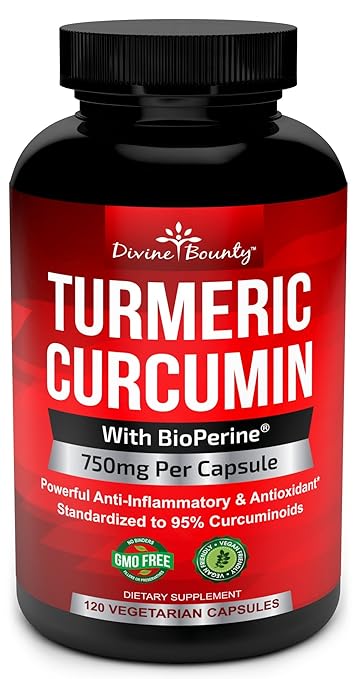
AND- the mother of all anti-inflammatories- TURMERIC. Better yet, for amazing pain and inflammation use Curcumin- the extract in turmeric that is so powerful. I use this one Turmeric Curcumin with BioPerine Black Pepper Extract – 750mg per Capsule, 120 Veg. Capsules
Why Soup Might Be the Answer to Your Weight-Loss Prayers
Posted: December 17, 2016 Filed under: Food and it's Impact on Our Health, Recipes Leave a commentMany of my clients are shocked at just how well the simple strategy of eating soup before or as a meal works. Even if you’re not concerned about losing that much weight, this trick can also be a successful way to get a LOT more nutrition each day. . Plus, including soup in your diet is an easy way to add more veggies and antioxidant rich seasonings…not to mention when you use bone stocks for liquid (and consume soup twice a day) you will help meet your needs for calcium. Remember there is NO WAY to meet your needs for calcium daily without bone stocks! You can buy bone stocks to use occasionally, but they will not have the depth of iron and calcium that homemade, traditionally made stocks will.
That said, if you’re looking to shape up, not all soups are created equal. To find the healthiest pre-made options, buy organic, make sure that the ingredients are clean. I use boxed butternut squash soup blended with some of the soup solids to cream my soups.
Below is a my great vegetable soup. Go here for article on making Stock- Traditional Beef Stock
Basic Healing Soup

Recipe By: Millie
Serving Size : 4
1 quart beef or chicken stock
1 large onion — diced
1 tablespoon ghee
5 large carrot — sliced
5 stalks celery — sliced
4 medium tomato — diced
5 cloves garlic — minced
1/2 pound mushrooms — sliced
10 whole red potatoes — diced
2 cups zucchini squash — diced large
Salt and pepper
2 each bay leaf
1 tablespoon tarragon
1 teaspoon dried basil
6 cups kale
1 cup fresh basil
4 cups butternut squash – steamed (or use boxed organic butternut squash soup)
I make this in big batches and freeze in 12 ounce portions.
1) Sauté onions in butter, add seasonings and stock and simmer with all ingredients, except butternut squash and fresh basil, until veggies are soft.
2) Take part of soup and place it in blender, blend with the butternut squash to thicken soup.
3) Add fresh basil after soup has been heated.
Case Study Chronicles First Brain Bleed Tied to Energy Drinks
Posted: December 16, 2016 Filed under: Food and it's Impact on Our Health Leave a comment
Investigators at the University of Alabama at Birmingham have presented the first case study of a patient experiencing a hemorrhagic stroke — a brain bleed — following consumption of an energy drink.
In an article in press in the American Journal of Emergency Medicine, the UAB physicians detail the case of a 57-year-old man who developed an intracranial hemorrhage within 15 minutes of drinking a popular energy drink.
The patient presented at a local emergency department and was transferred to the stroke unit at UAB with symptoms of sensory changes (tingling and numbness) in the right arm and leg, along with ataxia (shaky gait and movement). A CT scan revealed a small hemorrhage near the left thalamus.
“The man reported that his symptoms began about 15 minutes after drinking an energy drink, the first time he had consumed this particular product, as he was about to do yard work,” said Anand Venkatraman, M.D., a fourth-year resident in the Department of Neurology at UAB and the lead author of the study.
Venkatraman says the drink contains a high level of caffeine, along with a variety of other ingredients, many of which are associated with increases in blood pressure.
“This particular drink contains several supplements for which we have little understanding of their potential interactions with each other or with caffeine,” Venkatraman said. “One is structurally similar to amphetamines, and several are known to stimulate the sympathetic nervous system.”
The sympathetic nervous system regulates what is known as the “flight or fight” response. When faced with an urgent, potentially dangerous situation, the body gears up to either take extraordinary action (fight) or run away (flight).
“The body begins to marshal all of its resources to respond to the situation at hand — boosting strength and alertness, for example — in part by raising blood pressure to increase blood flow,” Venkatraman said. “For a patient who may be at risk for vascular disease, this increase in blood pressure could be potentially dangerous, as a rise in blood pressure can affect an already weakened blood vessel to the point that it ruptures.”
Ingredients in the drinks that are suspected to influence the sympathetic nervous system include β-phenylethylamine hydrochloride, yohimbine and green tea extract.
“These ingredients are supplements and, as such, are not regulated by the government to the same degree that medications are,” Venkatraman said. “We don’t have good information on dosing for some of these supplements. We don’t know how much is too much, for example, especially in populations with varying degrees of risk.”
Another issue is serving size. The manufacturer’s label says the bottle contains two servings, but the patient reported that he drank the full 8 oz. bottle at one time, a behavior that Venkatraman believes is common.
“The warning here is that we do not fully understand how some of these ingredients interact with other compounds,” Venkatraman said. “Nor do we have enough information on maximum dosages, especially for individuals with underlying health issues. Consumers need to be aware of the ingredients in the drinks if they choose to use them, and check with their physician if they have questions. They should also follow the manufacturer’s recommendations.”
In this case, the patient had a history of elevated blood pressure and was at increased risk for vascular disease. Several months after the incident, the patient reported that he still had some residual effects from the incident.
“I am not anti-energy drink,” Venkatraman said. “In fact, I use them myself on occasion. But I strongly urge consumers to read the label and be informed. Don’t take unnecessary risks with your health. There is potential for a serious outcome.”
Story Source:
Materials provided by University of Alabama at Birmingham. Original written by Bob Shepard. Note: Content may be edited for style and length.
Journal Reference:
- A. Venkatraman, A. Khawaja, A.H. Shapshak. Hemorrhagic stroke after consumption of an energy drink. The American Journal of Emergency Medicine, 2016; DOI: 10.1016/j.ajem.2016.10.022
Molten Lava Cakes- Gluten Free
Posted: December 10, 2016 Filed under: Recipes Leave a comment
Serving Size : 16
1 cup butter
2 2/3 cups sugar
16 ounces dark chocolate
8 large egg
8 egg yolk
1/4 teaspoon salt
1 1/3 cups rice flour
butter — for coating ramekins
sugar — for coating ramekins
1) Preheat over to 400.
2) Cover ramekins with butter and dust with sugar. (If you don’t have ramekins, I’ve also made these in a silicone muffin tray.
3) Melt the chocolate and butter.
4) Whisk together the eggs, sugar and salt.
5) Mix these all the above mentioned together.
6) Add the flour, whisk till combined (do not over-whisk).
7) Bake at 10-12 minutes until a tooth pick inserted 1/2 inch from the side of the ramekin comes out clean.
8) Take out of oven and let sit for 10 more minutes.
Aspartame May Prevent, Not Promote, Weight Loss by Blocking Intestinal Enzyme’s Activity
Posted: December 9, 2016 Filed under: Food and it's Impact on Our Health, Non-Toxic Choices Leave a comment
A team of Massachusetts General Hospital (MGH) investigators has found a possible mechanism explaining why use of the sugar substitute aspartame might not promote weight loss. In their report published online in Applied Physiology, Nutrition and Metabolism, the researchers show how the aspartame breakdown product phenylalanine interferes with the action of an enzyme previously shown to prevent metabolic syndrome — a group of symptoms associated with type 2 diabetes and cardiovascular disease. They also showed that mice receiving aspartame in their drinking water gained more weight and developed other symptoms of metabolic syndrome than animals fed similar diets lacking aspartame.
“Sugar substitutes like aspartame are designed to promote weight loss and decrease the incidence of metabolic syndrome, but a number of clinical and epidemiologic studies have suggested that these products don’t work very well and may actually make things worse,” says Richard Hodin, MD, of the MGH Department of Surgery, the study’s senior author. “We found that aspartame blocks a gut enzyme called intestinal alkaline phosphatase (IAP) that we previously showed can prevent obesity, diabetes and metabolic syndrome; so we think that aspartame might not work because, even as it is substituting for sugar, it blocks the beneficial aspects of IAP.”
In a 2013 study published in Proceedings of the National Academy of Sciences, Hodin’s team found that feeding IAP to mice kept on a high-fat diet could prevent the development of metabolic syndrome and reduce symptoms in animals that already had the condition. Phenylalanine is known to inhibit the action of IAP, and the fact that phenylalanine is produced when aspartame is digested led the researchers to investigate whether its inhibitory properties could explain aspartame’s lack of a weight-loss effect.
In a series of experiments the team first found that the activity of IAP was reduced when the enzyme was added to a solution containing an aspartame-sweetened soft drink but remained unchanged if added to a solution with a sugar-sweetened beverage. IAP is primarily produced in the small intestine, and the researchers found that injecting an aspartame solution into segments of the small intestines of mice significantly reduced the enzyme’s activity. In contrast, IAP activity remained unchanged in bowel segments injected with a saline solution.
To better represent the effects of consuming beverages or other products containing aspartame, the researchers followed four groups of mice for 18 weeks. Two groups were fed a normal diet, one receiving drinking water with aspartame, the other receiving plain water. The other two groups were fed a high-fat diet, along with either aspartame-infused or plain water. Animals in the normal diet group that received aspartame consumed an amount equivalent to an adult human’s drinking about three and a half cans of diet soda daily, and aspartame-receiving animals in the high-fat group consumed the equivalent of almost two cans.
At the end of the study period, while there was little difference between the weights of the two groups fed a normal diet, mice on a high-fat diet that received aspartame gained more weight than did those on the same diet that received plain water. Aspartame-receiving mice in both diet groups had higher blood sugar levels than did those fed the same diets without aspartame, which indicates glucose intolerance, and both aspartame-receiving groups had higher levels of the inflammatory protein TNF-alpha in their blood, which suggests the kind of systemic inflammation associated with metabolic syndrome.
“People do not really understand why these artificial sweeteners don’t work. There has been some evidence that they actually can make you more hungry and may be associated with increased calorie consumption. Our findings regarding aspartame’s inhibition of IAP may help explain why the use of aspartame is counterproductive,” says Hodin, who is a professor of Surgery at Harvard Medical School. “While we can’t rule out other contributing mechanisms, our experiments clearly show that aspartame blocks IAP activity, independent of other effects.”
Story Source:
High-fiber Diet Keeps Gut Microbes from Eating the Colon’s lining, Protects Against Infection
Posted: December 9, 2016 Filed under: Food and it's Impact on Our Health Leave a commentThis DOES NOT mean a diet high in barn muffins o9r cereals. You need fiber from fruits and vegetables!

November 17, 2016
University of Michigan Health System
When microbes inside the digestive system don’t get the natural fiber that they rely on for food, they begin to munch on the natural layer of mucus that lines the gut, eroding it to the point where dangerous invading bacteria can infect the colon wall, new research in mice shows.
When mice were raised germ-free, then given a transplant of human gut microbes, the impact of fiber on their colons could be seen. Mice fed a high-fiber diet maintained a thick mucus layer along the lining of their colons, while those that received a fiber-free diet saw the mucus layer grow thinner as bacteria capable of digesting mucus proliferated. The thin layer allowed a pathogen bacteria access to the cells of the colon wall.
It sounds like the plot of a 1950s science fiction movie: normal, helpful bacteria that begin to eat their host from within, because they don’t get what they want.
But new research shows that’s exactly what happens when microbes inside the digestive system don’t get the natural fiber that they rely on for food.
Starved, they begin to munch on the natural layer of mucus that lines the gut, eroding it to the point where dangerous invading bacteria can infect the colon wall.
In a new paper in Cell, an international team of researchers show the impact of fiber deprivation on the guts of specially raised mice. The mice were born and raised with no gut microbes of their own, then received a transplant of 14 bacteria that normally grow in the human gut. Scientists know the full genetic signature of each one, making it possible to track their activity over time.
The findings have implications for understanding not only the role of fiber in a normal diet, but also the potential of using fiber to counter the effects of digestive tract disorders.
“The lesson we’re learning from studying the interaction of fiber, gut microbes and the intestinal barrier system is that if you don’t feed them, they can eat you,” says Eric Martens, Ph.D., an associate professor of microbiology at the University of Michigan Medical School who led the research along with his former postdoctoral fellow Mahesh Desai, Ph.D., now at the Luxembourg Institute of Health.
Using U-M’s special gnotobiotic, or germ-free, mouse facility, and advanced genetic techniques that allowed them to determine which bacteria were present and active under different conditions, they studied the impact of diets with different fiber content — and those with no fiber. They also infected some of the mice with a bacterial strain that does to mice what certain strains of Escherichia coli can do to humans — cause gut infections that lead to irritation, inflammation, diarrhea and more.
The result: the mucus layer stayed thick, and the infection didn’t take full hold, in mice that received a diet that was about 15 percent fiber from minimally processed grains and plants. But when the researchers substituted a diet with no fiber in it, even for a few days, some of the microbes in their guts began to munch on the mucus.
They also tried a diet that was rich in prebiotic fiber — purified forms of soluble fiber similar to what some processed foods and supplements currently contain. This diet resulted in the same erosion of the mucus layer as observed in the lack of fiber.
The researchers also saw that the mix of bacteria changed depending on what the mice were being fed, even day by day. Some species of bacteria in the transplanted microbiome were more common — meaning they had reproduced more — in low-fiber conditions, others in high-fiber conditions.
And the four bacteria strains that flourished most in low-fiber and no-fiber conditions were the only ones that make enzymes that are capable of breaking down the long molecules called glycoproteins that make up the mucus layer.
In addition to looking at the of bacteria based on genetic information, the researchers could see which fiber-digesting enzymes the bacteria were making. They detected more than 1,600 different enzymes capable of degrading carbohydrates — similar to the complexity in the normal human gut.
Just like the mix of bacteria, the mix of enzymes changed depending on what the mice were being fed, with even occasional fiber deprivation leading to more production of mucus-degrading enzymes.
Images of the mucus layer, and the “goblet” cells of the colon wall that produce the mucus constantly, showed the layer was thinner the less fiber the mice received. While mucus is constantly being produced and degraded in a normal gut, the change in bacteria activity under the lowest-fiber conditions meant that the pace of eating was faster than the pace of production — almost like an overzealous harvesting of trees outpacing the planting of new ones.
When the researchers infected the mice with Citrobacter rodentium — the E. coli-like bacteria — they observed that these dangerous bacteria flourished more in the guts of mice fed a fiber-free diet. Many of those mice began to show signs of illness and lost weight.
When the scientists looked at samples of their gut tissue, they saw not only a much thinner or even patchy mucus later — they also saw inflammation across a wide area. Mice that had received a fiber-rich diet before being infected also had some inflammation but across a much smaller area.
Martens notes that in addition to the gnotobiotic facility, the research was possible because of the microbe DNA and RNA sequencing capability built up through the Medical School’s Host Microbiome Initiative, as well as the computing capability to plow through all the sequence data.
“Having all the resources here was the key to making this work, and the fact that it was all across the street from our lab allowed us to pin it all together,” he says. He also notes the role of U-M colleagues led by Gabriel Nunez and Nobuhiko Kamada in providing the C. rodentium pathogen model, and of French collaborators from the Aix-Marseille Université in studying the enzymes in the mouse gut.
Going forward, Martens and Desai intend to look at the impact of different prebiotic fiber mixes, and of diets with more intermittent natural fiber content over a longer period. They also want to look for biomarkers that could tell them about the status of the mucus layer in human guts — such as the abundance of mucus-digesting bacteria strains, and the effect of low fiber on chronic disease such as inflammatory bowel disease.
“While this work was in mice, the take-home message from this work for humans amplifies everything that doctors and nutritionists have been telling us for decades: Eat a lot of fiber from diverse natural sources,” says Martens. “Your diet directly influences your microbiota, and from there it may influence the status of your gut’s mucus layer and tendency toward disease. But it’s an open question of whether we can cure our cultural lack of fiber with something more purified and easy to ingest than a lot of broccoli.”
Story Source:
Materials provided by University of Michigan Health System. Note: Content may be edited for style and length.
Eating a Handful of Nuts Each Day Could Help You Live Longer
Posted: December 7, 2016 Filed under: Food and it's Impact on Our Health Leave a comment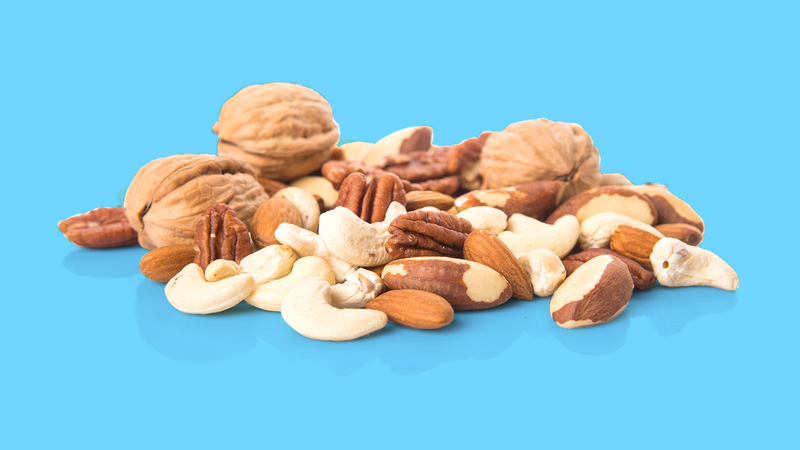
From Gizmodo
A sweeping analysis of current research shows that people who eat at least 20 grams of nuts each day are less likely to develop potentially fatal conditions such as cancer and heart disease.
New research published in BMC Medicine is highlighting the impressive health benefits from the regular consumption of nuts such as pecans, hazel nuts, walnuts, and even peanuts (which are technically legumes). Eating just 20 grams of nuts each day was linked to a 30 percent reduction in coronary heart disease, a 15 percent reduction in cancer, and a 22 percent reduction in premature death. Nut consumption was also associated with a reduced risk of dying from respiratory disease and diabetes, although these correlations were weaker and involved smaller sample sizes.
Those are impressive numbers by any measure. Previous research managed to link nut consumption with a reduced risk of heart disease and “all cause mortality,” i.e. literally any cause of death, but potential associations with more unusual causes of death had not been thoroughly studied.
To address this oversight, a research team from Imperial College London and the Norwegian University of Science and Technology pooled together 29 published studies from around the world to conduct the most exhaustive analysis of current research on nut consumption and its associated health benefits to date.
Collectively, these studies involved upwards of 819,000 participants, and included more than 12,000 cases of coronary heart disease, 9,000 cases of stroke, 18,000 cases of cardiovascular disease and cancer, and more than 85,000 deaths. Differences between the populations were studied (e.g. differences between men and women, or people with different risk factors), but even accounting for these factors, researchers consistently found that nut consumption could be linked to a reduction in disease.
“It’s quite a substantial effect for such a small amount of food.”
“We found a consistent reduction in risk across many different diseases, which is a strong indication that there is a real underlying relationship between nut consumption and different health outcomes,” noted study co-author Dagfinn Aune from Imperial College London in a statement. “It’s quite a substantial effect for such a small amount of food.”
It’s important to point out that correlation is not causation; this study didn’t look into the physiological mechanisms that may account for the dramatic reduction in disease risk. It’s possible, for example, that nut consumption is tied to other types of healthy eating habits (e.g. people who consume nuts may be health-oriented types who eat lots of vegetables and fruits, too).
That said, the nutritional value of nuts is hardly a secret. Nuts contain high amounts of fiber, magnesium, and polyunsaturated fats—nutrients that play a key role in cutting cardiovascular risk and reducing cholesterol levels.
“Some nuts, particularly walnuts and pecan nuts are also high in antioxidants, which can fight oxidative stress and possibly reduce cancer risk,” added Aune. “Even though nuts are quite high in fat, they are also high in fiber and protein, and there is some evidence that suggests nuts might actually reduce your risk of obesity over time.”
Sadly, the researchers weren’t able to conclude whether peanut butter offers the same health benefits, but say it’s “possible that the added sugar or salt in peanut butter could counteract any beneficial effects of plain peanuts.” Which brings up a good point: excessive amounts of salt on your nuts may negate some of these health benefits. Also, the researchers found that eating more than 20 grams of nuts each day didn’t improve health outcomes any further, so no need to start binging on nuts.


 Meal Delivery Service by Millie Barnes