The strange effects of thinking healthy food is costlier
Posted: December 23, 2016 Filed under: Food and it's Impact on Our Health Leave a commentAnother point is that you save a LOT of money on medical care by eating healthier, not to mention better brain function, weigh control and higher energy!

Consumers believe healthy food must be more expensive than cheap eats and that higher-priced food is healthier — even when there is no supporting evidence, according to new research.
The results mean not only that marketers can charge more for products that are touted as healthy, but that consumers may not believe that a product is healthy if it doesn’t cost more, researchers say.
And this belief in the health power of expensive foods may lead people to some other surprising conclusions.
For example, people in one study thought eye health was a more important issue for them when they were told about an expensive but unfamiliar food ingredient that would protect their vision. If the same ingredient was relatively cheap, people didn’t think the issue it treated — eye health — was as important.
“It’s concerning. The findings suggest that price of food alone can impact our perceptions of what is healthy and even what health issues we should be concerned about,” said Rebecca Reczek, co-author of the study and professor of marketing at The Ohio State University’s Fisher College of Business.
Reczek conducted the study with Kelly Haws of Vanderbilt University and Kevin Sample of the University of Georgia. Their results appear online in the Journal of Consumer Research.
Reczek said she and her colleagues conducted the study to examine the lay theory that we have to pay more to eat healthfully. Lay theories are the common-sense explanations people use to understand the world around them, whether they are true or not.
Messages consistent with the healthy = expensive lay theory are all around us, she said. One example is the “Whole Paycheck” nickname people have given to Whole Foods, which touts itself as “America’s Healthiest Grocery Store.”
There are certainly categories of food where healthy is more expensive, such as some organic and gluten-free products, Reczek said. But it is not necessarily true all the time. Still, this research wasn’t meant to investigate the true relationship between healthy foods and price — just people’s perceptions of that relationship.
The researchers conducted five related studies, all with different participants. In one, participants were given information on what they were told was a new product called “granola bites,” which was given a health grade of either A- or C. They were then asked to rate how expensive the product would be. Participants who were told the health grade was A- thought the granola bites would be more expensive than did those who were told the grade was C.
In a second study, the researchers found that the healthy = expensive belief operates in both directions. In this study, participants rated a breakfast cracker that they were told was more expensive as healthier than an identical cracker that cost less.
But could this lay belief influence how people act? In the next experiment, a different group of people was asked to imagine that a co-worker had asked them to order lunch for them. Half the people were told the co-worker wanted a healthy lunch, while the others weren’t give any instructions.
On a computer screen, participants were given their choice of two different chicken wraps to choose for their co-worker, one called the Chicken Balsamic Wrap and the other called the Roasted Chicken Wrap. The ingredients were listed for both.
The key was that for some participants the Chicken Balsamic Wrap was listed as more expensive, and for others the Roasted Chicken Wrap cost more.
Results showed that when participants were asked to pick the healthiest option, they were much more likely to choose the more expensive chicken wrap — regardless of which one it was.
“People don’t just believe that healthy means more expensive — they’re making choices based on that belief,” Reczek said.
It was the results of the next study that most intrigued Reczek.
In this experiment, participants were told to imagine they were at a grocery store to buy trail mix and they were presented with four options, all at different price points. The option that the researchers were interested in was called the “Perfect Vision Mix.” Some participants saw the mix touted as “Rich in Vitamin A for eye health.” Others saw the line “Rich in DHA for eye health.”
While both Vitamin A and DHA (docosahexaenoic acid) are indeed good for eye health, the researchers had previously determined that few people are familiar with DHA.
Some participants saw the trail mix listed at an average price, while others saw it listed at a premium price above the other three trail mixes.
Participants were then asked about their perceptions of the key ingredient in the trail mix, either Vitamin A or DHA.
When the ingredient was Vitamin A, people thought it was equally important in a healthy diet, regardless of the price. But if the ingredient was DHA, participants thought it was a more important part of a healthy diet if it was in the expensive trail mix than when it was in the average-priced mix.
“People are familiar with Vitamin A, so they feel they can judge its value without any price cues,” Reczek said.
“But people don’t know much about DHA, so they go back to the lay theory that expensive must be healthier.”
But the healthy = expensive theory had an even more surprising effect. When participants were told DHA helped prevent macular degeneration, people thought this was a more important health issue when the trail mix with DHA was more expensive. When the DHA product was an average price, they were less concerned about macular degeneration.
This effect was not seen with people who were told the trail mix had Vitamin A — again, probably because it was more familiar to the participants, Reczek said.
In the final study, participants were asked to evaluate a new product that would have the brand slogan “Healthiest Protein Bar on the Planet.” They were told this bar would compete against other products that averaged $2 per bar.
Some participants were told this new bar would be $0.99, while others were told it would be $4.
They were then given the opportunity to read reviews of the bar before they offered their own evaluation.
Findings showed the participants read significantly more reviews when they were told the bar would cost only $0.99 than when it cost $4.
“People just couldn’t believe that the ‘healthiest protein bar on the planet’ would cost less than the average bar,” Reczek said. “They had to read more to convince themselves this was true. They were much more willing to accept that the healthy bar would cost twice as much as average.”
While these results may be concerning for consumers, Reczek said there is a remedy.
“We need to be aware of our expensive-equals-healthy bias and look to overcome it by searching out objective evidence,” Reczek said.
“It makes it easier for us when we’re shopping to use this lay theory, and just assume we’re getting something healthier when we pay more. But we don’t have to be led astray. We can compare nutrition labels and we can do research before we go to the grocery store. We can use facts rather than our intuition.”
Story Source:
Materials provided by Ohio State University. Original written by Jeff Grabmeier. Note: Content may be edited for style and length.
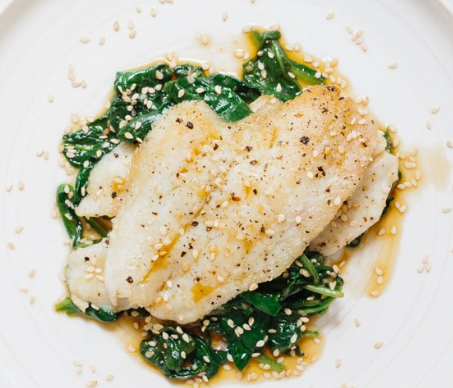
Seared Flounder with Sesame Spinach
Posted: December 22, 2016 Filed under: In The Kitchen with Millie- How To's, Recipes Leave a commentA quick, but elegant, dinner. The fish is delightfully crunchy, and the sesame really brightens up the spinach. Sesame seeds give depth of flavor and add calcium. Sesame seeds are one of the best sources of calcium. I sprinkle a light topping of Goma Ae, a wonderful sesame seeds condiment (recipe below).
Serving Size : 4
2 teaspoons butter
4 whole garlic clove — finely chopped
4 teaspoons finely grated peeled ginger
4 bunches flat-leaf spinach — trimmed, coarsely chopped
4 Tablespoons toasted sesame oil
4 Tablespoons unseasoned rice vinegar
8 teaspoons Bragg’s amino acids or (better) Coco9nut Aminos
4 teaspoons toasted sesame seeds
Kosher salt
2 pounds flounder fillets
1 cup rice flour
1) Heat 1 Tbsp. butter in a large skillet over medium-high heat. Add garlic and ginger and cook, stirring constantly, until fragrant, about 2 minutes.
2) Add spinach and sesame oil and toss to coat. Cook, tossing occasionally, until spinach is wilted, about 5 minutes.
3) Add vinegar, soy sauce, and sesame seeds; season with salt and pepper and gently toss to combine. Set aside.
4) Heat remaining 1 Tbsp. sesame oil in another large skillet over medium-high heat. Season fish with salt and pepper and dredge in flour ,cook until golden brown and cooked through, about 3 minutes per side. Serve flounder with spinach.
Goma Ae Condiment Recipe;
Sesame seeds add a nutty taste and a delicate crunch any greens dish, but is also great on fish.
Toast the sesame seeds in a frying pan just for a few minutes (no oil needed). This simple step brings out the wonderful aroma of sesame seeds and toasty flavors.
Once the sesame seeds are nicely toasted, grind them in a Japanese mortar and pestle. You will be immediately surrounded by the fragrant roasted sesame smell! You can use a food processor but buzz in bursts and be very careful to not over process, you’ll have tahini! Then add coarse salt to taste. I use 2 cups of sesame seeds with about 1 1/2 Tablespoons of salt. Start slow and add, tasting.
Japanese grocery stores sell convenient crushed/ground sesame seeds in packaged, but the fragrance and flavors won’t be the same.
I use my Suribachi to grind the seeds. It’s great for making Thai chili pastes from scratch also!
Spicy Molecule Inhibits Growth of Breast Cancer Cells
Posted: December 22, 2016 Filed under: Food and it's Impact on Our Health, Non-Toxic Choices Leave a comment
Millie– Cancer can be treated with Cayenne, topically it will kill skin cancer, but there are more gentle, effective and less painful ways to do it.
Capsaicin, an active ingredient of pungent substances such as chili or pepper, inhibits the growth of breast cancer cells. This was reported by a team headed by the Bochum-based scent researcher Prof Dr. Habil Hanns Hatt and Dr. Lea Weber, following experiments in cultivated tumour cells. In the journal “Breast Cancer – Targets and Therapy“, the researchers from Ruhr-Universidad Bochum presented their findings together with colleagues from the Augusta clinics in Bochum, the hospital Herz-Jesu-Kran
Capsaicin, an active ingredient of pungent substances such as chili or pepper, inhibits the growth of breast cancer cells. This was reported by a team headed by the Bochum-based scent researcher Prof Dr. Habil Hanns Hatt and Dr. Lea Weber, following experiments in cultivated tumour cells. In the journal “Breast Cancer – Targets and Therapy“, the researchers from Ruhr-Universidad Bochum presented their findings together with colleagues from the Augusta clinics in Bochum, the hospital Herz-Jesu-Krankenhaus Dernbach and the Centre of Genomics in Cologne.
The experiments were carried out with the SUM149PT cell culture, a model system for a particularly aggressive type of breast cancer, i.e. the triple-negative type. Chemotherapy is currently the only available treatment for this type of cancer.
Frequently occurring receptor
In the cultivated cells, the team detected a number of typical olfactory receptors. One receptor occurred very frequently; it is usually found in the fifth cranial nerve, i.e. the trigeminal nerve. It belongs to the so-called Transient Receptor Potential Channels and is named TRPV1. That receptor is activated by the spicy molecule capsaicin as well as by helional – a scent of fresh sea breeze.
In collaboration with Dr. Gabriele Bonatz from the Augusta clinics in Bochum , Hatt’s team confirmed the existence of TRPV1 in tumor cells in nine different samples from patients suffering from breast cancer.
Cancer cells die
The researchers activated the TRPV1 receptor in the cell culture with capsaicin or helional, by adding the substances to the culture for a period of several hours or days. As a result, the cancer cells divided more slowly. Moreover, the treatment caused tumor cells to die in larger numbers. The surviving cells were no longer able to move as quickly as heretofore; this implies that their ability to form metastases in the body was impeded.
“If we could switch on the TRPV1 receptor with specific drugs, this might constitute a new treatment approach for this type of cancer,” says Hanns Hatt. An intake via food or inhalation is insufficient for this purpose.
Effective in mice
Earlier studies had demonstrated that the chemical arvanil – with a chemical make-up similar to that of the spicy molecule capsaicin – was effective against brain tumors in mice; it reduces tumor growth in the animals. Due to its side effects, however, this substance is not approved for humans. In addition to capsaicin and helional, the endovanilloids, produced naturally in the body, also activate the TRPV1 receptor.
The experiments were carried out with the SUM149PT cell culture, a model system for a particularly aggressive type of breast cancer, i.e. the triple-negative type. Chemotherapy is currently the only available treatment for this type of cancer.
Frequently occurring receptor
In the cultivated cells, the team detected a number of typical olfactory receptors. One receptor occurred very frequently; it is usually found in the fifth cranial nerve, i.e. the trigeminal nerve. It belongs to the so-called Transient Receptor Potential Channels and is named TRPV1. That receptor is activated by the spicy molecule capsaicin as well as by helional – a scent of fresh sea breeze.
In collaboration with Dr Gabriele Bonatz from the Augusta clinics in Bochum (Brustzentrum), Hatt’s team confirmed the existence of TRPV1 in tumour cells in nine different samples from patients suffering from breast cancer.
Cancer cells die
The researchers activated the TRPV1 receptor in the cell culture with capsaicin or helional, by adding the substances to the culture for a period of several hours or days. As a result, the cancer cells divided more slowly. Moreover, the treatment caused tumor cells to die in larger numbers. The surviving cells were no longer able to move as quickly as heretofore; this implies that their ability to form metastases in the body was impeded.
“If we could switch on the TRPV1 receptor with specific drugs, this might constitute a new treatment approach for this type of cancer,” says Hanns Hatt. An intake via food or inhalation is insufficient for this purpose.
Effective in mice
Earlier studies had demonstrated that the chemical arvanil – with a chemical make-up similar to that of the spicy molecule capsaicin – was effective against brain tumors in mice; it reduces tumor growth in the animals. Due to its side effects, however, this substance is not approved for humans. In addition to capsaicin and helional, the endovanilloids, produced naturally in the body, also activate the TRPV1 receptor.
Salmon with Creamy Piccata Sauce
Posted: December 21, 2016 Filed under: Recipes Leave a comment
Serving Size : 4
2 pounds center-cut salmon fillet
1/6 cup white wine
2 Tablespoons butter
2 large shallot — minced
4 tablespoons lemon juice
8 teaspoons capers — rinsed
1/2 cup Better Than Sour Cream brand sour cream or Cashew cream
1/2 teaspoon salt
2 tablespoons chopped fresh dill
1) Bake salmon at 350 for 16 minutes.
2) Meanwhile, heat oil in a medium skillet over medium-high heat. Add shallot and cook, stirring, until fragrant, about 30 seconds.
3) Add the remaining 1/2 cup wine; boil until slightly reduced, about 1 minute. Stir in lemon juice and capers; cook 1 minute more.
4) Remove from the heat; stir in sour cream and salt. To serve, top the salmon with the sauce and garnish with dill.
Shrimp & Crab Cakes with Mango Salsa
Posted: December 21, 2016 Filed under: In The Kitchen with Millie- How To's, Recipes Leave a comment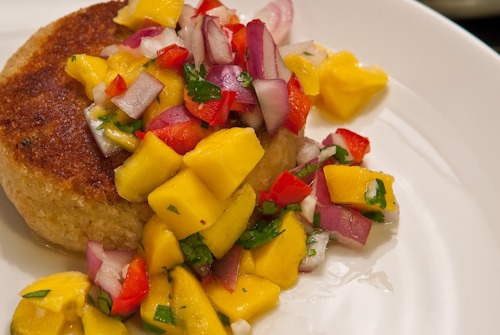
Shrimp & Crab Cakes
Serving Size : 4
Crab Cakes;
1 1/2 pounds shrimp — chopped
1 pound flaked crab meat
1 large egg
1 teaspoon Dijon mustard
1/4 teaspoon hot pepper sauce
1/4 teaspoon salt
1/4 teaspoon coarsely ground pepper
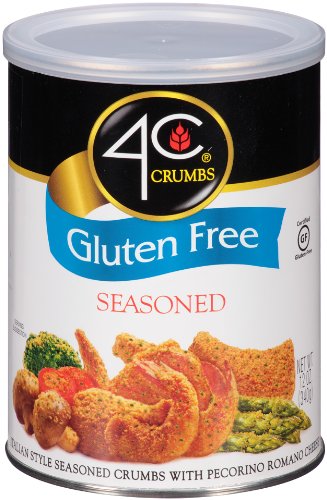
1 cup gluten free bread crumbs- I use 4Crumbs– available on Amazon but pricy. Local Publix in Jacksonville carries them.
2 teaspoons butter
Mango Salsa;
1 large Mango- diced
1/2 medium onion- diced small
1/2 red pepper- diced small
1/2 green pepper- diced small
2 Tablespoons cilantro- roughly chopped
1 teaspoon cumin
2 Tablespoon lime juice
1/2 teaspoon smoked paprika
salt and pepper- to taste
1) Thoroughly mix shrimp, crab, egg white, mustard, hot pepper, salt and pepper in a bowl. Shape into 8 patties, each about 3/8 inch thick. Spread breadcrumbs in a shallow dish and coat the patties on both sides with crumbs.
2) Heat oil in a large nonstick skillet over low heat; add crab cakes and cook until golden on both sides, about 3 minutes per side.
3) Or bake on 350 for ½ an hour or lightly browned.
4) Top with mango salsa.
Gelatin supplements, good for your joints? Yes and No
Posted: December 21, 2016 Filed under: Food and it's Impact on Our Health Leave a commentThe following article poses the question- Should we take gelatin supplements.
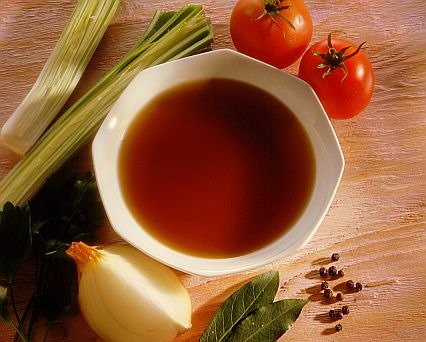
The answer is yes and no. IF you are not willing to make and consume Traditional Bone Stocks (article and recipe), then yes you should take gelatin supplements. My recommendation is Great Lakes Gelatin Collagen. I add it to my Smoothies.
BUT, it’s WAY healthier to eat the whole foods, as opposed to supplements or processed foods.
A new study from Keith Baar’s Functional Molecular Biology Laboratory at the UC Davis College of Biological Sciences and the Australian Institute of Sport suggests that consuming a gelatin supplement, plus a burst of intensive exercise, can help build ligaments, tendons and bones. The study is published in the January issue of the American Journal of Clinical Nutrition.
Connective tissue and bone injuries are common in both athletes and the elderly, and interfere with peoples’ ability (and enthusiasm) for exercise, whether they are an elite athlete or just trying to lose weight and maintain fitness and flexibility. Steps that can prevent injury and enhance recovery are therefore of great interest.
Obviously, it’s difficult to assess the direct effect of a supplement on tissues without opening up someone’s knee. But Baar’s laboratory has been developing techniques to grow artificial ligaments in the laboratory. They used their lab-dish ligaments as a stand-in for the real thing.
Gelatin, Vitamin C and Exercise
Baar, Greg Shaw at the Australian Institute of Sport, and colleagues enrolled eight health young men in a trial of a gelatin supplement enhanced with vitamin C. The volunteers drank the supplement and had blood taken, and after one hour performed a short (five minute) bout of high-impact exercise (skipping).
The researchers tested the blood for amino acids that could build up the collagen protein that composes tendons, ligaments, and bones. They also tested blood samples for their effect on Baar’s lab-grown ligaments at UC Davis.
The gelatin supplement increased blood levels of amino acids and markers linked to collagen synthesis, and improved the mechanics of the engineered lab-grown ligaments, they found.
“These data suggest that adding gelatin and vitamin C to an intermittent exercise program could play a beneficial role in injury prevention and tissue repair,” the researchers wrote.
Read the paper here. The work was funded by the National Institute on Aging (NIH) and the Australian Institute of Sport.
Eat like Your Ancestors: Why you Should Forget Superfood Fads and Follow a Traditional Diet
Posted: December 20, 2016 Filed under: Food and it's Impact on Our Health Leave a commentIt’s all about eating like your great-great-great-great-grandparents did
For decades we’ve been told to eat a different food practically every year if we want to be healthy: blueberries, avocados, chia seeds, quinoa and kale have all had their moments in the sun, but a new book claims we should forget food fads and eat like our ancestors.
100 Million Years Of Food: What Our Ancestors Ate and Why It Matters Today by Stephen Le also reveals that we’re not actually consuming more calories than our predecessors, despite common belief.
Paleo, raw, veggan (nope, not a typo – that’s vegan but with eggs) – nowadays we’re spoilt for choice with diet options that will supposedly bring us optimal health and wellbeing, but it could be that these modern trends are doing more harm than good and have caused the current explosion of chronic diseases and allergies.
Le’s family are originally from Vietnam but his parents settled in Ottawa, Canada, in the 1960s, where Le and his three brothers were born and grew up.
He was finishing his PhD at the University of California when he discovered his 66-year-old mother’s breast cancer – with which she’d been diagnosed years earlier – had spread to her lungs.
Le rushed home to Canada where his mother died three months later, aged 66. It was just two years after her own mother had died almost three decades older, aged 92.
His parents had obeyed every western food fad over the years, whereas his grandparents, unable to read English, had stuck to the traditional fare they knew. This got Le thinking.
As a biological anthropologist, he started doing research into ancestral diets and food-related illnesses: “Some of my preliminary readings,” Le told Macleans, “showed that Asians who migrate to North America and Europe see elevated rates of breast cancer as well as prostate cancer.” And he wanted to find out why.
Contradicting nearly everything we’ve been told recently, Le discovered that the average person in 2016 doesn’t consume more calories than humans millions of years ago, and thanks to our increased metabolisms, we’re burning just as many calories as our predecessors too, despite our sedentary lifestyles.
So rather than eating less or exercising more, Le believes the key to health is eating like your ancestors. He champions traditional diets and argues that we should be looking to our genetic and cultural history when deciding what to eat.
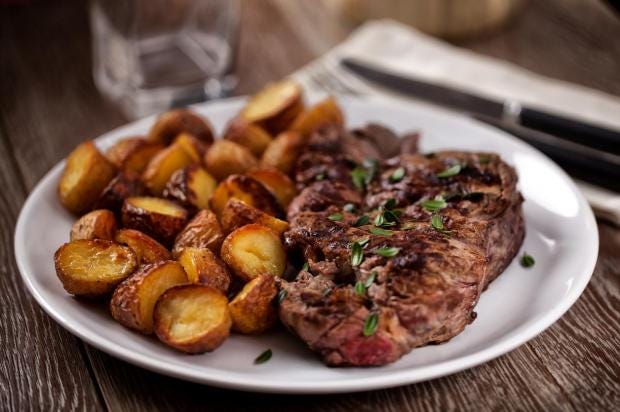
Forget foodie fads and so-called superfoods, it’s the simple fare of our great-great-great-great-grandparents we should be consuming, whether that’s meat and potatoes or vegetables with rice. So instead of asking for the latest healthy cookery book, it might be worth taking a look at your grandparents’ cookbook and making the recipes handed down to them over the years.
Le thinks our society in fact places too much emphasis on fruit and vegetables. As our bodies have evolved, he believes we can no longer cope with the “daily jug-loads of fructose” we’re consuming through juices, smoothies and fruit.
And as for vegetables, Le points out that they became part of our diets late – even after meat and dairy – because they contain toxins.
Whilst cooking vegetables neutralises said toxins, western cultures place salad and raw vegetables on a pedestal: “If you took people from most parts of the world to a salad bar, they would gasp in horror. They’d say, ‘You can’t digest these things!’” Le explains.
Le is not a nutritionist and admits that fruit and vegetables have nutritional value, he just believes we overstate their importance. “As long as we’re eating an adequately balanced diet, there’s no fear of non-nutrition,” Le says.
So next time you fancy potatoes but feel you really ought to have broccoli instead, that’s something to remember.
Do Humans Need Dairy? Here’s the Science
Posted: December 19, 2016 Filed under: Food and it's Impact on Our Health Leave a comment
A lot of people will have already made up their mind about whether humans need dairy in their diet and will be thinking that the answer is obviously “yes” or obviously “no”. But nutrition is based on science not opinion – so, here’s the latest research on the matter.
Milk is an interesting foodstuff. The sugar in it is called lactose and lactose requires a chemical or enzyme called lactase to allow it to pass across the walls of the gut into the blood stream. When we are babies, we all produce plenty of the lactase enzyme which allows us to absorb our mother’s milk. In populations where milk consumption has been historically low, such as Japan and China, most children will have stopped producing lactase soon after weaning and – producing almost entire populations that may be unable to absorb the lactose in milk – this we call “lactose intolerance”.
In populations where milk consumption has always been high, such as in Europe, most adults continue to produce lactase for their whole lives and can digest milk quite happily with only around 5% of the population being lactose intolerant.
Continuing to produce lactase into adulthood is actually an inherited genetic variation which has become so common because being able to tolerate milk has a selective advantage. Milk is a useful source of protein, energy, calcium, phosphate, B vitamins and iodine, meaning that those with the mutation were generally healthier and produced more children than those who couldn’t tolerate milk, and so the presence of the mutation increased.
The symptoms of lactose intolerance include wind, bloating and diarrhoea so if you don’t experience any of those after drinking milk or eating ice cream then you’re fine.
Fermenting
Kefir ‘grains’ after straining.
There is good evidence that milk has been part of the human diet in Northern Europe for more than 8,000 years which is when people there first moved from being nomadic to having a more structured way of life. Because 8,000 years ago most people didn’t tolerate milk well, they quickly realised that if the milk was fermented and became cheese or yogurt it could be better tolerated. This is because these processes encourage bacteria to use up most of the carbohydrate – the lactose – in the milk so people who didn’t produce the lactase enzyme could still benefit from the nutrients in the milk. Today people with lactose intolerance can drink kefir, a fermented milk drink made with a yeast starter, which some suggest also has probiotic benefits for the gut as well as many other health benefits.
So dairy has been pivotal to nutrition and important to the survival of many populations in the world and most Europeans and North Americans are well adapted to digest it. So if you have been told that humans aren’t adapted to have dairy in their diet, that isn’t correct. Similarly, it isn’t true to say that dairy promotes inflammation or acidity.
Calcium
Nutritional scientists and dietitians have often assumed that because milk is rich in calcium, it is therefore good for maintaining the calcium levels in our bones. However, a couple of recent big studies have brought this into question. A further systematic review of the evidence concluded that actually, it doesn’t seem to matter how much calcium you get from your diet, your risk of fracturing your bones remains the same.
That said, we have seen that in cultures, where dairy plays a very minimal part in the traditional diet such as in China and Japan, the incidence of hip fracture – a common outcome of poor bone mineral density – is 150% higher than that of white American or European populations.
One thing to remember about these studies is that they are looking at calcium intake in adulthood. However, we know that the strength of our bones is actually determined by our diet as children and teenagers. When we look at studies of children who have an allergy to cow’s milk, for example, we see that the strength of their bones is significantly compromised by the lack of milk in their diet and that desensitisation through treatment so their diet can include milk also strengthens their bones.
Interestingly, children with this allergy who are given alternative sources of calcium other than milk still find the strength of their bones compromised. This suggests that calcium-containing alternatives to dairy are still not good enough at promoting bone density in children.
While milk intake is really important for the healthy development of children’s bones, consuming milk as an adult doesn’t appear to decrease your risk of fractures. But there are lots of other nutrients in milk and dairy foods.
Studies have found that if dairy is replaced in the diet by foods containing the same amount of calcium such as green leafy vegetables or soya milk fortified with calcium, the diet contains less protein, potassium, magnesium, phosphorus, riboflavin, vitamins A and B12. Milk and dairy foods are also a great source of all essential amino acids which are the small protein molecules that build muscles and repair tissue damage. Obviously the protein and micronutrients could be found from other sources but obviously not without careful planning.
When it comes to health, the bottom line is we probably don’t need dairy in our diets – as adults – but milk and dairy foods are convenient and good value and provide lots of essential nutrients which are trickier to source from other foods. Where milk drinking is the cultural norm we have adapted to tolerate it very well and it can be very nutritious.
Millie- This article makes no mention of Traditional Bone Stocks, the very best and healthiest way to meet our needs for calcium , iron and amino acids.
The Many Health Benefits Of Avocado You Need to Know
Posted: December 19, 2016 Filed under: Food and it's Impact on Our Health Leave a comment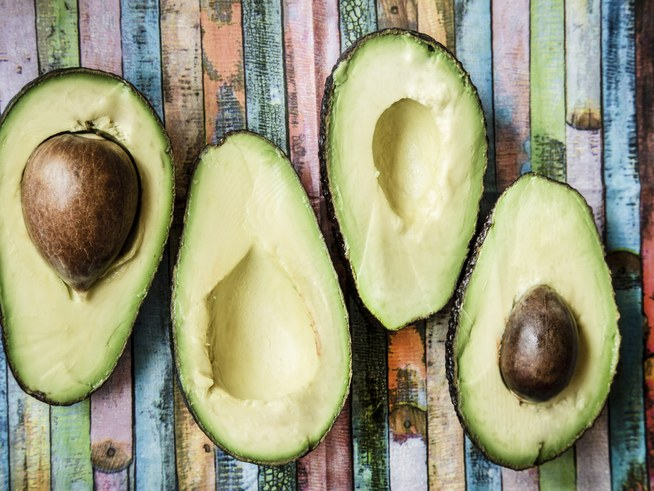
Food trends are constantly changing, but thanks to the health benefits of avocado, the fruit has been in the spotlight for quite some time now. Its fame is partially due to its deliciously creamy, nutty taste—and, of course, how photogenic it is when spread atop toast. But we also need to give credit where credit is due: There are tons of nutrients packed into each and every avocado.
Avocados are one of the only fruits that contain healthy, monounsaturated fats,Lori Zanini, R.D., a California-based dietitian and spokesperson for the Association of Nutrition and Dietetics, tells SELF. “Including healthy fats in our meals during our day is important in order to keep us full and satisfied after meals, since fats take longer to digest than carbohydrates or proteins,” Zanini says. The majority of the fats in avocado are monounsaturated, which are lauded for having anti-inflammatory benefits and for helping to lower cholesterol and reduce the risk of heart disease. Some research also shows that healthy fat can positively impact insulin levels and blood sugar and reduce the risk of type 2 diabetes. “Additionally, avocados are naturally sodium and cholesterol free,” Zanini adds.
Smash it on toast, spread it on a sandwich, or slice it on top of eggs or salad. The possibilities really are endless. Just be sure not to go overboard (we know, hard to do)—because of their fat content, avocados are pretty high in calories, so too much of a good thing can backfire here. Zanini recommends sticking to 1-ounce servings, “which is about 2 to 3 slices or about 1/4 of a small avocado.”
Other than offering up a mega dose of healthy fats, there are a ton of other health benefits of avocado.
Avocados are also full of vitamins and nutrients our bodies need to function properly. Here’s what’s packed under that hard green skin and some of the ways each one benefits your health:
Vitamin K: Promotes normal blood clotting and prevents and treats weak bones.
Vitamin C: Contributes to cell growth and repair—from your skin to your nerves. It’s also an antioxidant, which protects the body from damage by harmful intruders (called free radicals) that cause health issues like heart disease and cancer.
Vitamin B6: Promotes healthy immune function, nerve function, and formation of red blood cells.
Vitamin E: Helps the body make red blood cells and boost immune function. It’s also an antioxidant, and essential for hair and skin health.
Folate: Promotes healthy cell and tissue development. It’s also essential for proper brain and spine growth in a developing fetus, so is especially important for pregnant women (it’s actually recommended that all women of reproductive age take a folate supplement). Zanini says it’s also important for preventing one type of anemia.
Magnesium: Important for muscle and nerve function, and also supports immune health and bone strength, regulates blood sugar, and helps with energy production. For those who suffer from migraines, getting more magnesium can be an effective way to prevent them (doctors will probably suggest a supplement rather than food sources, but getting more in your diet is good, too).
Potassium: An electrolyte that helps maintain a normal fluid balance in our bodies, aids nerve and muscle function, protein synthesis (building muscle), and keeps the heart beating normally. Bonus: It’s also great for reducing bloat.
Fiber: It keeps you regular, promotes colon health, lowers cholesterol, stabilizes blood sugar (which helps control appetite and keep you fuller for longer), and is helpful in maintaining a healthy body weight. Like many fruits, avocadoes have both soluble and insoluble fiber.
Lutein: This carotenoid—the name for a variety of plant pigments that give produce red, orange, and yellow coloring—is great for eye health. Research shows it may help protect against eye disease, partly because it absorbs damaging blue light. Lutein is also an antioxidant.
You might also like: How to Make Healthy Poached Egg and Avocado Toast
Long-Term Ibuprofen Use Linked To Hearing Loss In Older Women
Posted: December 19, 2016 Filed under: Non-Toxic Choices Leave a commentA new study published in the American Journal of Epidemiology has linked longtime use of over-the-counter medications for pain relief with a higher risk of hearing loss.
The study found that women who used ibuprofen or acetaminophen for six or more years were at higher risk of hearing loss, according to a recent statement.
A team led by researchers from Brigham and Women’s Hospital utilized data from the long-running Nurses’ Health Study to reach these findings and examined data from more than 54,000 women between the ages of 48 and 73. The team considered participants’ information on usage of aspirin, ibuprofen and acetaminophen — in addition to self-reported hearing loss.
The study found that longtime ibuprofen or acetaminophen use was linked to a high risk of impairment. Although high doses of aspirin have been shown to result in hearing loss, such doses have become less common in the last two decades, researchers reported.
© Photo courtesy of Pixabay About two-thirds of women over the age of 60 in the U.S. have some degree of hearing loss.
“Hearing loss is extremely common in the United States and can have a profound impact on quality of life,” said senior author Gary Curhan, MD, SCD, according to the statement. “Finding modifiable risk factors could help us identify ways to lower risk before hearing loss begins and slow progression in those with hearing loss,” he added.
As many as two-thirds of women over the age of 60 in the U.S. have some degree of hearing loss, according to the statement.
Source: Lin BM, Curhan SG, Wang M, Eavey R, Curhan CG, et al. Duration of Analgesic Use and Risk of Hearing Loss in Women. American Journal of Epidemiology. 2016.
Millie- Curcumin does a better job with pain and is an amazing anti-inflammatory.


 Meal Delivery Service by Millie Barnes