I’m opening a Brothel..Read on…
Posted: September 30, 2009 Filed under: Food and it's Impact on Our Health, In The Kitchen with Millie- How To's Leave a commentYep, it’s true…I’m opening a brothel…LOL!
About a month ago I began offering beef and chicken stocks to my clients. They are an essential part of eating a traditional human diet..there is simply no other way to get the calcium you so desperately need. Since the 50’s people have stopped making stocks. All those stupid commercials for drugs like Boniva say, “when diet and exercise are not enough”….
Guess what? Diet and exercise ARE ALWAYS ENOUGH!! Period! No exceptions..
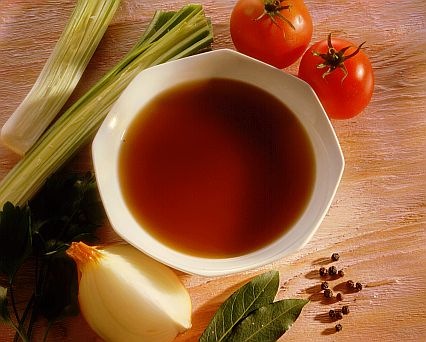
The response has been incredible, I am now making close to 15 quarts of stock each week. I offer them for pick-up each Monday evening…so let me know what you want…go to my webpage for details.. Please order by Thursday of the week before… Optimum Nutrition – Meat Stocks
I also offer raw butter, coconut milk yogurt, salad dressings and fresh mayonnaise, along with gluten free wedding cakes and desserts.
Bare Bones Economy Version “How to Eat Organic Economically”
Posted: September 30, 2009 Filed under: Gardening Leave a commentI published an article about a month ago and got several emails from young people I know asking me to make a bare bones version of this…so I took out a few luxuries (like the pound of organic coffee I buy each week, Ezekial bread…).
1 whole organic chicken 9.00
1 pound grass-fed hamburger 7.99
18 eggs- Grassroots- 3.99
1 pound turkey bacon 5.79
1 pound salmon 6.99
1 pound organic butter 5.99
2 pound carrots 2.99
3 large onions 3.25
3 beefsteak tomatoes 2.00
Garlic bulb .30
2 lemons 1.10
4 green peppers bell peppers 2.99
1 pint blueberries 3.99
1 bunch kale 3.99
3 large sweet potatoes 2.99
~ 56.36~ grocery cost
-19.51 minus the items I grow
36.85
The items in red are the things I grow. I have a square foot garden outside. I used 5 gallon buckets, soil, perlite and made sub-irrigated containers. Growing from seed is cheap.
If you have a backyard, or a deck for container gardening, or grow lights indoors, you can save further in ways that processed food eaters can’t: Almost all year I grow salad greens, herbs, braising greens of some kind and cucumbers and tomatoes. (The salad herbs oregano, thyme, mint, basil, cilantro and parsley never quit here in any season!)
Items I make myself; almond butter made in the Champion juicer, sauerkraut, coconut milk yogurt, mayonnaise, Kombucha tea, salad dressings. These things are very inexpensive to make, very easy to do…not much labor.
Starting on the day I shop, here’s how I eat and cook all week, very simply, but extremely healthy.
First Night; I roast a whole chicken by slapping butter all over it, salt and peppering it, maybe some garlic. Then roast it for 30 minutes on 450°. Then turn the oven down to 300° and bake for 30 minutes. Now turn the oven back up to 400° and roast that bird just 165°, checking for temp in the thickest part of the breast, not hitting the bone. Save the pan drippings for cooking, save the carcass for stock. Here’s a link to making stock- Chicken Stock 101.
That is dinner the first night; a leg and thigh and some breast meat, pour pan drippings over it, using fat and gelatin in roasting pan. With some sautéed peppers and onions and a few slices of ripe tomato, here’s a great dinner.
Breakfast is usually 2 eggs, fried in butter or coconut oil, 3 slices of turkey bacon, some coconut milk yogurt and a handful of blueberries. And 6 ounces of Turkish coffee, ground and brewed each morning. Some mornings I have Ezekiel bread.
Lunch is usually whatever I’ve had for dinner the night before, or an Ezekiel bread sandwich, with meat, fresh olive oil mayonnaise, or almond butter. Maybe Ezekiel with almond butter and sauerkraut, toasted. Usually a cup of meat stock and/or coconut milk yogurt.
Second night; take the rest of the meat off of the chicken, make stock. Have a great chicken soup that night, add sautéed celery, carrots, bay leaf. Maybe some kale sautéed in chicken fat, some gelatin from chicken pan drippings, onions, mushrooms. Sliced tomatoes.
Third night; 1/3 pound hamburger patty, sautéed onions and peppers, 8 ounces chicken stock, sliced tomatoes, coconut milk yogurt.
Fourth night; fresh salmon with dill, Dijon and fresh lemon juice, sautéed peppers, mushrooms and onions, sliced tomatoes. A cup of chicken stock.
Fifth night; Chicken meat prepared however you want, sautéed kale, ½ sweet potato, sautéed mushrooms. Coconut milk Crème Brule and a few blueberries.
Sixth night; 1/3 pound hamburger patty, pan gravy, ½ sweet potato with butter, kale with onions.
Seventh Night; Rest of hamburger with peppers, onions, tomato, salsa, avocado and fresh corn tortilla.
Shop again, or have leftovers, or breakfast for dinner.
Extras I buy if I can afford them; cherries, plantains to fry, dark chocolate, steaks, roasts, Ezekiel bread, wine.
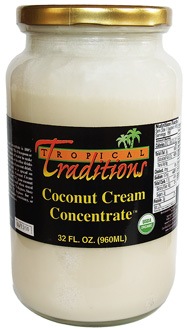
Things I always have in the kitchen; raw butter, Tropical Traditions Coconut Oil and their coconut cream (to use in recipes that call for heavy cream or for decadent desserts) Dijon mustard, olives, herbs and spices, an array of vinegars, olive oil, sesame oil, masa harina, coconut oil, lemons, limes, Kava tea, organic coffee, Yerba Mate Tea, quinoa, rice, teff, coconut and tapioca flours, coconut milk, curry sauces, olives.
Bear in mind that this is a very basic dinner menu, showing how to meet all of your calorie and nutrient needs affordably. These dinners reflect basic eating, by adding other ingredients I can get real fancy, and I do at times.
Coconut crème brûlée
Posted: September 28, 2009 Filed under: In The Kitchen with Millie- How To's Leave a comment
Any excuse to use real vanilla beans….and what better way than a perfect creme brulee…healthy organic eggs, coconut milk…enough fat and protein to make the sugar not spike the blood sugar too bad…mmmmmmm.
3 cups coconut cream
1 cup coconut milk
½ cup sugar
1 whole vanilla bean
6 egg yolks
1-2 tsp. superfine sugar, per ramekin
In a heavy-bottomed saucepan on low, heat the coconut cream and milk, and sugar. Stir the sugar to dissolve and then add the vanilla bean. Continue to heat until small bubbles appear around the edges, but do not allow it to boil. Remove from heat and cool for 10-15 minutes, while letting the vanilla bean soften.
Remove the vanilla bean from the cream, split open lengthwise with a sharp knife, and scrape the tiny seeds from the pod. Add the seeds to the cream, and discard the pod. Boil a few quarts of water.
Whisk the egg yolks into the cooled cream mixture, and then strain through a sieve to remove any unbeaten egg. Pour about ½ cup of the mixture into each of eight ramekins. Set the ramekins in a deep-sided baking dish. Pour enough boiling water into the baking dish to come halfway up the sides of the ramekins. Bake at 325ºF for 50-60 minutes, or until a toothpick comes out clean.
Remove the baking dish from the oven, and let the ramekins cool. Transfer to the refrigerator and let the crème cool completely overnight, or for at least four hours.
Just before serving, remove the crème from the refrigerator and sprinkle the custard in each ramekin evenly with 1-2 tsp. superfine sugar. Using a handheld torchière, caramelize the sugar until golden brown. Let the ramekin set for a few minutes before serving so the sugar can cool and harden.

In Praise of Mason Jars
Posted: September 26, 2009 Filed under: In The Kitchen with Millie- How To's Leave a commentI grew up with a grandmother who put up tomatoes every yerar, squash, guava jelly and butter, all in mason jars. They were used to catch fireflies at night in the orange grove, lady bugs during the day, to hold marbles, make tea…
I do love mason jars, ..this from Apartment Therapy’s Re-Nest
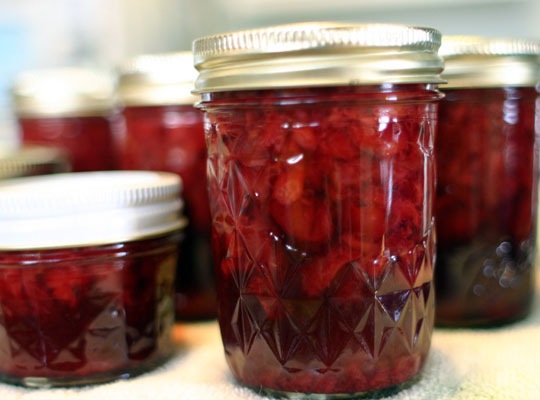
We know that having such a fondness for an inanimate object is a little strange. But growing up with a mom who pickled every vegetable in sight and spent entire days during the summer months turning lugs of fruit into gleaming jars of strawberry, apricot, and boysenberry jam — well, we can’t help ourselves. We love Mason jars. And from making your own kombucha to growing your own alfalfa sprouts, there are so many ways to love them. We’re rounding up a quick list after the jump (please add your own!)

Coconut Fudge Sauce To Die For…..
Posted: September 23, 2009 Filed under: In The Kitchen with Millie- How To's 1 Comment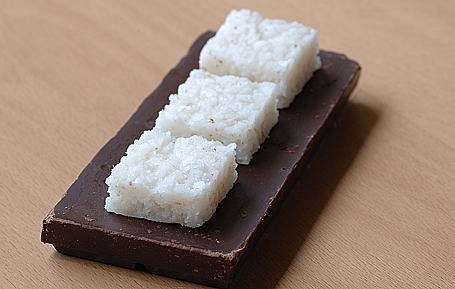 This is my version of fudge sauce, without dairy…making it far healthier and for those who are lactose intolerant..
- 2/3 cup cashew or coconut cream (you have to make the cashew cream, you can buy coconut cream from Tropical Traditions).
- 1/3 cup honey
- 1/2 cup packed organic dark brown sugar
- 1/2 cup unsweetened Dutch-process cocoa powder
- 1/4 teaspoon salt
- 6 oz fine-quality Organic Fair Trade bittersweet chocolate (not unsweetened), finely chopped (I use Black & Gold Brand)
- 2 tablespoons organic raw butter
- 1 teaspoon vanilla
To make the cashew cream; place 1 1/2 cups of raw cashews in your blender, blend to a very fine powder, add 2/3 cups water, blend…you want it very thick while it is blending otherwise it will not be smooth enough. If it won’t barely go through the blades and blend properly, add small amounts of water until it will. Blend til very smooth. Then add water until it is he consistency of heavy cream or a tad thicker.
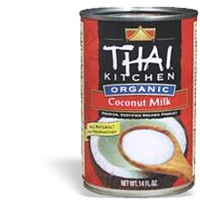
If you do not have coconut cream, buy Thai Kitchen coconut milk (not lie!)…and leave it in your cabinet for a few days to let it separate completely. Then very carefully, without shaking the can at ALL, open the can…and skim off the heavy cream on top…reserve coconut water for another use (like mixing with fresh pineapple juice to drink..
Bring cream, honey, sugar, cocoa, salt, and half of chocolate to a boil in a 1 to 1 1/2-quart heavy saucepan over moderate heat, stirring, until chocolate is melted. Reduce heat and cook at a low boil, stirring occasionally, 5 minutes, then remove from heat. Add butter, vanilla, and remaining chocolate and stir until smooth. Cool sauce to warm before serving.
Cooks’ note: Sauce can be made 1 week ahead and cooled completely, then chilled in an airtight container or jar. Reheat before using.
How to Use Soapnuts…
Posted: September 23, 2009 Filed under: Non-Toxic Choices 7 CommentsI use soapnuts and love them, they come in a cloth bag (no plastic!) and work really well and are non-toxic.
There are a ton of amazing things about soap nuts.
They are 100%, totally natural. They are organically grown and are free of harsh chemicals, so they are incredibly gentle on clothes AND skin. They are especially great for those with sensitive skin — including babies and those that suffer from allergies, eczema, and psoriasis! They’re totally biodegradable, so they’re better for the environment than regular detergent, and they’re antimicrobial, so they’re even good for septic and greywater systems
From Fake Plastic Fish;
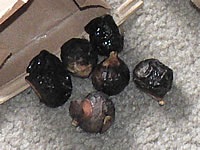
Have you ever done your laundry with soapnuts or been curious to find out how they work? Soapnuts grow on a tree called Sapindus mukorossi (Chinese Soapberry) and contain saponin, a natural surfactant which foams just like soap. I’ve wanted to try soapnuts since I first spotted them in a natural grocery store a couple of years ago but have always been deterred by the plastic in the packaging. Although they are imported, the idea of using a laundry soap that contains only one, minimally-processed natural ingredient (the soapnuts are harvested, de-seeded, and sun-dried) appealed to me.
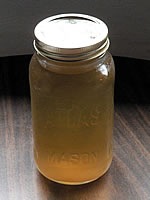 Soapnuts only release their saponin in warm or hot water. I wash in cold to save energy. But never fear, there is an easy solution. Mix up a batch of Soapnuts Soak by bringing a pot of water to a boil, removing it from the heat, tossing in 6-8 soapnuts, and letting them sit covered over night. In the morning, strain into a couple of glass jars. The used soapnuts can go in the compost. Use 1/4 to 1/2 cup per laundry load.
 http://www.lullwaterbrands.com/
By the way, I’ve noticed that another major distributor of soapnuts is now selling a liquid version in plastic bottles. Look how easy it is to make without the plastic. Easy as boiling water. Of course, if you’re like me and forget about pots on the stove, this procedure might not be as easy as it is for most. Still, I can deal. Because one batch of Soapnut Soak will do at least 8 loads of laundry. You can also use it for cleaning, windows, soaking jewelry and then polishing.
So, after adding the Soapnut Soak to my cold water load of light colors, and watching in amazement at the amount of foamy bubbles produced, I felt compelled to sniff every item as it came out of the washing machine. And you know what? They just smelled clean. Fresh. That’s the only way I can describe the scent. It was nothing like the smell of the soapnuts.
Some people prefer to add scent to their laundry, and to that end, you can add a few drops of essential oils. For me, the oils were completely unnecessary. I like my clean to smell like clean.
One The of the Most Ridiculous Articles on Weight Loss I’ve Read Recently….
Posted: September 22, 2009 Filed under: Food and it's Impact on Our Health Leave a commentFor the Overweight, Bad Advice by the Spoonful
By GINA KOLATA in the New York Times

Robyn Beck
And I’m making comments in red….
Two-thirds of Americans are overweight or obese. For most, research shows, neither diets nor moderate exercise brings significant long-term weight loss.
At least they get this right, “diets” don’t work…because people diet by cutting caloric intake, which in turn, cuts nutrient intake…and most people do that while lowering fat and protein intake, thinking it is healthier…it’s not….it only leads to eating carbs (fruits and veggies are 95% carbohydrates)…the body goes into starvation mode, not trusting that you are going to keep eating…and no weight loss occurs. Quite the contrary.
In Brief:
Weight control is not simply a matter of willpower. Genes help determine the body’s "set point," which is defended by the brain.
Health and Weight loss are a matter of cause and effect; our bodies react to what we are doing day to day. I was an extremely unhealthy and fat baby…and now am extremely thin and have been since I was 5 years old. I have had clients who weighed over 500 pounds and through proper nutrition took it off easily and have kept it off…and NOT through caloric restriction…but good solid traditional diet. Your bone size is a set point, it’s not going to change (unless you experience bone loss through poor nutrition)…but fat? Completely controllable through getting off empty carbs and eating enough fat6 and protein to get healthy and maintain perfect weight.
Dieting alone is rarely successful, and relapse rates are high. See above.
Moderate exercise, too, rarely results in substantive long-term weight loss, which requires intensive exercise.
And it takes burning 3500 calories to burn off one pound of body fat. I can run 10 miles at a 10 minute a mile clip and only burn about 450 top 500 calories!
Americans have been getting fatter for years, and with the increase in waistlines has come a surplus of conventional wisdom. If we could just return to traditional diets, if we just walk for 20 minutes a day, exercise gurus and government officials maintain, America’s excess pounds would slowly but surely melt away.
If we could just return to traditional diets they say! YES!!! A diet like your grandmother probably cooked…at least mine did, lots of meat, pan dripping and gravies, rich soups, eggs, lots of greens. But we also had lots of breads and sweets. But it wasn’t every day we had sweets, and when we did they were made with butter or lard (NOT Crisco!). In other words, real food.
When I say a traditional diet, I mean what is traditional for humans going back thousands of years; meat, fat, vegetables, fruits, nuts, herbs… Not stuff out of a box, nothing processed.
Scientists are less sanguine. Many of the so-called facts about obesity, they say, amount to speculation or oversimplification of the medical evidence. Diet and exercise do matter, they now know, but these environmental influences alone do not determine an individual’s weight. Body composition also is dictated by DNA and monitored by the brain. Bypassing these physical systems is not just a matter of willpower.
Body composition is fixed..in other words, I’m never going to be stocky, taller, muscular…but my weight I can control….. and so can everyone else. It’s called choices, making the choice to give up the sodas all day, cookies, cereals, sports drinks, ice cream, corn syrup, McDonalds, 750 calorie lattes, energy drinks, granola (cardboard glued together with corn syrup), granola bars (cardboard glued together with corn syrup, pressed into bars and coated with corn syrup), cheese food, cheese whiz…I could go on and on…..
More than 66 percent of Americans are overweight or obese, according to the federal Centers for Disease Control and Prevention, in Atlanta. Although the number of obese women in the United States appears to be holding steady at 33 percent, for most Americans the risk is growing. The nation’s poor diet has long been the scapegoat. There have been proposals to put warning labels on sodas like those on cigarettes. There are calls to ban junk foods from schools. New York and other cities now require restaurants to disclose calorie information on their menus.
But the notion that Americans ever ate well is suspect. In 1966, when Americans were still comparatively thin, more than two billion hamburgers already had been sold in McDonald’s restaurants, noted Dr. Barry Glassner, a sociology professor at the University of Southern California. The recent rise in obesity may have more to do with our increasingly sedentary lifestyles than with the quality of our diets.
But the notion that Americans ever ate well is suspect??? Of course we did, read on….
Here is A Brief History of Nutrition, it will let you see how we have gotten to the “diet” Madness we are at today-
Over the last 90 years we have seen a bewildering array of information on what we should eat. This information has come from any sources; the academic world, the Food and Drug Administration, countless “diet” books. When food “manufacturers” began advertising for the “food” they wanted us to buy, the whole subject became really confusing. We bought into all of it. We went from a diet based on real food which we had eaten throughout time, to breakfast cereals, cookies, candy, processed or instant food. By the 1980’s, 60% of American children’s diets were “non-food”. Manufactured foodstuff, chemicals, and preservatives. Then came fast food, transfats, out sugar intake took a major upswing. The rate of obesity began to climb.
In the mid-1900’s, the academic world, funded by the food processing industry, macronutrients (proteins, fats and carbohydrates) began to loom very large, food quality was pushed to the background and the notion that fats should be limited.
The first to attempt simple dietary guidelines were the dieticians, who came up with the Four Food Groups—meats, poultry, fish and beans; milk and cheeses; vegetables and fruits; and breads and cereals—an innocuous construct that offended no one and completely avoided making any judgments on dietary fats. Emphasis on macronutrient ratios came in with the USDA Food Guide Pyramid in 1992, which reflected the pro-grain conclusions of the McGovern Committee by giving prominence to carbohydrates and relegating animal foods to the smaller areas at the top of the pyramid. Fats and oils are mysteriously put with sweets (which are carbohydrates)—for reasons unknown except to government bureaucrats—and placed at the top of the pyramid with the admonition to "eat sparingly."
Both the US government and the American Heart Association (AHA) now preach fat restriction as the key to good health. Both recommend that less than 30 percent of dietary calories come from fat, with 15 percent from protein and the balance—up to 60 percent—from carbohydrates such as bread, pasta, rice, cereal, fruits and vegetables. (Milk products, nuts and beans are also sources of carbohydrates.)
To the average consumer, these guidelines might seem entirely reasonable.
If we take the governments recommendations on how we should eat the only way to achieve the dietary guidelines with foods that Americans enjoy eating is to drastically reduce meat and fat and pile on the carbs. If we follow this argument to its logical conclusion, we are led to one of two choices—either add lots of sugar to standard American meals or cut way back on animal foods and eat heaps of beans and pasta.
The latter course is the one advocated by extremists like Dean Ornish and John McDougal (and backed by Dr. Neil Barnard of the Physicians’ Committee for Responsible Medicine). Using logic that if a little is good, then even less is better, Ornish and McDougal promote a diet containing only 10 percent of calories as fat, a proposal that makes normal eating impossible. Even nuts are taboo on such a diet. Since beans can contain up to 25 percent protein and have less than 5 percent fat, they are given as the ideal protein source. If you want the complete protein provided by animal foods, your only choices are skim milk, egg whites and shellfish. These diets were invented by academicians, not cooks, and are too unpalatable—not to mention deficient in nutrients—to be taken seriously.
Diets high in carbohydrates and low in fat don’t stick to the ribs. Unimpeded by fats, which have the effect of slowing down digestion, carbohydrate foods flood the bloodstream and quickly raise the blood sugar. Without adequate fat in the diet, the blood sugar is likely to drop shortly thereafter, causing intense hunger and food cravings that are satisfied either by more high-carb foods—or by giving in to fats. Either way, the result is more calories. It’s no coincidence that as Americans have tried to avoid dietary fats; the rate of obesity has climbed. That’s because we’re eating too many calories, say the dieticians, wagging their fingers with disapproval. Unfortunately, only those with iron wills can eat high-carb and low-cal for any length of time. The weak-willed raid the cupboard or the refrigerator, bingeing and splurging on snack foods and sweets.
“The meals we romanticize in the past somehow leave out the reality of what people were eating,” he said. “The average meal had whole milk and ended with pie…. The typical meal had plenty of fat and calories.”
The typical meal had plenty of fat and calories.” DUH!!! Our diets are SUPPOSED to have plenty of calories (about 2000 a day) and plenty of fat (50% of our caloric intake should be from high quality, organic fat)!
“Nostalgia is going to get us nowhere,” he added.
Neither will wishful misconceptions about the efficacy of exercise. First, the federal government told Americans to exercise for half an hour a day. Then, dietary guidelines issued in 2005 changed the advice, recommending 60 to 90 minutes of moderate exercise a day. There was an uproar; many said the goal was unrealistic for Americans. But for many scientists, the more pertinent question was whether such an exercise program would really help people lose weight.
The leisurely after-dinner walk may be pleasant, and it may be better than another night parked in front of the television. But modest exercise of this sort may not do much to reduce weight, evidence suggests.
“People don’t know that a 20-minute walk burns about 100 calories,” said Dr. Madelyn Fernstrom, director of the weight-management center at the University of Pittsburgh Medical Center. “People always overestimate the calories consumed in exercise, and underestimate the calories in food they are eating.”
Exercise has little effect on weight. Don’t get me wrong, it great for a lot of things…cardio-vascular health, muscle fitness and tone, makes you happy, feels great. But to take off 1 pound of body weight you have to burn 3500 calories! Yes…that is a lot of calories. At my weight, 109 pounds, I can run 10 mph, and run for an hour and burn 791 calories in 1 hr. I am not prepared to run 3 1/2 hours a day to take off a pound of body fat…when I can eat perfect, or close to it…and just garden, practice yoga, dance a lot, hula hoop some, ride my bike when I want…and stay in great shape!
I found a site online to do check my body mass index, they say for my height, 5 ft 5, I should weight 130 pounds! Yuck, at even 5 more pounds my waistline thickens (and it’s 24 inches, the same as before I had 5 children!) and I start losing my shape….no way!!!
Tweaking the balance is far more difficult than most people imagine, said Dr. Jeffrey Friedman, an obesity researcher at Rockefeller University. The math ought to work this way: There are 3,500 calories in a pound. If you subtract 100 calories per day by walking for 20 minutes, you ought to lose a pound every 35 days. Right?
Wrong. First, it’s difficult for an individual to hold calorie intake to a precise amount from day to day. Meals at home and in restaurants vary in size and composition; the nutrition labels on purchased foods — the best guide to calorie content — are at best rough estimates. Calorie counting is therefore an imprecise art.
Second, scientists recently have come to understand that the brain exerts astonishing control over body composition and how much individuals eat. “There are physiological mechanisms that keep us from losing weight,” said Dr. Matthew W. Gilman, the director of the obesity prevention program at Harvard Medical School/Pilgrim Health Care.
Scientists now believe that each individual has a genetically determined weight range spanning perhaps 30 pounds. Those who force their weight below nature’s preassigned levels become hungrier and eat more; several studies also show that their metabolisms slow in a variety of ways as the body tries to conserve energy and regain weight. People trying to exceed their weight range face the opposite situation: eating becomes unappealing, and their metabolisms shift into high gear.
The body’s determination to maintain its composition is why a person can skip a meal, or even fast for short periods, without losing weight. It’s also why burning an extra 100 calories a day will not alter the verdict on the bathroom scales. Struggling against the brain’s innate calorie counters, even strong-willed dieters make up for calories lost on one day with a few extra bites on the next. And they never realize it. “The system operates with 99.6 percent precision,” Dr. Friedman said.
The temptations of our environment — the sedentary living, the ready supply of rich food — may not be entirely to blame for rising obesity rates. In fact, new research suggests that the environment that most strongly influences body composition may be the very first one anybody experiences: the womb.
According to several animal studies, conditions during pregnancy, including the mother’s diet, may determine how fat the offspring are as adults. Human studies have shown that women who eat little in pregnancy, surprisingly, more often have children who grow into fat adults. More than a dozen studies have found that children are more likely to be fat if their mothers smoke during pregnancy.
The research is just beginning, true, but already it has upended some hoary myths about dieting. The body establishes its optimal weight early on, perhaps even before birth, and defends it vigorously through adulthood. As a result, weight control is difficult for most of us. And obesity, the terrible new epidemic of the developed world, is almost impossible to cure.
THIS is the Best ‘They” Can Come Up With??????
They are basically saying obesity is almost impossible to cure? That is just stupidity…plain and simple. Americans eat carbs constantly, they act as if the have the “right” to eat anything they want and expect different results..the definition of neurosis!
The government and big Agra-food companies have sold us a bill of goods, that we need whole grains, that bread is healthy, that cereal is a decent breakfast, that granola bars are healthy…they are wrong; they are just feeding thier pocketbooks, growing the medical and pharmaceutical companies, the cancer “industry”, ….at YOUR expense.
In my career as a nutrition coach, spanning 26 years, I have had 2 different doctors tell me that they were not interested in teaching people to get well to the degree that I teach…that thier patients saw them an average of 7 times a year, and that paid the bills! I had one doctor in Ormond Beach get furious that I taught her best friend how to get rid of systemic yeast…in a month she was yeast free…and this doctor had been treating her for 3 years! And it was her best friend!! And this doctor was a nutritionist!
It’s not that complicated! Eat organic meat, rich meat broths for calcium and iron, healthy organic raw butter and unprocessed coconut oil, lots of low glycemic vegetables (green leafy veggies, mushrooms, onions, peppers, tomatoes) very small amounts of fruits and nuts, healthy organic grass fed or free range meats, organic eggs, small amounts of fermented foods (I make coconut milk yogurt, sauerkraut and kombucha tea).
That’s it, it’s that simple.We have NOT lost the “war” on obesity, we have simply gotten too lazy or too rushed to cook. We have gotten so spoiled by packaged foods that we are ruining our health…and our children’s health…
One The of the Most Ridiculous Articles on Weight Loss I’ve Read Recently….
Posted: September 22, 2009 Filed under: Food and it's Impact on Our Health 1 CommentFor the Overweight, Bad Advice by the Spoonful
By GINA KOLATA in the New York Times
Robyn Beck
And I’m making comments in red….
Two-thirds of Americans are overweight or obese. For most, research shows, neither diets nor moderate exercise brings significant long-term weight loss.
At least they get this right, “diets” don’t work…because people diet by cutting caloric intake, which in turn, cuts nutrient intake…and most people do that while lowering fat and protein intake, thinking it is healthier…it’s not….it only leads to eating carbs (fruits and veggies are 95% carbohydrates)…the body goes into starvation mode, not trusting that you are going to keep eating…and no weight loss occurs. Quite the contrary.
In Brief:
Weight control is not simply a matter of willpower. Genes help determine the body’s "set point," which is defended by the brain.
Health and Weight loss are a matter of cause and effect; our bodies react to what we are doing day to day. I was an extremely unhealthy and fat baby…and now am extremely thin and have been since I was 5 years old. I have had clients who weighed over 500 pounds and through proper nutrition took it off easily and have kept it off…and NOT through caloric restriction…but good solid traditional diet. Your bone size is a set point, it’s not going to change (unless you experience bone loss through poor nutrition)…but fat? Completely controllable through getting off empty carbs and eating enough fat6 and protein to get healthy and maintain perfect weight.
Dieting alone is rarely successful, and relapse rates are high. See above.
Moderate exercise, too, rarely results in substantive long-term weight loss, which requires intensive exercise.
And it takes burning 3500 calories to burn off one pound of body fat. I can run 10 miles at a 10 minute a mile clip and only burn about 450 top 500 calories!
Americans have been getting fatter for years, and with the increase in waistlines has come a surplus of conventional wisdom. If we could just return to traditional diets, if we just walk for 20 minutes a day, exercise gurus and government officials maintain, America’s excess pounds would slowly but surely melt away.
If we could just return to traditional diets they say! YES!!! A diet like your grandmother probably cooked…at least mine did, lots of meat, pan dripping and gravies, rich soups, eggs, lots of greens. But we also had lots of breads and sweets. But it wasn’t every day we had sweets, and when we did they were made with butter or lard (NOT Crisco!). In other words, real food.
When I say a traditional diet, I mean what is traditional for humans going back thousands of years; meat, fat, vegetables, fruits, nuts, herbs… Not stuff out of a box, nothing processed.
Scientists are less sanguine. Many of the so-called facts about obesity, they say, amount to speculation or oversimplification of the medical evidence. Diet and exercise do matter, they now know, but these environmental influences alone do not determine an individual’s weight. Body composition also is dictated by DNA and monitored by the brain. Bypassing these physical systems is not just a matter of willpower.
Body composition is fixed..in other words, I’m never going to be stocky, taller, muscular…but my weight I can control….. and so can everyone else. It’s called choices, making the choice to give up the sodas all day, cookies, cereals, sports drinks, ice cream, corn syrup, McDonalds, 750 calorie lattes, energy drinks, granola (cardboard glued together with corn syrup), granola bars (cardboard glued together with corn syrup, pressed into bars and coated with corn syrup), cheese food, cheese whiz…I could go on and on…..
More than 66 percent of Americans are overweight or obese, according to the federal Centers for Disease Control and Prevention, in Atlanta. Although the number of obese women in the United States appears to be holding steady at 33 percent, for most Americans the risk is growing. The nation’s poor diet has long been the scapegoat. There have been proposals to put warning labels on sodas like those on cigarettes. There are calls to ban junk foods from schools. New York and other cities now require restaurants to disclose calorie information on their menus.
But the notion that Americans ever ate well is suspect. In 1966, when Americans were still comparatively thin, more than two billion hamburgers already had been sold in McDonald’s restaurants, noted Dr. Barry Glassner, a sociology professor at the University of Southern California. The recent rise in obesity may have more to do with our increasingly sedentary lifestyles than with the quality of our diets.
But the notion that Americans ever ate well is suspect??? Of course we did, read on….
Here is A Brief History of Nutrition, it will let you see how we have gotten to the “diet” Madness we are at today-
Over the last 90 years we have seen a bewildering array of information on what we should eat. This information has come from any sources; the academic world, the Food and Drug Administration, countless “diet” books. When food “manufacturers” began advertising for the “food” they wanted us to buy, the whole subject became really confusing. We bought into all of it. We went from a diet based on real food which we had eaten throughout time, to breakfast cereals, cookies, candy, processed or instant food. By the 1980’s, 60% of American children’s diets were “non-food”. Manufactured foodstuff, chemicals, and preservatives. Then came fast food, transfats, out sugar intake took a major upswing. The rate of obesity began to climb.
In the mid-1900’s, the academic world, funded by the food processing industry, macronutrients (proteins, fats and carbohydrates) began to loom very large, food quality was pushed to the background and the notion that fats should be limited.
The first to attempt simple dietary guidelines were the dieticians, who came up with the Four Food Groups—meats, poultry, fish and beans; milk and cheeses; vegetables and fruits; and breads and cereals—an innocuous construct that offended no one and completely avoided making any judgments on dietary fats. Emphasis on macronutrient ratios came in with the USDA Food Guide Pyramid in 1992, which reflected the pro-grain conclusions of the McGovern Committee by giving prominence to carbohydrates and relegating animal foods to the smaller areas at the top of the pyramid. Fats and oils are mysteriously put with sweets (which are carbohydrates)—for reasons unknown except to government bureaucrats—and placed at the top of the pyramid with the admonition to "eat sparingly."
Both the US government and the American Heart Association (AHA) now preach fat restriction as the key to good health. Both recommend that less than 30 percent of dietary calories come from fat, with 15 percent from protein and the balance—up to 60 percent—from carbohydrates such as bread, pasta, rice, cereal, fruits and vegetables. (Milk products, nuts and beans are also sources of carbohydrates.)
To the average consumer, these guidelines might seem entirely reasonable.
If we take the governments recommendations on how we should eat the only way to achieve the dietary guidelines with foods that Americans enjoy eating is to drastically reduce meat and fat and pile on the carbs. If we follow this argument to its logical conclusion, we are led to one of two choices—either add lots of sugar to standard American meals or cut way back on animal foods and eat heaps of beans and pasta.
The latter course is the one advocated by extremists like Dean Ornish and John McDougal (and backed by Dr. Neil Barnard of the Physicians’ Committee for Responsible Medicine). Using logic that if a little is good, then even less is better, Ornish and McDougal promote a diet containing only 10 percent of calories as fat, a proposal that makes normal eating impossible. Even nuts are taboo on such a diet. Since beans can contain up to 25 percent protein and have less than 5 percent fat, they are given as the ideal protein source. If you want the complete protein provided by animal foods, your only choices are skim milk, egg whites and shellfish. These diets were invented by academicians, not cooks, and are too unpalatable—not to mention deficient in nutrients—to be taken seriously.
Diets high in carbohydrates and low in fat don’t stick to the ribs. Unimpeded by fats, which have the effect of slowing down digestion, carbohydrate foods flood the bloodstream and quickly raise the blood sugar. Without adequate fat in the diet, the blood sugar is likely to drop shortly thereafter, causing intense hunger and food cravings that are satisfied either by more high-carb foods—or by giving in to fats. Either way, the result is more calories. It’s no coincidence that as Americans have tried to avoid dietary fats; the rate of obesity has climbed. That’s because we’re eating too many calories, say the dieticians, wagging their fingers with disapproval. Unfortunately, only those with iron wills can eat high-carb and low-cal for any length of time. The weak-willed raid the cupboard or the refrigerator, bingeing and splurging on snack foods and sweets.
“The meals we romanticize in the past somehow leave out the reality of what people were eating,” he said. “The average meal had whole milk and ended with pie…. The typical meal had plenty of fat and calories.”
The typical meal had plenty of fat and calories.” DUH!!! Our diets are SUPPOSED to have plenty of calories (about 2000 a day) and plenty of fat (50% of our caloric intake should be from high quality, organic fat)!
“Nostalgia is going to get us nowhere,” he added.
Neither will wishful misconceptions about the efficacy of exercise. First, the federal government told Americans to exercise for half an hour a day. Then, dietary guidelines issued in 2005 changed the advice, recommending 60 to 90 minutes of moderate exercise a day. There was an uproar; many said the goal was unrealistic for Americans. But for many scientists, the more pertinent question was whether such an exercise program would really help people lose weight.
The leisurely after-dinner walk may be pleasant, and it may be better than another night parked in front of the television. But modest exercise of this sort may not do much to reduce weight, evidence suggests.
“People don’t know that a 20-minute walk burns about 100 calories,” said Dr. Madelyn Fernstrom, director of the weight-management center at the University of Pittsburgh Medical Center. “People always overestimate the calories consumed in exercise, and underestimate the calories in food they are eating.”
Exercise has little effect on weight. Don’t get me wrong, it great for a lot of things…cardio-vascular health, muscle fitness and tone, makes you happy, feels great. But to take off 1 pound of body weight you have to burn 3500 calories! Yes…that is a lot of calories. At my weight, 109 pounds, I can run 10 mph, and run for an hour and burn 791 calories in 1 hr. I am not prepared to run 3 1/2 hours a day to take off a pound of body fat…when I can eat perfect, or close to it…and just garden, practice yoga, dance a lot, hula hoop some, ride my bike when I want…and stay in great shape!
I found a site online to do check my body mass index, they say for my height, 5 ft 5, I should weight 130 pounds! Yuck, at even 5 more pounds my waistline thickens (and it’s 24 inches, the same as before I had 5 children!) and I start losing my shape….no way!!!
Tweaking the balance is far more difficult than most people imagine, said Dr. Jeffrey Friedman, an obesity researcher at Rockefeller University. The math ought to work this way: There are 3,500 calories in a pound. If you subtract 100 calories per day by walking for 20 minutes, you ought to lose a pound every 35 days. Right?
Wrong. First, it’s difficult for an individual to hold calorie intake to a precise amount from day to day. Meals at home and in restaurants vary in size and composition; the nutrition labels on purchased foods — the best guide to calorie content — are at best rough estimates. Calorie counting is therefore an imprecise art.
Second, scientists recently have come to understand that the brain exerts astonishing control over body composition and how much individuals eat. “There are physiological mechanisms that keep us from losing weight,” said Dr. Matthew W. Gilman, the director of the obesity prevention program at Harvard Medical School/Pilgrim Health Care.
Scientists now believe that each individual has a genetically determined weight range spanning perhaps 30 pounds. Those who force their weight below nature’s preassigned levels become hungrier and eat more; several studies also show that their metabolisms slow in a variety of ways as the body tries to conserve energy and regain weight. People trying to exceed their weight range face the opposite situation: eating becomes unappealing, and their metabolisms shift into high gear.
The body’s determination to maintain its composition is why a person can skip a meal, or even fast for short periods, without losing weight. It’s also why burning an extra 100 calories a day will not alter the verdict on the bathroom scales. Struggling against the brain’s innate calorie counters, even strong-willed dieters make up for calories lost on one day with a few extra bites on the next. And they never realize it. “The system operates with 99.6 percent precision,” Dr. Friedman said.
The temptations of our environment — the sedentary living, the ready supply of rich food — may not be entirely to blame for rising obesity rates. In fact, new research suggests that the environment that most strongly influences body composition may be the very first one anybody experiences: the womb.
According to several animal studies, conditions during pregnancy, including the mother’s diet, may determine how fat the offspring are as adults. Human studies have shown that women who eat little in pregnancy, surprisingly, more often have children who grow into fat adults. More than a dozen studies have found that children are more likely to be fat if their mothers smoke during pregnancy.
The research is just beginning, true, but already it has upended some hoary myths about dieting. The body establishes its optimal weight early on, perhaps even before birth, and defends it vigorously through adulthood. As a result, weight control is difficult for most of us. And obesity, the terrible new epidemic of the developed world, is almost impossible to cure.
THIS is the Best ‘They” Can Come Up With??????
They are basically saying obesity is almost impossible to cure? That is just stupidity…plain and simple. Americans eat carbs constantly, they act as if the have the “right” to eat anything they want and expect different results..the definition of neurosis!
The government and big Agra-food companies have sold us a bill of goods, that we need whole grains, that bread is healthy, that cereal is a decent breakfast, that granola bars are healthy…they are wrong; they are just feeding thier pocketbooks, growing the medical and pharmaceutical companies, the cancer “industry”, ….at YOUR expense.
In my career as a nutrition coach, spanning 26 years, I have had 2 different doctors tell me that they were not interested in teaching people to get well to the degree that I teach…that thier patients saw them an average of 7 times a year, and that paid the bills! I had one doctor in Ormond Beach get furious that I taught her best friend how to get rid of systemic yeast…in a month she was yeast free…and this doctor had been treating her for 3 years! And it was her best friend!! And this doctor was a nutritionist!
It’s not that complicated! Eat organic meat, rich meat broths for calcium and iron, healthy organic raw butter and unprocessed coconut oil, lots of low glycemic vegetables (green leafy veggies, mushrooms, onions, peppers, tomatoes) very small amounts of fruits and nuts, healthy organic grass fed or free range meats, organic eggs, small amounts of fermented foods (I make coconut milk yogurt, sauerkraut and kombucha tea).
That’s it, it’s that simple.We have NOT lost the “war” on obesity, we have simply gotten too lazy or too rushed to cook. We have gotten so spoiled by packaged foods that we are ruining our health…and our children’s health…
Those Green Produce Saver Bags ARE Plastic and NOT Biodegradable
Posted: September 18, 2009 Filed under: Food and it's Impact on Our Health 2 CommentsI have been wondering, and have done a lot of looking around to try to find the answer, but my here at Fake Plastic Fish came through, she found out the dirt on those green plastic produce bags that keep produce fresher longer.
 Sorry to go all Charlton Heston on you. It’s just that, based on several blog posts I’ve read, a lot of people seem to think that Evert Fresh green produce bags are plastic-free, and they are absolutely not. After calling the company several times a week for over a month to try to reach the owner, Lynn Everts, I finally received the information I needed today from his assistant, Tyra. She told me that the bags are indeed made from low density polyethylene (the same type of plastic in disposable grocery bags) combined with a special clay called oya which helps to keep produce fresher longer.
I have no doubt that these bags work. But I find it ironic that we would choose to purchase an ultimately disposable plastic bag (these bags can be reused up to 8 times) made from a material that lasts forever in the environment in order to preserve something that is completely biodegradable. Personally, I’d rather buy my produce more often and be careful to eat it in a timely manner than purchase brand new virgin plastic bags to make it last a little longer. And I’d rather compost the few produce items that do go bad than landfill plastic bags.
Others may feel that saving produce is worth the plastic. And that’s their choice. My problem is that folks who believe they are avoiding plastic may be purchasing these bags because of the way they are described on various web sites. On Amazon.com, two sellers, Greenfeet and 877myjuicer, list them as being made from "non-petroleum based materials," while seller, Showcase, claims they are "made from all-natural, environmentally safe materials." These claims are simply not true, and I have e-mailed Amazon to find out how to go about getting the descriptions changed.
It’s one thing for Amazon to be selling plastic bags, but it’s quite another for Reusablebags.com to promote and sell them. No where in Reusablebags.com’s description of these bags is it revealed that the base material is actually plastic. The write-up only states that the "active ingredient is a natural mineral" and further down the page proceeds to describe the mineral as a clay called "oya" which absorbs ethylene gas given off by produce as it matures. Since Reusablebags.com is a site devoted to eliminating plastic bag waste, it would be natural for a customer to assume the Evert Fresh bags were not plastic. So I’ve also e-mailed Reusablebags.com to request they update their description of this product so that their customers can make informed purchasing decisions.
Representatives from both Reusablebags.com and Evert Fresh have told me that the bags are recyclable. However, reps from neither company could provide the names of recyclers or recycling programs that would accept them. So I checked with three of my recycling insiders, and all three felt that the clay used in the bags to keep the produce fresh actually makes them a contaminant in the waste stream rather than a recoverable material. They would probably be weeded out and landfilled by plastic bag recyclers.
So, how do we keep produce fresh without plastic? It’s a good question, and I don’t have all the answers. At the farmer’s market where I table with Green Sangha, we distribute organic cotton Eco Bags, which can keep many fruits and vegetables fresh in the refrigerator if dampened. However, this past Sunday, a customer told me she’d not had good luck with loose leaf salad greens. The cloth bag couldn’t do as good a job as plastic. Any suggestions from plastic-free salad eaters?
Another customer asked me about carrots, and I did have the answer to that one! Carrots last a really, really long time if you keep them immersed in a container of water in the fridge. I like to replace the water every few days. I think this works for celery, too.
We keep apples, pears, and citrus loose in the refrigerator without any bag or container. Tomatoes and avocados stay out on the counter. Bananas stay out on the counter too but tend to turn brown pretty fast. Most other vegetables and fruits are in the dampened cotton bags in the refrigerator.
So, what are your tips for keeping produce fresh? The clay sounds like a good idea. Too bad it’s attached to a bunch of plastic. Hmmm..I wonder if it’s possible to get this clay somewhere…I’ll look into it….
Are you looking for the "9" when you buy produce?
Posted: September 18, 2009 Filed under: Food and it's Impact on Our Health Leave a commentSeptember 2, 2009
The 4 or 5-digit number that you’ll find on the little sticker on your produce is a Price Look-Up, or PLU, code. They’ve been used by grocery stores for about 20 years to identify produce for pricing at the cash register. (I always did wonder how grocery clerks could spot the difference between Bosc and Bartlett pears on sight.) These days, the International Federation for Produce Standards (IFPS), a voluntary organization of those associated with the fresh produce industry, coordinates the use of standardized codes throughout the world.
PLU codes are used for fruits and vegetables sold individually and for other items like nuts and dried fruit sold in bulk. (You won’t see a PLU code on anything with a fixed weight, like a pint of blueberries, or that’s been processed, like a fruit salad or juice.) The code signals to the retailer the information needed to determine the price – so “4131” indicates not only the type of fruit (“apple”) but also the variety (“Fuji”) and even the size (“extra large”). If you’re a produce nerd like me, you can even look up the exact variety of what you’re eating on the IFPS website.
Organic & GMO
As you’re no doubt well aware, organic or not factors into the price of what you’re buying. As a result, the IFPS decided that organic produce would be identified with a “9” in front of the standard 4 digits traditionally used for the fruit or veggie. So if that big Fuji is organic, the code won’t just be “4131” but “94131.”
Similarly, an “8” as the first of a five-digit code indicates genetically-modified produce. If that Fuji was created using GM technology, the code would be “84131.”
Retailer Codes, not Regulations
Keep in mind that these codes are administered by a voluntary organization (the International Federation for Produce Standards) that’s made up largely of produce trade associations. Their main purpose is not to inform consumers but to facilitate grocery transactions.
Produce advertised as organic must comply with the standards of the USDA National Organic Program, but there are no labeling requirements for genetically-modified foods. No need to get too worried about looking for number 8’s, though: given current technology, there is very little PLU-coded produce that would have been genetically engineered. Thought there’s plenty of GMO corn and soybeans out there, GM technology hasn’t yet made inroads on the individually-sold fruits and veggies like tomatoes, apples, etc.
The awesome image (that was) above is by Artist Cheri Kopp; see more of her work at- http://www.cherikopp.com/index.html She wanted me to take it down, but you should check out her work…


 Meal Delivery Service by Millie Barnes