More Evidence that (Organic) Berries May Help Healthy Aging
Posted: September 9, 2010 Filed under: Food and it's Impact on Our Health, Non-Toxic Choices Leave a comment-
A new study shows the health benefits of polyphenolics, a compound contained in berries.

Thinkstock Images
We know berries have plenty of health benefits, but a new study may have added another:
Blueberries, strawberries, and acai berries (and possibly walnuts) may, finds a recent study discussed on Eureka, "activate the brain’s natural ‘housekeeper’ mechanism, which cleans up and recycles toxic proteins linked to age-related memory loss and other mental decline."
Berries contain polyphenolics, which likely protect against signs of aging that are associated with the body’s diminished ability to protect against inflammation and oxidative damage.
The doctor who presented the report said that microglia, which remove and recycle biochemical debris that would otherwise interfere with brain function, stop doing their job as a person gets older—and debris builds up. He continued:
"In addition, the microglia become over-activated and actually begin to damage healthy cells in the brain. Our research suggests that the polyphenolics in berries have a rescuing effect. They seem to restore the normal housekeeping function. These findings are the first to show these effects of berries."
Choose carefully
More reason to eat more berries—local and in season as much as possible. But it’s also important to eat organic, and not to increase certain health risks while reducing others.
Strawberries are well-known to be one of the most heavily-sprayed foods, but berries in general are important to eat organic—as are other thin-skinned fruits and veggies.
Because of their extremely thin and delicate skins, berries are especially prone to having large amounts of pesticides, including fungicides. Further, because of their delicacy, they require more pesticides than other types of fruit. Lastly, we eat the skins of berries, without exception.
So eat up and get your daily dose of polyphenolics—just be sure not to get an extra dose of pesticides along with them.
Trolls Die Young: Nasty People Have Higher Risk of Heart Attack and Stroke
Posted: September 9, 2010 Filed under: Non-Toxic Choices Leave a commentby Lloyd Alter,
Dan Blankenhorn of Smart Planet was thinking of his commenters when he suggested that "trolls die young", based on a study researchers of the US National Institute on Aging. They looked at 5,614 Sardinians from four villages, and found that "those who scored high for antagonistic traits on a standard personality test had greater thickening of the neck (carotid) arteries compared to people who were more agreeable. Thickness of neck artery walls is a risk factor for heart attack and stroke."

The effect is quite pronounced; those in the bottom 10% of agreeableness, the most antagonistic, manipulative and quickest to anger had a 40% higher risk of thicker arterial walls, a known factor for cardiovascular disease.
From the press release:
"People who tend to be competitive and more willing to fight for their own self interest have thicker arterial walls, which is a risk factor for cardiovascular disease," said Angelina Sutin, Ph.D., lead author of the study and a postdoctoral fellow with the National Institute on Aging, NIH, in Baltimore, Md. "Agreeable people tend to be trusting, straightforward and show concern for others, while people who score high on antagonism tend to be distrustful, skeptical and at the extreme cynical, manipulative, self-centered, arrogant and quick to express anger."
Dr. Sutin notes that while thickening of artery walls is a sign of age, young people with antagonistic traits already had thickening of the artery wall. Her prescription:
"People may learn to control their anger and learn ways to express anger in more socially acceptable ways"
Can a High Fat Diet Cure Cancer?
Posted: September 8, 2010 Filed under: Food and it's Impact on Our Health 1 Comment
By Richard Friebe
The women’s hospital at the University of Würzburg used to be the biggest of its kind in Germany. Its former size is part of the historical burden it carries — countless women were involuntarily sterilized here when it stood in the geographical center of Nazi Germany.
Today, the capacity of the historical building overlooking the college town, where the baroque and mid-20th-century concrete stand in a jarring mix, has been downsized considerably. And the experiments within its walls are of a very different nature.
Since early 2007, Dr. Melanie Schmidt and biologist Ulrike Kämmerer, both at the Würzburg hospital, have been enrolling cancer patients in a Phase I clinical study of a most unexpected medication: fat. Their trial puts patients on a so-called ketogenic diet, which eliminates almost all carbohydrates, including sugar, and provides energy only from high-quality plant oils, such as hempseed and linseed oil, and protein from soy and animal products.
What sounds like yet another version of the Atkins craze is actually based on scientific evidence that dates back more than 80 years. In 1924, the German Nobel laureate Otto Warburg first published his observations of a common feature he saw in fast-growing tumors: unlike healthy cells, which generate energy by metabolizing sugar in their mitochondria, cancer cells appeared to fuel themselves exclusively through glycolysis, a less-efficient means of creating energy through the fermentation of sugar in the cytoplasm. Warburg believed that this metabolic switch was the primary cause of cancer, a theory that he strove, unsuccessfully, to establish until his death in 1970.
To the two researchers in Würzburg, the theoretical debate about what is now known as the Warburg effect — whether it is the primary cause of cancer or a mere metabolic side effect — is irrelevant. What they believe is that it can be therapeutically exploited. The theory is simple: If most aggressive cancers rely on the fermentation of sugar for growing and dividing, then take away the sugar and they should stop spreading. Meanwhile, normal body and brain cells should be able to handle the sugar starvation; they can switch to generating energy from fatty molecules called ketone bodies — the body’s main source of energy on a fat-rich diet — an ability that some or most fast-growing and invasive cancers seem to lack.
The Würzburg trial, funded by the Otzberg, Germany–based diet food company Tavartis, which supplies the researchers with food packages, is still in its early, difficult stages. "One big problem we have," says Schmidt, sitting uncomfortably on a small, wooden chair in the crammed tea kitchen of Kämmerer’s lab, "is that we are only allowed to enroll patients who have completely run out of all other therapeutic options." That means that most people in the study are faring very badly to begin with. All have exhausted traditional treatments, such as surgery, radiation and chemo, and even some alternative ones like hyperthermia and autohemotherapy. Patients in the study have pancreatic tumors and aggressive brain tumors called glioblastomas, among other cancers; participants are recruited primarily because their tumors show high glucose metabolism in PET scans.
Four of the patients were so ill, they died within the first week of the study. Others, says Schmidt, dropped out because they found it hard to stick to the no-sweets diet: "We didn’t expect this to be such a big problem, but a considerable number of patients left the study because they were unable or unwilling to renounce soft drinks, chocolate and so on."
The good news is that for five patients who were able to endure three months of carb-free eating, the results were positive: the patients stayed alive, their physical condition stabilized or improved and their tumors slowed or stopped growing, or shrunk. These early findings have elicited "very positive reactions and an increased interest from colleagues," Kämmerer says, while cautioning that the results are preliminary and that the study was not designed to test efficacy, but to identify side effects and determine the safety of the diet-based approach. So far, it’s impossible to predict whether it will really work. It is already evident that it doesn’t always: two patients recently left the study because their tumors kept growing, even though they stuck to the diet.
Past studies, however, offer some hope. The first human experiments with the ketogenic diet were conducted in two children with brain cancer by Case Western Reserve oncologist Linda Nebeling, now with the National Cancer Institute. Both children responded well to the high-fat diet. When Nebeling last got in contact with the patients’ parents in 2005, a decade after her study, one of the subjects was still alive and still on a high-fat diet. It would be scientifically unsound to draw general conclusions from her study, says Nebeling, but some experts, such as Boston College’s Thomas Seyfried, say it’s still a remarkable achievement. Seyfried has long called for clinical trials of low-carb, high-fat diets against cancer, and has been trying to push research in the field with animal studies: His results suggest that mice survive cancers, including brain cancer, much longer when put on high-fat diets, even longer when the diets are also calorie-restricted. "Clinical studies are highly warranted," he says, attributing the lack of human studies to the medical establishment, which he feels is single-minded in its approach to treatment, and opposition from the pharmaceutical industry, which doesn’t stand to profit much from a dietetic treatment for cancer.
The tide appears to be shifting. A study similar to the trial in Würzburg is now under way in Amsterdam, and another, slated to begin in mid-October, is currently awaiting final approval by the ethics committee at the University Hospital in Tübingen, Germany. There, in the renowned old research institution in the German southwest, neuro-oncologist Dr. Johannes Rieger wants to enroll patients with glioblastoma and astrocytoma, aggressive brain cancers for which there are hardly any sustainable therapies. Cell culture and animal experiments suggest that these tumors should respond particularly well to low-carb, high-fat diets. And, usually, these patients are physically sound, since the cancer affects only the brain. "We hope, and we have reason to believe, that it will work," says Rieger.
Still, none of the researchers currently studying ketogenic diets, including Rieger, expects it to deliver anything close to a universal treatment for cancer. And none of them wants to create exaggerated hopes for a miracle cure in seriously ill patients, who may never benefit from the approach. But the recent findings are difficult to ignore. Robert Weinberg, a biology professor at MIT’s Whitehead Institute who discovered the first human oncogene, has long been critical of therapeutic approaches based on the Warburg effect, and has certainly dismissed it as a primary cause of cancer. Nevertheless, he conceded, in an email, for tumors that have been affected by the ketogenic diet in animal models, "there might be some reason to go ahead with a Phase I clinical trial, especially for patients who have no other realistic therapeutic options."
ides energy only from high-quality plant oils, such as hempseed and linseed oil, and protein from soy and animal products.
What sounds like yet another version of the Atkins craze is actually based on scientific evidence that dates back more than 80 years. In 1924, the German Nobel laureate Otto Warburg first published his observations of a common feature he saw in fast-growing tumors: unlike healthy cells, which generate energy by metabolizing sugar in their mitochondria, cancer cells appeared to fuel themselves exclusively through glycolysis, a less-efficient means of creating energy through the fermentation of sugar in the cytoplasm. Warburg believed that this metabolic switch was the primary cause of cancer, a theory that he strove, unsuccessfully, to establish until his death in 1970.
To the two researchers in Würzburg, the theoretical debate about what is now known as the Warburg effect — whether it is the primary cause of cancer or a mere metabolic side effect — is irrelevant. What they believe is that it can be therapeutically exploited. The theory is simple: If most aggressive cancers rely on the fermentation of sugar for growing and dividing, then take away the sugar and they should stop spreading. Meanwhile, normal body and brain cells should be able to handle the sugar starvation; they can switch to generating energy from fatty molecules called ketone bodies — the body’s main source of energy on a fat-rich diet — an ability that some or most fast-growing and invasive cancers seem to lack.
The Würzburg trial, funded by the Otzberg, Germany–based diet food company Tavartis, which supplies the researchers with food packages, is still in its early, difficult stages. "One big problem we have," says Schmidt, sitting uncomfortably on a small, wooden chair in the crammed tea kitchen of Kämmerer’s lab, "is that we are only allowed to enroll patients who have completely run out of all other therapeutic options." That means that most people in the study are faring very badly to begin with. All have exhausted traditional treatments, such as surgery, radiation and chemo, and even some alternative ones like hyperthermia and autohemotherapy. Patients in the study have pancreatic tumors and aggressive brain tumors called glioblastomas, among other cancers; participants are recruited primarily because their tumors show high glucose metabolism in PET scans.
Four of the patients were so ill, they died within the first week of the study. Others, says Schmidt, dropped out because they found it hard to stick to the no-sweets diet: "We didn’t expect this to be such a big problem, but a considerable number of patients left the study because they were unable or unwilling to renounce soft drinks, chocolate and so on."
The good news is that for five patients who were able to endure three months of carb-free eating, the results were positive: the patients stayed alive, their physical condition stabilized or improved and their tumors slowed or stopped growing, or shrunk. These early findings have elicited "very positive reactions and an increased interest from colleagues," Kämmerer says, while cautioning that the results are preliminary and that the study was not designed to test efficacy, but to identify side effects and determine the safety of the diet-based approach. So far, it’s impossible to predict whether it will really work. It is already evident that it doesn’t always: two patients recently left the study because their tumors kept growing, even though they stuck to the diet.
Past studies, however, offer some hope. The first human experiments with the ketogenic diet were conducted in two children with brain cancer by Case Western Reserve oncologist Linda Nebeling, now with the National Cancer Institute. Both children responded well to the high-fat diet. When Nebeling last got in contact with the patients’ parents in 2005, a decade after her study, one of the subjects was still alive and still on a high-fat diet. It would be scientifically unsound to draw general conclusions from her study, says Nebeling, but some experts, such as Boston College’s Thomas Seyfried, say it’s still a remarkable achievement. Seyfried has long called for clinical trials of low-carb, high-fat diets against cancer, and has been trying to push research in the field with animal studies: His results suggest that mice survive cancers, including brain cancer, much longer when put on high-fat diets, even longer when the diets are also calorie-restricted. "Clinical studies are highly warranted," he says, attributing the lack of human studies to the medical establishment, which he feels is single-minded in its approach to treatment, and opposition from the pharmaceutical industry, which doesn’t stand to profit much from a dietetic treatment for cancer.
The tide appears to be shifting. A study similar to the trial in Würzburg is now under way in Amsterdam, and another, slated to begin in mid-October, is currently awaiting final approval by the ethics committee at the University Hospital in Tübingen, Germany. There, in the renowned old research institution in the German southwest, neuro-oncologist Dr. Johannes Rieger wants to enroll patients with glioblastoma and astrocytoma, aggressive brain cancers for which there are hardly any sustainable therapies. Cell culture and animal experiments suggest that these tumors should respond particularly well to low-carb, high-fat diets. And, usually, these patients are physically sound, since the cancer affects only the brain. "We hope, and we have reason to believe, that it will work," says Rieger.
Still, none of the researchers currently studying ketogenic diets, including Rieger, expects it to deliver anything close to a universal treatment for cancer. And none of them wants to create exaggerated hopes for a miracle cure in seriously ill patients, who may never benefit from the approach. But the recent findings are difficult to ignore. Robert Weinberg, a biology professor at MIT’s Whitehead Institute who discovered the first human oncogene, has long been critical of therapeutic approaches based on the Warburg effect, and has certainly dismissed it as a primary cause of cancer. Nevertheless, he conceded, in an email, for tumors that have been affected by the ketogenic diet in animal models, "there might be some reason to go ahead with a Phase I clinical trial, especially for patients who have no other realistic therapeutic options."

8 Misleading Food Label Terms Every Eater Should Know
Posted: August 3, 2010 Filed under: Food and it's Impact on Our Health, Non-Toxic Choices 4 CommentsFrom- http://food.change.org/
by Kristen Ridley
 As more and more Americans are renewing their interest in where their food comes from, food companies have made an effort to catch those sustainable food dollars while changing their products as little as possible. The easiest way to do this is through advertising, hiring skilled writers to tweak the wording on the label or extol marginally better production as sustainable. These underhanded tactics can befuddle contentious shoppers, leaving them wondering what precisely is meant by these vague terms and flowery language.
After years of carefully perusing labels and subsequently researching food companies, I’ve developed a sort of translation of some common advertising terms to help me suss out what’s really sustainable — a spin doctor-to-English dictionary, if you will. Ideally you would shop in a manner that allows you to ask the farmer yourself just how he or she produces food, but when that’s not an option, here’s a helpful guide to eight food label terms and what they actually mean.
1. Cage Free. This means exactly what it says and nothing more. The carton may try to imply happy chickens in the sunshine, but cage-free hens are still confined entirely indoors in crowded and dirty conditions, and still very much treated like machines. It is certainly a big step up from being crammed into a tiny cage, unable to move, like most hens. But as I experienced for myself at Comic Con last weekend, being jostled around in a big room packed wall-to-wall with your peers can make you exhausted and miserable.
2. Free Range. Again, this term implies happy animals in the sunshine, but don’t be fooled. Look for the phrase "access to the outdoors" on the label. That means that the animals in question are confined most of the time with just a small yard to visit from time to time—if they can squeeze through the crowd to get there, that is. Now sometimes this label is applied to something truly free range, but look for terms like "pastured" and "grass fed" to confirm this. By itself, this label isn’t very trustworthy.
3. Organic. This is the most strictly regulated of the common sustainable food labels. To be called organic, a farm must go through a certification procedure and meet a very specific set of requirements, including cutting out all artificial fertilizers, chemicals, antibiotics, and hormones. Certainly if you’re going to rely on a label to make a quick food decision, this is the one. But organic doesn’t always mean what you think it means. There are a few dubious allowances in the organic regulations, and the majority of organic produce is grown miles away in vast monocultures that, while loads better for the soil and local environment, doesn’t exactly follow the spirit of sustainability.
4. Natural. This means absolutely nothing from a labeling standpoint. I joke that this is the label companies use when they have nothing real to advertise, and as such, I generally count it as a point against whatever food it’s on.
5. Humane. This term is very subjective and not regulated in any way (although the Humane Society is certainly trying to change that). I usually assign just as much weight to this label as I do to "natural," with the exception of those foods with the "Animal Welfare Approved" label. Other humane certification programs exist, but the rigorous AWA standards are the real deal. AWA animals are also required to be pastured.
6. Local. Again, this can mean almost anything. At the very least it generally means it was grown in-state, but in a place as big as California, that doesn’t mean much. It also makes no guarantee regarding how the food is grown — unless it says otherwise, it is probably conventional, pesticides and all. Besides, isn’t purchasing local food from a supermarket kind of defeating the purpose?
7. Grass Fed. There is a push to regulate this label the same way organic is (and the push back by those who fear a government label wouldn’t be strict enough), but as of now there is no certification process. It’s true that a producer could slide in an animal that was finished on grain (although I have never found an instance where this actually happened), so a more assuring label is "Grass Finished" or "100% Grass Fed."
8. Pastured. This term isn’t regulated either, so use some common sense, but it means that an animal was raised grazing or foraging outside on pasture. You can bet it lived a pretty good life given that the animals had to have enough space not to kill the grass. It’s a helpful term because animals like chickens and pigs can’t live on grass alone, thus the term "grass fed" can’t apply. But pastured animals are able to supplement their feed with bugs and forage, creating a much happier and healthier animal, whatever the sort. I consider pastured the gold standard, but I always ask questions or do more research to make sure the producer thinks "pastured" means the same thing I do.
Hopefully this will be helpful for those trying to navigate the sea of supermarket advertising. If you’re looking for more easy-to-digest little tips to live by that will help you eat healthier and more sustainably, check out Michael Pollan’s guide, Food Rules. And if you can think of any other term that needs explaining, please share in the comments section.
The Skinny on Fats
Posted: July 27, 2010 Filed under: Food and it's Impact on Our Health Leave a comment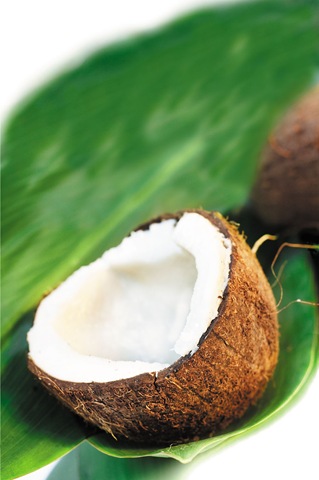
What’s more, fat, like that in butter and coconut oil, is necessary in order to help your body absorb many of the healthy nutrients found in vegetables.
What if Bad Fat is actually Good For You? It is!!!
For decades, Americans have been told that saturated fat clogs arteries and causes heart disease. But there’s just one problem: No one’s ever proved it!
Suppose you were forced to live on a diet of red meat and whole milk. A diet that, all told, was at least 60 percent fat — about half of it saturated. If your first thoughts are of statins and stents, you may want to consider the curious case of the Masai, a nomadic tribe in Kenya and Tanzania.
In the 1960s, a Vanderbilt University scientist named George Mann, M.D., found that Masai men consumed this very diet (supplemented with blood from the cattle they herded). Yet these nomads, who were also very lean, had some of the lowest levels of cholesterol ever measured and were virtually free of heart disease.
Scientists, confused by the finding, argued that the tribe must have certain genetic protections against developing high cholesterol. But when British researchers monitored a group of Masai men who moved to Nairobi and began consuming a more modern diet, they discovered that the men’s cholesterol subsequently skyrocketed.
Similar observations were made of the Samburu — another Kenyan tribe — as well as the Fulani of Nigeria. While the findings from these cultures seem to contradict the fact that eating saturated fat leads to heart disease, it may surprise you to know that this "fact" isn’t a fact at all. It is, more accurately, a hypothesis from the 1950s that’s never been proved.
The first scientific indictment of saturated fat came in 1953. That’s the year a physiologist named Ancel Keys, Ph.D., published a highly influential paper titled "Atherosclerosis, a Problem in Newer Public Health." Keys wrote that while the total death rate in the United States was declining, the number of deaths due to heart disease was steadily climbing. And to explain why, he presented a comparison of fat intake and heart disease mortality in six countries: the United States, Canada, Australia, England, Italy, and Japan.
The Americans ate the most fat and had the greatest number of deaths from heart disease; the Japanese ate the least fat and had the fewest deaths from heart disease. The other countries fell neatly in between. The higher the fat intake, according to national diet surveys, the higher the rate of heart disease. And vice versa. Keys called this correlation a "remarkable relationship" and began to publicly hypothesize that consumption of fat- causes heart disease. This became known as the diet-heart hypothesis.
At the time, plenty of scientists were skeptical of Keys’s assertions. One such critic was Jacob Yerushalmy, Ph.D., founder of the biostatistics graduate program at the University of California at Berkeley. In a 1957 paper, Yerushalmy pointed out that while data from the six countries Keys examined seemed to support the diet-heart hypothesis, statistics were actually available for 22 countries. And when all 22 were analyzed, the apparent link between fat consumption and heart disease disappeared. For example, the death rate from heart disease in Finland was 24 times that of Mexico, even though fat-consumption rates in the two nations were similar
The other salient criticism of Keys’s study was that he had observed only a correlation between two phenomena, not a clear causative link. So this left open the possibility that something else — unmeasured or unimagined — was leading to heart disease. After all, Americans did eat more fat than the Japanese, but perhaps they also consumed more sugar and white bread, and watched more television.
Despite the apparent flaws in Keys’s argument, the diet-heart hypothesis was compelling, and it was soon heavily promoted by the American Heart Association (AHA) and the media. It offered the worried public a highly educated guess as to why the country was in the midst of a heart-disease epidemic. "People should know the facts," Keys said in a 1961 interview with Time magazine, for which he appeared on the cover. " Then if they want to eat themselves to death, let them."
The seven-countries study, published in 1970, is considered Ancel Keys’s landmark achievement. It seemed to lend further credence to the diet-heart hypothesis. In this study, Keys reported that in the seven countries he selected — the United States, Japan, Italy, Greece, Yugoslavia, Finland, and the Netherlands — animal-fat intake was a strong predictor of heart attacks over a 5-year period. Just as important, he noted an association between total cholesterol and heart-disease mortality. This prompted him to conclude that the saturated fats in animal foods — and not other types of fat — raise cholesterol and ultimately lead to heart disease.
Naturally, proponents of the diet-heart hypothesis hailed the study as proof that eating saturated fat leads to heart attacks. But the data was far from rock solid. That’s because in three countries (Finland, Greece, and Yugoslavia), the correlation wasn’t seen. For example, eastern Finland had five times as many heart-attack fatalities and twice as much heart disease as western Finland, despite only small differences between the two regions in animal-fat intake and cholesterol levels. And while Keys provided that raw data in his report, he glossed over it as a finding. Perhaps a larger problem, though, was his assumption that saturated fat has an unhealthy effect on cholesterol levels.
Although more than a dozen types of saturated fat exist, humans predominantly consume three: stearic acid, palmitic acid, and lauric acid. This trio comprises almost 95 percent of the saturated fat in a hunk of prime rib, a slice of bacon, or a piece of chicken skin, and nearly 70 percent of that in butter and whole milk.
Today, it’s well established that stearic acid has no effect on cholesterol levels. In fact, stearic acid — which is found in high amounts in cocoa as well as animal fat –is converted to a monounsaturated fat called oleic acid in your liver. This is the same heart-healthy fat found in olive oil. As a result, scientists generally regard this saturated fatty acid as either benign or potentially beneficial to your health.
Palmitic and lauric acid, however, are known to raise total cholesterol. But here’s what’s rarely reported: Research shows that although both of these saturated fatty acids increase LDL ("bad") cholesterol, they raise HDL ("good") cholesterol just as much, if not more. And this lowers your risk of heart disease. That’s because it’s commonly believed that LDL cholesterol lays down plaque on your artery walls, while HDL removes it. So increasing both actually reduces the proportion of bad cholesterol in your blood to the good kind. This may explain why numerous studies have reported that this HDL/LDL ratio is a better predictor of future heart disease than LDL alone.
All of this muddies Keys’s claim of a clear connection between saturated-fat intake, cholesterol, and heart disease. If saturated fat doesn’t raise cholesterol in such a way that it increases heart-disease risk, then according to the scientific method, the diet-heart hypothesis must be rejected. However, in 1977 it was still a promising idea.
That was the year Congress made it government policy to recommend a low-fat diet, based primarily on the opinions of health experts who supported the diet-heart hypothesis. It was a decision met with much criticism from the scientific community, including the American Medical Association. After all, officially endorsing a low-fat diet could change the eating habits of millions of Americans, and the potential effects of this strategy were widely debated and certainly unproved.
We’ve spent billions of our tax dollars trying to prove the diet-heart hypothesis. Yet study after study has failed to provide definitive evidence that saturated-fat intake leads to heart disease. The most recent example is the Women’s Health Initiative, the governments largest and most expensive ($725 million) diet study yet. The results, published last year, show that a diet low in total fat and saturated fat had no impact in reducing heart-disease and stroke rates in some 20,000 women who had adhered to the regimen for an average of 8 years.
But this paper, like many others, plays down its own findings and instead points to four studies that, many years ago, apparently did find a link between saturated fat and heart disease. Because of this, it’s worth taking a closer look at each.
The Los Angeles VA Hospital Study (1969) This UCLA study of 850 men reported that those who replaced saturated fats with polyunsaturated fats were less likely to die of heart disease and stroke over a 5-year period than were men who didn’t alter their diets. However, more of those who changed their diets died of cancer, and the average age of death was the same in both groups. What’s more, "through an oversight," the study authors neglected to collect crucial data on smoking habits from about 100 men. They also reported that the men successfully adhered to the diet only half the time.
The Oslo Diet-Heart Study (1970) Two hundred men followed a diet low in saturated fat for 5 years while another group ate as they pleased. The dieters had fewer heart attacks, but there was no difference in total deaths between the two groups.
The Finnish Mental Hospital Study (1979). This trial took place from 1959 to 1971 and appeared to document a reduction in heart disease in psychiatric patients following a "cholesterol-lowering" diet. But the experiment was poorly controlled: Almost half of the 700 participants joined or left the study over its 12-year duration.
The St. Thomas’ Atherosclerosis Regression Study (1992) Only 74 men completed this 3-year study conducted at St. Thomas’ Hospital, in London. It found a reduction in cardiac events among men with heart disease who adopted a low-fat diet. There’s a major caveat, though: Their prescribed diets were also low in sugar.
These four studies, even though they have serious flaws and are tiny compared with the Women’s Health Initiative, are often cited as definitive proof that saturated fats cause heart disease. Many other more recent trials cast doubt on the diet-heart hypothesis. These studies should be considered in the context of all the other research.
In 2000, a respected international group of scientists called the Cochrane Collaboration conducted a "meta-analysis" of the scientific literature on cholesterol-lowering diets. After applying rigorous selection criteria (219 trials were excluded), the group examined 27 studies involving more than 18,000 participants. Although the authors concluded that cutting back on dietary fat may help reduce heart disease, their published data actually shows that diets low in saturated fats have no significant effect on mortality, or even on deaths due to heart attacks.
"I was disappointed that we didn’t find something more definitive," says Lee Hooper, Ph.D., who led the Cochrane review. If this exhaustive analysis didn’t provide evidence of the dangers of saturated fat, says Hooper, it was probably because the studies reviewed didn’t last long enough, or perhaps because the participants didn’t lower their saturated-fat intake enough. Of course, there is a third possibility, which Hooper doesn’t mention: The diet-heart hypothesis is incorrect.
Ronald Krauss, M.D., won’t say saturated fats are good for you. "But," he concedes, "we don’t have convincing evidence that they’re bad, either."
For 30 years, Dr. Krauss — an adjunct professor of nutritional sciences at the University of California at Berkeley — has been studying the effect of diet and blood lipids on cardiovascular disease. He points out that while some studies show that replacing saturated fats with unsaturated fats lowers heart-disease risk, this doesn’t mean that saturated fats lead to clogged arteries. "It may simply suggest that unsaturated fats are an even healthier option," he says.
But there’s more to this story: In 1980, Dr. Krauss and his colleagues discovered that LDL cholesterol is far from the simple "bad" particle it’s commonly thought to be. It actually comes in a series of different sizes, known as subfractions. Some LDL subfractions are large and fluffy. Others are small and dense. This distinction is important.
A decade ago, Canadian researchers reported that men with the highest number of small, dense LDL subfractions had four times the risk of developing clogged arteries than those with the fewest. Yet they found no such association for the large, fluffy particles. These findings were confirmed in subsequent studies.
Now here’s the saturated-fat connection: Dr. Krauss found that when people replace the carbohydrates in their diet with fat–saturated or unsaturated — the number of small, dense LDL particles decreases. This leads to the highly counterintuitive notion that replacing your breakfast cereal with eggs and bacon could actually reduce your risk of heart disease.
Men, more than women, are predisposed to having small, dense LDL. However, the propensity is highly flexible and, according to Dr. Krauss, can be switched on when people eat high-carb, low-fat diets or switched off when they reduce carbs and eat diets high in fat, including the saturated variety. "There’s a subgroup of people at high risk of heart disease who may respond well to diets low in fat," says Dr. Krauss. "But the majority of healthy people seem to derive very little benefit from these low-fat diets, in terms of heart-disease risk factors, unless they also lose weight and exercise. And if a low-fat diet is also loaded with carbs, it can actually result in adverse changes in blood lipids."
While Dr. Krauss is much published and highly respected — he has served twice as chairman of the writing committee of the AHA’s dietary guidelines — the far-reaching implications of his work have not been generally acknowledged. "Academic scientists believe saturated fat is bad for you," says Penny Kris-Etherton, Ph.D., a distinguished professor of nutritional studies at Penn State University, citing as evidence the "many studies" she believes show it to be true. But not everyone accepts those studies, and their proponents find it hard to be heard. Kris-Etherton acknowledges that "there’s a good deal of reluctance toward accepting evidence suggesting the contrary."
Take, for example, a 2004 Harvard University study of older women with heart disease. Researchers found that the more saturated fat these women consumed, the less likely it was their condition would worsen. Lead study author Dariush Mozaffarian, Ph.D., an assistant professor at Harvard’s school of public health, recalls that before the paper was published in the American Journal of Clinical Nutrition, he encountered formidable politics from other journals.
"In the nutrition field, it’s very difficult to get something published that goes against established dogma," says Mozaffarian. "The dogma says that saturated fat is harmful, but that is not based, to me, on unequivocal evidence." Mozaffarian says he believes it’s critical that scientists remain open minded. "Our finding was surprising to us. And when there’s a discovery that goes against what’s established, it shouldn’t be suppressed but rather disseminated and explored as much as possible."
Perhaps the apparent bias against saturated fat is most evident in studies on low-carbohydrate diets. Many versions of this approach are controversial because they place no limitations on saturated-fat intake. As a result, supporters of the diet-heart hypothesis have argued that low-carb diets will increase the risk of heart disease. But published research doesn’t show this to be the case. When people on low-carb diets have been compared head-to-head with those on low-fat diets, the low-carb dieters typically scored significantly better on markers of heart disease, including small, dense LDL cholesterol, HDL/LDL ratio, and triglycerides, which are a measure of the amount of fat circulating in your blood.
For example, in a new 12-week study, University of Connecticut scientists placed overweight men and women on either a low-carb or low-fat diet. Those who followed the low-carb diet consumed 36 grams of saturated fat per day (22 percent of total calories), which represented more than three times the amount in the low-fat diet. Yet despite this considerably greater intake of saturated fat, the low-carb dieters reduced both their number of small, dense LDL cholesterol and their HDL/LDL ratio to a greater degree than those who ate a low-fat diet. In addition, triglycerides decreased by 51 percent in the low-carb group–compared with 19 percent in the low-fat group.
This finding is worth noting, because even though cholesterol is the most commonly cited risk factor for heart disease, triglyceride levels may be equally relevant. In a 40-year study at the University of Hawaii, scientists found that low triglyceride levels at middle age best predicted "exceptional survival" — defined as living until age 85 without suffering from a major disease.
According to lead study author Jeff Volek, Ph.D., R.D., two factors influence the amount of fat coursing through your veins. The first, of course, is the amount of fat you eat. But the more important factor is less obvious. Turns out, your body makes fat from carbohydrates. It works like this: The carbs you eat (particularly starches and sugar) are absorbed into your bloodstream as sugar. As your carb intake rises, so does your blood sugar. This causes your body to release the hormone insulin. Insulin’s job is to return your blood sugar to normal, but it also signals your body to store fat. As a result, your liver starts converting excess blood sugar to triglycerides, or fat.
All of which helps explain why the low-carb dieters in Volek’s study had a greater loss of fat in their blood. Restricting carbs keeps insulin levels low, which lowers your internal production of fat and allows more of the fat you do eat to be burned for energy.
Yet even with this emerging data and the lack of scientific support for the diet-heart hypothesis, the latest AHA dietary guidelines have reduced the recommended amount of saturated fat from 10 percent of daily calories to 7 percent or less. "The idea was to encourage people to decrease their saturated-fat intake even further, because there’s a linear relationship between saturated-fat intake and LDL cholesterol," says Alice H. Lichtenstein, Ph.D., Sc.D., who led the AHA nutrition committee that wrote the recommendation.
What about Krauss’s findings that not all LDL is equal? Lichtenstein says that her committee didn’t address them, but that it might in the future.
It could be that it’s not bad foods that cause heart disease, it’s bad habits. After all, in Volek’s study, participants who followed the low-fat diet — which was high in carbs — also decreased their triglycerides. "The key factor is that they weren’t overeating," says Volek. "This allowed the carbohydrates to be used for energy rather than converted to fat." Perhaps this is the most important point of all. If you consistently consume more calories than you burn, and you gain weight, your risk of heart disease will increase — whether you favor eating saturated fats, carbs, or both.
But if you’re living a healthy lifestyle — you aren’t overweight, you don’t smoke, you exercise regularly — then the composition of your diet may matter much less. And, based on the research of Volek and Dr. Krauss, a weight-loss or maintenance diet in which some carbohydrates are replaced with fat — even if it’s saturated — will reduce markers of heart-disease risk more than if you followed a low-fat, high-carb diet.
"The message isn’t that you should gorge on butter, bacon, and cheese," says Volek. "It’s that there’s no scientific reason that natural foods containing saturated fat can’t, or shouldn’t, be part of a healthy diet."
Fat Food You SHOULD Eat
For years you’ve heard that eating saturated fat is like pouring superglue into your arteries. But the fact is, this forbidden fat actually increases your HDL (good) cholesterol, which helps remove plaque from your artery walls, decreasing your risk of heart disease. So quit depriving yourself and start eating these eight foods — without guilt.
Beef
Most people consider turkey, chicken, and fish healthy, yet think they should avoid red meat — or only choose very lean cuts — since they’ve always been told that it’s high in saturated fat.
But there are two problems in that thinking. The first problem is that almost half of the fat in beef is a monounsaturated fat called oleic acid — the same heart-healthy fat that’s found in olive oil. Second, most of the saturated fat in beef actually decreases your heart-disease risk — either by lowering LDL (bad) cholesterol, or by reducing your ratio of total cholesterol to HDL (good) cholesterol.
And besides being one of the most available sources of high-quality protein, beef also provides many important nutrients such as iron, zinc, and B vitamins. So the idea that beef is bad for you couldn’t be further from the truth.
However, you should always buy organic, grass-fed beef! Grass fed beef has 10 times the Vitamins A, D and E.
Poultry
I probably don’t have to sell you on the virtues of chicken and turkey. After all, nearly all experts agree that these foods are healthy sources of high-quality protein. But unlike most nutritionists, I also say go ahead and eat both the dark meat and the skin. Because both are composed of animal fat, their fat composition is very similar to that of beef. Meaning neither raises your risk for heart disease.
Remember, eating more fat — not less — is the key in helping you automatically reduce your calorie intake, without feeling deprived. Always buy organic, free range chicken.
Pork
It’s true: Pork really is the other white meat. Ounce for ounce, pork tenderloin has less fat than a chicken breast. And food scientists are finding ways to make it leaner and leaner every year.
Of course, the downside to this is that fat is what makes pork taste so good — which explains why ham and bacon are far more popular than leaner cuts. (As Emeril Lagasse says, "Pork fat rules.") But remember, there’s no reason to fear fat.
Not everyone has a taste for bacon, pancetta, and ham. But you can make your choice based simply on what you love without worrying about the fat in these foods. When you follow the TNT Diet, your health and body composition results will be every bit as impressive with these foods as without — so why deny your taste buds?
One caveat: Bacon and other cured meats often contain sodium and other preservatives, such as nitrates, that may raise blood pressure or increase your risk for cancer. To limit your risk, choose fresh meats or packaged products that contain no preservatives — typically labeled "all-natural" , free range and organic.
Eggs
Whole eggs contain more essential vitamins and minerals per calorie than virtually any other food. They’re also one of the best sources of choline, a substance your body requires to break down fat for energy. In addition, eggs provide lutein and zeaxanthin, antioxidants that help prevent macular degeneration and cataracts.
They may even be the perfect diet food: Saint Louis University scientists found that people who had eggs as part of their breakfast ate fewer calories the rest of the day than those who ate bagels instead. Even though both breakfasts contained the same number of calories, the egg eaters consumed 264 fewer calories for the entire day.
However, you’ve probably been told at one time or another to avoid eggs because they’re high in cholesterol and fat. This is the same thinking that led to low-fat diets — and a mindset that has probably made us a lot fatter over the past decade. It’s simply a leftover recommendation from the low-fat legacy that was never forgotten.
In a recent review of dozens of scientific studies, Wake Forest University researchers found no connection between egg consumption and heart disease.
Always buy cage-free, organic and free range eggs.
Butter
If this delicious dairy product were the star of a sitcom on the Health network, the show would probably be called "Everybody Hates Butter." The reason, of course, is that it contains a significant amount of saturated fat. But again, it’s animal fat, like the kind in beef, bacon, and chicken skin. This is a natural fat that men and women have eaten for thousands of years.
What’s more, fat, like that in butter, is necessary in order to help your body absorb many of the healthy nutrients found in vegetables. For instance, without fat, your body can’t absorb carotenoids — powerful disease-fighting antioxidants found in colorful vegetables — or fat-soluble vitamins, such as vitamins A, D, E, and K. So go ahead, eat butter, and do it without guilt. Always buy organic, or better yet, buy raw butter online.
Coconut
Ounce for ounce, coconut contains even more saturated fat than butter does. As a result, health experts have warned that it will clog your arteries. But even though coconut is packed with saturated fat, it too appears to have a beneficial effect on heart-disease risk factors.
One reason: More than 50 percent of its saturated-fat content is lauric acid. A recent analysis of 60 studies published in the American Journal of Clinical Nutrition reports that even though lauric acid raises LDL (bad) cholesterol, it boosts HDL (good) cholesterol even more. Overall, this means it decreases your risk of cardiovascular disease.
The rest of the saturated fat in a coconut is believed to have little or no effect on cholesterol levels.
We think coconut is highly underrated — if you like the taste, try it as snack, eating the unsweetened, shredded kind straight from the bag. (You’ll probably have to search the health food section of your grocery store to find it.)
|
Note from Millie; |
I follow the 50/30/20 way of eating. 50% calories from fat (75% of that is saturated), 30 proteins, 20% carbs (NOT bread and pasta). Remember that 95% of the calories in fruits in veggies are carbs, but they are not “empty” carbs. They are packed with vitamins, minerals, phytochemicals; enzymes and moisture that we need to obtain optimum nutrition.
By: Nina Teicholz Another great article from Men’s Health
A Grain Based Diet is Dangerous for Diabetes…and the Rest of Us!
Posted: July 27, 2010 Filed under: Food and it's Impact on Our Health 2 Comments A few days ago I had a young man ask me about the carb count in the food I was servings to him, but something in the way he said it made me quickly glance up…he looked frightened. Something didn’t compute…he was about 6’ 2”, in perfect physical shape, young, about 24 or so. I asked’ “You have a blood sugar problem”?
He replied, “ I was just released from Mayo this morning, I was taken to the hospital when I passed out, they said I have diabetes. I asked him what they had told him to eat and how to manage it. As he told me the answer I started getting madder and madder. “They told me”, he said, “ To eat the same foods I am eating now but to eat half the amount!” I was incredulous. He said, his face becoming animated, “But I’m sooo hungry”! When asked what he had for breakfast that morning at the hospital, he told me he had had half of an English Muffin with margarine, half a bowl of oatmeal with 2% milk, and a fruit cup! ALL CARBS, the wrong fats, toxic milk, a fruit cup with high fructose corn syrup!
As I explained to him how excess carbs and the wrong fats, and lack of fats had gotten him to where he was today…it dawned on him..they were creating a patient for life. I told him my experiences when doctors had told me they were not interested in teaching people to get well to the degree that I did, that they didn’t have time and that they would lose out on income.
So I went on with the conversation, explaining about organic meat, grass fed beef, coconut oil…and why…he just grinned, “I can eat, I don’t have to try to be hungry the rest of my life!”
I obtained a flyer from the company Sanofi Aventis, clearly a company who makes pharmaceuticals..although it never mentions that on the flyer, The accompanying flyer was an advertisement for Insulin.
Here’s the Diet they recommended for a diabetic;
Breakfast; white egg omelet with low fat cheese, spinach, onions, a slice of whole wheat toast, 1 teaspoon light margarine spread, 2/3 cup light yogurt, half a grapefruit and coffee with artificial sweetener.
The Nutrition breakdown;
229 calories- woefully inadequate, he should be getting a third of his calories for the day!
30% of his calories were from fat- too low.
23% of calories were from protein- too low.
And 47% of his calories were from CARBOHYDRATES! No wonder they recommend this diet along with the insulin…he’s gonna need it! Plus he has gotten 17% of needed calcium, 7% of needed iron…this isn’t looking good for his health. He took in 41 mg. of Vitamin C, kinda scary. And he took in 438 IU. of Vitamin A..you need 50,000 a DAY! And it is easily gotten through diet alone.
Next; Lunch; 2 slices rye bread, 2 ounces turkey, 2 slices tomato, low fat cheese, light mayonnaise, small apple and a diet beverage! I swear, it really says that!
Lunch was 367 calories- kinda puny..and who eats 2 ounces of meat on a sandwich?
19% was from fat- way too low.
23% was from protein- are you seeing a pattern here…since these too numbers are always too low…guess what that does to the carb percentages? You guessed it!
Carbs were 58% of this intake. Eeeekkk! No way to handle diabetes, and a good way to develop diabetes.
He did get 59 mg of Vitamin C, big whoop. And 2638 IU of Vitamin A, far short still of that 50,000. He took in 14% of needed calcium, and along with the inadequate Vitamin C…no or low absorption of calcium…which he’s not getting enough of anyway.
So lets look at the whole day,. Dinner was 3 OUNCES of broiled salmon with 2 teaspoons canola oil, a whole wheat dinner roll. mixed greens with olive oil, 2/3 cup brown rice and a packet of sugar free chocolate pudding.
This poor man had 1200 calories. I’d starve to death. 29% was from fat, too low for good health and most of high fats were monounsaturated fats, those fats that make cholesterol stick together in the arteries, leads to heart disease, have no nutrition in them, are rancid and unsafe to ever heat at all.
18% of his calories were from protein, too low. And carbs were at 53%. They should be between 15 and 20% for healthy individuals, which is also ideal for diabetics…doesn’t THAT make sense?
But let’s take a look at the nutrition; the vitamins and minerals he got this day;
122 mg of Vitamin C for the whole day! Dismal.
4271 IU of Vitamin A, we need 50,000 to 75,000 from our diet each day.
He took in 54% of needed calcium…(he’ll need Boniva, Lipitor and then Viagra…)
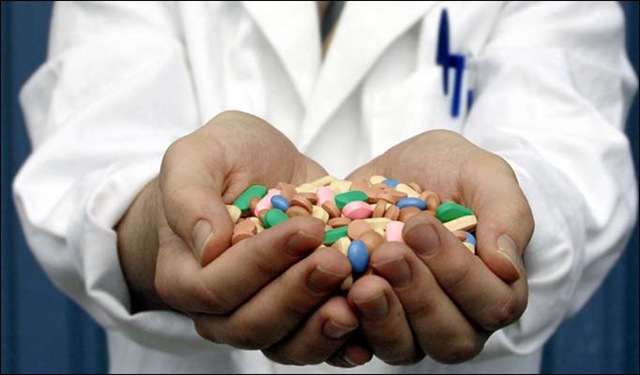
He took in 51% of needed Iron.
And the FDA, the American Heart Association, the Diabetic Association will tell you this is good nutrition.
It’s a joke, and it pisses me off. They lie to sell drugs, keep the doctors offices and hospitals full. It’s time we all got mad and gave feedback about the way you have been duped into thinking that these illnesses “just happen”…they are preventable!
But not with the FDA approved “diet”.
Carbs is Carbs
Posted: July 27, 2010 Filed under: Food and it's Impact on Our Health Leave a comment I read an article in the NY Times last week that reported that even products labeled sugar free can raise your blood sugar. That is true, because the the sugar alcohols used, which are nether sugar nor alcohol.
But it got me to thinking about carbs, and how most Americans get most of thier calories from carbs. Hence, the obesity, diabetes, learning disorders, cancers, immune system disorders.. In other words; malnourishment. Carbs, without the right amounts of fats and high quality proteins to accompany them wear out our pancreas, keep us craving carbs…never feeling satisfied because it is impossible to get the depth of nutrition that we get from the right fats and high quality protein.
When we say carbs in this country most people think of grains; bread, pasta..or sugars. But fruits and vegetables are 95% carbohydrate. And even though they are not empty carbs, (like a donut, or rice)…they do have a lot of nutrients, too many of them are bad for you. Only 20% of your calories a day should come from carbohydrates; low glycemic vegetables, dark in color, rich in nutrients, a tiny amount of in season fruit, plenty of green leafy veggies, onions, mushrooms, tomatoes. Fruit with depth of color; blueberries, black berries.
Too many carbs, even from fruits and vegetables, cause harm to the body. They make the panaceas work too hard, blood sugar goes up and down, the body loses the ability to regulate blood sugar. Without the fats that help us properly digest the fruits and vegetables, regulate our hormones, control our appetites, have proper brain function we cannot ever be well nourished. Too many carbs contribute to elevated LDL levels. So do heated or rancid vegetable oils. Once outside of the food they came in they are no longer fit for human consumption, they oxidize, causing free radical production in the body. In other words, aging us too quickly.
You hear a LOT of hoopla nowadays about anti-oxidants. They come in pills, drinks…and fruits and veggies. In fact, ALL fruits and veggies have them. So eating a moderate amount, 20% a day of your calories gives you all the anti-oxidants you need. But too many veggies and fruits raises your need for them because of the damage done by too many carbs!
Notice that I have not mentioned grains as a part of a nutritious diet. They are not. They are devoid of nutrients, have an abundance of opioids (yes, morphine type derivatives),. They are indeed a relaxant. and we crave them…..boy do we crave them! They are addictive, Americans live on them, vegetarians depend on them as a mainstay in thier diet.
We need to eat like the cave men did; plenty of high quality organic fats, grass meats, free range chickens and eggs, rich, healthy organic butter and coconut oil, with organic fruits and veggies. Notice this is all WHOLE FOOD, not “products”.
Try it for a month, watch what happens.
Paying for Packaging: It’s Time to Stop
Posted: July 6, 2010 Filed under: Going Green; How and Why..., Non-Toxic Choices Leave a commentFrom;

by Thursday Bram on 29 June 2010

Next time you take a walk through the grocery store, take a look at the packaging — especially on relatively expensive items. Any item with a lot of packaging always costs more than its counterpart without. Hamburger Helper offers a great example: not only does it come in a box, but there are packets within the box. Compare the price of a box or bag of pasta, with less packaging, and a few spices (which is not all that far off from what Hamburger Helper is). In such cases, we aren’t just paying for packaging — of course convenience is a key pricing factor — but the connection is still there.
Reducing the Packaging in Your Cart
One of the easiest strategies is to buy in bulk when possible. The packaging on small, convenience-sized containers of common staples — like oatmeal — adds up very quickly when you compare it to the packaging on one large container. Another option is to choose to buy from locations that don’t rely as heavily on packaging. For instance, at many farmer’s markets, you simply bring your own bags. Similarly, many food co-ops actually require you to bring in containers to purchase certain items, like grains. There are even a few grocery stores that offer you the same option. Investing in a few reusable bags and containers can help you get away from buying pre-packaged foods.
Lastly, cooking from scratch can be a key strategy in minimizing packaging. There’s far less packaging on "ingredients" (which also happen to be cheaper) than on mixes and meals that are practically ready to go.
It is important to make a conscious decision, however, if you want to stop paying for packaging on your food. It’s very easy to have a blind spot when it comes to the paper and plastic your food comes wrapped up in. Unless you’re paying attention, a small jar of mustard and a big bottle will seem to have roughly the same amount of packaging materials. But when you consider their relative size, one size certainly requires more jars than the other.
A Bigger Impact
There’s additional value in reducing the packaging we buy than simple costs. There is no doubt that there’s a huge environmental impact made by each piece of packaging that winds up in the trash and even recycling such items isn’t the best option. The best solution is to not use more packaging than is absolutely necessary in the first place.
It’s not always an option, but making an effort to focus on reusable packaging or less-harmful packaging is a step in the right direction. You can minimize the plastic packaging you need, for instance, without hurting your own bottom line.
Indoor Garden
Posted: July 6, 2010 Filed under: Gardening Leave a comment
Right under the lights are two orange trees I started from seeds. They came from my friend Janice’s cousins tree in Mandarin. I heard after they sprouted that they were hard to sprout, but after pricing citrus trees I decided to try. They took 2 months to sprout between wet paper towels. They are about 5 inches tall now…
a Great IDEA!
Posted: May 14, 2010 Filed under: Food and it's Impact on Our Health Leave a commentNational Geographic- SODIS Solution Posted: 13 May 2010 01:00 PM PDTSo, I’m a total nerd. Every year for Christmas the only gift I request of my husband is to renew my subscription to National Geographic.While finding clean water to support the population of Sub-Saharan Africa is an ongoing problem, in 2006 Ibelatha Mhelela, the principal at a primary school in Tanzania, implemented a simple solution.Turns out, even if people live nowhere near a clean source of water, as long as they have plastic bottles they can CREATE clean water. It’s known as the SODIS program. Basically, you peel the label off any plastic water bottle and fill it with standing water, as long as the water isn’t completely brown. Then place the bottle on top of a metal surface (for better heat conductivity) and leave it alone. Within six hours, the UVA radiation will kill parasites, bacteria and other harmful elements in the water, making it safe to drink.And don’t worry, Snopes assures me that it perfectly safe to drink water from bottles that have been left in the sun.


 Meal Delivery Service by Millie Barnes