We Just Got More Evidence For The Strange Link Between Sugar And Alzheimer’s
Posted: January 29, 2018 Filed under: Food and it's Impact on Our Health Leave a comment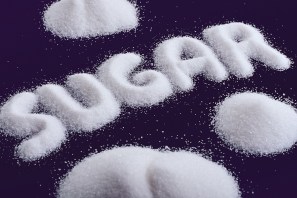
People with high blood sugar stand to experience worse long-term cognitive decline than their healthy peers, even if they’re not technically type 2 diabetic, new research suggests.
The findings are not the first linking diabetes with impaired cognitive functions, but they’re some of the clearest yet showing blood sugar isn’t just a marker of our dietary health – it’s also a telling predictor of how our brains may cope as we get older.
“Our findings suggest that interventions that delay diabetes onset, as well as management strategies for blood sugar control, might help alleviate the progression of subsequent cognitive decline over the long-term,” explain the researchers, led by epidemiologist Wuxiang Xie from Imperial College London.
The researchers sourced their data from the English Longitudinal Study of Ageing, an ongoing assessment of the health of a representative sample of the English population aged 50 and older, which began in in 2002.
For its analysis, the team tracked 5,189 participants – 55 percent women, with an average age of 66 years – assessing their level of cognitive function between 2004-2005 to 2014-2015, spanning several waves of the ELSA study.
In addition, the researchers monitored participants’ levels of HbA1c, aka glycated haemoglobin, a measure of blood sugar control over time.
While all of the participants showed some level of cognitive decline over the course of the assessment due to simply getting older, the researchers found those with greater levels of HbA1c experienced a steepened rate of decline, tracked by tests measuring their cognitive, memory, and executive function abilities.
Other studies have previously shown this kind of link between diabetes and the cognitive decline seen in conditions like Alzheimer’s disease – but never before by using HbA1c.
Interestingly, though, the new findings go beyond just re-establishing the link between diabetes and cognitive decline – because the HbA1c trend was observed in participants regardless of whether or not they were technically diabetic.
Healthy people’s HbA1c levels are lower than 42 millimoles per mole (mmol/mol, or below 6 percent), while diabetic people show readings of 48 mmol/mol or above (6.5 percent or above).
In the middle, people with the precursor condition prediabetes (high blood sugar, but not considered diabetic) have readings between 42 to 47 mmol/mol (6 to 6.4 percent).
What the researchers found is that the associated rate of cognitive decline isn’t limited to just those who are diabetic, but to higher HbA1c counts generally.
“Our findings show a linear correlation between circulating HbA1c levels and cognitive decline, regardless of diabetic status,” the researchers explain.
It’s a bit too early to know what the dietary implications are for people concerned about their blood sugar levels – suffice to say it’s another compelling reason why we should all be watching what we eat so as to prevent developing type 2 diabetes– although even if you do, some clever choices could help you reverse that diagnosis.
“One strength of this large study is that it followed people over time to show a faster decline in memory and thinking in those with poorer blood sugar control,” says Alzheimer’s Research UK’s Chief Scientific Officer, David Reynolds.
“But it does not shed any light on the potential mechanisms underlying this decline.”
While researchers continue to explore what those mechanisms could be, it’s becoming clearer that none of us, diabetic or otherwise, should assume diets high in sugar are necessarily harmless to both body and mind.
“Just because you don’t have type 2 diabetes doesn’t mean you can eat whatever carbs you want,” epidemiologist Rosebud Roberts from the Mayo Clinic, who wasn’t involved in the study, told The Atlantic.
“Especially if you’re not active. [What we eat is] a big factor in maintaining control of our destiny.”
The findings are reported in Diabetologia.
Chicken and Chorizo Paella with Cauliflower Rice
Posted: January 24, 2018 Filed under: Food and it's Impact on Our Health, Recipes Leave a comment
serves 4
1 pound chorizo sausage
2 skinless, boneless chicken breast
3 cups cauliflower rice, divided
1 medium onion- diced
1 large red bell pepper
1 pinch salt ground black pepper to taste
1 T. garlic
1 (14.5 ounce) can Diced Tomatoes
2 bay leaves
1 teaspoons fresh thyme
1/2 teaspoon crushed saffron threads
1/2 teaspoon dried basil
1/2 cup water
2 tablespoons tomato paste
4 cups chicken broth
1 cup frozen peas
1. Place paella pan or large flat-bottomed pan over medium-high heat. Cook and crumble chorizo sausage, stirring to break up chunks, until browned, about 5 minutes. Add chicken; cook and stir with sausage until chicken is no longer pink instead and is browned. Transfer chicken and sausage to a plate.
2. Reduce heat to medium and add 2 cups of the cauliflower rice. Cook, stirring for 5 minutes to brown the cauliflower slightly (this brings out a nutty flavor). Add the diced onion and bell pepper. Season with a pinch of salt, and pepper to taste. Add the minced garlic. Cook 2 minutes longer.
3. Pour canned tomatoes into pan. Add bay leaves, thyme leaves, saffron, and basil. Mix well. Transfer sausage and chicken mixture back to pan. Add water, tomato paste, and bouillon. Stir to combine all ingredients. Bring to a boil; reduce heat to medium-low and cover. Simmer 15 minutes.
4. Remove lid and fold in peas and remaining 1 cup of cauliflower rice. Place frozen tilapia filets on top of the paella mixture, cover and steam for another 10 minutes. Remove lid and check for doneness. You might also like
Nine Things That Can Affect Whether you Get Dementia – and What You Can do About Them
Posted: January 21, 2018 Filed under: Food and it's Impact on Our Health Leave a comment
Dementia is by no means an inevitable result of ageing. In fact, one in three dementia cases can be prevented, according to new findings published in The Lancet.
For the report – the first for The Lancet Commission on Dementia Prevention and Care – my colleagues and I analysed a number of studies and developed a model showing how lifestyle changes, at different ages, can reduce a person’s risk of developing dementia.
We considered potentially reversible risk factors from different life stages – not just old age. Based on this, we propose a new model to demonstrate the possible impact of eliminating these risk factors across the lifespan.
We have detailed the compelling international evidence for nine lifestyle factors that may reduce, or increase, an individual’s risk of developing dementia. These are more childhood education, exercise, being socially active, stopping smoking, managing hearing loss, depression, diabetes, high blood pressure and obesity. Each of these factors could help prevent or delay dementia.
Our message is: be ambitious about prevention; put these into practice. It’s never too early to start education – and never too late to check your blood pressure and stop smoking. Get your blood pressure checked if you are 45 or over and keep it under control. Ask your family if they think your hearing is a problem and, if so, seek medical help. Be physically, mentally and socially active and watch your weight and blood sugar.
Nine factors that play a role in dementia. Credit: Keck Medicine of USC
The greatest healthcare challenge
Dementia is the greatest global challenge for health and social care in the 21st century – and the greatest fear of most people. People are living longer, and dementia is mainly a disease of old age, which means that rates are going up. About 47m people around the world are living with dementia. That figure is expected to rise to 115m by 2050.
In some countries, such as the UK, US, Sweden and the Netherlands, dementia is already being delayed for years in those with more education, so the proportion of older people living with it has decreased, although more people have dementia, simply because there are more old people. In many other countries, the proportion of older people living with dementia has increased.
The 2015 global cost of dementia was estimated to be US$818 billion (£630 billion) and this will continue to increase as the numbers of people with dementia rise. Nearly 85% of costs are related to family and social – rather than medical – care. It may be that future new medical care, including public health measures, may reduce some of this cost.
It’s about doing something now
Giving people information about what to do to prevent dementia is an essential first step, but it is not enough. There is a responsibility, not just as professionals but as a society, to implement this evidence into interventions that are widely and effectively used for people with dementia and their families. So our recommendations need public health as well as individual effort. Interventions have to be accessible, sustainable and, if possible, enjoyable or they won’t be used.
Of course, not everyone will be able to make changes, some changes will not make a difference and some dementia risk is genetic (about 7% of cases) and not currently modifiable. Nonetheless these interventions should delay dementia for some years for many people and this would be an enormous achievement and enable many more people to reach the end of their life without developing dementia.
Effective dementia prevention could transform the future for society. Acting now on what we already know can make this difference happen.
Does It Really Matter What Kind Of Eggs You Buy?
Posted: January 13, 2018 Filed under: Food and it's Impact on Our Health Leave a comment
When it comes to eggs, there are so many options to choose from, and that can make navigating the dairy aisle a bit challenging. Between the different colors, sizes, and labels, you might be left scratching your head at the grocery store.
Don’t let this misunderstanding stop you from whipping up some eggs, as they’re loaded with benefits “All eggs are a good source of protein and vitamin D, have brain-healthy choline, some lutein for healthy eyes, and are naturally gluten-free,” says Maggie Moon, R.D.N., and author of The MIND Diet.
However, conventional eggs don’t give you a ton of extra perks beyond the basic nutritional benefits of eggs. “These eggs come from hens living in cages where they are fed food and water,” says Moon. (Oh, the ambiguity.)
If you’re worried about what’s going in your body, you might want to take a step or two up and purchase eggs with labels offering more distinctions and reassurance. “Nutritionally speaking, what the hen eats impacts the nutrition you get out of the egg,” Moon says. “There are also environmental and animal welfare issues. Depending on what’s important to you, there’s probably an egg out there for you,” she adds.
Out of all the many egg varieties, Moon recommends organic eggs. They offer a bit more protection when it comes to health, as they’ve needed to be regulated by USDA organic standards, says Moon.
“Namely, they come from hens raised on certified organic feed, are cage-free, and free-roaming,” says Moon. Getting that access to organic food can guarantee a safer egg, and the access to move around, without being contained in a cage, makes for a more humane and happier lifestyle for the chicken. What’s more, “antibiotics and growth hormones are never used,” says Moon, so you can be certain there won’t be any whacky additives.
Study: Eating Leafy Greens May Help Prevent Dementia
Posted: January 1, 2018 Filed under: Food and it's Impact on Our Health Leave a comment
Wednesday, December 20, 2017
Love it or hate it, most people know kale is good for you, but there’s now new evidence that it may have benefits for your mind.
Popeye might have had it right all along. Spinach, kale, lettuce – these leafy greens may not taste as good as holiday treats but new research suggests they may help prevent dementia.
A new study in the Journal Neurology found that people who eat just one or two servings of these leafy greens a day tend to have slower rates of memory loss.
The nutrients in these vegetables slow cognitive decline and may help protect your brain from the effects of aging.
Researchers said the effect seen in the study was statistically similar to being 11 years younger.
Sorry, Peanut Butter Fans, but Your Favorite Nut Isn’t as Healthy as You Think
Posted: January 1, 2018 Filed under: Food and it's Impact on Our Health Leave a comment
We’ve been told since we were little kids that peanuts are a good source of protein and healthy fat and that they make a very smart afternoon snack. Whether it’s a peanut butter and jam sandwich or sliced apple dipped in peanut butter, we’re convinced that we’re doing our bodies good by consuming the trusty peanut.
You might want to leave behind everything you know about peanuts, though. Dr. Frank Lipman, physician and renowned expert in the field of integrative medicine, told POPSUGAR, “Peanuts, despite the name, are actually not a nut but a legume!” That distinction matters when it comes to our health, and here’s how.
“Legumes naturally contain phytic acid and lectins, both of which can weak havoc on gut health,” Dr. Lipman said. “Digestive upset could show up symptomatically as issues with bowel movements, gas, and bloating, or in more severe cases, things like brain fog, anxiety, or depression, given the gut’s impact on neurotransmitters in the brain.”
The media could not be loaded, either because the server or network failed or because the format is not supported.
It’s simply harder for the gut to break down phytic acid and lectins, so your body has to work much harder to process peanuts. Dr. Lipman explained that this kind of stress on your digestion could negatively impact your body’s immune system. He also pointed out that “90 percent of serotonin is produced in the gut,” and serotonin is the feel-good chemical in your brain that promotes good moods, sleep, and a healthy appetite. So if your gut is out of whack, your serotonin production will become imbalanced.
Dr. Lipman actually leaves peanuts out of the diets he creates with his clients. At the very least this will allow them to figure out whether there is a beneficial shift in their overall health. Additionally, anyone who suffers from “major gut-related issues, such as autoimmune conditions” is highly encouraged to steer clear of peanuts entirely.
If you have any digestive issues whatsoever and you’re a big peanut eater, it might be a good idea to eliminate peanuts from your diet for a while. If you suffer from strange mood swings or cravings or you have trouble sleeping, you could benefit from cleaning up your diet by nixing peanuts.
If your heart sinks when you simply think about life without peanut butter, know that there are great alternatives. “There are so many other actual nuts and seeds that are good sources of healthy fat and fibre in the diet,” Dr. Lipman said. “There are many different versions of nut butters now, so you can easily make a healthy and delicious swap instead of peanut butter.”
Whatever nuts and seeds you do choose to eat, Dr. Lipman recommends you consume them in raw or dry-roasted form, free of salt, sugar, and processed oils. If you still have trouble digesting them, “they can be soaked to help the body digest them more efficiently.”
Cataract Surgery May Prolong Your Life
Posted: December 4, 2017 Filed under: Health and Happiness 2 Comments
After 72 very nearsighted years, 55 of them spent wearing Coke-bottle glasses, Jane Quinn of Brooklyn, N.Y., is thrilled with how well she can see since having her cataracts removed last year.
“It’s very liberating to be able to see without glasses,” Ms. Quinn told me. “My vision is terrific. I can even drive at night. I can’t wait to go snorkeling.”
And I was thrilled to be able to tell her that the surgery very likely did more than improve her poor vision. According to the results of a huge new study, it may also prolong her life.
The 20-year study, conducted among 74,044 women aged 65 and older, all of whom had cataracts, found a 60 percent lower risk of death among the 41,735 women who had their cataracts removed. The findings were published online in JAMA Ophthalmology in October by Dr. Anne L. Coleman and colleagues at the Stein Eye Institute of the David Geffen School of Medicine at the University of California, Los Angeles, with Dr. Victoria L. Tseng as lead author.
A cataract is a clouding and discoloration of the lens of the eye. This normally clear structure behind the iris and pupil changes shape, enabling incoming visual images to focus clearly on the retina at the back of the eye. When cataracts form, images get increasingly fuzzy, the eyes become more sensitive to glare, night vision is impaired, and color contrasts are often lost. One friend at 74 realized she needed cataract surgery when she failed to see the yellow highlighted lines in a manuscript she was reading; for her husband, then 75, it was his ophthalmologist who said “it’s time.”
Cataracts typically form gradually with age, and anyone who lives long enough is likely to develop them. They are the most frequent cause of vision loss in people over 40. Common risk factors include exposure to ultraviolet radiation (i.e., sunlight), smoking, obesity, high blood pressure, diabetes, prolonged use of corticosteroids, extreme nearsightedness and family history.
Wearing sunglasses that block 100 percent of UV rays and a hat are important preventives. Eating lots of foods rich in vitamin E (such as spinach, almonds, sunflower seeds and sweet potatoes); the carotenoids lutein and zeaxanthin (in kale, spinach and other dark green leafy vegetables), and omega-3 fatty acids (in spinach and oily fish like mackerel, salmon and sardines) may also reduce the risk of cataracts.
Cataract surgery is the most frequently performed operation in the United States, with more than three million Americans having cataracts removed each year, according to the organization Prevent Blindness America. With tiny instruments, the cloudy lens is sucked out of the eye and an artificial lens inserted in its place. After about half an hour in recovery, patients can go home.
“Not only can cataract surgery give people a better life while they’re living it, they can also live more of it,” Dr. Coleman said in an interview. The women in the study who underwent cataract surgery lived longer even though, over all, they were sicker to begin with — as a group, they had more heart attacks, chronic pulmonary disease, peptic ulcers and glaucoma than those who did not have surgery.
Previous studies had shown a lower mortality risk in men as well as women following cataract surgery, Dr. Coleman said. The new study, while confirming the earlier findings of fewer deaths in women, was also large enough to show just how the operation can extend life. Those who had cataract surgery subsequently had reduced risks of death from cardiovascular, pulmonary, neurological and infectious diseases, as well as cancer and accidents.
In explaining this result, Dr. Coleman said that when people can see better, “they can also move more and get more exercise. They can see their pills better and may be more likely to take them and take the right ones. The surgery also improves visual contrast, which decreases the risk of accidental deaths from falls or driving. It’s important to get the best vision a person can have.”
Although there are some risks associated with removing cataracts, “it’s probably the most successful surgery we have — it has a 98 percent success rate,” Dr. Coleman said. Potential complications, albeit rare, include infection, inflammation, retinal detachment and double or shadow vision.
There have also been extraordinary advances in cataract surgery since the 1980s. Earlier, the surgery was done under general anesthesia and patients spent nights in the hospital and weeks in bed recovering. Today, the procedure is done with a local anesthetic and the incisions are much smaller, often requiring no stitches. One eye is operated upon at a time, with the second one typically done about two weeks later, and recuperation is fast.
As Ms. Quinn put it, the surgery “was quick and easy — maybe five minutes — and it was like a miracle. I couldn’t believe how well I could see right after the first eye was done.”
Specialists now also recognize the wisdom of not waiting until a cataract is “ripe” and vision seriously diminished before urging patients to consider surgery. Dr. Coleman said, “The longer you wait, the more difficult the operation. It’s easier to remove cataracts before they become too dense.”
Patients are advised not to drive on the first day after surgery, and to avoid heavy lifting and strenuous activity for a few weeks. Initially, the eye that is operated on should be protected against pressure, especially at night by wearing an eye patch, and antibiotic drops are prescribed and other precautions taken to reduce the risk of infection. Ms. Quinn’s only complaint: Being unable to swim — her usual daily physical activity — for six weeks until both eyes had fully healed.
The artificial lenses used to replace the clouded ones now come in many varieties that can be geared to a patient’s particular lifestyle, desires and medical requirements. A marathon runner or tennis player may want a different kind of lens than a book editor.
21COMMENTS
Most often, the artificial lenses inserted correct poor visual acuity — Ms. Quinn’s went from 20/200 to 20/20, her serious astigmatism was gone, and she now needs only drugstore reading glasses. But patients can choose lensesthat correct near as well as distance vision; lenses that shift focus on near or distant objects in response to eye muscle movements; and bifocal or progressive lenses. Still other types are in the pipeline.
Ms. Quinn, a social service administrator, has sage advice for anyone needing cataract surgery: “Do your homework. I encourage people to become well-informed about the operation, its aftermath and the various lens options now available.” Also important, she said, is having research-based confidence in your doctor.
Vegetarian Diets and Health: the Voice of Science Needs to be Heard
Posted: December 4, 2017 Filed under: Food and it's Impact on Our Health, Health and Happiness Leave a comment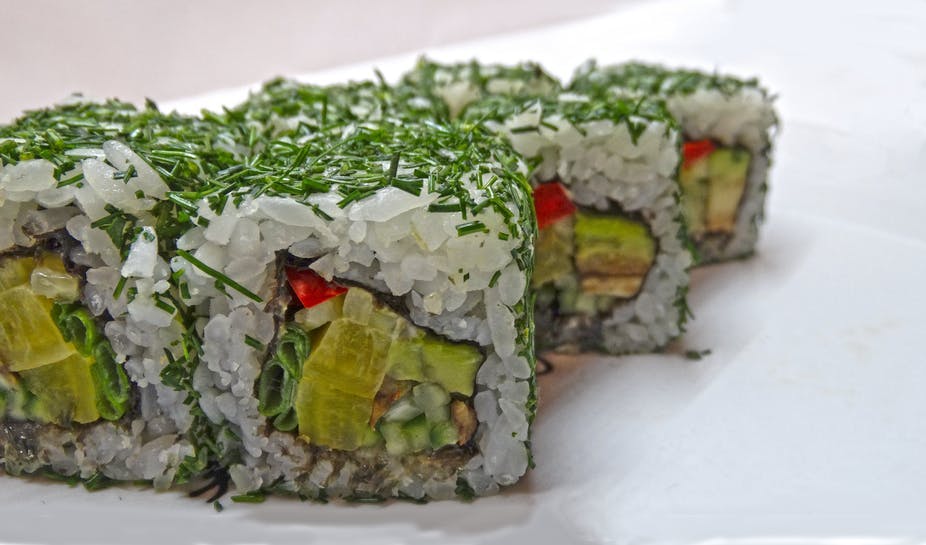
Are vegetarian diets the key to healthy aging, or could they be a risk to those who adopt them? These questions are a source of confusion for the general public, and for many scientists too. Why? Nutrition is a complex discipline and it struggles to provide simple answers to issues as broad as the relationships between a range of dietary practices and health outcomes. Are vegetarian diets good or bad? Can we tweet the answer in 140 characters or less?
You can add to this intrinsic problem the general trend of society, with less-qualified messengers relaying information that is fragmented and often biased, misinterpreted or indeed uninterpretable. Many views are advanced, but few reflect any consensus between experts, in particular those from national advisory committees (e.g., in France and the USA) and international initiatives. Even reliable media may highlight a particular study without referring to the hundreds that preceded it.
Our diet and the clash of politics and philosophy
In this general context, why is vegetarianism subject to so many radically opposed points of view? It’s because the subject is highly politicised and a major societal debate. Pure science is not fashionable, and cannot be heard above the din of clashing and frequently uninformed views. It is a subject that involves too many political and philosophical issues. There are two reasons for this, one intrinsic and the other circumstantial.
Let’s begin with the second reason. Consumption of animal protein has doubled since the World War II, but today questions are being raised about the food model of industrialised societies – they are seen as having degraded public health and being unsustainable, particularly in the face of global warning.
From an intrinsic viewpoint, the underlying reason for our reluctance to deal with this issue is that the consumption of animal products has always been associated with our representations of the world. Vegetarianism is an “ism”. Religions and a number of philosophies have long maintained special relations with the consumption of animal products. To speak of eliminating meat from our diet is to bring into question the representation of Man in the universe. More practically, it is about the place of animals in society, a relationship that evolves alongside society. From societies in development, where animal products were costly but useful, and favoured by those with the economic resources, we have now entered an era where they’ve become objects of distrust and in some cases symbols of a societal model being called into question. The effect of animal products on the environment or on health, the fight on behalf of defenceless animals… our ethical and aesthetic views are evolving.
‘St. Hugh in the refectory of the Carthusians’. In the refectory, Saint Hugh found that the monks ate meat during Lent.Francisco de Zurbarán/Wikimedia
So should we be for or against animal products? The battle lines are being drawn. Even within the scientific community, rational thinking seems to disappear when the question is raised. But this subject is too important for scientific research to be ignored. Food transitions in western countries seem inevitable, and are in fact already under way. This raises two scientific questions: The first is not “Should we become vegetarian or vegan?” but “How can we become a vegetarian or vegan?” for those who wish to do so for personal reasons. “How” involves understanding the nutritional pitfalls involved and how they can best be avoided – in other words, what is the healthiest version of such a diet?
A scientific approach to diet
A scientific approach offers an opportunity to separate these questions from the surrounding debates. To achieve this, we need to address the issues rigorously and in their entirety, and that was the focus of our collective efforts. This book mobilised approximately 100 international academics, who produced 45 chapters looking at the subject from all analytical angles, positive and negative. It considers the whole spectrum of vegetarian diets and discusses their overall benefits with respect to health and disease risk, and also the nutritional problems that can potentially arise in those who consume them.
The book’s first part was designed to unravel the issue’s complex contextand reviews its different aspects so that readers can understand the whole picture. It focuses on the links between our dietary choices in favour of animal or plant sources and individual social and behavioural characteristics, indicating how these may vary as a function of cultures or religion in different parts of the world and how they are articulated in terms of nutrition transitions and other aspects of sustainability. We then seek to provide a comprehensive view of the relationships between plant-based diets, health and disease prevention by presenting different viewpoints and levels of analysis.
First of all, we describe the links between health and certain important characteristics of plant-based diets, with obvious reference to the consumption of fruits, vegetables and meat. There follow twelve chapters which analyse the relationships between plant-based or vegetarian diets and health and disease outcomes. The next section explains how these issues may differ, or be highly specific, in populations of different age or physiological status. The final eleven chapters take a detailed look at the nutrients and substances whose intakes are related to the proportions of plant or animal products in the diet. By focusing at the nutrient/substance level, these chapters echo the section dedicated to the links between broad dietary characteristics and health, thus reflecting the different viewpoints offered by the book.
While we cannot summarise all 900 pages of the book, this inventory provides a good overview on the transitions that are under way and offers some interesting examples. Based on the scientific literature available, it is clear that a diet predominantly based on plants is associated with many health benefits for the general population. However, considerable attention should be paid to diets that exclude certain product categories, because such exclusions could have significant nutritional consequences for certain consumers.
For example, for adults, a lacto-ovo vegetarian diet – in other words, one excluding meat and fish – should be properly managed but does not pose many problems, from a nutrient standpoint, while a vegan diet in children is a completely different matter. In short, those who wish to adopt a new diet should not simply stop eating meat, fish or other animal products, but instead review their overall dietary intake in depth. In vulnerable populations such as children, vegan diets must be monitored by health professionals if implemented by parents who are not fully aware of the major nutritional constraints involved. More generally, a “flexitarian” diet should provide health benefits, but once again we should not give in to simplistic shortcuts and recipes.
One such shortcut is “just eat less meat and other animal products”. No. First, there is no “just do it” in the complex field of nutrition. Second, if you eat less of one thing, you will eat more of something else. And if you simply eat more of what now constitutes your diet, it is very unlikely that this will lead you in the right direction. For example, a marked reduction in animal-product consumption must be accompanied by an increase in protein-rich plant foods, such as legumes. Another shortcut is “Just eat plant-based foods”. But a diet made up of chips, ketchup, sodas, sugar-packed breakfast cereals and processed white bread covered with hazelnut spread is predominantly plant-based. Indeed, these foods could even be labelled “vegan”. But it’s self-evident that such a diet shouldn’t be adopted, particularly given that it will not be associated with any health benefits.
On the other hand, a diverse and predominantly plant-based diet made up of fruits and vegetables, legumes, nuts, seeds and whole grains and rich in raw products will be good for you. From a nutritional point of view, the elimination of animal products is not useful in and of itself, and indeed complicates the situation because they can supply important nutrients. However, animal products should be put in their place, which is clearly at not the base of the food pyramid. A predominantly plant-based diet would be healthier, as well as more sustainable.
Sorry Vegetarians — Eating Meat Is Good for You, Study Suggests
Posted: November 30, 2017 Filed under: Food and it's Impact on Our Health Leave a comment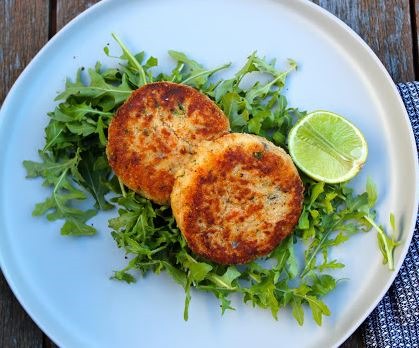
Meat-eaters, rejoice! In the battle of Eating Meat vs. Vegetarian, meat reigns supreme. To be clear, we take zero issue with vegetarians. It’s just meat-eaters definitely get a bad rap and well, it stinks. Sometimes you just want to eat a bacon cheeseburger in peace without feeling like you’re making some sort of grandiose political statement. It’s not that complicated, people. Omnivores were the best dinosaurs and as it turns out, the same applies to humans.
A new study from the Medical University of Graz in Austria discovered that low intake of saturated fat and cholesterol, as a result of a higher intake of fruits, vegetables, seemed to carry a higher risk of cancer, allergies and mental health problems. As per to LadBible:
“Researchers matched 1320 subjects according to their age, sex, and socioeconomic status. These included 330 vegetarians, 330 who ate meat but still consumed a lot of fruit and veg, 300 regular eaters who ate less meat, and 330 heavy meat-eaters.
“Results indicated that despite the vegetarians drinking less alcohol and having lower BMI, they were still in worse physical and mental condition than their meat-eating counterparts. Subjects who ate less meat were also found to have adverse health habits, such as avoiding going to the doctors.”
Of course, more research needs to be conducted in order to yield conclusive results, but in the meantime, we’re going to enjoy our Chick-fil-A! We think the most interesting observation from this research is that vegetarians avoid going to the doctor. You’d think “health-conscious” people would be more likely to seek medical treatment, no?
We’re not suggesting you down a porterhouse steak for dinner every night, but the next time a vegetarian goes on a rant about “how that burger is going to kill you,” you might want to whip out the information you learned today.
What Is Ghee and Why Is It a Staple of Indian Health Care?
Posted: November 28, 2017 Filed under: Food and it's Impact on Our Health, Non-Toxic Choices Leave a comment
The next time you fry an egg, use ghee—the cooking butter of choice, thanks to it’s low smoke point. Unsplash/Caroline Attwood
Much like coconut oil and bone broth, ghee is a multi-hyphenate: think cooking BFF, snack o’dreams (Kourtney Kardashian reportedly eats it by the spoonful), and skin transformer. This centuries-old Ayurvedic staple is also a digestive powerhouse. “Ghee is rich in butyric acid, a short chain fatty acid that promotes a positive immune response within the body, to support healing of inflammation and optimal digestion,” Natural Food Chef Danielle Shine told Observer. Which is all to say, that ghee is a “good” fat. And when fats are good, they are absorbed quickly in the body, making them a potent source of energy.
But how’s it made? Isn’t it just butter?
Ghee is cow’s milk butter transformed into a fat source by removing its water and milk proteins through a process of boiling, skimming and straining. Apart from being cited as a digestive cure-all, it’s also been touted as a salve for a plethora of emotional ailments. In the Ayurvedic community, ghee’s golden hues are considered as balancing to the body. In fact, the Susruta Samhita, a Sanskrit text on medicine and surgery, claims ghee is the remedy of remedies for problems stemming from the pitta dosha, namely chronic-disease inducing inflammation.
Famed LA-based Ayurveda practitioner Martha Soffer, the woman who converted Kardashian, told Observer that “ghee helps cultivate ojas, the subtlest essence of life, the connection between the physical and spiritual in our own bodies, and really, in Ayurveda, our own ultimate source of health and well-being.”
Fourth & Heart founder Raquel Tavares Gunsagar who’s dived into the making of artisanal gourmet flavored ghee—like white truffle salt, California garlic, and Madagascar vanilla bean—is at the forefront of the U.S ghee explosion. ”Ghee is an ancient butter gone modern. It’s like the, ‘where have you been all my life?’ of not only Indian healthcare but truly all of our healthcare. In fact, I’d say ghee is now being reinvented here in the U.S.,” she told Observer.
From a cooking standpoint, its low smoke point is significant. Scientists have long warned against the dangers of cooking with vegetable oils that release toxic cancer-causing chemicals. In numerous studies including a 2010 one on the Elevated Levels of Volatile Organic Carcinogen and Toxicant Biomarkers in Chinese Women Who Regularly Cook at Home, it was found that when an oil exceeded its smoke point, the number of toxic fumes increased significantly.
“This is crucial to remember when choosing a cooking aid,” Shine told Observer, “and ghee’s makes it a much safer choice when sautéing or frying foods.” Think of ghee then, as a superfood that not only has nutritional benefits, but also preventative ones. “Ghee is well on it’s way to becoming the cooking butter of choice,” says Tavares Gunsagar, “as not only is it an easy to use, versatile ingredient that’s shelf stable, it’s also dairy free which is perfect for those who are lactose intolerant.”
What’s more, ghee makes a case as a potent salve for massages, aches, and sprains according to the 5,000-year-old wellness tradition that is Ayurveda. Try using ghee to massage the feet to improve circulation, memory and emotional wellbeing. “Its high concentration of vitamins A, E, as well as carotenoids—antioxidants that boost the immune system and help to neutralize free radicals, will help skin heal too,” says Shine.
The takeaway? Get experimenting! Stir its unctuousness into winter’s beautiful vegetable bounty, press it with buttery fingers into mashed avocado, or use a spoonful in your bulletproof coffee instead of coconut oil. And if you’re feeling daring, get au fait with Indian cuisine and see how it compliments the country’s most revered dish, dal.
Kayla Jacobs is a British New York City-based freelance writer who has previously written for Vogue, Tatler, Glamour, Refinery29, Conde Nast Traveller, The New York Times, Mindbodygreen, VF Agenda and Live The Process, among others. Follow her olfactory obsessed adventures on Instagram @kaylasthread.


 Meal Delivery Service by Millie Barnes