Avocado Key Lime Pie
Posted: May 24, 2022 Filed under: Recipes | Tags: #allergies, #BeyondPaleo, #cancer, #energy, #energy #pontevedrabeach, #glutenfree, #healing, #higherenergy, #immunesystem, #JacksonvilleFL, #jax, #Lactosefree, #mealdeliveryservice, #nutritioncoaching, #plantbased, #weightloss Leave a comment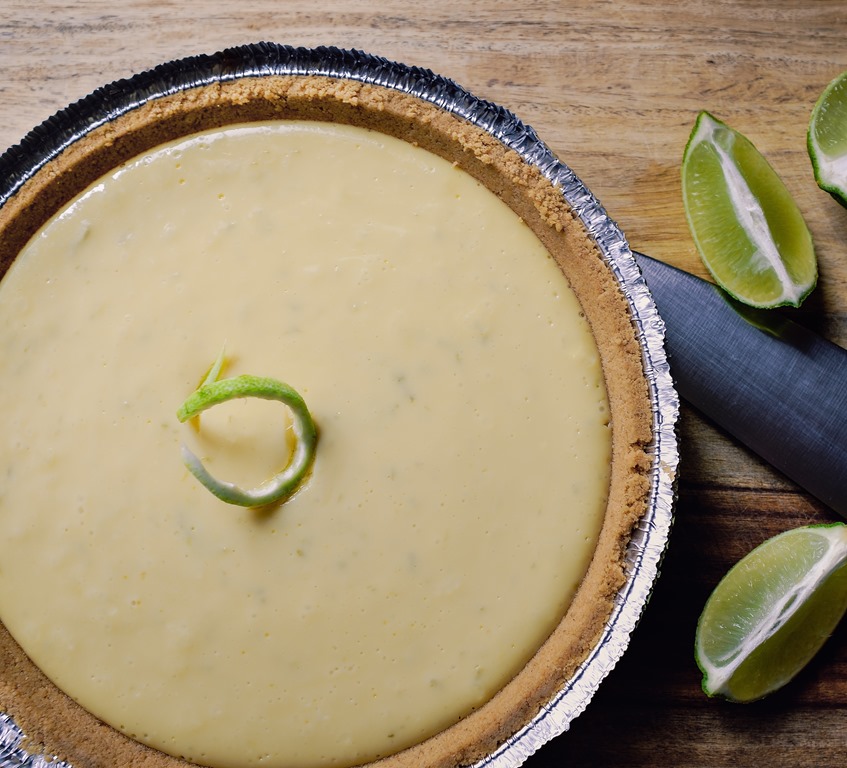
I LOVE Key Lime Pie! BUT this way of making it has become my favorite dessert!!! This dessert is uncooked except for the pie shell, so making it very healthy, low glycemic and sugar free! The recommendation for eating avocadoes in 1/2 avocado a day for heart health.
Avocado Key Lime Pie
Key Lime Filling
2 ripe avocados
1/2 cup key lime juice
1 Tablespoon gelatin powder
8 oz cashew or sunflower cream cheese, room temperature
2 large Tablespoons of lime zest
1/3 Monk Fruit Sweetener
½ teaspoon stevia (or another ¼ cup sugar)
1 cup coconut milk, don’t shake it, just scoop the creamy part into the food processor
1 gluten free pie crust, baked and cooled
Key Lime Pie Filling
Place the lime juice in a small saucepan, whisk in the gelatin. Gently heat, while stirring, to dissolve the gelatin. Do not boil!
Place cream cheese, coconut milk/cream, lime/gelatin mix, lime zest, sugar, pinch of salt in food processor. Blend really well, you may have to stop and use a spatula to get it off of the sides and then continue blending.
Pour the mixture over the prepared crust, spread the top smooth and place in the fridge to set for at least 6 hours.
Are Eggs and Egg Yolks Bad For You?
Posted: May 16, 2022 Filed under: Food and it's Impact on Our Health | Tags: #allergies, #atlanticbeach, #BeyondPaleo, #cancer, #Covid, #covidvirus, #foodintolerances, #glutenfree, #healing, #jacksonville, #jacksonvillebeaches, #jax, #mealdeliveryservice, #MillieBarnes, #moreenergy, #nutritioncoaching, #PVB, #weightloss Leave a comment
On one hand, they’re considered an excellent and inexpensive source of protein and various nutrients. On the other hand, some people believe the yolks can increase your risk of heart disease.
Whole eggs have two main components:
Egg white: the white part, which is mostly protein
Egg yolk: the yellow or orange part, which is rich in nutrients
The main reason eggs were considered unhealthy in the past is that the yolks are high in cholesterol.
Cholesterol is a waxy substance found in food. It’s also made by your body. A few decades ago, large studies linked high blood cholesterol to heart disease.
In 1961, the American Heart Association recommended limiting dietary cholesterol. Many other international health organizations did the same.
Over the next several decades, worldwide egg consumption decreased significantly. Many people replaced eggs with cholesterol-free egg substitutes that were promoted as a healthier option.
For several decades, eggs were believed to increase heart disease risk because of their high cholesterol content.
It’s true that whole eggs are high in cholesterol
Whole eggs (with the yolks) are indeed high in cholesterol. In fact, they’re a significant source of cholesterol in the standard American diet.
Two large whole eggs (100 grams) contain about 411 mg of cholesterol (1Trusted Source). By contrast, 100 grams of 30% fat ground beef has about 78 mg of cholesterol (2Trusted Source).
Until recently, the recommended maximum daily intake of cholesterol was 300 mg per day. It was even lower for people with heart disease.
However, based on the latest research, health organizations in many countries no longer recommend restricting cholesterol intake.
For the first time in decades, the Dietary Guidelines for AmericansTrusted Source released in December 2015 did not specify an upper daily limit for dietary cholesterol.
Despite this change, many people remain concerned about consuming eggs. This is because they’ve been conditioned to associate high dietary cholesterol intake with high blood cholesterol and heart disease.
However, just because a food is high in cholesterol doesn’t necessarily mean it raises cholesterol levels in your blood.
Two whole eggs contain 411 mg of cholesterol, which exceeds the maximum daily limit that was in place for many decades. However, this restriction on dietary cholesterol has now been lifted.
How eating eggs affects blood cholesterol
Although it may seem logical that dietary cholesterol would raise blood cholesterol levels, it usually doesn’t work that way.
Your liver actually produces cholesterol in large amounts because cholesterol is a necessary nutrient for your cells.
When you eat larger amounts of high cholesterol foods, such as eggs, your liver produces less cholesterol because more of it is coming from your diet (3Trusted Source, 4Trusted Source).
Conversely, when you get little cholesterol from food, your liver produces more to compensate.
Because of this, blood cholesterol levels don’t change significantly in most people when they eat more cholesterol from foods (Trusted Source4Trusted Source).
In one long-term, well-designed study, consuming egg yolks daily for 1 year did not significantly change total cholesterol, LDL (bad) or HDL cholesterol, or the ratio of total cholesterol to HDL (an important marker of heart disease) in adults with early signs of age-related macular degeneration (5Trusted Source).
However, one review of well-designed studies in healthy individuals found that eating cholesterol-containing foods raised both LDL (bad) and HDL cholesterol, but the ratio of LDL to HDL (an important marker of heart disease risk) remained constant compared with the control group (6Trusted Source).
Likewise, in another study, 30 people who ate 3 eggs per day for 13 weeks had higher total cholesterol, HDL, and LDL (bad) cholesterol compared with those who took only a choline supplement.
However, their HDL to LDL ratio remained the same (7Trusted Source). The study’s authors concluded that eating foods high in cholesterol regulates the amount of cholesterol your body makes in order to maintain the HDL to LDL ratio.
Also, keep in mind that cholesterol isn’t a “bad” substance. It is actually involved in various processes in your body, such as:
· production of vitamin D
· production of steroid hormones like estrogen, progesterone, and testosterone
· production of bile acids, which help digest fat
Last but not least, cholesterol is an essential component of every cell membrane in your body, making it necessary for survival.
When you eat eggs or other cholesterol-rich foods, your liver produces less cholesterol. As a result, your blood cholesterol levels will likely stay about the same or increase slightly while your HDL to LDL ratio remains the same.
Do eggs increase heart disease risk?
Several controlled studies have examined how eggs affect heart disease risk factors. The findings are mostly positive or neutral.
Studies show that eating one to two whole eggs per day doesn’t seem to change cholesterol levels or heart disease risk factors (8Trusted Source, 9Trusted Source, 10Trusted Source, 11Trusted Source).
In one well-designed study, eating two eggs per day did not adversely affect biomarkers of heart disease compared with eating oatmeal (9Trusted Source). Additionally, those who ate eggs for breakfast reported greater satiety than those who ate oatmeal.
Another well-designed study found that eating two eggs per day did not significantly affect total cholesterol, LDL (bad) cholesterol, or glycemic control in people with overweight or obesity who also have prediabetes or diabetes (10Trusted Source).
Another well-designed study looked at the effects of eating eggs on endothelial function in people with heart disease. The endothelium is a membrane that lines your heart and blood vessels.
Eating 2 eggs for breakfast for 6 weeks did not result in differences in cholesterol, flow-mediated dilation (an assessment of vascular function), blood pressure, or body weight compared with eating Egg Beaters or a high carbohydrate breakfast (11Trusted Source).
Eating eggs may also help lower risk of metabolic syndrome.
One large study of adults reported that women who consumed seven eggs per week had lower risk of metabolic syndrome than those who ate one egg per week. (12Trusted Source)
Similarly, another study associated eating four to six eggs per week with decreased risk of metabolic syndrome, compared with eating one egg per month. (13Trusted Source)
What’s more, consuming eggs as part of a low carb diet improves markers of heart disease in people with insulin resistance or type 2 diabetes. This includes the size and shape of LDL particles (14Trusted Source, 15Trusted Source).
One study followed prediabetics who were on a carb-restricted diet. Those who consumed whole eggs experienced better insulin sensitivity and greater improvements in heart health markers than those who ate egg whites (14Trusted Source).
In another study, prediabetic people on low-carb diets ate 3 eggs per day for 12 weeks. They had fewer inflammatory markers than those who consumed an egg substitute on an otherwise identical diet (15Trusted Source).
Although LDL (bad) cholesterol tends to stay the same or increase only slightly when you eat eggs, (good) cholesterol typically increases (14Trusted Source, 16Trusted Source).
In addition, eating omega-3 enriched eggs may help lower triglyceride levels (17Trusted Source, 18Trusted Source).
Research also suggests that eating eggs on a regular basis may be safe for people who already have heart disease. In fact, eating eggs may be associated with fewer cardiac events.
One large study of healthy adults examined peoples’ egg consumption over almost 9 years. Daily egg consumption (less than 1 egg) was associated with a lower risk of cardiovascular disease, ischemic heart disease, and stroke among middle-aged adults. (19Trusted Source)
Another large study found no link between eating eggs and death from coronary heart disease. In men, eating eggs was associated with a lower incidence of death from stroke (20Trusted Source).
To top things off, a review of 17 observational studies with a total of 263,938 people found no association between egg consumption and heart disease or stroke (21Trusted Source).
Studies have shown that egg consumption generally has beneficial or neutral effects on heart disease risk.
Do eggs increase diabetes risk?
Controlled studies show that eggs may improve insulin sensitivity and reduce heart disease risk factors in people with prediabetes.
However, there is conflicting research on egg consumption and the risk of type 2 diabetes.
One recent review of studies determined that eating up to seven eggs per week does not significantly increase markers for cardiovascular disease and type 2 diabetes in both people with and without diabetes(22Trusted Source).
However, a review of two studies involving more than 50,000 adults found that those consuming at least one egg daily were more likely to develop type 2 diabetes than people who ate less than one egg per week (23Trusted Source).
A second study in women found an association between high dietary cholesterol intake and increased diabetes risk, but not specifically for eggs (24Trusted Source).
And a large observational study that found no link between eating eggs and heart attacks or strokes did find a 54% increased risk of heart disease when they only looked at people with diabetes (21Trusted Source).
Based on these studies, eggs could be problematic for people living with prediabetes or diabetes.
However, it’s important to keep in mind that these are observational studies based on self-reported food intake.
In fact, controlled studies have found that eating eggs along with a nutritious diet may benefit people with diabetes.
In one study, people with diabetes who consumed a high protein, high cholesterol diet containing two eggs per day experienced reductions in fasting blood sugar, insulin, and blood pressure, along with an increase in HDL cholesterol (25Trusted Source).
Other studies link egg consumption with improvements in insulin sensitivity and reduced inflammation in people with prediabetes and diabetes (14Trusted Source, 26Trusted Source).
Studies on eggs and diabetes provide mixed results. Several observational studies show an increased risk of type 2 diabetes, while controlled trials show an improvement in various health markers.
Your genes may affect how you respond to egg consumption
Although eggs pose no risk to health for most people, it’s been suggested that it may differ for those with certain genetic traits.
However, more research is needed in this area.
SUMMARY
Eggs are loaded with nutrients
Eggs are a particularly nutrient-rich food. They are a great source of high quality protein, as well as several important vitamins and minerals.
One large whole egg contains:
Calories: 72
Protein: 6 grams
Vitamin A: 10% of the daily value (DV)
Riboflavin: 16% of the DV
Vitamin B12: 21% of the DV
Folate: 9% of the DV
Iron: 5% of the DV
Selenium: 28% of the DV
Eggs also contain many other nutrients in smaller amounts.
SUMMARY
Eggs are high in a number of important vitamins and minerals, along with high quality protein.
Eggs have many health benefits
Studies show that eating eggs can have various health benefits. These include:
Help keep you full. Several studies show that eggs promote fullness and help control hunger so you eat less at your next meal (9Trusted Source, 39Trusted Source, 40Trusted Source).
Promote weight loss. The high quality protein in eggs increases metabolic rate and can help you lose weight (41Trusted Source, 42Trusted Source, 43Trusted Source).
Protect brain health. Eggs are an excellent source of choline, which is important for your brain (44Trusted Source, 45Trusted Source, 46Trusted Source).
Reduce eye disease risk. The lutein and zeaxanthin in eggs help protect against eye diseases like cataracts and macular degeneration (16Trusted Source, 47Trusted Source, 48Trusted Source, 49Trusted Source).
Decrease inflammation. Eggs may reduce inflammation, which is linked to various health conditions (15Trusted Source, 26Trusted Source).
Eating a Traditional Human Diet
Posted: May 5, 2022 Filed under: Food and it's Impact on Our Health | Tags: #allergies, #BeyondPaleo, #cancer, #energy, #energy #pontevedrabeach, #glutenfree, #healing, #higherenergy, #immunesystem, #JacksonvilleFL, #jax, #Lactosefree, #mealdeliveryservice, #nutritioncoaching, #plantbased, #weightloss Leave a commentI am puzzled as to why about 90% of the posts I see on all of the Paleo sites here on FB give recipes for dishes dealing with grain substitutes. This one gives the the following ingredients; flax meal, bananas, berries, honey or maple syrup, almond meal. Many are for dessert recipes with sugar, coconut meal, honey.. Keeping the focus on desserts and substitutes is not what following a Paleo Diet is about. Paleo is about optimizing our diet to meet our nutrient needs and if we are still craving these foods then we need to look at why and to move toward healthy fats, proteins and low glycemic vegetables with very small amounts of fruit.
Thai Shrimp Salad with Asian Greens and Cilantro Pesto
Posted: May 5, 2022 Filed under: Recipes | Tags: #allergies, #BeyondPaleo, #cancer, #energy, #energy #pontevedrabeach, #glutenfree, #healing, #higherenergy, #immunesystem, #JacksonvilleFL, #jax, #Lactosefree, #mealdeliveryservice, #nutritioncoaching, #plantbased, #weightloss Leave a comment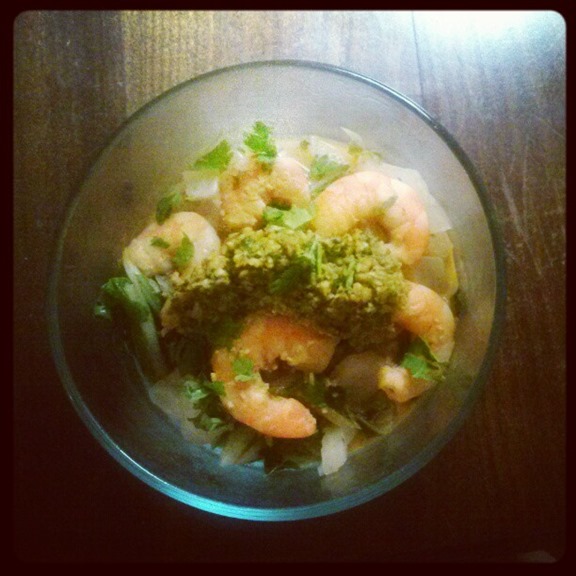
Poor Health Is Now The Norm
Posted: May 5, 2022 Filed under: Food and it's Impact on Our Health | Tags: #allergies, #BeyondPaleo, #cancer, #energy, #energy #pontevedrabeach, #glutenfree, #healing, #higherenergy, #immunesystem, #JacksonvilleFL, #jax, #Lactosefree, #mealdeliveryservice, #nutritioncoaching, #plantbased, #weightloss Leave a comment
Note- That stat for autism is now at 1 in 50 has autism.
Let’s face it; Americans are severly malnourished.
What Should You Eat Each Day? (Hint- more Fruits and Veggies!)
Posted: May 5, 2022 Filed under: Food and it's Impact on Our Health | Tags: #allergies, #BeyondPaleo, #cancer, #energy, #energy #pontevedrabeach, #glutenfree, #healing, #higherenergy, #immunesystem, #JacksonvilleFL, #jax, #Lactosefree, #mealdeliveryservice, #nutritioncoaching, #plantbased, #weightloss Leave a commentIt’s been a confusing few decades; low fat or not, are eggs healthy, what about fats, why NOT cook with olive oil?
Americans are confused. What IS great nutrition? What about calories? Why can’t I lose weight, I exercise a lot?
The Climate-Friendly Vegetable You Ought to Eat
Posted: May 5, 2022 Filed under: Food and it's Impact on Our Health, Going Green; How and Why... | Tags: #allergies, #BeyondPaleo, #cancer, #energy, #energy #pontevedrabeach, #glutenfree, #healing, #higherenergy, #immunesystem, #JacksonvilleFL, #jax, #Lactosefree, #mealdeliveryservice, #nutritioncoaching, #plantbased, #weightloss Leave a comment
Kelp is delicious and versatile, and farming it is actively good for the ocean. Melissa Clark wants you to just try a bite.
PORTLAND, Me. — It was a sharp, windy March day, but the gray water of Casco Bay glimmered green in the sun. On his lobster boat, the Pull N’ Pray, Justin Papkee scanned the surface of the ocean, searching for his buoys. But he wasn’t looking for lobster traps.
Mr. Papkee was farming, not fishing: His crop, clinging to ropes beneath the cold waves, was seaweed, thousands of pounds of brownish kelp undulating under the surface. Growing at a rate of 4 to 6 inches per day for the past six months, it was nearly ready to be harvested and sent to restaurants like Blue Hill at Stone Barns, Estela, Houseman, Saint Julivert Fisherie and Luke’s Lobster in New York, and Honey Paw, Chaval and the Purple House here in Maine.
He pulled a blade of kelp from his line and handed me a long, translucent strip. I took a bite, and then another, seawater running down my chin.
Justin Papkee, kept company by his dog, Seguin, pulling up a line of kelp. Harvesting wild kelp is ancient, but farming it is a relatively new practice in the United States.CreditMatt Cosby for The New York Times
Justin Papkee, kept company by his dog, Seguin, pulling up a line of kelp. Harvesting wild kelp is ancient, but farming it is a relatively new practice in the United States.CreditMatt Cosby for The New York Times
I’d eaten plenty of seaweed salads at Japanese and vegan restaurants, but this was not that. A variety called skinny kelp, it was lightly salty and profoundly savory, with a flavor like ice-cold oyster liquor, and a crisp, snappy texture somewhere between stewed collard greens and al dente fettuccine. The chef Brooks Headley, who adds it in slippery slivers to the barbecued carrots he serves at Superiority Burger in New York, described it in an email as “insanely delicious and texturally incredible.”
It was as different from the usual sushi bar seaweed salad as cottony, out-of-season peaches are from juicy, ripe ones from the farmers’ market: a wan substitute for what should be delectable.
Harvesting wild kelp is ancient, but farming it is relatively new in the United States; it’s the main variety of seaweed being cultivated here. The technology was imported from Asia and adopted here by a group of ecologically minded entrepreneurs who view seaweed as the food crop of the future. Kelp is nutritionally dense (it’s loaded with potassium, iron, calcium, fiber, iodine and a bevy of vitamins); it actively benefits ocean health by mitigating excess carbon dioxide and nitrogen; and can provide needed income to small fisheries threatened by climate change and overfishing.
“Kelp is a superhero of seaweed,” said Susie Arnold, a marine scientist at the Island Institute in Rockland, Me. “It de-acidifies the ocean by removing nitrogen, phosphorus and carbon dioxide, which we have too much of.”
A feel-good superfood, kelp is more than the new kale. It’s a rare bright spot on an increasingly dim horizon, an umami-rich glint of hope.
Justin’s father, Chris Papkee, at left, and Jimmy Ranaghan removing the kelp from the long ropes on which it grows.CreditMatt Cosby for The New York Times
Justin’s father, Chris Papkee, at left, and Jimmy Ranaghan removing the kelp from the long ropes on which it grows.CreditMatt Cosby for The New York Times
“Kelp is sustainable on so many levels,” said Briana Warner, the chief executive officer of Atlantic Sea Farms, a Maine kelp company that’s helping local fishermen start kelp farms. “It’s environmentally sustainable, it’s physically sustaining because it’s so good for you, and farming it helps sustain family livelihoods that are in danger of disappearing.”
Ocean scientists call kelp farming a zero-input food source. It doesn’t require arable land, fresh water and fertilizers (or pesticides). And kelp farming has been shown to improve water quality to such a degree that shellfish farmed amid the kelp develop noticeably thicker shells and sweeter, larger meat.
Before the first kelp farms started in Maine about a decade ago, if you wanted to cook with edible seaweed (not to be confused with the decidedly undelicious rockweed that washes up on beaches), you’d have go to the shore and forage it yourself.
Subscribe to Five Weeknight Dishes
Fresh dinner ideas for busy people who want something great to eat, with NYT Cooking recipes sent to you weekly.
SIGN UP
Justin Papkee sorting the just-harvested kelp into bins on his lobster boat, the Pull N’ Pray.CreditMatt Cosby for The New York Times
Justin Papkee sorting the just-harvested kelp into bins on his lobster boat, the Pull N’ Pray.CreditMatt Cosby for The New York Times
Sweet red dulse, inky alaria and ruffled sea lettuces have fed coastal communities for thousands of years. Traditional Welsh recipes call for frying fresh seaweed in bacon fat, while in Ireland it’s been cooked with potatoes, and in Scotland it’s made into biscuits and bread. Native Americans historically used all manner of seaweed — red, brown and green — both dried and fresh. And of course in Japan, cooking with seaweed has evolved into a highly refined art.
In the United States, though, dried seaweed has not yet left the health-food fringes, relegated to the same category as nutritional yeast and chia seeds.
One reason may be our lack of exposure to the good stuff. The majority of seaweed salads I get with my sushi are cloying and damp, lacking the mineral zing of fresh kelp.
John Magazino, a product development specialist at the Chefs’ Warehouse, a specialty food supplier for restaurants, explained why fresh kelp is so different from the seaweed you find in most seaweed salads: “Most of the seaweed salads we get in the States are imported from Asia, where they add corn syrup and dyes. Seaweed salad shouldn’t be sweet and neon green.”
Skinny kelp, a variety with narrow but thick, ruffled blades, grows over the winter months on ropes submerged in the Gulf of Maine.CreditMatt Cosby for The New York Times
Skinny kelp, a variety with narrow but thick, ruffled blades, grows over the winter months on ropes submerged in the Gulf of Maine.CreditMatt Cosby for The New York Times
Mr. Magazino, who finds truffles and caviar for Daniel Boulud and David Chang, has been selling frozen fresh Maine-grown kelp to chefs for the past three years. He was on Mr. Papkee’s boat to make sure he’d have the quality and quantity of kelp he’d need for distribution to his high-end clients.
“Once the chefs taste it, and understand how good it is for the ocean, they all want in,” he said.
I suspect home cooks will, too. I returned from Maine with a suitcase full of frozen local kelp, and spent a happy, well-fed week cooking with the stuff until I ran out.
Because kelp develops in constantly changing ocean tides and temperatures, its cell structure won’t break down if you freeze, thaw and refreeze it, which makes it convenient to keep stashed between the frozen edamame and the sorbet. (Dried seaweed, like kombu, dulse and nori, are separate products from frozen fresh kelp, and require different preparations.)
Roasted chicken is seasoned with seaweed butter, and served with crisp kelp, red onions and potatoes.CreditRomulo Yanes for The New York Times. Food Stylist: Vivian Lui.
Roasted chicken is seasoned with seaweed butter, and served with crisp kelp, red onions and potatoes.CreditRomulo Yanes for The New York Times. Food Stylist: Vivian Lui.
Once the kelp thawed, I used it like any other green vegetable, throwing it into smoothies, salads and my soup pot, and sautéing it with garlic and chile. One night, I roasted it with potatoes and chicken fat until the top got as crisp as the seaweed snacks my 10-year-old daughter can’t get enough of, while the bottom turned silky soft, like creamed spinach with a saline kick.
But my favorite dish was anchovy pasta with a lemony, garlicky, pesto-like kelp sauce that flecked everything emerald and deepened the oceanic flavors in the pan. Even my daughter lapped it up.
Those are just a few of the possibilities. When the harvest comes in and I can restock my freezer, I’ll steam the kelp with fresh corn, stuff it into whole fish and scatter it over pizza.
Spicy, lemony pasta with anchovy gets an umami boost from a sauce made from puréed kelp.CreditRomulo Yanes for The New York Times. Food Stylist: Vivian Lui.
Spicy, lemony pasta with anchovy gets an umami boost from a sauce made from puréed kelp. CreditRomulo Yanes for The New York Times. Food Stylist: Vivian Lui.
The only hard part for both chefs and home cooks may be finding a consistent source for kelp, which is available online and through a very small number of seafood shops, and in limited quantities. But the industry is young, and more fresh seaweed is becoming available on the market every year.
In 2015, about 14,000 pounds of kelp were harvested from farms in Maine, according to Jaclyn Robidoux, a seaweed specialist at Maine Sea Grant at the University of Maine. In 2018, that number was just over 53,000 pounds, and it is expected to reach more than 300,000 pounds this year.
Across the United States, she said, the opportunities for growth are huge. With its vast expanses of untrammeled coastline, Alaska is primed to overtake Maine as the state that produces the most farmed kelp.
There are also small kelp farms in Connecticut, Massachusetts, New Hampshire and Rhode Island, and experimental endeavors in New York, California, Oregon and Washington.
In Maine, the majority of kelp farmers are from fishing families who have relied on lobsters for the bulk of their income. For them, kelp farming is a natural fit. The seasons are compatible; kelp farming takes place in the winter, lobster fishing in the summer. They already have all the necessary gear — a boat, ropes and buoys — and they understand the currents and tides of the gulf.
“Growing the seaweed itself is really straightforward,” Ms. Robidoux said. “I’ve run a kelp nursery in a seventh-grade classroom.”
It can also be a smart way for fisheries to diversify as wild species become less predictable. Maine’s cod, shrimp and sea urchin fisheries are either shut down or vastly depleted. And although warming water has contributed to a lobster boom in Maine in recent years, there’s been a huge decline in the herring used to bait the traps. So even if the lobsters are plentiful, catching them becomes much more complicated and expensive.
Keith Miller, whose family has been fishing in Maine for three generations, isn’t sure he’ll break even this summer.
Dried kombu adds savory depth to a white bean and vegetable stew, while fresh kelp lends it texture and a salty tang.CreditRomulo Yanes for The New York Times. Food Stylist: Vivian Lui.
Dried kombu adds savory depth to a white bean and vegetable stew, while fresh kelp lends it texture and a salty tang.CreditRomulo Yanes for The New York Times. Food Stylist: Vivian Lui.
“You’ve got to have a backup plan, especially now with climate change,” he said. “During the off-season, a lot of the guys work for other people, they do odd jobs, but I really want to stay on the water. Throughout the years, I’ve been urchining, I’ve been shrimping. But now that’s all done. So I figure I’ll try kelping.”
In Stonington, Conn., Suzie Flores is farming three acres of kelp near the bait-and-tackle shop she owns with her husband. She sells it directly to chefs, and also at the local farmers’ market for $8 per half-pound bag. At home, she cooks with it regularly, chopping it into vegetarian tartare and adding it to pizza for her children.
“I even mix it into my dog’s food,” she said. “Everyone in the house is eating kelp.”
So far, the profits have been on the low side. But as she beats the learning curve, Ms. Flores feels confident that they will rise. And even if they didn’t, the feel-good aspects of kelp farming make up for the lack.
“Every time we go to harvest, I think about all of the carbon we sequestered, and how much cleaner the water is,” she said. “For me, the farm doesn’t need to make money. Knowing that I’m helping the environment is enough.”
Fresh-frozen kelp is available through Atlantic Sea Farms, atlanticseafarms.com; Mermaid’s Garden, Brooklyn, N.Y.; Harbor Fish Market, Portland, Me.; Lois’ Natural Marketplace, Portland and Scarborough, Me.; Cambridge Naturals, Cambridge, Mass.; Common Crow, Gloucester, Mass.; and Buffalo Mountain Food Coop and Cafe, Hardwick, Vt. It is also available unfrozen at the Stonington, Conn., farmers’ market.
Dairy Free Key Lime Pie
Posted: May 5, 2022 Filed under: Recipes | Tags: # Vegan, #dairyfree, #glutenfree, #jacksonville Leave a commentLime Mango Chicken Thighs
1 cup mango chunks
3 tablespoons fresh lime juice (from 2 limes)
1 1/2 to 2 tablespoons Thai fish sauce
2 tablespoons butter
1 tablespoon light brown sugar
2 teaspoons Sriracha
3 large cloves garlic, coarsely chopped
1/2 teaspoon kosher salt
Lime wedges, for serving
1) Combine the mango, lime juice, fish sauce (to taste), oil, sugar, Sriracha, garlic and salt in a blender; puree to form a smooth marinade. Transfer to a quart-size zip-top bag. Add the chicken and seal, pressing as much air out of the bag as possible. Massage to coat, then refrigerate for at least 4 hours and up to overnight.
2) Position an oven rack 4 to 6 inches from the broiler element; preheat the broiler.
3) Place the chicken on a broiler pan, allowing some marinade to cling. Broil for about 8 minutes, then use tongs to turn the chicken over and spoon a bit more marinade on the second side. (Discard any remaining marinade, at this point.) Broil for about 9 minutes, until lightly charred around the edges and the chicken is cooked through.
Serve warm, with lime wedges.
How Dieting May Have Helped Cause The Obesity Epidemic
Posted: April 27, 2022 Filed under: Food and it's Impact on Our Health Leave a commentWe did low fat and caloric restriction and both led to malnutrition and obesity. (If you are obese then you are malnourished!)
29 Winter Salad Recipes to See You Through the Season
Posted: February 3, 2022 Filed under: Recipes Leave a comment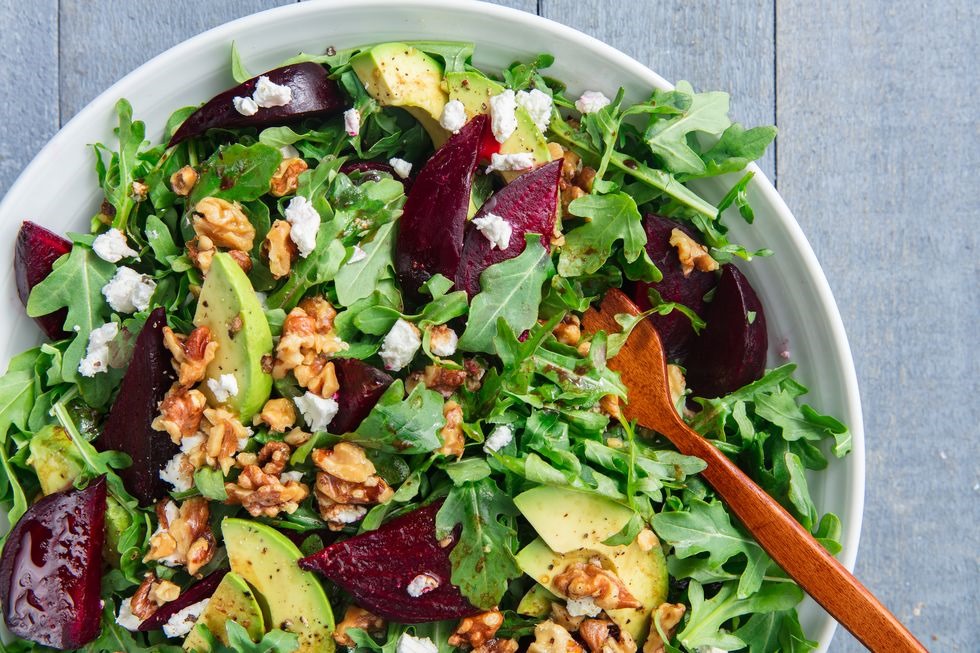
Emily and Matt Clifton
In spring and summer, salads are an obvious meal—farmers markets overflow with fresh produce, and salads are a seasonally appropriate way to showcase the lettuces, tomatoes, and other vegetables that are in abundance. When the seasons change, the offerings at the local market change, too, but that doesn’t mean you have to forget about salads for the year.
Hearty cool-weather vegetables like kale and cabbage, fruits like apples and citrus, and grains like spelt and wheat berries all let you make satisfying salads all through the fall and winter. We’ve rounded up 29 of our favorites, from a cabbage salad with roasted onions and a beet and citrus salad with a pine nut vinaigrette to a Caesar that trades romaine lettuce out for kale.
-
Warm Kale and Caramelized Mushroom Salad
This salad is made with baby kale, goat cheese, and sherry vinegar dressing, but it’s really all about the mushrooms. The key is to cook them until they have a golden crust, just as if you were cooking a steak. We add the mushrooms to the salad straight from the pan, so that their heat wilts the kale slightly.
-
Red Cabbage Salad With Roasted Cipollini Onions
Making a great salad is all about paying attention to contrasting textures and flavors, and in this case, that means soft and sweet cipollini onion, crispy red cabbage, bitter chicory, crunchy walnuts, and creamy aged goat cheese. For even more flavor, go with a slightly funky aged goat cheese like Humboldt Fog.
Get the recipe for Red Cabbage Salad With Roasted Cipollini Onions
Beet and Wheat Berry Salad With Pickled Apples and Pecans
-
This hearty make-ahead salad pairs chewy wheat berries with sweet roasted beets and sautéed beet greens. We also mix in toasted pecans and pickled apples—pickling the apples both keeps them from turning brown and gives the salad enough acidity to balance out the earthy beets.
Get the recipe for Beet and Wheat Berry Salad With Pickled Apples and Pecans
-
Toasted-Bulgur Salad With Smoked Trout, Radishes, and Green Apple
Green apples have plenty of tartness without the help of vinegar, so we add them as-is to this bulgur, smoked trout, and radish salad. The stand-out ingredient is candied lemon segments—cooking them in simple syrup softens their edge. Toasting the bulgur before steeping brings out its nuttiness, adding an extra layer of complexity to the dish.
Get the recipe for Toasted-Bulgur Salad With Smoked Trout, Radishes, and Green Apple
-
Roasted-Beet and Citrus Salad With Ricotta and Pistachio Vinaigrette
Sweet, earthy beets are one of our favorite ingredients for cold-weather salads, and they’re even better when paired with tangy citrus. There are a million ways to combine the two—to get started, try this salad made with grapefruit, orange, ricotta, and pistachios. We use juice from the fruit in the vinaigrette to give the salad extra citrus flavor.
Get the recipe for Roasted-Beet and Citrus Salad With Ricotta and Pistachio Vinaigrette
-
Beet and Citrus Salad With Pine Nut Vinaigrette
We use the same basic technique here, matching roasted beets with orange and grapefruit suprèmes and a pine nut vinaigrette. In our experience the best way to roast beets is in airtight foil pouches—that way they steam as they cook, tenderizing faster and losing less moisture.
Get the recipe for Beet and Citrus Salad With Pine Nut Vinaigrette
-
Arugula, Sweet Potato, and Walnut Salad With Dashi “Vinaigrette”
The unconventional dressing for this salad isn’t actually a vinaigrette at all—we ditch the typical vinegar for Japanese shoyu-dashi. A mixture of soy sauce and dashi, shoyu-dashi gives the dressing a deep, savory note rather than a bright, acidic one. The “vinaigrette” is delicious on all kinds of salads, like this one made with sweet potatoes, arugula, and walnuts.
Get the recipe for Arugula, Sweet Potato, and Walnut Salad With Dashi “Vinaigrette”
-
Kale Caesar Salad
Kale is significantly tougher than your average salad green, so if you’re going to serve it raw you will need to put in a little work. Massaging the leaves with olive oil is a great way to soften them to a more pleasant texture. From there you can use the kale in whatever salad you like—I love it with a classic Caesar dressing.
-
Kale Salad With Oven-Dried Grapes, Toasted Walnuts, and Blue Cheese
You’ve probably come across raisins mixed into salads—this is basically the same idea, but grapes that you oven-dry at home have way better flavor and texture. Here we use them to perk up an otherwise simple salad made with massaged kale, toasted walnuts, and blue cheese.
Get the recipe for Kale Salad With Oven-Dried Grapes, Toasted Walnuts, and Blue Cheese
-
Marinated Kale and Chickpea Salad With Sumac Onions
Too lazy to massage your kale? Lucky for you, there’s a more hands-off way as long as you have a little time. All you have to do is toss the leaves in oil and let them marinate for an hour—it doesn’t get much easier than that. While the kale sits you can make the sumac-seasoned onions and vinaigrette for this simple salad.
Get the recipe for Marinated Kale and Chickpea Salad With Sumac Onions
-
Tofu and Kale Salad With Avocado, Grapefruit, and Miso-Tahini Dressing
Baby kale, on the other hand, doesn’t need any tenderizing—it’s all set to be mixed into a salad with grapefruit, avocado, and tofu. We cook the tofu slowly in a pan to give it a crackly crust and season it with plenty of za’atar. To give the vegan salad some creaminess, we dress it with a mixture of miso and tahini.
Get the recipe for Tofu and Kale Salad With Avocado, Grapefruit, and Miso-Tahini Dressing
-
Roasted Potato and Shallot Salad With Marinated Mushrooms and Kale
Don’t be scared off by the ingredient list—this salad is less daunting than it might look. Besides, it’ll be worth the effort when you taste the mixture of crispy roast potatoes, sweet caramelized shallots, and meaty sautéed shiitake mushrooms. The potatoes take a while to cook—they need to be parboiled before roasting—but that gives you time to work on the other elements of the dish.
Get the recipe for Roasted Potato and Shallot Salad With Marinated Mushrooms and Kale
-
Winter Greens Salad With Fennel, Citrus, and Creamy Citrus Vinaigrette
As the temperature falls, the quality of citrus you’ll find at the store gets better and better. To do justice to peak-season pomelos, tangerines, and mandarins we cut them into suprèmes, mix with endive, radicchio, escarole, and fennel, and dress with a creamy citrus vinaigrette.
Get the recipe for Winter Greens Salad With Fennel, Citrus, and Creamy Citrus Vinaigrette
-
Harvest Salad With Roasted Brassicas, Fingerlings, and Radishes
This showstopper of a salad is a great option for holiday parties because most of the prep can be done ahead of time—the hearty brassicas, radishes, potatoes, and cold-weather greens will hold up well in the refrigerator even after being dressed. Feel free to use whatever brassicas look best at the market.
Get the recipe for Harvest Salad With Roasted Brassicas, Fingerlings, and Radishes
-
Warm Brussels Sprout Salad With Bacon and Hazelnut Vinaigrette
Forget about a steaming bowl of soup—I want a warm salad on a cool day. Brussels sprouts are a natural choice because they take on such a satisfyingly sweet, nutty flavor when cooked. For the ultimate in comfort, try cooking the leaves in bacon fat and serving with crumbled bacon and a hazelnut vinaigrette made with more bacon fat.
Get the recipe for Warm Brussels Sprout Salad With Bacon and Hazelnut Vinaigrette
-
Roasted-Carrot Salad With Peanut-Sesame Mole
Sweet roasted carrots are practically made to be seasoned with warm spices like this blend of ancho chili powder, cumin, and paprika. We incorporate the spices into this salad in two ways, tossing the carrots with some before roasting and using the rest to make a simplified mole-style sauce.
Get the recipe for Roasted-Carrot Salad With Peanut-Sesame Mole
-
Carrot Salad With Yogurt, Ghee, and Barberry Dressing
Carrots get served two ways in this colorful salad—pickled and shaved—and are paired with a bold dressing of warm spices bloomed in ghee mixed with yogurt and vinegar. To finish, the salad gets garnished with tart barberries and fresh dill.
Get the recipe for Carrot Salad With Yogurt, Ghee, and Barberry Dressing
-
Carrot and Rye Berry Salad With Celery, Cilantro, and Marcona Almonds
Filling, nutritious whole grains are a staple of our favorite fall and winter salads—chewy rye berries are especially good for this recipe with carrots, cilantro, celery, and Marcona almonds. Cook the carrots whole and cut them afterward; they’ll cook more evenly than if you sliced them first.
Get the recipe for Carrot and Rye Berry Salad With Celery, Cilantro, and Marcona Almonds
-
Whole-Grain Spelt Salad With Leeks and Marinated Mushrooms
Nutty spelt is another of our favorite whole grains, and in this salad, we pair it with diced leeks and cremini mushrooms. The creminis are marinated in tart cider vinegar—the acidity complements the earthy grain wonderfully. Grain salads need something fresh in them, so we also mix in sliced cucumber.
Get the recipe for Whole-Grain Spelt Salad With Leeks and Marinated Mushrooms
-
Warm Whole-Grain Salad With Fennel, Arugula, Prosciutto, and Pecorino
You can pick whatever kind of whole grain you like—I like mild-tasting farro—to use in this salad made with roasted fennel. Salty, savory prosciutto and Pecorino are the perfect match for the sweet fennel and hearty grain.
Get the recipe for Warm Whole-Grain Salad With Fennel, Arugula, Prosciutto, and Pecorino
-
Chickpea Salad With Bacon, Cotija, and Roasted Chilies
Just because it’s cold outside that doesn’t mean you have to stick with dark flavors. This bright salad, as tasty in January as it is in June, is packed with smoky bacon, broiled Poblano peppers, briny cotija, and earthy chickpeas. I tend to cheat and use canned chickpeas, but starting with dried leads to better flavor and texture.
Get the recipe for Chickpea Salad With Bacon, Cotija, and Roasted Chilies
-
Miso-Charred Mushrooms and Black Rice Salad
While it’s known as a health food, we like black rice for its nutty flavor and substantial texture as much as for its nutritional value. Here we make it into a salad with edamame, cabbage, scallions, and cilantro, then serve it with miso-glazed portobello mushrooms to make a more filling meal.
Get the recipe for Miso-Charred Mushrooms and Black Rice Salad
-
Sautéed mushrooms, celery root, and toasted pine nuts help play up wild rice’s innate earthiness, making for a super-savory side salad. And while it’s perfect for the holiday table, it’s also great just as a side for dinner on a weeknight. If you’re looking for something a little less earthy, with a touch more sweetness, give this version, with dried cranberries and pickled apples, a try.
Get the recipe for Wild Rice Salad With Mushrooms, Celery Root, and Pine Nuts
-
-
Celery is often overlooked, but it stars in this tiger salad. Batons of crisp celery are tossed with stems of cilantro, thin slivers of scallion, a few slices of hot chili pepper, and a sweet-tart soy sauce and rice vinegar dressing. The salad is topped off with a generous sprinkling of salty dried shrimp.
Get the recipe for Tiger Salad (Lao Hu Cai) Recipe, à la Xi’an Famous Foods
-
Radicchio, Endive, and Anchovy Salad
This hearty salad eats like a full meal. A base of slightly bitter radicchio and Belgian endives is offset by a rich anchovy vinaigrette, while shaved Parmigiano-Reggiano adds a salty kick, and bread crumbs bring richness to each bite.
-
Trevisano Radicchio Salad With Satsumas, Pistachios, and Calabrian Chili Vinaigrette
Instead of searching the grocery store for wilted, past-prime summer produce, this salad will have you embracing winter. The bitterness of Trevisiano radicchio is balanced out by sweet satsuma mandarins, ricotta Salata, and a mountain of fresh herbs.


 Meal Delivery Service by Millie Barnes