Tuscan Beans With Fresh Tuna
Posted: September 6, 2024 Filed under: Food and it's Impact on Our Health, Recipes | Tags: #delivery, #glutenfree, #healthyeating, #Lactosefree, #mealdelivery, #MillieBarnes, #nutritioncoaching, #Ortega, #pescatarian, #Riverside, #SanMarco, #soyfree. #freedelivery, #Springfield, #vegetarian, #weightloss Leave a comment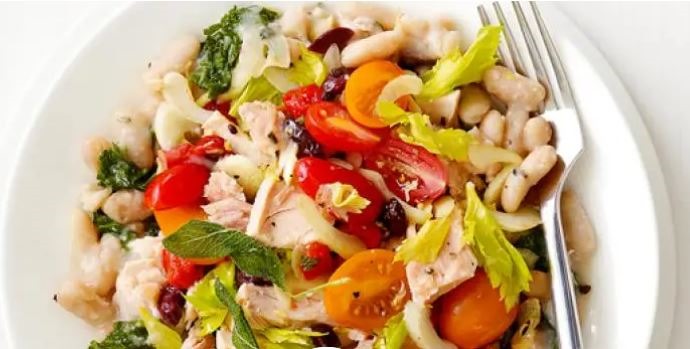
6 tablespoons extra-virgin olive oil
3 cloves garlic, thinly sliced
16 fresh sage leaves (8 chopped, 8 whole)
2 15-ounce cans cannellini beans
3/4 pound kale, stems and ribs discarded, large leaves torn in half
Kosher salt and freshly ground pepper
1 cup grape tomatoes, thinly sliced
3 inner stalks celery, thinly sliced (with some leaves)
1/2 cup chopped pitted Kalamata olives
1/3 cup chopped roasted red peppers
4 6 ounce tuna steaks- seared for two minutes per side and sliced thin
- Heat 3 tablespoons olive oil in a deep skillet over medium heat. Add the garlic and chopped sage and cook until the garlic just starts to brown, about 4 minutes. Add the beans (including the liquid from the cans) and 1 cup water. Increase the heat to medium high and cook, stirring occasionally, until slightly reduced, about 10 minutes. Add the kale and cook, stirring occasionally, until the kale is tender and the liquid looks creamy, 8 to 10 minutes. Season with salt and pepper.
2. Meanwhile, toss the tomatoes, celery, olives and roasted peppers in a medium bowl. Heat the remaining 3 tablespoons olive oil in a small skillet over medium heat, then fry the sage leaves until crisp, 3 to 4 minutes; drain on paper towels. Reserve the oil.
3.Break the tuna into large chunks and divide among shallow bowls. Spoon the bean mixture around the tuna and top with the olive salad and fried sage. Drizzle with the reserved sage oil and season with salt.
BLT Bean Salad
Posted: September 6, 2024 Filed under: Food and it's Impact on Our Health, Recipes | Tags: #delivery, #glutenfree, #healthyeating, #Lactosefree, #mealdelivery, #MillieBarnes, #nutritioncoaching, #Ortega, #pescatarian, #Riverside, #SanMarco, #soyfree. #freedelivery, #Springfield, #vegetarian, #weightloss Leave a comment
All the flavors of a classic BLT sandwich come together in this hearty bean salad. The homemade herb-mayo dressing adds freshness while the crisp bacon and croutons add a welcomed crunch. It’s a great way to use up those pantry beans in a summery salad you’ll want to enjoy all year round.
2 slices Canyon Rach Gluten free bread, cut into 1/2-inch pieces
2 tablespoons olive oil
Kosher salt and freshly ground black pepper
4 slices thick-cut bacon (about 4 ounces), sliced into 1/4-inch-thick pieces
1/2 cup fresh basil leaves
1/4 cup fresh parsley leaves
1/4 cup fresh dill
3 tablespoons mayonnaise
3 tablespoons plain yogurt
1 1/2 tablespoons fresh lemon juice
One 15-ounce can Great Northern or cannellini beans, drained and rinsed
1 heart of romaine, cut into bite-size pieces
1 cup cherry tomatoes, halved
- Preheat the oven to 400 degrees F.
- Toss the bread, olive oil, a pinch of salt and several grinds of pepper on a rimmed baking sheet until combined, then spread into an even layer. Bake until the croutons are golden brown and well toasted, tossing halfway through, 10 to 12 minutes.
- Meanwhile, add the bacon to a medium skillet and cook over medium heat, stirring occasionally, until crisp and well browned, about 5 minutes. Transfer to a paper towel-lined plate with a slotted spoon to drain.
- For the dressing, puree the basil, parsley, dill, mayonnaise, yogurt, lemon juice, 2 teaspoons water, 1/4 teaspoon salt and several grinds of pepper in a food processor until the herbs are finely chopped and dressing is bright green. Taste and adjust the seasoning with more salt and pepper.
- To assemble, add the beans, romaine, tomatoes, half the croutons and half the bacon to a large bowl. Add half of the herb-mayo dressing, then toss to combine. Transfer to a large serving bowl or platter, top with the remaining croutons and bacon and drizzle with the remaining dressing.
Scientists Reveal a Healthier Way to Cook Broccoli – But There’s a Catch
Posted: March 24, 2024 Filed under: Food and it's Impact on Our Health | Tags: #delivery, #glutenfree, #healthyeating, #Lactosefree, #mealdelivery, #MillieBarnes, #nutritioncoaching, #Ortega, #pescatarian, #Riverside, #SanMarco, #soyfree. #freedelivery, #Springfield, #vegetarian, #weightloss Leave a comment
In recent years, broccoli has gained a reputation as an excellent vegetable due to its high levels of a particularly beneficial compound called sulforaphane.
With some early-stage studies showing how this compound plays a role in blood sugar control and potentially even has anti-cancer benefits, it’s no wonder that broccoli pills are on the rise.
However, a 2011 study showed that eating the whole vegetable gets you more sulforaphane than taking a supplement – so a team of Chinese researchers decided to try and find the best way to cook broccoli.
They arrived at a clear winner, publishing their results in 2018 in the Journal of Agricultural and Food Chemistry – but it’s a tough sell if you have better things to do with your time.
There’s a method behind the madness, though. Sulforaphane doesn’t just sit there in the broccoli florets, ready to be consumed. Instead, the vegetable contains several compounds called glucosinolates.
It also contains the enzyme myrosinase, which plants have evolved for defending themselves against herbivores. Through what’s known as ‘myrosinase activity’, the glucosinolates get transformed into sulforaphane, which is what we want.
To kick myrosinase activity into gear, you need to do damage to the broccoli, so you’d think cooking would do the trick.
Unfortunately, studies have shown that common broccoli cooking methods, like boiling and microwaving, seriously reduce the amount of glucosinolates in the vegetable – even if you just zap it for a couple minutes. And myrosinase is super-sensitive to heat, too.
Hence, by far the largest amount of sulforaphane you can get from broccoli is by munching on raw florets. Ugh.
This got the team of researchers thinking about the results of stir-frying – the single most popular method for preparing vegetables in China.
“Surprisingly, few methods have reported the sulforaphane concentrations in stir-fried broccoli, and to the best of our knowledge, no report has focused on sulforaphane stability in the stir-frying process,” the researchers noted in their study.
The team bought a bunch of broccoli from the local market and set to work, measuring the levels of compounds in the vegetables as they went.
First, they basically pulverized the broccoli, chopping it into 2-millimeter pieces to get as much myrosinase activity going as possible (remember, the activity happens when broccoli is damaged).
Then, they divided their samples into three groups – one was left raw, one was stir-fried for four minutes straight after chopping, and the third was chopped and then left alone for 90 minutes before being stir-fried for four minutes as well.
The 90-minute waiting period was to see whether the broccoli would have more time to develop the beneficial compounds before being lightly cooked.
And that’s exactly what the team found – the broccoli that was stir-fried right away had 2.8 times less sulforaphane than the one left to ‘develop’ for longer.
“Our results suggest that after cutting broccoli florets into small pieces, they should be left for about 90 minutes before cooking,” the team concluded, adding that they didn’t test it but thought “30 minutes would also be helpful”.
We’re not sure we’re willing to commit to all that effort, though. The team does say they’re looking into ways to reduce the chopping needed, so watch this space – or just eat some raw broccoli.
The study was published in the Journal of Agricultural and Food Chemistry.
Mediterranean Bean Soup Recipe With Tomato Pesto
Posted: March 12, 2024 Filed under: Food and it's Impact on Our Health, Recipes | Tags: #delivery, #glutenfree, #healthyeating, #Lactosefree, #mealdelivery, #MillieBarnes, #nutritioncoaching, #Ortega, #pescatarian, #Riverside, #SanMarco, #soyfree. #freedelivery, #Springfield, #vegetarian, #weightloss Leave a commentThis is my new favorite soup! This Mediterranean three bean soup recipe is one power-packed vegetarian and gluten free dinner to feed a hungry crowd! And if you ever thought beans are boring, this delicious, cozy soup, finished with a bold tomato pesto will blow your mind!

Extra virgin olive oil
1 Large russet potato peeled, diced into small cubes
1 medium yellow onion chopped
1 15- oz can diced tomatoes
1 tablespoon white vinegar
1 tablespoon ground coriander
1 teaspoon Spanish paprika
Salt and pepper
5 cups low sodium vegetable broth, or broth of your choice
8- oz frozen spinach, no need to thaw
15- oz can red kidney beans, drained and rinsed
15- oz can cannellini beans, drained and rinsed
15- oz can chickpeas, drained
Basil leaves for garnish optional
⅓ cup toasted pine nuts for garnish optional
For Tomato Pesto Sauce
2-3 large garlic cloves, you can start with less garlic if you’re not sure
1 ½ cup diced fresh tomatoes
15-20 large basil leaves
½ cup Private Reserve Greek extra virgin olive oil
Salt and pepper
⅓ cup grated Parmesan cheese
-
In a large Dutch oven or heavy pot, heat two tablespoons of olive oil over medium heat until shimmering but not smoking. Add the diced potatoes and onions. Cook for about 4-5 minutes, tossing regularly.
-
Add the canned diced tomatoes, vinegar, spices, salt and pepper. Stir to combine. Cover and cook for another 4 minutes.
-
Uncover, add the vegetable broth and frozen spinach. Raise the heat to medium-high and bring to a boil for 4 minutes or so. Add the kidney beans, cannellini beans, and chickpeas. Bring back to a boil, then reduce heat to medium-low. Cover and cook for another 15 to 20 minutes (potatoes should be tender at this point).
-
While the soup is cooking, make the tomato pesto. In the bowl of a food processor fitted with a blade, place the garlic and fresh tomatoes. Pulse a few times to combine. Add the basil and puree. While the processor is running, drizzle in the olive oil a little bit at a time. Transfer the thick tomato pesto to a bowl, and stir in the grated Parmesan.
-
When the soup is ready, remove from heat. Stir in the tomato pesto.
-
Transfer to serving bowls. Top each bowl with a few basil leaves and toasted pine nuts.
A Harvard Nutritionist and a Neuroscientist Agree This is the No. ONE Food for a Healthy Brain
Posted: March 12, 2024 Filed under: Food and it's Impact on Our Health | Tags: #delivery, #glutenfree, #healthyeating, #Lactosefree, #mealdelivery, #MillieBarnes, #nutritioncoaching, #Ortega, #pescatarian, #Riverside, #SanMarco, #soyfree. #freedelivery, #Springfield, #vegetarian, #weightloss Leave a comment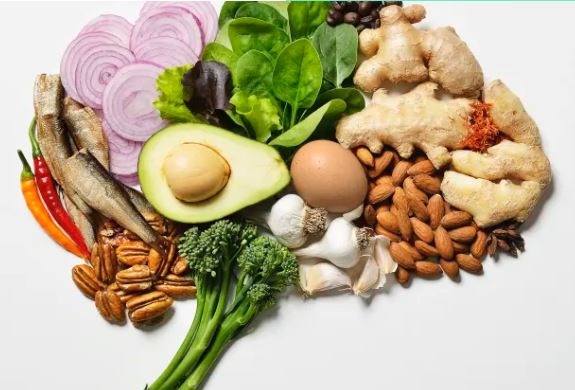
What you eat can, and does, impact the function of your brain, including your ability to ward off Alzheimer’s disease and there are certain foods — like sunflower seeds and whole grains — that provide greater benefits.
There is one food in particular that Dr. Uma Naidoo, a Harvard nutritionist, and Lisa Genova, a Harvard-trained neuroscientist, say is the key to a healthy brain: Green leafy vegetables.
The No. 1 food for a healthy brain: Green leafy vegetables
Across the board, experts agree that eating leafy greens is essential for overall health, especially for your brain.
Some of the green leafy vegetables that you can add to your meals are:
- Kale
- Spinach
- Lettuces
- Cabbage
- Swiss chard
- Bok choy
- Mustard greens
3 reasons experts say a diet rich in leafy greens is good for your brain
1. They’re rich in B vitamins
Often, conditions like depression and dementia are associated with a vitamin B deficiency, according to a study from the Wayne State University School of Medicine.
Green leafy vegetables are a wonderful source of vitamin B9, Naidoo told CNBC Make It in 2022. The vitamin, also known as folate, is “a key vitamin for supporting brain and neurological health, optimal neurotransmitter function, and balanced psychological health,” she added.
Leafy greens are the first type of food that Naidoo suggests for her patients who are looking to boost their mood.
2. They’re high in brain-boosting nutrients
Green leafy vegetables are also full of what Genova calls “brain-boosting nutrients” including folate, lutein and beta-carotene.
Lutein has been linked to an improvement in brain function and brain structure for older adults. And a systematic review found that taking beta-carotene supplements can boost “verbal and cognitive memory.”
3. They’re full of fiber
Increasing intake of dietary fiber was associated with a lower chance of developing depression, a study published in “Complementary Therapies in Medicine” in 2021 found.
Naidoo prefers to recommend getting more fiber through your diet, specifically plant-based foods. And leafy greens just so happen to be fiber-dense.
Want A Healthier Brain Over 40? Sip On These 5 Beverages Every Day For Sharper Memory & Cognitive Function
Posted: March 12, 2024 Filed under: Food and it's Impact on Our Health | Tags: #delivery, #glutenfree, #healthyeating, #Lactosefree, #mealdelivery, #MillieBarnes, #nutritioncoaching, #Ortega, #pescatarian, #Riverside, #SanMarco, #soyfree. #freedelivery, #Springfield, #vegetarian, #weightloss Leave a comment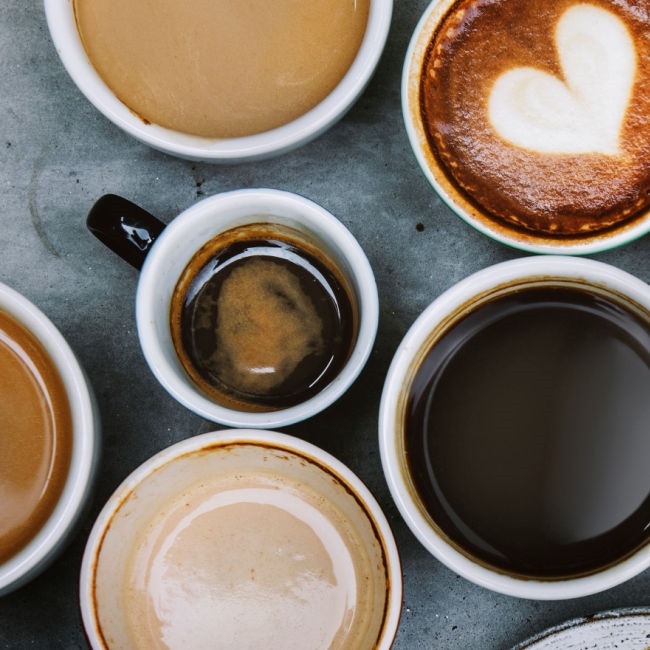
As we age, maintaining cognitive function and memory becomes increasingly important. There are several healthy habits you can incorporate into your daily routine in order to preserve your brain health—and one of the best things you can do is prioritize a heart-healthy diet. Fortunately, incorporating certain beverages into your daily routine can support brain health and fend off age-related decline.
To discover some of the best beverages for the job, we spoke to dietitian nutritionist Krutika Nanavati. She shed some light on five great options: green tea, coffee, turmeric lattes, water, and blueberry juice. Learn more about the benefits of each below.
As we age, maintaining cognitive function and memory becomes increasingly important. There are several healthy habits you can incorporate into your daily routine in order to preserve your brain health—and one of the best things you can do is prioritize a heart-healthy diet. Fortunately, incorporating certain beverages into your daily routine can support brain health and fend off age-related decline.
To discover some of the best beverages for the job, we spoke to dietitian nutritionist Krutika Nanavati. She shed some light on five great options: green tea, coffee, turmeric lattes, water, and blueberry juice. Learn more about the benefits of each below.
1. Green Tea
Nanavati highlights green tea as a powerhouse beverage for cognitive function and memory. She says antioxidants called catechins are largely to thank for these benefits. “Green tea is great for cognitive function and memory, especially for those over 40,” she says, noting that catechins “protect the brain from oxidative stress and reduce the risk of neurodegenerative diseases. Green tea also has caffeine, which can boost mood, reaction time, and memory.” Plus, it’s great for weight loss—what’s not to love?
2. Coffee
Coffee isn’t just a delicious morning ritual that can give you a much-needed energy boost; in addition to potential fat-burning properties, Nanavati says it can also do wonders for your brain. “Coffee, like green tea, contains caffeine and antioxidants,” she explains. “Caffeine blocks the adenosine receptor in the brain, improving cognitive function, mood, and alertness. Regular coffee consumption is linked to lower risks of Alzheimer’s and Parkinson’s.” Sign us up!
3. Turmeric Lattes
Turmeric is one of the healthiest spices out there thanks to its inflammation-fighting properties. As it turns out, it can also help boost your memory and cognitive function when consumed on a regular basis. “Turmeric contains curcumin, which has anti-inflammatory and antioxidant benefits,” Nanavati emphasizes. “It can improve brain function and delay age-related decreases by boosting brain-derived neurotrophic factors and reducing inflammation.” Plus, it’s delicious! Creating a latte with this spice is a great way to reap these benefits and enjoy a tasty, earthy beverage.
4. Water
This one may be a no-brainer, but it’s impossible to overestimate the importance of proper hydration to your overall health, including when it comes to your brain. “Hydration plays a critical role in maintaining cognitive function and memory,” Nanavati stresses. “Even mild dehydration can impair attention, memory, and mood. Consuming adequate water daily is essential for overall brain health and function, especially for individuals over 40, to combat age-related decreases in water conservation by the body. Got it!
5. Blueberry Juice
When you’re craving something fruity that’s also good for your brain, reach for some blueberry juice! Nanavati recommends this beverage as a potent beverage for brain health, citing its high content of flavonoids, “which possess antioxidant and anti-inflammatory properties. These substances can improve communication between brain cells and increase plasticity, which helps brain cells form new connections, improving memory and cognitive functions,” she says. “Regular consumption of blueberry juice could offer protection against memory loss and cognitive decline.” Yum! Just be sure to watch out for the sugar content in the juice you choose, as consuming too much can ultimately do more harm than good.
he bottom line
While the drinks you choose shouldn’t be the end all, be all of your brain-healthy habits, incorporating these five beverages into your daily routine can certainly contribute to maintaining a healthier brain as you age. Whether you prefer a soothing cup of green tea, a revitalizing coffee, or a refreshing glass of blueberry juice, each sip can help support cognitive function and memory, allowing you to stay sharp and focused well into your golden years.
Maple Mustard Tempeh Sweet Potato Bowl
Posted: November 26, 2023 Filed under: Recipes | Tags: #delivery, #glutenfree, #healthyeating, #Lactosefree, #mealdelivery, #MillieBarnes, #nutritioncoaching, #Ortega, #pescatarian, #Riverside, #SanMarco, #soyfree. #freedelivery, #Springfield, #vegetarian, #weightloss Leave a comment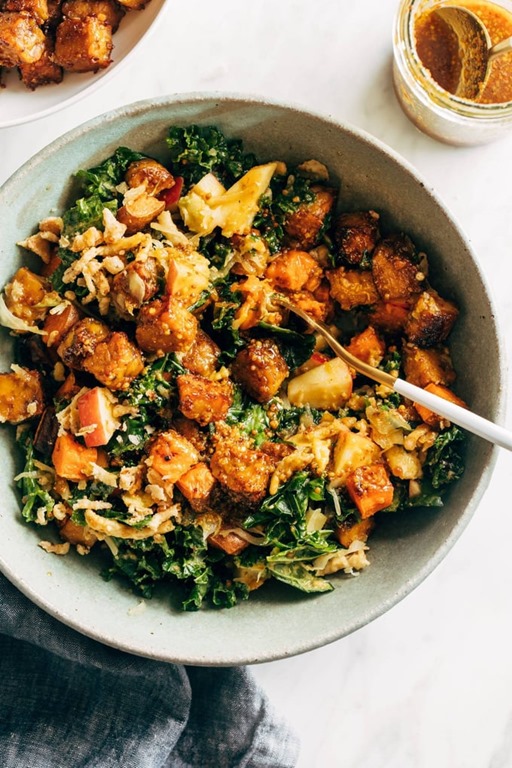
Maple Mustard Tempeh Bowls
The Maple-Mustard Dressing:
1/4 cup maple syrup
1/4 cup stone ground mustard
2–3 tablespoons soy sauce
2–3 tablespoons olive oil
The Bowl Stuff:
2 sweet potatoes, peeled and diced
2 blocks tempeh, cubed
3–4 cups kale, cut into small pieces
1 avocado
Other toppings / add-ins: crispy onions, pecans, apples, dried cranberries
Make the dressing and marinate tempeh: Preheat the oven to 425 degrees. Make dressing. Marinate the tempeh in about half of the dressing for about 30 minutes.
Roast tempeh and sweet potato: Place marinated tempeh (with marinade) on a baking sheet. Roast for 25-30 minutes. Remove Tempeh. Finish Roasting until the potatoes are done. When both are browned and roasted, toss the tempeh with a little more dressing so it soaks up lots of mapley-mustardy flavor.
Steam the kale, toss with dressing. Smash the avocado just a little bit of dressing.
Toss and serve: Toss up the roasted tempeh, sweet potato, kale, sauerkraut, in a big bowl with any other extras that you like.


 Meal Delivery Service by Millie Barnes