How to Steam Eggs Instead of Boiling Them
Posted: July 25, 2023 Filed under: In The Kitchen with Millie- How To's | Tags: #delivery, #glutenfree, #healthyeating, #Lactosefree, #mealdelivery, #MillieBarnes, #nutritioncoaching, #Ortega, #pescatarian, #Riverside, #SanMarco, #soyfree. #freedelivery, #Springfield, #vegetarian, #weightloss Leave a comment
Photo by Mustafa Bashari on Unsplash
I tried for decades to get perfect boiled eggs. But I could never get the eggs to peel right. Then about 6 years ago I found an article about steaming them.
It works! They peel effortlessly every time. They are easier to time the degree that I want them cooked to.
Strat some water to boil in a covered pot. Let it get to a hard boil, you will see steam coming out from under the lid.
 I have had a set of these for 36 yea5rs and use them daily!
Using a net steamer place the eggs in it and quickly take off the lif and add the steamer to the pot.
Set your timer for 6 minutes for soft boiled, 10 minutes for hard boiled with a still translucent and bright yolk, or 12 to 15 minutes for cooked-through hard boiled.
Place the eggs in a bowl of ice water to cool. I do this in the sink so I can let the eggs fall in to it from a few feet up. This cracks the eggs and lets them break, letting water seep in between the cooked albumin and the shells. When ready, after a few minutes of letting the eggs chill, peel the eggs.
Asian Tuna Salad on a Bed of Nappa Cabbage
Posted: July 25, 2023 Filed under: Recipes | Tags: #delivery, #glutenfree, #healthyeating, #Lactosefree, #mealdelivery, #MillieBarnes, #nutritioncoaching, #Ortega, #pescatarian, #Riverside, #SanMarco, #soyfree. #freedelivery, #Springfield, #vegetarian, #weightloss Leave a comment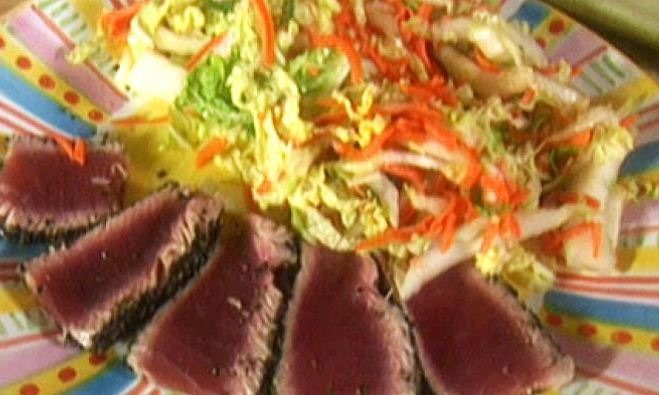
2 tablespoons lime juice
1 1/2 tablespoons fish sauce
11/2 t. Monk Fruit Sweetener or honey
1 teaspoon dark sesame oil
Coarse salt and cracked black pepper
1 medium Napa cabbage
1 bag shredded carrots
1/2 cup basil leaves, torn into quarters
1/2 cup mint leaves, torn
1/2 cup cilantro leaves, roughly chopped
4 tablespoons black and white sesame seeds
1 pound ahi tuna steaks
2 teaspoons extra-virgin olive oil
In a large salad bowl, whisk together lime juice, fish sauce, sugar, and sesame oil. Taste and adjust seasonings with salt and pepper. Cut cabbage in 1/2 lengthwise and slice into thin ribbons. Place cabbage, carrots, basil, mint, and cilantro in the bowl with the dressing. Toss to combine. Set aside.
Pour the sesame seeds out onto a plate. Press the tuna into the seeds on both sides, pressing gently so the sesame seeds stick.
Heat the olive oil in a 12-inch non-stick pan over medium high heat. Add fish to pan and cook until rare, about 2 minutes per side. Alternatively, cook until done to your likeness. Slice thin and distribute among 4 serving plates. Serve with a generous portion of Napa cabbage slaw.
Shrimp and Fall Greens Gumbo
Posted: June 27, 2023 Filed under: Recipes | Tags: #delivery, #glutenfree, #healthyeating, #Lactosefree, #mealdelivery, #MillieBarnes, #nutritioncoaching, #Ortega, #Pescataian, #pescatarian, #Riverside, #SanMarco, #soyfree. #freedelivery, #Springfield, #vegetarian, #weightloss Leave a comment 
12 ounces clam juice
1 pound medium shrimp — cut in half
1 tablespoon olive oil
3/8 cup onion — chopped
3/8 cup green pepper — diced
1 tablespoon garlic — chopped
1/4 cup tomatoes — seeded, diced
2 large bay leaf
1/2 tablespoon dried thyme
1/2 teaspoon tabasco sauce
1/2 bunch kale — chopped coarsely
1 cup rice
1/2 bunch scallions — dia. slices
1 1/2 tablespoons file powder
Boil water, reserved shrimp shells and clam juice for 15 minutes. strain and reserve stock.
Sauté onions, peppers and garlic in white wine for 2 minutes, add tomatoes, bay leaves, thyme, tabasco and reserved stock. bring to a boil. reduce heat, simmer 15 minutes.
Add rice to soup and simmer 20 minutes. Then add kale greens to soup, simmer until greens are bright green, about 3 minutes. add shrimp, simmer 1 more minute. turn off heat, add file powder, season w/ salt and pepper and tabasco.
Walnuts for heart health: Effect on the Gut May be Key
Posted: March 27, 2023 Filed under: Food and it's Impact on Our Health | Tags: #delivery, #glutenfree, #healthyeating, #Lactosefree, #mealdelivery, #MillieBarnes, #Ortega, #pescatarian, #Riverside, #SanMarco, #vegetarian, #weightloss Leave a comment
These kind of articles ALMOST get it right. They are correct that walnuts are wonderful for your health, BUT the study fed the participants 1 CUP A DAY! That 523 calories!! Walnuts should be a frequent food that you eat but in moderate amounts, about a Tablespoon or so a day.
- Since walnuts have heart health benefits, researchers from Texas Tech University and Juniata College conducted a study to analyze what impact they have on the gut microbiome.
- The researchers were curious whether it is possible that the heart benefits derived from walnuts start in the gut.
- The researchers assigned diets to three groups of people, including one group that ate whole walnuts, and then tested biological samples from each participant.
- Their findings showed that people who consumed the diet with walnuts had higher levels of the amino acid L-homoarginine in their guts.
- Since people with lower levels of homoarginine are at a higher risk for cardiovascular disease, this finding showed that it might be possible to improve heart health by making dietary changes that affect the gut.
While scientists know that certain foods improve heart health, there are many questions remaining, such as how this happens, and what other foods exist that may lower cardiovascular risk.
Researchers from Texas Tech University in Lubbock and Juniata College in Huntingdon, PA, wanted to learn more about how walnuts may benefit the heart, and whether that starts in the gut.
They conducted their study by analyzing the genetic expression of microbes in participants who either did or did not consume a diet with walnuts.
The study results were presented at Discover DMB, which is the annual meeting of the American Society of Biochemistry and Molecular Biology.
According to the Centers for Disease Control and PreventionTrusted Source (CDC), heart disease is the leading cause of death in adults in the United States. Nearly 700,000 people die from heart disease each year.
Many factors influence heart health, and an important one is nutrition. People who follow diets that are high in fat and cholesterol are more likely to develop conditions that can eventually lead to heart disease.
To help reduce the risk of heart disease, people can choose diets that are low in fat, feature lean meats, and are low in sugar and salt. Avoiding processed foods or foods high in trans fats can help as well.
Some heart-healthy foods the National Institutes of HealthTrusted Source (NIH) recommend people consume include:
- vegetables
- fruits
- whole grains
- fish and lean meats
- nuts.
Recent research shows that walnuts, in particular, can improve a person’s cardiovascular disease risk profile.
The role of the gut microbiome
A healthy gut microbiome is imperative to good health. The gut microbiota is a group of microorganisms that colonize the gastrointestinal tract. Some estimates suggest that there are 1,013 bacteriaTrusted Source in the human gastrointestinal tract, about as many as human cells in the body.
Sometimes illness or lifestyle choices can cause changes to the gut microbiome and make bad bacteria outweigh good bacteria.
The NIHTrusted Source note that “[t]he gut microbiome plays an important role in human health and influences the development of chronic diseases ranging from metabolic disease to gastrointestinal disorders and colorectal cancer.”
There are ways to improve gut health, such as taking probiotic supplements to rebalance the gut microbiome. Foods people can eat to help with this include yogurt, pickled vegetables, and kombucha tea.
The researchers who conducted the current study were interested in how walnuts impact gut health and improve heart health.
Walnuts have a higher alpha-linolenic acid (ALA) content, which is significant because ALA may impactTrusted Source neurological and cardiovascular health.
The researchers analyzed data from 42 participants for this study. The participants all had an elevated risk for cardiovascular disease.
All participants initially followed a traditional Western diet for 2 weeks. According to the researchers, their nutritional breakdown included a 50% carbohydrate intake, 16% protein, and 34% fats.
The scientists took stool samples to analyze the participants’ gut microbiomes, and then placed the participants in one of three groups.
The first group, which was called the “walnut diet group”, consisted of participants who ate 57–99 grams (g.) of walnuts per day — roughly 1 cup of walnuts.
The second group consumed the same amounts of omega-3 fatty acid alpha-linolenic acid present in walnuts without eating walnuts. This was the “matched walnut control diet.
The third group was assigned to supplement ALA with oleic acid — while not eating walnuts — and was referred to as the “oleic acid replaces ALA in diet without walnuts” group.
At the end of the 6-week diet periods, the researchers collected stool samples from the participants and analyzed the samples with metatranscriptomics “to investigate the gut microbiota composition and functionality.”
Walnuts, heart health, and the gut
After collecting stool samples, the researchers conducted a genetic analysis of the gut microbiota from each group. They were able to determine whether there were higher or lower levels of certain bacteria.
The researchers found higher levels of Gordonibacter bacteria in the walnut diet group. This bacterium is responsible for metabolizing plant compounds.
The researchers also saw higher levels of gene expression in pathways involved with the amino acid L-homoarginine in the walnut diet group.
This is significant because people with low homoarginine levelsTrusted Source are at a higher risk for heart disease.
Additionally, they found that the participants saw improvements in their dysbiosis index values — the ratio of bad bacteria to good bacteria — after spending 6 weeks on their diets.
While the participant pool for the study was small, the results suggest the possibility of improving one’s risk for cardiovascular disease by making dietary changes that impact the gut.
Mansi Chandra, an undergraduate researcher at Juniata College who will present the study, commented on it in an interview with Medical News Today.
“The nature of the study itself is very unique […] to our knowledge, [as] metatranscriptomics has not been used previously to assess the effect of walnut consumption on gut microbiota gene expression and is the first of its kind,” said Chandra.
“The findings of these exploratory analyses contribute to further understanding of walnut-related modulation of gut microbiome, which could be very impactful in learning how gut health impacts our heart health in general.”
– Mansi Chandra
Dr. John Higgins, a professor of cardiovascular medicine with McGovern Medical School at UTHealth Houston, who was not involved in the study, spoke with MNT about the findings.
“Walnuts are a rich source of omega-3 fatty acids, specifically alpha-linolenic acid, and are beneficial for improving cardiovascular health. They reduce inflammation, improve cholesterol balance, reduce blood pressure, and reduce risk of metabolic syndrome and cardiovascular disease,” Dr. Higgins pointed out.
When asked about the importance of such research, Dr. Higgins said it highlights “how different organ systems are interconnected.”
“In this case, the gastrointestinal system and the heart [are interconnected],” noted Dr. Higgins. “A healthy gut means a healthy heart!”
“This research suggests that by adjusting diet and modulating intestinal microbiota composition and metabolism — e.g. starting to eat a cup of walnuts each day — we may be able to better help cardiovascular disease prevention,” he further commented, though he cautioned that “[m]ore research is needed.”
Dr. Ernst von Schwarz, a cardiologist and professor at UCLA, not involved in this study, also spoke with MNT about the research.
According to him, “[t]he study also supports the idea […] to promote the concept of a Mediterranean-type diet as the most heart-healthy diet, which in some studies even has [been] shown to result in a regression of atherosclerosis (calcification/hardening) of the blood vessels in the heart, the brain, and even in the sexual organs.”
“Even though we are aware of the long-term benefits of a Mediterranean diet, we do not know the exact mechanisms,” Dr. von Schwarz continued. “Therefore, this study — among others — helps us to understand possible biochemical pathways that are affected by dietary ingredients, including walnuts.”
FINALLY! A Decent Tasting No Sugar Unsweetened Ketchup!
Posted: March 27, 2023 Filed under: Food and it's Impact on Our Health | Tags: #delivery, #glutenfree, #healthyeating, #Lactosefree, #mealdelivery, #MillieBarnes, #Ortega, #pescatarian, #Riverside, #SanMarco, #vegetarian, #weightloss Leave a comment I have spent DECADES looking for decent tasting ketchup with no sugar or other sweeteners. Today I found it!
Most ketchups touted as healthy or organic form from the health food store have always been to heavy on the vinegar or not sweet enough. Twice I have made my own but it is laborious and I still wasn’t happy with it.
This one is perfect!
12 Best Foods for a Healthy Brain and Better Memory
Posted: March 16, 2023 Filed under: Food and it's Impact on Our Health | Tags: #delivery, #glutenfree, #healthyeating, #Lactosefree, #mealdelivery, #MillieBarnes, #Ortega, #pescatarian, #Riverside, #SanMarco, #vegetarian, #weightloss Leave a comment
There are MANY things we can do to keep our brains healthy as we age, diet is the most important part!
Here are other things we can do; exercise every day, take magnesium morning and night, take B Vitamins, get a great nights sleep every night, be happy.
Leafy greens
Not to parrot your mother, but she was right on this one. Those leafy greens really are good for you, especially your brain. Spinach, collards, kale — you name it. These veggies are rich in brain-boosting nutrients such as beta-carotene, folic acid, lutein and vitamin K. Plus, research has shown that plant-based foods may be especially good for curbing cognitive decline.
Daily recommended intake: Aim for about 1/4 of a cup per day, or 1.5 to 2 cups a week.
Nuts
Nuts are lauded as a source of protein and healthy fats. But they’re also great brain foods. Each nut has unique benefits, and including pistachios, macadamias and almonds in your diet will definitely support your brain health. But for a real mental power boost, turn to walnuts. They’re packed with omega-3 fatty acids and antioxidants, both of which are important for preventing mental decline.
Daily recommended intake: A 2021 study found that adults who consumed 15 to 30 grams of nuts per day had notably higher cognitive scores than those who ate less.
Coffee and tea
You may be accustomed to drinking coffee or tea to stay awake, but these caffeinated beverages have more to offer than a simple morning perk-up. Researchers have noted caffeine’s ability to boost the brain’s information-processing capacity, and coffee also packs many powerful antioxidants, which may help support brain health. In addition to both of these, green tea is rich in L-theanine. This powerful amino acid can help manage stress and anxiety, which is important for brain function.
Daily recommended intake: Up to 400 milligrams of caffeine per day (about four cups of coffee or black tea) is generally considered safe for most adults.
Tomatoes
Tomatoes are one of the best foods for brain health, thanks to their rich lycopene content. This powerful carotenoid has been shown to help stave off cognitive disorders such as Alzheimer’s and Parkinson’s diseases. One fresh, medium tomato contains about 3.2 milligrams of lycopene, and you can also find even more in tomato sauces, pastes and ketchup.
Daily recommended intake: Studies show that 9 to 21 milligrams of lycopene per day may be most beneficial.
Mykhailo Hrytsiv / 500px / Getty Images
Whole grains
Whole grains like whole wheat, oatmeal, barley and brown rice are essential parts of a balanced diet, and they’re known to support cardiovascular health. What’s less well-known is that many whole grains are rich in vitamin E, an important antioxidant that helps reduce the presence of free radicals and prevent neurological damage. Experts also favor consuming vitamin E in its natural form rather than via supplements, making whole grains a great choice for boosting vitamin E intake.
Daily recommended intake: Guidelines recommend at least three servings of whole grains per day, totaling at least 48 grams.
Broccoli
Leafy greens aren’t the only green veggies that make the list of the best foods for brain health. Broccoli and other cruciferous vegetables are also important. These vegetables contain high doses of glucosinolates. When combined with water, these compounds produce isothiocyanates, powerful metabolites known to have neuroprotective properties.
Daily recommended intake: The USDA recommends that adults eat 1.5 to 2.5 grams of cruciferous vegetables per week.
Salmon and tuna
You may make it a habit to avoid fatty foods, but when it comes to fish, fat is a good thing. Fish such as salmon and tuna are rich in omega-3 fatty acids, which are associated with many positive health outcomes, including for the brain. In particular, these healthy fats have been tied to lower levels of beta-amyloid in the blood. This damaging protein forms clumps in the brain that often lead to Alzheimer’s disease.
Daily recommended intake: Aim for at least two servings of low-mercury fish such as salmon and light tuna per week.
Berries
An apple a day may keep the doctor away, but a bunch of berries keeps mental decline at bay. Berries are one of the best brain foods because they’re packed with flavonoids. Not only do these natural pigments make berries colorful, but they also improve brain function, particularly when it comes to memory.
Daily recommended intake: Eating at least two servings (half a cup each) of berries per week has been shown to slow memory decline by as much as two-and-a-half years.
Dark chocolate
If you’re looking for food that’s good for your brain, a delicious treat like dark chocolate might not come to mind. But dark chocolate brings together many of the benefits of the other foods on this list. It’s full of antioxidants, flavonoids and caffeine, making it one of the more brain-healthy foods you can eat. Don’t say I didn’t give you any good news.
Daily recommended intake: A small snack of dark chocolate, 30 to 60 grams a few times a week, may help improve brain function. Make sure it’s at least 70% dark to get the most benefits and limit calories from sugar.
Seeds
They may be small, but seeds are as nutrient-packed as many nuts, and they make a great snack to munch on. Sunflower seeds, in particular, are rich in vitamin E, whose brain benefits we’ve discussed above. Pumpkin seeds are also a potent source of antioxidants and important minerals such as copper, iron, magnesium and zinc. Each of these minerals can help guard against cognitive decline or brain disorders, including Alzheimer’s disease, depression and even epilepsy.
Daily recommended intake: Try to eat 1/8 to 1/4 of a cup of seeds, three or four times a week. You can mix up the types, from pumpkin and sunflower seeds to chia seeds and ground flaxseeds.
Claudia Totir/Getty Images
Eggs
This go-to breakfast food isn’t just good for a morning protein punch. Eggs are also rich in several important B vitamins, including B6, B12 and B9 (folic acid). Studies show that these vitamins may help prevent brain shrinkage and curb mental decline in older adults.
Daily recommended intake: For most adults, one egg a day is a good target. Your doctor may recommend more or less based on your overall health and cholesterol levels.
Turmeric
Your spice rack probably isn’t the first place you think to look when you’re considering good brain foods. But turmeric, a major ingredient in curry powders, isn’t something you’ll want to overlook if you want to support a healthy mind. Turmeric contains curcumin, which has been linked to various positive outcomes for brain health, from protecting against Alzheimer’s to supporting brain cell growth.
Daily recommended intake: Because turmeric is a spice, you likely won’t be able to get as much as you need simply from cooking with it. Speak with your doctor about whether a curcumin supplement would be a good option for you.
Supplements for a healthy brain
In brain health, as with any type of nutrition, it’s best to meet most or all of your needs through your normal daily diet. In other words, eating the foods we’ve looked at above is the best way to keep your brain functioning well for the long haul.
However, if you find it difficult to get what you need with these brain foods, it may be helpful to include some supplements in your diet. You might consider supplements or multivitamins containing any of the following:
- B vitamins, especially B6, B12 and B9
- Vitamin C
- Beta-carotene
- Magnesium
- Zinc
- Copper
- Iron
- Curcumin
- Omega-3 fatty acids
Brain health is critical to your overall health and well-being, so be sure to consult your physician before you add any supplements to your diet.
First published on Oct. 12, 2022 at 6:00 a.m. PT.
Summer Greens with Mustardy Potatoes and Six-Minute Egg
Posted: February 8, 2023 Filed under: Recipes | Tags: #delivery, #glutenfree, #healthyeating, #Lactosefree, #mealdelivery, #MillieBarnes, #Ortega, #pescatarian, #Riverside, #SanMarco, #vegetarian, #weightloss Leave a comment
4 large Farmers Hen House eggs
2 ounces sliced or slab bacon, cut crosswise into ¼-inch strips
¾ pound tiny potatoes, halved if larger than a ping pong ball
Kosher salt, freshly ground pepper
1 small shallot, finely chopped
2 tablespoons whole grain mustard
1 tablespoon (or more) white wine vinegar
4 cups (lightly packed) summer greens, such as arugula, baby romaine, and/or mustard greens
2 cups mixed herb leaves, such as parsley, chives, and/or chervil
Carefully lower eggs into a medium saucepan of boiling water and cook 6 minutes. Drain and transfer eggs to a bowl of ice water; set aside.
Meanwhile, cook bacon in a large skillet over medium heat, stirring occasionally, until fat is starting to render but bacon is not yet crisp, about 4 minutes. Add potatoes; season with salt and pepper. Cook, shaking pan occasionally, until potatoes are tender and cooked through, 8–10 minutes. Remove from heat and add shallot, mustard, and vinegar; toss to coat.
Toss greens and herbs in a large bowl, add warm potatoes and toss again to coat; season with salt, pepper, and more vinegar, if desired. Peel and halve eggs; arrange over potatoes and greens.
The One Protein Brain Experts Want You to Eat More of as You Age…or at ANY age!
Posted: January 30, 2023 Filed under: Food and it's Impact on Our Health | Tags: #delivery, #glutenfree, #healthyeating, #Lactosefree, #mealdelivery, #MillieBarnes, #Ortega, #pescatarian, #Riverside, #SanMarco, #vegetarian, #weightloss Leave a comment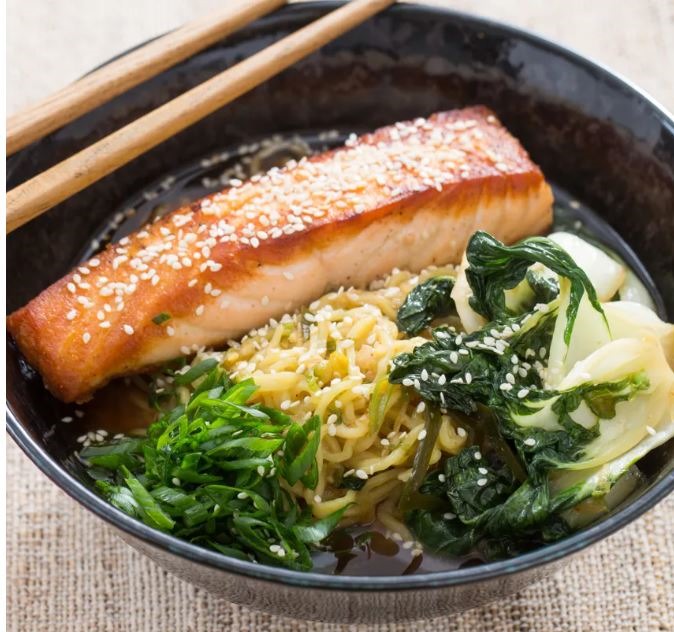
Protein is most known for helping us build healthy muscles, but the nutrient offers benefits from head to toe. In particular, protein plays an important role in your brain health, and getting enough of the right ones in your diet can help preserve its function.
Protein is found in every cell of the body including the brain, so it’s important to get enough of it through your diet. That said, of all the protein-rich foods out there, some may benefit your brain more than others.
As for which proteins support your brain the most, we asked a neurologist who told us that you can support your cognitive functioning over the years by adding more fatty fish to your routine. Here’s why.
Nutrients in Fatty Fish
Fatty fish, which includes salmon, black cod, anchovies and bluefin tuna, is high in protein and other nutrients like omega-3 fatty acids (a type of “healthy fat“), making it a nutritious addition to any diet.
For example, a 6-ounce filet of cooked salmon provides 43.2 grams of protein and 246 percent of your Daily Value (DV) for omega-3 fatty acids, per the USDA.
With input from Sharon Stoll, DO, a neurologist and Assistant Professor of Neurology at Yale School of Medicine, we take a deep dive into how eating fatty fish on a regular basis can support healthy cognition.
4 Ways Fatty Fish Benefits Your Brain
1. It’s Rich in DHA
The brain consists of about 60 percent fat, so it’s an important nutrient for brain function, according to John Hopkins Medicine. But some forms may be better than others.
Docosahexaenoic acid, or DHA, is an omega-3 fatty acid that’s commonly associated with brain function, though it also supports a healthy nervous system.
Fish is an ideal source of DHA because it’s readily available. In fact, most of the top food sources of DHA are fatty fish like salmon, tuna and cod, per the USDA. Plant sources of omega-3 fatty acids contain alpha-linolenic acid (ALA), which gets converted to DHA in the body.
Brain tissue may have a preference for DHA in order to keep the brain functioning normally and efficiently, per the Academy of Nutrition and Dietetics.
ADVERTISEMENT
DHA is especially important for brain development in early childhood, according to the Harvard T.H. Chan School of Public Health. Though its effects are mainly seen in infants, the effects of DHA may also be seen during childhood and adulthood, per a January 2016 review in Nutrients.
In adulthood, low DHA levels have been associated with a higher risk of brain conditions like Alzheimer’s dementia.
2. It Supports Healthy Blood Flow
The body is made up of complex systems, and they don’t work independently from one another. The functioning of your cardiovascular system, for example, can influence your brain health.
“A lot of people don’t realize how interconnected the heart and brain are — you can’t have one without the other,” Stoll says. “Healthy fats are important for brain health because they’re important for the cardiovascular system, which then plays a role in brain functioning.”
Keeping your heart healthy can lower your risk for brain-related health issues like stroke and dementia, according to the CDC. When blood vessels are damaged, your brain can face serious consequences.
“To keep your brain in tip-top shape, we want the blood vessels as open as possible,” Stoll says. That’s where nutrient-dense foods like fatty fish come in.
Protein is an essential nutrient, but animal proteins like pork and some cuts of beef are high in saturated fat, which can raise “bad” cholesterol levels in your blood and clog your arteries. This raises your risk for stroke and heart attack, according to the American Heart Association (AHA).
Fish is considered a more heart-healthy source of protein because it’s not high in saturated fat. In fact, the omega-3 fatty acids may actually improve endothelial function (the lining of your blood vessels), promote vasodilatation (the widening of blood cells) and decrease artery wall stiffening, according to March 2017 research in Nutrition, Metabolism and Cardiovascular Disease.
ADVERTISEMENT
Keeping your heart healthy, then, translates to better blood flow to your brain.
3. It May Help Lower Triglycerides
There’s a lot left to learn about Alzheimer’s disease, the most common type of dementia, but high triglyceride levels may play a role.
“Eating fatty fish is important for brain health for the same reason it’s important for the heart — it’s associated with lower triglyceride levels,” Stoll says. It’s true: High triglyceride levels in midlife are associated with a higher risk of Alzheimer’s disease later in life, according to a January 2018 study in Neurology.
“Triglycerides are part of what blocks those vessels in the brain and throughout the body, which leads to stroke and heart disease,” Stoll says. There’s strong evidence that omega-3 fatty acids may help lower high triglyceride levels, according to the Mayo Clinic.
4. It May Help Lower Your Risk of Mental Decline
As the number of older adults (age 65+) is steadily increasing, so are rates of dementia and Alzheimer’s disease diagnosis. An estimated 5.8 million people in the United States are affected by the disease, though the number is expected to rise in the coming years, according to the CDC.
Getting more DHA has been associated with a lower risk of these diseases, according to a June 2022 study in Nutrients. Low levels of DHA have also been linked to a higher risk. All that said, more research is needed to determine the direct benefits DHA may have on cognition.
“While the research isn’t conclusive, one thing is definitely for sure — nutrients like omega-3 fatty acids may help protect your brain over time and could slow down the progression of brain diseases,” Stoll says.
Green Bean Salad
Posted: January 17, 2023 Filed under: Recipes | Tags: #delivery, #glutenfree, #healthyeating, #Lactosefree, #mealdelivery, #MillieBarnes, #Ortega, #pescatarian, #Riverside, #SanMarco, #vegetarian, #weightloss Leave a commentIt’s a fresh new twist on this classic vegetable!

- 1/4 c. olive oil
- 2 tbsp. red wine vinegar
- 2 tsp.Dijon mustard
- 1 tsp. kosher salt, plus more to taste
- 1/2 t ground black pepper, plus more to taste
- 1 lb. green beans, trimmed
- 1/4 red onion, sliced
- 1 large tomato diced (about 8 oz.)
- 1/2 c. Kalamata olives, chopped
1/4 c. chopped roasted salted almonds
Combine the olive oil, vinegar, mustard, salt, and pepper in a jar with a tight-fitting lid. Shake well to combine.
Meanwhile, heat a large pot of water over high heat until boiling. Season generously with salt. Add the green beans and cook for 3 to 5 minutes, until tender, yet still a little crisp. Transfer the cooked beans to a bowl of ice water. Let sit 3 minutes to cool, then drain.
Transfer to a platter and top with goat cheese and almonds, if you like.
EWG study: Eating one freshwater fish equals a month of drinking ‘forever chemicals’ water
Posted: January 17, 2023 Filed under: Food and it's Impact on Our Health | Tags: #delivery, #glutenfree, #healthyeating, #Lactosefree, #mealdelivery, #MillieBarnes, #Ortega, #pescatarian, #Riverside, #SanMarco, #vegetarian, #weightloss Leave a comment
WASHINGTON – A new study by Environmental Working Group scientists finds that consumption of just a single serving of freshwater fish per year could be equal to a month of drinking water laced with the “forever chemical” PFOS at high levels that may be harmful.
Researchers calculated that eating one fish in a year equated to ingesting water with PFOS at 48 parts per trillion, or ppt, for one month.
The study bolsters EWG’s long-running calls for strict regulation of PFOS and the other toxic “forever chemicals” known as PFAS, in addition to more tests of food such as fish, since diet
is thought to be a major source of PFAS exposure for Americans.
The findings are a particular issue for communities with environmental justice concerns, whose survival often depends on eating freshwater fish they’ve caught.
EWG found the median amounts of PFAS in freshwater fish were an astounding 280 times greater than forever chemicals detected in some commercially caught and sold fish. The testing data, from the Environmental Protection Agency and Food and Drug Administration, showed that consuming a single meal of freshwater fish could lead to similar PFAS exposure as ingesting store-bought fish every day for a year.
“People who consume freshwater fish, especially those who catch and eat fish regularly, are at risk of alarming levels of PFAS in their bodies,” said David Andrews, Ph.D., EWG senior scientist and one of the study’s lead authors. “Growing up, I went fishing every week and ate those fish. But now when I see fish, all I think about is PFAS contamination.”
The forever chemical found at greatest concentrations in freshwater fish was PFOS, formerly an ingredient in 3M’s Scotchgard, averaging roughly three in four of total PFAS detections.
“These test results are breathtaking,” said Scott Faber, EWG’s senior vice president for government affairs. “Eating one bass is equivalent to drinking PFOS-tainted water for a month.”
Consumption of PFOS-contaminated freshwater fish can cause significant increases in peoples’ blood serum levels of the forever chemical, creating potential health risks. Even infrequent consumption of freshwater fish can raise PFOS levels in the body.
“The extent that PFAS has contaminated fish is staggering”, said Nadia Barbo, a graduate student at Duke University and lead researcher on this project. “There should be a single health protective fish consumption advisory for freshwater fish across the country.”
The researchers analyzed data from more than 500 samples of fish filets collected in the U.S. from 2013 to 2015 under monitoring programs by the EPA, the National Rivers and Streams Assessment and the Great Lakes Human Health Fish Fillet Tissue Study. The median level of total PFAS in fish filets was 9,500 nanograms per kilogram, with a median level of 11,800 nanograms per kilogram in the Great Lakes.
“PFAS contaminate fish across the U.S., with higher levels in the Great Lakes and fish caught in urban areas,” said Tasha Stoiber, Ph.D., an EWG senior scientist and another co-author. “PFAS do not disappear when products are thrown or flushed away. Our research shows that the most common disposal methods may end up leading to further environmental pollution.”
Freshwater fish are an important source of protein for many people, and PFAS contamination threatens those who cannot afford to purchase commercial seafood. Communities that depend on fishing for sustenance and for traditional cultural practices are inordinately harmed. This makes exposure to chemical pollutants in freshwater fish a textbook case of environmental injustice.
“Identifying sources of PFAS exposure is an urgent public health priority,” said Stoiber.
Industrial pollution
The widespread contamination of fish in rivers and streams across the country further emphasizes the need to end industrial discharges of PFAS.
EWG estimates there may be more than 40,000 industrial polluters of PFAS in the U.S. Tens of thousands of manufacturing facilities, municipal landfills and wastewater treatment plants, airports, and sites where PFAS-containing firefighting foams have been used are potential sources of PFAS discharges into surface water.
This contamination of water has spread PFAS to soil, crops and wildlife, including fish.
“For decades, polluters have dumped as much PFAS as they wanted into our rivers, streams, lakes and bays with impunity. We must turn off the tap of PFAS pollution from industrial discharges, which affect more and more Americans every day,” said EWG’s Faber.
Testing fish for PFAS
The EPA and the FDA test differently to detect PFAS in fish. The EPA uses what’s known as draft Method 1633 to test for up to 40 PFAS compounds in fish tissue, as well as in wastewater, surface water, groundwater, soil, biosolids, sediment and the liquid that forms when waste breaks down in landfills.
National EPA tests show nearly all fish in U.S. rivers and streams are contaminated with PFAS in the parts-per-billion range – even greater than parts per trillion. Although the most recent test results found decreasing PFAS levels, freshwater fish are still contaminated at high levels.
The FDA improved its scientific method to test for 20 different PFAS compounds. Its approach is used to test seafood samples, as well as processed foods. In its 2022 survey of seafood, the FDA found much lower levels of PFAS in seafood from grocery stores. The median levels of total PFAS detected by the EPA were 280 times higher than levels in commercially sold fish tested by the FDA.
Health risks
PFAS are among the most persistent compounds in existence, contaminating everything from drinking water to food, food packaging and personal care products. PFAS build up in our bodies and never break down in the environment. They are found in the blood of virtually everyone, including newborn babies.
Very low doses of PFAS in drinking water have been linked to suppression of the immune system, including reduced vaccine efficacy, and an increased risk of certain cancers. PFAS are linked with increased cholesterol, reproductive and developmental problems and other health harms.
More than 200 million Americans could be drinking water contaminated with PFAS. The problem is likely worse than has already been confirmed, further underscoring the need for swift regulatory action.
“The EPA needs to move swiftly to set regulations for the industries most likely to be dumping PFAS into the environment. Downstream communities especially have suffered the consequences of unregulated PFAS discharges for far too long,” added Faber.


 Meal Delivery Service by Millie Barnes