But What Do I Put In My Coffee?
Posted: February 10, 2013 Filed under: Recipes 3 CommentsFor 27 years I have been teaching my clients how to eat dairy and gluten free and there are always a few questions that come up (usually with a panicked look!)…
Can I still drink wine? Yes
Can I still eat Chocolate? Yes
What in the world do I put in my coffee? My best advice has been almond milk, and advised them how to make it.
Then a few years ago SO products came on the market. While far cleaner in ingredients than most creamers it’s not perfect. It contains GUAR GUM), ORGANIC DRIED CANE SYRUP, NATURAL FLAVORS, COLORED WITH TITANIUM DIOXIDE, DIPOTASSIUM PHOSPHATE, CARRAGEENAN. NOT stuff we want in our bodies!
Then someone posted on Facebook a recipe. I followed the link and found a cool website;

Here’s the recipe;
Coconut Milk Creamer
I put a can of Thai Kitchen coconut milk into the food processor, added one organic egg and 2 tablespoons of Tropical Traditions coconut oil and a teaspoon of vanilla.
Blend all of the above in the food processor or blender.
It’s great coffee creamer and makes great whipped cream…use it on berries!!
Beet Kvass Recipe with Wild Fermentation
Posted: February 6, 2013 Filed under: Food and it's Impact on Our Health, Recipes 6 Comments
 Cool website Holistic Squid carried this article on making Beet Kvass using wild fermentation, meaning you do not inoculate it.
Beet Kvass Myth Busting (& Recipe)

Have you been taught that you must use whey or another culture starter when making beet kvass? (You don’t.)
Are you dairy free, on a tight budget, on the GAPS or SCD diet and therefore cannot buy and use whey or other culture starters? (Don’t worry!)
Have you been taught that if you do not use a culture starter to make beet kvass, it must contain so much salt that it is not pleasurable to drink? (Not true.)
For these reasons or more, have you been living without the beauty of beet kvass in your life? These are all common misconceptions and I think it’s time we all set them aside and empower ourselves to harness the transformative powers of mother-nature.
Beet Kvass is comprised of simple ingredients and is simple to make through the process of wild fermentation. Fancy fermentation equipment is fun, convenient, and pretty but rarely a must.
What is Beet Kvass?
Here in my kitchen, we call it blood of the earth. Indeed I do taste the earth when I sip this crimson liquid. Beet Kvass is an age-old tonic associated with many health benefits including efficient hydration. Fermented beverages are the original sports drinks. Like other lacto-fermented drinks, kvass is more hydrating than even water. In order to remain hydrated, our bodies require a balance of electrolytes. Cultured beverages like kvass help restore this balance without the sugar and preservatives of modern “sport drinks”.
Beet Kvass is traditionally heralded as a blood and liver tonic. And indeed this ancestral knowledge is meted out in science. In fact, beets are high in betacyanin which can dramatically increase the oxygen-carrying ability of the blood.
Personally, beet kvass gives me a feeling of energy and clarity. I LOVE beets and the taste of beet kvass. If you don’t love the taste but do want the health benefits of this tonic, try adding it to a soup when serving or use it to make a virgin ‘dirty martini’ or ‘bloody mary’. The taste is perfect for these concoctions and a big hit at any dinner party I’ve ever had.
Beet Kvass Ingredients
Filtered water
3-4 beets
1 ½ tablespoon unrefined sea salt
Beet Kvass Method
Wash the beets of any dirt but, do not scrub or peel the beets. Our aim is to keep the delicate bacteria on the skin of the beets in tact so that we can encourage their multiplication during fermentation.
Add the beets to a 1-gallon jar.*
Add 1 ½ tablespoon unrefined sea salt
Add filtered water to ½ inch below lid
Affix lid tightly and label with date.
Allow to ferment for 1 ½ weeks or more out of direct sunlight.
You may strain through a cheese-cloth and decant into smaller containers, taking care to redistribute a handful of beet pieces into each bottle and then store in the refrigerator. Or feel free to store in the refrigerator as is.
For Full Article….
Best Spinach Paneer I’ve Ever Made, and It’s Vegan!
Posted: February 1, 2013 Filed under: Recipes Leave a comment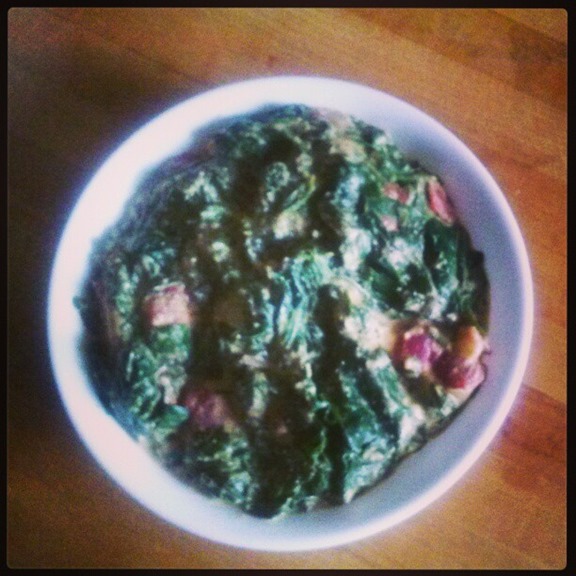
I didn’t start out to make it vegan, but I do not cook with dairy or soy. So I started playing.
Serves 2
2 pounds spinach- cleaned, large stems removed, steamed until just bright green
1 1/2 cup almonds- no skins
4 Tablespoons butter
1 large Spanish onion
1 4 ounce jar pimentos
3 Tablespoons fresh lemon juice
1/3 teaspoon celery seed
2 tomatoes- diced
4 to 5 large cloves garlic, finely chopped
3 tablespoons ginger root, finely chopped
1 tablespoon garam masala
1 tablespoon ground coriander
1 tablespoon ground cumin
1½ teaspoons salt
1/3 teaspoon cayenne pepper
1 cup coconut cream (from can of coconut milk hat has separated)
fresh cilantro, chopped for garnish
Sauté diced onions in butter until deeply caramelized, about an hour. Steam spinach until very bright green, leave in colander and let drain well. Place it in a bowl and cut it up very fine.
In a blender, blend the almonds to a very fine powder, stopping a few times and using a butter knife to get what is under the blades. Add the juice from pimentos, the lemon juice and the coconut water from the can of coconut. Use just enough so that the mixture blends well.
Paleo Tomato Ketchup
Posted: January 22, 2013 Filed under: Recipes | Tags: Paleo Leave a commentHere’s a ketchup recipe without sugar from The Paleo Network
by SUZ on DECEMBER 27, 2012
It is so hard to find a tomato ketchup recipe that doesn’t add in lots of sugar! Finally with a lot of tweaking, I’ve come up with my favorite Paleo tomato sauce recipe. A home made burger just isn’t the same without tomato ketchup.

Paleo Tomato Ketchup Ingredients:
- 15 Medium Tomatoes
- 2 Onions, Chopped and Fried in Coconut Oil
- 4 Garlic Cloves, Crushed and Fried in Coconut Oil
- 1 Red Capsicum (Bell Pepper)
- 100ml (4floz) Red Wine Vinegar
- 1 Teaspoon Celtic Sea Salt
- 1 Teaspoon Paprika
- Pinch Cayenne Pepper
- 1 Teaspoon Mustard Seeds
- 1 Teaspoon Black Peppercorns
- 6 Cloves
- 3cm (1 inch) Peeled & Chopped Ginger
Paleo Tomato Ketchup How To:
Chop up the tomatoes and capsicum and along with the onion and garlic, bring to the boil in a pan of the red wine vinegar.
Stir occasionally, allow the mixture to reduce to a thicker consistency.
Remove from the heat and puree in a blender to your desired level of smoothness, before returning to the pan over the heat.
In some muslin or a tea strainer, add the seeds, peppercorns, cloves and ginger and add to the pan.
Reduce the heat to simmer and cover until it thickens up to your liking.
Once ready, remove the muslin or strainer and bottle the ketchup and store in the fridge.


 Meal Delivery Service by Millie Barnes