There are Nanoparticles in Your Food
Posted: February 6, 2013 Filed under: Food and it's Impact on Our Health, Non-Toxic Choices Leave a comment
Study Looks at Particles Used in Food
By STEPHANIE STROM
Published: February 5, 2013
Nanomaterials, substances broken down by technology into molecule-size particles, are starting to enter the food chain through well-known food products and their packaging, but there is little acknowledgment by the companies using them, according to a new report from a nonprofit group that works to enhance corporate accountability.
Some companies may not even know whether nanomaterials are present in their products, the corporate accountability group As You Sow said.
Only 26 out of 2,500 companies, including PepsiCo, Whole Foods and the corporate parent of Pizza Hut and Taco Bell, responded to a survey from As You Sow about their use of nanomaterials.
“Only 14 said they don’t use nanomaterials, and of those only two had any policies on the use of nanomaterials,” said Andy Behar, chief executive of As You Sow. Various food companies have said they are interested in nanotechnology, which can help make products creamier without additional fat, intensify and improve flavors and brighten colors.
Their small size allows nanoparticles to go places in the body where larger particles cannot and enter cells. They have been found in the blood stream after ingestion and inhalation, and while research on their health effects is limited, studies have shown them to have deleterious effects on mice and cells.
“We’re not taking a no nano position,” Mr. Behar said. “We’re saying just show it’s safe before you put these things into food or food packaging.”
He noted that the European Union requires labeling of foods containing nanomaterials and that the European Food Safety Authority has published guidance for assessing nanomaterials in food and animal feed.
Last April, the Food and Drug Administration issued an unusually emphatic statement on nanomaterials, saying it did not have enough data to determine the safety of nanomaterials in food.
The Environmental Protection Agency is evaluating various nanoparticles used in consumer products, like sunscreens.
As You Sow tested 10 varieties of powdered doughnuts for the presence of nanoparticles. With the help of an independent lab, it found that Hostess Donettes and Dunkin’ Donuts Powdered Cake Donuts tested positive for the presence of titanium dioxide materials of less than 10 nanometers. Titanium dioxide is used to brighten white substances. The nano variety is under investigation by the E.P.A.
Michelle King, a spokeswoman for Dunkin’ Donuts, said the company was working with its supplier to validate As You Sow’s findings. Hostess Brands went out of business during the test and closed its factories.
A version of this article appeared in print on February 6, 2013, on page B5 of the New York edition with the headline: Study Looks At Particles Used in Food.
Everyone SHOULD Eat Gluten Free
Posted: February 5, 2013 Filed under: Food and it's Impact on Our Health, Non-Toxic Choices Leave a comment
The NYTimes had an article today exploring gluten intolerance named “Gluten-Free, Whether You Need It or Not”. It says that many proponents are claiming that everyone should avoid gluten containing foods and products. Most agree that people do feel better and get healthier but they are puzzled as to why.
I have been eating gluten free for 27 years, as well as teaching others to do the same. My experience as a Nutrition Coach is that everyone feels better, loses weight, has far more energy and their health is improved dramatically.
The debate goes on as to whether this is due to celiac disease, allergies to gluten or intolerances. I believe, as many others do, that it is simply that we are not designed to eat grains.
Read this from the article–
“As with most nutrition controversies, most everyone agrees on the underlying facts. Wheat entered the human diet only about 10,000 years ago, with the advent of agriculture.
“For the previous 250,000 years, man had evolved without having this very strange protein in his gut,” Dr. Guandalini said. “And as a result, this is a really strange, different protein which the human intestine cannot fully digest. Many people did not adapt to these great environmental changes, so some adverse effects related to gluten ingestion developed around that time.”
The primary proteins in wheat gluten are glutenin and gliadin, and gliadin contains repeating patterns of amino acids that the human digestive system cannot break down. (Gluten is the only substance that contains these proteins.) People with celiac have one or two genetic mutations that somehow, when pieces of gliadin course through the gut, cause the immune system to attack the walls of the intestine in a case of mistaken identity. That, in turn, causes fingerlike structures called villi that absorb nutrients on the inside of the intestines to atrophy, and the intestines can become leaky, wreaking havoc. Symptoms, which vary widely among people with the disease, can include vomiting, chronic diarrhea or constipation and diminished growth rates in children.
The vast majority of people who have celiac do not know it. And not everyone who has the genetic mutations develops celiac.
What worries doctors is that the problem seems to be growing. After testing blood samples from a century ago, researchers discovered that the rate of celiac appears to be increasing. Why is another mystery”.
I do not believe there is a mystery here, it seems obvious that if we all feel better without grains…then it is toxic, a poison…not an allergy.
I challenge you to try it for a month. Very few people go back to eating it after experiencing the difference in appearance, weight and energy!
Why Reading Labels is Crucial
Posted: February 3, 2013 Filed under: Non-Toxic Choices Leave a commentDON”T just read the front of the package, or jar…or believe what they manufacturer tells you when they are trying to sell you their product!
Peruvian Grilling Sauce
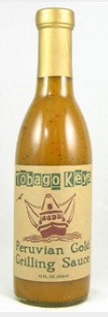
My son has been going on and on about a sauce that he loves called Peruvian Gold Grilling Sauce. It’s a local company that makes the sauce right here in Jacksonville, FL. When we were in the grocery store I decided to grab a bottle and try it.
Then I read the ingredients! Sugar was the first one. In addition to the sugar was molasses, light brown sugar, corn syrup and dextrose, Some were real food (mustard, turmeric, Molasses, tomato paste). But many were chemicals or toxic ingredients; caramel coloring was listed twice, soy protein, dextrose, soy flour, “natural’ flavoring (of which they do not have to disclose what it is).
I decided I would just make some. So I went to their web page and looked for info about it. That’s when I saw that the ingredient list on the bottle was vastly different that what is listed on their web page for this product.
Here’s the label on the bottle;
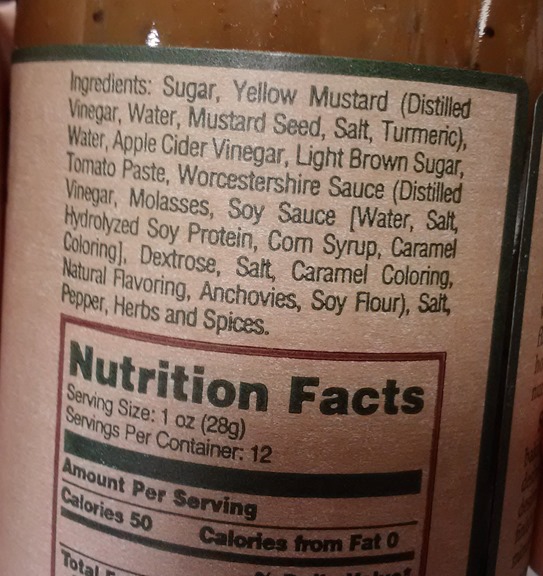
Here’s what the web page shows-
Product Description
Tobago Keys Peruvian Gold Grilling Sauce (12 FL.OZ. / 355 ml):
Suggestions: grilling, roasting, baking, or just saucing it.
Ingredients: Sugar, Yellow Mustard, Water, Apple Cider Vinegar, Light Brown Sugar, Tomato Paste, Worcestershire, Salt, Pepper, Herbs, and Spices.
Brand: Tobago Keys Sauces
Manufacturer: Trinidad Traders
Good thing I didn’t just read the web page and grab the bottle instead of reading the ingredients..the actual ingredient list…not the one on the web page.
I am going to make this sauce this week and will post the recipe…
Monsanto’s Roundup Devastating Gut Health
Posted: January 6, 2013 Filed under: Food and it's Impact on Our Health, Non-Toxic Choices 2 CommentsAnd Contributes to Overgrowth of Deadly Bacteria.

From The Nation of Change
Much of the public forgets the gut when it comes to warding off the flu and other more threatening diseases, but the gut—and its army of beneficial bacteria—are essential in protecting us from harm. That’s why eating genetically modified and/or conventionally farmed food could be a direct assault on your own health. Most recently, research has shown that Monsanto’s herbicide, known as Roundup, is destroying gut health, threatening overall health of animals, people, and the planet significantly.
The journal Current Microbiology recently published a study that caught Monsanto’s Roundup herbicide’s active ingredient, glyphosate, suppressing beneficial bacteria in poultry specimens. Given that gut health is directly linked to chronic illnesses and overall health, this isn’t exactly welcome news for people who can’t always afford or who lack access to organic, locally grown food.
But it gets worse. While good bacteria died, highly pathogenic bacteria were unaffected by glyphosate. These pathogens include several strains of Salmonella and the class Colstridia, anaerobic bacteria known to be some of the deadliest known to us, including C. tetani (tetanus) and C. botulinum (botulin). Although botulin is used to ease overactive muscles and in Botox, America’s most popular cosmetic procedure, it takes but 75 billionths of a gram to kill someone weighing 75 kg (165 lbs).
“A reduction of beneficial bacteria in the gastrointestinal tract microiota by ingestion of glyphosate could disturb the normal gut bacterial community,” the authors of the study wrote. Glyphosate, they added, “could be a significant predisposing factor that is associated with the increase in Clostridia botulinum-mediated diseases by suppressing the antagonistic effect of these [good] bacteria on clostridia.”
Dangers of Pesticides To Read More
Feeding Your Pet It’s Natural Diet
Posted: December 16, 2012 Filed under: Food and it's Impact on Our Health, Non-Toxic Choices 3 Comments
Domesticated dogs and cats get the same diseases that we humans do…but not when they are fed their natural diet. The dry food and canned food that contains meat “by-products” and cereals are unhealthy for you pet. You can save money and vet bills..and your animals health by making their food and feeding them a raw foods diet. it takes me about an hour to make my cats food for the month. I freeze it in portions and take out enough for the next day and place it in the fridge to defrost.
Here’s the recipe for cat food;
3 pounds of poultry thigh meat/bones/skin
2.25 lbs. of whole carcass ground rabbit + 0.75 lbs. of boneless chicken or turkey meat/skin/fat (see reasons above):
1 cup water (or, preferably, more if your cat will eat it with more water)
2 eggs – use the yolk raw but lightly cook the white
5000 mg fish oil (a good source of essential fatty acids Do NOT use cod liver oil!
400 IU (268 mg) Vitamin E (powdered E in capsules is the easiest to use)
50 mg Vitamin B-complex (capsules or tablets)
2,000 mg taurine (use powdered – either in capsules or loose)
3/4 tsp Morton Lite salt with iodine when using chicken.
Liver – If using chicken legs, thighs or a whole chicken carcass minus the organs, add 4 ounces of chicken livers per 3 lb. of meat/bones/skin.
Vitamin E – I prefer using the d-tocopherol (natural) versus dl-tocopherol (synthetic) vitamin E.
I find dry vitamin E capsules easier to work with.
Bone meal powder – for use if you are not going to use a grinder to grind the bones with the meat. Please note that different brands of bone meal powder vary in their composition. This is one option; I save eggshells, let them dry completely and grind them very fine in the food processor.
Use this recipe to get your pet used to a raw food diet. After a few months, when their jaws are stronger, you can give who pieces with the bone in, UNCOOKED! Cooked bones will splinter and are dangerous for your animal. You will see that your pet will eat every single morsel of the meat and connective tissues and alsop get the marrow out of the bones…just like they would be doing in nature.
I cut the raw chicken after I have frozen it for about an hour, it makes it easier to slice. I dice it in about a ½ to 1 inch dice. I place the hearts, gizzards and livers in the food processor and grind them to mix in to the diced meat.
Mix all ingredients well. I use empty coconut milk yogurt containers to freeze the right amount for each day, then I pop them out and put them in large Zip-loc bags and back in the freezer.
For more info;
How To Transition Your cats to a Raw Food Diet
Raw Food Diet for Cats: A Natural Solution
Making Cat Food Lisa A. Pierson, DVM
The Raw Food Diet for Pets
Homemade Raw food Diet for Our Domesticated Animals
All Natural Beauty Products
Posted: November 8, 2012 Filed under: Going Green; How and Why..., Non-Toxic Choices, Skin Care | Tags: all natural skin care, skin care, skin care cleanser 1 Comment
I find soap too drying for my face, cleansers are pricy and a lot of the time if they are gentle enough they don’t clean effectively. Several years ago when my daughter, Rachel, became an esthetician we began looking at the products on the market that were all natural, supposedly. We found many to have parabens, even the ones from the health food store. So I used my knowledge as a Chef and my background in herbal medicine to study the traditional oils and ingredients in cleansers. I learned to formulate and them started experimenting. I came up with this cleanser; it is inexpensive to make, works really well as an exfoliate, cleanser and has essential oils that nourish the skin. After I began using it I found it so effective that I stopped using glycolics and other exfoliates. I will also tell you how to do a great facial at home for almost no money.
WONDERFUL CLEANSER
3 cup water
2 cups baking soda
1/2 teaspoon almond oil
2 drops lavender essential oil
1 ½ cup honey
1 Tbsp. Dr. Bonners Almond liquid soap
2 teaspoon glycerin
1 teaspoon Vitamin C
1 teaspoon Salicylic acid – you can crush up aspirin for this or buy it through a formulation site.
3 Tablespoons Xanthan gum
On low heat, combine water, honey, almond, Dr. Bonners, oils. Remove from heat and let cool about a minute. Add honey. Whisk. While whisking, add ascorbic acid and salicylic acid. Whisk slowly, do not inhale powders. Now add baking soda, a little at a time, it will thicken this mix a tad. Add xanthan gum a tablespoon at a time to thicken. Let sit a few minutes, adjust thickness. I like it to be kind of thick, like a hair conditioner. Apply to the skin like a soap and rinse off with tepid water.
You will notice your skin feels incredibly clean, soft with no tightness or dryness. The honey is a humectant, a good moisturizer and an natural preservative.
FACAIL MASK
This mask with make your skin feel as great as any high percentage glycolic peel and it helps even out skin tone by fading the brown splotches some of us get.
Make a paste out of baking soda and lemon juice. Apply to your face and leave on for about 3 or 4 minutes the first time. This is a fairly strong fruit acid so use for short periods at first, you will feel it burn at first. Use Rose Oil to sooth the skin after washing it off. Ultimately use it about once a week and your skin will get used to it. Hold a towel under your chin as you are doing this as it tends to dry out. You can use half of the lemon to re-moisten it if needed.
Deodorant- I don’t use it all the time, as eating clean means every low amount of body odor. But I found that very few all natural deodorants actually worked. Finally, two years ago I found Weleda’s Citrus Deodorant and it works!! Loved it. BUT at $16.00 for 3.4 ounces I was loath to re-buy it. So, I looked at the ingredients and made it myself.
CITRUS DEODORANT
Buy one bottle of grain alcohol. Buy one small bottle of lemon oil, organic.
I used the Weleda bottle and mixed my own, using 3 1/4 ounces of alcohol and added 1/4 teaspoon of oil, shake well, spray on and enjoy.
The Whole Soy Story, by Kaayla T. Daniel, PhD, CCN
Posted: October 27, 2012 Filed under: Food and it's Impact on Our Health, Non-Toxic Choices Leave a comment
THE WHOLE SOY STORY blows the lid off nutritional dogma!
Soy is NOT a miracle food.
Soy is NOT the answer to world hunger.
Soy is NOT a panacea.
Soy has NOT even been proven safe.
Hundreds of epidemiological, clinical and laboratory studies link soy to:
Malnutrition
Digestive distress
Thyroid dysfunction
Cognitive decline
Reproductive disorders
Infertility
Birth defects
Immune system breakdown
Heart disease
Cancer
Isn’t it time you learned the truth about soy that scientists know, that you need to know and that the soy industry has tried to suppress? The Whole Soy Story presents and interprets the often contradictory evidence on soy and disease to determine what studies are valid, which justify hope, which are mere hype – and why.
Do YOU need to read The Whole Soy Story?
YES! If you are one of the two hundred million Americans who is eating soy foods whether you like it or not…
YES! If you are a concerned parent who wants to know whether soy formula is good for your infants and whether soy foods are good for your children…
YES! If you are a homemaker or dietitian who thinks the price is right but wonder how “the bean supreme” stacks up against meat nutritionally…
YES! If you are a vegetarian who is not enjoying radiant good health and have begun questioning whether the “meat without a bone” is as good at taking care of their nutritional needs…
YES! If you are one of the millions of Americans at risk for cancer, heart disease, osteoporosis and painful menopausal symptoms who wonder if it is true that soy might offer protection…
YES! If you are one of millions of people afflicted with those diseases who wonder if soy might offer a cure…
YES! If you are one of the millions of people suffering from diagnosed or as yet undiagnosed thyroid disease who fears that soy might be the cause…
YES! If you are a baby boomer who has heard that soy is the dietary fountain of youth…
YES! If you an environmentalist who is alarmed by the growing numbers of estrogens and estrogen mimickers in the environment and have begun to wonder about the phytoestrogens in soy…
The Whole Soy Story, by Kaayla T. Daniel, PhD, CCN
http://amzn.to/RSWy4O
[hardcover]
http://amzn.to/Y5aKLy
[kindle]
YouTube censors ‘Organic Spies’ video exposing Whole Foods employees lying about GMOs
Posted: October 15, 2012 Filed under: Non-Toxic Choices 2 Comments
 From NaturalNews

This is the now-famous video that was censored by YouTube. It shows Whole Foods employees LYING about the GMOs being sold by the store.
Fact: Whole Foods is a massive retailer for Monsanto’s GM corn, which is found in all sorts of products on the shelves at Whole Foods. This is the same strain of genetically engineered corn that French researchers recently linked to massive cancer tumors in rats.
As of this writing, Whole Foods has offered ZERO support for Proposition 37 and has made NO effort to require GMO labeling for the products it sells.
SHARE this video. Spread the truth about Whole Foods and GMOs.
See the Video HERE….
BPA’s Real Threat May Be After It Has Metabolized: Chemical Found in Many Plastics Linked to Multiple Health Threats
Posted: October 9, 2012 Filed under: Non-Toxic Choices 2 Comments
ScienceDaily (Oct. 4, 2012) — Bisphenol A or BPA is a synthetic chemical widely used in the making of plastic products ranging from bottles and food can linings to toys and water supply lines. When these plastics degrade, BPA is released into the environment and routinely ingested.
New research, however, from the University of California, San Diego School of Medicine suggests it is the metabolic changes that take place once BPA is broken down inside the body that pose the greater health threat.
More than 90 percent of all Americans are believed to carry varying levels of BPA exposure.
In recent years, numerous studies have reported alarming associations between BPA exposure and myriad adverse health and development effects, from cancer and neurological disorders to physiological defects and, perhaps, a cause of childhood obesity.
Of particular concern is that BPA exposure is correlated with disruption of estrogen signaling. The chemical’s molecular structure is similar to that of estradiol, one of the human body’s three main estrogens, suggesting that BPA binds to estrogen receptors. The estrogen receptor is designed to grab and hold estradiol and related estrogens. Disparate chemicals, however, can share some structures found in estrogens, enabling them to bind to the estrogen receptor. When that happens, problems can occur.
In binding to the estrogen receptor, BPA can disrupt the body’s endocrine or hormone system, with consequences especially worrisome for fetuses, infants and young children. Earlier this year, the U.S. Food and Drug Administration banned BPA in baby bottles and sippy cups. Its use is more broadly banned elsewhere in the world.
Why You Shouldn’t Wear Your Shoes Into Your Home
Posted: September 29, 2012 Filed under: Non-Toxic Choices Leave a commentYour Dust Bunnies are Likely Toxic, Study Reports

From Treehugger
Do dust bunnies slowly drift across your floor like delicate dirty tumbleweeds, to settle out of sight beneath the bed? Does dust collect in the corners and perch daintily atop your baseboards? It happens to the best of us. But if you’re a dust-phobe who incurs rolling eyes at your obsessive cleaning, consider yourself justified. Dust has been found to contain a potent mix of toxic chemicals that migrate from home products, roll in through open doors and windows, and hijack rides in on shoes – eventually winding up as a major component of the dreaded dust.
The distinct dust mix in any home will vary based on climate, age of the domicle and the number of people who live in it — not to mention the occupants’ habits. But nearly everywhere, dust consists of some blend of shed bits of human skin, animal fur, decomposing insects, food debris, lint and fibers from clothes, bedding and other fabrics, tracked-in soil, soot, particulate matter from smoking and cooking, lead, arsenic, pesticides, and even DDT.
A groundbreaking study by the Silent Spring Institute found 66 hormone-disrupting chemicals, including flame retardants, home-use pesticides and phthalates, in household dust.


 Meal Delivery Service by Millie Barnes