Spicy Molecule Inhibits Growth of Breast Cancer Cells
Posted: December 22, 2016 Filed under: Food and it's Impact on Our Health, Non-Toxic Choices Leave a comment
Millie– Cancer can be treated with Cayenne, topically it will kill skin cancer, but there are more gentle, effective and less painful ways to do it.
Capsaicin, an active ingredient of pungent substances such as chili or pepper, inhibits the growth of breast cancer cells. This was reported by a team headed by the Bochum-based scent researcher Prof Dr. Habil Hanns Hatt and Dr. Lea Weber, following experiments in cultivated tumour cells. In the journal “Breast Cancer – Targets and Therapy“, the researchers from Ruhr-Universidad Bochum presented their findings together with colleagues from the Augusta clinics in Bochum, the hospital Herz-Jesu-Kran
Capsaicin, an active ingredient of pungent substances such as chili or pepper, inhibits the growth of breast cancer cells. This was reported by a team headed by the Bochum-based scent researcher Prof Dr. Habil Hanns Hatt and Dr. Lea Weber, following experiments in cultivated tumour cells. In the journal “Breast Cancer – Targets and Therapy“, the researchers from Ruhr-Universidad Bochum presented their findings together with colleagues from the Augusta clinics in Bochum, the hospital Herz-Jesu-Krankenhaus Dernbach and the Centre of Genomics in Cologne.
The experiments were carried out with the SUM149PT cell culture, a model system for a particularly aggressive type of breast cancer, i.e. the triple-negative type. Chemotherapy is currently the only available treatment for this type of cancer.
Frequently occurring receptor
In the cultivated cells, the team detected a number of typical olfactory receptors. One receptor occurred very frequently; it is usually found in the fifth cranial nerve, i.e. the trigeminal nerve. It belongs to the so-called Transient Receptor Potential Channels and is named TRPV1. That receptor is activated by the spicy molecule capsaicin as well as by helional – a scent of fresh sea breeze.
In collaboration with Dr. Gabriele Bonatz from the Augusta clinics in Bochum , Hatt’s team confirmed the existence of TRPV1 in tumor cells in nine different samples from patients suffering from breast cancer.
Cancer cells die
The researchers activated the TRPV1 receptor in the cell culture with capsaicin or helional, by adding the substances to the culture for a period of several hours or days. As a result, the cancer cells divided more slowly. Moreover, the treatment caused tumor cells to die in larger numbers. The surviving cells were no longer able to move as quickly as heretofore; this implies that their ability to form metastases in the body was impeded.
“If we could switch on the TRPV1 receptor with specific drugs, this might constitute a new treatment approach for this type of cancer,” says Hanns Hatt. An intake via food or inhalation is insufficient for this purpose.
Effective in mice
Earlier studies had demonstrated that the chemical arvanil – with a chemical make-up similar to that of the spicy molecule capsaicin – was effective against brain tumors in mice; it reduces tumor growth in the animals. Due to its side effects, however, this substance is not approved for humans. In addition to capsaicin and helional, the endovanilloids, produced naturally in the body, also activate the TRPV1 receptor.
The experiments were carried out with the SUM149PT cell culture, a model system for a particularly aggressive type of breast cancer, i.e. the triple-negative type. Chemotherapy is currently the only available treatment for this type of cancer.
Frequently occurring receptor
In the cultivated cells, the team detected a number of typical olfactory receptors. One receptor occurred very frequently; it is usually found in the fifth cranial nerve, i.e. the trigeminal nerve. It belongs to the so-called Transient Receptor Potential Channels and is named TRPV1. That receptor is activated by the spicy molecule capsaicin as well as by helional – a scent of fresh sea breeze.
In collaboration with Dr Gabriele Bonatz from the Augusta clinics in Bochum (Brustzentrum), Hatt’s team confirmed the existence of TRPV1 in tumour cells in nine different samples from patients suffering from breast cancer.
Cancer cells die
The researchers activated the TRPV1 receptor in the cell culture with capsaicin or helional, by adding the substances to the culture for a period of several hours or days. As a result, the cancer cells divided more slowly. Moreover, the treatment caused tumor cells to die in larger numbers. The surviving cells were no longer able to move as quickly as heretofore; this implies that their ability to form metastases in the body was impeded.
“If we could switch on the TRPV1 receptor with specific drugs, this might constitute a new treatment approach for this type of cancer,” says Hanns Hatt. An intake via food or inhalation is insufficient for this purpose.
Effective in mice
Earlier studies had demonstrated that the chemical arvanil – with a chemical make-up similar to that of the spicy molecule capsaicin – was effective against brain tumors in mice; it reduces tumor growth in the animals. Due to its side effects, however, this substance is not approved for humans. In addition to capsaicin and helional, the endovanilloids, produced naturally in the body, also activate the TRPV1 receptor.
Long-Term Ibuprofen Use Linked To Hearing Loss In Older Women
Posted: December 19, 2016 Filed under: Non-Toxic Choices Leave a commentA new study published in the American Journal of Epidemiology has linked longtime use of over-the-counter medications for pain relief with a higher risk of hearing loss.
The study found that women who used ibuprofen or acetaminophen for six or more years were at higher risk of hearing loss, according to a recent statement.
A team led by researchers from Brigham and Women’s Hospital utilized data from the long-running Nurses’ Health Study to reach these findings and examined data from more than 54,000 women between the ages of 48 and 73. The team considered participants’ information on usage of aspirin, ibuprofen and acetaminophen — in addition to self-reported hearing loss.
The study found that longtime ibuprofen or acetaminophen use was linked to a high risk of impairment. Although high doses of aspirin have been shown to result in hearing loss, such doses have become less common in the last two decades, researchers reported.
© Photo courtesy of Pixabay About two-thirds of women over the age of 60 in the U.S. have some degree of hearing loss.
“Hearing loss is extremely common in the United States and can have a profound impact on quality of life,” said senior author Gary Curhan, MD, SCD, according to the statement. “Finding modifiable risk factors could help us identify ways to lower risk before hearing loss begins and slow progression in those with hearing loss,” he added.
As many as two-thirds of women over the age of 60 in the U.S. have some degree of hearing loss, according to the statement.
Source: Lin BM, Curhan SG, Wang M, Eavey R, Curhan CG, et al. Duration of Analgesic Use and Risk of Hearing Loss in Women. American Journal of Epidemiology. 2016.
Millie- Curcumin does a better job with pain and is an amazing anti-inflammatory.
Seven Essential Tips to Breaking up with Sugar
Posted: December 18, 2016 Filed under: Food and it's Impact on Our Health, Non-Toxic Choices Leave a comment
By now you know sugars role in growing cancers, see-Specific Sugar Molecule Causes Growth of Cancer Cells
Global recognition is building for the very real health concerns posed by large and increasing quantities of hidden sugar in our diets. This near-ubiquitous additive found in products from pasta sauces to mayonnaise has been in the headlines and in our discussions. The seemingly innocuous sweet treat raises eyebrows from community groups to policy makers – and change is in the air.
Let’s review some of the sugar-coated headers from the past 12 months:
- The global obesity epidemic continued to build while more than two-in-three Australian adults faced overweight or obesity – and almost one in four of our children.
- Science around sugary drinks further solidified, with consumption now linked to obesity, childhood obesity, heart disease, diabetes(type-2), dental caries and even lower fertility.
- Australians were estimated to consume a staggering 76 litres of sugary drinks each since January alone, and new reports highlighted that as much as 15% of the crippling health costs associated with obesity could result from sugary drinks consumption.
- Meanwhile around the planet, more countries took sound policy measures to reduce sugar consumption in their citizens. France, Belgium, Hungary, Finland, Chile, the UK, Ireland, South Africa and many parts of the United States implemented, continued or planned the implementation of pricing policies for sugary drinks.
In short, the over-consumption of sugar is now well recognised as a public health challenge everywhere. With all this in mind and a New Year ahead, it’s time to put big words into local action. With resolutions brewing, here are seven helpful tips to breaking up with sugar in 2017.
1. UNDERSTAND SUGAR
When it comes to sugar, things can get pretty confusing. Below, I shed some light on the common misunderstandings, but let’s recheck sugar itself – in simplest terms.
Sugar is a type of refined carbohydrate and a source of calories in our diet. Our body uses sugar and other sources of calories as energy, and any sugar that is not used is eventually stored as fat in our liver or on our bellies.
“Free sugars” are those added to products or concentrated in the products – either by us or by the manufacturer. They don’t include sugars in whole fruits and vegetables, but more on that later. For a range of health reasons, the World Health Organization recommends we get just 5% of our daily calories from free sugars. For a fully grown man or woman, this equates to a recommended limit to sugar consumption of roughly 25 grams – or 6 teaspoons. For women, it’s a little less again.
Consume more than this, and our risk of health problems rises.
2. QUIT SOFT DRINKS
With 16 teaspoons of sugar in a single bottle serving – that’s more than 64 grams – there’s nothing “soft” about soft drinks. Including all carbonated drinks, flavoured milks and energy drinks with any added sugars, as well as fruit drinks and juices, sugary drinks are a great place to focus your efforts for a healthier 2017. Sugary drinks provide no nutritional value to our diets and yet are a major source of calories.
What’s more concerning, evidence suggests that when we drink calories in the form of sugary drinks, our brains don’t recognise these calories in the same way as with foods. They don’t make us feel “full” and could even make us hungrier – so we end up eating (and drinking) more. In this way, liquid calories can be seen as even more troubling than other forms of junk foods. Combine this with studies that suggest the pleasure (and sugar spike) provided by sugary drinks may make them hard to give up – and it’s not difficult to see why many of us are drinking higher amounts, more often and in larger servings. This also makes cutting down harder.
The outcome is that anything up to one-seventh of the entire public cost of obesity in Australia could now result from sugary drinks. In other words, cut out the sugary drinks and you’ll be doing your own health a favour – and the health of our federal and state budgets.
3. EAT FRUIT, NOT JUICE
When it’s wrapped in a peel or a skin, fruit sugars are not a challenge to our health. In fact, the sugars in fruit are nature’s way of encouraging us to eat the fruit to begin with. Fruits like oranges, apples and pears contain important fibres. The “roughage” in our foods, this fibre is healthy in many ways but there are three in particular I will focus on. First, it slows our eating down; it is easy to drink a glass of juice squeezed from 7 apples, but much harder to eat those seven pieces whole. Second, it makes us feel full or satiated. And third, it slows the release of the sugars contained in fruit into our blood streams, thus allowing our bodies to react and use the energy appropriately, reducing our chances of weight gain and possibly even diabetes.
Juice, on the other hand, involves the removal of most of those fibres and even the loss of some of the important vitamins. What we don’t lose though, is the 21 grams or more than five teaspoons of sugar in each glass.
In short, eat fruit as a snack with confidence. But enjoy whole fruit, not juice.
4. SUGAR BY ANY OTHER NAME
High-fructose corn syrup, invert sugar, malt sugar and molasses – they all mean one thing: sugar.
As the public awakens to the health challenges posed by sugar, the industry turns to new ways to confuse consumers and make ‘breaking up’ more difficult. One such way is to use the many alternative names for sugar – instead of the ‘s’ word itself. Be on the lookout for:
Evaporated cane juice, golden syrup, malt syrup, sucrose, fruit juice concentrate, dextrose and more…
5. EAT WHOLE FOODS WHERE POSSIBLE
Tomato sauce, mayonnaise, salad dressings, gravies, taco sauces, savoury biscuits and breakfast cereals – these are just some of the many foods now often packed with hidden, added sugars.
A study found that 74% of packaged foods in an average American supermarket contain added sugars – and there is little evidence to suggest Australia would be dramatically different. Added to food to make it more enjoyable, and moreish, the next tip when avoiding such a ubiquitous additive is to eat whole foods.
It’s hard to hide sugar in plain flour, or a tomato, or frozen peas. Buying and cooking with mostly whole foods – not products – is a great way to ensure you and your family are not consuming added sugars unaware.
6. SEE BEYOND (UN)HEALTHY CLAIMS
Words like “wholesome”, “natural” and “healthy” are clad on many of our favourite ingredients. Sadly, they don’t mean much.
Even products that are full of sugar, like breakfast cereals and energy bars, often carry claims that aim to confuse and seduce us into purchase. Be wary – and be sure to turn the package over and read the ingredients and nutrition labelling where possible (and if time permits).
7. BE OKAY WITH SOMETIMES
The final but crucial message in all of this is that eating or drinking sugar is not a sin. Sugar is still a part of our lives and something to enjoy in moderation. The occasional piece of cake, or late night chocolate – despite the popular narrative painted by industry to undermine efforts for true pricing on sugar – these occasional sweet treats are not the driving challenge for obesity. The problem is that sugary drinks, and sugar in our foods, have become every day occurrences.
With this in mind, let’s not demonise sugar but instead let’s see it for what it is. Enjoy some juice or bubbles from time to time but make water the default on an everyday basis. With the average can of cola containing 39 grams or 9 teaspoons of sugar, be OK with sometimes.
BITTER TRUTH
Let’s be honest, most countries now face serious health challenges from obesity. Even more concerning, so do our kids. While no single mission will be the panacea to a complex problem, using 2017 to set a new healthy goal of giving sugar the kick would be a great start.
Understand sugar, be aware of it, minimise it and see it for what it is – a special treat for a rare occasion.
This New Year’s, make breaking up with sugar your planned resolution.
“Hey sugar – it’s not me, it’s you…”
Aspartame May Prevent, Not Promote, Weight Loss by Blocking Intestinal Enzyme’s Activity
Posted: December 9, 2016 Filed under: Food and it's Impact on Our Health, Non-Toxic Choices Leave a comment
A team of Massachusetts General Hospital (MGH) investigators has found a possible mechanism explaining why use of the sugar substitute aspartame might not promote weight loss. In their report published online in Applied Physiology, Nutrition and Metabolism, the researchers show how the aspartame breakdown product phenylalanine interferes with the action of an enzyme previously shown to prevent metabolic syndrome — a group of symptoms associated with type 2 diabetes and cardiovascular disease. They also showed that mice receiving aspartame in their drinking water gained more weight and developed other symptoms of metabolic syndrome than animals fed similar diets lacking aspartame.
“Sugar substitutes like aspartame are designed to promote weight loss and decrease the incidence of metabolic syndrome, but a number of clinical and epidemiologic studies have suggested that these products don’t work very well and may actually make things worse,” says Richard Hodin, MD, of the MGH Department of Surgery, the study’s senior author. “We found that aspartame blocks a gut enzyme called intestinal alkaline phosphatase (IAP) that we previously showed can prevent obesity, diabetes and metabolic syndrome; so we think that aspartame might not work because, even as it is substituting for sugar, it blocks the beneficial aspects of IAP.”
In a 2013 study published in Proceedings of the National Academy of Sciences, Hodin’s team found that feeding IAP to mice kept on a high-fat diet could prevent the development of metabolic syndrome and reduce symptoms in animals that already had the condition. Phenylalanine is known to inhibit the action of IAP, and the fact that phenylalanine is produced when aspartame is digested led the researchers to investigate whether its inhibitory properties could explain aspartame’s lack of a weight-loss effect.
In a series of experiments the team first found that the activity of IAP was reduced when the enzyme was added to a solution containing an aspartame-sweetened soft drink but remained unchanged if added to a solution with a sugar-sweetened beverage. IAP is primarily produced in the small intestine, and the researchers found that injecting an aspartame solution into segments of the small intestines of mice significantly reduced the enzyme’s activity. In contrast, IAP activity remained unchanged in bowel segments injected with a saline solution.
To better represent the effects of consuming beverages or other products containing aspartame, the researchers followed four groups of mice for 18 weeks. Two groups were fed a normal diet, one receiving drinking water with aspartame, the other receiving plain water. The other two groups were fed a high-fat diet, along with either aspartame-infused or plain water. Animals in the normal diet group that received aspartame consumed an amount equivalent to an adult human’s drinking about three and a half cans of diet soda daily, and aspartame-receiving animals in the high-fat group consumed the equivalent of almost two cans.
At the end of the study period, while there was little difference between the weights of the two groups fed a normal diet, mice on a high-fat diet that received aspartame gained more weight than did those on the same diet that received plain water. Aspartame-receiving mice in both diet groups had higher blood sugar levels than did those fed the same diets without aspartame, which indicates glucose intolerance, and both aspartame-receiving groups had higher levels of the inflammatory protein TNF-alpha in their blood, which suggests the kind of systemic inflammation associated with metabolic syndrome.
“People do not really understand why these artificial sweeteners don’t work. There has been some evidence that they actually can make you more hungry and may be associated with increased calorie consumption. Our findings regarding aspartame’s inhibition of IAP may help explain why the use of aspartame is counterproductive,” says Hodin, who is a professor of Surgery at Harvard Medical School. “While we can’t rule out other contributing mechanisms, our experiments clearly show that aspartame blocks IAP activity, independent of other effects.”
Story Source:
Why You Should NEVER let your Dog Lick You!
Posted: November 29, 2016 Filed under: Non-Toxic Choices Leave a commentThis post is not food related, but is important to your health. A friend of mine always gets irritated when I object to her dog licking me, it’s not just being picky!
You might think it’s cute – that big, wet and slobbery tongue reaching out from your canine’s jaw and affectionately lapping at your face.
But what if I told you there was something quite sinister about it?
No, I’m not saying your beloved Fido is trying to harm you. Your little (or big) furry friend genuinely is trying to display affection.
Too bad the same can’t be said for all the bacteria on the dog’s tongue.
Are dog mouths really cleaner than human mouths?
No. That’s a total myth.
Author and dog expert Marty Becker puts it quite well when he says:
“All you have to do is look, watch, smell and you’ll realize that is not true. They raid the garbage can. You know, we give each other a peck on the cheek when we say hello, they give each other a peck on the rear end.”
John Oxford, professor of virology and bacteriology at the Queen Mary University in London, expanded further on just how much bacteria your dog’s muzzle and mouth can carry. “It is not just what is carried in saliva. Dogs spend half their life with their noses in nasty corners or hovering over dog droppings so their muzzles are full of bacteria, viruses and germs of all sorts.”
Those viruses and germs can cause conditions that can be damaging to human health, as one U.K. woman learned the hard way. She contracted an infection from her Italian greyhound’s saliva. She didn’t even realize anything was wrong until she was on the phone with a relative and began to notice her speech slurring.
By the time the ambulance arrived, she was slumped in her chair, her health degrading rapidly. She recovered with two weeks of intensive care and plenty of antibiotics. Blood tests showed the infection was due to capnocytophaga canimorsus bacteria, which is commonly found in the mouths of dogs and cats.
She’s not alone – there have been 13 similar cases throughout the UK. That’s not the only disease Fido can pass onto you through dog kisses.
There’s also ringworm infection.
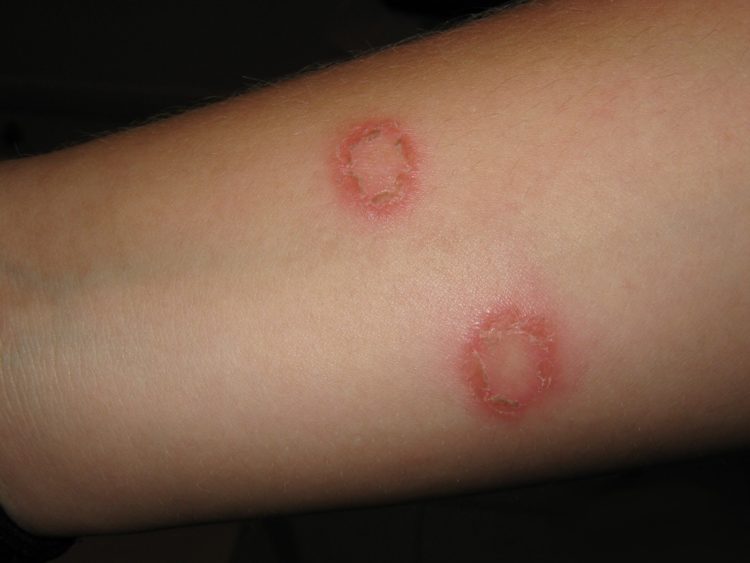
A ringworm infection is one of the easiest diseases for your dog to pass onto you from smooching. If the ringworm bacteria is around their mouth and you engage in kissing, bam. Ringworm for you too.
MRSA, anyone?
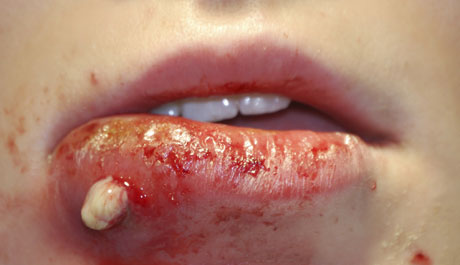
MRSA infection in humans, which produce lesions like the unsightly one above, can be caused by as little as one lick from your dog.
Dogs can carry around this bacteria with very little effect on their own health but when an owner comes into contact with it… Yeah, it’s a bad time.
Staphylococcus Aureus
Staphylococcus aureus is similar to MRSA. Similar bacteria (which can be found in Fido’s mouth) cause it but that bacteria is not as resistant to treatment.
I’d still want to avoid it altogether to be honest, I don’t know about you.
Capnocytophaga Canimorsus
This one’s really bad. How bad? Let’s put it this way – I’m easing you into it with some text before I drop the picture on you.
This man was told by his doctorthat his capnocytophaga canimorsus infection was caused by a dog licking his open wound. His feet were even worse. One had to be partially amputated.

Cooking with Vegetable Oils Releases Toxic Cancer-Causing Chemicals
Posted: November 17, 2016 Filed under: Food and it's Impact on Our Health, Non-Toxic Choices Leave a comment
Scientists warn against the dangers of frying food in sunflower oil and corn oil over claims they release toxic chemicals linked to cancer.
Cooking with vegetable oils releases toxic chemicals linked to cancer and other diseases, according to leading scientists, who are now recommending food be fried in olive oil, coconut oil, butter or even lard.
The results of a series of experiments threaten to turn on its head official advice that oils rich in polyunsaturated fats – such as corn oil and sunflower oil – are better for the health than the saturated fats in animal products.
Scientists found that heating up vegetable oils led to the release of high concentrations of chemicals called aldehydes, which have been linked to illnesses including cancer, heart disease and dementia.
Martin Grootveld, a professor of bioanalytical chemistry and chemical pathology, said that his research showed “a typical meal of fish and chips”, fried in vegetable oil, contained as much as 100 to 200 times more toxic aldehydes than the safe daily limit set by the World Health Organisation.
In contrast, heating up butter, olive oil and lard in tests produced much lower levels of aldehydes. Coconut oil produced the lowest levels of the harmful chemicals.
Concerns over toxic chemicals in heated oils are backed up by separate research from a University of Oxford professor, who claims that the fatty acids in vegetable oils are contributing to other health problems.
Professor John Stein, Oxford’s emeritus professor of neuroscience, said that partly as a result of corn and sunflower oils, “the human brain is changing in a way that is as serious as climate change threatens to be”.
Because vegetable oils are rich in omega 6 acids, they are contributing to a reduction in critical omega 3 fatty acids in the brain by replacing them, he believes.
“If you eat too much corn oil or sunflower oil, the brain is absorbing too much omega 6, and that effectively forces out omega 3,” said Prof Stein. “I believe the lack of omega 3 is a powerful contributory factor to such problems as increasing mental health issues and other problems such as dyslexia.”
“People have been telling us how healthy polyunsaturates are in corn oil and sunflower oil. But when you start messing around with them, subjecting them to high amounts of energy in the frying pan or the oven, they undergo a complex series of chemical reactions which results in the accumulation of large amounts of toxic compounds.”
The findings are contained in research papers. Prof Grootveld’s team measured levels of “aldehydic lipid oxidation products” (LOPs), produced when oils were heated to varying temperatures. The tests suggested coconut oil produces the lowest levels of aldehydes, and three times more aldehydes were produced when heating corn oil and sunflower oil than butter.
The team concluded in one paper last year: “The most obvious solution to the generation of LOPs in culinary oils during frying is to avoid consuming foods fried in PUFA [polyunsaturated fatty acid]-rich oils as much as possible.”
Prof Grootveld said: “This major problem has received scant or limited attention from the food industry and health researchers.” Evidence of high levels of toxicity from heating oils has been available for many years, he said.
Health concerns linked to the toxic by-products include heart disease; cancer; “malformations” during pregnancy; inflammation; risk of ulcers and a rise in blood pressure.
These Foods Make CANCER Cells Grow In Your Body! STOP Eating Them Right Now!
Posted: September 29, 2016 Filed under: Food and it's Impact on Our Health, Non-Toxic Choices Leave a comment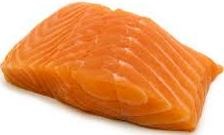
From A Good Health Blog
It is very important for all of us and for our health in general to have healthy lifestyle, to exercise every day and to eat healthy food, which means plenty of vegetables and fruits and avoid processed and junk food. This is the reason you should be very careful and you should know that the food that you consume can possibly contain carcinogenic compounds and agents, the main cause for this terrible disease. The latest statistics have shown that almost 1.5 million people were diagnosed with cancer only last year. This is why you have to know how to protect yourself and to avoid foods containing cancer-causing compounds. In this article, we will show you a list of 10 foods that we consume each day and they are loaded with carcinogenic compounds.
Here Are The Ten Foods Loaded with Cancer-Causing Agents:
- Soda pop
In a recent study that was published in the American Journal of Nutrition, was discovered that people who drink soda beverages every day are at higher risk of stroke compared to persons who don’t. You should know that the sugar, the coloring and the food chemicals found in the pop sodas release acid into the body that in fact causes cancer. And also, these ingredients are the main reason you’re gaining weight. This means that you should stop dinking soda drinks or at least avoid them as much as you can.
- Refined sugars
You have to avoid refined sugar, since it significantly increases the blood insulin level and this type of sugar is a source of energy and food for the cancer cells. Medical experts claim that high-fructose corn syrup (HFCS) and fructose-rich sweeteners are a great source of energy for the metabolism and proliferation of cancer cells. The pies, cakes, juices, cookies, cereals, sodas, sauces, etc., contain these sugars that significantly increase the risk for cancer. Because of the high consumption of these foods the cancer rates are raising fast globally.
- Microwave popcorn
Do you know that the bags in which the corns are popped are lined with some chemicals that have been linked to infertility? Well yes, and also you should know that these chemicals have also been connected to lung cancer, pancreatic cancer and liver cancer. And, the worse thing is that many companies use GMO corn kernels, although they don’t want to admit it, which is even more health detrimental.
- Canned tomatoes
The first thing you need to remember is that every type of food that is packed in a can is unhealthy, mostly because of the lining of Bisphenol A on the cans that has been known to contain carcinogens. However, you need to be very careful when you buy canned tomatoes, as canned tomatoes are especially dangerous due to their high acidity level that destroys the lining and causes the chemical to leech inside the tomatoes. Therefore, when you eat canned tomatoes – those chemicals end up in your body. This is why you must always buy fresh tomatoes.
- Foods that are highly salted, pickled or smoked
These foods are really dangerous and bad for our overall health, mostly because of the technique they are produced. The manufactures use nitrates and nitrites to add that salty, smoky flavor that we all love. During this process, these products are being exposed to high amounts of tar, that the smoke produces and we all know that tar is the well-known cancer-causing agent. The products, for example, bologna, bacon, and sausage are extremely high in fat and salt. All of them increase the risk of stomach cancer and colorectal cancer.
- Farmed salmon
Eating fish is very healthy and all nutritionist highly recommended eating fish at least twice a week. However, the truth is that this doesn’t include the farmed fish that apparently everyone is eating. As the latest statistics show, nearly 60% of all fish that Americans consume is farmed fish, and farmed salmon is among the worst types of food we may possibly put on our plates. This kind of fish is bad for our health, as the fish farmers use an assortment of pesticides, chemicals, antibiotics and many other cancer causing agents to make it grow bigger and to be more resistive to diseases. That’s the reason you should avoid farmed salmon, and any other farmed fish and look for a label that confirms that you buy a wild salmon.
- GMOs
Everyone knows that the GMO (Genetically Modified) foods are proven as cancer-causing foods. In light of this, locally grown and organic foods are highly recommended.
- Processed meat
Also you should avoid processed meat, including bacon, hot dogs, sausages and every other processed meat that contain chemical preservatives which make them look as if they are fresh. These products also contain sodium nitrite and sodium nitrate that are connected to cancer, especially the colon cancer.
- Red meat
The most recent study discovered that meat is related and causes colon cancer. The study was conducted by a group of researchers from the US, and it involved about 150 000 people, aged 50-74. It was revealed that long-term use of red meat can increase the risk of colon cancer in the examined subjects. These researchers also found that eating fish and poultry can be beneficial for your general health.
- Potato chips
Besides the fact that potato chips are so high in calories and fat, you also need to know that they contain artificial flavors and colors and additives. The bad thing is that these are all the stuff that the human body doesn’t need. The potato chips are being fried in very high temperatures, and that creates certain harmful substances, which are known as acrylamide, a carcinogen agent that is also found in the cigarettes.
As we said before, you definitely have to avoid these foods, as they can be very bad for you and your health and they are loaded with cancer-causing agents. Try to always eat more fruits and vegetables.
Alcohol Is Even Deadlier Than You Think, Scientist Reminds Us
Posted: July 27, 2016 Filed under: Non-Toxic Choices Leave a comment
Lauren ArataniIntern, HuffPost Hawaii
An opinion piece published in the scientific journal Addiction in July gathers evidence to argue that alcohol is a direct cause of cancer in several areas of the body.
The article reviews 10 years’ worth of studies from several organizations, including the World Cancer Research Fund, the American Institute for Cancer Research and the International Agency for Research on Cancer.
And its conclusions are dire.
Nearly 6 percent of cancer deaths worldwide can be linked to alcohol, including in people who drink light to moderate amounts of alcohol, according to author Jennie Connor, a professor of epidemiology at the University of Otago in New Zealand. “From a public health perspective,” she writes, “alcohol is estimated to have caused approximately half a million deaths from cancer in 2012.”
Connor concludes that there is a strong link between alcohol consumption and cancer in specific areas of the body, such as the liver, colon, esophagus and female breast. She says there are also causal contributions in other areas such as the prostate, pancreas and skin.
How alcohol causes cancer is not deeply understood, according to the article, but it is thought to depend on the “target organ.” For example, cancers of the throat, mouth and liver can be largely attributed to a carcinogenic compound called acetaldehyde. Salivary acetaldehyde levels have been found to reach high levels when drinking.
Breast tissue is another area that seems to be particularly susceptible to alcohol.
Connor noted the United Kingdom’s Million Women Cohort study, which found that women who drank 70 to 140 grams of alcohol per week experienced a 13 percent increase in breast cancer and a 5 percent increase in total cancer compared to those who drank less than 20 grams per week.
Unfortunately, the amount you drink might not matter all that much. While heavy drinkers have a higher risk of liver, colon and laryngeal cancer than light drinkers, Connor writes, all drinkers have the same risk of mouth, esophagus, breast and pharynx cancer.
Connor also acknowledges that some of the studies she reviewed show that those who drink light to moderate of alcohol have a reduced risk of developing cardiovascular disease than abstainers.
But many epidemiologists agree that research confirms alcohol actually causes cancer, Connor wrote, while the relationship between drinking and heart disease is not as conclusive.
For example, other lifestyle factors beyond alcohol consumption ― such as a person’s healthy behavior and demographic conditions ― typically put abstainers at a higher risk than those who moderately drink. Connor cites a 2005 study that showed 27 out of 30 risk factors for cardiovascular disease were more prevalent in abstainers than moderate drinkers.
“Promotion of health benefits from drinking at moderate levels is seen increasingly as disingenuous or irrelevant in comparison to the increase in risk of a range of cancers,” she wrote.
As a solution to alcohol-attributed cancer, Connor suggests everyone should reduce their alcohol consumption, not just heavy drinkers.
“Population-wide reduction in alcohol consumption will have an important effect on the incidence of [cancer], while targeting the heaviest drinkers alone has limited potential,” she wrote.
While the majority of the population readily accepts that smoking causes lung cancer, “alcohol’s causal role is perceived to be more complex than tobacco’s,” Connor wrote.
Getting people to stop drinking to prevent cancer, in the same way people stop smoking to prevent cancer, is not the focus of any significant push.
Connor also warns of the backlash that research such as her own may receive from alcohol companies.
“There will be orchestrated attempts to discredit the science and the researchers, and to confuse the public,” she wrote. “The stakes are high for alcohol industries when there is no argument, on current evidence, for a safe level of drinking with respect to cancer.”
Ultimately, alcohol is just one of many factors that can cause cancer, but Connor suggests reducing consumption or even partaking in a “dry period” as steps in the right direction to reduce your risk.
Correction: An earlier version of this article incorrectly identified Connor’s opinion article as a new study on alcohol’s link to cancer. In fact, Connor’s opinion piece reviews existing literature on the subject and does not present new data or conclusions. Language has been updated throughout.
Fluoride Officially Classified as a Neurotoxin in World’s Most Prestigious Medical Journal
Posted: April 27, 2016 Filed under: Food and it's Impact on Our Health, Non-Toxic Choices Leave a comment
From; http://wearechange.org/
There are safe ways to provide fluoride to your teeth if your teeth are deficient. A simple one time gel treatment lasting fifteen minutes is good enough to last a lifetime.
What is hardly safe according to this work is chronic exposure. From the above it is also clearly unnecessary. This is an out of control marketing scheme with dentists providing uninformed testimonials back in the day.
It needs to be shut down and public health needs to test teenagers and young adults for dental floride deficiency although it will likely be already dealt with by dentists. .
.
Fluoride Officially Classified as a Neurotoxin in World’s Most Prestigious Medical Journal
by Nick Meyer
http://nexusilluminati.blogspot.ca/2016/03/fluoride-officially-classified-as.html
The movement to remove industrial sodium fluoride from the world’s water supply has been growing in recent years, with evidence coming out against the additive from several sources.
Now, a report from the world’s oldest and most prestigious medical journal, The Lancet, has officially classified fluoride as a neurotoxin — in the same category as arsenic, lead and mercury.
The news was broken by author Stefan Smyle, who cited a report published in The Lancet Neurology, Volume 13, Issue 3, in the March 2014 edition, by authors Dr. Phillippe Grandjean and Philip J. Landrigan, MD. The report, which was officially released in 2014 and published in the journal, can be viewed by clicking here.
Fluoride Classified Along with Mercury, Lead and Others
As noted in the summary of the report, a systematic review identified five different similar industrial chemicals as developmental neurotoxicants: lead, methylmercury, polychlorinated biphenyls, arsenic, and toluene.
The summary goes on to state that six additional developmental neurotoxicants have also now been identified: manganese, fluoride, chlorpyrifos, dichlorodiphenyltrichloroethane, tetrachloroethylene, and the polybrominated diphenyl ethers. The authors added that even more of these neurotoxicants remain undiscovered.
Also in the report, they note that neurodevelopmental disabilities, including attention-deficit hyperactivity disorder, dyslexia, and other cognitive impairments, are now affecting millions of children worldwide in what they call a “pandemic of developmental neurotoxicity.”
Because of the documented health risks of fluoride, many people have launched campaigns to remove the chemical from their water supplies, to varying degrees of success. Such initiatives usually begin through the are often controversial and emotionally charged because of the reputation fluoride still enjoys among mainstream dentistry practitioners. In addition to fluoride in city water supplies, the substance can also be found in certain foods, especially in heavily processed brands of tea that may be grown in polluted areas (see this list for more info).
If you’ve ever noticed the warnings on toothpaste labels you probably know just how serious fluoride poisoning can be, especially for children if they swallow too much at one time.
Because of this threat, many parents have begun eschewing fluoridated toothpaste brands altogether and are using more natural brands such as Earthpaste, Dr. Bronner’s toothpaste line, or even making their own from a combination of ingredients such as coconut oil, organic neem leaf powders, essential oils like peppermint or cinnamon, and other natural ingredients.
The fluoride added to our water supply is mostly seen as a cumulative toxin that accumulates in our bodies and can manifest itself in problems over time, including dental fluorosis, or far worse health problems.
Global Fluoride Prevention Strategy Recommended
fluorideIn the Lancet report, the authors propose a global prevention strategy, saying that “untested chemicals should not be presumed to be safe to brain development, and chemicals in existing use and all new chemicals must therefore be tested for developmental neurotoxicity.”
They continue: “To coordinate these efforts and to accelerate translation of science into prevention, we propose the urgent formation of a new international clearinghouse.”
The report coincides with 2013 findings by a Harvard University meta-analysis funded by the National Institutes of Health that concluded that children in areas with highly fluoridated water have “significantly lower” IQ scores that those who live in areas with low amounts of fluoride in their water supplies.
Sodium fluoride in drinking water has also been linked to various cancers. It is functionally different than the naturally-occurring calcium fluoride, and commonly added to drinking water supplies and used by dentists who posit that it is useful for dental health.
Fluoridation is Actually Uncommon in Europe
Currently, fluoride is added to water supplies across much of North America, but as this list of countries that ban or reject water fluoridation shows, the practice is actually not too common, or banned entirely throughout most of Europe and in several other developed nations across the world.Fluoride Filter
Since most places in America still add fluoride to the water a high quality water filter is recommend to filter out the fluoride, and it can be especially important to avoid exposing yourself to too much fluoride in your daily shower or bath.
What is the Difference Between Natural Fluoride and the Kind That is Artificially Added to Our Water Supply?
On the heels of recent news that the fluoride in North American drinking water supplies is considered to be a neurotoxin according to a recent study in the top peer-review medical journal The Lancet, on par with some of the most notorious environmental toxins out there, many people are becoming more interested in the truth about fluoride.
Specifically, most people still do not know the difference between the naturally occurring calcium fluoride and other industrialized forms that are added to water supplies in North America (but not throughout most of Europe, and many other high-tech countries).
That’s because the term “fluoride” is often thrown around without making a distinction between these substances.
There are three types of fluoride used to “fluoridate” water supplies: Fluorosilicic acid, sodium fluorosilicate and sodium fluoride.
Fluorosilicic acid is the type most often used for cost reasons, and it is derived from phosphate fertilizers according to the CDC’s website.
The other two are created by adding either table salt or caustic soda to the mix.
Fluoride Corrodes Town’s Pipes
These types of fluoride can be quite corrosive, as one town found out the hard way when the fluoride they used to add to their water supply began corroding pipes and damaging city vehicles. Officials from the town, Buffalo, Missouri, voted to stop fluoridating the water supply recently due to these issues.
In contrast with these types of fluoride is calcium fluoride, which is a much safer version of fluoride.
Calcium fluoride is considered the “least toxic” and in some cases “relatively harmless”according to the site fluoridedetective.com, and that’s because of its high insolubility.
Magnesium and especially calcium are known as minerals that counteract the effects of fluoride, an example of how nature often pairs antidotes with poisons or designs complete foods that mitigate harmful substances for the most part.
This type of fluoride is often found in natural waters, while the above industrial byproducts are added to water supplies, a highly controversial practice that more and more people are asking to be changed.
Many Towns are Being Pressured to Remove Flouride
While it was originally added as a way to assist in the area of dental health, more and more people are questioning whether that is actually true and many towns are removing fluoride due to grassroots citizens’ movements.
(A list of towns that have removed fluoride since 2014 can be viewed here).
And considering the health risks involved, not to mention the safety concerns and costs, many cities and towns will have a decision to make in the coming years about whether or not to stop fluoridation.
Diet Soda’s Aspartame Associated with Cardiovascular Issues, Brain Tumors, Non-Hodgkin Lymphoma and Kidney Function Decrease
Posted: April 17, 2016 Filed under: Food and it's Impact on Our Health, Non-Toxic Choices Leave a comment
Are you still thirsty? Or just addicted to this toxic chemical? Well, here’s another reason why you ought to refuse to pour this poison cocktail down your esophagus.
According to an article in Collective Evolution, researchers at the University of Iowa have been taking another look at aspartame, although I really don’t know why they need any more proof of it’s toxicity. It was kept off the market until 1981, thanks to the consumer advocate and lawyerJames Turner.
60,000 women took part in the research and here’s what they found:
“… Women who consumed two or more diet drinks a day are 30 percent more likely to experience a cardiovascular event, and 50 percent more likely to die from a related disease.”
Of course the folks who created this study have merely called for more research:
“‘It’s too soon to tell people to change their behavior based on this study; however, based on these and other findings we have a responsibility to do more research to see what is going on and further define the relationship, if one truly exists,’ says Dr. Ankur Vyas, because ‘This could have major public health implications.’”
Hmmm. The major health implication of these neurotoxins were pointed out over four decades ago. Since it was ole Donald Rumsfeld who commandeered this poison into the food supply, a quote from the liar himself might be appropriate.
That aspartame is a toxic poison is what Donald would call a “known known”, don’t you think?
(Photo credit: Deesillustration.com)


 Meal Delivery Service by Millie Barnes