Gluten Free Almond Shortbread Cookies
Posted: September 7, 2009 Filed under: In The Kitchen with Millie- How To's Leave a comment|
Try these tender butter cookies with some spring or summer fruit for a refreshing finale to any meal.
6 tablespoons (3/4 stick) chilled unsalted butter, cut into 8 pieces Preheat oven to 375°F. Place 9-inch-diameter metal pie pan in freezer to chill. Combine butter, brown sugar, vanilla and salt in processor. Blend until smooth, about 20 seconds. Add flour and arrowroot. Using on/off turns, process until dough clumps together. Press dough evenly onto bottom of chilled pie pan. Sprinkle almonds over; press almonds lightly into dough to adhere. Freeze until chilled, about 5 minutes. Bake shortbread until edges are golden brown, about 22 minutes. Transfer pan to rack. Cut warm shortbread into 8 wedges; cool completely in pan. (Can be prepared 1 day ahead. Cover; store at room temperature.)
|

The Best Roast Chicken You’ve Ever Had!
Posted: September 7, 2009 Filed under: In The Kitchen with Millie- How To's 1 CommentMy friend Ed stood in my kitchen recently and told me the chicken leg he was eating was the best chicken he’d ever had…and commented that he didn’t usually stand and eat in someone’s kitchen, but was overcome by the cooked to perfection bird. I figured I’d share it with ya’ll. Remember that Chicken Stock 101 article a tad back? This is how that stock starts out, roasted to where the skin is extremely crispy, but the meat, even the breast meat, is tender and juicy. The layer of butter, gelatin and fat in the bottom of the roasted pan is going to season my greens the coming week. I will eat fresh chicken the first night, pull it off the bones the second night and start the stock.
 My Recipe;
1 3 or 4 pound Organic Cage Free Chicken
2 Tablespoon Organic Butter
Kosher salt, fresh ground pepper and anything else you want; tonight I added minced garlic and fresh lemon zest…
Wash and dry the chicken. Pat dry. Reserve the innards. Preheat the oven to 450 degree oven. Melt the butter in the oven while it is preheating (might as well save the electricity..)..and then pour it over the chicken, rubbing with the back of a spoon to even it out. Then season the skin, place in oven for 25. Briefly open the door, turning the oven down to 300 degrees. 25 minutes later, turn it back up to 375, and roast until it reaches 170 degrees. Using an oven thermometer, stick it firmly into the thickest part of the breast, but not touching bone…Take it out of the oven, let in rest a few minutes and enjoy. Reserve everything; bones, pan drippings, fat. We’ll talk more tomorrow about that……
A Better Burger
Posted: September 5, 2009 Filed under: Food and it's Impact on Our Health, In The Kitchen with Millie- How To's Leave a commentSettle for nothing but grass fed ground chuck. Season it simply, then shape it with a light hand. Grill it outside, or sear it indoors.
For Good Measure: For those who like their burgers well done, I poke a small hole in the center of the patty before cooking helps the burger center to get done before the edges dried out.
Serves 4
You can grill this burger, or pan-broil it in a twelve-inch cast-iron.
1 1/4 pounds 100 percent grass fed ground chuck
3/4 teaspoon salt- salt your steaks or hamburgers AFTER you cook them, as salt draws moisture out of the meat.
1/4 teaspoon ground black pepper
desired toppings
1. Break up chuck to increase surface area for seasoning. Sprinkle pepper over meat; toss lightly with hands to distribute seasoning. Divide meat into four equal portions (5 ounces each); with cupped hands, toss one portion of meat back and forth to form loose ball. Pat lightly to flatten into 1-inch-thick burger, 3 1/2 to 4 inches across, using fingertips to create pocked, textured surface. Repeat with remaining portions of meat.
2. If grilling, heat enough coals to make hot fire. When coals are hot and covered with white ash, spread them in single layer. Position grill rack and lid; heat until rack is very hot, about 5 minutes. Place burgers on rack; cover and grill, turning once, to desired doneness as follows: 3 minutes per side for rare, 4 minutes per side for medium-rare, 5 minutes on first side and 4 minutes on second side for medium, and 5 minutes per side for well done. If pan-broiling, heat skillet over medium-high heat. When skillet is hot (drops of water flicked into it evaporate immediately), add patties and cook, turning once, to desired doneness, using same times as if grilling. Serve immediately with buns and desired toppings.
Dark Chicken Stock
Posted: September 5, 2009 Filed under: Food and it's Impact on Our Health, In The Kitchen with Millie- How To's Leave a comment"This is close to a classic brown stock. Here you want to brown the meat and cook it quickly, to give you the flavor of roasted meat, not of bones. You can use this technique with meaty veal or beef bones, or those of rabbit or duck."
Makes about a quart
2 tablespoon coconut oil or smaltz
5 pounds chicken wings or other meaty chicken pieces, roughly chopped
2 medium onion, chopped
6 garlic cloves, cut in half
2 carrot, peeled and chopped
2 celery stalk, chopped
1. Preheat the oven to 450° F. Place a roasting pan over high heat on top of the stove and add the oil. A minute later, add the chicken pieces and place the pan in the oven. Stir from time to time, but don’t worry about bones sticking to the bottom. The chicken will give up its liquid and then become dark and dry.
2. After about 45 minutes, add the vegetables. Roast for 15 minutes, then stir. Roast for another 15 minutes, then stir again and add 4 cups water. Stir and scrape the stuck bits of chicken off the bottom of the pan. Roast for 20 minutes more.
3. Cool, then strain, pressing on the solids to extract as much liquid as possible. Use immediately, or refrigerate for up to 3 days, or freeze for up to 3 months.
Making Mayonnaise
Posted: September 3, 2009 Filed under: In The Kitchen with Millie- How To's 2 CommentsFreshly made mayonnaise in no way resembles that white jellied crap that comes out of a jar. Most mayo you will find on grocery shelves are made with soy oil (it cheap!), and the ones in health food stores that they have tried to convince us are healthier are made with safflower, canola (yuck!) or tofu. A friend told me yesterday that she had bought the new mayo made with olive oil, but when we looked at the label it was still mostly soil oil!
But the real thing is heavenly and very easy and quick to make…
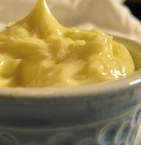
Makes about 1 pint
5 organic egg yolks
1-2 teaspoons Dijon mustard
1-2 tablespoon fresh lemon juice (I add some of the zest also)
1/2 teaspoon salt
pinch of freshly ground white pepper (black is fine, too, but the mayo will have black flecks in it)
2 cups extra virgin olive oil
Start with all ingredients at room temperature…or at least the eggs and oil. Process the eggs yolks in a food processor for 30 seconds, then add the mustard, lemon juice, salt, and pepper and process again for another minute or two, until slightly thickened.* With the processor running, slowly add oil in a very thin stream–practically drop-by-drop at first. You can begin pouring the oil a little more quickly after adding about half of it, though I just add all the oil via the pusher. Once you have added all the oil, taste the mayonnaise, you may want to add a little more lemon, mustard, or salt. Let sit out at room temperature for 7-8 hours, then refrigerate. Keeps for about four weeks.
Cuisinart owners: Examine the pusher for your machine, that plastic cup-like do-dad that helps you push food down the tube. Notice the little hole in the bottom? The folks at Cuisinart put that there to help you slowly drizzle oil for mayonnaise. You can literally pour all the oil in there, turn on the machine, and walk away while it makes mayo for you.
I love Blueberry Season!
Posted: August 29, 2009 Filed under: In The Kitchen with Millie- How To's Leave a comment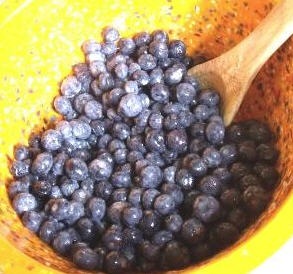 Here is one of my favorite recipes:
Pear Blueberry Brown Betty (Gluten Free)
makes 8
2 T. sugar
5 slices Ezekiel Bread
$ whole pears
3 T. honey
1 T. arrowroot
1/3 t. ginger
1 teaspoon Brandy or a few drops of Brandy Extract
1cup pear nectar
2 T. organic butter
3/4 cup blueberries
1) Cut Ezekial bread in small cubes, toast in oven until crisp. Toss with butter
2) Combine pears, cut in small cubes, with honey, ginger, arrow root, brandy extract and nectar.
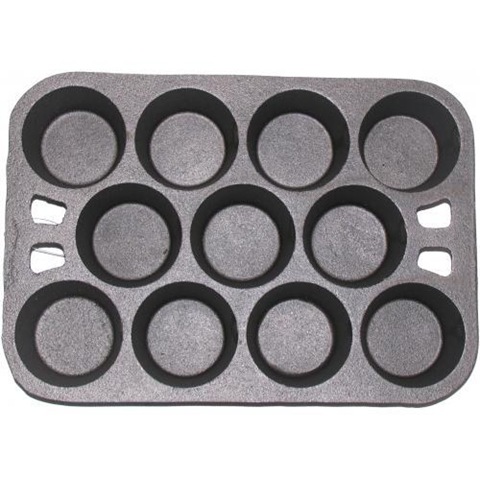
3) Butter muffin tins, sprinkle bottom with sugar. strain pears, retaining liquid, toss bread cubes with 2/3 of the liquid. Line bottom of each tin with one layer of bread cubes, top with one T. of pears, 1 teaspoon of blueberries, then more bread cubes. It will stick up above the top of the tins. Drizzle the remaining pear nectar on each "muffin".
4) In a 350° preheated oven, place the tins on middle shelf, place a large baking pan filled with water on top to weigh the crisps down. You can use a cookie sheet with something heavy on top. (such as a metal or Pyrex bowl, or a heavy iron frying pan. )
5) bake for 30 minutes, then remove whatever you have sitting on top and bake 10 more minutes. Cool COMPLETLY before removing from tins or they will fall apart.
Provencal Chicken in the Pot
Posted: August 23, 2009 Filed under: Food and it's Impact on Our Health, In The Kitchen with Millie- How To's 3 CommentsThis is one of the most tender and aromatic roast chicken recipes you’ll ever taste! Since I published an article yesterday on cast iron cookware, I figured I would post a great recipe using my Dutch oven!
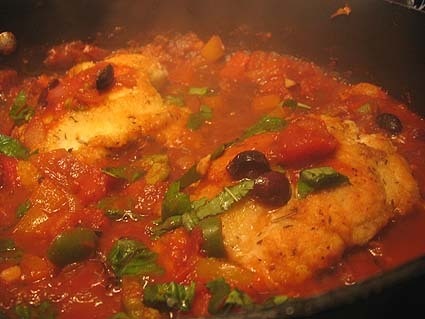
Chicken Provencal in the Pot
4 pounds whole organic chicken
kosher salt and freshly ground black pepper
 bouqquet garni or use 1 teaspoon tarragon, 1 t. basil, 1 t. thyme.
1 cup dry white wine
12 small red potatoes
40 cloves of garlic- do not peel!
12 small white onions
4 carrots- chunked
1 pound fresh peas- shelled or 10 oz. frozen
2 T. white flour mixed with 1 T. water
Preheat oven to 350 degrees F. Make a mixture of salt and pepper in a small bowl. Use this to generously season the interior and exterior of a 4-pound fryer. Tie a bouquet garni together with string and put it inside.
Pour ½ cup of butter into a large (about 9 quarts) Dutch oven with a lid. Add the bed of herbs and all of the garlic. Set the prepared chicken on this bed and turn it over and over in the already perfumed oil. Add the dry white wine.
Scatter the vegetables around on top of the bed of herbs. Then with all the oil, wine and aromatics below and the chicken and vegetables on top, put the lid on and seal it hermetically with a band of flour and water paste.
Bake 1 hour and 30 minutes in the preheated oven.
Remove from oven and allow the Dutch oven to sit undisturbed for 15 to 20 minutes. Do not lift the lid!
In preparation for serving, put a small serving bowl (for the garlic) and a slotted spoon on the table.
A pair of poultry shears is the easiest tool to use for cutting the hot chicken into serving pieces.
A pair of tongs will help you hold the chicken still for cutting without burning your fingers.
Carry the Dutch oven to the table and lift off the lid at the moment of serving and take a deep breath. The aroma is incredible!
Serve with toasted slices of Ezekiel Bread, which each diner will spread by squeezing out the incomparable garlic puree. Don’t be surprised. The chicken will not be browned.
PS- save the stock from this and use it all week to flavor your green leafy veggies. I’d sauté some onions in in and top with kale or Swiss chard and stir, cover and cook gently for about 4 or 5 minutes..mmmm
Save the carcass and make stock. – Chicken Stock 101. Chicken stock, made correctly, is your best source of iron and calcium. So, drink stock each day, cook with it, season with it.
Cast Iron Cookware- Or, How to Get Rid of that Toxic Non-stick Stuff you’ve Had Forever.
Posted: August 21, 2009 Filed under: In The Kitchen with Millie- How To's 11 Comments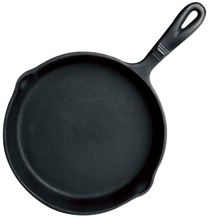 A heavy, but essential, addition to the kitchen, cast-iron cookware is dependable and full of history.
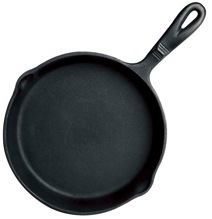
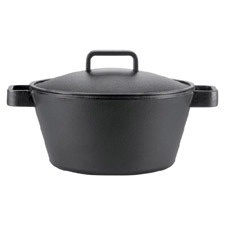
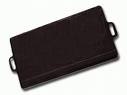
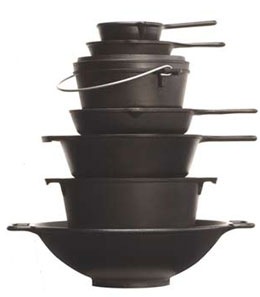
The other day someone asked me how I cooked eggs or hash browns without a non-stick skillet. I told them I used my 100 year old cast-iron skillets, wonderfully non-stick because I keep them seasoned correctly, never, ever use soap in them…eggs and hash brown slide right out. I have a 6 inch skillet, 2 12 inch skillets, a 12 inch round griddle with a handle, a 30 year old 12 inch Dutch oven with a lid and an antique cast iron waffle maker with a iron ring to use on the stove top.
They all perform beautifully. There is no reason to pay more for a pre-seasoned pan, or pans such as La Crueset with enamel that cost a small fortune. These pan are non-stick when seasoned, and kept that way.
Besides being an ideal heat conductor, cast iron heats evenly and consistently, it is inexpensive and will last a lifetime (actually several lifetimes) with proper care, and it is an old-fashioned way to cook non-stick. When well seasoned, a cast-iron pan will be stick resistant and require no additional oil.
The benefits of cast-iron pans are terrific: Foods glide out of it as from no pan made with Teflon; it goes from stove to oven; no special utensils are needed to cook in it and cleanup is a cinch. It’s time people realize the culinary wonder that a cast-iron pan can be!
As a chef, I consider cast-iron pans to be precision cooking tools, as these dependable pans enable precise control of cooking temperatures. Their heat retention qualities allow for even cooking temperature without hot spots. Cast-iron pans can be used on top of the stove or to bake in the oven. All our grandmothers had cast iron skillets and stove-top griddles. In fact, your grandmother swore by it and the pioneers depended on it.
If you don’t own a cast-iron skillet, it’s well worth the time and money to invest in one. You can find them for sale on the internet, at cook stores everywhere, thrift stores, flea markets, or you can scour the tag and yard sales for one that might look as if it has seen better days. If the pan is rusty or encrusted with grease, buy it anyway. Don’t worry! I’ll tell you how to get that new or old one into shape so you can enjoy it for a lifetime of non-stick cooking. You’ll be able to pass the pan on to your own children and grandchildren.
To season a new pan, or re-season one you have been abusing;
All new (not old pots) cast-iron pots and skillets have a protective coating on them, which must be removed. American companies use a special food-safe wax; imports are covered with a water-soluble shellac. In either case, scrub the item with a stainless steel scouring pads (steel wool), using soap and the hottest tap water you can stand.
If the pan was not seasoned properly or a portion of the seasoning wore off and food sticks to the surface or there is rust, then it should be properly cleaned and re-seasoned. Seasoning a cast iron pan is a natural way of creating non-stick cookware. And, like you cook and clean the modern non-stick cookware with special care to avoid scratching the surface, your cast iron cookware wants some special attention too.
You season a cast iron pan by rubbing it with a relatively thin coat of neutral oil (I stress a light coat of oil).
NOTE: NEVER use vegetable oils (canola, sunflower, etc.), or shortening (like Crisco shortening) to season your pan. These oils get very sticky when heated (the same as they do in your arteries!!) Use coconut oil or lard for seasoning your cast iron pans. You can also use butter.
Place the cast iron pan, upside down, in the oven, with a sheet of aluminum foil on the bottom to catch any drips. Heat the pan for 2 hours in a 250 degree oven. Once done, let the pan cool to room temperature. Repeating this process several times is recommended as it will help create a stronger "seasoning" bond.
The oil fills the cavities and becomes entrenched in them, as well as rounding off the peaks. By seasoning a new pan, the cooking surface develops a nonstick quality because the formerly jagged and pitted surface becomes smooth. Also, because the pores are permeated with oil, water cannot seep in and create rust that would give food an off-flavor.
Your ironware will be slightly discolored at this stage, but a couple of frying jobs will help complete the cure, and turn the iron into the rich, black color that is the sign of a well-seasoned, well-used skillet or pot.
Never put cold liquid into a very hot cast iron pan or oven. They will crack on the spot!
Be careful when cooking with your cast-iron pots on an electric range, because the burners create hot spots that can warp cast iron or even cause it to crack. Be sure to preheat the iron very slowly when using an electric range and keep the settings to medium or even medium-low.
Important:
Unless you use your cast-iron pans daily, they should be washed briefly with warm (not hot) water and a green scrubbie, then rinsed and thoroughly dried in order to rid them of excess surface oil. If you do not do this, the surplus oil will become rancid within a couple of days. After you clean the skillet (and this is easiest if you clean it while warm), rub a small amount of coconut oil over the surface.
Remember – Every time you cook in your cast-iron pan, you are actually seasoning it again by filling in the microscopic pores and valleys that are part of the cast-iron surface. The more you cook, the smoother the surface becomes!
Cast iron is 50 percent pig iron and 50 percent steel. It’s cooking properties have been championed and cherished for generations.
I use only cast iron or triple bottom stainless steel to cook. Cast iron for frying or scrambling eggs, frying bacon or steaks, sautéing onions or other veggies. Never cook acidic food such as tomatoes in cast iron, you will remove the seasoning.
I use my cast iron Dutch oven for sautéing roasts or other cuts of meat that I need to brown first, then finish in the oven. My favorite is a Provencal Chicken that I make a little bit of dough to seal the lid to the pot. It seals it completely and when the seal is broken the steam coming out with the smell of chicken, herbs and garlic is amazing!
The technology for making cast-iron cookware has come a long way in the last 100 years, but each piece is still cast in sand moulds. Yes, sand. This method goes back to the Chinese. At Lodge, the biggest cast iron company in the United States, the iron/steel mixture is melted with electro-magnetic heat to 2,500°F. The pouring of the molten metal into the sand moulds has been automated. It’s this automation that has made Lodge the industry leader–and survivor. They were also the first, and only, cast-iron company to offer a pre-seasoned pan. This means the pan is ready to go when you buy it.
Fresh Corn Tortillas
Posted: August 20, 2009 Filed under: In The Kitchen with Millie- How To's Leave a comment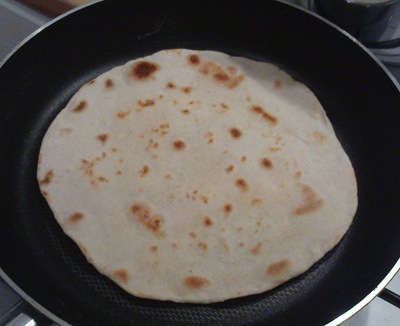 Here is the recipe for fresh corn tortillas. Those cardboard things with hydrogenated fats in them from the store always smell rancid to me (they are!)
These are addictive, smell heavenly while cooking and are very inexpensive to make. Please remember they are empty carbs, so to make the meal healthy, make sure you make the topping with plenty of grass fed meat or seafood, It makes them healthier for you to add healthy fat to the mix, organic butter or coconut oil.
Corn Tortillas
Makes 4
1 1/2 cup Masa Harina – Publix has it with all the other flours on the baking and spice aisle.
1 1/2 cup hot water- less about 2 Tablespoons.
1 T. of butter or coconut oil
1) Mix masa flour with hot water. Let stand about 10 minutes. Heat iron skillet to medium high.
2) use 2 ziploc bags that you have sprayed lightly with Pam, (or rub with butter or coconut oil, I don’t use Pam because it’s in a can, and it’s expensive)), place a slightly larger than golf ball size ball of dough between your hands, roll it into a ball. Using a pan that has a flat bottom, gently press tortilla flat. Peel off into your hand and place in hot skillet.
2) Cook until edges begin to turn up, flip over and cook on other side. The first side should take about 5 minutes, the other side; about 4 minutes. Warm on racks in cool oven, leaving the oven door ajar. When ready to reheat, turn oven on 350 degrees and warm for a short length of time. if you leave them in too long, they’ll get very hard.
My Favorite Topping Recipes;
I like Salmon with Peppers and Onions, but this is my favorite;
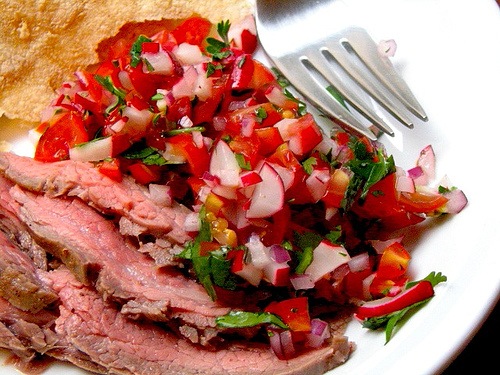
Pacific Rim Flank Steak
1/3 cup honey
1/4 cup Bragg’s Amino Acids ( use instead of soy sauce)
2 T. rice vinegar
1 cup orange juice
1/3 teaspoon toasted sesame oil
2 cloves garlic
1 teaspoon thyme
1/3 teaspoon smoked paprika
1 teaspoon cumin
1/4 teaspoon freshly ground pepper
2 pound flank steak
2 tablespoon fresh cilantro
1 whole onion, sliced in half moons
1 red peeper, sliced medium
1. In medium shallow dish, combine rice vinegar, Bragg’s, onion, honey, orange juice, oil, garlic, and pepper to taste; whisk until blended. Remove; reserve 3/4 cup for basting.
2. With sharp knife, lightly score both sides of flank steak in a crisscross pattern. Place steak in marinade in dish, turning to coat. Cover with plastic wrap and marinate in refrigerator 30 minutes, turning once.
3. Remove steak from marinade; discard marinade. Place steak on grid over medium, ash-covered coals. Grill, uncovered, 17 to 21 minutes for medium rare to medium doneness, basting occasionally with reserved marinade and turning once. You can also use a very hot well-seasoned iron skillet.
4) Sauté onions and peppers in coconut oil and a few T. of marinade.
4. Place remaining basting marinade in small saucepan; place on grid of grill and bring to a boil. Meanwhile, carve steak diagonally across the grain into thin slices; arrange on platter. Mix veggies with steak. Spoon hot marinade over beef, as desired.
Warm tacos and serve everything on top.
Eating Organic Economically- how I eat and cook all week.
Posted: August 13, 2009 Filed under: In The Kitchen with Millie- How To's Leave a comment
1 whole organic chicken 9.00
1 pound grass-fed hamburger 7.99
18 eggs- Grassroots Market – 3.99
1 pound turkey bacon 5.79
½ pound salmon 4.99
1 pound raw butter 10.00
1 pound carrots 2.99
3 large onions 3.25
¾ pound coffee 7.99
3 beefsteak tomatoes 2.00
Garlic bulb .30
2 limes .99
2 lemons 1.10
3 green peppers bell peppers 2.99
1 bag celery 1.99
1 pint blueberries 3.99
1 bunch kale 3.99
3 large sweet potatoes 2.99
~ 76.35~ grocery cost
-24.50 minus the items I grow
51.85
The items in red are the things I grow. I have a square foot garden outside . I used some 5 gallon buckets, soil, perlite and made sub-irrigated containers. Growing from seed is cheap.
If you have a backyard, or a deck for container gardening, or grow lights indoors, you can save further in ways that processed food eaters can’t: Almost all year I grow salad greens, herbs, braising greens of some kind and cucumbers and tomatoes. (The salad herbs oregano, thyme, mint, basil, cilantro and parsley never quit here in any season!)
 Purple peppers outside the front door.
  Inside; tomatoes, basil, thyme, dill, lettuce, beets, Swiss chard.
Items I make myself; almond butter made in the Champion juicer, sauerkraut, coconut milk yogurt, mayonnaise, Kombucha tea, salad dressings. These things are very inexpensive to make, very easy to do…not much labor.
Starting on the day I shop, here’s how I eat and cook all week, very simply, but extremely healthy.
First Night; I roast a whole chicken by slapping butter all over it, salt and peppering it, maybe some garlic. Then roast it for 30 minutes on 450°. Then turn the oven down to 300° and bake for 30 minutes. Now turn the oven back up to 400° and roast that bird just 165°, checking for temp in the thickest part of the breast, not hitting the bone. Save the pan drippings for cooking, save the carcass for stock. Here’s a link to making stock- Chicken Stock 101
That is dinner the first night; a leg and thigh and some breast meat, pour pan drippings over it, using fat and gelatin in roasting pan. With some sautéed peppers and onions and a few slices of ripe tomato, here’s a great dinner.
Breakfast is usually 2 eggs, fried in butter or coconut oil, 3 slices of turkey bacon, some coconut milk yogurt and a handful of blueberries. And 6 ounces of Turkish coffee, ground and brewed each morning. Some mornings I have Ezekiel bread.
Lunch is usually whatever I’ve had for dinner the night before, or an Ezekiel bread sandwich, with meat, fresh olive oil mayonnaise, or almond butter. Maybe Ezekiel with almond butter and sauerkraut, toasted. Usually a cup of meat stock and/or coconut milk yogurt.
Second night; take the rest of the meat off of the chicken, make stock. Have a great chicken soup that night, add sautéed celery, carrots, bay leaf. Maybe some kale sautéed in chicken fat, some gelatin from chicken pan drippings, onions, mushrooms. Sliced tomatoes.
Third night; 1/3 pound hamburger patty, sautéed onions and peppers, 8 ounces chicken stock, sliced tomatoes, coconut milk yogurt.
Fourth night; fresh salmon with dill, Dijon and fresh lemon juice, sautéed peppers, mushrooms and onions, sliced tomatoes. A cup of chicken stock.
Fifth night; Chicken meat prepared however you want, sautéed kale, ½ sweet potato, sautéed mushrooms. Coconut milk Crème Brule and a few blueberries.
Sixth night; 1/3 pound hamburger patty, pan gravy, ½ sweet potato with butter, kale with onions.
Seventh Night; Rest of hamburger with peppers, onions, tomato, salsa, avocado and fresh corn tortilla.
Shop again, or have leftovers, or breakfast for dinner.
Extras I buy if I can afford them; cherries, plantains to fry, dark chocolate, steaks, roasts, Ezekiel bread, wine.
Things I always have in the kitchen; raw butter, Dijon mustard, olives, herbs and spices, an array of vinegars, olive oil, sesame oil, coconut oil, lemons, limes, teas, quinoa, rice and tapioca flours, coconut milk, curry sauces, olives.
Bear in mind that this is a very basic dinner menu, showing how to meet all of your calorie and nutrient needs affordably. These dinners reflect basic eating, by adding other ingredients I can get real fancy, and I do at times. Buy my cookbook here; Optimum Nutrition Cookbook.


 Meal Delivery Service by Millie Barnes