Green technology should be shared!
Posted: May 23, 2009 Filed under: Food and it's Impact on Our Health Leave a commentBig business is gearing up to fight the use of green technology by developing countries seeking to reduce carbon emissions

- Mark Weisbrot
- guardian.co.uk, Wednesday 20 May 2009 19.00 BST
The battle over intellectual property rights is likely to be one of the most important of this century. It has enormous economic, social and political implications in a wide range of areas, from medicine to the arts and culture – anything where the public interest in the widespread dissemination of knowledge runs up against those whose income derives from monopolizing it.
Now it appears that international efforts to slow the pace of worldwide climate disruption could also run up against powerful interests who advocate a fundamentalist conception of intellectual property
According to Inside US Trade, the US chamber of commerce is gearing up for a fight to limit the access of developing countries to environmentally sound technologies (ESTs). They fear that international climate change negotiations, taking place under the auspices of the United Nations, will erode the position of corporations holding patents on existing and future technologies.
Developing countries such as Brazil, India and China have indicated that if – as expected in the next few years – they are going to have to make sacrifices to reduce carbon emissions, they should be able to license some of the most efficient available technologies for doing so.
Big business is worried about this, because they prefer that patent rights have absolute supremacy. They want to make sure that climate change talks don’t erode the power that they have gained through the World Trade Organization.
The WTO is widely misunderstood and misrepresented as an organization designed to promote free trade. In fact, some of its most economically important rules promote the opposite: the costliest forms of protectionism in the world.
The WTO’s rules on intellectual property (Trade-Related Aspects of Intellectual Property, or Trips) are the most glaring example. These are designed to extend and enforce US-style patent and copyright law throughout the world.
Patents are monopolies, a restriction on trade that creates inefficiency in exactly the same way that tariffs, quotas or other trade barriers do. The economic argument for relaxing patent rules is therefore the same as that for removing trade barriers, only times 50 or 100 or even 1,000 – since the average tariff on manufactured or agricultural goods is quite small compared to the amount by which patent monopolies raise the price of a pharmaceutical drug.
These restrictions cost US consumers an estimated $220bn a year compared to competitive pricing – many times the gains from trade liberalization that we could even hope to get from a successful completion of the current Doha round of negotiations in the WTO that began in 2001 in Qatar.
It took years of struggle by non-governmental organizations to loosen the big pharmaceutical companies’ stranglehold on the WTO, to the point where the organization’s 2001 Declaration on Trips and Public Health reaffirmed the rights of member countries to produce generic versions of patented drugs in order to promote public health.
But this was just a first step, and seven years later these rights have been applied almost exclusively to anti-retroviral drugs for the treatment of Aids, in just a handful of developing countries. The power of the pharmaceutical companies, with their governments in the United States and Europe as advocates, still keeps life-saving medicines priced out of reach for hundreds of millions of the world’s poor.
The legal procedure that has been used – although very infrequently – to allow for the production of generic drugs for the treatment of Aids is called a compulsory license. This means that a government can legally authorize the production of a generic version of a drug that is currently under patent, provided that this is done for public health purposes. A royalty is paid to the patent holder, but this is generally not very expensive.
Developing countries such as Brazil, India and China want to make sure that such possibilities are open for new environmentally sound technologies, eg in the areas of renewable energy, that might enable them to meet future targets for reducing carbon emissions. A Brazilian official noted that his country had only issued one compulsory license, for the anti-Aids drug Efavirenz, produced by Merck.
But big business doesn’t want to take any chances. Today they are launching a new coalition called the Innovation, Development and Employment Alliance (Idea). (You’ve got to love the Orwellian touch of those marketing consultants). Members include General Electric, Microsoft and Sunrise Solar. They will reportedly also be concerned with intellectual property claims in the areas of healthcare and renewable energy.
For the intellectual property fundamentalists, the income claims of patent holders are property rights, seen as analogous to a homeowner’s right to her house. But the framers of the US constitution (article I, section 8) didn’t it see that way, and neither, for the most part, have US courts.
Our legal system has long taken into account that protection for patent and copyright monopolies must reflect an important tradeoff between rewarding innovation and creativity, on the one hand, and allowing for the dissemination of knowledge and the development of new technologies.
The WTO rules, driven by the protectionist interests of powerful corporations, have gone far to advance the fundamentalist view of intellectual property, at the expense of the world’s economy and public health. Now our corporations fear that negotiators at the United Nations, under the UN Framework Convention on Climate Change, might not share these fundamentalist views, especially when the future of the planet is at stake.
Ten years ago environmentalists played a major role in exposing the built-in prejudice of WTO rules, which tend to strengthen commercial interests against environmental regulation. A tipping point was reached when they helped organize large-scale protests that shut down the WTO negotiations in Seattle in 1999, raising alarm bells and building opposition worldwide.
Environmental awareness and a sense of urgency with regard to climate change are much more broadly shared today. The Obama administration should take note of this and place itself squarely on the side of promoting the spread of environmentally sound technologies.
The Homeowners Power Act
Posted: May 22, 2009 Filed under: Food and it's Impact on Our Health Leave a commentA great post from Breakthrough Institute
Americans shouldn’t have to depend on a single unreliable utility for their power.

This antiquated system of energy generation makes us vulnerable to blackouts and natural disasters. The good news is that the millions of Americans who own their own homes can make, and store, their own electricity. Solar today in many parts of the country is competitive with natural gas at peak hours – the daylight hours when electricity is most in demand. The problem is that the utilities are blocking the American people’s right to make their own electricity and sell it on a free market.
The grid doesn’t belong to the utilities – it belongs to the American people. It was built by our parents and grandparents. Energy utilities must no longer be allowed to stifle entrepreneurialism by blocking Americans from selling their home-generated solar energy onto the grid. We need a Homeowners Power Act that allows home power generators to finance the cost of buying and installing solar panels by borrowing against future earnings from selling home-produced energy, and requires utilities to let homeowners sell the energy they produce onto the grid.
Grass Fed Meat: our true environmental savior
Posted: May 20, 2009 Filed under: Food and it's Impact on Our Health Leave a comment 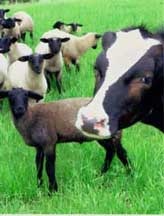 I made reference to Nourished Magazine in an earlier post. Today I read a great article on a subject I have given much thought to lately…”Why is everyone yelling about us becoming vegetarians to help the earth”? We are not helping the earth by making ourselves sick by not meeting our nutrient needs. Almost every vegetarian I know, and I know many (myself included from 1972 to 2005), is a carb junkie, living off of bread, grains, beans, fruit…all carbs. Most veg-heads I know still spout the “soy is the greatest thing going” for humans BS. But it is cheap, has a very high profit margin. I went round and round with a health food store owner recently who told me he does not eat soy, knows it is toxic…but will make no effort to educate his customers, or get it out of his deli, where it is in almost every dish (did I say it was cheap?)…from the veggie burgers to the soy mayo. See what Weston Price has to say about vegetarian diets here.
Today I went to read the new Nourished Magazine and found this… I couldn’t say it any better.
This article was originally published here and is part of the January 2009 round up.
How many times have you heard that we need to eat more vegetarian fare to curb Climate Change? Greepeace and even David Suzuki put it in their top ten actions we can take. It seems every green magazine I pick up, every green blog I read, I’m shamed for living as what my body is designed to be, an omnivore. This makes me feel very sad and a little angry. Here’s why:
- The current population of cattle in the US is only marginally more than the numbers the Native Bison (or Buffalo) enjoyed before Europeans arrived: 96 million cattle have replaced most of the estimated 60 to 100 million Bison that existed in the 19th century. How could there be too many cattle now? This is how..
The figures Suzuki and Greenpeace are working from actually reveal what industrial factory farming is using and outputting. The ancient practice of subsistence grass farming is a totally different picture. Much of the resources used for the beef industry are used in the production of grains fed to confined cattle. There is no reason for this except to boost the bottom line of ‘agricorp’ companies. No ruminant should be eating grain or soy. Industrial agriculture only does so because governments subsidize their feed. - It is very easy to throw about grandiose, knee jerk recommendations which get headlines but it is Greenpeace’s very followers who will suffer from living by them. I live in Byron Bay, some call it a vegetarian paradise. Australia’s modern affair with vegetarianism began right here, more than 30 years ago. Looking around me, I witness first hand the ravages such a diet leaves in it’s wake. Young, idealistic 20 something’s may not notice immediately the affects of such a diet. However, coming into their 50s and 60s now, I see many long time vegetarians; exhausted, overwhelmed and caffeine addicted from years of undernourishing themselves. (BTW It takes 140 Litres of water to make enough coffee for one cup. I challenge you to find a vegetarian who isn’t caffeine addicted. I haven’t yet.)
Many lose their creativity and the naturally buoyant, positive attitude which is our birthright. Many wind up, infertile, unmotivated, ineffective and resentful without knowing why. Greenpeace needs robust, energetic, creative people to work with them toward change. Their recommendations threaten to deny them and our Earth of just this. - Grass fed, properly managed animal foods are actually a great way to sequester many billions of metric tons of carbon from the atmosphere.
To be more responsible, Greenpeace should recommend we boycott confined, grain fed animal foods and demand grass fed animal foods. Is that too complicated for our ‘dumbed down’ population?
Some Facts about Grass Fed Meat
- Grazing land comprises more than half the total land surface of the Earth.
- Soil organic carbon is the largest reservoir in interaction with the atmosphere. It contains 82% of terrestrial carbon.
- Forests can be net carbon emitters in their early stages and take many years to reach their sequestration potential
- “An acre of pasture can sequester more carbon than an acre of forest.” We can offset the nations entire emissions, simply by planting more grass either as winter crops or instead of crops. – Dr Chistine Jones of the Carbon Coalition.
- “Soil represents the largest carbon sink over which we have control. Improvements in soil carbon levels could be made in all rural areas, whereas the regions suited to carbon sequestration in plantation timber are limited.” – Dr Christine Jones
- 50% to 66% of the historic carbon loss (42 to 78 gigatons of carbon) was created by the world’s poorly managed, degraded agricultural soils and is therefore ripe to become the world’s greatest carbon sink.

Difference between carbon farming pasture (right) and ordinary pasture: courtesy of the Carbon Farmer’s of Australia Association.
- Introducing carbon credits for grass farmers who manage their grazing so they actually sequester carbon will also help improve water retention and soil erosion issues.
Raising grain-fed cattle is resource-intensive. It takes more than 35 fossil fuel calories to create one calorie of energy from grain-fed meat. A cow must consume about 8 pounds of grain (3.6kg) in order to yield one pound of meat (450gm), grain which is grown with fossil fuels and pesticides. Much of the exorbitant water use in grain feeding CAFOs is for cleaning the tons of waste, waste that in grass farming is a vital resource for soil fertility. Why do this when you can just let the cow go on the grass? Answer: corporate ‘bottom line’ industrial farming.
The ‘methane cattle fart’ statistic we hear all the time is taken from the writings of Dr Andrew Moxey, a widely respected economist who exposed modern agriculture’s contribution to emissions. He says “methane from livestock accounts for 20 per cent of green house gas emissions”, but reading just a little further, you’ll find he also says: “nitrous oxide from fertilizer adds up to 26 per cent [and] carbon dioxide from ploughing up grassland is the major contributor…45 per cent“.
What is on the agenda of people who continually misquote Moxey?
What environmentalists are saying is we should eat the grains instead of the cattle. What they don’t realise is neither we nor the cattle need the grains. They don’t realise this because they’ve been indoctrinated into the idea that we can (and should) eat a grain based diet. No mind that our ancestors never did. No mind that following a grain based diet has brought us to the point where 8% of the western population suffer diabetes (this is expected to quadruple by 2050). No mind that by 2020, 80% of all Australian adults and a third of all children will be overweight or obese. 37% of American Children are already overweight and the CDC predict that figure will be 50% by 2020. It also predicts that the generation of children who are currently under 10 years old are unlikely to outlive their parents.
Even so the USDA still recommends we continue with the sudden diet change that they initiated post world war II. (Please note the USDA food pyramid is created by the US Department of Agriculture – not the US department of Nutrition nor the US department of Health.) Before their self serving dietary recommendations, humans had never tried to consume 6 servings of grain foods. That’s three sandwiches a day. We couldn’t grow, harvest and process that much grain by hand. Only with the advent of the petrol driven harvest combine and industrial processing (dollars for the new manufacturing giants of the 50s) could we even consider eating this much grain, let alone feed it to our livestock. So why is it now the only other option to vegetarianism?
Why are we so easily hoodwinked?
We’re given two options:
- Eat animals who eat grains
- Eat grains.
Why do we fall for this trick? Why are even the most intelligent and highly educated of us lead to believe these are our only choices? Here’s what I see:
It is very difficult to imagine a lifestyle other than one that is part of and supported by the industrial complex. Industrial agriculture and, sadly, feminism has ushered in a completely new perspective on money, farming and Nourishing our family. A perspective we find it hard to veer from. Building a life around dignified farming, a life where the labor of over half the tribal group – that of the women and to some degree the children – is not quantified by money, is beyond our comprehension. What used to be the asset and province of the family is now quantified by money. Today, we outsource feeding our family, maintaining our health and the even caring for our children. Meanwhile, grandparents are idle or busy entertaining themselves, alone – a phenomenon, never before witnessed by our kind.
Never before have we been so separated from the realities of our condition – so separated, we believe we can subsist in a purely vegetarian system delivered to us by an industrial food chain. We can easily swap messy meat and milk for soy and grain products, conveniently processed, packaged and stored at our local supermarket.
I find it intriguing that environmentalists don’t mention grass farming at all. Don’t they know about it? If non-organic agriculture makes more greenhouse gases than industrial animal farming, why are we not told to go completely organic and eat grass fed animals? Why instead are we fed messages of guilt and denial?
I believe we are seeing Christianity in it’s most obtuse manifestation: a generation of martyrs, suffering the ravages of vegetarianism. Saviors of our innocent Earth, putting her before themselves. Pity it doesn’t work that way. Our new martyrs are only weakening their bodies and their progeny, separating themselves further from agriculture and the land for yet another false doctrine. Martyrs they are but not to the environment, to the soy industry and to grain barons.
We Need Farm Animals
Ask any organic or bio dynamic farmer if they can maintain soil fertility without animal manure.. lots of it. They’ll tell you no. As Mark Purdey, farmer and BSE expert puts it, “If the vegetarian vision is to gain precedence over our global agricultural systems, then chemical and biotech agriculture would boom to make good the shortfall of fertility lost once our livestock were annihilated.”
“The preservation of fertility is the first duty of all that live by the land. Leave the land in a better state than when you took it over.” – George Henderson.
Most urban Westerners have little understanding of the realities of farming. And this is the grain baron’s biggest asset. They now nod smugly at ‘environmental’ messages that scare us into eating more of their product. Heart Disease, Obesity, Cancer and now Global Warming is caused by meat eating? What Tripe. Truth is, the more grass fed meat from small, local farms we eat, the less money they make.
In following USDAs recommendations and indeed Greenpeace’s call to go vego, we can remain separated from the muck and mess of mixed farming. We can continue our sterile food mythology; purity through denial, from the dirty truth that animals must die for our sustenance. And most importantly for grain cartels and their government buddies, we can continue to work a 40 hour week so we can afford to buy their ‘healthy’ breads, tofu and soy yoghurt.. So we can afford to pay rising medical costs which inevitably line the pockets of Big Pharma. The very medical costs which are caused by eating from the industrial food chain.
We are lost in a maze of propaganda, designed to confuse and disempower us, purely for the economic benefit of the few. Unfortunately, environmentalists who recommend vegetarianism are just another group of well meaning individuals who’ve lost connection to the land and a physical experience of balance with her. Lacking this connection and living only in the mind, they have unwittingly become the mouth pieces of selfish agribusiness.
What’s the Alternative?
 Luckily, we have all we need to make real changes to improve our footprint and our health and wellbeing. Our alternative can be summed up in one word. Re-localise.
The internet is our best ally and our courage, faith and strong bodies our best tools. Some expectations, personal politics and even some laws are still in our way, but no blockage we can’t remove, together with vision and resolve.
Imagine this:
You live in an urban environment where culture and agriculture have equal value. We’ve redesigned our cities into many small, walled villages so we can reconnect with our community, sharing sunny plazas with our fellow villagers where:
- children play under the watchful eye of the whole community,
- teens hang in semi-private enclaves,
- elders live on the plaza with access to family and careers and large open windows they can watch the village life go by,
- community gardens are shared among villagers
- food preparation, handicrafts, music and art workshops happen every other day, and
- no cars are allowed!
Imagine now, that every member of your village is part of a shared farming arrangement. You own your own animals and employ a farming family to care for your animals; paying them for the next season’s meat (and any other crops) in advance. Your farmer brings your food to you every week or to the marketplace along with other little tidbits you can buy for cash to spice up your larder. There’s no waste and no separation. Taking an active part in ensuring the quality, quantity and price of your food remains stable, you know your animals are treated humanely and cared for in a way that supports and does not degrade the environment. (Farmers who are paid a living wage are unlikely to harm their farmland or their animals and cutting out the many, many middle men in the current system will give them and their animals the standard of living they deserve.)
How much less fossil fuels, pesticides, fertilizers and plastic packaging could we spare our delicate ecology? Is localized, community supported mixed farming an answer to our climate woes? Can we create such a system?
It is possible. But government can’t do it for us. We’ve got to create it ourselves.
If you want to begin creating this reality, have hope, there are others, many others who want it too.
Start by reading this book: How to Build a Village by Claude Lewenz.
To specifically access grass fed animals through CSAs, subscriber to Herdshare.com and please don’t become vegetarian to save on greenhouse emissions, there are so many other, much better ways.
If you are in North Florida, as I am, check out- 
Grass Fed Meat and Good Ole’ Sunshine- Why we desperately need both- Daily!
Posted: May 20, 2009 Filed under: Food and it's Impact on Our Health Leave a comment
In April of 2006 a clinical observation published in Archives of Internal Medicine caught my attention. Dr. Anu Prabhala and his colleagues reported on the treatment of five patients confined to wheelchairs with severe weakness and fatigue. Blood tests revealed that all suffered from severe vitamin D deficiency. The patients received 50,000 IU vitamin D per week and all became mobile within six weeks.
Dr. Prabhala’s research sparked my interest and led to a search for current information on vitamin D, how it works, how much we really need and how we get it. The following is a small part of the important information that I found.
This information led me to a online magazine of a woman in Australia.  I was so impressed with what she had to say that I submitted my work to her for review. She wrote back urging m,e to look into what Weston Price had to say about human nutrition.

Lucky me, (haha), I was on my couch for 7 months recovering from reconstructive ankle surgery. This gave me the time to research to my hearts content (a rare thing!). This led me to the discoveries of the Canadian-born dentist Weston A. Price. In his masterpiece Nutrition and Physical Degeneration, Dr. Price noted that the diet of isolated, so-called "primitive" peoples contained "at least ten times" the amount of "fat-soluble vitamins" as the standard American diet of his day. Dr. Price determined that it was the presence of plentiful amounts of fat-soluble vitamins A and D in the diet, along with calcium, phosphorus and other minerals, that conferred such high immunity to tooth decay and resistance to disease in non-industrialized population groups.
Today another Canadian researcher, Dr. Reinhold Vieth, argues convincingly that current vitamin D recommendations are woefully inadequate. The recommended dose of 200-400 international units (IU) will prevent rickets in children but does not come close to the optimum amount necessary for vibrant health. According to Dr. Vieth, the minimal daily requirement of vitamin D should be in the range of 4,000 IU from all sources, rather than the 200-400 currently suggested, or ten times the Recommended Daily Allowance (RDA). Dr. Vieth’s research perfectly matches Dr. Price’s observations of sixty years ago!
Vitamin D From Sunlight.
Pick up any popular book on vitamins and you will read that ten minutes of daily exposure of the arms and legs to sunlight will supply us with all the vitamin D that we need. Humans do indeed manufacture vitamin D from cholesterol by the action of sunlight on the skin but it is actually very difficult to obtain even a minimal amount of vitamin D with a brief foray into the sunlight.
Ultraviolet (UV) light is divided into 3 bands or wavelength ranges, which are referred to as UV-C, UV-B and UV-A. UV-C is the most energetic and shortest of the UV bands. It will burn human skin rapidly in extremely small doses. Fortunately, it is completely absorbed by the ozone layer. However, UV-C is present in some lights. For this reason, fluorescent and halogen and other specialty lights may contribute to skin cancer.
UV-A, known as the "tanning ray," is primarily responsible for darkening the pigment in our skin. Most tanning bulbs have a high UV-A output, with a small percentage of UV-B. UV-A is less energetic than UV-B, so exposure to UV-A will not result in a burn, unless the skin is photosensitive or excessive doses are used. UV-A penetrates more deeply into the skin than UV-B, due to its longer wavelength. Until recently, UV-A was not blocked by sunscreens. It is now considered to be a major contributor to the high incidence of non-melanoma skin cancers. Seventy-eight percent of UV-A penetrates glass so windows do not offer protection.
The ultraviolet wavelength that stimulates our bodies to produce vitamin D is UV-B. It is sometimes called the "burning ray" because it is the primary cause of sunburn (erythema). However, UV-B initiates beneficial responses, stimulating the production of vitamin D that the body uses in many important processes. Although UV-B causes sunburn, it also causes special skin cells called melanocytes to produce melanin, which is protective. UV-B also stimulates the production of Melanocyte Stimulating Hormone (MSH), an important hormone in weight loss and energy production.
The reason it is difficult to get adequate vitamin D from sunlight is that while UV-A is present throughout the day, the amount of UV-B present has to do with the angle of the sun’s rays. Thus, UV-B is present only during midday hours at higher latitudes, and only with significant intensity in temperate or tropical latitudes. Only 5 percent of the UV-B light range goes through glass and it does not penetrate clouds, smog or fog.
Sun exposure at higher latitudes before 10 am or after 2 pm will cause burning from UV-A before it will supply adequate vitamin D from UV-B. This finding may surprise you, as it did the researchers. It means that sunning must occur between the hours we have been told to avoid. Only sunning between 10 am and 2 pm during summer months (or winter months in southern latitudes) for 20-120 minutes, depending on skin type and color, will form adequate vitamin D before burning occurs.
It takes about 24 hours for UV-B-stimulated vitamin D to show up as maximum levels of vitamin D in the blood. Cholesterol-containing body oils are critical to this absorption process. Because the body needs 30-60 minutes to absorb these vitamin-D-containing oils, it is best to delay showering or bathing for one hour after exposure. The skin oils in which vitamin D is produced can also be removed by chlorine in swimming pools.
The current suggested exposure of hands, face and arms for 10-20 minutes, three times a week, provides only 200-400 IU of vitamin D each time or an average of 100-200 IU per day during the summer months. In order to achieve optimal levels of vitamin D, 85 percent of body surface needs exposure to prime midday sun. (About 100-200 IU of vitamin D is produced for each 5 percent of body surface exposed, we want 4,000 iu.) Light skinned people need 10-20 minutes of exposure while dark skinned people need 90-120 minutes.
Latitude and altitude determine the intensity of UV light. UV-B is stronger at higher altitudes. Latitudes higher than 30° (both north and south) have insufficient UV-B sunlight two to six months of the year, even at midday. Latitudes higher than 40° have insufficient sunlight to achieve optimum levels of D during six to eight months of the year. In much of the US, which is between 30° and 45° latitude, six months or more during each year have insufficient UV-B sunlight to produce optimal D levels. In far northern or southern locations, latitudes 45° and higher, even summer sun is too weak to provide optimum levels of vitamin D. A simple meter is available to determine UV-B levels where you live.
Vitamin D From Food
What the research on vitamin D tells us is that unless you are a fisherman, farmer, or otherwise outdoors and exposed regularly to sunlight, living in your ancestral latitude (more on this later), you are unlikely to obtain adequate amounts of vitamin D from the sun. Historically the balance of one’s daily need was provided by food. Primitive peoples instinctively chose vitamin-D-rich foods including the intestines, organ meats, skin and fat from certain land animals, as well as shellfish, oily fish and insects. Many of these foods are unacceptable to the modern palate.
For food sources to provide us with D the source must be sunlight exposed. With exposure to UV-B sunlight, vitamin D is produced from fat in the fur, feathers, and skin of animals, birds and reptiles. Carnivores get additional D from the tissues and organs of their prey. Lichen contains vitamin D and may provide a source of vitamin D in the UV-B sunlight-poor northern latitudes.
Vitamin D content will vary in the organs and tissues of animals, pigs, cows, and sheep, depending on the amount of time spent in UV-B containing sunlight and/or how much D is given as a supplement. Poultry and eggs contain varying amounts of vitamin D obtained from insects, fishmeal, and sunlight containing UV-B or supplements. Fish, unlike mammals, birds and reptiles, do not respond to sunlight and rely on vitamin D found in phytoplankton and other fish. Salmon must feed on phytoplankton and fish in order to obtain and store significant vitamin D in their fat, flesh, skin, and organs. Thus, modern farm-raised salmon, unless artificially supplemented, may be a poor source of this essential nutrient.
Modern diets usually do not provide adequate amounts of vitamin D; partly because of the trend to low fat foods and partly because we no longer eat vitamin-D-rich foods like naturally reared poultry and fatty fish such as kippers, and herring. Often we are advised to consume the egg white while the D is in the yolk or we eat the flesh of the fish avoiding the D containing skin, organs and fat. Sun avoidance combined with reduction in food sources contribute to escalating D deficiencies. Vegetarian and vegan diets are exceptionally poor or completely lacking in vitamin D predisposing to an absolute need for UV-B sunlight. Using food as one’s primary source of D is difficult to impossible.
Vitamin D Miracles
Sunlight and vitamin D are critical to all life forms. Standard textbooks state that the principal function of vitamin D is to promote calcium absorption in the gut and calcium transfer across cell membranes, thus contributing to strong bones and a calm, contented nervous system. It is also well recognized that vitamin D aids in the absorption of magnesium, iron and zinc, as well as calcium.
Actually, vitamin D does not in itself promote healthy bone. Vitamin D controls the levels of calcium in the blood. If there is not enough calcium in the diet, then it will be drawn from the bone. High levels of vitamin D (from the diet or from sunlight) will actually de-mineralize bone if sufficient calcium is not present.
Vitamin D will also enhance the uptake of toxic metals like lead, cadmium, aluminum and strontium if calcium, magnesium and phosphorus are not present in adequate amounts. Vitamin D supplementation should never be suggested unless calcium intake is sufficient or supplemented at the same time.
Receptors for vitamin D are found in most of the cells in the body and research during the 1980s suggested that vitamin D contributed to a healthy immune system, promoted muscle strength, regulated the maturation process and contributed to hormone production.
During the last ten years, researchers have made a number of exciting discoveries about vitamin D. They have ascertained, for example, that vitamin D is an antioxidant that is a more effective antioxidant than vitamin E in reducing lipid peroxidation and increasing enzymes that protect against oxidation.
Vitamin D deficiency decreases biosynthesis and release of insulin. Glucose intolerance has been inversely associated with the concentration of vitamin D in the blood. Thus, vitamin D may protect against both Type I and Type II diabetes.
The risk of senile cataract is reduced in persons with optimal levels of D and carotenoids.
PCOS (Polycystic Ovarian Syndrome) has been corrected by supplementation of D and calcium.
Vitamin D plays a role in regulation of both the "infectious" immune system and the "inflammatory" immune system.
Low vitamin D is associated with several autoimmune diseases including multiple sclerosis, Sjogren’s Syndrome, rheumatoid arthritis, thyroiditis and Crohn’s disease.
Osteoporosis is strongly associated with low vitamin D. Postmenopausal women with osteoporosis respond favorably (and rapidly) to higher levels of D plus calcium and magnesium.
D deficiency has been mistaken for fibromyalgia, chronic fatigue or peripheral neuropathy.
Infertility is associated with low vitamin D. Vitamin D supports production of estrogen in men and women. PMS has been completely reversed by addition of calcium, magnesium and vitamin D. Menstrual migraine is associated with low levels of vitamin D and calcium.
Breast, prostate, skin and colon cancer have a strong association with low levels of D and lack of sunlight.
Activated vitamin D in the adrenal gland regulates tyrosine hydroxylase, the rate limiting enzyme necessary for the production of dopamine, epinephrine and norepinephrine. Low D may contribute to chronic fatigue and depression.
Seasonal Affective Disorder has been treated successfully with vitamin D. In a recent study covering 30 days of treatment comparing vitamin D supplementation with two-hour daily use of light boxes, depression completely resolved in the D group but not in the light box group.
High stress may increase the need for vitamin D or UV-B sunlight and calcium.
People with Parkinson’s and Alzheimer’s have been found to have lower levels of vitamin D.
Low levels of D, and perhaps calcium, in a pregnant mother and later in the child may be the contributing cause of "crooked teeth" and myopia. When these conditions are found in succeeding generations it means the genetics require higher levels of one or both nutrients to optimize health.
Behavior and learning disorders respond well to D and/or calcium combined with an adequate diet and trace minerals.
Vitamin D and Heart Disease
Research suggests that low levels of vitamin D may contribute to or be a cause of syndrome X with associated hypertension, obesity, diabetes and heart disease. Vitamin D regulates vitamin-D-binding proteins and some calcium-binding proteins, which are responsible for carrying calcium to the "right location" and protecting cells from damage by free calcium. Thus, high dietary levels of calcium, when D is insufficient, may contribute to calcification of the arteries, joints, kidney and perhaps even the brain.
Many researchers have postulated that vitamin D deficiency leads to the deposition of calcium in the arteries and hence atherosclerosis, noting that northern countries have higher levels of cardiovascular disease and that more heart attacks occur in winter months.
Scottish researchers found that calcium levels in the hair inversely correlated with arterial calcium—the more calcium or plaque in the arteries, the less calcium in the hair. Ninety percent of men experiencing myocardial infarction had low hair calcium. When vitamin D was administered, the amount of calcium in the beard went up and this rise continued as long as vitamin D was consumed. Almost immediately after stopping supplementation, however, beard calcium fell to pre-supplement levels.
Administration of dietary vitamin D or UV-B treatment has been shown to lower blood pressure, restore insulin sensitivity and lower cholesterol.
The Battle of the Bulge
Did you ever wonder why some people can eat all they want and not get fat, while others are constantly battling extra pounds? The answer may have to do with vitamin D and calcium status. Sunlight, UV-B, and vitamin D normalize food intake and normalize blood sugar. Weight normalization is associated with higher levels of vitamin D and adequate calcium. Obesity is associated with vitamin-D deficiency. In fact, obese persons have impaired production of UV-B-stimulated D and impaired absorption of food source and supplemental D.
When the diet lacks calcium, whether from D or calcium deficiency, there is an increase in fatty acid synthase, an enzyme that converts calories into fat.
Higher levels of calcium with adequate vitamin D inhibit fatty acid synthase while diets low in calcium increase fatty acid synthase by as much as five-fold. In one study, genetically obese rats lost 60 percent of their body fat in six weeks on a diet that had moderate calorie reduction but was high in calcium. All rats supplemented with calcium showed increased body temperature indicating a shift from calorie storage to calorie burning (thermogenesis).
The Right Fats
The assimilation and utilization of vitamin D is influenced by the kinds of fats we consume. Increasing levels of both polyunsaturated and monounsaturated fatty acids in the diet decrease the binding of vitamin D to D-binding proteins. Saturated fats, the kind found in butter, tallow and coconut oil, do not have this effect. Nor do the omega-3 fats. D-binding proteins are key to local and peripheral actions of vitamin D. This is an important consideration as Americans have dramatically increased their intake of polyunsaturated oils (from commercial vegetable oils) and monounsaturated oils (from olive oil and canola oil) and decreased their intake of saturated fats over the past 100 years.
In traditional diets, saturated fats supplied varying amounts of vitamin D. Thus, both reduction of saturated fats and increase of polyunsaturated and monounsaturated fats contribute to the current widespread D deficiency.
Trans fatty acids, found in margarine and shortenings used in most commercial baked goods, should always be avoided. There is evidence that these fats can interfere with the enzyme systems the body uses to convert vitamin D in the liver.
Vitamin D Therapy
In my clinical practice, I test for vitamin-D status first. If D is needed, I try to combine sunlight exposure with vitamin D and mineral supplements.
Single, infrequent, intense, skin exposure to UV-B light not only causes sunburn but also suppresses the immune system. On the other hand, frequent low-level exposure normalizes immune function, enhancing NK-cell and T-cell production, reducing abnormal inflammatory responses typical of autoimmune disorders, and reducing occurrences of infectious disease. Thus it is important to sunbathe frequently for short periods of time, when UV-B is present, rather than spend long hours in the sun at infrequent intervals. Adequate UV-B exposure and vitamin-D production can be achieved in less time than it takes to cause any redness in the skin. It is never necessary to burn or tan to obtain sufficient vitamin D.
If sunlight is not available in your area because of latitude or season, sunlamps made by Sperti can be used to provide a natural balance of UV-B and UV-A. Used according to instructions, these lamps provide a safe equivalent of sunlight and will not cause burning or even heavy tanning. Tanning beds, on the other hand, are not acceptable as a means of getting your daily dose of vitamin D because they provide high levels of UV-A and very little UV-B.
If you have symptoms of vitamin-D insufficiency or are unable to spend time in the sun, due to season or lifestyle or prior skin cancer, consider adding a supplement of 1,000 IU daily. Higher levels may be needed but should be recommended and monitored by your health care practitioner after testing serum 25(OH)D. 1,000 iu can be obtained from a concentrated supplement or from 2 teaspoons of high quality cod liver oil. Both Carlson Labs and Solgar make a 1,000 IU vitamin-D supplement naturally derived from fish oil. (Do not attempt to obtain large amounts of vitamin D from cod liver oil alone, as this would supply vitamin A in excessive and possibly toxic amounts.)
Supplementation is safe as long as sarcoidosis, liver or kidney disease is not present and the diet contains adequate calcium, magnesium and other minerals.
Adequate calcium and magnesium, as well as other minerals, are critical parts of vitamin D therapy. Without calcium and magnesium in sufficient quantities, vitamin-D supplementation will withdraw calcium from the bone and will allow the uptake of toxic minerals. Do not supplement vitamin D and do not sunbathe unless you are sure you have sufficient calcium and magnesium to meet your daily needs. Weston Price suggested a minimum of 1,200-2,400 mg of calcium daily. Research suggests that 1,200-1,500 mg is adequate as a supplement for most adults, both men and women. (Magnesium intake should be half that of calcium.)
An excellent source of calcium in the human is bone broths.
Expensive "chelated" calciums are not necessary if vitamin-D status is adequate. Taking calcium without sufficient D may cause other problems. Vitamin D controls the production of some calcium binding proteins, which are critical to normal calcium utilization.
Patients on vitamin-D therapy report a wide range of beneficial results including increased energy and strength, resolution of hormonal problems, weight loss, an end to sugar cravings, blood sugar normalization and improvement of nervous system disorders.
A paradoxical transient and non-complicating hypercalciuria (more calcium in the urine) may occur when the program is first initiated. This resolves quickly when adequate calcium and other minerals are consumed. Two other temporary side effects may occur during the first several months of treatment. One is daytime sleepiness after calcium is taken. This usually resolves itself after about one week. The other condition is the reappearance of pain and discomfort at the site of old injuries, a sign of injury remodeling or proper healing, which may take some time to clear up.
Toxicity Issues
Vitamin programs usually omit vitamin D because of concerns about toxicity. These concerns are valid because vitamin D in all forms can be toxic in pharmacological (drug-like) doses. The dangers of toxicity have not been exaggerated, but the doses needed to result in toxicity have been ill defined with the unfortunate result that many people currently suffer from vitamin-D deficiency or insufficiency.
While vitamin D is stored in body fat, storage is not sufficient to maintain optimum blood levels during winter months. A single exposure to UV-B light will raise levels of vitamin D over the next 24 hours and then return to baseline or slightly higher within 7 days. Historically our requirements for D were satisfied by daily exposure to sunlight and/or daily intake from food. Lowfat diets and lack of seafood in the diet further contribute to the current worldwide insufficiency of vitamin D.
Sunlight on the Inside
If any nutrient incorporates the properties of sunlight, it is vitamin D. The healthy "primitive" peoples that Dr. Price observed not only had broad, round, "sunny" faces, they also had sunny dispositions and optimistic attitudes towards life in spite of many hardships. Typical food intakes for peoples who have not been "civilized" range from 3,000 IU-6,000 IU. Modern intakes are paltry in comparison. The standard American diet provides vitamin D only in very low quantities.
The first step towards redressing some of the ills of civilized life—from depression to road rage, from cavities to osteoporosis—would be to get more light, inside or outside. Vitamin D adds sunlight to life from childhood through the golden years. In nonagenarians and centenarians high levels of vitamin D in the blood and normal thyroid function were the strongest markers of health and longevity.
Eat only grass fed meat, eat free range eggs and chicken, get plenty of green leafy veggies and get out in the sun and play!!

How to Live to a Ripe Old Age still Alive and Kickin’
Posted: May 20, 2009 Filed under: Food and it's Impact on Our Health Leave a comment
According to the U.S. Census Bureau, centenarians are the fastest-growing segment of the U.S. population. 30% of a person’s longevity is determined by genetics. Which means the other 70% is up to us, determined by our lifestyle choices.
Unfortunately, that’s not the way a majority of American lives will go. The Centers for Disease Control predicts that over half of us will spend our final years in a nursing home, medicated and unable to care for ourselves. Unless, that is, we make some changes to become better nourished, more active and less stressed.
Fact is, many of the simple decisions you make every day will determine whether your later years are marked by dependence, disease, and lack of mobility… or you are still dancing in your seventies, traveling the world in your eighties, and horsing around with the great-grandkids through your nineties.
That said, here are seven decisions you can make today that will help you make it to your big one-zero-zero birthday in fine shape:
1. Eat your fruits and vegetables, which are loaded with anti-oxidants.
Our bodies are constantly challenged by "free-radicals" – substances in the food we eat and the environment around us that cause the oxidation and breakdown of our cells. Without the protection you get from antioxidants, these free-radicals can cause a domino effect of cellular damage that becomes the pathway for cancer, aging, and a variety of diseases. A healthy diet that’s rich in antioxidants will help your body neutralize these free-radicals as they occur. There are plenty of excellent nutritional supplements on the market. But your best antioxidant protection, by far, comes from a diet that includes a variety of whole fruits and vegetables.
2. Eat an all-natural all organic Traditional Human Diet.
Whenever possible, choose foods that are grown organically, without the use of pesticides and herbicides, and avoid genetically modified foods. If you eat meat, insist on animals (free-range poultry and grass-fed beef and bison) raised on their natural diets. Eat only grass-fed beef, free range chickens that are grown organically. If you eat fish, eat only cold water fish and eat it only one time a week. Avoid grains and all dairy food. Add meat stocks to your diet. Increase your intake of healthy saturated fats such as coconut oil and butter, make sure they are organic.
3. Get in motion.
There are many studies showing that resistance exercise (i.e. weightlifting and calisthenics) increases muscle size and strengthens bones. This is especially important as we get older, because the loss of muscle mass and bone density is a common "side effect" of aging. Resistance exercise also increases stamina, reduces fat, and rejuvenates the hormone systems.
Some health advocates recommend longer, controlled forms of exercise, but Dr. Al Sears – who specializes in anti-aging medicine – favors shorter but more intense workouts.
4. Stretch your joints.
In my personal experience, there’s nothing better for beating the aches and pains of an aging back, shoulders, joints, etc. than a combination of yoga and Pilates. To get the most from these popular programs, get instruction from an instructor who has therapeutic experience – and push yourself to become increasingly flexible.
5. Brain Cells; Use ‘em or lose ‘em.
The brain is often likened to a muscle in that it gets stronger with exercise. I’m talking about exercise like doing crossword puzzles (a personal favorite of mine), word games, learning a new language, keeping a journal, and working actively on a business or hobby.
Brain cells talk to each other through chemicals known as neurotransmitters. "Think of the chemicals as squirrels leaping from one tree to another," says Gene Cohen of the Center on Aging. "If the adjacent trees have more branches, it’s easier for the squirrels to leap from tree to tree." And, in fact, The New York Times cites studies indicating that if you stimulate your brain, you can increase those important contact points by as much as 20%.
6. Reduce your stress.
The simplest way I know of to reduce stress is to make a list of the 10 things, people, or situations that are aggravating you. Then decide to change your response to them, as that is all that you have control over.
7. Learn to relax and play…
I am not talking here about plunking down in front of then TV each night… I am talking about the kind of relaxation that feeds our soul, truly relaxes us, enhances the quality of our lives….my choices are gardening, yoga, dancing, papermaking, fiber arts…. Get in touch with that list in the back of your mind, things you’ve always wanted to do..and make them happen…
Remember, the goal isn’t just to get to a ripe old age, you want plenty of energy to be able to play, dance, garden, be happy, give to others…
Another Reason To Not Buy Processed Food
Posted: May 17, 2009 Filed under: Food and it's Impact on Our Health, Going Green; How and Why... Leave a commentI tell my nutrition client to not buy foods that need labels. It is easy to hold a mango in your hands and know what it is, how it grew. Not so with boxed or packaged “products”.
Read on…
Food Companies Are Placing the Onus for Safety on Consumers
By MICHAEL MOSS in the NY Times
Published: May 14, 2009
The frozen pot pies that sickened an estimated 15,000 people with salmonella in 2007 left federal inspectors mystified. At first they suspected the turkey. Then they considered the peas, carrots and potatoes.
The pie maker, ConAgra Foods, began spot-checking the vegetables for pathogens, but could not find the culprit. It also tried cooking the vegetables at high temperatures, a strategy the industry calls a “kill step,” to wipe out any lingering microbes. But the vegetables turned to mush in the process.
So ConAgra — which sold more than 100 million pot pies last year under its popular Banquet label — decided to make the consumer responsible for the kill step. The “food safety” instructions and four-step diagram on the 69-cent pies offer this guidance: “Internal temperature needs to reach 165° F as measured by a food thermometer in several spots.”
Increasingly, the corporations that supply Americans with processed foods are unable to guarantee the safety of their ingredients. In this case, ConAgra could not pinpoint which of the more than 25 ingredients in its pies was carrying salmonella. Other companies do not even know who is supplying their ingredients, let alone if those suppliers are screening the items for microbes and other potential dangers, interviews and documents show.
Yet the supply chain for ingredients in processed foods — from flavorings to flour to fruits and vegetables — is becoming more complex and global as the drive to keep food costs down intensifies. As a result, almost every element, not just red meat and poultry, is now a potential carrier of pathogens, government and industry officials concede.
In addition to ConAgra, other food giants like Nestlé and the Blackstone Group, a New York firm that acquired the Swanson and Hungry-Man brands two years ago, concede that they cannot ensure the safety of items — from frozen vegetables to pizzas — and that they are shifting the burden to the consumer. General Mills, which recalled about five million frozen pizzas in 2007 after an E. coli outbreak, now advises consumers to avoid microwaves and cook only with conventional ovens. ConAgra has also added food safety instructions to its other frozen meals, including the Healthy Choice brand.
Peanuts were considered unlikely culprits for pathogens until earlier this year when a processing plant in Georgia was blamed for salmonella poisoning that is estimated to have killed nine people and sickened 27,000. Now, white pepper is being blamed for dozens of salmonella illnesses on the West Coast, where a widening recall includes other spices and six tons of frozen egg rolls.
The problem is particularly acute with frozen foods, in which unwitting consumers who buy these products for their convenience mistakenly think that their cooking is a matter of taste and not safety.
Federal regulators have pushed companies to beef up their cooking instructions with the detailed “food safety” guides. But the response has been varied, as a review of packaging showed. Some manufacturers fail to list explicit instructions; others include abbreviated guidelines on the side of their boxes in tiny print. A Hungry-Man pot pie asks consumers to ensure that the pie reaches a temperature that is 11 degrees short of the government-established threshold for killing pathogens. Questioned about the discrepancy, Blackstone acknowledged it was using an older industry standard that it would rectify when it printed new cartons.
Government food safety officials also point to efforts by the Partnership for Food Safety Education, a nonprofit group founded by the Clinton administration. But the partnership consists of a two-person staff and an annual budget of $300,000. Its director, Shelley Feist, said she has wanted to start a campaign to advise consumers about frozen foods, but lacks the money.
Estimating the risk to consumers is difficult. The industry says that it is acting with an abundance of caution, and that big outbreaks of food-borne illness are rare. At the same time, a vast majority of the estimated 76 million cases of food-borne illness every year go unreported or are not traced to the source.
Home Cooking
Some food safety experts say they do not think the solution should rest with the consumer. Dr. Michael T. Osterholm, director of the Center for Infectious Disease Research and Policy at the University of Minnesota, said companies like ConAgra were asking too much. “I do not believe that it is fair to put this responsibility on the back of the consumer, when there is substantial confusion about what it means to prepare that product,” Dr. Osterholm said.
And the ingredient chain for frozen and other processed foods is poised to get more convoluted, industry insiders say. While the global market for ingredients is projected to reach $34 billion next year, the pressure to keep food prices down in a recession is forcing food companies to look for ways to cut costs.
Ensuring the safety of ingredients has been further complicated as food companies subcontract processing work to save money: smaller companies prepare flavor mixes and dough that a big manufacturer then assembles. “There is talk of having passports for ingredients,” said Jamie Rice, the marketing director of RTS Resource, a research firm based in England. “At each stage they are signed off on for quality and safety. That would help companies, if there is a scare, in tracing back.”
But government efforts to impose tougher trace-back requirements for ingredients have met with resistance from food industry groups including the Grocery Manufacturers Association, which complained to the Food and Drug Administration: “This information is not reasonably needed and it is often not practical or possible to provide it.”
Now, in the wake of polls that show food poisoning incidents are shaking shopper confidence, the group is re-evaluating its position. A new industry guide produced by the group urges companies to test for salmonella and cites recent outbreaks from cereal, children’s snacks and other dry foods that companies have mistakenly considered immune to pathogens.
Research on raw ingredients, the guide notes, has found salmonella in 0.14 percent to 1.3 percent of the wheat flour sampled, and up to 8 percent of the raw spices tested.
ConAgra’s pot pie outbreak began on Feb. 20, 2007, and by the time it trailed off nine months later 401 cases of salmonella infection had been identified in 41 states, according to the Centers for Disease Control and Prevention, which estimates that for every reported case, an additional 38 are not detected or reported.
It took until June 2007 for health officials to discover the illnesses were connected, and in October they traced the salmonella to Banquet pot pies made at ConAgra’s plant in Marshall, Mo.
While investigators who went to the plant were never able to pinpoint the salmonella source, inspectors for the United States Department of Agriculture focused on the vegetables, a federal inspection document shows.
ConAgra had not been requiring its suppliers to test the vegetables for pathogens, even though some were being shipped from Latin America. Nor was ConAgra conducting its own pathogen tests.
The company says the outbreak and management changes prompted it to undertake a broad range of safety initiatives, including testing for microbes in all of the pie ingredients. ConAgra said it was also trying to apply the kill step to as many ingredients as possible, but had not yet found a way to accomplish it without making the pies “unpalatable.”
Its Banquet pies now have some of the most graphic food safety instructions, complete with a depiction of a thermometer piercing the crust.
Pressed to say whether the meals are safe to eat if consumers disregard the instructions or make an error, Stephanie Childs, a company spokeswoman, said, “Our goal is to provide the consumer with as safe a product as possible, and we are doing everything within our ability to provide a safe product to them.”
“We are always improving food safety,” Ms. Childs said. “This is a long ongoing process.”
The U.S.D.A. said it required companies to show that their cooking instructions, when properly followed, would kill any pathogens. ConAgra says it has done such testing to validate its instructions.
Getting to ‘Kill Step’
But attempts by The New York Times to follow the directions on several brands of frozen meals, including ConAgra’s Banquet pot pies, failed to achieve the required 165-degree temperature. Some spots in the pies heated to only 140 degrees even as parts of the crust were burnt.
A ConAgra consumer hotline operator said the claims by microwave-oven manufacturers about their wattage power could not be trusted, and that any pies not heated enough should not be eaten. “We definitely want it to reach that 165-degree temperature,” she said. “It’s a safety issue.”
In 2007, the U.S.D.A.’s inspection of the ConAgra plant in Missouri found records that showed some of ConAgra’s own testing of its directions failed to achieve “an adequate lethality” in several products, including its Chicken Fried Beef Steak dinner. Even 18 minutes in a large conventional oven brought the pudding in a Kid Cuisine Chicken Breast Nuggets meal to only 142 degrees, the federal agency found.
Besides improving its own cooking directions, ConAgra says it has alerted other frozen food manufacturers to the food safety issues.
But in the absence of meaningful federal rules, other frozen-dinner makers that face the same problem with ingredients are taking varied steps, some less rigorous. Jim Seiple, a food safety official with the Blackstone unit that makes Swanson and Hungry-Man pot pies, said the company tested for pathogens, but only after preliminary tests for bacteria that were considered indicators of pathogens — a method that ConAgra abandoned after its salmonella outbreak.
The pot pie instructions have built-in margins of error, Mr. Seiple said, and the risk to consumers depended on “how badly they followed our directions.”
Some frozen food companies are taking different approaches to pathogens. Amy’s Kitchen, a California company that specializes in natural frozen foods, says it precooks its ingredients to kill any potential pathogens before its pot pies and other products leave the factory.
Using a bacteriological testing laboratory, The Times checked several pot pies made by Amy’s and the three leading brands, and while none contained salmonella or E. coli, one pie each of two brands — Banquet, and the Stouffer’s brand made by Nestlé — had significant levels of T. coliform.
These bacteria are common in many foods and are not considered harmful. But their presence in these products include raw ingredients and leave open “a potential for contamination,” said Harvey Klein, the director of Garden State Laboratories in New Jersey.
A Nestlé spokeswoman said the company enhanced its food safety instructions in the wake of ConAgra’s salmonella outbreak.
Danger in the Fridge
ConAgra’s episode has raised its visibility among victims like Ryan Warren, a 25-year-old law school student in Washington. A Seattle lawyer, Bill Marler, brought suit against ConAgra on behalf of Mr. Warren’s daughter Zoë, who had just turned 1 year old when she was fed a pot pie that he says put her in the hospital for a terrifying weekend of high fever and racing pulse.
“You don’t assume these dangers to be right in your freezer,” said Mr. Warren, who settled with ConAgra. He does not own a food thermometer and was not certain his microwave oven met the minimum 1,100-wattage requirement in the new pot pie instructions. “I do think that consumers bear responsibility to reasonably look out for their well-being, but the entire reason for this product to exist is for its convenience.”
Public health officials who interviewed the Warrens and other victims of the pot-pie contamination found that fewer than one in three knew the wattage of their microwave ovens, according to the C.D.C. report on the outbreak. The report notes, however, that nearly one in four of the victims reported cooking their pies in conventional ovens.
For more than a decade, the U.S.D.A. has also sought to encourage consumers to use food thermometers. But the agency’s statistics on how many Americans do so are discouraging. According to its Web site, not quite half the population has one, and only 3 percent use it when cooking high-risk foods like hamburgers. No data was available on how many people use thermometers on pot pies.
Note from Millie- I find myself teaching clients how to use a food thermometer to learn to cook meat correctly. Most people do not know how to use one or do not own one. This is a prime example where we put our lives in big business’ hands. Personally, I make all my food from scratch; real mayonnaise, salad dressings, tortillas…you know what the ingredients are!
Some very important first steps;
1) buy only organic FREE RANGE meat, NOT feed lot meat.
2) avoid packaged, boxed, canned foods. Eat whole, real, unprocessed food; meat, healthy saturated fats (buuter, coconut oil), fruits and veggies.
3) start growing your own in sub-irrigated 5 gallon buckets.
What can you do? Eat only locally grown food, buy from the Farmers Market, start growing your own…..read more;

http://www.slowfoodusa.org/index.php
The Single Best Way to Be Happy: Choose To!
Posted: May 12, 2009 Filed under: Food and it's Impact on Our Health Leave a comment
This was on the Giaim Blog
“Everything’s amazing. Nobody’s happy.” We heard this line from a comedian named Louis CK. If you get a chance, check out this clip of an appearance he made on Conan O’Brien. It is a wake up call put in a very funny package.
I don’t know about you, but I am sick of complaining. We live in an amazing time, but there seems to be a lack of gratitude. There are so many vehicles for communication, but how many words are being wasted talking about what is wrong?
What would happen if we could stop complaining for a whole day? Then we could add gratitude to our day of non-complaining. Our reality would be very different. Suffering in the form of selfishness, anxiety, and despair might dissipate. Maybe our minds would have a chance to settle. And what if we also added a service component to our day of non-complaining and gratitude? Swami Satchidananda says that all we have to do to be happy is to feed people. I believe that at the end of this day, we would crawl into bed with a peaceful heart and a calm mind — and maybe feel tempted to do it again.
Last week, I taught a women’s retreat in Mexico. This was the 9th year with the same group of women. There is one woman who has attended all nine retreats. She has a large tumor on her spine, and is in an enormous amount of pain. She has little to no feeling in her limbs. She, laughingly, says that she wakes up every morning feeling like a scarecrow, wondering which limbs she will be able to feel today. The point is that I have never heard her complain about anything. It is very obvious that her life is all about service. She is constantly amazed, and finds humor in every situation. She has chosen to be happy.
Louis CK points out that the next time we fly, we should be holding onto our seats, screaming with delight at the miracle of sitting in a chair in the sky and flying like a bird across the sky. So let’s not complain the next time we have a two-hour delay, or sit on the runway for an hour, or get suck in the middle seat. Let’s live in constant awe and gratitude. Everything is amazing and we can choose to be happy.
With gratitude,
Colleen
I loved this article, it really is that simple. My best friend I ever had, Rick O’Shea, was in a wheelchair for 36 years. I met him when I was 27 years old. He taught me how to be happy, to laugh at myself, and how to grow up. I asked him at one point, after knowing him for about 5 years, how he kept so positive, how he could be so happy. He looked at me, smiled and said, “I fake it.” Something in me changed at that point, I got it… I just needed to decide to be happy.
Three of my favorite quotes;
“Happiness is an inward power of the soul.”
“The secret of happiness is freedom, the secret of freedom is courage.”
“Gratitude unlocks the key to life, then takes what we have and makes it what we need.”
Keeping kids healthy by eating local and unprocessed food
Posted: May 7, 2009 Filed under: Food and it's Impact on Our Health Leave a commentAnother great article from NoImpactMan
 A big part of the No Impact project was to eat only local, seasonal, unpackaged food. That meant, basically, lots of fresh vegetables. Michelle and I both lost a lot of weight.
As though to prove how good eating a local-food diet is for kids, too, Business Week writer Cathy Arnst has posted a story, which comes from the processed food end of things, called "How Mac ‘n’ Cheese Is Like a Cigarette." She writes:
Two thirds of adults are considered overweight or obese, as is one out of every three children under age 18. Those numbers have been rising steadily since the 1980s, when the average weight took a dramatic spike upwards for all races, age groups and genders. For example, in 1960 women aged 20 to 29 weighed an average of 128 pounds. By 2000 the average weight had jumped to 157.
Our national weight gain is not, as many people assume, because we are far less active; studies have found little difference in energy expended now than in the 1950s. It is because we are eating far, far more calories than ever before, in the form of soda, junk food, sweets, fat and salt laden meals, and huge portions. We have become addicted to food, and that addiction starts in very early childhood.
Kessler [author of the new book The End of Overeating] lays out how sugar, fat and salt stimulates the reward centers of the brain in much the same way as cigarettes, alcohol and illicit drugs. By eating food that is extremely palatable, we keep wanting more, whether or not we are hungry. Since highly palatable junk food is socially acceptable, and often cheaper than the healthy stuff, we keep going back for more. The food industry knows this better than anyone. Kessler quotes an industry consultant who says that food manufacturers try to hit the “three points of the compass”:
Sugar, fat and salt make a food compelling, said the consultant. They make it indulgent. They make it high in hedonic value, which gives us pleasure. “Do you design food specifically to be highly hedonic,” I asked. “Oh, absolutely,” he replied without a moment’s hesitation. “We try to bring as much of that into the equation as possible.
Here’s the good news about local eating. None of the farmers I talk to at the farmers’ market try to jam their food with salt, fat or sugar to get my little Isabella addicted.
why we need more cholesterol and less heated vegetables fats
Posted: May 1, 2009 Filed under: Food and it's Impact on Our Health 3 CommentsCholesterol and Health — Functions and Foods
by Chris Masterjohn
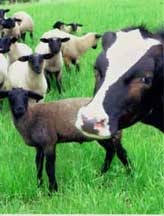 Cholesterol is a health-promoting substance. It is a critical component of cell membranes, the precursor to all steroid hormones, a precursor to vitamin D, and the limiting factor that brain cells need to make connections with one another called synapses, making it essential to learning and memory.
Some of the most nutritious foods like egg yolks and liver are also the foods richest in cholesterol. The anti-fat, anti-cholesterol campaign has demonized these foods for decades without any evidence they cause disease. To the contrary, they promote health.
Does Cholesterol Really Cause Disease?
The medical establishment blames cholesterol for everything from heart disease and stroke to Alzheimer’s. It has long blamed saturated fat for raising cholesterol levels, and now claims saturated fat interferes with blood vessel function as well.
On the other hand, many "cholesterol skeptics" claim that blood lipids have absolutely or virtually nothing to do with disease.
Which is correct?
I argue that it is not lipids such as fats and cholesterol in and of themselves that cause these diseases, but the degeneration these lipids, especially the oxidation of the polyunsaturated fatty acids found in the vegetable oils that we have been told for decades are healthier for us than animal fats.
|
Coenzyme Q10 (Ubiquinone) Statins Inhibit Coenzyme Q10 Synthesis Since coenzyme Q10 (CoQ10) and cholesterol are both synthesized from the same substance, mevalonate, statin drugs (Lipitor, Zocor, etc) also inhibit the body’s synthesis of coenzyme Q10. This is not a "side effect," of statins, but a direct, inherent function of the drugs. In fact, the use of statins can decrease the body’s synthesis of coenzyme Q10 by as much as 40%!1 Functions of Coenzyme Q10 Coenzyme Q10 is a fat-soluble antioxidant that is found in virtually all cell membranes, hence its alternative name "ubiquinone." The antioxidant activity of vitamin E requires the CoQ10 to be available, to which vitamin E will pass on the unpaired electron (free radical) that it has scavenged. CoQ10 also acts as an anti-oxidant independently, protecting against DNA damage and other forms of oxidative damage caused by the consumption of excess polyunsaturated fatty acids. Coenzyme Q10 is also an essential component of the mitochondria (the "power-house" of the cell), playing a critical role in the formation of ATP, the body’s fundamental energy unit, from carbohydrate and fatty acid metabolism. It appears that Coenzyme Q10 might be involved in maintaining the proper pH of lysosomes, which are a digestive component of cells, as well.2 Coenzyme Q10 and the Heart In his book, The Doctor’s Heart Cure, Dr. Al Sears, MD, director of the south Florida Center for Health and Wellness, devotes an entire chapter to the importance of CoQ10 to the heart. According to Dr. Sears, coenzyme Q10 prevents arteriosclerosis by reducing the accumulation of oxidized fats in blood vessels, eases high blood pressure, regulates the rhythm of the heart, and improves chest pain and exercise toleration in angina patients. He describes one woman who came to his Center on statins and two additional blood pressure medications, also suffering from memory loss. A blood test revealed her CoQ10 levels were in the lowest 95% of the population. Supplementing with 200 mg of coenzyme Q10 allowed her to stop both blood pressure medications. She felt "energized," and her memory recovered. Her cardiologist, upon hearing the good news, reacted angrily and threw her bottle of CoQ10 in the trash.3 According to the Linus Pauling Institute’s review of coenzyme Q10, controlled intervention studies have shown improvement of congestive heart failure with the administration of coenzyme Q10, although there is conflicting evidence. Animal evidence suggests a significant role for coenzyme Q10 in reducing myocardial damage due to heart attack or open-heart surgery, and collective evidence shows a promising role in reducing high blood pressure.2 Coenzyme Q10 and the Brain Brain levels of coenzyme Q10 begin declining at the age of 20, and are lowest in the victims of stroke and neurodegenerative diseases.3 Animals with with a Huntington’s gene experience fewer brain lesions with CoQ10, but motor improvement and survival benefit is not significant. Evidence is, however, promising for CoQ10 in therapy for Parkinson’s.2 Perhaps, if both cholesterol and CoQ10 are important to the function of the brain, coenzyme Q10 deficiency as well as cholesterol depletion might play a role in the side effects sometimes seen from statins associated with memory loss, such as transient global amnesia (TGA). Coenzyme Q10 in Food Coenzyme Q10 is found in the highest amounts in red meat products. It is especially high in organ meats such as liver and heart, from which it was first isolated.3 Thus, the combination of cholesterol-lowering statin drugs and a so-called "heart-healthy" regimen free of red meat could dramatically compromise coenzyme Q10 status. Coenzyme Q10 is also destroyed by heat, so meat should not be overcooked to obtain maximum CoQ10 benefit. Boiling has been found to have negligible effect on the survival of CoQ10, while frying substantially reduces CoQ10, from 14 to 32 percent.4 According to The Doctor’s Heart Cure, the organs of wild, grass-fed animals have up to ten times more CoQ10 than the organs of grain-fed animals. "Unless you regularly consume wild game or eat internal organs of grass-fed animals," Dr. Sears writes, "it is difficult to maintain good blood levels of CoQ10 from dietary sources alone."3 If you are interested in finding a source of grass-fed animal products local to you, you can do so by clicking on your state at EatWild.com. The table below shows the distribution of CoQ10 in 98 different foods. Certain oils, such as soybean, rapeseed, and sesame, have substantial amounts of CoQ10, but samples were taken from Japanese and Finnish retail stores, and it’s possible that the oils currently available in the U.S. may be processed in ways that are more injurious to the CoQ10 content. Pending further information, oils shouldn’t be considered a reliable source of coenzyme Q10. Reindeer muscle meat was found to have dramatically higher coenzyme Q10 levels than beef or pork, rivaling those found in the hearts of other animals. The studies from which the data were drawn did not give information on feed, so perhaps this is attributble to the feed of the animal, as Dr. Sears claims. The table below draws from two different studies. It will be updated soon when I am able to obtain more information. Supplementing with Coenzyme Q10 Since coenzyme Q10 synthesis declines with age, it becomes more important to obtain it from the diet. For the Standard American Diet (SAD), this essentially means from supplements. Dr. Sears has measured the CoQ10 status of hudreds of patients at the Center for Health and Wellness and reached the following conclusions:
"If you are in one of these categories, as hundreds of patients discovered, CoQ10 supplements can make a dramatic difference in your energy level and cardiovascular health." Dr. Sears recommends using gel caps or chewables, and not tablets, and taking the CoQ10 with some fat or oil to increase absorption. More information can be found in his book, The Doctor’s Heart Cure Coenzyme Q10: Hero of the Heart, Victim of the "Heart-Healthy" Establishment The story of coenzyme Q10 is an ironic one. Coenzyme Q10 is vitally important for the entire body, but has proven especially important to the heart. Yet the "heart-healthy" establishment guidelines hit CoQ10 with a double-whammy: statin drugs hit the body’s own synthesis of CoQ10, while red meat and organ meats have both been ridiculed as unhealthy "artery-clogging" foods, yet are the primary source of dietary CoQ10. Coenzyme Q10 deficiency is not only a "side effect" of statins, it’s a side effect of obeying dietary guidelines as well. Appendix: Food Composition Table — The Distribution of Coenzyme Q10 in Foods
|
Cholesterol and Health.com- Visit this website to learn more about why you need healthy, grass fed meats, eggs, and cholesterol. To sum it up, saturated fats do not become oxidized as readily as mono and polyunsaturated fats. Never, never, never heat vegetable fats. Period!
Please click here for a copy of my book, Optimum Nutrition by Millie Barnes. You will find many articles on fats, protein and why we need cholesterol.
We are Meant to be in Motion!!!
Posted: April 30, 2009 Filed under: Food and it's Impact on Our Health Leave a comment I wrote yesterday about the impact of exercise on weight, or lack thereof I should say. While exercise has little impact on weight loss (that comes from eating enough calories that contain all the nutrients you need on a day to day basis) a fit body will look more toned and be healthier. And exercise even without dieting adds benefit. For example, one study found that overweight but fit people have half the death rate of overweight and unfit people. And, studies suggest that people who have trained for a long time develop more efficient mechanisms for burning fat and are able to stay leaner.
Exercise is vitally important, it helps us stay in shape, stimulates and improves cardiovascular health, helps make us happier and gets us into the sunshine we need so badly. This should include cardiovascular and resistance training. Every type of exercise that you do for resistance should be balanced with stretching exercises. This is called cross training. Most types of resistance training or repetitive movements cause some of our muscles to shorten. You need to balance this with stretching these muscles very well. I mean serious stretching, not what we usually do for five minutes before we run! I mean a true warm up. When we try to stretch without warming the muscles up, we can pull muscles or tendons. We only are able to stretch effectively when our muscles are truly warmed up.
I think yoga is the perfect cross training for almost every other form of exercise. Plus, it is also tones muscles, helps us detox, aids digestion and stills the mind. It is a perfect way to learn to meditate. If someone told me I had to choose just one type of exercise, then yoga would be my first choice. It is also important that find something that you love to do every day that will help you gain cardiovascular health. I mean something that will make you work up a serious sweat! Notice I say find something you love to do. Very few people really love aerobics classes. They are not that effective in toning muscles. You are better off riding a bike, running, rollerblading, surfing, dancing,playing soccer or tennis, . These things are so much fun that they tend to be things you love to do, instead of things you make yourself do in order to get in shape. You’re more likely to do them more often.
 Weight training should be practiced 3 to 4 times a week in order to build bone and muscle mass. You may find it very effective to work with a personal trainer or find a workout buddy in the first few months. This will keep you motivated. The hardest part of getting on a regular schedule of exercising is getting started. In the beginning, it seems harder to fit it into our schedules. We get sore and tired. But after a few weeks you reach the point where you see results, you’re sleeping better, feeling energized. You notice that you don’t feel as good on the days you don’t exercise. You feel edgy. I love those endorphins!


