Unbelievebale! “Rawesome” Raw Milk Farm Raided…Again
Posted: August 3, 2011 Filed under: Food and it's Impact on Our Health Leave a commentPrivate buying club selling organic food and raw milk was raided again by SWAT teams for the second time today. Please share and PROTEST!!!
It has been reported this morning (August 3rd, 2011), that raw milk farm “Rawesome” in Venice, California has been raided once again by members of the SWAT team. With guns drawn, two of the owners arrested, and over $10,000 worth of raw milk dumped out, the freedoms of Americans are diminishing. There is, however, something we can do about it.
Unbelievebale! “Rawesome” Raw Milk Farm Raided…Again
“Rawesome” Raw Milk Farm Raided…Again
Posted: August 3, 2011 Filed under: Food and it's Impact on Our Health, Going Green; How and Why..., Non-Toxic Choices 1 CommentPrivate buying club selling organic food and raw milk was raided again by SWAT teams for the second time today. Please share and PROTEST!!!

It has been reported this morning (August 3rd, 2011), that raw milk farm “Rawesome” in Venice, California has been raided once again by members of the SWAT team. With guns drawn, two of the owners arrested, and over $10,000 worth of raw milk dumped out, the freedoms of Americans are diminishing. There is, however, something we can do about it.
Rawesome Raid – Based on Public Health?
The excuse given for these absurd raids (that honestly casts embarrassment over the police force) is that raw milk is a health threat that causes listeria, e. coli disease and death. This certainly can be true for raw milk — but only if you are drinking raw milk from animals that are being raised in inhumane and poor conditions.
Clean, fresh raw milk from grass fed, free ranging animals, however, does not need to be pasteurized. Milk you purchase from a traditional grocery store does require pasteurization, as the farmers who raise these cows raise them in poor, dirty and sanitation conditions. Pasteurization is the answer for man’s dirty mistakes! Nature does not need to be cleaned, and man does not know more than nature.
Raw Milk Proven Safer than Other Commonly Sold Foods
Recent data from researcher Dr. Ted Beals, M.D., shows that between 1999 through 2010 illnesses resulting in raw milk consumption totaled to around 462, which is about 42 illnesses per year. Out of the 47.8 million food borne illnesses each year from foods such as raw meat (which is readily available at every grocery store), peanut butter and spinach, it is very curious as to why raw milk is targeted so violently.
Up to 2011, it is estimated that close to 10 million individuals drink raw milk as its popularity rises. More and more individuals are starting to realize and wake up to the fact that are rights as citizens, when it comes to what we consume or inject in our bodies, are slowly being taken away.
We are supposed to be free. We are supposed to be able to make informed decisions on our health. With the majority of the population overweight, diabetic and prediabetic, shouldn’t we focus more attention on the foods that are actually threatening the health of the American population? Shouldn’t we be performing raids on sugary cereals that surpress immune function and accelerate cancer growth, learning disorders and blood sugar instability?
Read Natural News’ article on the illegal actions of the SWAT members and the raid.
If you are living near Venice, CA, you can join in RIGHT NOW on the protest. See details over at Weston A. Price’s Facebook page OR Cheeselave.
Thought you could recycle that pizza box? Think again!
Posted: August 3, 2011 Filed under: Food and it's Impact on Our Health Leave a commentFiguring out which plastics you can recycle can be confusing. Most of us feel like we’re being earth-conscious when we toss something in the recycling bin, right? Well, it turns out you just might be doing more harm than good. How so? Fact is that if you include some unrecyclable items in your bin, you run the risk of the entire batch being re-routed to the nearest trash dump.
Via Yahoo Green, here’s a list of some common items that don’t belong in the recycling bin, no matter what your zip code:
- Pizza boxes. The oil from pizza can contaminate cardboard boxes, making it impossible to process them into clean paper.
- Napkins and paper towels. It’s not the paper goods themselves that present a problem, but the fact that they’re typically used to wipe up food, cleaning products, and other “hazardous waste.”
- Sticky notes. Their size, color, and the adhesive strip make them a better bet for the trash bin.
- Plastic caps. Curbside programs won’t recycle them, but Aveda collects them and turns them into packaging for new products.
- Wet paper. Paper fibers that have been exposed to water are shorter and therefore less valuable to paper mills, making it unprofitable to collect and recycle.
Another thing you may want to keep in mind is that while it’s generally well known that most curbside programs only take plastics labeled #1 and #2 on the bottom, many people are shocked to hear that shape sometimes plays a role. For example, many communities don’t accept tubs (mouth wider than base), but will take bottles (base wider than mouth) even if the numbers are the same because these plastics are manufactured differently, says Darby Hoover of the Natural Resources Defense Council.
Thought you could recycle that pizza box? Think again!
Posted: August 3, 2011 Filed under: Food and it's Impact on Our Health Leave a comment
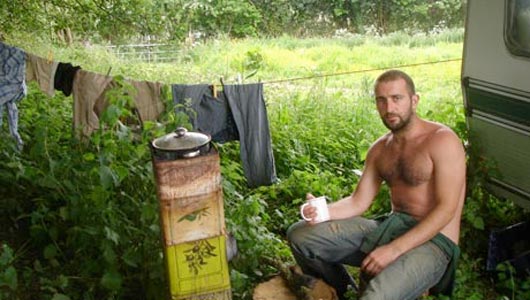
No Money Man: The thrifty adventures of Mark Boyle
Mark Boyle lives the good life and does it without spending a nickel (or in his case, a shilling). He lives in a small camper and makes or scavenges everything he uses. Before making the big move to living without money, he made a list of all the things he uses and consumes and then figured out how to get by without buying.
He was pragmatic about his adventure — you can’t make solar panels from scratch — so he bought a set that provide him with enough power to light and run his laptop (another nod to pragmatism). He takes solar showers, does his business in a homemade outhouse, and brushes his teeth with dried crushed-up fish bone and fennel seeds. To eat he practices the art of Dumpster diving and cooks on a rocket stove.
Posted: August 3, 2011 Filed under: Food and it's Impact on Our Health Leave a comment

Norway, by Matthew Turley
It’s time to get off your Fucking knees and on your feet.
Posted: August 3, 2011 Filed under: Food and it's Impact on Our Health Leave a commentPosted: August 3, 2011 Filed under: Food and it's Impact on Our Health Leave a comment
Grow your own organic vegetables with permaculture, part 1 of 4.
Posted: August 3, 2011 Filed under: Food and it's Impact on Our Health Leave a comment
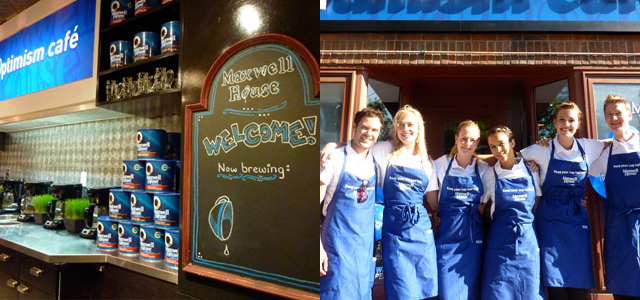
Coffee brand serves up free drinks and experiences in “feel good” café
From a marketing perspective, café’s have always been a good choice of venue in which to create unique and enticing atmospheres, and regular readers may remember the game themed Snakes & Lattes café in Toronto. Now we’ve come across another Canadian café chain Maxwell House, serving free coffee and positive stories to the people of Toronto at their Optimism Café. READ MORE…
Posted: August 3, 2011 Filed under: Food and it's Impact on Our Health Leave a comment
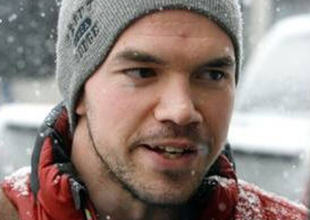
Environmental Activist Tim DeChristopher
Tim DeChristopher was sentenced on Aug 1, 2011 to 2 years in federal prison and was handed a $10,000 fine for bidding on oil and gas drilling leases in an attempt to protect public lands.
A Great Way To Stay Cool…
Posted: August 3, 2011 Filed under: Food and it's Impact on Our Health Leave a commentThey cooling comfort pads will help you use less air conditioning and stay cool. SoothSoft’s mission is to develop and market various cooling, cushioning and comfort products based on its proprietary patented SoothSoft® Comfort Technology. The products will range from consumer goods for people and pets, to breakthrough applications covering a wide spectrum of use within the medical arena.
Conserving energy, reducing air pollution, healing, and comforting to an advanced degree are all merits of SoothSoft® Technology.


 Meal Delivery Service by Millie Barnes