How Ultra-Processed Foods Can Raise Risk of Cognitive Decline
Posted: December 8, 2022 Filed under: Food and it's Impact on Our Health | Tags: #delivery, #glutenfree, #healthyeating, #Lactosefree, #mealdelivery, #MillieBarnes, #Ortega, #pescatarian, #Riverside, #SanMarco, #vegetarian, #weightloss Leave a comment
- A new study concludes that regular consumption of ultra-processed foods raises a person’s risk of cognitive decline.
- In an earlier study, Australian researchers also reported that ultra-processed foods can negatively impact cognitive functions.
- These foods include packaged snacks and pre-prepared dishes such as pizza and pies.
- These studies line up with previous research that indicates that an unhealthy diet can impair cognitive abilities and raise the risk of dementia-related diseases such as Alzheimer’s.
New research indicates that regularly consuming ultra-processed foods such as hot dogs and frozen pizza can raise your risk of cognitive decline.
In a study Trusted Source published today in the journal JAMA Neurology, researchers looked at more than 10,000 individuals over a median period of 8 years.
They concluded that people whose daily calorie intake is at least 20% from ultra-processed foods had a 25% faster decline in executive functions and a 28% faster rate of overall cognitive impairment.
The researchers noted that if a person’s overall diet quality was high, the effect of ultra-processed foods was less.
“While this is a study of association, not designed to prove cause and effect, there are a number of elements to fortify the proposition that some acceleration in cognitive decay may be attributed to ultra-processed foods,” Dr. David Katz, a specialist in preventive and lifestyle medicine and nutrition, told CNN.
“The sample size is substantial and the follow-up extensive. While short of proof, this is robust enough that we should conclude ultra-processed foods are probably bad for our brains,” he added.
Other studies find similar effects from ultra-processed foods
The new findings are in line with another study published in July in the European Journal of Nutrition that also suggested that consuming ultra-processed foods may have a negative impact on cognitive performance in older adults.
The researchers from Australia conducting the study told Healthline they defined ultra-processed foods as those that undergo “several industrial processes that can’t be reproduced at home.”
They noted that these items contain little to no whole foods and typically include flavorings, colorings, emulsifiers, and other cosmetic additives.
Examples include packaged snacks, chocolates, breakfast cereals, and pre-prepared dishes such as pies, pasta, and pizza.
That’s opposed to processed foods that the researchers defined as foods that commonly have added sugar, oil, or salt. The processing is used to increase the durability or enhance the “sensory qualities” of the food. Examples include canned veggies, fruits, legumes, and salted, cured, or smoked meats.
Another study published in the journal Neurology also reported that people who consume high amounts of ultra-processed foods such as sodas, chips, and cookies may have a higher risk of developing dementia.
Using a cross-sectional study, the team of Australian researchers evaluated more than 2,700 participants who were 60 years or older.
The participants were part of the National Health and Nutrition Examination SurveyTrusted Source from 2011 to 2014. Each participant recalled what they ate in a 24-hour period on two nonconsecutive days.
The team used standardized, validated tests, including one that assesses Alzheimer’s disease. They concluded that consuming ultra-processed foods was associated with worse performances in one of the tests among older people who did not have pre-existing diseases.
Researchers told Healthline the findings suggest that decreasing ultra-processed foods may be a way to improve impaired cognition among older adults.
“Research indicates that diets that follow a Mediterranean Diet style, recognized by the high proportion of foods with anti-inflammatory and antioxidant properties, are associated with a reduced risk of age-associated cognitive decline and dementia,” said Barbara Cardoso, Ph.D., lead author of the study and a senior lecturer in nutrition, dietetics, and food at Monash University in Melbourne, Australia.
“Foods consumed as part of these diets include fish, nuts, olive oil, and vegetables,” she said.
Experts say these findings are consistent with what they’ve learned from other studies about diet and dementia.
“There is growing evidence that what we eat can impact our brains as we age and many studies suggest it is best to eat a heart-healthy, balanced diet low in processed foods and high in whole, nutritional foods like vegetables and fruits,” said Percy Griffin, Ph.D., director of scientific engagement for the Alzheimer’s Association.
“So, it’s not surprising that this paper found that a diet high in ultra-processed foods impaired cognition in older adults,” he told Healthline.
Another study published in the journal Neurology last year also suggested there were benefits from a Mediterranean diet on brain health.
The researchers concluded that their findings corroborated the view that a Mediterranean diet could be a ”protective factor against memory decline and mediotemporal atrophy,” or shrinkage of the lobe of the brain associated with Alzheimer’s.
The Centers for Disease Control and Prevention estimatesTrusted Source that nearly 6 million people in the United States have Alzheimer’s and related dementias.
By 2060, the number of people diagnosed with Alzheimer’s is predicted to rise to an estimated 14 million.
Communities of color could be affected the most. Cases among Hispanics could increase seven times over the current estimates. Among African Americans, cases could increase four times the current estimates.
In San Francisco, a new community-based program is designed to focus on known modifiable risk factors to help prevent dementia.
Posit Science along with the YMCA is launching a model “Brain Health Program” funded by the National Institutes of Health.
The program, which is expected to be in operation in 6 months, will offer classes to at-risk adults. Part of the training will focus on the diet and nutrition principles the YMCA has been using in its Diabetes Prevention Program.
“Eating a brain-healthy diet is a big part of the Brain Health Program,” said Henry Mahncke, Ph.D., the chief executive officer of Posit Science.
“The future of brain health and dementia prevention is changing what we do in our everyday life so we build healthy, resilient brains that keep going as long as our bodies keep going,” he told Healthline. “Just about everything we eat gets sent by the bloodstream up to our brains, and so it’s not surprising to brain health experts that what we eat matters for our brain health, our cognitive performance, and our risk of dementia.”
The Australian researchers say their study is the first to investigate the association between ultra-processed foods and cognitive decline.
“As such, it sheds light for future studies that aim at providing stronger evidence unraveling potential mechanisms involved,” said Cardoso.
She explained the study had some limitations. It looked at a specific point in time whereas it may take years for impaired cognition to develop. They relied on participants to recall their dietary intake, which might not always be an accurate representation of their usual dietary intake.
“The next step for this research is to study if reducing the amount of ultra-processed foods in one’s diet could improve cognition,” said Griffin.
He noted that there will be more research on the impact of an unhealthy diet on dementia risk introduced at the upcoming Alzheimer’s Association International Conference that begins July 31.
Your Microbiome Ages As You Do—and That’s a Problem
Posted: December 3, 2022 Filed under: Food and it's Impact on Our Health | Tags: #delivery, #glutenfree, #healthyeating, #Lactosefree, #mealdelivery, #MillieBarnes, #Ortega, #pescatarian, #Riverside, #SanMarco, #vegetarian, #weightloss Leave a commentThe following article outlines what happens to our microbiome and gut flora change as we age.
How to make changes to help;
- Never eat cooked food without including some raw food, no exceptions! ONLY raw food has enzymes which help us digest food. Cooking destroys those enzymes.
- There is a reason that every culture has traditionally included fresh fruits or salads either before or after meals.
- Avoid sugar! Empty calories are a huge part of our health problems and keep us from meeting our nutrient needs.
- Avoid ALL processed foods; you should be able to look at the food and tell how it grew.
- Make 1/3 of your intake each day raw food.

We’re all crawling with bugs. Our bodies are home to plenty of distinct ecosystems that are home to microbes, fungi, and other organisms. They are crucial to our well-being. Shifts in the microbiome have been linked to a whole host of diseases. Look after your bugs and they’ll look after you, the theory goes.
These ecosystems appear to change as we age—and these changes can potentially put us at increased risk of age-related diseases. So how can we best look after them as we get old? And could an A-grade ecosystem help fend off diseases and help us lead longer, healthier lives?
It’s a question I’ve been pondering this week, partly because I know a few people who have been put on antibiotics for winter infections. These drugs—lifesaving though they can be—can cause mass destruction of gut microbes, wiping out the good along with the bad. How might people who take them best restore a healthy ecosystem afterwards?
I also came across a recent study in which scientists looked at thousands of samples of people’s gut microbe populations to see how they change with age. The standard approach to working out what microbes are living in a person’s gut is to look at feces. The idea is that when we have a bowel movement, we shed plenty of gut bacteria. Scientists can find out which species and strains of bacteria are present to get an estimate of what’s in your intestines.
In this study, a team based at University College Cork in Ireland analyzed data that had already been collected from 21,000 samples of human feces. These had come from people all over the world, including Europe, North and South America, Asia, and Africa. Nineteen nationalities were represented. The samples were all from adults between 18 and 100.
The authors of this study wanted to get a better handle on what makes for a “good” microbiome, especially as we get older. It has been difficult for microbiologists to work this out. We do know that some bacteria can produce compounds that are good for our guts. Some seem to aid digestion, for example, while others lower inflammation.
But when it comes to the ecosystem as a whole, things get more complicated. At the moment, the accepted wisdom is that variety seems to be a good thing—the more microbial diversity, the better. Some scientists believe that unique microbiomes also have benefits, and that a collection of microbes that differs from the norm can keep you healthy.
The team looked at how the microbiomes of younger people compared with those of older people, and how they appeared to change with age. The scientists also looked at how the microbial ecosystems varied with signs of unhealthy aging, such as cognitive decline, frailty, and inflammation.
They found that the microbiome does seem to change with age, and that, on the whole, the ecosystems in our guts do tend to become more unique—it looks as though we lose aspects of a general “core” microbiome and stray toward a more individual one.
But this isn’t necessarily a good thing. In fact, this uniqueness seems to be linked to unhealthy aging and the development of those age-related symptoms listed above, which we’d all rather stave off for as long as possible. And measuring diversity alone doesn’t tell us much about whether the bugs in our guts are helpful or not in this regard.
The findings back up what these researchers and others have seen before, challenging the notion that uniqueness is a good thing. Another team has come up with a good analogy, which is known as the Anna Karenina principle of the microbiome: “All happy microbiomes look alike; each unhappy microbiome is unhappy in its own way.”
Of course, the big question is: What can we do to maintain a happy microbiome? And will it actually help us stave off age-related diseases?
There’s plenty of evidence to suggest that, on the whole, a diet with plenty of fruit, vegetables, and fiber is good for the gut. A couple of years ago, researchers found that after 12 months on a Mediterranean diet—one rich in olive oil, nuts, legumes, and fish, as well as fruit and veg—older people saw changes in their microbiomes that might benefit their health. These changes have been linked to a lowered risk of developing frailty and cognitive decline.
But at the individual level, we can’t really be sure of the impact that changes to our diets will have. Probiotics are a good example; you can chug down millions of microbes, but that doesn’t mean that they’ll survive the journey to your gut. Even if they do get there, we don’t know if they’ll be able to form niches in the existing ecosystem, or if they might cause some kind of unwelcome disruption. Some microbial ecosystems might respond really well to fermented foods like sauerkraut and kimchi, while others might not.
I personally love kimchi and sauerkraut. If they do turn out to support my microbiome in a way that protects me against age-related diseases, then that’s just the icing on the less-microbiome-friendly cake.
To read more, check out these stories from the Tech Review archive:
At-home microbiome tests can tell you which bugs are in your poo, but not much more than that, as Emily Mullin found.
Industrial-scale fermentation is one of the technologies transforming the way we produce and prepare our food, according to these experts.
Can restricting your calorie intake help you live longer? It seems to work for monkeys, as Katherine Bourzac wrote in 2009.
Adam Piore bravely tried caloric restriction himself to find out if it might help people, too. Teaser: even if you live longer on the diet, you will be miserable doing so.
How Black Tea, Apples, and Cruciferous Veggies Benefit Heart Health Later In Life
Posted: December 1, 2022 Filed under: Food and it's Impact on Our Health | Tags: #delivery, #glutenfree, #healthyeating, #Lactosefree, #mealdelivery, #MillieBarnes, #Ortega, #pescatarian, #Riverside, #SanMarco, #vegetarian, #weightloss Leave a comment
- Abdominal aortic calcification (AAC) causes calcium deposits in the abdominal aorta, a large artery that supplies blood from the heart to the abdominal organs and lower body.
- People with AAC have an increased risk of cardiovascular events such as heart attack and stroke.
- A new study shows that a diet high in flavonoid foods like black tea, apples, and cruciferous vegetables may prevent AAC and protect heart health, particularly among women.
- The findings indicate that older women who consumed more flavonoid foods were 36% less likely to have AAC compared to those who consumed fewer flavonoids.
- More research is needed to determine whether flavonoid-rich foods could prevent calcification in other arteries.
Could a cup of tea or an apple a day really keep the doctor away? Maybe not — but new research suggests that a diet high in flavonoids such as tea, fruits, and cruciferous vegetables may lower your risk of heart disease.
A recent study from researchers at Edith Cowan University (ECU) in Australia found that older women who consumed high levels of flavonoids from plant-based food sources were less likely to have extensive abdominal aortic calcification (AAC).
AAC happens when calcium deposits build up in your abdominal aorta, a large artery that supplies blood from your heart to your abdominal organs and lower body.
People with AAC have an increased risk of cardiovascular disease, such as heart attack and stroke. They’re also more likely to develop late-life dementia.
“This is just one of many, many studies that have shown a reduction in cardiovascular risk with eating more of a plant-based diet that’s rich in flavonoids,” Janice Friswold, RD, LD, a registered dietitian and diabetes educator at University Hospitals in Cleveland, OH, who was not involved in the new study, told Healthline.
“Some studies on flavonoids have also shown other benefits, such as reduction of cancer risk or cognitive decline, so there’s nothing but good stuff to say about these things.”
The ECU study was recently published in the journal Arteriosclerosis, Thrombosis, and Vascular BiologyTrusted Source, which is a journal of the American Heart Association.
Flavonoids are a type of plant compound found in fruits, vegetables, spices, tea, and other plant-based foods. They’re antioxidants that help protect cells from damage caused by oxidative stress.
Scientists have identified more than 6,000 types of flavonoids, which are classified into 12 main groups.
Six of these groups are found in common foods:
Flavonoid group
Common food sources
Anthocyanidins
berries, grapes, and red cabbage
Flavin-3-ols
tea, wine, dark chocolate, apricots, apples, berries, and grapes
Flavanols
tea, berries, apples, onions, and cruciferous and leafy green vegetables, such as broccoli, kale, spinach, watercress, and parsley
Flavones
celery, chili peppers, and herbs such as parsley, mint, oregano, and thyme
Flavanones
citrus fruits, such as lemon, orange, and grapefruit.
Isoflavones
beans, lentils, peas, and soy-based foods, such as tofu and soymilk
“Eating a diet high in flavonoid-rich foods is really important,” Friswold said.
“I generally don’t recommend that people take [flavonoid] supplements because we know there’s over 6,000 different phytochemicals in the flavonoid group, and we’ve isolated a few of them, but who knows which is the magic combination.”
Instead, health and nutrition experts like Friswold encourage people to “eat the rainbow” by consuming a variety of fruits, vegetables, and other plant-based foods of different colors.
High flavonoid intake and reduced AAC risk
Edith Cowan researchers evaluated the eating habits of 881 older white women enrolled in the Perth Longitudinal Study of Ageing Women (PLSAW) to learn how flavonoid consumption could affect cardiovascular health.
These women were generally healthy and had no prior history of cardiovascular disease.
The researchers asked participants to complete food-frequency questionnaires to report how often they consumed certain foods and beverages during the past year.
The researchers also collected information about participants’ body mass index (BMI), smoking history, physical activity, and whether they had received a diagnosis or were taking medication for certain health conditions, such as diabetes, chronic kidney disease, high blood pressure (hypertension), or high cholesterol.
After controlling for these factors, the researchers found that older women with higher total flavonoid intake were 36% less likely to have extensive AAC than those with lower flavonoid intake.
Black tea was the main source of flavonoids in participants’ diets. Women who drank 2–6 cups of black tea per day were 16–42% less likely to have extensive AAC than those who drank none.
Among participants who didn’t drink black tea, flavonoid intake from other dietary sources was still linked to a lower risk of AAC.
What about calcification in other arteries?
Although the findings suggest that a flavonoid-rich diet has health benefits, the study does have limitations.
For instance, the researchers evaluated a relatively healthy and racially homogeneous group of women and only asked about them their eating habits over the past year rather than their lifetime.
It can be challenging for many people to accurately recall their eating habits, especially over longer periods.
“What we don’t know is whether participants have been following the same diet for years or if they used to be on a different diet and have recently become healthier,” Dr. Johanna Contreras, a cardiologist at Mount Sinai Hospital in New York, NY, told Healthline.
“My question is — if I change my diet to eat healthy starting tomorrow, will I get this benefit? Or is this a benefit that participants had because they’ve been eating like that for a long time?”
The study also focused solely on AAC rather than evaluating calcification in other arteries.
“Just because a person has aortic calcification doesn’t mean they have calcification in their main coronary arteries,” Friswold said.
“So nowadays, we’re doing a CT calcium score, which looks at the three main arteries to see if there’s calcification there.”
Flavonoids have other health benefits, too
Plant-based flavonoid foods are rich in healthful nutrients like antioxidants and fiber and may also help fight inflammation.
The new study from ECU is only one of many studies highlighting the potential benefits of eating a diet containing plenty of flavonoid-rich, plant-based foods.
For example, the authors of a 2013 study Trusted Source followed 93,600 healthy women from the Nurses Health Study II over 18 years and found that those with a high intake of anthocyanins had a lower risk of heart attack.
The authors specifically highlighted the apparent benefits of blueberries and strawberries, which are rich in anthocyanin.
And recently, in another new study published in Neurology, researchers linked antioxidant flavanol intake to slower memory decline.
Participants with the highest flavanol intake consumed an average of 15 milligrams daily, roughly equivalent to one cup of dark leafy greens.
Eating well for heart health and more
The American Heart Association (AHA)Trusted Source encourages people to eat a wide variety of plant-based foods, including:
- 2.5 servings of vegetables per day
- 2 servings of fruit per day
- 6 servings of grains per day, with whole grains preferred over refined grains
Friswold said it can be helpful to place less emphasis on which type of protein you’re going to consume at each meal and focus instead on what you’re going to have for fruits and vegetables.
The AHA also encourages people to practice other healthy eating habits by choosing lean protein sources and limiting consumption of saturated fat, trans fats, and added sugars.
Getting enough sleep, avoiding smoking, and exercising regularly are also important for lowering the risk of cardiovascular disease and many other chronic conditions.
“I always tell patients that if you know you have risk factors for coronary artery disease or you have calcified plaques in the arteries, improve your diet and keep moving,” Contreras said.
“Good diet and exercise are very important.”
Diet Rich in Vegetables, Whole Grains and Beans Cuts Bowel Cancer Risk
Posted: November 30, 2022 Filed under: Food and it's Impact on Our Health | Tags: #delivery, #glutenfree, #healthyeating, #Lactosefree, #mealdelivery, #MillieBarnes, #Ortega, #pescatarian, #Riverside, #SanMarco, #vegetarian, #weightloss Leave a comment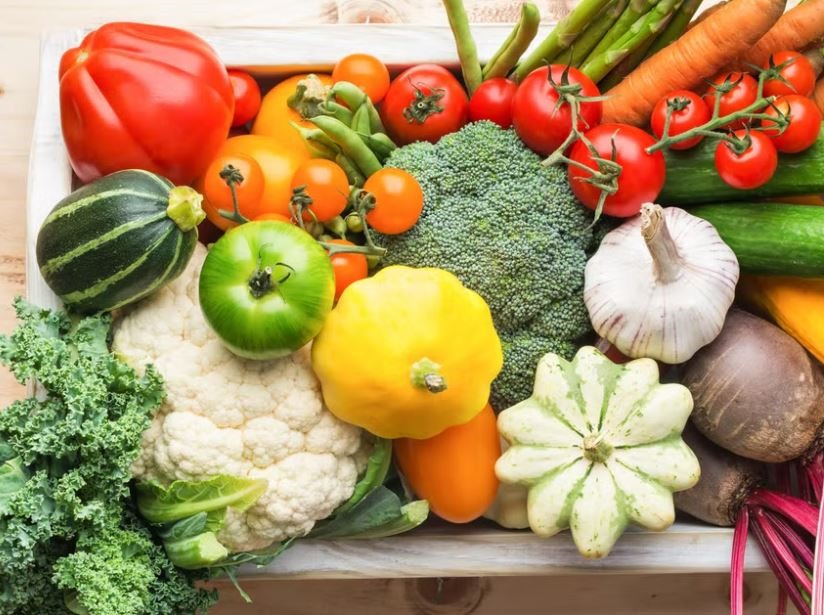
A diet rich in vegetables, whole grains, beans and lentils can cut the risk of bowel cancer in men by more than a fifth, research suggests.
A new study on 79,952 men in the US found that those who ate largest amounts of healthy plant-based foods had a 22% lower risk of bowel cancer compared to those who ate the least.
However, the researchers found no such link for women, of whom 93,475 were included in the study.
The team suggested that the link is clearer for men, who have an overall higher risk of bowel cancer.
They were also asked about portion size.
People could tick that they consumed each food item “never or hardly ever” right up to “two or more times a day”.
For drinks, the responses ranged from “never or hardly ever” to “four or more times a day”.
The food groups were classed as healthy plant foods (whole grains, fruits, vegetables, vegetable oils, nuts, legumes such as lentils and chickpeas, tea and coffee), less healthy plant foods (refined grains, fruit juices, potatoes, added sugars), and animal foods (animal fat, dairy, eggs, fish or seafood, meat).
The researchers then divided the daily consumption per 1,000 kcal into quintiles, from the biggest consumption to the least.
On average, men were aged 60 at the start of the study while women were aged 59.
We speculate that the antioxidants found in foods such as fruits, vegetables, and whole grains could contribute to lowering colorectal cancer risk by suppressing chronic inflammation, which can lead to cancer
Researcher Jihye Kim, from Kyung Hee University, South Korea, said: “Colorectal (bowel) cancer is the third most common cancer worldwide and the risk of developing colorectal cancer over a lifetime is one in 23 for men and one in 25 for women.
“We speculate that the antioxidants found in foods such as fruits, vegetables, and whole grains could contribute to lowering colorectal cancer risk by suppressing chronic inflammation, which can lead to cancer.
“As men tend to have a higher risk of colorectal cancer than women, we propose that this could help explain why eating greater amounts of healthy plant-based foods was associated with reduced colorectal cancer risk in men but not women.”
The authors found the link among men also varied by race and ethnicity.
For example, among Japanese American men, the reduced risk of cancer was 20% but it was 24% for white men.
The team said more research was needed on the differences between ethnicities.
During the study, 4,976 people (2.9%) developed bowel cancer and factors likely to influence the results, such as whether people were overweight, were taken into account.
Dr Helen Croker, head of research interpretation at World Cancer Research Fund, said: “We welcome this research which adds to our own evidence that eating vegetables, wholegrains and beans reduces the risk of developing bowel cancer.
“We also recommend that people limit the amount of red meat they eat and avoid processed meat altogether.
“Interestingly in this paper, plant-based diets were only associated with a lower risk of bowel cancer in men. It’s speculated that one reason for this may be because men in general had a lower intake of plant foods and a higher intake of animal foods than women – so there was perhaps a ceiling effect to the benefits that women may experience.”
Beth Vincent, health information manager at Cancer Research UK, said: “This American study adds to lots of existing evidence on the benefits of eating a balanced diet high in fruit, vegetables and fibre for both men and women.
“The research tried to compare ‘healthy plant foods’ and ‘unhealthy plant foods’ and found a link with bowel cancer in men. But because of the design of the study, the authors themselves acknowledge we can’t read too much into their results.
“The study relied on people remembering what they had eaten up to a year ago. It also made the assumptions that participants’ diets stayed the same over many years, and that all meat and animal products were unhealthy – which isn’t the case.
Low-Dose THC Has Positive Effect on Morbidity, Quality of Life and Mortality in Geriatric and Palliative Patients
Posted: October 22, 2022 Filed under: Food and it's Impact on Our Health, Non-Toxic Choices | Tags: #meals #vegetarian #glutenfree #delivery #Jacksonville #nutrioncoaching #lactosefree #weightloss #immunesystem Leave a comment
The study was published by the peer-reviewed journal peer-reviewed journal MMW – Fortschritte der Medizin, as well as on the website for the U.S. National Library of Medicine.
“Cannabis-containing medicines have been successfully used in our practice for more than 20 years in pain and especially in geriatric and palliative patients”, notes the abstract of the study. “While it was initially a very indication-specific use (pain, loss of appetite, etc.) and also with higher THC doses, this changed over time to low THC doses and a therapy focus on suffering-perpetuating symptoms and especially on stress (Matrix of Symptoms).”
As part of the legally prescribed companion survey, researchers “evaluated our data in parallel and discussed it publicly in a series of publications. Based on these published results, the article is intended to show an overview of our experiences.”
Researchers found that “Low-dose THC has a positive effect on morbidity, side effects, quality of life and mortality in geriatric and palliative patients.”
They conclude by stating that “Early therapy is particularly appropriate in geriatric and palliative patients due to the clear benefit-risk ratio of low-dose THC.”
Below is the study’s full abstract.
Abstract
Background: Cannabis-containing medicines have been successfully used in our practice for more than 20 years in pain and especially in geriatric and palliative patients. While it was initially a very indication-specific use (pain, loss of appetite, etc.) and also with higher THC doses, this changed over time to low THC doses and a therapy focus on suffering-perpetuating symptoms and especially on stress (Matrix of Symptoms).
Method: As part of the legally prescribed companion survey, we evaluated our data in parallel and discussed it publicly in a series of publications. Based on these published results, the article is intended to show an overview of our experiences.
Results: Low-dose THC has a positive effect on morbidity, side effects, quality of life and mortality in geriatric and palliative patients.
Conclusion: Early therapy is particularly appropriate in geriatric and palliative patients due to the clear benefit-risk ratio of low-dose THC.
Ultra-processed foods are harmful for our health — here’s why
Posted: September 18, 2022 Filed under: Food and it's Impact on Our Health | Tags: #jacksonville, #mealsdelivered, gluten-free Leave a comment
In countries such as the UK, US, and Canada, ultra-processed foods now account for 50 percent or more of calories consumed. This is concerning, given that these foods have been linked to a number of different health conditions, including a greater risk of obesity and various chronic diseases such as cardiovascular disease and dementia.
Ultra-processed foods are concoctions of various industrial ingredients (such as emulsifiers, thickeners, and artificial flavors) amalgamated into food products by a series of manufacturing processes.
The intense industrial processes used to produce ultra-processed foods destroy the natural structure of the food ingredients and strip away many beneficial nutrients such as fiber, vitamins, minerals, and phytochemicals.
Many of us are well aware that ultra-processed foods are harmful to our health. But it’s been unclear if this is simply because these foods are of poor nutritional value. Now, two new studies have shown that poor nutrition may not be enough to explain their health risks. This suggests that other factors may be needed to fully explain their health risks.
The role of inflammation
The first study, which looked at over 20,000 healthy Italian adults, found that participants who consumed the highest number of ultra-processed foods had an increased risk of dying prematurely from any cause. The second study, which looked at over 50,000 US male health professionals, found high consumption of ultra-processed foods was associated with a greater risk of colon cancer.
What’s most interesting about these studies is that the health risks from eating a diet high in ultra-processed foods remained even after they had accounted for the poor nutritional quality of their diets. This suggests that other factors contribute to the harm caused by ultra-processed foods.
It also implies that getting the right nutrients elsewhere in the diet may not be enough to cancel out the risk of disease from consuming ultra-processed foods. Similarly, attempts by the food industry to improve the nutritional value of ultra-processed foods by adding a few more vitamins may be side-stepping a more fundamental problem with these foods.
What You Should Do To Vegetables Before Roasting Them Read More:
Posted: September 17, 2022 Filed under: Food and it's Impact on Our Health, In The Kitchen with Millie- How To's | Tags: #jacksonville, #mealdelivery, #organic Leave a comment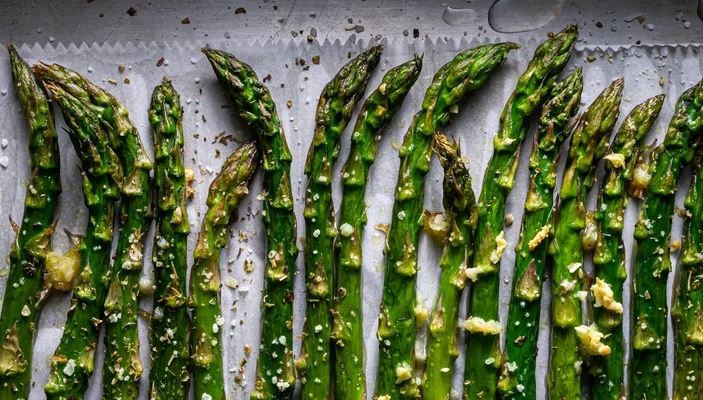
Pre-cooking your vegetables before roasting them is the best way to make them caramelized, yet tender. You can either parboil your produce in water or stick to the single sheet pan prep and steam roast your veggies first, as recommended by Spoon University. By steaming the veggies before roasting them, your produce will retain its moisture instead of drying out.
In order to do this, preheat your oven to 375 degrees Fahrenheit. Then, chop your veggies into uniform-sized pieces and line a sheet pan with foil. Spread your veggies in a single layer on the pan and season with salt, pepper, and olive oil, and consider adding a few splashes of vinegar to give your roasted vegetables an extra kick. Cover the vegetables with a layer of foil and steam for half of the cooking time with the foil on. Remove the foil and uncover for the second half of the cooking time to allow the vegetables to roast and caramelize.
While this method will work for roasting nearly any vegetable, keep in mind, that cook time will vary depending on the type of produce you’re roasting. Root vegetables like beets, potatoes, and carrots may take up to 45 minutes, while thin veggies like asparagus and green beans only take 10 to 20 minutes, per The Kitchn.
Best (and Crispy!) Eggplant Parmesan!
Posted: August 3, 2022 Filed under: Food and it's Impact on Our Health | Tags: #delivery, #glutenfree, #healthyeating, #Lactosefree, #mealdelivery, #MillieBarnes, #Ortega, #pescatarian, #Riverside, #SanMarco, #vegetarian, #weightloss Leave a comment
I first had Eggplant Parmesan when I was 24 years old, I absolutely loved the flavor but felt like I could really improve on the texture. It seemed like it was just a gloopy mess, like a casserole. So I started playing with the recipe. It took a while to figure it out and here is the results!
I make my own Marinara Sauce as well as making the Vegan Parmesan Cheese. I use Violife Mozzerella Cheese. Although Follow Your Heart Brand makes Vegan Parmesan, it has almost no flavor. And Go Veggie Makes on that tastes good, it is a soy based product. I use very few soy products as they are not healthy. I will use Tempeh and Edamame occasionally as they are fermented and way easier to digest. I have a severe reaction to tofu and other processed soy products but do not react to edamame and tempeh.
Crispy Eggplant Parmesan Stacks
serves 4
2 small eggplants (about 12 ounces each)
1 cup rice flour
3 large eggs , beaten
½ cup fine gluten-free breadcrumbs
1 teaspoon dried oregano
½ teaspoon freshly ground black pepper
½ cup vegan Parmesan cheese
½ pound vegan mozzarella , packaged or fresh, shredded
3 cups marinara, slightly thickened with tomato paste
Chopped fresh parsley to serve or pesto
Preheat the oven to 350°F. Lightly oil a rimmed baking sheet.
Leaving the peel on the eggplant, slice them into one-inch slices. Place the flour on a plate, and place the eggs in a shallow bowl. Mix the breadcrumbs with the oregano, 1 teaspoon kosher salt, and the pepper on a separate plate.
Coat both sides of each slice of eggplant in the plate with the flour. Dip each slice into the beaten eggs, then allow any excess egg to drip back into the bowl. Place the eggplant slices on the plate with the breadcrumbs, turn it to coat both sides. Place the coated eggplant on a sheet pan.
Bake eggplant in oven for about 12-15 minutes each side, just until golden brown, flipping half way through.
Place each browned slice of eggplant on the sheet pan, top with marinara, then mozzarella and parmesan. Place other slice on top of that, choosing one that is close in size or slightly smaller. Then put marinara on top, then mozzarella on top. Do not cover the entire top as you want some of the crispiness to stay crispy! Top with parmesan about 7 minutes before removing from oven. Remove from the oven
The #1 Best Eating Habit for Heart Health, New Study Suggests
Posted: August 2, 2022 Filed under: Food and it's Impact on Our Health | Tags: #delivery, #glutenfree, #healthyeating, #Lactosefree, #mealdelivery, #MillieBarnes, #Ortega, #pescatarian, #Riverside, #SanMarco, #vegetarian, #weightloss Leave a comment
Remember that fruits and vegetables are potassium-rich, but so are seafood, and legumes. Include bananas, oranges, antelope, apricots, grapefruit, prunes, dates and raisins. .
While there are plenty of vitamins and nutrients you’ll want to ensure are found in your regular diet—we’re looking at you, vitamin B, vitamin C, and vitamin D—potassium should definitely be one of them. A new study has shown that there happens to be a certain eating habit that can seriously benefit the health of your heart, and that’s consuming potassium-rich foods. Apparently, having a decent amount of potassium in your system can reduce the harmful effects of excess sodium in your diet and lower blood pressure.
In the study published in the European Heart Journal, 24,963 participants were brought on between 1993 and 1997. At the time, they ranged from 40 to 79 years old with the average being 58 years old for women and 59 for men. The study initially involved the participants providing information regarding certain lifestyle choices and also having their blood pressure noted and urine samples analyzed for both sodium and potassium levels.
When those behind the study again took a look at the participants around 19 and a half years later, they found that 55% had dealt with serious and even potentially fatal issues with cardiovascular disease. It was found that those who had the highest amounts of potassium in the diet were 13% less likely to face cardiovascular problems compared to those who had the least amount of potassium in the systems.
“Our findings indicate that a heart-healthy diet goes beyond limiting salt to boosting potassium content,” said study author Professor Liffert Vogt of Amsterdam University Medical Centers, the Netherlands, via EurekAlert!
“This study adds to the body of evidence that suggests a higher potassium intake and lower sodium consumption benefits blood pressure,” Elizabeth Ward, MS, RDN, and co-author of The Menopause Diet Plan, A Natural Guide to Hormones, Health and Happiness, tells Eat This, Not That!
When it comes to why a potassium-rich diet helps to reduce the effects of salt and lowers blood pressure, Ward explains that “potassium and sodium have opposite effects on blood pressure—potassium helps lower it and sodium tends to increase it.” Ward also notes that “the more potassium you consume, the more sodium is lost in your urine.” Beyond that, “potassium also helps to ease tension in blood vessel walls, which also helps better regulate blood pressure.”
At the same time, Ward says, “While potassium is important for blood pressure control and for other reasons, some people need to be careful. Excess potassium can be harmful in patients with kidney disease, for example.”
Ward says you shouldn’t “look to potassium supplements to take the place of food,” explaining that “it’s likely that the fluid and phytonutrients in potassium-rich foods help to contribute to better blood pressure.”
To get what you’re looking for from your diet, Ward points out that “potassium is prone to destruction with processing, so raw and lightly processed foods have the highest potassium levels.” With that in mind, remember that “fruits and vegetables are potassium-rich, but so are dairy products, seafood, and legumes.”
Impossible and Beyond: How healthy are these meatless burgers?
Posted: July 25, 2022 Filed under: Food and it's Impact on Our Health | Tags: #delivery, #glutenfree, #healthyeating, #Lactosefree, #mealdelivery, #MillieBarnes, #Ortega, #pescatarian, #Riverside, #SanMarco, #vegetarian, #weightloss Leave a comment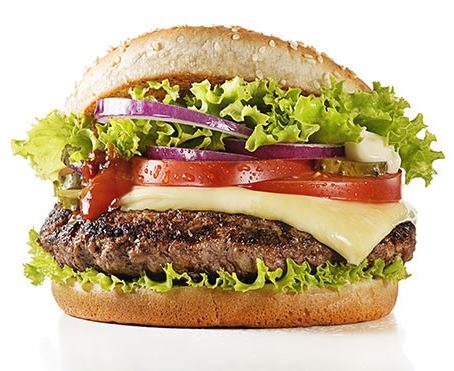
But how do they stack up? It turns out the answer may depend on whether your priorities lie with your personal health or the health of the planet.
I use these products occasionally. I avoid processed soy as it is not that healthy, and limit my intake of processed foods. That is also reflected in my Meal Delivery Service.
The good news: Meatless burgers are a good source of protein, vitamins, and minerals
The protein content of these newer plant-based burgers has been created to compete with beef and poultry gram for gram. Both the Impossible Burger and Beyond Burger have comparable amounts, the former deriving protein mainly from soy and the later from peas.
Both meatless burgers also add vitamins and minerals found in animal proteins — like vitamin B12 and zinc — in amounts equal to (and in some cases, greater than) both red meat and poultry. This is a plus for vegetarians, because these nutrients are typically harder to come by when relying solely on foods from the plant kingdom. Vitamin B12, for instance, is found primarily in animal sources, and strict vegetarians and vegans must get their intake from fortified sources. What’s more, plant compounds such as phytic acid bind to minerals, which can increase requirements of zinc by 50% and may necessitate consuming about two times as much iron. For those who eat at least some animal protein, the vitamin and mineral fortification is less of a selling point.
This doesn’t mean a plant-focused diet is lacking in nutrients. Beans, for instance, are a good source of both zinc and iron. They are also an important protein resource. Black bean burgers are never going to be mistaken for hamburgers, but they are typically a solid choice when it comes to health.
Even though legumes are sourced for protein in the branded meatless options, their health benefits are somewhat blunted by the high degree of processing involved. For instance, moderate amounts of whole soy foods, like edamame (soybeans), have been linked to reduced rates of cancer. This protection is often attributed to isoflavones, a subgroup of plant compounds called flavonoids thought to provide health benefits. Unfortunately, in the case of the Impossible Burger, one serving contains less than 8% of the isoflavones found in one serving of whole soy foods (one serving is roughly a quarter of a block of tofu or 1 cup of soymilk).
Poultry-based burger alternatives, such as turkey burgers, also do not contain significant amounts of protective plant compounds. On the other hand, they offer less saturated fat.
If a lower risk of diseases like cancer and heart disease is your ultimate goal, aim for the kind of veggie burgers that showcase their beans, grains, and seeds front and center. Choose legume-based varieties studded with seeds and whole grains, like brown rice and quinoa.


 Meal Delivery Service by Millie Barnes