The Myth about Low Sodium Diets
Posted: January 30, 2015 Filed under: Food and it's Impact on Our Health | Tags: Paleo Leave a comment
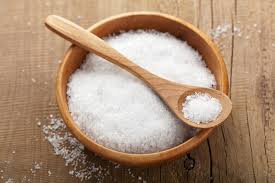
A client emailed me this morning asking if adhered to the Paleo Guidelines of using no salt or sugar. I am unsure why many people think that we should drastically lower our sodium intake in spite of the studies showing otherwise.
Salt is crucial to our health, Sodium is a naturally-occurring element found in everything from milk to beets to celery sticks. Most people’s main source of dietary sodium is table salt (sodium chloride), which is 40% sodium; fancier sea salts contain roughly the same amount of sodium, although they also contain several other trace minerals that are stripped from table salt during processing. Sodium is crucial for maintaining proper muscle and nerve function and electrolyte balance. It helps maintain the volume of blood plasma, an important balance for heart health. Salt also aids in digestion by providing chloride to the hydrochloric acid (HCL) in your stomach.
People with certain kidney problems may see some benefits from reducing salt consumption, but it’s not necessary or even healthy for most people. The historical stability of salt consumption suggests that our bodies know better than we do how much salt they need: on a Paleo diet rich in other important micronutrients like potassium, there’s nothing harmful about eating as much salt as you have a taste for.
Sugar Linked to Memory Problems in Adolescent Rats
Posted: January 23, 2015 Filed under: Food and it's Impact on Our Health Leave a comment
Studying rats as model subjects, scientists found that adolescents were at an increased risk of suffering negative health effects from sugar-sweetened beverage consumption.
Adolescent rats that freely consumed large quantities of liquid solutions containing sugar or high-fructose corn syrup (HFCS) in concentrations comparable to popular sugar-sweetened beverages experienced memory problems and brain inflammation, and became pre-diabetic, according to a new study from USC. Neither adult rats fed the sugary drinks nor adolescent rats who did not consume sugar had the same issues.
“The brain is especially vulnerable to dietary influences during critical periods of development, like adolescence,” said Scott Kanoski, corresponding author of the study and an assistant professor at the USC Dornsife College of Letters, Arts and Sciences.
Kanoski collaborated with USC’s Ted Hsu, Vaibhav Konanur, Lilly Taing, Ryan Usui, Brandon Kayser, and Michael Goran. Their study, which tested a total of 76 rats, was published online by the journal Hippocampus on Sept. 23.
About 35 to 40 percent of the rats’ caloric intake was from sugar or HFCS. For comparason, added sugars make up about 17 percent of the total caloric intake of teens in the U.S. on average, according to the CDC.
The rats were then tested in mazes that probe their spatial memory ability. Adolescent rats that had consumed the sugary beverages, particularly HFCS, performed worse on the test than any other group — which may be the result of the neuroinflammation detected in the hippocampus, Kanoski said.
The hippocampus is a part of the temporal lobe located deep within the brain that controls memory formation. People with Alzheimer’s Disease and other dementias often suffer damage to the hippocampus.
“Consuming a diet high in added sugars not only can lead to weight gain and metabolic disturbances, but can also negatively impact our neural functioning and cognitive ability.” Kanoski said. Next, Kanoski and his team plant to see how different monosaccharides (simple sugars) and HFCS affect the brain.
Story Source:
The above story is based on materials provided by University of Southern California. Note: Materials may be edited for content and length.
Journal Reference:
- Ted M. Hsu, Vaibhav R. Konanur, Lilly Taing, Ryan Usui, Brandon D. Kayser, Michael I. Goran, Scott E. Kanoski. Effects of sucrose and high fructose corn syrup consumption on spatial memory function and hippocampal neuroinflammation in adolescent rats. Hippocampus, 2014; DOI:10.1002/hipo.22368
Food to Starve Cancer through Antiangiogenesis
Posted: January 23, 2015 Filed under: Food and it's Impact on Our Health 3 Comments
Diet & Food is better than pharmaceutical drugs to stop cancer! Phytochemicals can stop, prevent, and cure cancer!
The advancement of cancer treatment is changing. A MD is now admitting that vegetables, herbs, or PHYTOCHEMICALS are better in neutralizing cancer than prescription drugs! This is a very significant admission by a medical doctor. Most MD are uneducated in phytochemical nutrient. Phytochemicals are a much safer way to treat cancer than to consume toxic chemicals of chemotherapy.
The discovery of antiangiogenesis properties of chemicals in food is redefining cancer treatment methods. Antiangiogenesis means preventing the growth of blood vessels to a tissue. Why is this significant? Every tumor has blood vessels attached to it that feed the cancerous tumors. This method is to starve cancer tissues by stopping the growth of new blood vessels to tumors and destroying blood vessels already attached to it.
Antiangiogenesis is the new method of stopping cancerous tumors and it is commonly found in plants or phytochemicals!
Directly quoted from Dr. William Li, “Our search for this has taken us to the market, the farm and to the spice cabinet, because what we’ve discovered is that Mother Nature has laced a large number of foods and beverages and herbs with naturally occurring inhibitors of angiogenesis.”
A complete transcript can be found on:
http://www.ted.com/talks/william_li/transcript?language=en
From Dr. Li’s research, Resveratrol found in red grapes and red wine inhibits abnormal angiogenesis by 60 percent. Ellagic Acid (an extract from strawberries) and Genistein (extract from soybeans) shows even stronger ability than Resveratrol to inhibit abnormal angiogenesis. The significant effect of phytochemicals on tumors can be visually seen on Youtube or on TEDx. Antiangiogenesis is very effective in stopping cancerous tumors from growing. Dimethyl sulfoxide (DMSO) was used to deliver the chemicals to the area, as the slides indicates.
Not surprisingly, turmeric is the one of the highest in antiangiogenesis properties along with Chinese jasmine, Japanese sencha tea and Earl Grey tea.
Amazingly Dr. William Li have found that Vitamin E is better than any cancer drugs to stop cancer! Vitamin E has the highest antiangiogenesis property compared to all food and drugs. An excellent source for Vitamin E is wheat germ oil.
Here is a short list of natural antiangiogenesis:
Ginseng, Red Wine (Resveratrol,) Dark Chocolate, Maitake mushrooms, Licorice, Nutmeg, Green Tea, Tuna, Soy beans, Parsley, Garlic, Grapes, other berries, fruits, herbs, and vegetables.
Synergistic Effect of Herbs
Dr. William Li even emphasizes the synergistic effect of combining two tea (herbs) together to create a more potent effect. From Dr. Li’s finding Chinese jasmine and Japanese sencha tea have strong anti-angiogenesis properties but combining them together creates a stronger antiangiogenesis effect than to use them alone. Earl Grey is highest in antiangiogenesis properties versus Chinese jasmine or Japanese sencha tea but not higher than Chinese jasmine and Japanese sencha tea combined together. Of course this is not new to the Chinese. In TCM, this is strongly emphasized. All Chinese herbs are combined to create herbal formulas.
Conclusion
This discovery is so outstanding that insurance companies are promoting this philosophy of eating your vegetables to stay healthy and beat cancer. Insurance companies are realizing that healthier patients are more profitable!
The cure in cancer is in natural food not pharmaceutical drugs. As Hippocrates, father of medicine, 431 B.C. said, “Let food be thy medicine and medicine be thy food.”
Sources:
https://www.youtube.com/watch?v=B9bDZ5-zPtY
http://blogs.naturalnews.com/prescribe-herbs-tcm-way
About the author:
E. Wong is a licensed acupuncturist in Texas that practices Traditional Chinese Medicine. With over 30 years of training in Tai Chi and Qi Gong, he shares his knowledge with his student as a Tai Chi and Qi Gong instructor.
He believes in being a responsible denizen of this planet through actions such as recycling, alternative energy, and green living.
Scientists Reviewed 343 Studies to see if Organic Food is Better for you. Here’s what they Found Out
Posted: November 19, 2014 Filed under: Food and it's Impact on Our Health, Non-Toxic Choices Leave a commentAUGUST 20, 2014 / 36864 VIEWS

This settles the debate over organic foods.
Are organic foods really healthier than non-organic foods? Researchers from Newcastle University in England have reviewed and conducted meta-analysis on 343 peer-reviewed scientific studies in an effort to find out if organic foods contained greater nutritional value than conventional foods. The results will probably shock some, but will confirm what many people already knew; organic foods are indeed much healthier for human consumption than ‘conventional’ foods. Image credit: USDA
The study looked at existing research that had been conducted on the differences between organic and conventional foods, finding that there were some significant variations in the nutritional value between the two.
“We carried out meta-analyses based on 343 peer-reviewed publications that indicate statistically significant and meaningful differences in composition between organic and non-organic crops/crop-based foods”
The most important difference that researchers found was that organic foods contain a much higher amount of antioxidants than conventional crops. Antioxidants prevent oxidation in the body which combats certain diseases and cancers. An Environmental Working Group press release noted that:
“consumers who switch to organic fruits, vegetables, and cereals would get 20 to 40 percent more antioxidants. That’s the equivalent of about two extra portions of fruit and vegetables a day, with no increase in caloric intake.”
Shoppers often argue that organic foods are too pricey to purchase for an everyday diet. Well, if they contain more nutrition per serving, then the body would require less servings per meal. Logic indicates that by comparing price based on nutritional value rather than amount, shoppers can spend about the same if not less with organics.
Now the downside of eating organic foods is they contain less pesticides. Oh wait…thats right, pesticides are extremely harmful to the body! Researchers found that conventionally grown foods are three to four times more likely to contain pesticide residues. The study indicated that:
“While crops harvested from organically managed fields sometimes contain pesticide residues, the levels are usually 10-fold to 100-fold lower in organic food”
Researchers also found lower levels of the harmful heavy metal cadmium and lower levels of nitrogen, both of which are dangerous to human health. Cadmium, which is also present in cigarette smoke, can cause damage to the liver, kidneys, and other bodily functions and organs. Researchers were unable to explain why there were lower levels of these toxic compounds in organic food, but it’s been speculated that the use of glyphosate (Roundup) based pesticides may induce heavy metal uptake in ‘conventional’ crops as it does in other organisms.
Based on the research, the choice between organic foods and conventionally grown foods is a no-brainer. Organic foods are hands down a more nutritious and health promoting option. So, whether you’re deciding to plant a garden or shop for groceries, remember the important benefits of eating organic foods.
Related: No, Monsanto isn’t Solving World Hunger. Not Even Close.
Not only is organic food better for your health, according to the largest study of its kind from Washington State University, it’s also better for the environment:
References:
ncbi.nlm.nih.gov/pubmed/24968103
ncbi.nlm.nih.gov/pubmed/15878796
ncbi.nlm.nih.gov/pmc/articles/PMC3945589/
Credits: Post courtesy of our friends over at LiveFreeLiveNatural
Menu and Order Form Week of; November 10th
Posted: November 9, 2014 Filed under: Food and it's Impact on Our Health Leave a commentMenu and Order Form Week of ; November 10th
Please remember that there is a $50.00 minimum for EACH delivery!
|
# of Servings |
Menu Item |
Amount |
|
|
Tuesday |
|
|
|
Thai Almond Chicken with Broccoli |
16.00 |
|
Oven Braised Carrots with Fresh Herbs |
7.00 |
|
|
Spinach with Pine Nuts and Raisins |
7.00 |
|
|
Honey Barbeque Short Ribs |
16.00 |
|
|
Curried Cream of Cauliflower Soup |
7.00 |
|
|
Green Beans and Shiitake Mushrooms |
7.00 |
|
|
Shrimp and Yam Salad with Avocado and Lime |
16.00 |
|
|
Dijon Carrot Soufflé |
7.00 |
|
|
New Orleans Vegetable Gumbo |
7.00 |
|
|
Pear and Blueberry Crisps |
5.00 |
|
|
Friday |
||
|
Eggplant Lasagna with Grass Fed Beef and Pesto |
16.00 |
|
|
Lemon and Herb Roasted Winter Vegetables |
7.00 |
|
|
Orange Roasted Beets with Walnuts |
7.00 |
|
|
Grilled Salmon with Mango and Lime Dressing |
16.00 |
|
|
Roasted Red Pepper Soup with Basil |
7.00 |
|
|
Oven Charred Okra with Bacon Jam |
7.00 |
|
|
|
Cinnamon Chili Pork Tenderloin with Apple Salsa |
16.00 |
|
|
Citrus Collards with Raisins Rudux |
7.00 |
|
|
Potato and Mushroom Au Gratin |
7.00 |
|
|
Pumpkin Muffins |
5.00 |
|
|
Salad Dressings; Choose from Webpage |
12.95 -12 oz. |
|
|
Mayonnaise; Made with organic olive oil, eggs, Dijon mustard, salt, pepper and organic olive oil. |
12.95 -12 oz. |
|
|
Quart of Soup- New Item!! A quart of Soup. Available on Tuesdays delivery, made with my bone stocks! |
25.00 |
|
|
Deep Dish Breakfast Frittata– 8 servings of layered potatoes, eggs, mushrooms, red peppers, onions and dill. Vegetarian- With Bacon- With Smoked Salmon- |
40.00 45.00 48.00 |
|
|
Total |
|
First orders; Please fill out payment info and address!
Name on Card________________________ Card#_____-________-_________-_______
Exp. Date____________________ Zip Code associated with Card___________________
Delivery Address___________________________________________________________
Phone__________________________
Study Shows Fluoridated Water Calcifies your Arteries
Posted: October 24, 2014 Filed under: Food and it's Impact on Our Health Leave a comment
A major promoter of heart disease in the U.S. today could be a chemical that the government has been intentionally dumping into the water supply for decades on the premise that it prevents tooth decay. Fluoride, according to a new study published in the journal Toxicology, shows demonstrated cardiotoxic effects, which include the calcification and hardening of arteries.
Researchers from the University of Zaragoza in Spain looked at the effects of water fluoridation on the progression of vascular calcification in renal (kidney) disease. The team used real-world concentrations of fluoride as recommended by the World Health Organization (WHO) for optimal oral health — 1.5 milligrams per liter (mg/L) — administering this amount to rats via water in the same way humans would receive it.
It was observed that, for five days, the rats, all of whom had experimental chronic kidney disease (CKD), experienced calcification of their aortic smooth muscle cells. The rats also experienced further declines in renal function as a result of exposure to fluoride, demonstrating the nephrotoxicity of this common water additive.
“Fluoridation of drinking water… dramatically increased the incipient aortic calcification observed in rats with experimental chronic kidney disease,” wrote the authors. “[T]he WHO’s recommended concentrations in drinking water become nephrotoxic to CKD rats, thereby aggravating renal disease and making media vascular calcification significant.”
90 percent of digested fluoride is taken up by intestines and distributed throughout body
Previous research, as noted in the new study, has confirmed that 90 percent or more of digested fluoride is absorbed through the intestines and distributed throughout the body to soft tissues, calcified structures and blood plasma. At WHO-recommended doses, fluoride can still get lodged throughout the body and remain there for many years.
In healthy individuals, plasma fluoride is cleared through the dual action of calcifying tissues and expelling through the kidneys. But in those with renal disease, the kidneys are not up to the task of removing fluoride from the body, greatly amplifying both the calcification process and the advancement of renal failure.
Since atherosclerosis involves the gradual hardening and final calcification of the arteries with a form of calcium known as hydroxylapatite, fluoride’s role in replacing hydroxyls within hydroxylapatite crystals to form fluorapatite can be considered enhancing the cardiotoxicity of these calcium deposits,” wrote
“This is due to the fact that fluorapatite is less soluble than hydroxylapatite and therefore more resistant to the body’s demineralization mechanisms (or de-calcification with natural substances such as magnesium, hawthorn or vitamin K2).”
Tell your local water authority to do its homework and end water fluoridation!
The time to end water fluoridation is now, as the mounting evidence couldn’t be any clearer: Fluoride is extremely toxic, especially for those with pre-existing health conditions. Even at the “low” doses considered safe by the government, fluoride can have a dramatic impact on neurological function, brain chemistry and cardiovascular performance.
This is all extensively outlined in the scientific literature, and neatly put together by groups like the Fluoride Action Network (FAN) that continue to advocate for safe, fluoride-free water: FluorideAlert.org.
Water authorities everywhere need to take note of the facts and decidedly put a stop to this outmoded and dangerous practice.
“Our findings could help to decide whether the use of fluoride to improve the dental health of the population through indiscriminate practices, such as adding it to municipal drinking water, should be reconsidered and should be replaced by a fluoridation policy based on the health status of individuals,” concluded the authors.
Consumer Reports Finds Hidden GMOs in Common Foods
Posted: October 20, 2014 Filed under: Food and it's Impact on Our Health, Non-Toxic Choices Leave a commentFrom ChrisBeatCancer

The vast majority of corn and soy grown in the U.S. (>90% ) is genetically modified, therefore any food containing corn or soy that is not labeled “organic” or “non-GMO” is likely to contain GMO corn or soy.
Yes this includes those corn chips at your favorite Mexican restaurant.
Consumer Reports recently tested over 80 different processed foods with corn or soy ingredients to see if they contain GMOs i.e. Genetically Engineered (GE) DNA. This included popular breakfast cereals, bars, corn chips, corn tortillas, baking mixes and flours, meat substitutes, soy “dairy” products, and tofu/tempeh products.
They purchased and tested conventional products (with no label claims), organic products (which are not permitted to contain GE ingredients) as well as products with a Non-GMO Project Verified Label (which should contain no more than 0.9% GMO ingredients and have verification testing), and products with a “natural” label (which are not required to be Non-GMO despite the fact that many consumers think and believe they should).
The test results
Almost all of the samples of conventional products tested contained GE corn and/or soy and the majority of the corn and or soy DNA in most of these samples was GE. This included popular brands in all categories, except soy dairy and tofu where they did not encounter any conventional products.
Products that had either an “organic” label or a “Non-GMO Project Verified” seal had negligible levels of GE corn or soy (0.9% or less) in samples. Since these labels have third party verification, they are the most reliable and consumers looking to avoid GMO ingredients should look for products with these labels.
The majority of samples of products that came from a manufacturer that made a “non-GMO” claim but was not certified by an independent third party also contained minimal amounts of GE corn or soy (0.9% or less).
Virtually all samples of products with a “natural” label (in the absence of an organic or non- GMO claim) had comparable levels of GE corn or soy as their conventional (or unlabeled) counterparts. According to a recent national poll conducted by Consumer Reports the majority of Americans expect products with a natural label to not contain GMO ingredients. Consumers who want to avoid GMO ingredients should avoid products labeled “natural”. This label is meaningless and misleading consumers. Consumer Reports is asking the government to ban its use on food.
Samples of soy based infant formulas contained mostly GMO soy unless they carried the organic and Non-GMO label, in which case GMO content was minimal. Consumers looking for soy formula without GMO ingredients should look for USDA Organic or Non-GMO Project Verified seals.
Of the 80 products tested, here are the ones found to contain GMO corn or soy
GMO Snack Bars
Kellogg’s – Special K Protein Chocolatey Peanut Butter Granola Snack Bar
Nature Valley – Crunchy Oats ‘N Honey Granola Bars
Nature Valley – Protein Peanut Butter Dark Chocolate Chewy Bar
Nice! – Oats & Honey Crunchy Granola Bar (Walgreens)
PowerBar – Performance Energy Chocolate Peanut Butter
GMO Cereals
General Mills – Coco Puffs, Corn Chex, Kix, and Trix,
Kashi – GoLean and GoLean Hearty Honey & Cinnamon, but not GoLean Crunch
Kellogg’s – Fruit Loops
Quaker – Life Original
GMO Corn Chips/Snacks
Doritos – Oven Baked Nacho Cheese
Pirate’s Booty – Aged White Cheddar
Snyder’s of Hanover – Yellow Corn Tortilla Chips
Tostitos – Multigrain Tortilla Chips
Utz – All Natural Multigrain Tortillas
Xochitl – Totopos de Maiz (And they claimed to be non-GMO!)
GMO Baking Mixes/Flours
Betty Crocker – Authentic Cornbread & Muffin Mix
Jiffy – Corn Muffin Mix
Krusteaz – Natural Honey Cornbread & Muffin Mix
Quaker – Yellow Corn Meal
GMO Corn Tortillas
La Banderita – Corn Tortillas
Maseca – Instant Corn Masa Flour
Mission – White Corn Tortillas
Mission – Yellow Corn Tortillas
Old El Paso – Crunchy Taco Shells
Ortega – Yellow Corn Taco Shells
GMO Infant Formulas
Enfamil – ProSobee Soy Infant Formula
Gerber – Good Start Soy
Similac – Go & Grow Soy Infant Formula
Similac – Soy Isomil
GMO Fake Meat
Boca – Original Vegan Veggie Burgers
MorningStar Farms – Grillers California Turk’y Burger
MorningStar Farms – Chik’n Nuggets
Yet another reason to avoid processed food.
To see which brands made the non-GMO list, go here.
More Lame (and Wrong) Advice from the American Heart Association
Posted: October 16, 2014 Filed under: Food and it's Impact on Our Health Leave a comment
The AHA released new guidelines in November that urge people to fill up on produce and whole grains, break a sweat for at least 40 minutes a few times a week, and keep cholesterol in check. While I agree with the exercise part…the rest is just wrong!
Fill up on grains and veggies? Really? How does this help us avoid heart disease? It doesn’t! If you fill up on grains and veggies you eat up eating mostly carbs- the CAUSE of heart disease! Vegetables and fruits are an important part of the diet as they contain nutrients, fiber. enzymes and moisture that we need. Grains have no place in the diet as they are 95% carbohydrate and devoid of nutrients. I think of them as cardboard, they are mostly vegetable fiber.
Healthy, organic saturated fats are the key to health, along with high quality proteins. They build an immune system, regulate hormone production, are essential for digestion, slow the absorption of sugars into the bloodstream, help the body detox and give us energy.
Doctors focus on lowering our cholesterol is misguided and based on obsolete nutrition advice. High cholesterol is healthy. It is the ratio between HDL and LDL’s that are crucial. High LDL’s are dangerous to our health. They are caused by heated vegetable oils, gluten containing foods, sugars in the diet. HDL’s are they good fats (saturated) and we need for them to be much higher in the bloodstream than LDL”s.
The most important aspect of HDL’s levels are positive protective HDL levels. It is known and has been repeatedly borne out that the HDL level is inversely related to the triglyceride level. The triglyceride level is a key indicator because it is directly related to the amount of carbohydrates consumed as a function of exercise. The more carbohydrates, of any kind, the patient consumes, the higher the triglyceride levels and the lower the HDL. Lipid panels to tell you whether you are consuming too many carbohydrates for your activity level. If you are, the total cholesterol level will be more than double the triglycerides and the HDL will be low. You need to vigorously correct this by lowering your carbohydrate intake (yes, even grains and fruit) and encouraging more exercise or physical activity.
Very high LDL levels often indicate there is oxidative stress or a liver imbalance.
So here are my recommendations for avoiding, or reversing, heart disease;
- Eat a diet balanced with fat, protein and carbs- Roughly 1/3 of your calories should come from each of these categories.
- Eliminate all grains and any dairy except raw milk or butter.
- Eat on grass fed meats and organic cage free eggs.
- Avoid heating or cooking with vegetable oils.
- Cook with organic butter or other animal fats.
- Eat 2000 calories a day, more if weight training, extremely active, pregnant of lactating…them more calories are required.
- Include fresh vegetable juices and traditional bone stocks daily.
- Exercise EVERY day, at least 30 minutes..something that gets your heart rate up- swimming, yoga, dancing, walking briskly, sex, running…
A perfect day would look like this;
1/2 teaspoon butter
3 slices bacon
1 each banana
1 cup blueberries
10 ounces coconut water
6 ounces salmon
3 tablespoons onions
2 cups kale
1/2 teaspoon butter
6 ounces hamburger
2 cups swiss chard
3 slices tomato
2 cups Traditional Bone Stock
1 teaspoon almonds
12 ounces Vegetable juice
This will meet every single nutrient level you require, including calcium and iron.
Food as Medicine
Posted: October 15, 2014 Filed under: Food and it's Impact on Our Health Leave a comment
Low Iron Intake During Pregnancy Linked to Autism
Posted: October 15, 2014 Filed under: Food and it's Impact on Our Health 1 Comment
“The researchers examined the mothers’ iron intake, including vitamins, other nutritional supplements, and breakfast cereals during the three months prior to pregnancy through the end of the pregnancy and breastfeeding.”
What astounds me about this article is that NOT ONCE does it mention raising iron levels through proper nourishment with FOOD! I does make one reference to fortified breakfast cereals. The only problem here is that cereals are so devoid of nutrients that they have to fortify them. AND that are 100% empty carbs!
In actuality most Americans are deficient in iron, Vitamin D and calcium. In examining food diaries for the last 30 years I have seen ONE food diary that the client met her needs for these nutrients. ONE person. This is an issue for all Americans, not just pregnant ones.
How have we gotten so far from eating real food, realizing that great health starts with being well nourished.
Americans average 1400 calories, do not eat enough fat or protein, live on carbs. It’s no wonder we are massively unhealthy.
So how to meet our need for iron?
- Red meat.
- Poultry.
- Seafood.
- Dark green leafy vegetables, such as spinach.
- Dried fruit, such as raisins and apricots
- Eat 2000 calories a day, 33% from fat, 33% from protein and 33% from carbs
- Drink fresh vegetable juices and bone stock daily. Cook with demi’ glace’ and bone stocks.
- Avoid grains and dairy products.
- Make 75% of your fat intake saturated fats.
- Avoid ingesting vegetable oils, eat the foods they came in- olives, avocados, nuts and seeds.


 Meal Delivery Service by Millie Barnes
