Poached Cod with Tomato and Saffron
Posted: January 27, 2014 Filed under: Recipes Leave a comment
Flaky, Buttery Cod Happily Swimming in a Sea of Tomatoes, White Wine and Saffron
From- BonAppetit.com
2 tablespoons butter
2 cloves garlic thinly sliced
1 teaspoon Aleppo pepper or ½ crushed red pepper flakes
1 14.5-oz. can whole peeled tomatoes, drained
¼ cup dry white wine
2 bay leaves
pinch of saffron threads
Kosher salt and freshly ground black pepper
4 8-oz. skinless cod fillets
1) Heat butter in a medium skillet over medium heat. Add garlic and Aleppo pepper and cook, stirring often, until fragrant (garlic should not take on any color), about 3 minutes.
2) Add tomatoes, crushing with your hands as you add them, wine, bay leaves, saffron, and ½ cup water. Bring to a boil, reduce heat, and simmer until flavors meld, 5–7 minutes; season with salt and pepper.
3) Reduce heat to medium-low; season cod with salt and pepper and place in skillet. Cover and cook at a bare simmer until cod is opaque throughout and beginning to flake, 5–7 minutes (thicker pieces will take longer to cook).
4) Gently transfer cod to shallow bowls and spoon poaching liquid over.
Jamu Gets Fresh Eyes From Chemical-Wary Consumers
Posted: January 26, 2014 Filed under: Food and it's Impact on Our Health, In The Kitchen with Millie- How To's, Non-Toxic Choices Leave a commentFrom the Jakarta Globe

TURMERIC – the ‘Granddaddy’ of all spices – is an incredible multi-faceted healer that works in supporting the bodies immune system and nervous system (assisting in a healthy response to stress), promotes radiant skin (supporting antioxidant protection against free radicals), healthy digestion, healthy bone, joint and skeletal function, and is great for blood and liver function too. For women turmeric also aids in supporting the reproductive system.
by Sylviana Hamdani
Six-year-old Jemima had been suffering from a bad cough for a long time. Whenever she came in contact with cold temperatures, dust or sweets, it was enough to send her into a fit. The doctor visits and prescriptions were endless, and her mother, television and radio presenter Novita Angie, grew more and more concerned about the potential effects of all this treatment.
“The doctor said it’s because of her allergies,” Novita said. “She had to visit the doctor two to three times every month and got prescribed antibiotics. But taking medicine like that is like borrowing money from the bank. Eventually, you’ll have to repay that debt.”
“My daughter is so young,” she added. “I don’t want her to reap bad things in the future because of all the antibiotics she’s been taking.”
These concerns led Novita to start treating her daughter’s cough with an herbal remedy early this year.
“I’m happy to say that we’ve never visited a doctor since,” Novita said. “And I feel a lot safer because I know that I’m not endangering her body in the long run.”
Herbal-based medicines, often referred to locally as jamu, have been popular in Indonesia for a long time, but in recent years they have become more and more accepted in the mainstream as an effective alternative to certain types of modern medicines.
According to Charles Ong Saerang, president director of Nyonya Meneer, one of the largest jamu producers in the country, the first jamu was concocted by herbalists in the royal courts of Yogyakarta and Surakarta in the 15th century.
“The word jamu comes from the Javanese words jampi [concoction] and usodo [health],” Charles said.
The recipes for jamu spread from the palaces to the common people. Over the years, there have always been Indonesians who believed in and depended on these traditional herbal concoctions, but Charles said more and more people today were choosing to drink jamu instead of taking modern medicines.
“They realize that chemical-based medicines will leave a residue and harm their bodies in the long run, whereas jamu is made entirely of herbs and is safe for the body.”
Since early this year, Mila has also introduced the traditional concoction to her 7-year-old daughter, Nasya.
“She likes it a lot,” Mila said. “She drinks the children’s jamu that doesn’t taste bitter.”
According to Mila, her daughter has been healthily gaining weight since she started drinking the jamu and rarely falls ill.
Bamboo Toothbrushes!
Posted: January 25, 2014 Filed under: Non-Toxic Choices, Products Leave a comment
In my long quest to eschew plastic, I began purchasing recycled toothbrushes..about 8 years ago. I enjoyed the Reach toothbrush, but they are expensive, and are still plastic. Even cycled plastic is not what I want to buy or use in my home at all. So I have stuck with the toothbrushes will recyclable heads..
I also tried Neem sticks, twigs that you chew and then brush with. While i LOVE Neem tooth powder…these just didn’t cut it for me! I am drawn to the fact that they are primitive, cheap. renewable, compostable. After all, I love doing things in their most basic forms; papermaking, soap making, cooking (making everything from scratch!), weaving, spinning.. BUT, these were too primitive.
Then, I saw these beauties! Here is what they say about them;
Brush with Bamboo’s starter pack includes 2 toothbrushes. Our bamboo toothbrush is the environmentally conscious choice for your household. This toothbrush has a biodegradable handle made from 100% bamboo. The soft bristles are verified BPA-Free Soft Nylon (recyclable, not biodegradable). The bamboo toothbrush comes in a biodegradable box made from paper. The inside wrapper is made from plants and is compostable in city and commercial facilities. Your bamboo toothbrushes can be used for just as long as plastic toothbrushes.
HERE’S where to buy them! 
Sunshine May Benefit Blood Pressure
Posted: January 23, 2014 Filed under: Food and it's Impact on Our Health | Tags: high blood pressure, sunlight, Vitamin D Leave a comment

By NICHOLAS BAKALAR From The New York Times
Exposure to sunlight may be a factor in lowering blood pressure.
Studies have shown that in people with mild hypertension, blood pressure tends to be lower in the summer than in the winter, and that both average blood pressure and the incidence of cardiovascular disease tend to increase with distance from the equator.
Researchers exposed 24 healthy volunteers to ultraviolet A radiation for 30 minutes with an intensity comparable to noon on a sunny day in Southern Europe. The exposure caused a small but significant drop in blood pressure compared with when the same people were exposed to sham UVA radiation (the same amount of heat and light, but no UVA exposure).
Blood tests showed that UVA exposure caused a release of nitric oxide from the skin into the bloodstream. Nitric oxide causes arteries to dilate, and this, the scientists believe, accounts for the effect. The study appears in The Journal of Investigative Dermatology.
The senior author, Dr. Richard B. Weller, a dermatologist at the University of Edinburgh in Scotland, said that the modest effect of sunlight is significant on a population level, where small reductions in average blood pressure can have vast public health benefits.
But for an individual with high blood pressure sunbathing is not the solution. “Getting sunlight is not enough if your blood pressure is high. And if you have high blood pressure,” Dr. Weller said, “you need to get it controlled.”
Oven Charred Okra with Bacon Jam
Posted: January 23, 2014 Filed under: Recipes | Tags: bacon, bacon jam, Paleo Leave a comment
Wow, what an amazing dish!
For the bacon jam:
- 8 ounces thick-cut bacon, cut crosswise into 2-inch pieces
- 1/4 medium yellow onion, thinly sliced
- 3 tablespoons packed dark brown sugar
- 3 cups low-sodium chicken broth or stock
- 1 tablespoon honey
- 1/4 teaspoon smoked salt, plus more as needed
- 1/4 teaspoon freshly ground black pepper
- 1 tablespoon unsalted butter
For the okra:
- 12 ounces fresh okra
- 1/4 teaspoon smoked salt
- 3 Tablespoons butter
For the bacon jam:
- Place the bacon in a large heavy-bottomed pot or Dutch oven over medium heat and cook, stirring occasionally, until the fat has rendered and the bacon is starting to brown, about 10 to 15 minutes.
- Add the onion, season with salt, and cook, stirring occasionally, until the onion has browned, about 5 minutes. Add the sugar and stir to combine.
- Add 1 cup of the broth and bring to a simmer, scraping up the browned bits from the bottom of the pot. Continue to simmer, stirring occasionally, until the mixture thickens and almost all of the liquid has evaporated, about 8 to 10 minutes.
- Add 1 more cup of the broth and simmer, stirring occasionally, until the mixture thickens and almost all of the liquid has evaporated, about 8 to 10 minutes.
- Add the remaining cup of broth, honey, measured salt, and black pepper and stir to combine.
- Transfer the mixture to a blender and reserve the pot. Blend until smooth, removing the small cap from the blender lid (the pour lid) and covering the space with a kitchen towel (this allows steam to escape and prevents the lid from popping off).
- Return the mixture to the reserved pot, place over medium-high heat, and cook, stirring occasionally, until reduced to about 1 1/2 cups, about 6 to 8 minutes. Remove from the heat and stir in the butter; set aside. (At this point, the bacon jam can be cooled to room temperature and then refrigerated in an airtight container for up to 2 weeks. Re-warm before using.)
For the okra:
- Preheat oven to 425 degrees. Trim the stems from the okra and cut each pod in half lengthwise. Place in a large bowl, add the salt, and toss to combine; set aside.
- On a large, well-seasoned or enameled thick baking pan, add the okra, cut-side down in a single layer, bake for about 15 minutes, then start to watch closely. You want it charred, but not burnt. When finished baking, remove to a medium bowl.
- Add 1/2 cup of the bacon jam to the pan (reserve the remaining bacon jam for another use), and stir to combine. Immediately transfer to a serving dish.
Best Lentil Stew Ever!
Posted: January 15, 2014 Filed under: Recipes Leave a comment
2 cups of green or red lentils- washed, drained
5 cups boiling water
1 teaspoon salt
2 1/2 Tablespoons clarified butter (ghee)
1 large onion- diced
3 stalks celery- diced
2 large bay leaves
1 Tablespoon cumin
1 teaspoon smoked paprika
1 tablespoon minced garlic
1 teaspoon thyme
1 teaspoon turmeric
1 tablespoon fresh, minced ginger
6 cups beef broth
salt and pepper to taste
3 tablespoons ketchup
salt and pepper to taste
1) Rinse and drain lentils, cover with salt and boiling water, let sit while you begin toasting the spices.
2) Heat heavy bottom pan (I use a Dutch oven) to medium heat. Add cumin, turmeric, smoked paprika and toast until fragrant, about 3 or 4 minutes, stirring.
3) Add butter, stir. Add onions, celery; sauté’ until translucent. Add ginger and garlic and stir until fragrant. Do not let burn!
4) Add bay leaves, thyme and sauté’ briefly. Now drain lentils and add to pot with beef stock. Simmer about half an hour, until lentil;s are cooked. Stir in ketchup, simmer another few minutes. Adjust seasonings.
Mocha-Cocoa-Coconut Crinkles
Posted: January 5, 2014 Filed under: Recipes Leave a comment
I found this recipe on  how sweet it is. I made them gluten free!
3 Dozen Cookies

1/2 cup butter, softened
1 cup packed brown sugar
2/3 cup unsweetened cocoa powder
1 tablespoon instant coffee crystals
1 teaspoon baking soda
1 teaspoon ground cinnamon
2 egg whites
1 cups sweet rice flour
½ cup Tapioca flour
1/3 cup granulated sugar
2 tablespoons unsweetened cocoa powder
1/2 cup grated coconut
1.In a large bowl beat butter with an electric mixer on medium to high speed for 30 seconds. Add brown sugar, the 2/3 cup cocoa powder, the coffee crystals, baking soda, and cinnamon. Beat until combined, scraping sides of bowl occasionally.
2. Beat in egg whites. Beat in as much of the flour as you can with the mixer. Using a wooden spoon, stir in any remaining flour. Divide dough in half. Cover and chill about 1 hour or until dough is easy to handle.
3.Preheat oven to 350 degrees F.
4. In a small bowl combine granulated sugar and the 2 tablespoons cocoa powder; set aside. Shape dough into 1-inch balls. press lightly between your palms to slightly flatten cookie; roll in sugar, reserving remaining mixture. Place cookies 2 inches apart onto cookie sheets.
5.Bake for 8 to 10 minutes or until edges are firm. Transfer cookies to wire racks; cool. Sprinkle cookies with the remaining sugar mixture.
Dijon Mustard- from scratch!
Posted: January 5, 2014 Filed under: Recipes | Tags: Paleo Leave a comment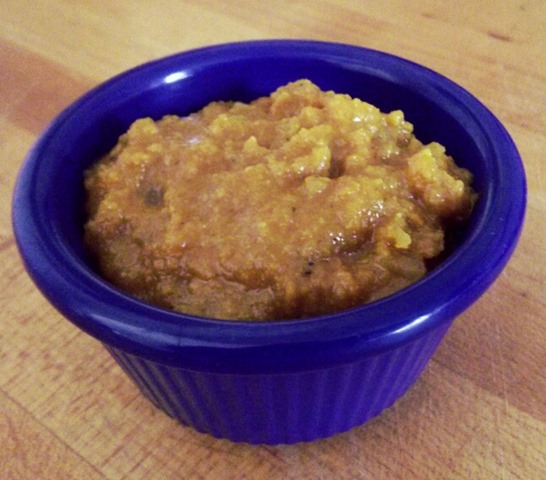
- · 4 ounces Mustard Seeds (Dark Seeds Are Hotter)
- · 1 cup onions- diced small
- 1 teaspoon butter
- · 3 Tablespoon Honey
- · 2 teaspoon Salt
- · ½ teaspoon Turmeric
- 1/2 teaspoon Cumin
- · ½ teaspoon Garlic – minced
- 2 cups white wine
- · Cider Vinegar
For the mildest mustard, add the vinegar at the same time as the water
1) Use utensils and mixing vessels that are glass, or ceramic — anything but aluminum, which can be dissolved by the vinegar.
2) Grind mustard seed in coffee grinder to a very fine powder. Whole seeds come in ‘white’ (yellow), brown, and black varieties. The darker the seed, the stronger the mustard.
3) Take the dry ingredients. Grind in a spice grinder until relatively fine. This way you won’t have to do any soaking. The sound of the grinding will change when the mustard reaches an evenly ground consistency.
4) Simmer the onions, garlic, honey, wine, butter and salt until onions are transparent, about 20 minutes.
5) Add ground spices. To make it sweeter, try anise or cinnamon; to make it hotter, try ginger, cloves, or one of the black peppers. Taste and adjust seasoning.
7) Mix together, cover, microwave for one minute. Leave on the counter until the hotness is at your desired strength. Wait between 2 hours and a day for flavors to blend. Aging for a day is typically needed for the flavors to mellow, however some find that the best flavor arises after aging for several weeks. Aging mustard in the refrigerator will cause it to stay hotter longer. Aging mustard in a closed container in a cupboard or on the counter is safe, as mustard has anti-bacterial properties.
8) Adjust consistency as necessary with juice, vinegar, or other liquids; mustard will thicken over time.
Jamu Kunyit, a Balinese-style Turmeric Juice with Tamarind
Posted: January 4, 2014 Filed under: Products, Recipes Leave a comment
I have been using turmeric for a while as an immune system builder. A client wrote me recently to tell me about this drink she had in Bali, and wanted to know if I could make it for her. I made a batch this week and really love it; it’s refreshing and healthy!
You can order it from the Beyond-Paleo webpage!
Turmeric is known to be one of the most powerful healing herbs. It is great for bones and joints as it has anti-inflammatory properties. It prevents metastases from occurring in many different forms of cancer.
The wide range of turmeric health benefits come mainly from its main ingredient, curcumin. This widely researched component of turmeric is highly therapeutic and is used in various drugs and pharmaceutics mainly because of its immunity boosting and anti-oxidant properties.
- Boosting Immunity – Curcumin has a huge therapeutic value and boosting immunity is one of the most important properties of curcumin. “5 to 8 times stronger than vitamin E and stronger than vitamin C, this antioxidant breakthrough may help boost your immunity, maintain normal cholesterol levels, and put the brakes on aging,” says Dr. Joseph Mercola about the curcumin in turmeric.
- Anti-inflammatory and Anti-oxidant Property – Free radical causing oxidative damage of DNA and proteins are associated with a variety of chronic diseases such as cancer, atherosclerosis, and neurodegenerative diseases. Curcumin plays an important role in curbing these conditions.
- Curcumin Prevents the Development of Type 2 Diabetes in people who have prediabetes.
- Turmeric Improves Rheumatoid Arthritis, according to a study by Chandran and Goel at Nirmala Medical Center, Kerala. The researchers also found that curcumin treatment was safe and did not relate with any adverse events.
- Curcumin in turmeric has a potential role in the prevention and treatment of Alzheimer’s disease, according to a study published in the Annals of Indian Academy of Neurology.
- Researchers from Cancer Biology Research Center, South Dakota, claim that curcumin may be an effective chemopreventive and therapeutic agent for cervical cancer prevention and treatment. They found that curcumin treatment suppresses cervical cancer cell growth by altering the HPV-associated molecular pathways in cervical cancer cells.
Tamarind has many medicinal uses;
- While lemon composes of citric acid, tamarind is rich in tartaric acid. Tartaric acid gives a sour taste to food but is also a very powerful antioxidant. (Anti-oxidant E-number is E334). It helps the body protect from harmful free radicals.
- Tamarind fruit contains many volatile phytochemicals such as limonene, geraniol, safrole, cinnamic acid, methyl salicylate, pyrazine and alkylthiazoles. Together these compounds account for the medicinal properties of tamarind.
- This prized spice is a good source of minerals like copper, potassium, calcium, iron, selenium, zinc and magnesium. Potassium is an important component of cell and body fluids that helps control heart rate and blood pressure. Iron is essential for red blood cell production and as a co-factor for cytochrome oxidasesenzymes.
- In addition, it is also rich in many vital vitamins, including thiamin (36% of daily required levels), vitamin A, folic acid, riboflavin, niacin, and vitamin-C. Much of these vitamins plays antioxidant, and co-factor functions for enzyme metabolism inside the body.
- Turmeric’s also a natural liver detoxifier and a kidney cleanser, and it speeds metabolism and aids in weight management. Plus it heals and alleviates conditions of depression, psoriasis, damaged skin, and arthritis.
Recipe
- 5-7 inches turmeric
- 5-7 tamarind
- 2 lemons
- raw honey
- water
- blender
- strainer
- bowl
- mason jar(s) or other glass jar with lid
1. Gently scrub turmeric root, there is no need to peel.
2. Crack and open tamarind. Make sure you get all the inner roots off, too. We’re only going to use the inner fruit.
3. Fill a big pot with water, put peeled turmeric in and let it boil for at least 20 minutes until the water becomes a rich and vibrant marigold color.
4. While the turmeric water is boiling, get a pan and pour 1 inch of water in with the peeled tamarind. Move the fruit around with a wooden utensil, mix it in with the water so it can melt and dissolve into a jam like texture. More water shouldn’t be needed, but if it’s looking a bit dry, pour water in as needed.
By this time, you should be able to see the little seeds coming out. When the texture looks soft, turn heat off and let it cool down.
5. Go back to the turmeric water. By now, the color should look ready. Pour a little bit of cold water to lower the temperature. Take the turmeric water and pour it into the blender with the turmeric. We boiled it so the root could soften and have more flavor, now it’s ready to buzz in the blender for even more flavor and richness! Blend, blend, blend. The color now should look like an extra extra fiery marigold.
6. Go back to the tamarind in the pan. Pour substance into the strainer that is placed on top of a small bowl to catch the tamarind. Swish the jam like substance around in the strainer with the wooden utensil– we only want to use the soft bits of the fruit. No seeds, no seed peels.
7. Pour the tamarind that has been caught in the bowl into the blender with the turmeric water. Buzz it around again.
8. Squeeze your lemons into the blender. Now take the blender and pour your yummy juice into your mason jar(s). Add honey to taste, close with lid, shake it up to mix.
9. Store in fridge up to 3-4 days and drink daily!
French Apple Cake
Posted: December 27, 2013 Filed under: Recipes Leave a comment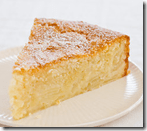 This dessert is similar to a cake, custard and apple pie! It has a custardy, apple-rich base beneath a light, cakelike topping.
SERVES 8 TO 10
The microwaved apples should be pliable but not completely soft when cooked. To test for doneness, take one apple slice and try to bend it. If it snaps in half, it’s too firm; microwave it for an additional 30 seconds and test again.
INGREDIENTS
- 1 1/2pounds (about 5 medium apples) Granny Smith apples, peeled, cored, cut into 8 wedges, and sliced 1/8 inch thick crosswise
- 1 tablespoon Apple Brandy or White Rum
- 1 teaspoon lemon juice
- 1 cup plus 2 sweet rice flour
- 1 cup plus 1 tablespoon granulated sugar
- 2 teaspoons baking powder
- 1/2 teaspoon salt
- 1 large egg plus 2 large yolks
- 1cup melted butter
- 1cup coconut milk
- 1teaspoon vanilla extract
- Confectioners’ sugar
INSTRUCTIONS
-
1. Adjust oven rack to lower-middle position and heat oven to 325 degrees. Butter 9-inch spring form pan.Place prepared pan on rimmed baking sheet lined with aluminum foil. Place apple slices into microwave-safe pie plate, cover, and microwave until apples are pliable and slightly translucent, about 3 minutes. Toss apple slices with rum or brandy and lemon juice and let cool for 15 minutes.
2. Whisk 1 cup flour, 1 cup granulated sugar, baking powder, and salt together in bowl. Whisk ONE whole egg, butter, coconut milk, and vanilla together in second bowl until smooth. Add dry ingredients to wet ingredients and whisk until just combined. Transfer 1 cup batter to separate bowl and set aside.
3. Add egg yolks to remaining batter and whisk to combine. Using spatula, gently fold in cooled apples. Transfer batter to prepared pan; using offset spatula, spread batter evenly to pan edges, gently pressing on apples to create even, compact layer, and smooth surface.
4. Whisk remaining 2 tablespoons flour into reserved batter. Pour over batter in pan and spread batter evenly to pan edges and smooth surface. Sprinkle remaining 1 tablespoon granulated sugar evenly over cake.
5. Bake until center of cake is set, toothpick inserted in center comes out clean, and top is golden brown, about 1¼ hours. Transfer pan to wire rack; let cool for 5 minutes. Run paring knife around sides of pan and let cool completely, 2 to 3 hours. Dust lightly with confectioners’ sugar, cut into wedges, and serve.


 Meal Delivery Service by Millie Barnes