Cholesterol Is Finally Officially Removed From ‘Naughty’ List
Posted: February 26, 2016 Filed under: Food and it's Impact on Our Health, Non-Toxic Choices Leave a comment![Eggs are no longer on the 'naughty list'. Copyright [Rex]](https://s.yimg.com/ny/api/res/1.2/dnmbfs97vmOLq47hwVWqtw--/YXBwaWQ9aGlnaGxhbmRlcjtzbT0xO3c9NjMwO2lsPXBsYW5l/http://l.yimg.com/os/publish-images/lifestyles/2015-05-26/4f509fd0-03a1-11e5-acc0-d1f50ed139ac_cholesterol-good.jpg)
Copyright [Rex]
by Nikki Barr
Cholesterol has been on the “naughty” list of nutrients for nearly 40 years, with health officials warning us to stay away from high-cholesterol foods since the 1970s to avoid heart disease and clogged arteries.
But US officials have finally given the green light for a U-turn on previous warnings, which means eggs, butter, full-fat dairy products, nuts, coconut oil and meat have now been classified as “safe” and have been officially removed from the “nutrients of concern” list.
The US Department of Agriculture, which is responsible for updating the guidelines every five years, stated in its findings for 2015: “Previously, the Dietary Guidelines for Americans recommended that cholesterol intake be limited to no more than 300 mg/day.
“The 2015 DGAC will not bring forward this recommendation because available evidence shows no appreciable relationship between consumption of dietary cholesterol and serum (blood) cholesterol, consistent with the AHA/ACC (American Heart Association / American College of Cardiology) report.
“Cholesterol is not a nutrient of concern for overconsumption.”
The Dietary Guidelines Advisory Committee will, in response, no longer warn people against eating high-cholesterol foods and will instead focus on sugar as the main substance of dietary concern.
The 70s, 80s and 90s were the ‘non fat’ years, with the government warning people to limit the amount of high-cholersterol foods in their diets to avoid heart disease and strokes.
But nutritionists and scientists have long been campaigning for the U-turn, which started with introducing “good cholesterols” back into the ‘safe zone’.
Full-fat dairy products and avocados are high in good fats.
Eggs are no longer on the ‘naughty list’. Copyright [Rex]More
US cardiologist Dr. Steven Nissen said: “It’s the right decision. We got the dietary guidelines wrong. They’ve been wrong for decades.”
He estimated that about 20 per cent of cholesterol levels in your blood come from your diet, which means the rest is produced by your liver and is actually needed by the body.
D.r Chris Masterjohn added:“Since we cannot possibly eat enough cholesterol to use for our bodies’ daily functions, our bodies make their own.
“When we eat more foods rich in this compound, our bodies make less. If we deprive ourselves of foods high in cholesterol – such as eggs, butter, and liver – our body revs up its cholesterol synthesis.”
Sugar has now been identified as the “worst” food culprit for health problems, with GPs now focusing on weaning patients off the sweet stuff.
Cardiologist Dr. Aseem Malhotra, who works with group Action On Sugar, says a clamp-down on the food industry is next.
He said: “It’s very clear that added sugar has absolutely no nutritional value whatsoever and, contrary to what the food industry want you to believe, the body doesn’t require any carbohydrate for energy from added sugar.
“And we know the food industry have been spiking our food with added sugars. We also know that carbohydrates and particularly refined carbohydrates – so carbohydrates that lack fiber, sugar being one of them – have the biggest impact on insulin in terms of surges of insulin in our body. And insulin is a fat storing hormone.”
10% Off of ALL Nutrition Coaching in January!
Posted: December 28, 2015 Filed under: Food and it's Impact on Our Health Leave a comment Book, and pay for, a Nutrition Consult during January and get 10% off for the month of January!
 Many of us want to exercise more and make healthier food choices. We really do want to change! But, no matter what we try (or how hard we try), we always seem to stop short of our long-term goals.
What a consultation can do for you:
 Help you understand how your present food choices are related to any physical or emotional imbalances you may be experiencing
Save you the time of reading all the current nutrition research yourself
Give you a dietary roadmap for improved health and well-being
Provide you with a realistic plan and steps for making changes.
FOR more info please go to my webpage! Beyond-Paleo.com
AND check out my blog! Beyond-Paleo Blog
Chocolate-Pistachio Sablés- Gluten Free!
Posted: December 28, 2015 Filed under: Recipes Leave a comment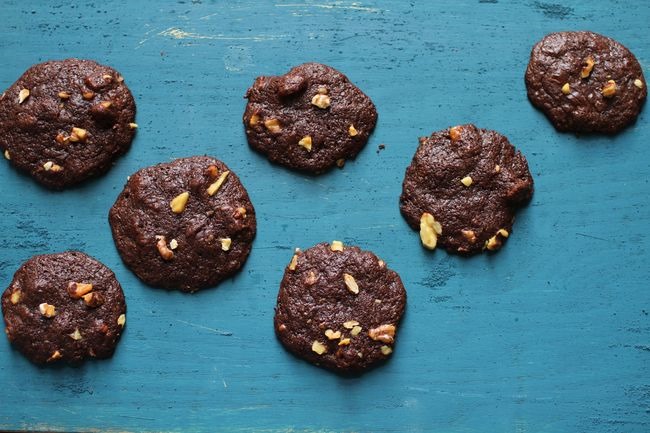
Serving Size : 30
1 cups sweet rice flour
1/4 cup tapioca flour
1 1/2 tablespoons potato starch
1/4 cup unsweetened cocoa powder
1/3 teaspoon kosher salt
0.1 teaspoon baking soda
1 1/4 sticks unsalted butter — (2 1/2 sticks) room temperature
0.6 cup light brown sugar — (lightly packed)
1/2 teaspoon vanilla extract
2 large egg white
2 1/2 ounces bittersweet or semisweet chocolate — chopped
1/2 cup unsalted — shelled raw pistachios, coarsely chopped
Flaky sea salt (such as Maldon)
1) Whisk flour, cocoa powder, kosher salt, and baking soda in a medium bowl. Using an electric mixer on high speed, beat butter, brown sugar, and vanilla until light and fluffy, about 4 minutes. Reduce speed to low and gradually add dry ingredients; mix just to combine, then mix in egg white. Fold in chocolate and pistachios.
2) Divide dough into 4 pieces. Roll each piece into an 8″-long log about 1 1/2″ in diameter, pushing dough together if it feels crumbly. Wrap tightly in parchment paper and chill until firm, at least 4 hours. (The colder your dough, the easier it will be to slice.)
3) Place racks in lower and upper thirds of oven; preheat to 350°. Working with 1 log of dough at a time and using a serrated knife, cut logs into 1/4″-thick rounds and transfer to 2 parchment-lined baking sheets, spacing 1/2″ apart.
4) Sprinkle cookies with sea salt and bake, rotating baking sheets halfway through, until set around edges and centers look dry, 10-12 minutes. Transfer to wire racks and let cool.
DO AHEAD: Cookie dough can be made 1 month ahead; freeze instead of chilling. Slice frozen logs into rounds just before baking.
How to Use Raw Honey & Turmeric to Fight Illness
Posted: December 28, 2015 Filed under: Non-Toxic Choices Leave a comment A great post from
If you’re a curry fan, you’ve probably heard of turmeric. It’s a common spice in Indian cuisine and has long been touted as one of the healthiest ways to add flavour to a home cooked meal. But did you know that turmeric also has a huge number of health benefits?
The active component of turmeric is curcumin. It’s a polyphenol that’s got both strong anti-inflammatory and antioxidant abilities that can help with all kinds of ailments.
Here are some of the benefits turmeric can have on your health:
It can help with joint pain
Curcumin is a very strong anti-inflammatory agent. One study found that “Turmerin extract samples worked just as well as ibuprofen” in patients with knee osteoarthritis. Plus turmeric is a natural spice, so it won’t destroy your intestinal gut flora like so many synthetic anti-inflammatory drugs do.
It helps with heartburn and upset stomachs
Supplementing with turmeric, especially when mixed with honey, can really help your digestion. In fact, while many medicines slowly chip away at the beneficial flora in your gut, turmeric actually increases it’s activity!
It can even help fight and prevent the flu!
Curcumin isn’t just an anti-inflammatory; it also has strong antiviral properties that can seriously help with both, treating and preventing the flu. According to a study published in a 2009 edition of “Emerging Infectious Diseases,” curcumin can reduce viral replication by over 90 percent in laboratory cells infected with all sorts of different influenza strains. Think about the implications this could have on humans!
The study found that curcumin didn’t only decrease viral replication in infected cells; it also protected other cells from becoming infected. So unlike cough syrups and other medications, curcumin doesn’t just treat the symptoms of your flu, it actually helps reverse them. Plus curcumin is completely natural, unlike the many cold medicines that have more ingredients and side effects than they do benefits.
It may help against heart attacks
Another feather in curcumin’s hat is that it may have the ability to prevent heart attacks among bypass patients. A 2012 study followed 121 patients who had bypass surgery between 2009 and 2011. Half of the patients took curcumin capsules three days before the surgery and then a subsequent 5 days after the surgery, the other half took placebo pills. After their operations, 30% of the placebo patients had a heart attack compared to only 13% in the curcumin group. It’s thought that the strong anti-inflammatory and antioxidant properties of the curcumin may help reduce by-pass patients’ chances of a heart attack by as much as 65%.
It may even fight cancer
Scientists have only recently started studying the effects of curcumin on humans with cancer, but there have been some exciting results with animals. It’s been found that in animals, curcumin “interferes with several important molecular pathways involved in cancer development, growth and spread,” according to the American Cancer Society. Sounds like some promising research is in the works!
So, are you convinced? You need turmeric in your life. You can buy tumerin capsules at many health food stores. Just be careful that what you’re buying is pure and doesn’t have other filler medications in it that you don’t need.
A great option is to buy pure powdered turmeric. You can toss it into curries and stir-fries to reap the every day benefits of this wonder spice. If you feel a cold or flu coming on, mix it with raw honey for an extra strong anti-inflammatory wonder drink.
Here are some simple instructions to make your very own miracle nectar:
Ingredients needed:
- 100 grams of raw organic honey
- 1 tablespoon of turmeric
- 2 tablespoons of natural organic apple cider vinegar
- 1 teaspoon of finely grated organic lemon rind
- A pinch of black pepper
- 1 Tbsp organic coconut oil
Preparation:
Add 1 rounded tablespoon of turmeric, apple cider vinegar, fresh ground black pepper, coconut oil and lemon rind in 100 grams of raw honey. Mix it thoroughly and put it in a jar.
At first sign of a cold, start using this mixture right away. Take 1 tablespoon per hour for the first day then one every 2 hours the second day and on the third day take it once every 3 hours. Then as needed.
NOTE: Turmeric can lower blood pressure and sugar levels, so if you have diabetes or low blood pressure, talk to a doctor before using this mix. People with bile disease should also stay away from turmeric, because it can cause muscle contractions in the gall bladder.
Sources:
http://www.livestrong.com/article/374943-turmeric-the-flu/
http://www.ncbi.nlm.nih.gov/pubmed/2699615?dopt=Abstract
http://www.huffingtonpost.com/2014/10/18/turmeric-health-benefits-curcumin_n_5978482.html
New Years Resolutions? Begin with Nutrition! And a January Special for Meal Delivery Service
Posted: December 22, 2015 Filed under: Food and it's Impact on Our Health Leave a comment I know everyone usually vows to do everything on their list, that looong list we all have…those vows to get it together in all areas of our lives. But as most of us have discovered at this stage of our lives, the best indicator of what we will do is what we have done.
So, this year I have undertaken one area of my life to improve upon. this will allow me to not feel overwhelmed or disappointed when life happens and I slip. I’ll just get up and do better the next day.
There is one area of your life that could always need improving upon and that is our nutrition. We are all rushed, we don’t take time to cook…and our health suffers.
So vow to make one change each month, maybe stop eating gluten, or stop grabbing junk food in place of a meal. This will begin a detox, go with it. Your energy will improve, you’ll sleep better. And this will impact your while life!
If you haven’t orders in three months, take 10% off of your meals for January orders!

Vitamin D May Be the Most Important Nutrient You Need
Posted: November 24, 2015 Filed under: Food and it's Impact on Our Health | Tags: #Beyond-Paleo, #VitaminD Leave a comment
A few years, ago I noticed I was constantly tired. As you know, each day I am either in the operating room or my practice at a very early hour. But I noticed that no matter what I did, eating right or exercising often, nothing improved the tired feeling I had. Finally I checked my Vitamin D level and it turned out it was low. It was about 25; the normal value should be over 30. Ideal levels for men and women should be in the 40-50 range.
I began taking 2000 IU of Vitamin D3 per day – which is the most active form. D3 is the best form of Vitamin D to take in terms of supplements. Obviously, we’d all love to get our Vitamin D through sun exposure but as winter approached, we know that’s not always possible.
Vitamin D is arguably the most important vitamin you could take. Vitamin D is actually a hormone; it’s not even a vitamin and it affects our entire body. Whenever, you feel fatigued or have low energy – it’s quite possible your Vitamin D levels are low. A vitamin D deficiency occurs when the level of vitamin D in your body is too low. Vitamin D helps the body use calcium from our diet which is essential for us as humans to maintain bone strength. If you feel you might be experiencing symptoms of a vitamin D deficiency, it is important to get tested and treated because it can eventually cause your bones to become thin, brittle or mis-shapen.
Over the years many studies have shown low Vitamin D may lead to heart disease, diabetes, dementia, aggressive prostate cancer and Alzheimers. A new study published in The Journal of Clinical Endocrinology Metabolism explored the importance of vitamin D related to heart health. A connection was made between children having low vitamin D levels and experiencing heart disease later in life. Learn more on this connection between heart disease and low vitamin D.
- Vitamin D helps build up calcium in your body which strengthens bone and teethhealth
- Decreased risk of osteoporosis, diabetes, dementia and some cancers including breast, colon, prostate, ovarian, esophageal and lymphatic
- Helps lower blood pressure levels and hypertension
- Regulates your immune system for optimal efficiency and fighting disease
- Studies have shown that it can decrease multiple sclerosis in women
Do you have a vitamin D deficiency?
The only way to confirm that you are suffering from a vitamin D deficiency is to get a blood test to test your vitamin D levels. In the meantime, if you are experiencing any of the following signs or symptoms, you should get tested sooner rather than later.
- You are aged 50 or older. As we age, our skin does not make as much vitamin D as a result of sun exposure. The kidneys are also less capable of converting vitamin D into the form that is used by our bodies. When we get older, we tend to spend more time inside due to certain health conditions or the inability to be as physically active and therefore, we get even less sun exposure and less vitamin D.
- You have dark skin. African Americans are at higher risk of being vitamin D deficient because they have more melanin in their skin. Having more melanin decreases the skin’s ability to make vitamin D from sun exposure. If you have dark skin, you may need as much as ten times more sun exposure to produce the same amount of vitamin D, compared to a person with light or fare skin.
- You have gastrointestinal issues. As mentioned before, vitamin D is a fat-soluble vitamin, which means if you have a gastrointestinal condition that affects your ability to absorb fat, you may have lower absorption of fat-soluble vitamins like vitamin D as well. Having gastrointestinal conditions that occur in the gut like Crohn’s disease, celiac and non-celiac gluten sensitivity, and inflammatory bowel disease may be sign you are not getting enough vitamin D.
- You have bone pain. Many people who see a doctor complaining of aches and pains in their bones are often misdiagnosed as having chronic fatigue syndrome or fibromyalgia. This is especially true if the person is also complaining of fatigue. However, these are also signs of vitamin D deficiency osteomalacia. This is different than the type of vitamin D deficiency that causes osteoporosis in adults in that the vitamin D deficiency is limiting the ability to put calcium into the collagen matrix in the bones, which can result in aches and pain in the bones.
- Your mood is down. The amount of serotonin your body produces is linked to the amount of sun exposure you get. Serotonin is the brain’s natural feel good hormone which makes us feel happy and in a good mood. Our body produces more serotonin when we are more sun exposure, and produces less serotonin when we get less sun exposure.
- You are overweight or obese, or have more muscle mass. Vitamin D is a fat-soluble vitamin, meaning the amount of body fat we have is related to the amount of vitamin D our bodies need and can absorb. So if you are overweight or obese, your body requires more vitamin D compared to a thin person with less body fat. This is also true for people who weigh more as a result of having a higher amount of muscle mass.
Head perspiration. One of the initial signs of vitamin D deficiency is a sweaty head.
Foods with A lot of Vitamin D
1. Salmon: Fatty fish like salmon, herring and sardines is the best place to get vitamin D and the omega-3 fatty acids won’t hurt you either.
2. More mushrooms: Whether you love Chanterelle, morel, shiitake, or portobello, mushrooms are a low-cal way to increase your vitamin D.
4. Make an omelet: Two large eggs provide about 1/10 of your daily need of vitamin D. Eat the whole egg!
From- Dr. David Samadi , Chairman of Urology, Chief of Robotic Surgery at Lenox Hill Hospital, Professor of Urology at Hofstra School of Medicine
Why the Hottest Kitchen Tool Is Actually…a Cold Pan
Posted: November 24, 2015 Filed under: In The Kitchen with Millie- How To's | Tags: #Beyond-Paleo, #cooking Leave a comment
Often, the success of a great dish comes down to heat. Gorgeously seared steak, perfect stir-fry, or properly al dente pasta all rely on a big flame and high heat. But here’s a secret: Sometimes, your cooking secret weapon is a cold pot or pan.
While you’d never lay an expensive porterhouse in a chilly pan and then turn on the flame (the steak would eventually cook through, but it’d turn out gray and pallid, not golden-brown and caramelized), there are a few times when starting the cooking process with a cold pan is a must. Beginning with a cold pan allows you to better control the temperature, and lets you slowly build layers of flavor, rather than shocking your ingredients. These are the cooking techniques that call for cold pans.

Perfect BLTs start with crispy bacon. Crispy bacon starts with a cold pan. Photo: Dawn Perry
Rendering Bacon Fat
Add a raw piece of bacon to a hot pan, and it’ll cook up in no time flat—without rendering any of the fat, unfortunately. That’s fine if you’re the type who likes gumming on bacon fat, but, ’round here, we like our cured pork belly crispy. The way to shatteringly crisp bacon is fat in the pan, not on the strip. Plus, if you take things low and slow when cooking bacon, you’ll be rewarded with a panful of rendered bacon fat for later use—not a bad flavor tool to have in your arsenal.
Making Garlic Confit
Garlic confit is made by slowly heating oil with whole cloves of garlic, then letting the mixture cool down together. The result is two-fold: a garlicky flavored oil and tender cloves of garlic perfect for spreading on toast or adding to stir-fries and sauces. The key to developing this flavor is to let the garlic heat up with the oil—so start cold and let it all come together at once. You also don’t want to get the oil to its smoking point; a cold pan is extra insurance against that.

Seared Duck Breast with Mustard Greens, Turnips, and Radishes. Photo: Christopher Testani.
Cooking Skin-On Duck or Chicken
If you add a skin-on duck breast or chicken thigh to a screaming hot pan, the skin will contract quickly, tightening up and shrinking. This is not good. “You don’t want the skin to seize up before the fat has rendered,” explains Claire Saffitz, BA‘s associate food editor. Seized-up skin means chewy, not crispy—and you know we’re all about the crispy skin. This is especially important for duck breast, which has a very thick layer of fat. Start cold, and take it easy: This is no place to crank the heat.
Toasting Seeds and Spices
Tiny toppers like sesame seeds and spices like cumin or fennel taste better toasted—this recipe for Chile-Cumin Lamb Meatballs is proof. Unfortunately, they also cook quickly. If you add them to a pan that’s already hot, they’ll burn and blacken before toasting from the inside out. Another tip: Remove the seeds or spices from the pan as soon as they’re done; if you leave them in the now-hot pan, they will overcook.
Boiling Eggs
The BA test kitchen staff suggests starting boiled eggs in cold water. If you drop a cold, straight-from-the-fridge egg into a pot of boiling water, the extreme temperature change will likely cause the shell to crack, causing the egg white to bubble out of the fissure. This is not the biggest deal in the world, sure, but when presentation matters, you’ll want to take a little extra care.

It’s called brown butter, not blackened butter. Photo: Gentl & Hyers
Browning Butter
If you’ve ever made brown butter, you know that it takes just seconds to go from that golden, nutty color to black and burned. (If you haven’t made brown butter, may we suggest cooking these Scallops with Herbed Brown Butter immediately?) Don’t make the process any harder on yourself by shocking the butter in a ripping hot pan. The proper technique is to melt the butter slowly and patiently wait, swirling the pan periodically, as the milk solids toast and become the color of hazelnuts (psst—that’s where the French term for brown butter, beurre noisette, comes from).
Everything in Moderation” Is a Terrible Rule to Eat By
Posted: November 24, 2015 Filed under: Food and it's Impact on Our Health | Tags: #Beyond-Paleo, #dieting, #moderation Leave a comment
Vitals is a new blog from Lifehacker all about health and fitness
When your favorite diet advice is the same as junk food peddlers’ favorite diet advice, maybe you should reconsider.
“Everything in moderation” is attractive advice, but also a trap. It amounts to saying we shouldn’t have too much of anything, which is true by definition: that’s why we call it “too much.” But the word “moderation” is vague, and its vagueness makes it a friendly, big-tent kind of concept: however much you eat, you can find a way of convincing yourself that you eat in moderation.
We Appeal to “Moderation” to Dismiss Things We Don’t Want to Hear
Nutrition professionals have a specific meaning for the word: moderation means small portions, especially when talking about food that we should eat little to none of. This isn’t the “everything in moderation” that Aristotle wrote about, where we try to avoid extremes of too much and too little. There’s no such thing as too little candy: you can skip it entirely and still be perfectly healthy. Instead, nutritionists use the concept of moderation as a tool for managing cravings. Here’s how two dieticians described it in the Journal of Nutrition Education:
“[T]he message of balance, variety and moderation also can help remove some of the psychological baggage attached to healthful eating in the U.S. It can eliminate “all-or-nothing” perceptions that give rise to guilt, and in many cases, overeating, when people inevitably choose less healthful foods.”
There are some good ideas here: eating a little bit of junk food doesn’t have to derail your diet, and knowing that it’s okay to treat yo’self can make it easier to stick to a healthy eating plan in the first place.
But.
Once you give yourself license to eat anything “in moderation,” it easily turns into license to eat anything, and call it moderation. The word has become an excuse, a way to say “screw you, I’m going to eat whatever I want”—all while smugly proclaiming that you live by simple, folksy advice and don’t have to worry about the latest in nutrition science.
You’ll find appeals to moderation in the comments of any advice or news about nutrition. For example, these are some of the responses on Twitter to a Washington Post article about bacon’s association with cancer risk. There are valid criticisms of the bacon-cancer connection, but these comments do not address them:

Kudos to these benevolent nutritionists swooping in with advice to help people manage their cravings! Oh wait. What they’re actually doing is invoking “everything in moderation” as a shield to let them dismiss the news and keep doing what they’re doing.
After all, if you live by a simple rule, you don’t need to keep up with the ever-changing advice on nutrition. Instead of following good advice, you can pretend that you’re following it already. We also use this rule to avoid dealing with harsh truths (What if I do eat too much bacon?). Since there’s no official dividing line between moderation and “too much,” we can draw the line wherever we like: anybody who eats more bacon than me is eating too much. I’m fine, though.
Junk Food Companies Love “Moderation”
Not convinced? Think about this: The junk food companies love the concept of “moderation”.
For example, look at the Back to Balance Coalition, made of 18 “leading food groups” that have signed a statement of principles promoting moderation. Their motto: “All foods fit in a balanced diet.”
And those food groups? They include the Sugar Association, the National Confectioners Association, the Corn Refiners Association (makers of corn syrup), the National Potato Council (remember that most potato consumption in America is through chips and fries), the Grocery Manufacturers Association (members include Coca-Cola and Hershey), and the Snack Food Association.
Their statement declares that “All foods can fit within a healthful, overall dietary pattern if consumed in moderation with appropriate portion size and combined with physical activity.” In other words, these groups really don’t want you to say that you should stop eating their food, or that you should think of your diet as unhealthful if it includes their foods. The idea of junk food being part of a healthy diet reminds me of what Dave Barry said about cereal makers calling their product “part of this complete breakfast”:
Don’t they really mean, “Adjacent to this complete breakfast, “ or “On the same table as this complete breakfast”? And couldn’t they make essentially the same claim if, instead of Froot Loops, they put a can of shaving cream there, or a dead bat?
The reference to physical activity is also technically true while mostly meaningless: Sure, you can burn off the calories in your pack of Doritos, but that doesn’t erase the fact that you ate it. We also know that you can’t rely on exercise to keep you healthy if you’re eating crap.
The National Confectioners Association takes the illusion of moderation a step farther. They endorse, on their website, a semi-scientific limit of “50 to 100 calories a day” from candy. These handy guides give you ideas for how much candy you should can eat: Two Twizzlers. Ten gummy bears. A single “fun size” candy bar. If you want a full size candy bar, that eats (sorry) your candy allotment for the whole week.
Yet on the same web site, they offer advice on how to get people to impulse-buy more candy. Checkout lanes should be stocked 51% with gum, mints, drinks, and snacks for people who want to “recharge” after a long shopping trip; and 39% of the space should go to chocolate and other candy for people who want to reward themselves for completing the chore of shopping.
The association’s more strict stance fits with the FDA’s recent recommendation that Americans should have no more than 10% of their calories from added sugar, or about 200 calories a day. (The World Health Organization recommends half that amount).
But they don’t actually stand behind that limit. When the FDA proposed adding their recommended limit to package labels (giving added sugars a percent daily value like other nutrients) a spokesperson for the NCA told Food Business News that the group doesn’t support the proposal:
The National Confectioners Association said the F.D.A.’s plans to place percentage daily values for added sugars on food labels were unnecessary and may confuse consumers.
In other words, the claims about moderation are lip service without any intention to commit. If pressed, they’ll say they only recommend a teensy amount of candy per day, but they’re hoping that consumers won’t find out about, much less abide by, the two-Twizzler limit.
FInd a Better Rule
“Everything in moderation” is a crappy rule to live by. But it’s great asinspiration for coming up with rules that can help you in the long run.
It’s true that small portions of junk food are better than large portions, and that you don’t have to completely cut a well-loved treat out of your life. So decide—now, not when you’re standing at the sundae bar—what treats are worth eating and how much you can “afford” to eat without sabotaging yourself.
We have lots of advice on this here at Lifehacker, because dealing with cravings for junk food is a normal part of life. Maybe it wasn’t when we were all hunter-gatherers (then again, some hunter-gatherers eat a lot of honey) but we live in a world where the checkout lanes are packed with treats meant to prey on our psychological weaknesses.
So you can choose your treats on their merits, deciding for example whether that slice of cake tastes good enough to be worth a minor setback in your weight loss. You can be mindful of your cravings and create triggers to redirect yourself to better choices.
You can even ditch the moderation mindset entirely and declare certain foods off-limits. Use this strategy with caution, since it doesn’t work for everybody or with every food, but sometimes knowing that you have to say no can give you peace of mind by making decisions easy. You can also say no to all foods, but on a temporary basis during the day: this is called intermittent fasting, and it can help manage cravings.
Which strategy you choose depends on your goals. If you’re not trying to lose weight—or if you’ve decided that you just don’t care what you eat (maybe this is a stressful time in your life and you just need to get through this last year of school with whatever comfort foods it takes), be honest with yourself. And be honest with others too: don’t dismiss dietary advice with “Duh, everything in moderation.” Instead tell the truth: “That’s probably good advice, but I’m not going to follow it.”
Illustration by Tara Jacoby.
Vitals is a new blog from Lifehacker all about health and fitness. Follow us on Twitter here.
Strong Statin-Diabetes Link Seen in Large Study
Posted: November 24, 2015 Filed under: Non-Toxic Choices | Tags: #Beyond-Paleo, #statins Leave a comment
In a study of nearly 26,000 beneficiaries of Tricare, the military health system, those taking statin drugs to control their cholesterol were 87 percent more likely to develop diabetes. The research confirms past findings on the link between the widely prescribed drugs and diabetes risk. But it is among the first to show the connection in a relatively healthy group of people. The study included only people who at baseline were free of heart disease, diabetes, and other severe chronic disease.
In a database study of nearly 26,000 beneficiaries of Tricare, the military health system, those taking statin drugs to control their cholesterol were 87 percent more likely to develop diabetes.
The study, reported online April 28, 2015, in the Journal of General Internal Medicine, confirms past findings on the link between the widely prescribed drugs and diabetes risk. But it is among the first to show the connection in a relatively healthy group of people. The study included only people who at baseline were free of heart disease, diabetes, and other severe chronic disease.
“In our study, statin use was associated with a significantly higher risk of new-onset diabetes, even in a very healthy population,” says lead author Dr. Ishak Mansi. “The risk of diabetes with statins has been known, but up until now it was thought that this might be due to the fact that people who were prescribed statins had greater medical risks to begin with.”
Mansi is a physician-researcher with the VA North Texas Health System and the University of Texas Southwestern in Dallas.
In the study, statin use was also associated with a “very high risk of diabetes complications,” says Mansi. “This was never shown before.” Among 3,351 pairs of similar patients–part of the overall study group–those patients on statins were 250 percent more likely than their non-statin-using counterparts to develop diabetes with complications.
Statin users were also 14 percent more likely to become overweight or obese after being on the drugs.
Mansi points out that other studies have arrived at a similar finding through different research methods.
The study also found that the higher the dose of any of the statins, the greater the risk of diabetes, diabetes complications, and obesity.
A key strength of Mansi’s study was the use of a research method known as propensity score matching. Out of the total study population, the researchers chose 3,351 statin users and paired them with non-users who were very similar, at baseline, based on array of 42 health and demographic factors. The only substantial difference, from a research standpoint, was the use of statins. This helped the researchers isolate the effects of the drugs.
“This approach helps us to make comparisons that are fair and balanced,” says Mansi.
On a wider scale, looking at the overall comparison between the study’s roughly 22,000 nonusers and 4,000 users, and statistically adjusting for certain factors, the researchers found a similar outcome: Users of statins were more than twice as likely to develop diabetes.
The researchers examined patient records for the period between October 2003 and March 2012.
About three-quarters of the statin prescriptions in Mansi’s data were for simvastatin, sold as Zocor.
Mansi stresses that the study doesn’t definitively show that statins cause diabetes, nor does it mean people should stop using the drugs, which are widely prescribed to help people lower their cardiac risk factors.
“No patient should stop taking their statins based on our study, since statin therapy is a cornerstone in treatment of cardiovascular diseases and has been clearly shown to lower mortality and disease progression,” he says. “Rather, this study should alert researchers, [clinical] guideline writers, and policymakers that short-term clinical trials might not fully describe the risks and benefits of long-term statin use for primary prevention.”
Primary prevention refers to warding off disease in the first place.
Mansi urges further trials, similar to his group’s, to better understand the long-term effects of statin use.
Overall, besides driving further research, Mansi says he hopes the results will help inform conversations between patients and providers about the risks and benefits of statins.
“I myself am a firm believer that these medications are very valuable for patients when there are clear and strict indications for them,” he says. “But knowing the risks may motivate a patient to quit smoking, rather than swallow a tablet, or to lose weight and exercise. Ideally, it is better to make those lifestyle changes and avoid taking statins if possible.”
Story Source:
The above post is reprinted from materials provided by Veterans Affairs Research Communications. Note: Materials may be edited for content and length.
Creamy Caramelized Leek Soup with Maple Glazed Bacon
Posted: November 18, 2015 Filed under: Recipes | Tags: #Beyond-Paleo, #dairyfree, #Lactosefree, dairy free Leave a comment  I can honestly say this is the best soup I’ve ever had!
Creamy Caramelized Leek Soup with Maple Glazed Bacon
Serving Size : 4
6 each leeks — sliced
6 tablespoons unsalted butter
1/2 teaspoon salt
1/4 teaspoon pepper
1/2 teaspoon smoked paprika
1/4 teaspoon crushed red pepper flakes
2 tablespoons brown sugar
1 teaspoon minced garlic
1/3 cup dry white wine
4 cups chicken stock
2/3 cup almond milk
2 whole green onions — thinly sliced
2 tablespoons olive oil for drizzling
4 slices thick-cut bacon
2 tablespoons maple syrup
1) Make sure the leeks have been trimmed, rinsed thoroughly and patted as dry as they can be with a paper towel.
2) Heat a large pot over medium-low heat and add the olive oil and butter. Add the leeks, salt, pepper and crushed pepper flakes and toss well to coat. Cook, stirring every few minutes, until the leeks begin to brown, about 20 to 25 minutes. Once the leeks are starting to brown, stir in the brown sugar and cook for another 10 minutes until they are super caramelized. Stir in the roasted garlic. Increase the heat slightly to medium and add the wine. Stir to combine, then cook for a few minutes until most of the wine cooks off. Pour in the stock and stir. Bring the soup to a boil, then reduce to a simmer and cook for 15 minutes.
3) Turn off the heat and carefully add the entire mixture to a blender and puree until smooth. Pour the pureed soup back in the pot and heat it over low heat. Stir in the almond milk, then tasted and add more salt and pepper if desired. Serve the soup with a sprinkle of green onions, a drizzle of olive oil and a handful of crushed maple bacon.
Maple glazed bacon;
Preheat oven to 375 degrees F. Line a baking sheet with aluminum foil and place a nonstick wire rack on top. Bake for 18 to 20 minutes, until bacon is starting to get crispy in parts and the fat is rendered. Remove the bacon from the oven and brush it on both sides with maple syrup. Bake for another 6 to 8 minutes until the bacon is crispy and dark. Remove from the oven and brush with maple syrup once more, then let cool completely. Once cooled, crushed into bits.
 I found this recipe on an amazing site site called How Sweet It Is- Click here to check out her site! I made changes to render it gluten and lactose free.


 Meal Delivery Service by Millie Barnes