Being ‘Out of Shape’ Ups Diabetes Risk Regardless of Weight
Posted: March 9, 2016 Filed under: Food and it's Impact on Our Health Leave a comment
An overweight woman sits on a chair in Times Square in New York, May 8, 2012.
REUTERS/LUCAS JACKSON
Reuters Health – For adolescents, low cardiorespiratory fitness and poor muscle strength increase their risk for type 2 diabetes later in life, regardless of body weight, according to a study of young men in Sweden.
“Not only were both low aerobic and muscular fitness linked with a higher long-term risk of diabetes, but this was true even among those with normal body mass index,” said lead author Dr. Casey Crump of the Icahn School of Medicine at Mount Sinai in New York City.
These risk factors had a synergistic effect. In other words, the combination of low aerobic and muscular fitness increased diabetes risk more than the sum of the two individual risks, Crump told Reuters Health by email.
The researchers used data on more than one million 18-year-old military conscripts in Sweden between 1969 and 1997, without a history of diabetes.
The researchers followed these men until 2012, identifying type 2 diabetes diagnoses using national hospital and outpatient registries.
About 2%, or 34,000 men, were diagnosed with diabetes during follow-up, which lasted into middle age for most. Half were diagnosed after age 46.
Those who were least fit as 18-year olds were three times more likely to be diagnosed with diabetes than those with better measures of aerobic capacity and strength, even for young men with a healthy body mass index, as reported in the Annals of Internal Medicine, March 7.
“This study showed that fitness traits were important for the prediction of future diabetes at any body weight so it should not be ignored,” said Peter T. Katzmarzyk of Pennington Biomedical Research Center in Baton Rouge, Louisiana, who wrote an editorial accompanying the study.
But “every study uses a different definition of ‘fitness’ and it is not really possible to come up with a single number that can define fitness level, especially given the known difference across ages and between men and women,” he told Reuters Health by email.
Activity level and genetics are major determinants of physical fitness, but activity level is the most important modifiable factor, Crump said.
“More studies will be needed that measure physical fitness as well as diet and BMI at other time points across the lifespan to examine age windows of susceptibility to these factors in relation to diabetes,” he said.
These should include women and other populations, he said.
“Young people should maintain regular exercise and both aerobic and muscular fitness, and avoid barriers to this such as screen time,” Crump said.
Current guidelines recommend 60 minutes of exercise daily, most of which should be aerobic activity, but should also include muscle-strengthening activities at least three days per week, he said, but only about half of U.S. children and youth meet these guidelines.
SOURCE: bit.ly/1p3bDqD
Chocolate Makes You Smarter, Study Suggests
Posted: March 9, 2016 Filed under: Food and it's Impact on Our Health Leave a comment
It’s good for your heart, reduces the risk of strokes and even helps protect your skin from the sun.
Now, another apparent benefit has been added to the list of chocolate’s nutritional qualities: it makes you smarter.
A study, published recently in the journal, Appetite, indicated that people who eat chocolate at least once a week saw their memory and abstract thinking improve.
“It’s significant – it touches a number of cognitive domains,” psychologist Merrill Elias, one of the leaders of the study, told the Washington Post.
Mr. Elias began studying the cognitiveve abilities of more than 1,000 people in the state of New York in the 1970s, initially looking at the relationship between people’s blood pressure and brain performance.
About 15 years ago, he decided to ask participants of the Maine-Syracuse Longitudinal Study (MSLS) what they were eating, adding a new set of questions about dietary habits.
Leading the analysis of the study, which was held between 2001 and 2006, was Georgina Crichton, a nutrition researcher at the University of South Australia. Ms. Crichton recognized the study presented a unique opportunity to examine the effects of chocolate on the brain, using a large sample size of just under 1,000.
Examining the mean scores on cognitive tests of participants who ate chocolate less than once a week and those who ate it at least once a week, the researchers found eating chocolate was strongly linked to superior brain function. The benefits, Ms Crichton told the Washington Post, would mean you would be better at daily tasks “such as remembering a phone number, or your shopping list, or being able to do two things at once, like talking and driving at the same time”.
“Our study definitely indicates that the direction is not that cognitive ability affects chocolate consumption, but that chocolate consumption affects cognitive ability”
Psychologist Merrill Elias
In order to see whether smarter people simply tend to eat more chocolate or if the food does actually improve brain function, the researchers studied 333 participants whose cognitive abilities had been tested an average of 18 years before they were quizzed about what they eat. They found cognitive ability does not predict whether you a chocolate eater or not.
“Our study definitely indicates that the direction is not that cognitive ability affects chocolate consumption, but that chocolate consumption affects cognitive ability,” Mr. Elias told the newspaper.
Why this is the case remains uncertain. However, previous studies have shown that food containing nutrients called flavanols, such as chocolate, improves brain function. In 2009, research found mental arithmetic became easier after volunteers had been given large amounts of flavanols in a hot cocoa drink.
In 2014, a study also suggested that a diet rich in cocoa could help stave off dementia-like memory loss in the elderly.
Chocolate has also found to help ward off memory loss. Photo: Nassima Rothacker
However, Mr Elias stressed they weren’t suggesting people stuffed their faces with chocolate bars all week.
“I think what we can say for now is that you can eat small amounts of chocolate without guilt if you don’t substitute chocolate for a normal balanced healthy diet,” he added.
But make it dark chocolate, always!
Broccoli May Reverse Damage, Prevent Cancer in Liver
Posted: March 6, 2016 Filed under: Food and it's Impact on Our Health Leave a comment
Photo by mama_mia/Shutterstock
Adding broccoli to the diet of mice in the lab reversed fat buildup in their livers, as well as reduced the number of cancerous nodules found in the rodents livers.
URBANA, Ill., March 3 (UPI) — Eating broccoli three to five times per week has been shown in experiments to reduce the risk for liver cancer, in addition to reducing damage to the liver that increases risk for cancer, according to new research with mice.
Researchers at the University of Illinois found eating broccoli a few times a week can counter the development of fat in the liver, which causes it to malfunction and increases the risk for liver cancer.
The vegetable is known to reduce the risk for other types of cancer, including breast, prostate and colon, so researchers were less surprised by its link to decreased risk for cancer than its effects on diseased livers.
The researchers said they worked specifically with mice that were not genetically predisposed to obesity, opting instead for rodents that became obese because of diet and activity. Their reasoning was most people are not genetically likely to become obese, focusing instead on the effects of the Western diet that has led to three-quarters of Americans being overweight or obese.
“There are actually two ways of getting fatty liver: one, by eating a high-fat, high-sugar diet and the other by drinking too much alcohol,” Elizabeth Jeffery, a professor of nutrition at the University of Illinois, said in a press release. “In this case, it is called non-alcoholic fatty liver, because we didn’t use the alcohol. And it is something that is becoming prevalent among Americans. This disease means you are no longer controlling the amount of fat that is accumulating in your liver.”
For the study, published in the Journal of Nutrition, the researchers gave four groups of mice either a control diet with or without broccoli or a “Western diet” high in lard and sucrose with or without broccoli.
The researchers report that mice on the Western diet had more cancer nodules and larger nodules in their livers, but when broccoli was added to their diets the number of nodules decreased. Additionally, the researchers said the Western diet increased fat retained in the liver, but with broccoli added to their diets, the rodents livers increased the their output of lipids.
Jeffery said the mice did not lose weight when broccoli was added to their diets, but their livers got healthier. This, she said, suggests adding the vegetable to meals can make people healthier.
“I think it’s very difficult, particularly given the choices in fast food restaurants, for everybody to eat a lower fat diet,” Jeffery said. “But more and more now you can get broccoli almost everywhere you go. Most restaurants will offer broccoli, and it’s really a good idea to have it with your meal.”
published in the Journal of Nutrition
Vietnamese Sweet and Sour Soup with Pineapple Soup
Posted: March 5, 2016 Filed under: Recipes Leave a comment
Vietnamese Sweet and Sour Soup with Pineapple Soup
Serving Size : 4
1/4 cup olive oil
1 Tablespoon toasted sesame oil
5 cloves garlic — finely chopped
Soup
6 Tablespoons seedless tamarind pulp
4 cups water
1/4 cup dark brown sugar
1/3 cup fish sauce
5 cloves garlic — finely sliced
5 stems lemongrass — crushed
1 cup okra — cut into thirds on the diagonal
1 cup pineapple chunks
4 Roma tomatoes — cut into sixths lengthwise
1 teaspoon chili
Fresh lime juice to taste
Vietnamese mint leaves — finely shredded
1 Handful bean sprouts
4 spring onions — cut thinly on the diagonal
Mint leaves
Combine the oils and garlic in a small saucepan over a low heat. Cook until half the garlic just begins to turn golden (about 3 minutes) and then remove from the heat. The garlic will continue to cook and be just the right colour and texture. Set aside.
Combine the tamarind paste with 1/3 cup of hot water in a small bowl and leave to stand for 5 minutes. Work the paste well with your fingers and strain through a sieve into a large soup pot, discarding the solids.
Add 4 cups water to the tamarind water in the soup pot. Add the sliced garlic, lemongrass stalks, palm sugar and fish sauce.
Simmer the stock over a medium heat for 5-10 minutes.
Add the okra and half the chilli and simmer for 1-2 minutes, then add the pineapple and simmer for another minute. Add the fish and cook for a further minute, followed by the tomato. Cook for 1 more minute or until the fish is just cooked through. Add the rest of the chilli and lime juice to taste. Check the stock to see if it needs more chilli, fish sauce or palm sugar to balance the hot, salty and sweet flavours. Stir through the shredded Vietnamese mint.
Ladle the soup into large serving bowls. Drizzle each serve with the reserved garlic oil and scatter with a few bean sprouts, spring onions and herbs.
Pile the extra herbs, spring onions, bean sprouts, chilli and lime cheeks onto a central serving platter for people to help themselves.
Powerful Relief from Cancer,Inflammatory and Pain
Posted: March 4, 2016 Filed under: Food and it's Impact on Our Health, Non-Toxic Choices | Tags: #anti-inflammatory, #Beyond-Paleo, #cancer, #painrelief Leave a comment Reuters posted an article this morning saying that Prolonged aspirin use tied to reduced colon cancer risk. While that is true, after all it is a very powerful anti-inflammatory as well as great analgesic. BUT, this problem with daily usage is that it is hard on the stomach, especially considered that most Americans suffer from Leaky Gut and do not have great gut health.
So, is there a better answer. Of course! We can eat an anti-inflammatory diet; no gluten, drastically lowering or eliminating grains, avoiding all soy (except edamame), limiting red meat, ALWAYS eating organic, only eating organic or grass fed meats and keeping the body in a healing, alkaline state buy eating lots of fruit and veggies (2/3 of your days food intake).
THAT is the way to stay healthy and meet our nutrient needs. But, what about when we don’t or our risk factors are high, we are stressed, we need to heal? Use quercetin instead of aspirin. It is a very powerful anti-inflammatory and great analgesic. For me it works better than Tylenol. It is inexpensive and easy to come by.
Back in 1982, Durk Pearson and Sandy Shaw wrote about the benefits of a plant enzyme called bromelain in their best-seller book Life Extension. Derived from pineapple stems, bromelain is finally gaining recognition for its natural pain-relieving effects. Scientists have recently shown that bromelain provides powerful anti-inflammatory properties without the problems associated with drug therapy.
Quercetin also has the ability to help prevent cancer and other inflammatory diseases.
Pain reliever drugs can be prescribed or bought over-the-counter, but chronic use can lead to side effects such as gastric ulcers and liver-kidney damage. Bromelain has long been known to contain powerful proteolytic (protein-digesting) enzymes, which are beneficial in digestive enhancement. New studies reveal that enteric-coated bromelain provides potent systemic anti-inflammatory effects.
Athletes are increasingly turning to bromelain to help manage sports injuries, and those undergoing surgery are using it to speed their recovery time.4,5 Bromelain also holds further promise in managing varied conditions such as sinusitis and inflammatory bowel disease.6,7
In addition to its potent anti-inflammatory effects, scientists have recently discovered that bromelain exhibits tumor-fighting properties which are now being explored in the hope of finding a new anti-cancer drug.
Numerous studies have shown that bromelain can be as effective as anti-inflammatory drugs for dealing with the pain of osteoarthritis.1 Direct head-to-head trials have demonstrated greater levels of improvement and decreased dependency on pharmaceuticals with bromelain.
The following info is from Life Extention;
In a recent blinded study from Germany, researchers divided 90 patients with painful osteoarthritis of the hip into two groups: one half receiving an oral enzyme preparation containing bromelain for six weeks, while the other half received the anti-inflammatory drug diclofenac (sold under the brand name Voltaren® and generic names). They found that the bromelain preparation was as effective as diclofenac in standard scales of pain, stiffness and physical function, and better tolerated than the drug comparator. The researchers concluded, “[the bromelain preparation] may well be recommended for the treatment of patients with osteoarthritis of the hip with signs of inflammation as indicated by a high pain level.”2
-
Growing evidence of the cardiovascular and gastrointestinal risks associated with non-steroidal anti-inflammatory (NSAID) drugs has left many people seeking safe, effective strategies for relieving pain and inflammation.
-
Derived from the pineapple plant, the protein-digesting enzyme bromelain demonstrates powerful effects in alleviating pain, swelling, and inflammation.
-
In clinical trials, bromelain-based formulations were more effective than an NSAID drug in relieving arthritis pain. Supplementing with bromelain-based formulations after injury or surgery also speeds healing and reduces pain.
-
Bromelain hastens the resolution of sinusitis, and shows promise in fighting inflammatory bowel disorders. Preliminary studies suggest that bromelain may even help fight cancer.
-
Experts suggest consuming bromelain between meals to capture its anti-inflammatory benefits. To promote healthy digestive function, take bromelain with meals.
Healing Injuries
Bromelain’s anti-inflammatory properties have led to its main recognized medicinal use – as an effective pain reliever and healing aid in the treatment of minor injuries, such as sprains, strains, and other trauma.
Bromelain’s efficacy was studied in an open-case observation study of patients who had suffered blunt trauma to the musculoskeletal system. An orthopedist treated 59 subjects with conventional therapeutics plus bromelain for one to three weeks. Bromelain significantly reduced the patients’ swelling, pain at rest and in motion, and tenderness at the site of injury. Not only was bromelain effective, it was also well tolerated.11
Speeding Post-Surgical Healing
In addition, bromelain may offer important support for healing and pain relief after surgery. Investigators administered a combination of bromelain, trypsin, and rutoside (rutin) to patients for two weeks following surgery to fix fractured long bones. Compared with surgical patients who did not receive the supplement, the bromelain-treated group showed a remarkable reduction in postoperative swelling. Additionally, the supplemented individuals required less pain medication during their recovery period, indicating a significant analgesic effect and more rapid and comfortable recovery.5
Sinus Support
Scientists have also investigated the efficacy of bromelain in offering welcome relief from sinusitis, the painful inflammation of the sinus cavities typically caused by bacterial, fungal, or viral infection. Sinusitis often follows an upper respiratory infection and can manifest with symptoms such as nasal congestion and discharge, postnasal drip, headache, cough, and sore throat.

Researchers compared bromelain with standard therapies, both alone and in combination, in 116 children under the age of 11 suffering from acute sinusitis. Remarkably, patients treated with bromelain alone experienced a recovery that was significantly faster than patients in any of the other groups.6
These findings confirmed those from an earlier study showing that bromelain resolved inflammation of the nasal mucosa in 85% of adults receiving bromelain, while only 40% of adults receiving placebo showed a similar improvement.12
A recent research review noted that bromelain may offer benefits for sinus health by thinning nasal secretions and inhibiting the production of inflammatory prostaglandins.13 In fact, the German Commission E has approved bromelain for the treatment of sinus and nasal swelling following ear, nose, and throat surgery or trauma.
Inflammatory Bowel Disease
Preliminary findings suggest that bromelain may also have applications in the management of the inflammatory bowel disease ulcerative colitis, which is characterized by abdominal cramping and pain, diarrhea, and weight loss.
In 2000, the Annals of Internal Medicine published an anecdotal report of two patients suffering from ulcerative colitis who had not achieved significant improvement with conventional therapy, but benefitted from bromelain supplementation. Bromelain supplementation helped relieve symptoms such as frequent diarrhea; and follow-up endoscopy studies revealed healing of the gastrointestinal mucosa.7

This encouraging report prompted researchers at North Carolina’s Duke University to explore bromelain’s effects on an experimental mouse model of inflammatory bowel disease. Animals treated with orally administered bromelain beginning at five weeks of age displayed decreased incidence and severity of spontaneous colitis. Bromelain supplementation also decreased the clinical and histological manifestations of inflammatory bowel disease in animals with existing colitis. The investigators concluded that their findings justified further studies of bromelain in the management of inflammatory bowel disease.14
Skin Disorders
Bromelain is also effective in treating a skin disorder called pityriasis lichenoides chronica, which is characterized by the appearance of long-lasting, asymptomatic skin lesions. The disease has no known cause and treatment outcomes have proved unpredictable and non-optimal.15 In a recent study, investigators treated eight patients who had this disorder with
bromelain for three months. At the end of the treatment period, all patients showed complete clinical recovery with no adverse effects. And although two patients relapsed five to six months after stopping therapy, they responded again to another brief cycle of therapy. The investigators concluded that the efficacy of bromelain “could be related to its anti-inflammatory, immuno-modulatory, and/or antiviral properties.”15
Fighting Cancer
Perhaps the most exciting news about bromelain comes from the front lines of cancer research. Several studies suggest that bromelain may hold an important role as a novel anticancer therapy.
Scientists employed an animal model system to look at bromelain’s ability to fight several different types of cancer. First, laboratory animals were inoculated with cancer cells derived from bone, breast, blood (leukemia), lung, or skin (melanoma). Next, the scientists administered bromelain to the animals. The animals were compared with similar animals that were also inoculated with tumor cells, but did not receive bromelain. Bromelain significantly increased the animals’ survival rates from all the cancers except melanoma. Furthermore, bromelain significantly reduced the number of lung metastases in the animals inoculated with lung cancer cells, suggesting that it might play an important role in fighting cancer growth.8

A recent study conducted in mice further points to bromelain’s anticancer effects. Scientists utilized a mouse model of cancer, in which skin tumors were induced by the application of two toxic chemicals. Treating the animals with bromelain prior to the two cancer-inducing chemicals delayed the onset of tumor development, reduced the cumulative number of tumors, tumor volume, and the average number of tumors per mouse. The scientists believe that bromelain protected against cancer by inducing proteins related to apoptosis (programmed cell death) and by inhibiting nuclear factor-kappab (NF-kb), a proinflammatory protein involved in cancer and many other disease processes.16
While much remains to be learned about bromelain’s applications in augmenting anticancer therapy, scientists have proposed that bromelain may work through several mechanisms; including boosting the immune system’s anticancer activity, inhibiting tumor metastasis (spread to other locations), and decreasing tumor growth and invasive potential.17
Supplementing with Bromelain
The evidence of bromelain’s efficacy is based on studies of its use as nutritional supplement, extracted from the stems of the pineapple plant. Although pineapple is a healthful food, it is not practical to acquire therapeutic amounts of bromelain merely by consuming pineapple fruit.
A wide range of dosing recommendations exists for bromelain. For adults, the German Commission E recommends 80-320 mg of bromelain, two to three times per day.18 Other scientists have noted that the typical oral bromelain dosage is within the range of 500-1,000 mg per day, with up to 2,000 mg/day commonly used.13For delayed-onset muscle soreness following an intense exercise regime, 300 mg of bromelain three times daily has been used.19 Scientists have noted that 200-400 mg of bromelain daily for 30 days is effective for mild acute knee pain.10 The protein-digesting potency of bromelain products is often measured in gelatin-digesting units (GDU) or in milk-clotting units (MCU).
Experts generally advise consuming enteric-coated bromelain supplements to benefit from its anti-inflammatory effects. To enhance food digestion, non-coated bromelain tablets, powder, or capsules can be consumed along with other digestive enzymes, such as lipase and amylase, at meal time.
BROMELAIN BASICS
The pineapple plant has been used for centuries by many cultures for its medicinal qualities. In 1891, a Venezuelan chemist named Vicente Marcano isolated the enzyme bromelain from the pineapple fruit. It was not until 1957, when high amounts of the compound were found to be concentrated in the stem of the pineapple, that bromelain became commercially available as an herbal therapeutic.9
Bromelain is a general name for a family of sulfur-containing, proteolytic (protein-digesting) enzymes obtained from the pineapple plant. While bromelain is present in both the fruit and the stem of the pineapple, most commercially available bromelain today is extracted from the stem of the pineapple.
Safety Cautions
People with known allergies to pineapples or pineapple juice should not take bromelain. According to the National Library of Medicine, bromelain could theoretically increase the risk of bleeding when combined with drugs or natural agents that increase the risk of bleeding; such as aspirin, warfarin (Coumadin®), clopidogrel (Plavix®), ibuprofen (Advil®), ginkgo, or garlic. In theory, bromelain could increase the anti-inflammatory effects of nonsteroidal anti-inflammatory drugs (NSAIDs) and could cause a larger than expected fall in blood pressure from angiotensin-converting enzyme (ACE) inhibitors such as captopril (Capoten®).18
Human studies suggest that bromelain may increase the absorption of some antibiotics, such as amoxicillin and tetracycline, increasing their levels in the body. Individuals with existing medical conditions and those who use medications should consult a physician before beginning bromelain supplementation.18
Conclusion
Bromelain’s potent anti-inflammatory actions hold a broad spectrum of applications in human health. Not only can bromelain help relieve the pain and inflammation of sprains, injuries, arthritis, and surgery, but intriguing evidence points to its value in alleviating sinusitis and inflammatory bowel disease and even complementing anticancer therapies. This versatile, effective supplement promises to be a useful addition to every family’s medicine cupboard.
Organic and Non-Toxic Beauty Products
Posted: March 1, 2016 Filed under: Non-Toxic Choices Leave a commentby Millie Barnes
 Check out the Environmental Working Group– check any product you are using for toxicity.
Organic and Non-Toxic Beauty Products
Reduce your cancer risk by cutting toxin exposure in your home and on your body.
It might make you mad to know that you are a guinea pig for the effects of carcinogen exposure and its effects on the human body. You would be shocked to learn how many known – and suspected – carcinogens are you are using in your home and on your body!
A five-year EPA study of over 600 households revealed that contaminant levels in the average home are up to 70 times higher than those found outdoors!
The Environmental Working Group, a public interest research and advocacy organization, has revealed that more than one third of all personal care products contain at least one known carcinogen. The average woman is exposed to approximately 126 such chemicals on a daily basis. In combination, these products are even worse; some “penetration enhancing” skin care products, for example, allow harmful ingredients to be drawn further into the body.
Penetration enhancers have been used to effectively deliver patch drugs deeper and faster through the skin and into the blood vessels. Although rarely added to cosmetics for the purpose of enhancing penetration, many ingredients used in cosmetics are found to have penetration-enhancing properties. The concern with penetration enhancers in cosmetics lies not in the toxicity of the enhancer itself but in the fact that the enhancers open the skin to greater absorption of carcinogens, toxins, and other harmful chemicals that the product may contain.
These ingredients can mimic oestrogen, create free radicals, or accelerate the production of free radicals in the body. The can also damage DNA within the cells.
When you go read the label on most of the personal care products that you are probably using, you will find parabens and phthalates. These chemicals have been definitively linked to breast cancer.
I began studying skin care in my teens and began following a young company called Redken. I learned about balancing ph, not stripping oils and moisturizing. Later I went to Barber College and continued to study skin care. I began making my own skin care products about 12 years ago. I use a combination of essential oils, Retin-A, a cleanser I make myself; I exfoliate with baking soda and lemon juice and use all organic cosmetics. I use no sunscreen whatsoever. I enjoy getting Vitamins D from the sun and avoid sunscreens because they are toxic. When absolutely necessary (when camping or on the water, I use an all-natural Products called UVNaturals.
My list of what I use.
I make my own facial cleanser with honey, baking soda, lavender oil, rose oil, sweet almond oil, Vitamin C, salicylic acid, a few drops of Dr. Bonner’s hemp soap, xantham gum. It cleans, perfectly, doesn’t strip the skin of essential oils, replenishes with oils that are good for the skin, exfoliates beautifully. It’s for sale on my web page- Beyond-Paleo.com I also make distill lavender flowers, roses and calendula flowers for toners that nourish the skin. I have also posted the recipe on my blog.
 Jane Iredale is pricey, but very clean and decadently elegant. I have a real problem with all the packaging and metal compacts and such…but ooohhh…I love her products. Her pressed powders are amazing. Lipsticks are clean and really stay put, but need gloss as they are very matte. The one product I use consistently is her Under Eye Concealer, however I find it doesn’t work well as a concealer, but it rocks as a highlighter for cheek bones and brow!
Evans Garden– they have the GREATEST facial moisturizers in the world. So clean you could eat them. They couldn’t be any higher quality, moisturize perfectly and are very affordable. And the owners are sweeties!
Aubrey Organics has wonderful Rosa Mosqueta Nourishing Shampoo and Conditioner. They are awesome for permed or colored hair. Their Rosa Mosqueta body lotion is the most luxurious and wonderful body lotion I have ever used.
Neem Farms Neem Powder- for toothpaste is my favorite. It’s whitening and anti-bacterial. I also use the Neem Mouthwash.
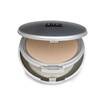 Zuzu Cosmetics is my choice for powder, mascara and lipstick. All are amazing quality and very affordable.
Best exfoliate and fade treatment in the world- my daughter Rachel, an esthetician, taught me this- make a paste from baking soda and fresh lemon juice, apply as mask, leave on 15 to 20 minutes, re-wet with lemon juice if it starts to dry out. It fades brown spots and works as well as glycolics to exfoliate!
French Consumer Group Warns on Potential Risks of Beauty Products
Posted: March 1, 2016 Filed under: Non-Toxic Choices Leave a comment
Some creams, shampoos, after-shaves and toothpastes made by groups such as L’Oreal and Procter & Gamble, may contain potentially harmful substances, according to a study by French consumer protection group UFC-Que Choisir.
UFC-Que Choisir on Monday published a list of 185 products it said contained substances that were legal, but could cause allergies, irritations or endocrinal disorders.
“In light of the absence of suitable European regulation, we want to put pressure on manufacturers through consumers’ purchasing behavior,” said Olivier Andrault, who ran the study for UFC-Que Choisir.
The study pointed, for example, to eight brands of baby wipes including L’Oreal’s Bebe Cadum and Mixa, Beiersdorf’s Nivea and Procter & Gamble’s (P&G) Pampers that contain phenoxyethanol, which it said could be toxic for the blood and liver.
In response to the study, the Federation of Cosmetics Makers (FEBEA) said beauty and hygiene products sold in France were safe and met European regulation, which it described as the most demanding in the world.
Nobody was immediately available for comment at Beiersdorf and P&G, while L’Oreal said it was rigorously committed to the safety of all of its products.
“Our safety evaluation system is very robust and all our products and our ingredients are rigorously evaluated before they are put on the market, always in full conformity to the regulation in place,” L’Oreal said in a statement.
(Reporting by Pascale Denis; Writing by Astrid Wendlandt; Editing by Mark Potter)
Specific Sugar Molecule Causes Growth of Cancer Cells
Posted: February 28, 2016 Filed under: Food and it's Impact on Our Health, Non-Toxic Choices | Tags: Beyond-paleo.com, Paleo Leave a comment
Sugar molecules on the surface of cells change their characteristics during development of cancer. Normal cells, as shown on the left, typically have long chains of sugar molecules (illustrated by circles filled with different colours and with the protein, that the chains are attached to, illustrated as a black line) that end in our blod type antigen like ABO. Cancer cells, on the contrary, often have truncated, immature chains of sugar molecules, as shown on the right.
Credit: University of Copenhagen
In co-operation with a research group from Singapore, scientists at University of Copenhagen have shown that immature sugar molecules in the form of truncated O-glycans aid growth properties of cancer cells. Previously, scientists have not been able to decode the significance of these truncated O-glycans, and therefore, the results, which were recently published in the journal PNAS, represent an important contribution to understanding the growth of cancer cells as well as the work towards developing a cure that can limit or stop the growth.
Catharina Steentoft, PhD student at Copenhagen Center for Glycomics and one of the scientists behind the results, stresses that this is basic science and there is still a long way from the results to actually developing a treatment or using them for diagnostic purposes. The results are still a cause for optimism, though.
“This is part of how we will proceed in the battle against cancer. When you know a certain process is important for the development of cancer you can start to consider ways to affect this process in a way that stops the cancer cell from taking advantage of it,” explains Catharina Steentoft.
Sugar molecules affect proteins
Sugar molecules play an important role in almost all of the processes taking place in the body. One of the ways in which sugar molecules affect us is through glycosylation, a process where sugar molecules are attached to proteins. The proteins are basically the building bricks of the body, whilst sugar molecules affect the proteins, and therefore play a significant role in the human organism. A flaw in a chain of sugar molecules can lead to protein malfunctioning and disease.
As early as 1982, scientists around the world realised the importance of sugar molecules for cancer. The American doctor and scientist Georg F. Springer discovered that a certain type of sugar molecules, the truncated O-glycans, were particularly prominent in cancer cells. The discovery of Catharina Steentoft and colleagues builds on the foundation of this knowledge.
Pinpointing ways to proceed
For 30 years, scientists all over the world have worked on using the truncated O-glycans as biomarkers for diagnostics and outcome-prediction, but now the group of researchers from Singapore and Copenhagen has finally pinpointed the significance of these sugar molecules — that they actually cause the cancer cells to grow and the cancer to spread more aggressively.
“We have now taken the first step towards understanding how cancer cells can change their glycosylation and produce these truncated O-glycans. It is a rather big step forward since it gives us an entirely new understanding of something we have worked many years to grasp. It guides our entire field of research towards new ways to proceed in the battle against cancer,” Catharina Steentoft says.
Story Source:
The above post is reprinted from materials provided byUniversity of Copenhagen. Note: Materials may be edited for content and length.
Journal Reference:
- D. J. Gill, K. M. Tham, J. Chia, S. C. Wang, C. Steentoft, H. Clausen, E. A. Bard-Chapeau, F. A. Bard. Initiation of GalNAc-type O-glycosylation in the endoplasmic reticulum promotes cancer cell invasiveness.Proceedings of the National Academy of Sciences, 2013; 110 (34): E3152 DOI: 10.1073/pnas.1305269110
Scientist Find This Common Food Doesn’t Just Feed Cancer Cells it CREATES Them
Posted: February 28, 2016 Filed under: Food and it's Impact on Our Health, Non-Toxic Choices | Tags: Beyond-paleo.com, low carb diet, Paleo Leave a comment
From Health Holistic Living Blog
First realize that even without being diagnosed with cancer, we all have at least a few cancerous cells floating around in our “inner terrain”. A decent immune system residing in a slightly alkaline or neutral pH inner terrain is able to fend them off and keep them from colonizing into tumorous masses.
On the other hand, those who indulge primarily in the SAD (Standard American Diet), which includes lots of factory farmed meat and junk foods saturated with refined sugars or high fructose corn syrup (HFCS), which processed foods use even with their non-sweet products to keep you addicted, along with all those refined carbs in refined grain baked products, are adding fuel (literally) to the fire of cancer.
Mainstream oncology ignores this 1930s Nobel Prize discovery by Otto Warburg, aka the “Warburg Effect”: When normal cells begin to lack oxygen respiration to utilize glucose and nutrients metabolically for cellular energy, they depend on fermenting sugar to thrive without oxygen and become cancerous.
Instead oncologists administer chemo IV therapies while giving their patients ice cream and cookies as the poison is injected into them. Big profits from the treatment and selling those toxic drugs at a profit also. “Cancer cells consume sugar about 19x faster than healthy cells.” – Dr. Murray Susser, MD
Mainstream medicine refuses to look into diet as a function of potential metabolic dysfunction that helps promote and maintain cancer while asserting genetic disposition as a primary cause of cancer.
Their hubris and incredible profits thrive from toxic interventions such as chemotherapy and radiation. The first concern with preventing or eliminating cancer should be what you put into your body. That gives you control over cancer.
It’s a no-brainer when it comes to avoiding sodas, juices with added sugars, pastries, candies, and processed foods that use processed grains and even add sugar or HFCS to foods that are not even sweet. That’s to keep you addicted even if you can’t taste it. Refined sugar is actually addictive, some claim it’s even as addictive as cocaine.
A Recent Study That Makes Sugar Carcinogenic
But now it’s even worse. Green Med Info has uncovered a study that seems to be hidden from the public eye and is certainly not welcome within our orthodox oncology system. It would cramp the food and soda business’s profits if refined sugar is seen as carcinogenic.
The study, “Increased sugar uptake promotes oncogenesis via EPAC/RAP1 and O-GlcNAc pathways” was published in the 2013-2014 Journal of Clinical Investigation (JCI). Because it is a free access journal, you can access the full text, not just the abstract, here.
I wonder how come this study hasn’t made much of a stir in our sick-care system since it is so accessible. Instead it was dug up by a research scout for Green Med Info.
It is of course full of biochemical details, which is what medical people are supposed to be familiar with. So for now, let’s be content with a layman’s summary report of their study, which was an in vitro (cultures, petri dishes, and test tubes) study as opposed to an in vivo (animal or human) study. This way they could really play around with and analyze the results with total control.
Here’s the bottom line of this study: Increased glucose uptake leads to early phases of cancer cell creation while curbing glucose intake reversed cancerous cells into normal cells. In other words, sugar is carcinogenic as well as fodder for already existing cancer cells.
For more info-
Specific sugar molecule causes growth of cancer cells
Temporarily Quitting Alcohol Brings Health Benefits
Posted: February 26, 2016 Filed under: Food and it's Impact on Our Health Leave a commentby Beth Skwarecki at Vitals

Alcohol has some health benefits, but too much of the stuff can interfere with your health. Even if your drinking doesn’t rise to the level of a true addiction, quitting temporarily appears to benefit your body.
Alcohol, like caffeine, has an enormous reputation but loose understanding in popular culture.…Read more lifehacker.com
The staff at New Scientist put that idea to the test by abstaining from alcohol for a month, while undergoing evaluations from a liver expert. Over that time, liver fat decreased by 15 percent (fat in the liver is a precursor to liver damage). The participants’ blood glucose, measured while fasting, fell by 16 percent. Staffers who kept drinking as normal during the month showed no changes in either measure.
The study is small and informal, but it fits with what we know about how alcohol works on our bodies. Rather than quitting for a month and then going back on your usual schedule, it’s probably better to use this as a lesson in how easy it is to reverse some of the effects of alcohol. If you’re careful to budget your intake, you can even lose weight while you continue drinking socially. Read more at the link below for what the staff of New Scientist learned from their experiment.
Our Liver Vacation: Is a Dry January Really Worth It? | New Scientist
Photo by Angelo Amboldi.


 Meal Delivery Service by Millie Barnes