How Gut Bacteria Impacts Obesity, Allergies, Happiness and More
Posted: May 11, 2016 Filed under: Food and it's Impact on Our Health Leave a comment
From- https://shangshuiw.wordpress.com
A growing body of research has shown that the teeming populations of gut bacteria within us have evolved complex connections that can affect our body’s basic functions — from metabolism to sleep to mood.
Changes in the makeup of the gut bacteria in the human digestive system have been associated with a growing number of diseases.
It’s important to remember, though, that the science is still young and evolving.
Here we highlight the most intriguing of the cutting-edge studies.
Healthy Heart
Some of the many beneficial compounds that certain gut bacteria produce for us are carotenoids—antioxidants that are believed to protect against stroke and angina.
In a 2012 study in Nature Communications, researchers in Sweden compared the gut microbiome of stroke patients to that of healthy subjects and found that there were more carotenoid-producing gut bacteria in healthy participants.
Stanley Hazen, M.D., Ph.D., and his team at the Cleveland Clinic have been looking at a variety of ways microbes play a role in heart disease.
For example, when certain gut bacteria metabolize lecithin (abundant in egg yolks) and carnitine (a compound in red meat), it boosts compounds in the blood that are linked to an increased risk of heart attack and stroke. Remove the bacteria and the risk-causing compounds vanish even after eating those foods.
Allergies Denied
Researchers in Copenhagen reviewed the medical records and stool samples of 411 children for 6 years and found that those who had the least diverse colonies of gut bacteria as infants were more likely to develop some types of allergies.
Trim Weight
A growing body of studies indicates that obese people tend to have a much lower diversity of gut bacteria — up to 40 percent less — than people with a healthy weight. And gut microbes may be responsible for those lean or plump traits: several studies with mice have found that transferring gut microbes from obese mice (or from obese humans) into non-obese mice, leads the non-obese mice to gain weight.
In turn, adding gut bacteria from lean mice into heavy ones causes the chubby mice to lose weight on a high-fiber, low-fat diet. Researchers believe different bacteria metabolize food differently, which could affect how much your body absorbs.
A 2013 study in the Proceedings of the National Academy of Sciences suggests certain gut microbes may help lower blood pressure.
Researchers found that by-products produced by certain gut bacteria activated a specific kind of cell receptor in blood vessels that lowers blood pressure. More bacteria equals more by-products, which equals healthier blood pressure.
Fight Cancer
A robust and diverse gut microbiome may help certain chemotherapies work better. French researcher Laurence Zitvogel, M.D., Ph.D., and his colleagues observed that gut bacteria in mice encouraged immature immune cells in the lymph nodes to develop into tumor-targeting T-cells.
In contrast, when mice were treated with antibiotics (which wipes out bacteria) before beginning chemotherapy, the chemotherapy was less effective. The researchers believe the gut bacteria help prime the immune system to respond to chemotherapy.
Some microbes may be associated with colon cancer. University of Michigan researchers exposed two groups of germ-free mice — essentially mice with sterile colons — to a known carcinogen.
One group then received gut bacteria from mice with colon cancer and went on to develop twice the number of tumors than the other group who got gut bacteria from cancer-free mice. The researchers narrowed down the microbial families associated with colon cancer and one included Prevotella.
People with inflammatory bowel disease are at higher risk of developing colon cancer than the general population. Researchers have thought that the main culprit is overactive immune cells, which release DNA-damaging molecules.
Now new findings in Science suggest that overactive immune cells also may be causing an imbalance in your gut bacteria — encouraging E. coli strains that produce cancer-causing toxins.
Relaxed & Happy
There’s something to be said for “gut feelings.”
Gut bacteria produce hundreds of different neurotransmitters, including up to 95 percent of the body’s supply of serotonin, a mood and sleep regulator. Serotonin also controls movement within the intestines.
Our gut is said to be our “second brain” in part because the vagus nerve is a major communications highway that stretches from the brain to various points along the intestinal lining; communication travels in both directions.
One Lactobacillus species, for example, sends messages from the small intestine to the brain along this nerve: in a study led by John Cryan, Ph.D., a neuroscientist at University College Cork in Ireland, anxious mice were dosed with a proprietary strain of Lactobacillus rhamnosus.
Those rodents then had lower stress hormone levels and an increase in brain receptors for a neurotransmitter that’s vital in curbing worry, anxiety and fear. The effects were similar to those of Valium.
According to another study, when mice had this bacteria in their gut, they showed less depressive behavior. Whatever bacteria may be responsible for “feeling good,” it appears they can be acquired: a recent experiment moved gut bacteria from fearless mice into anxious mice. The new bacteria sparked a personality change, making timid mice more gregarious
Dan Littman, M.D., Ph.D., a microbiologist at the NYU School of Medicine, led a study that found an association between the gut bacteria Prevotella copri and the onset of rheumatoid arthritis, an autoimmune disease of the joints. While the connection was significant, it’s not clear which comes first: the bacteria or RA.
However, other animal studies, Littman says, have clearly shown that gut microbes play a role in causing autoimmune diseases. One of these, published in 2013 in the journal Science, showed 75 percent of female mice at risk of autoimmune type 1 diabetes were protected against the disease when they were given gut bacteria from healthy mice.
Manage Crohn’s
A large study out of Massachusetts General Hospital involving more than 1,500 patients recently reported a connection between gut microbes and Crohn’s disease (an inflammatory bowel disease that can affect any part of the GI tract, but typically the intestines).
In addition to having less diversity, Crohn’s patients had fewer bacteria known to quell inflammation and more bacteria that cause inflammation.
Interestingly, those who received the standard antibiotic treatment for Crohn’s had a microbe mix that was even more out of balance. Another study found that when Crohn’s patients were given a prebiotic fiber supplement each day, disease symptoms decreased significantly.
My Favorite Tahini Dressing
Posted: May 5, 2016 Filed under: Recipes Leave a comment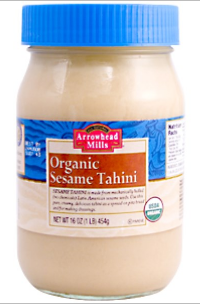

I don’t think it is healthy to eat any vegetable oils, even olive oil, on a regular basis. BUT, salads are SO HEALTHY and necessary to eat daily…Here is my favorite and only dressing that has very little olive oil. AND tahini, sesame seed butter, as an awesome source of calcium!
Tahini Dressing
Serves: 10 – 12
1/2 cup orange or lemon juice juice
1 teaspoon garlic
1/2 cup water
1/2 cup raw tahini
1 Tablespoon honey
2 Tablespoons apple cider vinegar
1/3 cup Coconut Amino Acids (soy free soy sauce substitute) *
1 Tablespoon cumin
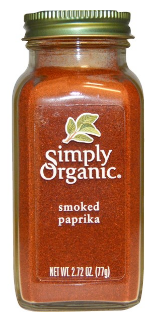
1 teaspoon smoked paprika
2 Tablespoons olive oil
1/4 teaspoon sea salt
1. Combine lemon juice, garlic and water into a blender and puree for 15 – 30 seconds
2. Add all remaining ingredients and puree again until smooth.
Coconut aminos are very pricey- best price is at Thrive Market
Crispy Vidalia Rings
Posted: May 2, 2016 Filed under: Recipes Leave a comment
Serves 8
4 large Vidalia (or Spanish) onions, peeled
4 1/4 cups rice flour
3 Tablespoon gluten-free corn meal
1 cup arrowroot
1/3 cup baking powder
2 Tablespoon dried parsley
2 Tablespoons garlic granules
Beef Fat for frying
1 cup coconut milk
1. Cut onions crosswise into 1”- thick slices and separate into rings. Place rings in a large bowl of cold water and soak for at least 30 minutes to remove any bitterness.
2. To make dry batter, mix together 2 1/4 cups flour, cornmeal, arrowroot, baking powder, parsley, and garlic granules in a large bowl, then cover and set aside.
3. Pour enough oil into a cast-iron pot to come to a depth of 3”. Heat over medium-high heat to 325°–350°. Put remaining 2 cups flour in a bowl. In another bowl, add milk
4. Drain onions. Working in batches, about 3–5 rings at a time, dredge onions in flour, then dip in milk, then dredge in dry batter. Immediately fry onions in hot oil until crisp and golden, about 2 minutes. Use tongs or a slotted spoon to remove onion rings from oil; drain well on paper towels before serving.
OR bake at 425 until golden brown
Fluoride Officially Classified as a Neurotoxin in World’s Most Prestigious Medical Journal
Posted: April 27, 2016 Filed under: Food and it's Impact on Our Health, Non-Toxic Choices Leave a comment
From; http://wearechange.org/
There are safe ways to provide fluoride to your teeth if your teeth are deficient. A simple one time gel treatment lasting fifteen minutes is good enough to last a lifetime.
What is hardly safe according to this work is chronic exposure. From the above it is also clearly unnecessary. This is an out of control marketing scheme with dentists providing uninformed testimonials back in the day.
It needs to be shut down and public health needs to test teenagers and young adults for dental floride deficiency although it will likely be already dealt with by dentists. .
.
Fluoride Officially Classified as a Neurotoxin in World’s Most Prestigious Medical Journal
by Nick Meyer
http://nexusilluminati.blogspot.ca/2016/03/fluoride-officially-classified-as.html
The movement to remove industrial sodium fluoride from the world’s water supply has been growing in recent years, with evidence coming out against the additive from several sources.
Now, a report from the world’s oldest and most prestigious medical journal, The Lancet, has officially classified fluoride as a neurotoxin — in the same category as arsenic, lead and mercury.
The news was broken by author Stefan Smyle, who cited a report published in The Lancet Neurology, Volume 13, Issue 3, in the March 2014 edition, by authors Dr. Phillippe Grandjean and Philip J. Landrigan, MD. The report, which was officially released in 2014 and published in the journal, can be viewed by clicking here.
Fluoride Classified Along with Mercury, Lead and Others
As noted in the summary of the report, a systematic review identified five different similar industrial chemicals as developmental neurotoxicants: lead, methylmercury, polychlorinated biphenyls, arsenic, and toluene.
The summary goes on to state that six additional developmental neurotoxicants have also now been identified: manganese, fluoride, chlorpyrifos, dichlorodiphenyltrichloroethane, tetrachloroethylene, and the polybrominated diphenyl ethers. The authors added that even more of these neurotoxicants remain undiscovered.
Also in the report, they note that neurodevelopmental disabilities, including attention-deficit hyperactivity disorder, dyslexia, and other cognitive impairments, are now affecting millions of children worldwide in what they call a “pandemic of developmental neurotoxicity.”
Because of the documented health risks of fluoride, many people have launched campaigns to remove the chemical from their water supplies, to varying degrees of success. Such initiatives usually begin through the are often controversial and emotionally charged because of the reputation fluoride still enjoys among mainstream dentistry practitioners. In addition to fluoride in city water supplies, the substance can also be found in certain foods, especially in heavily processed brands of tea that may be grown in polluted areas (see this list for more info).
If you’ve ever noticed the warnings on toothpaste labels you probably know just how serious fluoride poisoning can be, especially for children if they swallow too much at one time.
Because of this threat, many parents have begun eschewing fluoridated toothpaste brands altogether and are using more natural brands such as Earthpaste, Dr. Bronner’s toothpaste line, or even making their own from a combination of ingredients such as coconut oil, organic neem leaf powders, essential oils like peppermint or cinnamon, and other natural ingredients.
The fluoride added to our water supply is mostly seen as a cumulative toxin that accumulates in our bodies and can manifest itself in problems over time, including dental fluorosis, or far worse health problems.
Global Fluoride Prevention Strategy Recommended
fluorideIn the Lancet report, the authors propose a global prevention strategy, saying that “untested chemicals should not be presumed to be safe to brain development, and chemicals in existing use and all new chemicals must therefore be tested for developmental neurotoxicity.”
They continue: “To coordinate these efforts and to accelerate translation of science into prevention, we propose the urgent formation of a new international clearinghouse.”
The report coincides with 2013 findings by a Harvard University meta-analysis funded by the National Institutes of Health that concluded that children in areas with highly fluoridated water have “significantly lower” IQ scores that those who live in areas with low amounts of fluoride in their water supplies.
Sodium fluoride in drinking water has also been linked to various cancers. It is functionally different than the naturally-occurring calcium fluoride, and commonly added to drinking water supplies and used by dentists who posit that it is useful for dental health.
Fluoridation is Actually Uncommon in Europe
Currently, fluoride is added to water supplies across much of North America, but as this list of countries that ban or reject water fluoridation shows, the practice is actually not too common, or banned entirely throughout most of Europe and in several other developed nations across the world.Fluoride Filter
Since most places in America still add fluoride to the water a high quality water filter is recommend to filter out the fluoride, and it can be especially important to avoid exposing yourself to too much fluoride in your daily shower or bath.
What is the Difference Between Natural Fluoride and the Kind That is Artificially Added to Our Water Supply?
On the heels of recent news that the fluoride in North American drinking water supplies is considered to be a neurotoxin according to a recent study in the top peer-review medical journal The Lancet, on par with some of the most notorious environmental toxins out there, many people are becoming more interested in the truth about fluoride.
Specifically, most people still do not know the difference between the naturally occurring calcium fluoride and other industrialized forms that are added to water supplies in North America (but not throughout most of Europe, and many other high-tech countries).
That’s because the term “fluoride” is often thrown around without making a distinction between these substances.
There are three types of fluoride used to “fluoridate” water supplies: Fluorosilicic acid, sodium fluorosilicate and sodium fluoride.
Fluorosilicic acid is the type most often used for cost reasons, and it is derived from phosphate fertilizers according to the CDC’s website.
The other two are created by adding either table salt or caustic soda to the mix.
Fluoride Corrodes Town’s Pipes
These types of fluoride can be quite corrosive, as one town found out the hard way when the fluoride they used to add to their water supply began corroding pipes and damaging city vehicles. Officials from the town, Buffalo, Missouri, voted to stop fluoridating the water supply recently due to these issues.
In contrast with these types of fluoride is calcium fluoride, which is a much safer version of fluoride.
Calcium fluoride is considered the “least toxic” and in some cases “relatively harmless”according to the site fluoridedetective.com, and that’s because of its high insolubility.
Magnesium and especially calcium are known as minerals that counteract the effects of fluoride, an example of how nature often pairs antidotes with poisons or designs complete foods that mitigate harmful substances for the most part.
This type of fluoride is often found in natural waters, while the above industrial byproducts are added to water supplies, a highly controversial practice that more and more people are asking to be changed.
Many Towns are Being Pressured to Remove Flouride
While it was originally added as a way to assist in the area of dental health, more and more people are questioning whether that is actually true and many towns are removing fluoride due to grassroots citizens’ movements.
(A list of towns that have removed fluoride since 2014 can be viewed here).
And considering the health risks involved, not to mention the safety concerns and costs, many cities and towns will have a decision to make in the coming years about whether or not to stop fluoridation.
Diet Soda’s Aspartame Associated with Cardiovascular Issues, Brain Tumors, Non-Hodgkin Lymphoma and Kidney Function Decrease
Posted: April 17, 2016 Filed under: Food and it's Impact on Our Health, Non-Toxic Choices Leave a comment
Are you still thirsty? Or just addicted to this toxic chemical? Well, here’s another reason why you ought to refuse to pour this poison cocktail down your esophagus.
According to an article in Collective Evolution, researchers at the University of Iowa have been taking another look at aspartame, although I really don’t know why they need any more proof of it’s toxicity. It was kept off the market until 1981, thanks to the consumer advocate and lawyerJames Turner.
60,000 women took part in the research and here’s what they found:
“… Women who consumed two or more diet drinks a day are 30 percent more likely to experience a cardiovascular event, and 50 percent more likely to die from a related disease.”
Of course the folks who created this study have merely called for more research:
“‘It’s too soon to tell people to change their behavior based on this study; however, based on these and other findings we have a responsibility to do more research to see what is going on and further define the relationship, if one truly exists,’ says Dr. Ankur Vyas, because ‘This could have major public health implications.’”
Hmmm. The major health implication of these neurotoxins were pointed out over four decades ago. Since it was ole Donald Rumsfeld who commandeered this poison into the food supply, a quote from the liar himself might be appropriate.
That aspartame is a toxic poison is what Donald would call a “known known”, don’t you think?
(Photo credit: Deesillustration.com)
Bacon-Wrapped Salmon
Posted: April 15, 2016 Filed under: Recipes Leave a commentFrom –  PaleoLeap

Serving Size : 4
4 wild salmon fillets
2 sprigs tarragon — cut in half;
Zest of 1 lemon
8 slices bacon
2 tbsp. maple syrup or raw honey — (optional)
Butter
Sea Salt and freshly ground pepper
1) Preheat oven to 375 F.
2) Season the salmon to taste with sea salt and freshly ground black pepper.
3) Top each fillet with a sprig of tarragon and some lemon zest.
4) Wrap each fillet with 2 slices of bacon.
5) Heat butter in a large ovenproof skillet over a medium-high heat.
6) Fry the salmon on each side until golden brown (about 2 minutes per side).
7) Brush each fillet with the maple syrup or honey, if using, and transfer to the oven.
8) Place the salmon in the oven until cooked through (about 8 to 10 minutes).
Killer Reasons to Ditch Dryer Sheets
Posted: April 15, 2016 Filed under: Non-Toxic Choices Leave a comment
Artificial Fragrances- When people use dryer sheets, they are coating their cloths with artificial chemical perfumes. These fragrance chemical are really toxic chemicals. They are known carcinogens that cause liver damage and cancer in mammals. (study)
In a recent study performed by UW professor Dr. Anne Steinemann, a research team conducted a small study to understand the effects of fragrances in laundry products (both detergent and dryer sheets). The resulted discovered more than 25 VOCs emitted from dryer vents, with highest concentrations of acetaldehyde, acetone, and ethanol (two of which are considered carcinogenic). To put it in context, one of the carcinogenic VOC’s, acetaldehyde, had emissions that would represent 3% of total acetaldehyde emissions from automobiles in the study area. This is a major omission of toxic chemicals.
According to the U.S. Environmental Protection Agency (EPA) and industry-generated Material Safety Data Sheets (MSDS) from the 1990s, the following is a list of chemicals in fabric softener products, most in untested combinations.
1. Alpha-Terpineol–This chemical has been linked to disorders of the brain and nervous system, loss of muscle control, depression, and headaches
2. Benzyl acetate–Benzyl acetate has been linked to cancer of the pancreas
3. Benzyl alcohol–This upper respiratory tract irritant can cause central nervous system (CNS) disorders, headache, nausea, vomiting, dizziness and dramatic drops in blood pressure.
4. Chloroform–Neurotoxic, anesthetic and carcinogenic. Really toxic to your brain. Inhaling its vapors may cause loss of consciousness, nausea, headache, vomiting, and/or dizziness, drowsiness.
5. Ethanol– Another fabric softener ingredient which is on the EPA’s Hazardous Waste list and linked to CNS disorders.
6. Ethyl Acetate–causes headaches and is on the EPA Hazardous Waste list
7. Linalool–in studies, this chemical caused loss of muscle coordination, nervous system and brain disorders, and depression
8. Pentane–causes headaches, nausea, dizziness, fatigue, drowsiness, and depression
What’s the alternative to toxic dryer sheets? Wool balls. They are 100% natural and are effective at getting rid of static cling and wrinkles, soften clothes.
– See more at: http://www.viralalternativenews.com/2016/04/dryer-sheets-cause-hormone-imbalance.html#sthash.3NB8W5pB.dpuf
– See more at: http://www.viralalternativenews.com/2016/04/dryer-sheets-cause-hormone-imbalance.html#sthash.3NB8W5pB.dpuf
Vitamin D Heals Damaged Hearts
Posted: April 14, 2016 Filed under: Food and it's Impact on Our Health Leave a comment
Vitamin D supplements may help people with diseased hearts, a study suggests.
A trial on 163 heart failure patients found supplements of the vitamin, which is made in the skin when exposed to sunlight, improved their hearts’ ability to pump blood around the body.
The Leeds Teaching Hospitals team, who presented at a meeting of the American College of Cardiology, described the results as “stunning”.
The British Heart Foundation called for longer trials to assess the pills.
Vitamin D is vital for healthy bones and teeth and may have important health benefits throughout the body but many people are deficient.
No safe way to suntan – warning
The average age of people in the study was 70 and, like many people that age, they had low levels of vitamin D even in summer.
“They do spend less time outside, but the skin’s ability to manufacture vitamin D also gets less effective [with age] and we don’t really understand why that is,” said consultant cardiologist Dr Klaus Witte.
Patients were given either a 100 microgram vitamin D tablet or a sugar pill placebo each day for a year.
And researchers measured the impact on heart failure – a condition in which the heart becomes too weak to pump blood properly.
The key measure was the ejection fraction, the amount of blood pumped out of the chambers of the heart with each beat.
In a healthy adult, the figure is between 60% and 70%, but only a quarter of the blood in the heart was being successfully pumped out in the heart failure patients.
But in those taking the vitamin pills, the ejection fraction increased from 26% to 34%.
Dr Witte told the BBC News website: “It’s quite a big deal, that’s as big as you’d expect from other more expensive treatments that we use, it’s a stunning effect.
“It’s as cheap as chips, has no side effects and a stunning improvement on people already on optimal medical therapy, it is the first time anyone has shown something like this in the last 15 years.”
The study also showed the patients’ hearts became smaller – a suggestion they are becoming more powerful and efficient.
In the UK, people over 65 are advised to take 10 microgram supplements of the vitamin.
However, Dr Witte does not think high-dose vitamin D should be routine prescribed just yet.
He told the BBC: “We’re a little bit off that yet, not because I don’t believe it, but data have shown improvements in heart function, they may show improvements in symptoms and we now need a large study.”
It is also not clear exactly how vitamin D is improving heart function, but it is thought every cell in the body responds to the vitamin.
Most vitamin D comes from sunlight, although it is also found in oily fish, eggs and is added to some foods such as breakfast cereals.
Prof Peter Weissberg, from the British Heart Foundation, cautioned that the patients seemed no better at exercise.
And added: “A much bigger study over a longer period of time is now needed to determine whether these changes in cardiac function can translate into fewer symptoms and longer lives for heart failure patients.”
Don’t Feed Babies a Ton of Rice Cereal, Says FDA
Posted: April 14, 2016 Filed under: Food and it's Impact on Our Health Leave a comment
Millie- say don’t feed them ANY grains at all, especially the first year!
Rice cereal is a popular first food for babies. It’s also kind of high in arsenic, says the Food and Drug Administration, so if your kid gets a steady rice cereal diet, it’s time to diversify.
Plants pick up minerals from the soil they’re grown in. Rice is especially good at picking up arsenic. It doesn’t matter if the rice was grown organically or not; this is a blanket warning for rice in general. Baby rice cereal is getting the most attention because some babies eat a lot of it. It’s typically fortified with iron and other nutrients, so pediatricians love to recommend it. The FDA says it’s still fine in small quantities, but don’t go crazy:
Rice cereal fortified with iron is a good source of nutrients for your baby, but it shouldn’t be the only source, and does not need to be the first source. Other fortified infant cereals include oat, barley and multigrain.
Pregnant women, likewise, should avoid relying heavily on rice in their diet. At very high levels, arsenic can interfere with a baby’s brain development. Brown rice carries more arsenic than white rice, and some rice-growing parts of the world have more arsenic than others, Deborah Blum writes at Undark. Arsenic has also been found at high levels in organic brown rice syrup, which is used as a sweetener.
Currently, the FDA does not set a limit on the amount of arsenic that can be in rice products. In a recent analysis, they sampled infant rice cereals and other foods. About half (53%) had levels above the European Union’s cutoff of 100 parts per billion. Non-rice foods were all below that level. The report doesn’t name brands, but baby food maker Gerber quickly wrote a letter to families pointing out that their rice cereals were all below 100 ppb.
The FDA has more information on arsenic in rice here.You can read their recent warning to parents at the link below.
For Consumers: Seven Things Pregnant Women and Parents Need to Know About Arsenic in Rice and Rice Cereal | FDA via Undark
Fast Food May Expose Consumers to Phthalates
Posted: April 14, 2016 Filed under: Food and it's Impact on Our Health Leave a comment(Reuters Health) – People who eat a lot of fast food may be exposed to higher amounts of certain chemicals in plastics that are believed to disrupt human hormones and possibly cause cancer, according to a U.S. study.
Researchers found that people who eat the most fast food have up to 39 percent more of two industrial chemicals called phthalates in their blood than those who eat less, or no fast food at all.
“We found a significant association suggesting that the more fast food someone eats, the higher the levels of two particular phthalates known to be used in food packaging and food contact material,” said lead author Ami R. Zota of the department of environmental and occupational health at the Milken Institute School of Public Health at George Washington University in Washington, D.C.
Phthalates make plastics like polyvinyl chloride (PVC) more flexible and are used in vinyl flooring, adhesives, detergents, lubricating oils and automotive plastics. People can be exposed by eating and drinking foods and beverages that have been in contact with plastic containers, according to the Centers for Disease Control and Prevention.
The human health effects of phthalate exposure are not known, according to the CDC, but they have been shown to affect the reproductive systems of lab animals.
“Phthalates are of concern because animal and epidemiology studies have linked exposure to a range of adverse health outcomes, from toxicity to developing male reproductive systems, neurodevelopmental issues, miscarriage, and preterm birth,” said Justin Colacino of the University of Michigan School of Public Health in Ann Arbor, who was not part of the new study.
Phthalates can mimic hormones in the body, and those in this study are also suspected to be carcinogens, Colacino told Reuters Health by email.
The study team used data from more than 8,000 participants in the National Health and Nutrition Examination Surveys between 2003 and 2010, including their self-reported fast food intake, the type of fast food they ate and the fat content of their food over the previous 24 hours. The surveys also included objective measurements of chemicals in urine samples.
As people’s fast food intake increased, so did evidence of phthalate exposure in their urine, according to the results in Environmental Health Perspectives.
There was no link between fast food consumption and urinary levels of bisphenol A (BPA), one of three plasticizing chemicals the researchers measured.
But people who got more than a third of their total calories from fast food over the previous day had 24 percent more of one chemical, di(2-ethylhexyl) phthalate (DEHP), and 39 percent more of a second one, diisononyl phthalate (DINP), than those who did not eat any fast food.
These chemical exposures seemed to be tied specifically to how much grain-based or grain- and meat-based fast food people ate.
The researchers accounted for age, sex, race, body weight, household income, and in some models adjusted for other potential sources of phthalate-containing foods, like those obtained from vending machines and restaurants, but the association with fast food remained, Zota said.
“These studies cannot alone establish causality,” she noted. But, “the results are both statistically significant and meaningful,” she said.
“Some likely sources include the tubing used upstream in the processing of dairy and meat, as well as the packaging at various stages of production,” she said. “Another potential source is the gloves employees wear while handling it,” which are often vinyl gloves, Zota said.
“The results suggest that if you as an individual want to limit your chemical exposures, one potential way to do that is limiting fast food and processed food,” she said.
But individuals can only do so much to limit their exposure to these ubiquitous chemicals, she said.
“It’s going to require a number of stakeholders to address the problems including people who regulate what can be added to food contact materials and food packaging, the Food and Drug Administration, fast food companies themselves, and manufacturers of tubing,” Zota said.
Phthalate levels are regulated in food in the European Union, but not in the U.S., she said.
SOURCE: 1.usa.gov/1YtM51A Environmental Health Perspectives, online April 13, 2016.


 Meal Delivery Service by Millie Barnes