Do Vitamin Supplements Make Us Any Healthier?
Posted: July 21, 2009 Filed under: Food and it's Impact on Our Health Leave a comment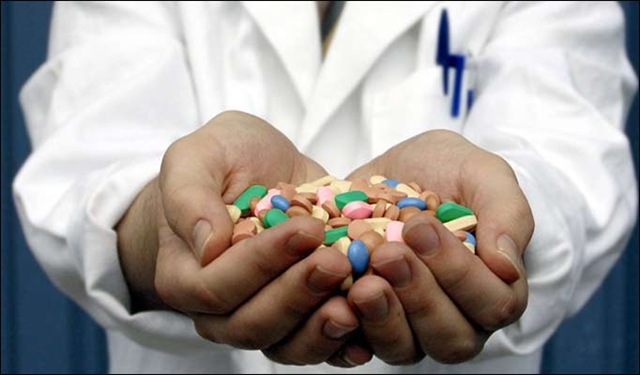 In a word- NO.
Most U.S. adults and more than 30 percent of American children take some form of dietary supplement, most often multivitamins and multiminerals, according to a report in the October 2007 issue of Archives of Pediatrics. Experts emphasize diet as the best source of nutrients for children, but physicians may recommend supplements for certain children at risk of deficiency.
Do dietary supplements work, and are they safe?
Dr. Sanjay Gupta, CNN chief medical correspondent: The report found that about one third of kids in the United States are taking dietary supplements. Most were taking a daily multivitamin and a small group taking individual supplements such as vitamin C, calcium or iron. So, do your kids need to take a multivitamin daily to be healthy? The short answer: no. The American Academy of Pediatrics does not recommend a daily multivitamin for children. They say most kids get the nutrients they need from their diet. But they do recommend 200 IU of vitamin D for children who don’t drink milk and also 5 to 10 mg of iron for babies who are breast-fed.
What about vitamin D?
Gupta: The biggest concern for the American Academy of Pediatrics is vitamin D deficiency. Rickets is a disorder that becomes apparent during infancy or childhood and is the result of insufficient vitamin D in the body. This is most common in breast-fed children. Here is the good news: Although a daily multivitamin might not be offering your child a tremendous amount of benefit, it certainly is not hurting them.
Dr. Gupta, why did you say in your book that adults might be wasting money on daily supplement pills?
Gupta: Here’s the problem: Despite the billions of dollars people spend, there’s virtually no research showing that supplements can make you healthier or live longer. There is some research, but most finds there’s no benefit at all.
Two examples from the Journal of the American Medical Association: Ginkgo doesn’t help memory, and Echinacea doesn’t work to fight colds. And you’ve heard of antioxidants? One study found that taking antioxidants, such as vitamins A and E, in pill form, might actually be harmful. So it’s possibly a waste of money because there’s no powerful proof behind supplements. Yet, honestly, I take a few even though I don’t know if they’re doing anything for me. You could say it’s a leap of faith. The National Institute on Aging doesn’t specifically recommend any supplement.
If there’s no evidence, what’s driving people to take these supplements?
Gupta: People think they’re shortcuts. We like shortcuts. And there’s clever marketing to encourage us to give them a try, whether it’s supplements, vitamins or antioxidants. Some supplements do show promise, even without much data yet to back it up, such as alpha lipoic acid to fight off heart disease and diabetes and fish oil with omega-3 fatty acid. Also, even if you eat a healthy diet, taking a multivitamin may just give you an extra boost of nutrients — although, again, no research out there proves this yet.
The bottom line is studies have shown that a good diet, not pills, is the safest and best way to stay healthy. In my book, "Chasing Life," I recommend eating a "colorful diet" Research has shown eating a rainbow of colorful fruits and vegetables can protect you against heart disease, cancer and even the effects of aging
Dr. Gupta talks here about Vitamin D deficiency. As you know if you have been following my blog, that I am a huge proponent of Grass-fed meat, raw butter, cage free organic chickens and eggs…because we get large amounts of Vitamin A, D and E from eating these foods! There is no substitute for getting real Vitamin D in this form!
The following is an article I wrote in 2001;
Can we get the nutrients we need through supplements?
By Millie Barnes
You rush out the door in the morning after grabbing orange juice, two pieces of toast with margarine, and a handful of vitamins. Have you had a healthy breakfast? Gotten the vitamins you needed for the day? Lets take a look….
You consumed 321 calories, 5 grams of fat. Unfortunately, no vitamin C, because your source of C was from concentrate. Vitamin C, being one of the water soluble vitamins is extremely light and heat sensitive. Twenty minutes after you have squeezed fresh orange juice, half the vitamin C is gone. So how much is left in the concentrate? None. Plus there was very little nutrients in the toast, a highly refined food. Also the margarine contains hydrogenated fats, chemicals and additives. Hydrogenation is a process that chemically treats fats or oils to make them stay hard at room temperature. Unfortunately they also stay hard in your arteries. Fruit spreads, apple butter, tahini ( sesame butter); all of these are better choices.
“But I took my vitamins!”, you say. Yes, that is true, but our absorption of vitamins and minerals when they are from chemical sources is very low. We need to get these precious nutrients in the food they occurred in to begin with. Let’s look at why. Fruits and vegetables are rich in vitamins and minerals, but they are also rich in enzymes. On a molecular level, you cannot absorb a vitamin or mineral molecule without a live enzyme attached to it! Enzymes are the catalyst that allow our body to assimilate the nutrients we need. Notice that I said a live enzyme. Live enzymes occur in foods that are ALIVE! Not processed or cooked. Because these processes kill the enzymes. Notice that every culture in the world begins or ends meals with a salad or some fruit. It was observed over time that this aided digestion and improved health.
So, are we looking at an all raw diet? No, it is almost impossible given the way we live today and is not healthy. You need high quality proteins (grass fed meat, free range organic chicken and eggs, small amounts of cold water fish), healthy saturated fats from coconut oil, butter and meat stocks, fresh vegetables and small servings of fruit…and you’ve got a diet rich in nutrients, high in fiber and moisture and low in toxins. In other words diet that will give you high energy, repair and maintain your immune system, allow you to maintain your ideal weight, and allow you to heal. You’ll look and feel far better, sleep better, exercise more and have more fun..
Notice that in the last paragraph that I mentioned that our diet should be low in toxins. In our culture, the diseases that we suffer from are diseases of excess, not deficiencies. Another way of saying it would be that we suffer from toxemia. In our culture, we don’t see beriberi, pellagra, rickets or scurvy. And no American doctor has ever diagnosed a case of Kwashiorkor; protein deficiency. Vitamins and minerals are easy to come by. The reason why toxemia and not deficiency is the cause of symptoms is twofold. First, some vitamins are depleted because they play a role in the bodies’ detoxification of harmful substances within. Vitamin C is a notable example of this. Secondly, drugs and drug like substances, such as coffee, tea, alcohol, medications, junk food, sugar, preservatives, food dyes, in fact all non-food substances, interfere with the bodies absorption and/or utilization of vitamins and other nutrients. We also need to realize that that food processing, storage and preservation all deplete vitamins in food.
So the next time you go to the grocery store, buy grass fed beef, free range organic chicken, cage free eggs (NOT Omega fed eggs!). Buy healthy organic butter and coconut oil, use them liberally. Head to the produce aisle, stay away from boxed and canned food. Avoid grains in any form, avoid anything processed. Find and frequent a good seafood market. A good rule of thumb is to remember you should be able to hold the food in your hands and tell how it grew! If you buy foods that needs labels, make sure you know what the items listed really are, and that you can pronounce them! Read labels!.
There are many benefits from following these recommendations. In a few weeks you will notice that your energy is higher. Getting up in the morning is easier, you’ll have slept better. Your allergies and sinus problems will improve dramatically. Your skin will look better. You will lose weight, if needed. Your stomach will get flatter as your digestion improves. You will attain more emotional poise. When you feel way better, life gets way funner!!! So what are you waiting on?
Industrial “Food” Is Killing Us!
Posted: July 21, 2009 Filed under: Food and it's Impact on Our Health Leave a commentIn 1973, Secretary of Agriculture Earl Butz, encouraged farmers to "get big or get out," as he urged farmers to plant commodity crops like corn "from fencerow to fencerow." These policy shifts coincided with the rise of major agribusiness corporations, and the declining financial stability of the small family farm. Evidence shows that while the present capital and technology-intensive farming systems are productive and able to produce cheap food, they also bring a variety of economic, environmental, and social problems.
Industrial farms are subsidized by commodity payments (your tax money) and are contributing to environmental degradation through: bi-cropping (corn and soy), heavy use of pesticides, inefficient use of increasingly scarce water, depletion and erosion of soil, difficulty recycling nutrients and destruction of biodiversity. Recent research has also shown a decrease in nutrient values in fruits and vegetables over the last 30 years. This alone is great reason for RD’s to be the leading soil advocates.
What is infuriating is that the food that is being subsidized and grown throughout the Midwest is not really food at all, in that it is not fit for human consumption.
It is an input and it must be processed, which leads us another problem: processed food. Almost every product you find in the center aisles of the grocery store is made from corn and soy. From steaks to chicken nuggets, condiments, juices, frozen entrees, pastries, etc., are ultimately derived from corn, either as high fructose corn syrup or from the corn-based animal feed that is being fed to animals. The animals confined to the industrial food system are also not supposed to eat this corn. Cows are ruminant animals and are suppose to eat grass. This is like trying to make a patient with Celiac’s Disease eat a diet of wheat gluten. The cows, like the patient would, get sick with a condition called acidosis which causes one of their four stomachs to inflate, ultimately causing suffocation. To combat this problem, the industrialized food system provides animals living in CAFO’s (Confined Animal Feeding Operations) with a low dose of antibiotics. Presently, 80% of the antibiotics in the US are used non-therapeutically in animals being grown for consumption.
Those working in the community and clinical dietetics and with at-risk populations see the ramifications of these policies every day. The American people, especially low-income populations, are sick. Both corn-fed beef and high-fructose corn syrup contribute to the obesity epidemic in the United States. Those working on obesity know that behavior change alone is not working. Patients are stricken by a federal policy that makes cheap food possible. While American’s spend a smaller fraction of their budget (about 11%) on food compared to any other industrialized nation, the cheap food is catching up to us on the other end: our health care costs, or what I call, “sick care.” Another issue for those working in the area of hunger and food security is our dependency on petroleum inputs to grow food.
With a new administration and a new secretary of agriculture, now is a great time for us to join in the political process that is entrenched in our food. In order for your representatives to begin to change these archaic policies, they must first know that there is political will.
Watch the movie King Corn
Why Is There Still an Endocrine Disruptor In My Toothpaste?
Posted: July 21, 2009 Filed under: Going Green; How and Why... Leave a commentby Lloyd Alter, Toronto  on 07.17.09

Three years ago John first wrote There’s A Frog Disruptor In My Soap, including a scary list of products containing the bacteriocide Triclosan. We keep asking Why Is There Still a Frog Disruptor In My Toothpaste? and nothing changes. With the current swine-flu induced hand washing craze, more people are dosing themselves with more Triclosan, even though alcohol-based products work just as well, and Germ Fighters Lead to Hardier Germs.
But this may finally be changing.
Dan Shapley of The Daily Green tells us about a petition has been filed by the Food and Water Watch to the Food and Drug Administration, making the following claims:
The presence of triclosan in the human body (as evidenced by scientificstudies of its activity in blood, urine and breast milk) imposes an immense and dangerous ―body burden. This presence raises concerns about a multitude of threats to humans;
Bacterial resistance to antibiotic medications and antibacterial cleansers is just one category of threats emanating from the growing body burden of triclosan. Suchresistance renders humans (especially vulnerable subpopulations) wide open to bacteria-induced illnesses and death;
Endocrine disruption is another potential result of triclosan bioaccumulation in the body. This effect, in turn, poses serious threats to thyroid and other organ functions, and it can also influence the development of cancer;
Wastewater contamination by triclosan is a serious health threat. Importantly, triclosan products used in the home and in the workplace typically yield residues that flow into wastewater from rinsing, cleaning and other normal activities. Because these residues are not rendered harmless by the wastewater treatment process, they are free to reenter the environment—and ultimately the human body.
And they put this stuff in toothpaste???
The list of organizations supporting the petition is extensive and impressive, and includes the Sierra Club, the Center for Environmental Health, the Natural Resources Defense Council and more. Perhaps the new and improved FDA will finally listen. Read the petition PDF here

Updated List of Products with Triclosan
Food and Water Watch provides an updated list of products that contain Triclosan:
Neutrogena Deep Clean Body Scrub Bar
Lever 2000 Special Moisture Response Bar Soap, Antibacterial
CVS Antibacterial Hand Soap
Dial Liquid Soap, Antibacterial Bar Soap
Softsoap Antibacterial Liquid Hand Soap
Cetaphil Gentle Antibacterial Cleansing Bar
Clearasil Daily Face Wash
Clean & Clear Oil Free Foaming Facial Cleanser
Dawn Complete Antibacterial Dish Liquid
Ajax Antibacterial Dish Liquid
Colgate Total Toothpaste
Right Guard Sport Deodorant
Old Spice Red Zone, High Endurance and Classic Deodorants
Vaseline Intensive Care Antibacterial Hand Lotion
Support Companies That Do Not Use Triclosan
CleanWell
LUSH
Nature’s Gate
Vermont Country
Naked Soap Works
MiEssence
Purell Instant Hand Sanitizer
Ivory
Paul’s Organic
Dr. Bronner’s Magic Soaps
Tom’s of Maine
The Natural Dentist
Listerine Essential Care
Peelu
Weleda
Toxic Free Basics
More on Triclosan:
There’s A Frog Disruptor In My Soap
Antibacterial Cleaners Do More Harm Than Good
Why Second Hand is Healthier for Your Baby
Posted: July 21, 2009 Filed under: Going Green; How and Why... Leave a commentFrom Treehugger
by Christine Lepisto, Berlin on 07.19.09

Hand-me-downs. The very thought brings terror to any new parent who remembers the taunting children suffered for the sin of not having new possessions. We are uncertain already in the face of the daunting task of raising a tiny life to health, wealth and wisdom, without even the benefit of an owner’s manual! How do parents react? Consumerism. Buying new for the baby is a ritual of modern childbirth: new nursery, new car seats, new clothing.
Think again. The German Bundesinstituts für Risikobewertung (BfR, or National Institute for Risk Assessment) has warned that newborns need better consumer protection advocacy. Pediatrician Axel Hahn of the BfR explained: Many parents completely remodel the room for the nursery, without giving thought to the amount of harmful substances newborns face from the new furniture, paint and carpet. The conclusion? Second hand–even for baby clothing–is often the healthier choice.
Second hand articles have had time to naturally lose the dangerous chemicals which are most easily emitted or leached from the articles to which babies are exposed. New furniture, much of which emits formaldehyde from the glues and particle board constituents or chemicals added as flame retardants, will have rid itself of most of the harmful emissions by the time it comes up for second hand sale. Baby clothing has been through enough wash cycles to ensure the chemicals added during textile manufacturing and distribution are gone. And who can remember being upset by a few smudges in the paint or carpeting of their nursery?
The discussion was raised in the context of the seventh Forum for Consumer Protection in Berlin. Children are especially sensitive. They have a much larger ratio of skin surface to body size, respirate more quickly and have faster metabolic rates. Attendees of the forum were unified in the opinion that risk assessments done for adults can no longer be applied also for children.
Specialists at the Forum also discussed better labelling of chemical contents. Currently, only toxic product recipes are required to be reported to the BfR, for example from cleaners. But often the risks of chemicals are due to the sum amount of the exposure, of to exposure to a combination of different substances. The BfR proposes a coded system of disclosure of all chemicals in the products
My Carbon Footprint
Posted: July 20, 2009 Filed under: Food and it's Impact on Our Health Leave a comment As you probably know by now, I am a very radical environmentalist. My carbon footprint is low, I grow a lot of my own veggies, have used a clothesline all my life, use a sawdust toilet, have never used paper towels (my kids loved that!), used cloth diapers for all 5 children. You can read about how green I am HERE…
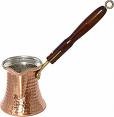 If you’ve been reading my blog for a while, you know how much I love coffee; I hand grind organic coffee each morning before making Turkish coffee on my stovetop. I could rhapsodize here about how much I love the stuff, but you get the picture.
A few years ago I made the firm commitment to not buy or drink coffee that was not faire trade and organic and I have made no exceptions to that.
But now I am growing aware (funny how we examine our lives in layers)… that coffee has a very high carbon footprint. 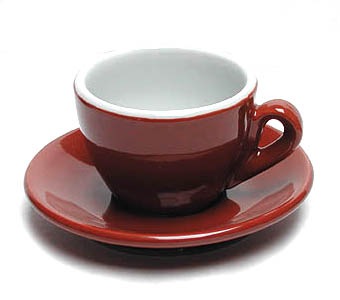
Barefoot Coffee Roasters’ Andy Newbom says that when you buy fair trade or organic coffee you’re supporting sustainable farming practices that don’t clear-cut trees or use pesticides or chemical fertilizers and that makes a big difference. "Buying fair trade coffee rewards and supports sustainable farming, reducing developing nations’ carbon footprint," he says. "It’s easy for the first world to say let’s reduce our carbon footprint, but it’s harder for farmers in developing countries to do this." Buy fair trade beans.
So in looking for other things to drink I have discovered Yerba Mate tea, and Macha tea and Kava Tea. The greenest one I found was Guayaki Maté Tea. According to Treehhugger, it has a negative carbon footprint.
The only store I found listed that carries it in Jacksonville is Biomax Health Foods.
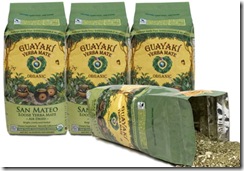 Guayaki’s Maté – "Carbon Subtracting" Beverage in Biodegradable Packaging
Biodegradable only good if it’s being degraded
Biodegradable packaging is a bit like carbon offsetting – of dubious value if it is only a band aid for our guilt. We actually must be biodegrading the packaging to make the premise work. Guayaki, which imports organic and Fair Trade loose Yerba Maté, the Argentinian tea-like drink, was attempting to improve its product’s shelf life freshness. But foil, the common choice, is not very eco-friendly. Guayaki eventually chose old-fashioned cellulose film (which also happens to be biodegradable) that is "metallized" with super thin aluminum film. Thus Guayaki says it has perfected a "carbon-subtracting" packaging – biodegradable, and at the same time, the growing the maté soaks up more CO2 than processing, packaging, and transporting the product. So each 16 oz. pouch of maté is "reducing" CO2 573 grams. TreeHugger asked some detailed questions about the Guayaki maté’s true capacity for CO2 soak-up and the bag’s ability for breaking down in the backyard pile.

TH: How are the bags made?
Guayaki: The bags are made of 2 layers of cellulose films and are printed using water-based inks. The outside layer of the package is transparent cellulose, and the inside film layer is made of cellulose with one side coated by a vacuum deposited ultra thin layer of aluminum. The outside cellulose layer is reverse printed so that the eco-friendly water-based inks are trapped between the layers; this is so the ink cannot scratch off. The metallized side is also trapped between the layers so that the product inside is only in contact with the transparent cellulose layer. Each 16-oz pack of organic, shade-grown and fairly-traded San Mateo Loose Yerba Mate achieves a subtraction of 573 gm of carbon.
TH: How was the biodegradability of the bags tested – under what conditions and what type of internal heat in the compost pile?
Guayaki: All of the materials that the bags are made of have been tested and meet the requirements of ASTM D 6400 and also Vincotte OK Compost Home. According to Innovia, the OK compost home test is conducted at ambient temperature. Tests have shown that the average total time for complete biodegradation of cellulose film is 80 to 120 days for coated cellulose products.
TH: How did you come up with the 71 grams of carbon for the transport…wouldn’t the maté be shipped to so many different locations? Or how did you calculate that?
Guayaki: We used a weighted average distance traveled that is based on each distributor’s zip code and its percentage of Guayaki total sales. An average distance was assumed from distributor to retailer.
TH: Could you also explain about the carbon profile of the mate – why is the tea-processing so relatively carbon-intensive compared to the transport?
Rob Sinclair, of Conscious Brands (www.consciousbrands.com), – the company that conducted the carbon assessment of Guayaki’s supply chain: The greatest journey the yerba mate makes from the rainforest to the consumer is by ocean freight, which has a relatively low per unit distance and mass emissions rate. Tea processing includes two major steps. First it is dried in South America, which is done with biomass, which, although ‘carbon neutral’, does emit some non-CO2 greenhouse gases which are accounted for. The second processing step includes substantial facility electricity use to mill and package the final product. The emissions rate for electricity in the region where Guayaki packages is below the national average, but, nevertheless, the greenhouse gas impact is comparatively large as seen on the label.
TH: How much aluminum (in grams) would come from the package and how much aluminum would need to be in a backyard compost before the compost composition would change enough to worry about?
Guayaki: According to Innovia, which makes the NatureFlex metallized cellulose, the amount of aluminum applied to each bag is less than .02% of the total bag by weight. Each of the new empty Guayaki bags weighs .4 ounces, so the total amount of aluminum contained in each bag to be composted is less than .00008 ounces, and the conversion to grams = less than 0.0023g. In the Earth’s crust, aluminum is the most abundant (8.13%) metallic element, and the third most abundant of all elements (after oxygen and silicon). However, because of its strong affinity to oxygen, it is almost never found in the elemental state; instead it is found in oxides or silicates. In the decomposition process for Guayaki bags, the ultra-thin coating of aluminum oxidizes and turns into aluminum oxide which is inert and non toxic. We did some research to find out if there is a regulatory limit for the amount of aluminum allowed in compost that is sold in the marketplace, etc.., and could not find any information to that effect. More specifically, research indicates that aluminum is not one of the metals that the state of California regulates and tests for in their compost regulatory program.
If you aren’t going to quit drinking coffee (I’m not, I have so few vices and I am down to one cup a day!) here are some tips to making it greener;
- The local brew
Seek out the coffee and tea that have traveled the least distance to reach you and also aim at supporting local, independent farms, cafés, and roasters. - Mug Shots
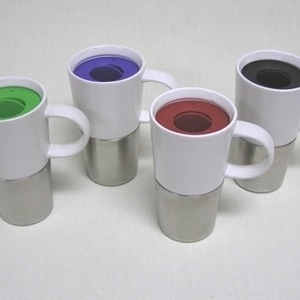
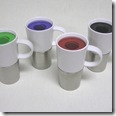 Go ahead, find that perfect mug and make the investment. Not only is a reusable mug more pleasurable to sip out of than a paper cup, but it will replace an untold number of disposable cups, plastic sippy tops, “java jackets,” and other disposable paraphernalia. I love my stoneware and stainless steel and silicone (NO Plastic!) Highwave Mug.
 - Organic
Coffee and tea that bear organic certification are more eco-friendly because they are grown and processed without toxic chemicals, are cultivated and harvested in ways that protect sensitive ecosystems, and spare workers from exposure to harmful pesticides and herbicides. Shade grown coffee is another important category that preserves habitats for migratory birds on coffee farms, also letting beans mature more slowly and creating richer flavors. - Fair Trade
Not only does certified fair trade coffee and tea help ensure living wages and safe working conditions for farmers, but TransFair and Rainforest Alliance both include rigorous environmental standards in their certification criteria. - Home brew
 The local café is great. It’s got your friends, good food, free wireless. But if you think you can be greener in your own kitchen, give it a try. When you do it at home you know where the beans and leaves are coming from and also where they go when they’re spent. Plus, you can’t forget your mug, you can choose organic milk, and never toss out another paper sugar packet. Try a bit of quick math on the cost savings of making your morning cup-o-joe at home.
 - Loosen up
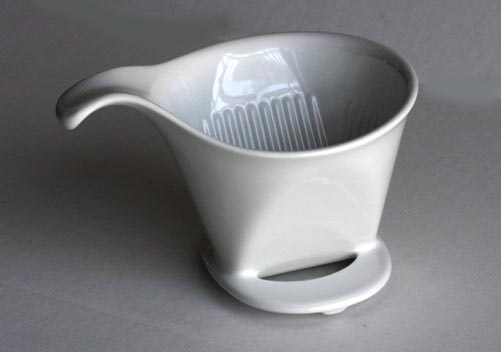
 Tea bags and coffee filters can be useful but are mostly unnecessary. Great coffee can be made at home with a reusable filter or a stovetop espresso maker. A quality tea infuser can last a lifetime and replace an untold number of (questionably compostable) tea bags. If you do use filters and bags, look for biodegradable and unbleached ones.
 - Milk and sugar
Most people put one thing or another in their hot beverage of choice. Don’t foul up your organic, fair trade, bird friendly, solar roasted brew with chemical and hormone-laden milk and sugar from a little paper packet. If you don’t do the cow thing, look for organic almond milk to yin up your yang. In the US, TransFair also certifies sugar, so even your sugar can be fair trade. (Maple syrup in coffee is another well-kept secret.) - "Press" the issue
If the local coffee shop you love doesn’t carry coffee and tea that meet your standards, start asking politely. - Compost the roast
Tea leaves and especially coffee grounds make outstanding compost. Coffee’s high nitrogen content has made it a fertilizer of choice since days of yore. Composting leaves and grounds helps keep organic waste out of landfills, makes great soil, and keeps waste baskets dry. If you don’t have a heap to toss it on, just spread coffee grounds on the top of your plants’ soil.

I do not drink Starbucks coffee because I do not like thier product, but I also do not support corporate business, I prefer that my money stay in my community. BUT, Starbucks will give you big =bags of coffee grounds if you call ahead and tell them when you will come by! I’ve built some great soil thanks to Starbucks, a local health food store and my own kitchen scraps!
 All Coffee making utensils pictured here come from Sweet Maria’s.
Wake Up Call- Sugar in Breakfast Cereals
Posted: July 20, 2009 Filed under: Food and it's Impact on Our Health Leave a commentSome cereals more than HALF sugar!
A serving of 11 popular cereals, including Kellogg’s Honey Smacks, carries as much sugar as a glazed doughnut, the Consumer Reports found.
And some brands have more sugar and sodium when formulated for the U.S. market than the same brands have when sold in other countries.
Post Golden Crisp made by Kraft Foods Inc and Kellogg’s Honey Smacks are more than 50 percent sugar by weight, the group said, while nine brands are at least 40 percent sugar
Here is a list of the cereals that top the charts for sugar content.
All the cereal boxes I have seen list the sugar contents in grams. Most people think that a gram is a tiny little amount. A gram = 1/3 of a teaspoon. I have converted them to ounces for you. After all, Americans use ounces and pounds and are familiar with what that amounts looks like.
Sugar content (per 3 1/2 ounces) This is only about 3/4 of a cup. I don’t know about you, but who eats only 3/4 of a cup of cereal at a time???
Kellogg’s Coco Pops Moons & Stars (12 1/3 teaspoons!)
Kellogg’s Frosties (12 1/3 teaspoons)
Kellogg’s Ricicles (12 1/3 t.)
Sainsbury’s Choco Rice Pops (12 t.)
Tesco Choco Snaps (12 t.)
Nestle Cookie Crisp (11 3/4 t.)
Nestle Cheerios Honey (11 t.)
Kellogg’s Crunchy Nut (11 1/2 t.)
Breakfast Cereals (and grains in general) are Not Fit for Human Consumption
Posted: July 20, 2009 Filed under: Food and it's Impact on Our Health Leave a commentFrom Nourish Magazine;

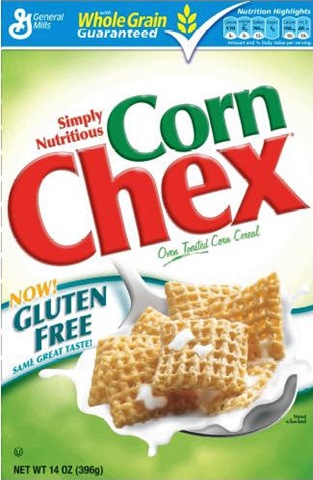



Breakfast Cereals
These cleverly marketed, attractively boxed ‘foods’ are in my opinion one of the most unhealthy foods in your supermarket.
And it’s not just me who thinks this.
According to Dr. Peter Dingle, a Western Australian Toxicologist and author of “My Dog Eats Better than Your Kids” and “The DEAL for Happier, Healthier, and Smarter Kids”, McDonalds makes a more nutritious breakfast than Cornflakes!
Even Choice Magazine agrees with me. They looked at the top 10 selling children’s breakfast cereals and concluded that you may as well have a candy bar for breakfast they were so high in sugar and lacking in nutrients. Iron man food they most definitely are not.
Besides the addition of sugar and refined salt, breakfast cereals are made from highly processed grains. You might start off with a nice healthy whole grain but by the time you’ve puffed it or turned it into a nice crunchy flake, you’re left with something your body no longer recognises as food. The process used to make the little ‘O’s, pellets, shreds, flakes and other shapes in your cereal bowl is called ‘extrusion’. The extrusion process damages the nutrients and proteins in the grain leaving them devoid of nutrients, highly toxic and not much more than empty calories – watch this space, they will be the trans fats of the future. For more info on the dangers of the extrusion process read Dirty Secrets of the Food Processing Industry by Sally Fallon
From my website; Optimum Nutrition
Let’s look at 3 different breakfasts and see which one is healthiest. I have used oatmeal for one breakfast, and a breakfast cereal is FAR less nutritious and has way more sugar and chemicals!
Let’s compare a common (and so-called healthy) breakfast food to another choice one could have, and then compare that to a healthy breakfast. Breakfast should provide you with a third of the calories and nutrients you need for the whole day. This also gives you plenty of calories for energy.
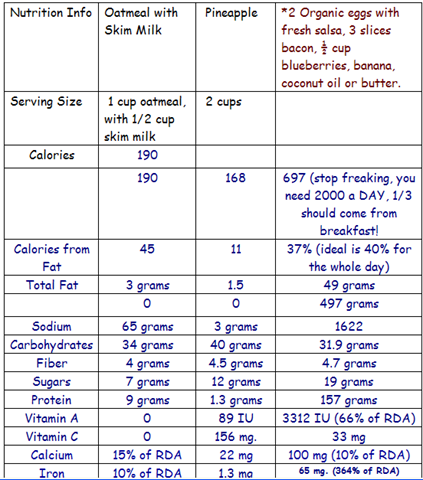
When I leave the house in the morning with approximately 700 calories under my belt, I am not hungry, have high energy, have about 1/3 of my nutrients and calories for the day and have very high energy! I am not looking for stuff to snack on, experiencing a sugar high from an all carb breakfast, have no blood sugar crash halfway through the morning. Then around one or two o’clock I feel natural hunger, so I eat a lunch with about another 500 to 600 calories (generally what ever I made for dinner that I take with me in a small insulated lunch box). Then I am good to go until dinner time later.
Saturated Fats are Best for Cooking!!
Posted: July 20, 2009 Filed under: Food and it's Impact on Our Health Leave a comment Margarine- The process used to make a liquid oil opaque yellow and spreadable produces an incredibly unhealthy product that hardly qualifies to be called a food. It doesn’t matter if you start with the best quality extra virgin olive, the final product is still an unhealthy food.
Promoted as a cholesterol free and healthier choice than good old butter, margarine is the ultimate source of trans fats, which rather ironically elevate cholesterol and damage blood vessel walls. Even more ironic is the fact that margarine is still recommended by health authorities including the Australian Heart Foundation who also promote reducing dietary trans fats. Clever loopholes in labelling allow margarines to claim that they are ‘virtually’ trans fat free. Margarine is a good example of a politically correct unhealthy food.
What about the new cholesterol lowering margarines?
Save your money, you’ll be getting a dose of the very same phyto sterols by using extra virgin olive oil liberally in your diet. Most fruits and vegetables also contain phyto sterols.
 Saturated fat- coconut oil, organic butter, lard. When cooking with heat, saturated fats are the safest and healthiest to use. NONE of the atoms of carbon in their carbon-chain share multiple bonds. They are thus more stable and don’t oxidize as readily. Examples of foods containing a greater proportion of saturated fats include coconut oil, butter, ghee, tallow, and suet.
Monounsaturated fats have ONE (hence the prefix “mono”) pair of carbon atoms in their carbon-chain which share two bonds. This makes them more reactive than saturated fats, since the redundant extra atomic bond can be grabbed by something else, such as oxygen, turning the oil rancid, or oxidizing it. This happens more easily under the influence of heat and light. Although the use of saturated fats for frying is much safer and healthier, at a pinch monounsaturated fats would be the only other fat type I would use, and then only for light (pan) frying for a single dish (no second frying with the same oil). Foods with a large quantity of monounsaturated fat include olive oil, and lard (which has a high saturated fat content too). Good olive oil should come in a dark glass bottle, to protect the oil from light, and so that plastic molecules don’t leach in.
Polyunsaturated fats have MORE THAN ONE (hence the prefix “poly”) pair of carbon atoms in their carbon-chain which each share two bonds. They may have two, three, or more such double-bond pairs. This makes them extremely reactive to light and heat, and they oxidize very readily.
Free radi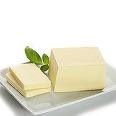 cals, anyone? The widespread use of polyunsaturated oils are the main reason behind the subtle shift towards promoting monounsaturated olive oil, and encouraging people to eat foods rich in anti-oxidants. Polyunsaturated oils include sunflower oil. You should NOT expose it to heat, as by doing so you are damaging it further and creating additional free radicals. I say “further” and “additional”, as the oil is usually exposed to heat as part of factory processing, and usually sits in a brightly lit shop in a clear plastic bottle prior to sale. As a bonus to the oxidizing oil, in it you also receive tiny amounts of molecules of the degassing plastic (but that’s another story). Polyunsaturated vegetable oils are also high in Omega-6 essential fatty acids, which can throw your Omega 3 to Omega 6 balance out of whack, which isn’t good. Now don’t write off all polyunsaturated oils. Some polyunsaturated oils are high in Omega 3 essential fatty acids, necessary for proper brain function. These important polyunsaturates come from fish oils (cod-liver oil is particularly good), and from the flax plant (flaxseed or linseed oil). Good health food shops know just how fragile these important polyunsaturated oils are, and sell them in dark glass or even metal bottles to exclude light, and store them in a refrigerator to prevent the oil being affected by heat. The better brands will confirm that heat was excluded from all stages of processing.
Fighting Plants: 7 Delicious Herbs that Pack a Powerful Antimicrobial Punch
Posted: July 20, 2009 Filed under: Food and it's Impact on Our Health Leave a commentAdding herbs to your favorite dishes adds flavor, variety and color. Antimicrobial herbs provide all of that – PLUS they give your health a major boost.
Antimicrobial herbs have a unique ability to destroy and inhibit the growth of disease-causing microorganisms. This takes major stress off of your immune system, helping to stimulate it and thereby helping you to fight off a wide array of potential infections.
Antimicrobial herbs are capable of taking on a large variety of microorganisms, such as:
-
Bacteria
-
Mold
-
Parasites
-
Viruses
-
Yeasts
-
Other living organisms
You may already be familiar with the following antimicrobial herbs, but their potent disease-fighting properties may surprise you. I recommend they be added generously to your cooking!
 1. Chili Peppers
Chili peppers contain a substance called capsaicin, which is what makes them so spicy (the spicier the pepper, the more capsaicin it contains). Capsaicin is also an anti-inflammatory compound that helps with pain relief and many other ailments.
Contrary to popular belief, chili peppers do not cause stomach ulcers. In fact, they help prevent them by killing bacteria you eat. They also contain vitamins C and A, which boost immunity and help fight off potential pathogens.
Did you know? Capsaicin is mostly in the chili pepper’s seeds and white inner membranes. Taking these out will remove some of the pepper’s heat, but it will remove some of its healing properties as well.
 2. Clove
The active compound in cloves, eugenol, combines with other clove components to make this pungent spice highly anti-bacterial. It’s also anti-inflammatory and the compound has been studied for use in preventing:
-
Toxicity from environmental pollutants
-
Digestive tract cancers
-
Joint inflammation
Because clove extracts are anti-bacterial (and provide a mild anesthetic), they’re used in the United States for dental procedures like root canal therapy and temporary fillings. They’re also used in some sore throat sprays and mouth washes.
Did you know? Cloves are an excellent source of traditional nutrients too, including omega-3 fatty acids, dietary fiber, vitamin C and magnesium.
 3. Garlic
Allicin, one of garlic’s healthy compounds (and the one that gives it its odor), has powerful antibacterial and antiviral properties. When combined with the vitamin C in garlic, these compounds kill harmful microbes and fight diseases including:
-
Cold and flu
-
Stomach viruses
-
Candida yeast
-
Tuberculosis
-
Botulism
Garlic is also a potent antibiotic, fighting a wide range of pathogens, and studies show it even appears to fight antibiotic-resistant strains of bacteria.
Did you know? Along with being able to lower blood pressure, insulin and triglycerides, allicin may also help prevent weight gain. A study on rats — published in the December 2003 issue of the American Journal of Hypertension — found that rats’ weights remained stable or decreased slightly when allicin was given along with a sugar-rich diet, while other rats’ weights increased.
 4. Mustard Seed
Researchers from the University of Manitoba in Winnipeg, Canada found that the antimicrobial properties of mustard seed are so strong that when powdered mustard was added to hamburger meat, it killed E. coli bacteria.
The compound responsible for this effect is allyl isothiocyanate. The U.S. Department of Agriculture reported that this potent compound can fight off not only E. coli but also listeria, Staphylococcus aureus and other food borne pathogens.
Unfortunately, prepared mustard that is typically consumed in the United States does not contain this healthy component.
Did you know? Isothiocyanates in mustard seed have also been studied for their ability to inhibit the growth of existing cancer cells and protect against the formation of new ones.
 5. Sage
Sage is a powerful antimicrobial that is known to kill fungi, including Candida albicans, and other microbes such as salmonella. Sage leaf extract is also known to kill the microbe that causes gingivitis.
Sage is an anti-inflammatory and antioxidant. It contains flavonoids, phenolic acids and oxygen-handling enzymes, all of which give it a unique ability to prevent oxygen-based damage to cells. Sage may be useful in fighting rheumatoid arthritis and other inflammatory conditions, bronchial asthma and atherosclerosis.
Did you know? Sage is also good for your brain. A study in the June 2003 Pharmacological Biochemical Behavior found that people given sage essential oil extracts had significantly improved recall abilities compared to those given a placebo.
 6. Rosemary
Rosemary has both antibacterial and antifungal properties and is sometimes recommended to treat yeast overgrowth in the intestines.
Further, it is known to stimulate the immune system, increase circulation and improve digestion.
Did you know? Rosemary has been traditionally regarded as a memory enhancer. Students in ancient Greece, for instance, would put sprigs of the herb in their hair while studying.
7. Thyme
Thyme contains volatile oil components that are known to fight a wide range of bacteria and fungi, including:
-
Staphylococcus aureus
-
Bacillus subtilis
-
E. coli
-
Shigella sonnei
Recent studies have also shown that thyme can help prevent foods from becoming contaminated and even help decontaminate already contaminated foods. A study in the February 2004 issue of Food Microbiology found that thyme essential oil decontaminated lettuce contaminated with Shigella, an infectious organism that can cause diarrhea and intestinal damage.
Washing produce in a solution of just 1 percent thyme essential oil was also able to decrease the number of Shigella bacteria to undetectable levels.
Did you know? Thyme has been used for its antiseptic properties since the 16th century, both in mouthwashes and topically.
Wooly Pockets
Posted: July 20, 2009 Filed under: Gardening 1 CommentI found these today, they are way cool. I’m thinking these would be easy to make, would cool the patio, and look gorgeous in front of the bricks. Oh, yeah!
Woolly Wally Vertical Gardening System
The Woolly Wally System is the best way to vertically garden on just about any type of wall or fence, indoors or out. Like building blocks, Woolly Wallys are easy to install and totally modular and love to hang out in any combination, alone or with friends. Woolly Wally Three and Five don’t mind sharing, and will let roots grow from Pocket to Pocket. All the Woolly Wallys love a good party, and they’ll even keep things quieter by absorbing sound when their Pockets are full.
The Lined Woolly Wally System helps protect walls and fences from getting wet with their impermeable moisture barrier. Unlined Woolly Wallys are available for exposed outdoor gardening when maximum drainage is desired.
The Woolly Wally System comes in three modular sizes to accommodate almost any wall size and three colors to play nicely in any environment.


 Meal Delivery Service by Millie Barnes