Saving Money on Products and Food
Posted: January 22, 2012 Filed under: Going Green; How and Why... 1 CommentEstimates are that up to 15% of the toothpaste and other things we use in tubes are thrown in the landfill. Why? Because we do not squeeze the last bit out.
In your kitchen and in most restaurant kitchens, about 8 to 10% of the food in ketchup bottles and tubes are thrown away. Or when we scrap the bowl when baking or cooking, we do not get it all out.
What to about it? Get a pair of scissors for the bathroom and some slim spatulas for the kitchen.
I am partial to silicone spatulas, they work really well as they are very flexible, are safe to use in heat and last way longer than rubber ones.
Cut that tube of toothpaste or hair conditioner, use what you need, put the tube in a Zip-loc and use it all up.
Better for your wallet and the earth!
Pad Thai
Posted: January 21, 2012 Filed under: In The Kitchen with Millie- How To's 1 Comment
Serves 4
2 pounds large shrimp
1 pound rice linguine
2 Tablespoons coconut oil
1 teaspoons minced garlic
3 Tablespoons rice vinegar
¼ cup honey
1 dash white pepper
1 bunch scallions
2 Tablespoons nam pla
2 Tablespoons Bragg’s Amino Acid
½ cup coconut milk
½ cup peanuts
1 head broccoli – cut in floweret’s
3 carrots- matchstick cut
½ head Chinese cabbage- sliced thin
3 whole limes
1 Tablespoon ketchup
¼ teaspoon red curry paste – or to taste
¼ teaspoon toasted sesame oil
1) Cook rice noodles al dente. Rinse and drain well.
2) Prep vegetables and have everything ready beside the stove.
3) Stir garlic and coconut oil in pot. Add curry paste and stir well. Cook 2-3 minutes. Add ketchup, vinegar, nam pla. Simmer a few minutes, remove from heat and add sesame oil and set aside.
4) Heat coconut oil and add carrots, cook until al dente, add cabbage and stir fry until wilted, add broccoli and continue to toss until broccoli is bright green.
5) Remove veggies and cook shrimp until bright pink.
4) Toss all veggies in sauce, add pasta and shrimp. Add fresh lime juice of two limes, add scallions.
Coconut Rice
Posted: January 21, 2012 Filed under: Food and it's Impact on Our Health, In The Kitchen with Millie- How To's Leave a commentThis dish a a perfect example. I love Thai food, but with it’s emphasis on rice it is carb heavy. As rice is a gluten free grain, it is ok to eat occasionally. The way to handle that is ANY time you eat more carbs than usual, balance it with adding more fat. This allows the body to take in the carbs slower so that it does not spike the blood sugar so drastically.
Example; Cannot resist that slice of bread while waiting for your dinner at a restaurant? Slather the bread generously with butter.
The Fluffiest Coconut Rice
From Bon Appetite

Ingredients
- 2 cups jasmine rice
- 1 cup coconut cream
- 1 1/2 tablespoons sugar
- 1 teaspoon kosher salt
Rinse rice in a large bowl with cool water until water runs clear. Drain rice.
- Combine rice, coconut cream, sugar, salt, and 2 cups water in a medium saucepan. Bring just to a boil, stirring to dissolve sugar, then cover and reduce heat to low. (Alternatively, cook rice in an electric rice steamer.) Cook until rice is tender and liquid is absorbed, 40–45 minutes. Fluff rice with a fork; cover and let sit for 20 minutes.

Voting With Our Wallets
Posted: January 21, 2012 Filed under: Food and it's Impact on Our Health Leave a comment
CNN ran this article this morning;
Child slavery and chocolate: All too easy to find
In “Chocolate’s Child Slaves,” CNN’s David McKenzie travels into the heart of the Ivory Coast to investigate children working in the cocoa fields. (Premieres Friday January 20, 8 p.m. GMT, 9 CET on CNN International.)
By David McKenzie and Brent Swails, CNN
Daloa, Ivory Coast (CNN) – Chocolate’s billion-dollar industry starts with workers like Abdul. He squats with a gang of a dozen harvesters on an Ivory Coast farm.
Abdul holds the yellow cocoa pod lengthwise and gives it two quick cracks, snapping it open to reveal milky white cocoa beans. He dumps the beans on a growing pile.
Abdul is 10 years old, a three-year veteran of the job.
He has never tasted chocolate.
During the course of an investigation for CNN’s Freedom Project initiative – an investigation that went deep into the cocoa fields of Ivory Coast – a team of CNN journalists found that child labor, trafficking and slavery are rife in an industry that produces some of the world’s best-known brands.
It was not supposed to be this way.
After a series of news reports surfaced in 2001 about gross violations in the cocoa industry, lawmakers in the United States put immense pressure on the industry to change.
“We felt like the public ought to know about it, and we ought to take some action to try to stop it,” said Iowa Sen. Tom Harkin, who, together with Rep. Eliot Engel of New York, spearheaded the response. “How many people in America know that all this chocolate they are eating – candies and all of those wonderful chocolates – is being produced by terrible child labor?”
More about the Harkin-Engel Protocol
But after intense lobbying by the cocoa industry, lawmakers weren’t able to push through a law. What they got was a voluntary protocol, signed by the heads of the chocolate industry, to stop the worst forms of child labor “as a matter of urgency.” One of the key goals was to certify the cocoa trade as child-labor free.
“It was meant to achieve the end of child slave labor in cocoa fields,” Engel said.
It didn’t.
UNICEF estimates that nearly a half-million children work on farms across Ivory Coast, which produces nearly 40% of the world’s supply of cocoa. The agency says hundreds of thousands of children, many of them trafficked across borders, are engaged in the worst forms of child labor.
A recent study by Tulane University says the industry’s efforts to stop child labor are “uneven” and “incomplete” and that 97% of Ivory Coast’s farmers had not been reached. But the industry’s main representative in the country disagrees with the assessment.
“I think the situation has improved exponentially,” said Rabola Kagohi, country director for the International Cocoa Initiative, the chocolate industry’s answer to fighting child labor and trafficking. “Today, the message is physically getting through.”
Kagohi works out of a basement office with one other permanent employee.
“There are some results,” he said. “I wish that you had spoken to some planters.”
None of the farmers CNN spoke to in the heart of the cocoa production region said they had ever been reached by the International Cocoa Initiative, the government or chocolate companies about child trafficking.More……
How Can You Help?
Bu voting when you shop, with your choices. There are two options that I found easy to use; And here are a few websites to check on the brand you are choosing while shopping;
Paula Deen is Announcing She Has Diabetes
Posted: January 15, 2012 Filed under: Food and it's Impact on Our Health, In The Kitchen with Millie- How To's | Tags: diabetes, eating low fat, Paula Deen Leave a commentPaula Deen — the queen of high-calorie, Southern cooking — is about to come clean and confess that she can’t eat her own dishes anymore because she has diabetes.
The Georgia-born chef — a Food Network star who has written five best-selling cookbooks — has been trying to keep her condition a secret, even after the National Enquirer reported in April that she has Type 2 diabetes, which is often associated with fatty foods and obesity.
Sources say Deen, 64, who never addressed the diabetes question, has worked out a multimillion-dollar deal to be the spokeswoman for a pharmaceutical company and endorse the drug she is taking. To Read More…
Paula Deen is criticized for cooking high fat, high sugar cuisine. Barbara Walters asked her, “You tell kids to have cheesecake for breakfast. You tell them to have chocolate cake and meatloaf for lunch. And French fries. Doesn’t it bother you that you’re adding to this?”
“Maybe she’ll retire “Paula’s Brunch Burger,” which features a fried egg and bacon atop a burger served between glazed doughnuts instead of a bun”.
Millie; The statement here that her high fat, high sugar cuisine is the problem is only half right. I went to her site and perused through about 20 recipes and what I found was recipes with no fat in them, not one recipe called for butter, many called for vegetable oil. Most recipes had a very high percentage of carbohydrates. Hey Paula; did you give any thought to simply LOSING WEIGHT and changing your diet?
And THAT is the problem with her food- Not the fact that her food is high fat, it’s that it’s the he wrong fats and too many carbs, too much emphasis on desserts.
BUT the bigger problem here is this woman’s decision to make money off of having diabetes! Her decision to partner with a pharmaceutical company instead of learning what great nutrition is mirrors most peoples attitude about their health nowadays..take a pill, that’ll take care of it.
WAKE UP AMERICA- Diabetes is completely preventable and totally treatable by SIMPLY CHANGING YOUR DIET. That’s right- control your carb intake, stop eating grains, add way more high quality fats and proteins to your diet…and you’ll get well. This is Not information that your doctor, or the pharmaceutical companies want you to know. Read this article about a young man I met last year who had just been diagnosed with diabetes. The advise Mayo Clinic gave him is absolutely criminal.
Read these posts to learn more;
Grain Based Diets Better for Everyone
What We have Been Taught About Nutrition HAs Been a Big Fat Lie
Why You DON”T Want to Do This!
Posted: January 14, 2012 Filed under: Food and it's Impact on Our Health, In The Kitchen with Millie- How To's, Non-Toxic Choices Leave a commentStorage Tip: Use an Enamel Coffee Pot for Olive Oil
 The enemies of olive oil are air and sunlight which cause oxidation and loss of flavor. There are many ways to protect your olive oil, but the most popular is to store your oil in a tinted bottle with a spout.
Here is why you do not want to do this;
Notice they say that “The enemies of olive oil are air and sunlight”. That should read the enemy of any oil is oxygen and light. When vegetable oils are removed from the foods they came in originally they immediately, upon exposure to oxygen begin to be rendered rancid. Not one day later, not 3 weeks later, immediately! when each fat molecule in non-saturated fats are exposed they are then rancid, These oils should be used in extreme moderation, as a very small part of our fat intake, and they should never be heated. Ever. When heated they are highly carcinogenic.
Personally, I rarely eat vegetable oils because when rancid (always) or heated they contribute to heart disease. I get these type of fats from the foods they came in, by eating them whole; olives, nuts, avocadoes, green leafy vegetables.
BUT, if you are going to buy olive oil, follow these guidelines;
- Buy only organic, virgin.
- Buy in a small amount, in a dark bottle, from a store which has a fast turnover.
- Keep MOST of it in the freezer, if you use it quickly keep it in the refrigerator tightly closed, in the dark.
- Use no more than a Tablespoon or so a week and always use fresh, never heated in salad dressings and mayonnaise.
- Again; never cook with it.
For more info- Why You Should Be Cooking with Saturated Fats
WAR on Cancer Isn’t Working
Posted: January 13, 2012 Filed under: Food and it's Impact on Our Health, Non-Toxic Choices Leave a comment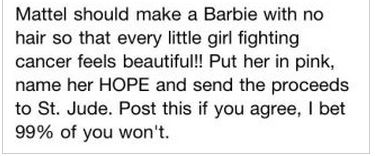
We have bumper stickers that tell us to be AWARE of cancer and to “Save the Ta-Ta’s”. We have pink packaging on food. We are asked to run marathons FOR cancer research. We have woman REMOVING Their breasts because they MIGHT get cancer.
Our cancer rates are off the charts, along with heart disease, diabetes, obesity, birth defects, learning disorders, depression…..
But guess what? ALL of these conditions are caused by poor nutrition. Malnourishment. Americans have severely compromised immune systems due to low quality food intake.
The problem is that most people have no idea what a healthy diet is!
Common myths;
- Low fat is healthy.
- Red Meat is bad for you.
- Grains, especially whole grains, are good for you.
- Caloric restrictions works to aid in weight loss.
- Fat makes you fat.
- Cereal is a decent, even healthy, breakfast.
- It’s healthy to cook with olive oil.
- Vegetarianism is healthy and better for the planet.
Our cancer rates began to rise in the early 1960’s due to the fact that Americans had at that point continued to eat the alternative fats we were asked to use while we were were rationing food during World War 2. Combined with the proliferation of processed foods, instant foods, eating out more often, woman beginning to work outside the house, TV becoming what we do most of the time…I could go on but you get the point. We do not eat the diet we are meant to eat; plenty of healthy organic fats (remember they ALL used to be organic along with everything else we ate), high quality protein and mostly green leafy veggies and other low glycemic foods.
Cancer is treatable, even curable, when we repair the immune system. That can only occur with the right nutrients, nourishing and repairing the body. Cancer is preventable by keeping our immune system intact and that only occurs with enough of the healthy saturated fats and organic grass fed proteins our bodies need so badly.
For more reading;
The Importance of Saturated Fats for Biological Functions
What If The Whole Low-Fat Trend Has Been A Big Lie?
Will Urban Gardens Wilt Post-Recession?
Posted: January 13, 2012 Filed under: Gardening Leave a comment
City gardening is often heralded as a modern solution adopted by crafty urban developers and foodies. But urban gardening during times of economic and political turmoil is as deep-rooted in the American tradition as apple pie. Take the Panic of 1893: The U.S. was caught in a serious economic recession (sound familiar?), unemployed factory workers filled the streets, scant social assistance programs existed, and cities were in full-blown panic mode. Enter “Potato Patch Farms,” an urban gardening initiative that also began in Detroit. Mayor Hazen Pingree’s program connected unemployed families with unused city land and provided them with farming materials and education. More than 1,700 families took advantage of Pingree’s program, and the idea spread to 18 other cities, including Boston, New York, Philadelphia, and Seattle—some of the leaders of today’s urban farming boom.
To read the whole article- Good Magazine
Young, Obese and in Surgery
Posted: January 8, 2012 Filed under: Food and it's Impact on Our Health Leave a comment
Millie; Her Physician, Dr. Vayner said, prophetically, “It’s not your fault, but you’re not going to be able to do it.”
WHAT? Her doctor told her she would not be able to lose weight? How about educating her as to what great nutrition is, how carbs are what makes her gain weight? Or doesn’t this doctor (or other doctors) know how to educate their patients on nutrition? And if they don’t perhaps they should not be practicing medicine! My mechanic knows what fuel is best for my car and how to keep my engine clean and a doctor doesn’t know such basic info? I had a doctor tell me once he didn’t “have time” to educate his patients. I had another tell me there was NO PROFIT in teaching them how to get well to a high degree because then her patients wouldn’t continue to come in that average 7 times a year!
In ancient China a physician was paid when his patients were well, when they got sick he didn’t get paid!
Here’s the article from NYTimes;
By ANEMONA HARTOCOLLIS
Though Shani Gofman had been teased for being fat since the fourth grade, she had learned to deal with it.
She was a B student and in the drama club at school. She had good friends and a boyfriend she had met through Facebook. She even showed off her curves in spandex leggings and snug shirts.
When her pediatrician, Dr. Senya Vayner, first mentioned weight-loss surgery, Ms. Gofman was 17, still living with her parents in Bensonhurst, Brooklyn, her bedroom decorated with glow-in-the-dark stars because she was afraid of the dark.
There was no question, at 5-foot-1 and more than 250 pounds, she was overweight. But she resisted, saying she could diet.
“I’ll lose weight,” Ms. Gofman assured her doctor.
Dr. Vayner said, prophetically, “It’s not your fault, but you’re not going to be able to do it.”
Along with the obesity epidemic in America has come an explosion in weight-loss surgery, with about 220,000 operations a year — a sevenfold leap in a decade, according to industry figures — costing more than $6 billion a year. And the newest frontier is young patients like Ms. Gofman, who allowed The New York Times to follow her for a year as she had the operation and then embarked on a quest to lose weight, navigating challenges to her morale, her self-image and her relationships with family members and friends.
This Says It All
Posted: January 7, 2012 Filed under: Food and it's Impact on Our Health, Going Green; How and Why..., Non-Toxic Choices Leave a comment


 Meal Delivery Service by Millie Barnes