The PERFECT Baked Potato
Posted: October 17, 2022 Filed under: In The Kitchen with Millie- How To's | Tags: #meals #vegetarian #glutenfree #delivery #Jacksonville #nutrioncoaching #lactosefree #weightloss #immunesystem Leave a comment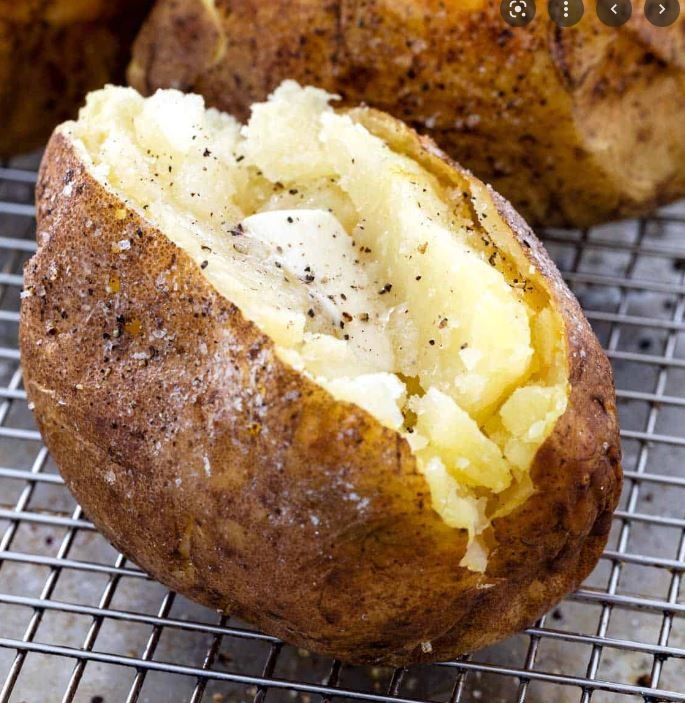
Perfect baked Potato
Salt and pepper
4 (7- to 9-ounce) russet potatoes, unpeeled, each lightly pricked with fork in 6 places
1 tablespoon ghee or Olive oil
1. Adjust oven rack to middle position and heat oven to 450 degrees. Dissolve 2 tablespoons salt in 1/2 cup water in large bowl. Place potatoes in bowl and toss so exteriors of potatoes are evenly moistened. Transfer potatoes to wire rack set in rimmed baking sheet and bake until center of largest potato registers 205 degrees, 45 minutes to 1 hour.
2. Remove potatoes from oven and brush tops and sides with oil. Return potatoes to oven and continue to bake for 10 minutes.
3. Remove potatoes from oven and, using paring knife, make 2 slits, forming X, in each potato. Using clean dish towel, hold ends and squeeze slightly to push flesh up and out. Season with salt and pepper to taste. Serve immediately.
Why You Shouldn’t Microwave
A microwave might seem like a fast way to “bake” a potato, but we found two reasons why it’s actually the worst approach. First, microwaves heat foods very unevenly, so some parts of the potato might rapidly reach 205 degrees while others get to only 180 degrees. Second, rapidly heating a potato causes pressure to build and cell walls to burst, releasing starch molecules that glue together the broken cell walls.
Ultra-processed foods are harmful for our health — here’s why
Posted: September 18, 2022 Filed under: Food and it's Impact on Our Health | Tags: #jacksonville, #mealsdelivered, gluten-free Leave a comment
In countries such as the UK, US, and Canada, ultra-processed foods now account for 50 percent or more of calories consumed. This is concerning, given that these foods have been linked to a number of different health conditions, including a greater risk of obesity and various chronic diseases such as cardiovascular disease and dementia.
Ultra-processed foods are concoctions of various industrial ingredients (such as emulsifiers, thickeners, and artificial flavors) amalgamated into food products by a series of manufacturing processes.
The intense industrial processes used to produce ultra-processed foods destroy the natural structure of the food ingredients and strip away many beneficial nutrients such as fiber, vitamins, minerals, and phytochemicals.
Many of us are well aware that ultra-processed foods are harmful to our health. But it’s been unclear if this is simply because these foods are of poor nutritional value. Now, two new studies have shown that poor nutrition may not be enough to explain their health risks. This suggests that other factors may be needed to fully explain their health risks.
The role of inflammation
The first study, which looked at over 20,000 healthy Italian adults, found that participants who consumed the highest number of ultra-processed foods had an increased risk of dying prematurely from any cause. The second study, which looked at over 50,000 US male health professionals, found high consumption of ultra-processed foods was associated with a greater risk of colon cancer.
What’s most interesting about these studies is that the health risks from eating a diet high in ultra-processed foods remained even after they had accounted for the poor nutritional quality of their diets. This suggests that other factors contribute to the harm caused by ultra-processed foods.
It also implies that getting the right nutrients elsewhere in the diet may not be enough to cancel out the risk of disease from consuming ultra-processed foods. Similarly, attempts by the food industry to improve the nutritional value of ultra-processed foods by adding a few more vitamins may be side-stepping a more fundamental problem with these foods.
What You Should Do To Vegetables Before Roasting Them Read More:
Posted: September 17, 2022 Filed under: Food and it's Impact on Our Health, In The Kitchen with Millie- How To's | Tags: #jacksonville, #mealdelivery, #organic Leave a comment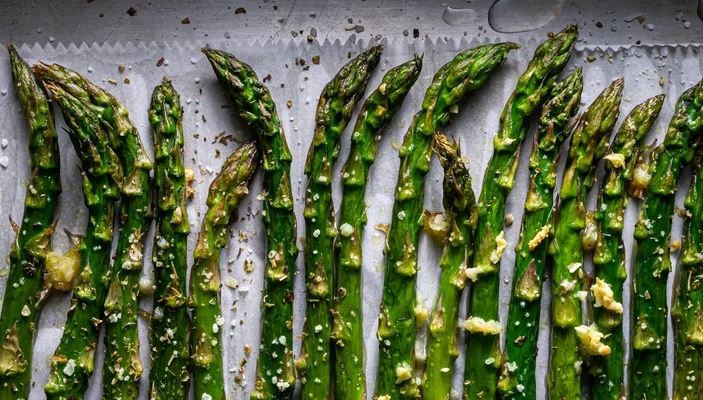
Pre-cooking your vegetables before roasting them is the best way to make them caramelized, yet tender. You can either parboil your produce in water or stick to the single sheet pan prep and steam roast your veggies first, as recommended by Spoon University. By steaming the veggies before roasting them, your produce will retain its moisture instead of drying out.
In order to do this, preheat your oven to 375 degrees Fahrenheit. Then, chop your veggies into uniform-sized pieces and line a sheet pan with foil. Spread your veggies in a single layer on the pan and season with salt, pepper, and olive oil, and consider adding a few splashes of vinegar to give your roasted vegetables an extra kick. Cover the vegetables with a layer of foil and steam for half of the cooking time with the foil on. Remove the foil and uncover for the second half of the cooking time to allow the vegetables to roast and caramelize.
While this method will work for roasting nearly any vegetable, keep in mind, that cook time will vary depending on the type of produce you’re roasting. Root vegetables like beets, potatoes, and carrots may take up to 45 minutes, while thin veggies like asparagus and green beans only take 10 to 20 minutes, per The Kitchn.
Best (and Crispy!) Eggplant Parmesan!
Posted: August 3, 2022 Filed under: Food and it's Impact on Our Health | Tags: #delivery, #glutenfree, #healthyeating, #Lactosefree, #mealdelivery, #MillieBarnes, #Ortega, #pescatarian, #Riverside, #SanMarco, #vegetarian, #weightloss Leave a comment
I first had Eggplant Parmesan when I was 24 years old, I absolutely loved the flavor but felt like I could really improve on the texture. It seemed like it was just a gloopy mess, like a casserole. So I started playing with the recipe. It took a while to figure it out and here is the results!
I make my own Marinara Sauce as well as making the Vegan Parmesan Cheese. I use Violife Mozzerella Cheese. Although Follow Your Heart Brand makes Vegan Parmesan, it has almost no flavor. And Go Veggie Makes on that tastes good, it is a soy based product. I use very few soy products as they are not healthy. I will use Tempeh and Edamame occasionally as they are fermented and way easier to digest. I have a severe reaction to tofu and other processed soy products but do not react to edamame and tempeh.
Crispy Eggplant Parmesan Stacks
serves 4
2 small eggplants (about 12 ounces each)
1 cup rice flour
3 large eggs , beaten
½ cup fine gluten-free breadcrumbs
1 teaspoon dried oregano
½ teaspoon freshly ground black pepper
½ cup vegan Parmesan cheese
½ pound vegan mozzarella , packaged or fresh, shredded
3 cups marinara, slightly thickened with tomato paste
Chopped fresh parsley to serve or pesto
Preheat the oven to 350°F. Lightly oil a rimmed baking sheet.
Leaving the peel on the eggplant, slice them into one-inch slices. Place the flour on a plate, and place the eggs in a shallow bowl. Mix the breadcrumbs with the oregano, 1 teaspoon kosher salt, and the pepper on a separate plate.
Coat both sides of each slice of eggplant in the plate with the flour. Dip each slice into the beaten eggs, then allow any excess egg to drip back into the bowl. Place the eggplant slices on the plate with the breadcrumbs, turn it to coat both sides. Place the coated eggplant on a sheet pan.
Bake eggplant in oven for about 12-15 minutes each side, just until golden brown, flipping half way through.
Place each browned slice of eggplant on the sheet pan, top with marinara, then mozzarella and parmesan. Place other slice on top of that, choosing one that is close in size or slightly smaller. Then put marinara on top, then mozzarella on top. Do not cover the entire top as you want some of the crispiness to stay crispy! Top with parmesan about 7 minutes before removing from oven. Remove from the oven
The #1 Best Eating Habit for Heart Health, New Study Suggests
Posted: August 2, 2022 Filed under: Food and it's Impact on Our Health | Tags: #delivery, #glutenfree, #healthyeating, #Lactosefree, #mealdelivery, #MillieBarnes, #Ortega, #pescatarian, #Riverside, #SanMarco, #vegetarian, #weightloss Leave a comment
Remember that fruits and vegetables are potassium-rich, but so are seafood, and legumes. Include bananas, oranges, antelope, apricots, grapefruit, prunes, dates and raisins. .
While there are plenty of vitamins and nutrients you’ll want to ensure are found in your regular diet—we’re looking at you, vitamin B, vitamin C, and vitamin D—potassium should definitely be one of them. A new study has shown that there happens to be a certain eating habit that can seriously benefit the health of your heart, and that’s consuming potassium-rich foods. Apparently, having a decent amount of potassium in your system can reduce the harmful effects of excess sodium in your diet and lower blood pressure.
In the study published in the European Heart Journal, 24,963 participants were brought on between 1993 and 1997. At the time, they ranged from 40 to 79 years old with the average being 58 years old for women and 59 for men. The study initially involved the participants providing information regarding certain lifestyle choices and also having their blood pressure noted and urine samples analyzed for both sodium and potassium levels.
When those behind the study again took a look at the participants around 19 and a half years later, they found that 55% had dealt with serious and even potentially fatal issues with cardiovascular disease. It was found that those who had the highest amounts of potassium in the diet were 13% less likely to face cardiovascular problems compared to those who had the least amount of potassium in the systems.
“Our findings indicate that a heart-healthy diet goes beyond limiting salt to boosting potassium content,” said study author Professor Liffert Vogt of Amsterdam University Medical Centers, the Netherlands, via EurekAlert!
“This study adds to the body of evidence that suggests a higher potassium intake and lower sodium consumption benefits blood pressure,” Elizabeth Ward, MS, RDN, and co-author of The Menopause Diet Plan, A Natural Guide to Hormones, Health and Happiness, tells Eat This, Not That!
When it comes to why a potassium-rich diet helps to reduce the effects of salt and lowers blood pressure, Ward explains that “potassium and sodium have opposite effects on blood pressure—potassium helps lower it and sodium tends to increase it.” Ward also notes that “the more potassium you consume, the more sodium is lost in your urine.” Beyond that, “potassium also helps to ease tension in blood vessel walls, which also helps better regulate blood pressure.”
At the same time, Ward says, “While potassium is important for blood pressure control and for other reasons, some people need to be careful. Excess potassium can be harmful in patients with kidney disease, for example.”
Ward says you shouldn’t “look to potassium supplements to take the place of food,” explaining that “it’s likely that the fluid and phytonutrients in potassium-rich foods help to contribute to better blood pressure.”
To get what you’re looking for from your diet, Ward points out that “potassium is prone to destruction with processing, so raw and lightly processed foods have the highest potassium levels.” With that in mind, remember that “fruits and vegetables are potassium-rich, but so are dairy products, seafood, and legumes.”
Impossible and Beyond: How healthy are these meatless burgers?
Posted: July 25, 2022 Filed under: Food and it's Impact on Our Health | Tags: #delivery, #glutenfree, #healthyeating, #Lactosefree, #mealdelivery, #MillieBarnes, #Ortega, #pescatarian, #Riverside, #SanMarco, #vegetarian, #weightloss Leave a comment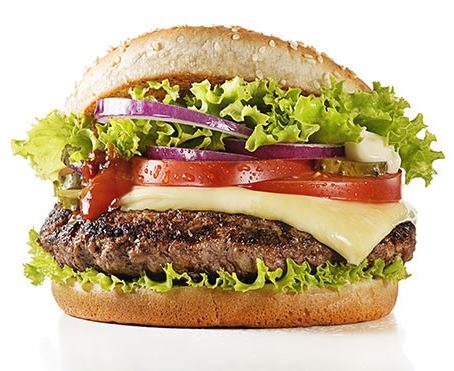
But how do they stack up? It turns out the answer may depend on whether your priorities lie with your personal health or the health of the planet.
I use these products occasionally. I avoid processed soy as it is not that healthy, and limit my intake of processed foods. That is also reflected in my Meal Delivery Service.
The good news: Meatless burgers are a good source of protein, vitamins, and minerals
The protein content of these newer plant-based burgers has been created to compete with beef and poultry gram for gram. Both the Impossible Burger and Beyond Burger have comparable amounts, the former deriving protein mainly from soy and the later from peas.
Both meatless burgers also add vitamins and minerals found in animal proteins — like vitamin B12 and zinc — in amounts equal to (and in some cases, greater than) both red meat and poultry. This is a plus for vegetarians, because these nutrients are typically harder to come by when relying solely on foods from the plant kingdom. Vitamin B12, for instance, is found primarily in animal sources, and strict vegetarians and vegans must get their intake from fortified sources. What’s more, plant compounds such as phytic acid bind to minerals, which can increase requirements of zinc by 50% and may necessitate consuming about two times as much iron. For those who eat at least some animal protein, the vitamin and mineral fortification is less of a selling point.
This doesn’t mean a plant-focused diet is lacking in nutrients. Beans, for instance, are a good source of both zinc and iron. They are also an important protein resource. Black bean burgers are never going to be mistaken for hamburgers, but they are typically a solid choice when it comes to health.
Even though legumes are sourced for protein in the branded meatless options, their health benefits are somewhat blunted by the high degree of processing involved. For instance, moderate amounts of whole soy foods, like edamame (soybeans), have been linked to reduced rates of cancer. This protection is often attributed to isoflavones, a subgroup of plant compounds called flavonoids thought to provide health benefits. Unfortunately, in the case of the Impossible Burger, one serving contains less than 8% of the isoflavones found in one serving of whole soy foods (one serving is roughly a quarter of a block of tofu or 1 cup of soymilk).
Poultry-based burger alternatives, such as turkey burgers, also do not contain significant amounts of protective plant compounds. On the other hand, they offer less saturated fat.
If a lower risk of diseases like cancer and heart disease is your ultimate goal, aim for the kind of veggie burgers that showcase their beans, grains, and seeds front and center. Choose legume-based varieties studded with seeds and whole grains, like brown rice and quinoa.
Shrimp Sweet Potato Cakes with Avocado Salsa
Posted: July 24, 2022 Filed under: Recipes | Tags: #delivery, #glutenfree, #healthyeating, #Lactosefree, #mealdelivery, #MillieBarnes, #Ortega, #pescatarian, #Riverside, #SanMarco, #vegetarian, #weightloss Leave a comment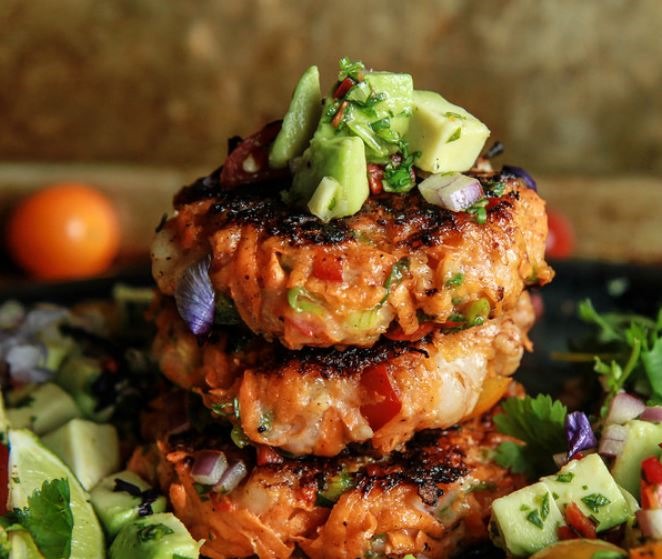
Serves 2
1 pound shrimp, peeled and deveined
2 limes zest
2 tablespoons minced fresh jalapeno
¼ cup finely diced red bell pepper
3 green onions, white and green part, very thinly sliced
2 cups packed shredded sweet potato (this took 1 medium-large sweet potato, peeled and ends trimmed grated on a box grater)
1 T cumin
2 tablespoons minced fresh cilantro
1 clove garlic, minced
1 teaspoon kosher salt
Avocado Salsa
1 cup cherry tomatoes, halved
1 large ripe avocado, diced
¼ cup red onion, very finely diced
1 red fresno chile, minced
2 tablespoons minced fresh cilantro
2 limes juice
kosher salt
Instructions
Cut shrimp (chopped roughly), and combine with the sweet potatoes, red bell pepper, green onions, jalapeno, cilantro, garlic and salt.
Using clean hands, form 6 equal sized patties from the shrimp and sweet potato mixture. Set the patties aside while you prepare the Avocado Salsa.
For the Avocado Salsa combine all of the ingredients in a medium bowl and gently fold together. Season to taste with kosher salt and set aside.
In a large sauté pan, heat a thin layer of vegetable oil over medium heat. Add a few of the shrimp cakes and cook for about 2-3 minutes each until the bottoms have become golden and crispy.
Flip the cakes and cook another few minutes until the second side is also golden and crispy and the shrimp is cooked to pink.
Asian Soba Noodle Bowl
Posted: July 24, 2022 Filed under: Recipes | Tags: #delivery, #glutenfree, #healthyeating, #Lactosefree, #mealdelivery, #MillieBarnes, #Ortega, #pescatarian, #Riverside, #SanMarco, #vegetarian, #weightloss Leave a comment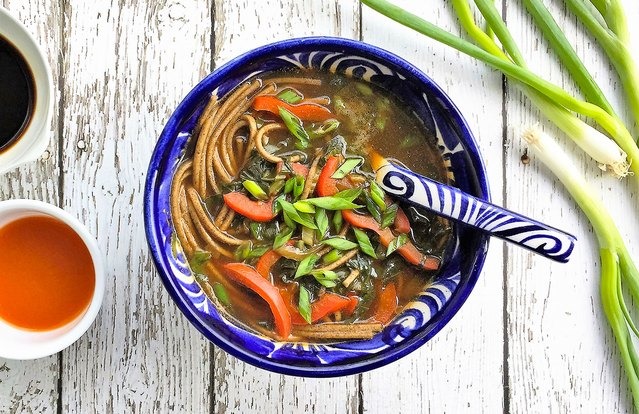
Serves 2
1 T sesame Oil
2 cups Bok Choy
1 red bell pepper
3 medium scallions
1 T Rice Vinegar
2 slices raw ginger
6 cups Low Sodium Vegetable Broth
2 T Coconut Aminos (Soy Sauce Substitute)
½ tsp miso
8 oz Buckwheat Soba Noodles
Optional – top with boiled eggs
1. Separate the green and white parts of the scallions.
2. Heat the oil in a large saucepan or stockpot over medium-high.
3. Add the bok choy, bell pepper, white part of the scallions and vinegar, and sauté until bell pepper is softened, about 5 minutes. Add the ginger and sauté until fragrant, about 30 seconds.
4. Add the broth, tamari and salt, and then bring to a boil over high heat.
5. Stir in the noodles and bring back to a boil. Reduce heat to medium-low and simmer uncovered until noodles are cooked, about 5 minutes, stirring occasionally.
6. Stir in the green part of the scallions. Adjust seasoning.
7. Ladle into bowls. If desired, serve with hot sauce.
Nuts Can Be Good for Your Brain, Unless You’re Making These 5 Mistakes
Posted: July 22, 2022 Filed under: Food and it's Impact on Our Health | Tags: #delivery, #glutenfree, #healthyeating, #Lactosefree, #mealdelivery, #MillieBarnes, #Ortega, #pescatarian, #Riverside, #SanMarco, #vegetarian, #weightloss Leave a comment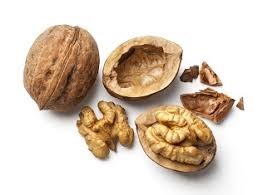
When regularly eaten as part of a healthy diet, can slow brain aging and reduce the risk of Alzheimer’s, according to the Mayo Clinic.
“Nuts have an optimal fatty acid profile for the brain, including generally high concentrations of mono- and polyunsaturated fatty acids. And walnuts in particular have omega-3 fatty acids,” which are excellent for your brain, explains Wendy Bazilian, DrPH, RDN, author of the Eat Clean, Stay Lean series and The Superfood Rx Diet.
They’re also rich in vitamins, minerals and phytochemicals that can support your health from head to toe, including fiber, vitamin E, magnesium, thiamin and zinc. And when your body as a whole is healthy, your brain will reap the benefits.
Before you go nuts with eating them though, take a look at these common mistakes. Making them could mean you’re getting less brain bang for your buck.
1. Choosing Overly Salty or Sugary Nuts
Salt and sugar are often used to give nuts a flavor boost. But regularly getting too much sodium or added sugar can have a negative effect on cognitive health.
Fix it: One option is to stick with plain, unsalted nuts — they’re typically made without added salt or sugar. But if you like your nuts salted, it’s also fine to look for lower-sodium options made with 50 percent less salt, Bazilian says. (Just make sure you’re staying below your recommended daily sodium intake for the day.)
Try to limit your consumption of candied nuts, which are often packed with sugar.
2. Not Eating Them Often Enough
Nuts will do your brain the most good when you eat them regularly. Followers of the MIND diet, a low-sodium Mediterranean-style diet, had the lowest rates of Alzheimer’s disease and dementia when they consumed nuts, seeds and legumes five or more times per week, according to findings in the February 2015 issue of Alzheimer’s & Dementia.
Fix it: Make it a point to work nuts into your diet most days. A simple handful makes for a satisfying snack, but that’s not your only option. Bazilian recommends:
- Adding chopped nuts to oatmeal or yogurt
- Tossing nut butter or whole soaked nuts into the blender when making a smoothie (soaking makes the whole nuts easier to blend)
- Using crumbled or pulverized walnuts as a meatless taco filling
- Spreading nut butters on sandwiches or toast
3. Not Paying Attention to Portion Size
Nuts are known for being calorie-dense. A 1.5-ounce serving of almonds has 246 calories, while the same amount of cashews has 236 calories.
Grab handfuls throughout the day or snack straight from the container, and you easily run the risk of going over your calorie budget for the day, says Alisa Bloom, MPH, RDN, a nutrition expert and health and wellness coach based in Chicago.
Fix it: Be mindful about how many nuts you’re eating. “The research shows mostly around 1.5 ounces is what’s most associated with health benefits,” Bazilian says. THAT”S 1 to 2 TABLESPOONS!
4. Only Eating Peanuts or Peanut Butter
Peanuts and PB serve up plenty of healthy fats and vitamin E. But making them your only go-to means you’ll miss out on the nutrients their crunchy cousins have to offer.
Case in point? Walnuts are the only nut with significant levels of omega-3 plant fats, which fight cognition crushers like oxidative stress and inflammation, Bazilian says.
Brazil nuts offer powerful antioxidants like selenium, while almonds offer calcium — a mineral that may be beneficial for memory, says Bloom.
Fix it: Keep several types of nuts on hand and enjoy a different pick each day. (Store them in the refrigerator or freezer to increase their shelf life — the fat in nuts will go rancid more quickly at room temperature.) Make a peanut butter and banana smoothie on Monday, snack on almonds on Tuesday, and add walnuts to your salad on Wednesday, for instance.
5. Not Buying Certain Nuts Organic
Exposure to certain pesticides could increase the risk for cognitive dysfunction, Alzheimer’s disease and dementia, according to a June 2020 review in Toxicology Letters. In particular, the chemicals used to grow conventional almonds, cashews, peanuts, and pistachios are thought to pose potential health risks.
Fix it: Consider buying organic nuts when possible. “The more we can lower a toxic burden risk, even for a healthy food, the better,” Bloom says.
But if organic isn’t an option, don’t let that stop you from eating nuts altogether. “Organic is a great idea if you can afford it and if the nuts are fresh,” Bazilian says. “But in the grand scheme of things, you’ll get more benefits from getting the nutrients of [conventional] nuts rather than avoiding nuts.”
My Skin Care Regimen
Posted: July 16, 2022 Filed under: Food and it's Impact on Our Health Leave a comment
The basics of great, effective skincare is cleansing, exfoliating, nourishing and moisturizing, and protecting.
In this article I am going to outline my skin care routine. I have aging skin and so will be addressing the concerns unique to this issue.
I have been using Retin-A on my skin since I was 38 years old and although I use a milder form of it now it is readily available over the counter at this point. Until about 5 years ago I used prescription strength Tretinoin. But as my skin became dryer because of my age I switched to a combination of Bakuchiol and milder Retinoid products. I, like most Dermatologists, absolutely swear by Retin-A use for maintain firmness and minimizing wrinkles.
The Basis for cleansing are twofold, removing dirt, makeup and sweat. And exfoliation, helping slough off the top layer of dead cells, exposing the new skin underneath. This smooths the skin and makes other products more effective.
The Products I Use
Double cleansing is a method of cleansing your face twice: I do this about every 3rd or 4th in the evening. I tend to get slightly clogged pores on my cheeks from moisturizers. First, with an oil-based cleanser and again with a water-based cleanser. It can help remove stubborn, pore-clogging and acne-causing impurities that can remain on the skin even after washing your face once.
The benefit of double cleansing is that the first cleanser will break down any makeup, remove dirt and excess oils from the day and clean your skin. The second cleanser will remove the oil and finish cleaning. This method leaves the skin truly clean. The second cleanser can then gently remove the oil without stripping the skin and drying it out. While this is important at any age, it is crucial for dry or mature skin!
Bear in mind that the products I use are extremely clean and non-toxic.I have a severe allergy to Propelyne glcol so my choices are driven by avoiding that ingredient as well as phalates, any other glycols and silicones because they just sit on the skin and do not let other ingredients be absorbed by the skin.
The products I use are:
I make the oil mix that I cleanse with. It contains the following oil; jojoba oil, rose hip seed oil. grapeseed oil. carrot oil, moringa oil. sea buckthorn oil and camellia seed oil.
In the mornings I use The Ordinary Squalane Cleanser that I add an exfoliating and nourishing powder to that I make. The ingredients are finely milled rice powder, Papaya powder, Red algae, Green tea extract, Madagascar vanilla, spirulina. Available on Amazon or Ulta Beauty.
In the evening I use Acure Radically Rejuvenating Cleansing Cream available on Amazon or at Health Food Stores. I add a bit of the enzyme powder every other night. The other nights I use lactic acid 20% after cleansing.

After cleansing or using the Lactic acid I use aloe and the serum. The serum I use is The Ordinary Granactive Retinod 2% Emulsion. This is light enough to use under makeup and moisturizer.
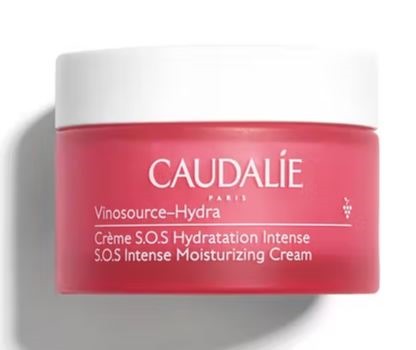
To Moisturize I switch it up day to day rotating between Kinship Supermello Gel cream, Versed Press Restart Gentle Retinol Serum and occasionally Caudlie Vinsourse Moisturizer. The last one I use more in the winter. I add a little bit of Libelulle Cerimide Treatment also.
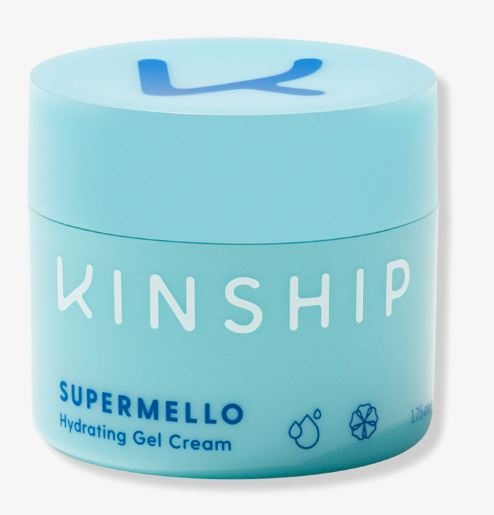
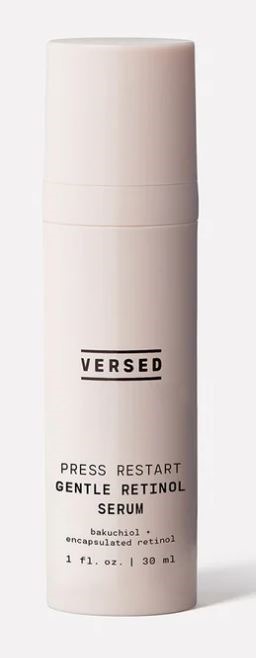
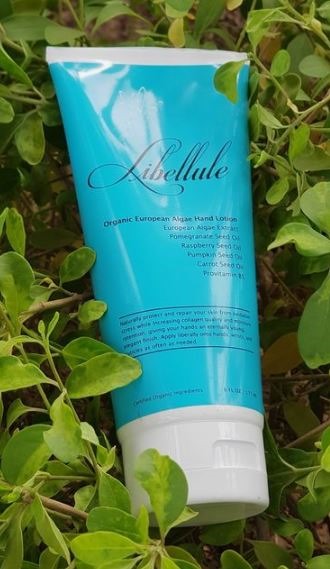
I add a drop or two of Moringa oil, Carrot Oil or Sea Buckthorn Oil to the moisturizer. All of these are very nourishing and have strong anti-aging properties.
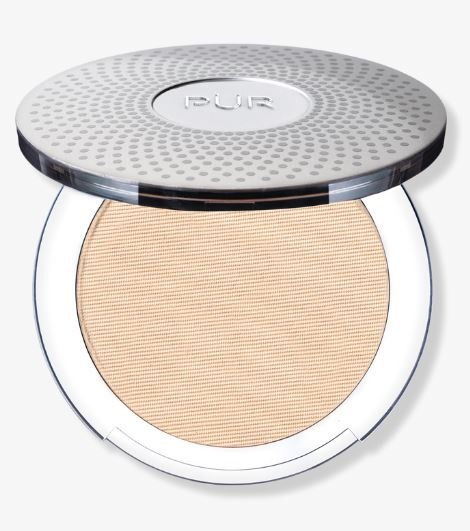
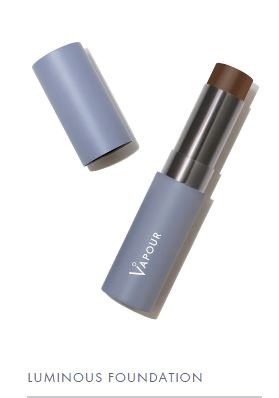
I use very little Makeup on my skin. Most Days I use Pur Mineral Powder that has enough coverage for me. For a more polished look or if I am going out in the evening I use Vapour Foundation that also can be used as a Concealer. It doesn’t crease or get in to the lines on your face.
And for during the day I use Beauty By Earth Sunscreen. It is a physical as opposed to a chemical sunscreen, but doesn’t look white-ish after a minute or so.


 Meal Delivery Service by Millie Barnes