Why Growing Microgreens Should Be Your New Favorite Year-round Activity
Posted: June 18, 2017 Filed under: Food and it's Impact on Our Health, Gardening, Going Green; How and Why... Leave a comment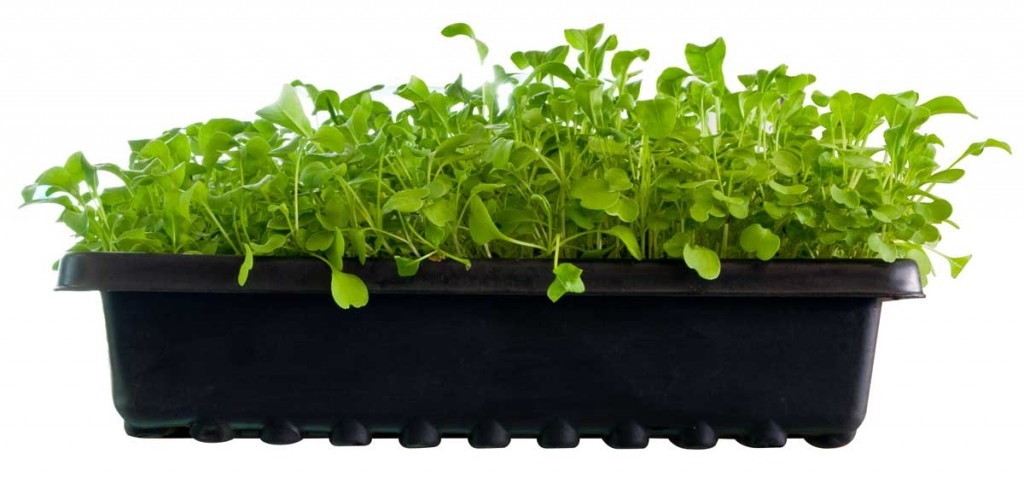
Homegrown microgreens could very easily be the most nutrition-per-unit-cost we can get for our money.
A 2012 UDSA study assessing the nutrition content of 25 different microgreens concluded that microgreens possess significantly higher nutrient densities than mature leaves of the same plant. As an example, red cabbage microgreens have six times the vitamin C than mature red cabbage. Adding microgreens to your diet is an easy way to not only add freshness to winter meals, but also add a big punch of nutrients right when we typically eat less fresh foods, like in winter.
Buying microgreens from the market can be expensive. Instead, grow your own microgreens. It’s fairly easy to do, doesn’t require a lot of space, and produces tasty and highly nutritious food. Don’t have access to a garden? Good news, you don’t need one! Microgreens are easy to grow in a jar or a box. Here’s how to create your very own microgarden out of containers you might have laying around the house.
1. Choose the Seeds
Some common varieties of seeds to use are: amaranth, basil, beets, broccoli, cabbage, celery, chard, chervil, coriander/cilantro, endive, kale, kohlrabi, lettuce, mustard, parsley, peas, radish, rocket/arugula, spinach, and sorrel. But of course, these are just a few to choose from- experiment with seeds to find one based on your own taste preferences. To ensure that you are avoiding food that may have been fumigated or treated with a fungicide, choose only organic seeds.
2. Choose the Container
You’ll need a container that is a few inches deep at minimum. Garden centers sell special containers for sprouting seeds, but you can make a planter out of almost anything- as long there is proper drainage. Old vegetable or berry containers are perfect for sprouting seeds, as are prepackaged salad boxes and mason jars. Do you have an old metal cooking pan or muffin tin you don’t use any more? Simply drill a few drainage holes and it becomes a microgarden that is both functional and free.
3. Choose the Soil
It’s important to use a quality growing medium for the seeds because they contain the proper ingredients that boost seed germination. The better nutrition going into the plant also means you’ll be eating the most nutrient-dense food possible. Seeds love loose, crumbly soil full of organic matter. Choose an organic potting mix, or make your own.
4. Pre-Soak Larger Seeds
Pre-soaking will help your seeds germinate more quickly. Pre-soak larger seeds such as mung beans or peas in warm water for a few hours or overnight. This step isn’t necessary for smaller seeds.
5. Plant
If your container has drainage holes, lay a moistened paper towel on the bottom to stop the potting soil to fall through. Fill the container roughly 3/4 full of growing medium, about one inch deep. Sprinkle the seeds over the dirt, then cover with an additional 1/8 inches of soil. Lightly spray the entire soil with a misting spray bottle to water without disturbing the seeds. Make sure the dirt is moist, but not soaked. You don’t want the soil so wet that the seed either rots or drowns. If you don’t have a misting spray bottle just be careful watering the seeds to prevent them from dislodging.
6. Grow
Place your newly planted seeds in the sun. The seeds will need a minimum of four hours of direct sunlight every day. Don’t have access to a sunny windowsill? Try grow microgreens under gardeners grow lamps. The seeds will start to sprout within a few days, but you’ll want to wait ten days to two weeks to harvest when you see the the first set of leaves.
7. Harvest
Begin harvesting microgreens once the seeds have produced its first set of true leaves. Depending on the variety, the seedlings should be 1-3 inches tall. Simply take scissors and cut the stems just above the soil. Once the microgreens have all been harvested, begin a new crop using the same mix. Because the previous plants had been grown so quickly, the mix will still be full of nutrients- you’ll be able to sow 3-4 crops with each batch of growing medium. To ensure a continuous supply of microgreens, sow seeds every week or two.
Two Thirds of Adults Eat Three or Fewer Portions of Fruit and Veg Each Day Raising Risk of Diabetes, Warn Experts
Posted: June 12, 2017 Filed under: Food and it's Impact on Our Health Leave a comment
By Sarah Knapton, science editor
12 JUNE 2017 • 12:01AM
Two thirds of adults eat three or fewer portions of fruit and vegetables each day, with nearly 12 million at risk of developing Type 2 diabetes, health experts have warned.
Diabetes UK said the five-a-day message was still not getting across and warned that the lack of healthy eating in Britain was a ‘huge cause for concern.’
A survey commissioned by the charity found that 66 per cent of adults only eat three or fewer portions of fruit and veg each day, with three quarters still confused about what constitutes a ‘portion.’
Nearly half of people do not eat fruit at least three days of the week.
There are 3.6 million people already living with diabetes in Britain, 90 per cent of whom have Type 2. The charity has warned that 11.9 million people are at increased risk of developing the condition, but three in five cases of diabetes could be avoided if people changed their lifestyles.
Three our of five cases of diabetes could be avoided if people made lifestyle changes CREDIT: ANTHONY DEVLIN
Helen Dickens, Head of Prevention at Diabetes UK, said: “Everybody knows they should be eating ‘five a day’ and yet this survey suggests that this message simply isn’t getting through.
“It’s alarming to learn that the vast majority of people are still a long way off eating enough fruit and vegetables.
“Not only that, but people don’t know how much fruit and vegetables they should be eating“Three in five cases of Type 2 diabetes can be avoided or delayed by making simple lifestyle changes, and a balanced diet and healthy lifestyle play a big part in this. Healthy eating is equally important for people living with diabetes as well as preventing Type 2.”
The survey, which was commissioned ahead of Diabetes Week which runs until Saturday June 17, also showed that people are unaware of the hidden sugars in many staple foods. Two thirds of people did not know that a tin of baked beans can contain up to five teaspoons of sugar.
Nearly one third of people add salt to food before even tasting it, even though too much salt is linked to high blood pressure, heart disease, stroke and kidney disease.
Nearly six in ten people said they wanted to eat more vegetables but 23 per cent thought they were too expensive, while 16 per cent said they tend to go off too quickly and nearly one in 10 people say it took too long to prepare.
The charity called on the government to do more to prevent junk food being marketed to children.
One in three children are overweight or obese by the time they get to year 11
A record percentage of children now have weight problems with one in three overweight or obese, by the time they leave primary school at the age of 10 or 11, increasing the risk of diabetes.
Emma Elvin, Clinical Advisor for Diabetes UK, added, “These survey results are a huge cause for concern.
“Simple lifestyle changes such as eating a balanced diet, eating more fruit and vegetables and getting more exercise are an important part of managing all types of diabetes and can
reduce the risk of serious of long term complications such as blindness, amputations and even early death.”
Diabetes UK has embarked on a new ‘Food you love’ campaign which is providing healthier recipes of favourite dishes to inspire people to make small changes.
Just a Little Alcohol During Pregnancy May Alter Baby’s Facial Features
Posted: June 10, 2017 Filed under: Food and it's Impact on Our Health Leave a comment
A new study affirms that there is no safe level of alcohol consumption during pregnancy, after finding that even the occasional drink can affect a baby’s facial development.
Researchers from Belgium and Australia assessed the drinking habits of more than 400 women during pregnancy and mapped the facial features of their offspring at the age of 1 year.
The team found that prenatal alcohol exposure – even at low levels – subtly influenced the formation of facial features in the womb, including the nose, chin, and eyes.
Study co-leader Evi Muggli, of the Murdoch Children’s Research Institute in Australia, and colleagues recently reported their results in JAMA Pediatrics.
The Centers for Disease Control and Prevention (CDC) state that there is no safe amount of alcohol to drink during pregnancy, nor is there a safe time to drink alcohol while pregnant.
However, a 2015 study from the CDC found that around 1 in 10 expectant mothers in the United States report having consumed alcohol within the past 30 days.
Alcohol consumption during pregnancy can cause a number of physical and developmental problems for offspring, including low birthweight, learning disabilities, small head size, intellectual disabilities, and problems with vision or hearing. These conditions fall under the umbrella of fetal alcohol spectrum disorder (FASD).
It is also known that prenatal alcohol exposure can influence a child’s facial development, though the level of alcohol intake that causes such an effect has been unclear.
For their study, Muggli and colleagues set out to investigate how different levels of prenatal alcohol exposure affect facial development.
Using 3-D imaging to map children’s facial features
The study included 415 children born to mothers who were part of the Asking Questions about Alcohol in Pregnancy (AQUA) study.
The AQUA study is a longitudinal cohort of almost 1,600 pregnant women, which aims to gain a better understanding of how various amounts of alcohol consumed during pregnancy affect the unborn child.
As part of the study, mothers were asked to complete a questionnaire detailing the frequency and quantity of alcohol intake in the 3 months before pregnancy, as well as in each trimester.
Low alcohol intake was defined as less than 20 grams of alcohol per drinking occasion and less than 70 grams of alcohol per week; moderate intake was defined as 21-49 grams of alcohol per occasion and less than 70 grams per week; high intake was defined as more than 50 grams of alcohol per occasion.
When the children reached 1 year of age, they underwent facial imaging. According to co-lead study author Harry Matthews, of the University of Melbourne in Australia, the team used a “sophisticated 3-D facial analysis technique, mapping something like 7,000 individual dot points on the face.”
Women ‘should abstain from alcohol during pregnancy’
The researchers found that low, moderate, and high intake of alcohol – particularly in the first trimester of pregnancy – led to changes in the formation of facial features among offspring.
The team notes that these changes were not visible to the naked eye, as they measured less than 2 millimeters. The 3-D imaging technique, however, was able to detect tiny alterations to the nose, lips, and eyes with any level of prenatal alcohol exposure.
Based on their findings, the researchers conclude that drinking even small amounts of alcohol during pregnancy may influence fetal development.
“We were surprised to see that these comparatively low levels of alcohol do have a subtle impact and our findings support national recommendations to abstain from drinking alcohol in pregnancy.”
Prof. Jane Halliday, Ph.D., Murdoch Childrens Research Institute
“The information from our study is particularly important. It affirms my need to advise women to avoid alcohol during pregnancy and gives me new evidence to support that advice,” adds study co-author Elizabeth Elliott , of the University of Sydney in Australia.
Learn how moderate alcohol intake may lead to a decline in brain health.
Eating French Fries Is Linked to a Higher Risk of Death
Posted: June 10, 2017 Filed under: Food and it's Impact on Our Health Leave a comment
It’s not the French fries themselves, it’s what they are fried in! Heated vegetable oils are highly carcinogenic (YES, EVEN OLIVE OIL!) French fries are ok for occasional eating but only when fried in traditional fats. I use beef fat or duck fat, only eat them about once a month.
People have long known French fries aren’t great for your health—but now a study has linked eating fried potatoes at least twice a week with an increased risk of death.
The study, published in the American Journal of Clinical Nutrition, looked at potato consumption in 4,400 older people between ages 45 and 79 over the course of eight years. By the end of the study, 236 people had died.
After adjusting for several factors, eating potatoes overall (even a lot of them) did not increase a person’s risk for death. But when researchers looked more closely at the types of potatoes people were eating, they found that eating fried potatoes—including French fries, fried potatoes and hash browns—at least two times per week was linked to a more than doubled risk of death. Eating unfried potatoes, such as potato salad and boiled, baked and mashed potatoes, was not linked to an increased risk of death.
Unfried white potatoes are a relatively healthy food because they contain a good amount of fiber, vitamins and micronutrients, the study authors write, which “could have counterbalanced the detrimental effects of their high glycemic index.” Fried potatoes, however, typically have lots of fat and added salt. For now, the link is merely an association, and more research with larger groups of people is needed to investigate the link before saying that overeating fries causes an increased risk of death.
Until then, the Center for Nutrition Policy and Promotion recommends 3–5 servings of vegetables per day. While starchy vegetables like potatoes count towards that goal, the center’s food pyramid instructs people to choose preparations of vegetables that are low in fat—not fried.
Vegan Diets ARE NOT Healthy!
Posted: June 8, 2017 Filed under: Food and it's Impact on Our Health Leave a comment
I read an article this week about what a “Nutritionist” had to say about what vegans should eat. She gave a list of exactly what vegans should eat each day. So I took her data and plugged it in to my Nutrition Software. Here is the results!
While what was listed DID meet the human need for nutrients it DID SO because her suggestions added up to 5253 CALORIES IN ONE DAY!
Yes, you read that correctly! And at 70% calories from carbohydrates you can see why so many vegans are overweight and/or unhealthy. The scariest statistic shows that mono and poly-unsaturated fats were WAY TOO HIGH! This leaves saturated fats very low. Saturated fats should be 75% of the fats we take in each day! Most vegans and vegetarians develop high blood pressure as they get older.
Calories from fats and proteins are way too low, that’ is due to most of the calories coming from carbs. Also almost all of the carbs were from grains- empty calories! Don’t believe me? Turn over that box of oatmeal, or rice…and read the nutrient list!
Tiny Blood Vessel Damage Tied to Depression Among Older Adults
Posted: June 2, 2017 Filed under: Food and it's Impact on Our Health Leave a comment
Exercise oxygenates the body, if done often and gets the heart rate up forces the body to make new blood vessels. SO, GET MOVING and eat plenty of fruits and veggies!!!
(Reuters Health) – Keeping tiny blood vessels healthy may be one way to ward off depression later in life, suggests a new analysis of existing research.
Damage to the microvascular system – often caused by high blood pressure or diabetes, and made worse by smoking – is tied to an increased risk of depression among people age 40 years and older, researchers found.
“Be aware that your hypertension and diabetes are an enemy to your microvascular circulation,” said senior author Miranda Schram of Maastricht University Medical Center in the Netherlands. “Try to treat them.”
The body’s very small blood vessels, or capillaries, “are responsible for taking the oxygen and nutrients to the tissues,” she said. “You can imagine if something goes wrong, the tissue isn’t happy.”
The brain, Schram noted, is “quite vulnerable to these microvascular changes, because the tissue in the brain is really demanding and requires a lot of oxygen to work properly.”
Problems with these small blood vessels can also affect the eyes, the nerves, the skin and the kidneys.
To see if there is a link between depression and damage to capillaries, the researchers searched for existing studies of the two conditions that included people at least 40 years old.
Altogether, they had data on 43,600 individuals, including 9,203 with depression.
Depending on how microvascular dysfunction was measured in the various studies, it increased the risk of depression by up to 58 percent, according to a report in JAMA Psychiatry.
For example, when signs of injury to small vessels was detected in the blood, the risk of depression was 58 percent higher than when blood tests didn’t suggest damage.
People had a 30 percent higher risk of depression when magnetic resonance imaging (MRI) revealed very small strokes in the brain caused by failure of these tiny vessels.
The theory is that this blood vessel damage disrupts communication in areas of the brain important for mood control, said Schram.
“You can imagine that this would lead to a depressed mood,” she added.
Dr. Bret Rutherford of the New York State Psychiatric Institute and the Columbia University Department of Psychiatry in New York City told Reuters Health that while the new study is strong, it can’t prove microvascular dysfunction causes depression later in life.
“The relationships between healthy brain aging and neuropsychiatric disorders goes in both directions and is sort of complicated,” said Rutherford, who was not involved in the new study.
For example, it could be that microvascular damage causes depression. Or, it could be that depression leads to unhealthy blood vessels.
Rutherford said researchers first linked depression to blood vessel damage in the 1990s, but advances in treatment have been limited and mainly focused on preventing poor vascular health.
“We certainly have reason to be very rigorous in our treatment of cardiovascular aging to promote healthy brain aging and to prevent these types of problems later on,” he said.
Also, he said, it’s important to treat mental health issues early in life to prevent cardiovascular issues later on.
SOURCE: bit.ly/2qFYTM0 JAMA Psychiatry, online May 31, 2017.
High Fructose Corn Syrup Has Been Quietly, Deceitfully Renamed
Posted: June 2, 2017 Filed under: Food and it's Impact on Our Health, Non-Toxic Choices 2 Comments- By Baxter Dmitry, yournewswire.com

High fructose corn syrup is a killer. Since humans started consuming it, obesity rates have more than tripled and diabetes incidence has increased more than seven fold since. Even when used in moderation it is a major cause of heart disease, obesity, cancer, dementia, liver failure, tooth decay, and more.
So what does the FDA do about this silent killer? It allows food producers to change the name of the infamous sweeter in order to trick consumers into thinking they are not eating high fructose corn syrup.
That’s right, high fructose corn syrup now goes by a new, deceitful name – “Natural Sweetener” – designed to trick customers into making ill-informed choices that will impact on their health.
Consumers are finally catching on to the fact that what we put in our mouths effects our waistline as well as our health. Since consumers have become much smarter and finally waking up to these realities, they are demanding healthier food choices. Every food company is smearing 100% natural on every box of anything regardless of whats inside the box.
Now we have to know the new sneaky name to know whether or not we are consuming High Fructose Corn Syrup or not. Obviously the best way to avoid this mess is to buy from companies you really trust.
Big food companies are hiding ingredients they know we really don’t want to consume in their products. This time it’s the presence of a new version of high fructose corn syrup. But this is not the innocuous fructose that has sweetened the fruits humans have eaten since time began. This is a questionable ingredient with many names that could be causing all sorts of health problems.
The product is General Mills’ Vanilla Chex, an updated version of the Chex cereal sold in most conventional grocery and discount stores for many years. The front of the box clearly states that the product contains “no high fructose corn syrup” (HFCS), but turn it over to read the ingredient list and there it is – the new isolated fructose.
Why is that a problem? According to the Corn Refiners Association (CRA), there’s been a sneaky name change. The term ‘fructose’ is now being used to denote a product that was previously known as HFCS-90, meaning it is 90 percent pure fructose. Compare this to what is termed ‘regular’ HFCS, which contains either 42 or 55 percent fructose, and you will know why General Mills is so eager to keep you in the dark.
CRA explains:
“A third product, HFCS-90, is sometimes used in natural and ‘light’ foods, where very little is needed to provide sweetness. Syrups with 90% fructose will not state high fructose corn syrup on the label [anymore], they will state ‘fructose’ or ‘fructose syrup’.”
And the way that they get away with this is fairly simple:
“Simply eliminating the high fructose corn syrup designation for the laboratory sweetener that’s nine-tenths fructose and calling it what it really is: fructose. And that’s how a processed-food product like Vanilla Chex that contains “fructose”, a substance that, according to the corn refiners, used to be called HFCS-90, can now declare itself to be high fructose corn syrup-free.”
Unveiling the Nasty Action of Trans-fatty Acids in Blood
Posted: May 25, 2017 Filed under: Food and it's Impact on Our Health Leave a comment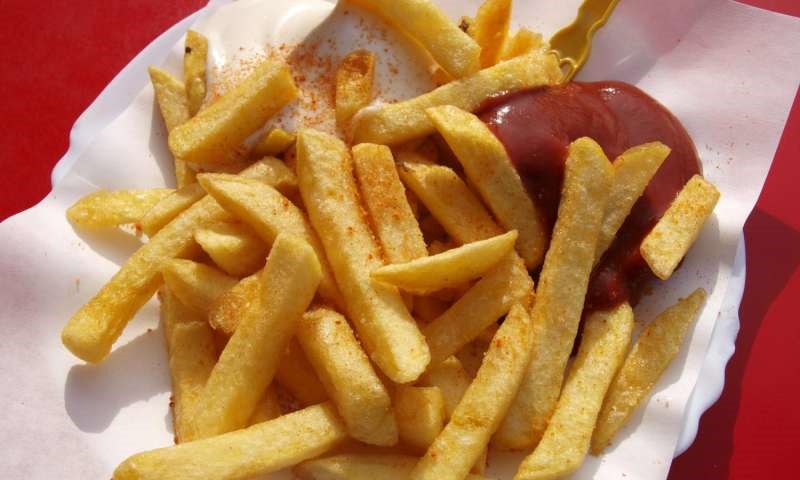
Consumption of trans fatty acids, often found in processed foods, increases the risk of heart disease and stroke.
Tohoku University researchers have found that trans-fatty acids promote cell death in a more direct manner than previously thought, leading to the development of atherosclerosis, a major cause of heart attacks and strokes.
Trans-fatty acids are unsaturated fatty acids produced as byproducts during food manufacturing. Trans-fatty acid consumption is strongly linked to atherosclerosis, an inflammatory disease in which plaque clogs arteries. Atherosclerosis is a major cause of cardiovascular diseases such as heart attacks and strokes.
During the development of atherosclerosis, white blood cells turn into macrophages, immune cells that destroy harmful substances in the body. Those macrophages eventually become foam cells that form plaques and cause inflammation. When macrophages die, they release pro-inflammatory molecules, including extracellular ATP, that enhance inflammation and advance the disease.
Although previous studies have reported the link between the consumption of trans-fatty acids and the development of atherosclerosis, the mechanism remained unknown. A previous study reported extracellular ATP activates a molecule that generates reactive oxygen species, triggering an ASK1 kinase involved in the cell death process. This led the researchers to assume that trans-fatty acids accelerate the cell death process by generating more reactive oxygen species.
The Tohoku University team found this process actually happens in a much more direct way. Trans-fatty acids promote cell death by enhancing extracellular ATP, which directly activates the ASK1 kinase, and another kinase called CaMKII, without increasing reactive oxygen species. The finding was published in the Journal of Biological Chemistry.
The researchers, led by Associate Professor Takuya Noguchi and Professor Atsushi Matsuzawa, also found that several trans-fatty acid types—elaidic acid, linoelaidic acid and trans-vaccenic acid—stimulate cell death, but not their corresponding cis-fatty acids, which are naturally occurring unsaturated fatty acids with health benefits. The harmful trans-fatty acids are made from these cis-fatty acids through a hydrogenation process commonly used by the food industry. The finding provides insight into the mechanism of disorders caused by trans-fatty acid consumption and suggests potential targets for treatment.
The researchers note that future studies should investigate how trans-fatty acids lead to the development of atherosclerosis and cardiovascular diseases at a molecular level.
More information: Trans-fatty acids promote proinflammatory signaling and cell death by stimulating the apoptosis signal-regulating kinase 1 (ASK1)-p38 pathway, Yusuke Hirata, Miki Takahashi, Yuki Kudoh, Kuniyuki Kano, Hiroki Kawana, Kumiko Makide, Yasuharu Shinoda, Yasushi Yabuki, Kohji Fukunaga, Junken Aoki, Takuya Noguchi, and Atsushi Matsuzawa, Journal of Biological Chemistry, DOI: 10.1074/jbc.M116.771519
To Improve Your Diet, Know These Four Food Myths
Posted: May 25, 2017 Filed under: Food and it's Impact on Our Health Leave a comment


By Consumer Reports May 21
Did the healthy-eating resolutions you made a few months back not quite stick? The onset of warmer weather might motivate you to make some better choices. Think of it as a kind of spring cleaning.
But with so much nutrition “noise” out there — eat this, don’t touch that — it’s difficult to know which changes have the biggest impact. Here, Consumer Reports tackles a handful of common food myths to make smart eating easier and more enjoyable.
Myth 1: You should avoid fruit if you’re cutting back on sugar.
Truth: Eat more whole fruit, not less.
When experts say you should limit your sugar intake, they’re talking about added sugars, those sprinkled into baked goods, candy, cereal, fruit drinks, tomato sauce, soda and the like. “The natural sugars in fruit are processed a bit differently by your body, because the fiber in the fruit minimizes the sugars’ impact on blood sugar levels,” says Nancy Z. Farrell, an adjunct professor of nutrition at Germanna Community College in Fredericksburg, Va. “In addition, you also get vitamins, minerals and other healthy nutrients.”
Fruit juices are different. They contain vitamins and minerals, but most are lacking in fiber. So their sugars get into your system much faster than those in whole fruit. And juice is a more concentrated source of sugars and calories. For example, a cup of apple slices has about 50 calories and 11 grams of sugars, while a cup of apple juice has about twice those amounts.
Myth 2: You should take the skin off chicken before you cook it.
Truth: Removing the skin doesn’t save you much saturated fat.
This advice dates back to a time when all things fatty were considered unhealthy, Farrell says. Yes, the skin contains saturated fat, but it has more of the unsaturated kind. A 3½ -ounce roasted chicken breast with the skin has about eight grams of fat, only two of which are saturated. Taking the skin off saves you about 50 calories and one gram of saturated fat. If you’re eating several pieces, those calories and fat will add up, but if you practice portion control, you can enjoy the extra flavor from perfectly crisped skin. If you prefer to remove the skin, do it after the chicken is cooked. The skin keeps the chicken moist, and its fat doesn’t migrate to the meat.
Myth 3: Vegetarians/vegans need to combine foods to get enough protein.
Truth: Your body does the work for you. Amino acids, the building blocks of protein, are found in plant and animal foods. You need them for digestion, muscle and hair growth, and to make various enzymes and antibodies, among other things.
The difference is that animal foods contain all nine of the amino acids your body can’t make itself. Some plant proteins, such as those found in buckwheat, quinoa and soy, are complete as well. But a majority of plants contain just some of these nutrients, which are called essential amino acids.
“We used to think you had to combine certain incomplete proteins — like the ones in rice and beans — in the same meal to get all the essential amino acids,” says Dana Hunnes, an adjunct assistant professor at the Fielding School of Public Health at UCLA. “Now we know that you can meet your needs by eating a variety of plants throughout the day.”
Myth 4: White vegetables have little nutritional value.
Truth: Good nutrition comes in a variety of hues, including white.
The compounds that give vegetables those vivid colors have antioxidant (disease-fighting) benefits. But paler veggies, such as cauliflower, mushrooms and turnips, deserve kudos, too. “The ‘eat the rainbow’ advice stemmed from the 1980s, when experts were trying to get people to eat vegetables besides white potatoes and corn,” Hunnes says. (To be fair, even white potatoes are packed with nutrients.) Cauliflower and turnips are part of the powerhouse group of cruciferous vegetables, which also counts broccoli and kale as members. They’re high in compounds called glucosinolates, which may have a protective role against cancer.
Mushrooms, especially enoki, maitake and oyster, may have anti-cancer and immune-boosting benefits. A 2016 study in the Asian Pacific Journal of Cancer Prevention found that the lectins in oyster mushrooms may help reduce the toxic impact of arsenic on the liver and kidneys. Emphasizing a variety of plants (and colors) on your plate will help ensure that you get a healthy array of vitamins, minerals and other important nutrients.
Copyright 2017. Consumers Union of United States Inc.
For further guidance, go to ConsumerReports.org/Health, where more detailed information, including CR’s ratings of prescription drugs, treatments, hospitals and healthy-living products, is available to subscribers.
Mustard-Parmesan Whole Roasted Cauliflower
Posted: May 10, 2017 Filed under: Recipes Leave a comment
2 large heads cauliflower
1 clove garlic, halved
1/4 cup butter
4 tablespoons Dijon mustard
Kosher salt and freshly ground black pepper
1/2 cup fresh parsley leaves, roughly chopped
1/4 cup Soy Parmesan
Lemon wedges, for serving
1) Position an oven rack in the bottom of the oven and preheat to 450 degrees F. Line a baking sheet with foil.
2) Remove the leaves from the cauliflower, then trim the stem flush with the bottom of the head so the cauliflower sits flat on the prepared baking sheet. Rub the outside of each head with the cut garlic.
3) Whisk together the melted butter, 3 tablespoons mustard, 1/2 teaspoon salt and a few grinds of black pepper in a small bowl.
4) Put the cauliflower on the prepared baking sheet and brush the entire outside and inside with the mustard-oil mixture. Roast the cauliflower until nicely charred and tender (a long skewer inserted in the center of the cauliflower should pass through easily), 50 minutes to 1 hour. Let rest for a few minutes.
5) Meanwhile, combine the parsley and Parmesan in a small bowl. Brush the outside of the roasted cauliflower heads all over with the remaining 1 tablespoon mustard and generously sprinkle with the Parmesan mixture.
6) Cut the cauliflower into thick wedges and serve on plates with a sprinkle of salt, lemon wedges and any extra Parmesan mixture
.


 Meal Delivery Service by Millie Barnes