Need a Reason to Lift Weights? Pumping Iron Might Cut Early-Death Risk by Nearly Half
Posted: April 6, 2018 Filed under: Health and Happiness Leave a comment
The list of reasons you should start lifting weights just keeps on growing: Not only does strength training help you create a body that’s toned and defined, but it also assists in preventing osteoporosis, combatting depression, and reducing pain. But one study outlined another important benefit: The activity can help you live longer.
Researchers found that those who pumped iron cut their early-death risk by a whopping 46 percent.
For the study published in the journal Preventative Medicine, researchers tracked 30,162 adults aged 65 and older for 15 years, and 9.6 percent of them (about 2,900) strength-trained regularly. Researchers found that those who pumped iron cut their early-death risk by a whopping 46 percent, and the results remained true even after taking in account participants’ past medical history and health behaviors.
Strength training obviously keeps your muscles strong, which gives you better stamina and balance, and also increases bone density—all things that can reduce your risk of falls and fractures, according to study co-author Dr. Jennifer Kraschnewski.
Study co-author Jennifer Kraschnewski, MD, told Men’s Health that there’s a simple explanation: Strength training obviously keeps your muscles strong, which gives you better stamina and balance, and also increases bone density—all things that can reduce your risk of falls and fractures. And that’s important to note since 2.8 million people aged 65 and older are treated in emergency departments for fall injuries every year.
Even better, you don’t need to turn into a professional bodybuilder to live a longer life: The study participants strength-trained twice a week, and doing so gave them a 41 percent decreased risk of cardiac death and a 19 percent decreased risk of dying from cancer, according to the press release.
Well, strength-training certainly carries a lot of…weight, but this celebrity trainer’s advice can help you get into a routine if you’re new to lifting.
Roasted Bananas with Poached Red Grapefruit
Posted: April 5, 2018 Filed under: Recipes Leave a comment 
This simple dish is very elegant and is one of my all time favorite desserts. Great for breakfast also!
Serving Size : 4
2 large red grapefruit — sectioned
1 large red grapefruit — juice only
2 tablespoons lemon juice
2 lemons — zested
4 large bananas — ripe
1 tablespoon honey
1) Peel grapefruit over bowl to retain juice. Carefully section grapefruit so as not to break the sections.
2) Pour all the juice into a saucepan with the lemon juice, honey and lemon zest. simmer until it is reduced in half.
3) Turn off heat, allow to cool for 5 minutes. place grapefruit sections in pan with warm juice and toss.
4) Preheat oven to 500°. Peel bananas and slice once lengthwise. Place in glass baking dish. roast approximately 3-4 minutes, until bananas are fairly soft.
5) to serve, place bananas with some of the juice that cooked out of them into a shallow bowl and spoon grapefruit sections with juice over the bananas.
An Ode to Caramelizing Onions (and How To Do It Right)
Posted: April 4, 2018 Filed under: Food and it's Impact on Our Health, In The Kitchen with Millie- How To's Leave a comment
Making caramelized onions is one of the simplest yet most striking acts of kitchen magic there is. Butter and salt are the only ingredients you need besides the onions themselves. The process isn’t complicated, though it does take time—which is the most important element of all. Properly caramelized onions require at least a full hour, if not more, but the investment is so worth it.
For some (like me), the time spent is even a pleasure. At least, it is when I’m in the mood for the task. Isn’t that ever the case?
I always love to eat, and often love to cook, but sometimes balk at the mere idea of the kitchen. Even a job as relatively simple as prepping a pound of Brussels sprouts to roast can make me gnash my teeth and turn to a can of tuna instead. On better days, I’ll chop a bunch of stuff and tend a mix of different pots and pans, but my diced tomatoes will never be uniformly sized, my garlic will nearly always be grated instead of minced with a knife, and I might not bother thawing shrimp before chucking them in boiling water, or even browning meat if it’s going into a sauce (I know). Call it laziness—it definitely is, in part—or more generously, just say I’m not necessarily a purist when it comes to technique. Caramelized onions, however, are an absolute exception; I will not use shortcuts, and if I can’t commit to an hour by the stove, I’ll just eat something else. Browned onions can work if I simply want something to top a burger, but truly, madly, deeply caramelized onions cannot be rushed.
Well, actually, they can, or at least can be hurried along; I simply have a (probably illogical) bone-deep aversion to any fast-track tactics. If you’re not such a stickler, Alton Brown has a microwave method that seems vaguely alarming, even before you get to the commenters attesting that their onions caught fire when attempting this trick. Other sources suggest adding sugar or baking soda to a standard pan to speed up or enhance the caramelization. If you hew to classic low and slow, neither are necessary, but it’s understandable if you don’t always have the patience (or time). Unfortunately, they will almost always need some amount of babysitting, and here we reach the limitations of the Instant Pot; it makes a mushy mess out of them, and they’re only a wan shade of blonde to boot. Conversely, if time’s not an issue but you still need to be elsewhere, slow cooker caramelized onions look promising:
Allegedly, you can use plain old water to speed things up, but I never do. Part of it is just innate stubbornness, but mostly, I love the process of “properly” caramelizing onions—which means something different to everyone who has an opinion about it, of course. And any way you cook them, they’re said to freeze beautifully. We’ve never had any left, and I hadn’t thought about cooking them just to have on hand later, but that might need to change…
My own method (fine-tuned to my personal preferences, middling and finicky electric stove, and other idiosyncratic kitchen equipment) is as follows:
- Peel and slice way more yellow onions than it seems like I’ll need; I usually use at least five small to medium, and prefer to halve them down the meridian, then cut the eastern and western hemispheres into half moons.
- Get out a large, heavy bottomed pan—I own two cast iron skillets, but they’re both smaller than my sturdy off-brand stainless steel sauté pan, so I use that. The thinner aluminum pan in the drawer is inferior, but I’ll break it out as back-up if I need a ton of onions.
- Set the pan(s) over medium-high heat for about a minute, then add a big pat of butter, then a little more butter.
- Heat the fat until the butter melts and is just sizzling, swirl the pan to commingle it with the oil and coat the bottom, then slide in the onions—usually, I’m aghast at how many there are, and worry the pan is so crowded they’ll never cook down, but know from experience that they will, eventually. (If I started with a smaller amount, it probably wouldn’t take so long to caramelize them, but then I’d also have less end product, and I am, sadly, both gluttonous and resistant to change.)
- Sprinkle a generous pinch of salt over the onions and stir them over medium-high heat for several minutes, until they’re translucent and slick and starting to look like they’re on the long, slow road to total collapse. (I stir almost constantly so as not to let them brown at this point, but if a few spots have some color, I don’t sweat it—metaphorically, anyway.)
- Once the onions are all limp and see-through and have released some liquid, I turn the heat down to medium and continue to cook them, stirring fairly often, paying attention to sound and smell as well as slowly developing color, decreasing the heat again whenever it seems prudent. Eventually, it’s turned to the very lowest setting, and I just keep communing with the onions, stirring now and again, for a long, leisurely time. They always look fairly unpromising for quite a while, but gradually, they take on a pale straw color that in turn deepens to yellow and then to gold, and much, much later, become a fully burnished, dark brown mass of pure flavor that looks like it might just about fill up an 8 ounce measuring cup, despite the fact that I’d swear I started out with a quart of onions, at least.
It’s the ultimate in cozy domesticity, which sometimes appeals above all else. But if it sounds tedious, and even frustrating, I get that. (So do recipe writers, which is why they often lie about how long it takes.) That’s also why I don’t usually caramelize onions on work nights. And why I’ve sometimes cooked two pans’ worth at once, so I have a little more to show for my efforts once they’re over. But sometimes I want to just sink into and savor the process itself.
Maybe it’s another form of cooking as meditation (“carameli-zen“?), though I don’t quite think of it that way. It simply has such acute sensory appeal: the initial hard sizzle of the raw onions subsiding to a gentle murmur until you’re in an almost silent kitchen (ideally); the steadily intensifying perfume of the browning sugars (which will linger in the house and on your clothes for at least a full day afterward, but is nice at the time anyway); the easy slide of the worn-satiny wooden spoon (or silicone spoontula, in my case) through the slowly melting onions; the alchemy of watching crisp, firm, white vegetable flesh collapse into sticky, golden-brown shreds; and then of course, the ultimate reward is the deep, richly sweet taste. It’s all enchanting—and better yet, it gives me the opportunity to hunker down in the kitchen and read a back issue of a dearly departed magazine (RIP Gourmet and Lucky Peach), or a food-focused book (Nigel Slater’s Notes From the Larder is a current fave) in between casual but consistent bouts of stirring. Rather than a chore or any sort of drudgery, it’s heaven. To me, anyway. When I’m in the mood for it.
 Barefoot Contessa
A little (or a lot) of caramelized onions add lavish, sweet savor to pretty much anything, from pizza and tacos to hamburgers and sandwiches in general, but I’ve probably cooked down fifty pounds of alliums over the past several years for the Barefoot Contessa’s pan-fried onion dip alone. I made it once for Christmas Eve and that was it; it became my signature dish, whether I wanted it to or not, and I’m not allowed to go too long without making it for a party, probably for the rest of my life. Luckily, I’m okay with that (and it is delicious). In fact, I settle in and cook the onions even longer than Ina’s recipe calls for (and cook more of them too). Sometimes, say 10 minutes before I want to take them off the heat, I stir in a dash of balsamic vinegar and a squirt of grainy mustard to give the onions even more oomph before cooling them and folding them into the dairy medley, but it’s the extra-long time luxuriating in a pan that really makes them—and the dip itself, and anything else they touch—so special.
I just ensure I have the afternoon free and something good to read, maybe crack a beer and drag a dining chair up to the stove for good measure, and in the end, it feels like a couple hours very well spent.
Scientists Have Found a New, Healthier Way to Cook Broccoli
Posted: February 11, 2018 Filed under: Food and it's Impact on Our Health Leave a comment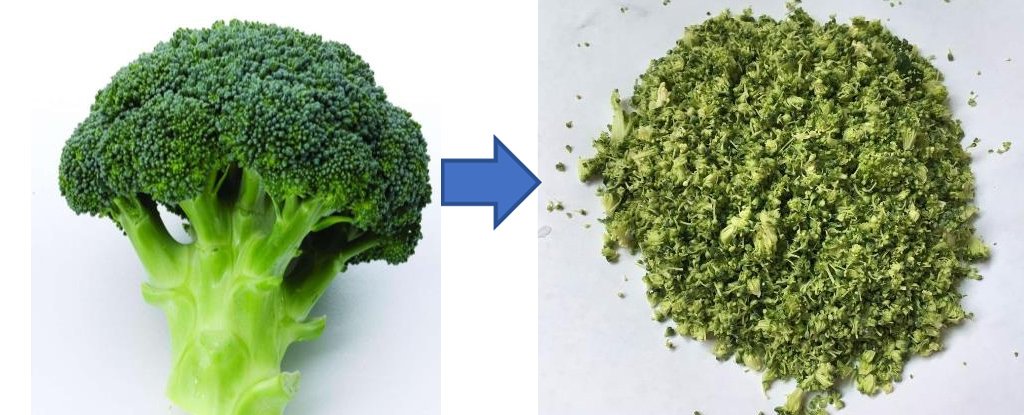
SIGNE DEAN
8 FEB 2018
Lately, broccoli has been gaining a reputation as an excellent vegetable due to its high levels of a particularly beneficial compound called sulforaphane.
With some early-stage studies showing how this compound plays a role in blood sugar control and potentially even has anti-cancer benefits, it’s no wonder that broccoli pills are on the rise.
But a 2011 study has shown that eating the whole vegetable gets you more sulforaphane than taking a supplement – so a team of Chinese researchers has been on the case of finding the best way to cook broccoli.
They have a clear winner – but it’s a hard sell if you have better things to do.
The interesting part is that sulforaphane doesn’t just sit there in the broccoli florets, ready to be consumed. Instead, the vegetable contains several compounds called glucosinolates.
It also contains the enzyme myrosinase, which plants have evolved for defending themselves against herbivores. Through what’s known as ‘myrosinase activity’, the glucosinolates get transformed into sulforaphane, which is what we want.
To kick myrosinase activity into gear, you need to do damage to the broccoli, so you’d think cooking would do the trick.
Unfortunately, studies have shown that common broccoli cooking methods, like boiling and microwaving, seriously reduce the amount of glucosinolates in the vegetable – even if you just zap it for a couple minutes. And myrosinase is super-sensitive to heat, too.
Hence, by far the largest amount of sulforaphane you can get from broccoli is by munching on raw florets. Ugh.
This got the team of researchers thinking about the results of stir-frying – the most popular method for preparing vegetables in China.
“Surprisingly, few methods have reported the sulforaphane concentrations in stir-fried broccoli, and to the best of our knowledge, no report has focused on sulforaphane stability in the stir-frying process,” the researchers noted in their study.
The team bought a bunch of broccoli from the local market and set to work, measuring the levels of compounds in the vegetables as they went.
First, they basically pulverized the broccoli, chopping it into 2 millimeter pieces to get as much myrosinase activity going as possible (remember, it happens when broccoli is damaged).
Then they divided their samples into three groups – one was left raw, one was stir-fried for four minutes straight after chopping, and the third was chopped and then left alone for 90 minutes before being stir-fried for four minutes as well.
The 90 minute waiting period was to see whether the broccoli would have more time to develop the beneficial compounds before being lightly cooked.
And that’s exactly what the team found – the broccoli that was stir-fried right away had 2.8 times less sulforaphane than the one left to ‘develop’ for longer.
“Our results suggest that after cutting broccoli florets into small pieces, they should be left for about 90 minutes before cooking,” the team concluded, adding that they didn’t test it but thought “30 minutes would also be helpful.”
We’re not sure we’re willing to commit to all that effort, though. The team does say they’re looking into ways to reduce the chopping needed, so watch this space – or just eat some raw broccoli.
The study was published in the Journal of Agricultural and Food Chemistry.
9 Reasons You Should Drink Tea Every Day
Posted: February 11, 2018 Filed under: Food and it's Impact on Our Health, Health and Happiness Leave a comment
While everyone continues to go crazy for coffee, we’d like to point your attention toward tea. Yes, tea, the beverage that can soothe you when you want to relax or wake you up when you need an extra push. Basically, tea is great and you should consume it just as much as your beloved java.
Without further ado, here are nine reasons you should drink tea every single day. (We still love you, coffee.)
1. First things first, tea is way easier to make than coffee. – Most of the time, you need a whole machine to make coffee, and you may even have to grind some beans. To make tea, all you need is boiling water, tea and a cup. It’s that simple.
2. Green tea could have the power to help keep your bones healthy.- For elderly folks, studies have shown that drinking green tea may help lessen the risk of osteoporotic bone fractures.
3. Drinking unsweetened black tea could help fix bad breath.- If you have a case of halitosis, you may want to start drinking black tea. Researchers at the University of Chicago College of Dentistry found that black tea contains chemical components called polyphenols that slow down the formation of plaque-causing bacteria. The polyphenols also reduce “acid production levels,” helping to prevent periodontal disease.
4. It’s considered a “necessity of life” in China, so maybe it should be for you, too. – Along with firewood, rice, oil, “chiang,” salt and vinegar, tea is considered one of the things “people cannot do without every day,” according to the proverbial “seven necessities of life” created by the Sung Chinese people.
5. Tea has the power to calm you down.- ome research has suggested that valerian root tea could act as a safe and effective mild natural sleep aid. In a German study, 202 adults either took valerian extract or a prescription anti-anxiety drug. The people who took valerian extract reported “equal improvement in sleep quality, feeling rested and how long they slept as those taking the prescription drug.”
6. It’s kind of a presidential order.- If the President of the United States is obsessed with tea, then you should be too. A 2009 New York Times article that details the changes Obama made to the White House stated that the fridges were stocked with his favorite brand of organic tea: Honest Tea. Apparently, his favorite flavors are “Black Forest Berry” and “Green Dragon.”
7. It could relieve your seasonal allergies before you even get them.- If you’re suffering from seasonal allergies you may want to start your day with a cup of nettle leaf tea. While more research still needs to be done, a preliminary study followed 69 people and found that freeze-dried nettle leaf could “slightly improve allergy symptoms.”
8. Some experts believe that drinking tea can sometimes be better than drinking water. – Researchers at the European Journal of Clinical Nutrition found that tea rehydrates you just as much as water does by replacing fluids in your body. And because tea has antioxidants, there’s an added bonus. “Water is essentially replacing fluid. Tea replaces fluids and contains antioxidants so it’s got two things going for it,” public health nutritionist Dr. Carrie Ruxton said in an interview with BBC.
9. Afternoon tea. Need we say more? – There are parties dedicated to drinking tea, which include sandwiches that are delicious. Here’s a little history: In 1840, Anna Maria Stanhope, the seventh Duchess of Bedford, thought of the genius idea of having afternoon tea “to bridge the lengthy gap between luncheon and dinner.” In order to retain a good (but restrained) appetite for the sweet scones and iced cakes that accompany such an event, the preceding sandwiches that were eaten at this event needed to be filling but too filling. Thus came dainty mini crustless sandwiches that have lighter fillings like cucumber and eggs for a tasty, quick snack.
Eating Leafy Greens Daily May Help Keep Minds Sharp
Posted: February 5, 2018 Filed under: Food and it's Impact on Our Health Leave a comment
To age well, we must eat well — there’s been a lot of evidence that heart-healthy diets help protect the brain.
The latest good news: A study recently published in Neurology finds that healthy seniors who had daily helpings of leafy green vegetables — such as spinach, kale and collard greens — had a slower rate of cognitive decline, compared to those who tended to eat little or no greens.
“The association is quite strong,” says study author Martha Clare Morris, a professor of nutrition science at Rush Medical College in Chicago. She also directs the Rush Institute for Healthy Aging.
The research included 960 participants of the Memory and Aging Project. Their average age is 81, and none of them have dementia. Each year the participants undergo a battery of tests to assess their memory. Scientists also keep track their eating habits and lifestyle habits.
To analyze the relationship between leafy greens and age-related cognitive changes, the researchers assigned each participant to one of five groups, according to the amount of greens eaten. Those who tended to eat the most greens comprised the top quintile, consuming, on average, about 1.3 servings per day. Those in the bottom quintile said they consume little or no greens.

THE SALT
As Bagged Salad Kits Boom, Americans Eat More Greens
After about five years of follow-up/observation, “the rate of decline for [those] in the top quintile was about half the decline rate of those in the lowest quintile,” Morris says.
So, what’s the most convenient way to get these greens into your diet?
“My goal every day is to have a big salad,” says Candace Bishop, one of the study participants. “I get those bags of dark, leafy salad mixes.”
A serving size is defined as a half-cup of cooked greens, or a cup of raw greens.
Does Bishop still feel sharp? “I’m still pretty damn bright,” she tells me with a giggle. She isn’t convinced that her daily salad explains her healthy aging.
“I think a lot of it is in the genes,” Bishop says, adding, “I think I’m lucky, frankly.”
She has other healthy habits, too. Bishop attends group exercise classes in her retirement community and she’s active on several committees in the community.
Many factors play into healthy aging — this study does not prove that eating greens will fend off memory decline. With this kind of research, Morris explains, scientists can only establish an association — not necessarily causation — between a healthy diet and a mind that stays sharp.

Still, she says, even after adjusting for other factors that might play a role, such as lifestyle, education and overall health, “we saw this association [between greens and a slower rate of cognitive decline] over and above accounting for all those factors.”
Some prior research has pointed to a similar benefit. A study of women published in 2006 also found that high consumption of vegetables was associated with less cognitive decline among older women. The association was strongest with greater consumption of leafy vegetables and cruciferous vegetables — such as broccoli and cauliflower.
And, as NPR has reported, there’s evidence that a Mediterranean-style diet — which emphasizes a pattern of eating that is rich in fish, nuts, vegetables and whole grains — may help stave off chronic diseases.
What might explain a benefit from greens?
Turns out, these vegetables contain a range of nutrients and bioactive compounds including vitamin E and K, lutein, beta carotene and folate.
“They have different roles and different biological mechanisms to protect the brain,” says Morris. More research is needed, she says, to fully understand their influence, but scientists do know that consuming too little of these nutrients can be problematic.
For instance, “if you have insufficient levels of folate in your diet you can have higher levels of homocysteine,” Morris says. This can set the stage for inflammation and a build-up of plaque, or fatty deposits, inside your arteries, which increases the risk of stroke. Research shows elevated homocysteine is associated with cognitive impairmentamong older adults.
Another example: Getting plenty of Vitamin E from foods in your diet can help protect cells from damage, and also has been associated with better cognitive performance.
“So, when you eat leafy greens, you’re eating a lot of different nutrients, and together they can have a powerful impact,” Morris says.
Aerobic Exercises May Boost Cognitive Skills, Delay Alzheimer’s
Posted: February 1, 2018 Filed under: Health and Happiness Leave a comment
Geriatrics experts have for long suggested that exercising can improve brain health in older adults.Photo by: Source: File Photo
Geriatrics experts have for long suggested that exercising can improve brain health in older adults. (Source: File Photo)
Engaging in aerobic exercises such as spinning, running, walking may be three times more effective than other types of exercise in delaying the risk of Alzheimer’s disease as well as improving cognitive function in older adults, a study has found.
Alzheimer’s disease — the most common form of dementia — is a brain disorder that destroys memory and thinking skills over time in older adults. There is presently no cure for the condition, though treatment options are available.
The findings, led by Gregory A. Panza, Exercise Physiologist at the University of Connecticut, showed that older adults at risk for or who have Alzheimer’s, who did aerobic exercise by itself experienced a three times greater level of improvement in their ability to think and make decisions than those who participated in combined aerobic training and strength training exercises.
Older adults in the non-exercise group faced declines in cognitive function.
However, those who exercised showed small improvements in cognitive function no matter what type of exercise they did, the researchers said.
Geriatrics experts have for long suggested that exercising can improve brain health in older adults.
The World Health Organization (WHO) has recommended that older adults perform 150 minutes a week of moderate exercise (such as brisk walking), 75 minutes a week of vigorous aerobic training, or a combination of the two types.
The WHO also suggested older adults perform muscle-strengthening exercises on at least two or more days a week.
For the study, published in the Journal of the American Geriatrics Society, the team reviewed 19 studies involving 1,145 older adults that examined the effect of an exercise training programme on cognitive function in the elderly at risk for or diagnosed with Alzheimer’s.
Of the participants, in their mid-to late 70s, 65 per cent were at risk for Alzheimer’s and 35 per cent had been diagnosed with Alzheimer’s.
- By Ians, indianexpress.com
- January 27th, 2018
Omega-3s from Fish More Effective in Cancer Prevention- NOT Supplements!
Posted: January 31, 2018 Filed under: Food and it's Impact on Our Health, Non-Toxic Choices Leave a commentI have never advised my clients to take any oil based supplements as they are very rancid by the time they are processed. Which renders them carcinogenic. And they lack enzymes that you get when eating whole food.

Toronto, Jan 27 (IANS) When it comes to cancer prevention, Omega-3 fatty acids from fish pack a stronger punch than flaxseed and other oils, new research has found.Marine-based omega-3s are eight times more effective at inhibiting tumor development and growth than plant-based sources, said the study published in the Journal of Nutritional Biochemistry. “This study is the first to compare the cancer-fighting potency of plant-versus marine-derived Omega-3s on breast tumor development,” said David Ma, Professor at University of Guelph in Ontario.”There is evidence that both Omega-3s from plants and marine sources are protective against cancer and we wanted to determine which form is more effective,” Ma said.
There are three types of Omega-3 fatty acids: a-linoleic acid (ALA), eicosapentaenoic acid (EPA) and docosahexaenoic acid (DHA). ALA is plant-based and found in such edible seeds as flaxseed and in oils, such as soy, canola and hemp oil. EPA and DHA are found in marine life, such as fish, algae and phytoplankton.The study involved feeding the different types of Omega-3s to mice with a highly aggressive form of human breast cancer called HER-2. Ma exposed the mice to either the plant-based or the marine-based Omega-3s.”The mice were exposed to the different omega-3s even before tumors developed, which allowed us to compare how effective the fatty acids are at prevention,” said Ma. Overall exposure to marine-based omega-3s reduced the size of the tumors by 60 to 70 per cent and the number of tumours by 30 per cent.However, higher doses of the plant-based fatty acid were required to deliver the same impact as the marine-based Omega-3s, the study said.Omega-3s prevent and fight cancer by turning on genes associated with the immune system and blocking tumor growth pathways, said Ma.Based on the doses given in the study, humans should consume two to three servings of fish a week to have the same effect, he said.–IANSgb/vm
Aerobic Exercises May Boost Cognitive Skills, Delay Alzheimer’s
Posted: January 29, 2018 Filed under: Health and Happiness Leave a comment
Engaging in aerobic exercises such as spinning, running, walking may be three times more effective than other types of exercise in delaying the risk of Alzheimer’s disease as well as improving cognitive function in older adults, a study has found.
Alzheimer’s disease — the most common form of dementia — is a brain disorder that destroys memory and thinking skills over time in older adults. There is presently no cure for the condition, though treatment options are available.
The findings, led by Gregory A. Panza, Exercise Physiologist at the University of Connecticut, showed that older adults at risk for or who have Alzheimer’s, who did aerobic exercise by itself experienced a three times greater level of improvement in their ability to think and make decisions than those who participated in combined aerobic training and strength training exercises.
Older adults in the non-exercise group faced declines in cognitive function.
However, those who exercised showed small improvements in cognitive function no matter what type of exercise they did, the researchers said.
Geriatrics experts have for long suggested that exercising can improve brain health in older adults.
The World Health Organization (WHO) has recommended that older adults perform 150 minutes a week of moderate exercise (such as brisk walking), 75 minutes a week of vigorous aerobic training, or a combination of the two types.
The WHO also suggested older adults perform muscle-strengthening exercises on at least two or more days a week.
For the study, published in the Journal of the American Geriatrics Society, the team reviewed 19 studies involving 1,145 older adults that examined the effect of an exercise training programme on cognitive function in the elderly at risk for or diagnosed with Alzheimer’s.
Of the participants, in their mid-to late 70s, 65 per cent were at risk for Alzheimer’s and 35 per cent had been diagnosed with Alzheimer’s.
Kale, other Leafy Vegetables may Make your Brain Seem 11 Years Younger
Posted: January 29, 2018 Filed under: Food and it's Impact on Our Health Leave a comment
Look into your salad bowl and think: If a fountain of cognitive youth were flowing in there, would you return every day?
In research that gives new meaning to the expression “salad days,” a study published recently finds that older people who ate at least one serving of leafy greens a day had a slower rate of decline on tests of memory and thinking skills than did people who rarely or never ate these vegetables.
The study was published in the journal Neurology.
After almost five years, regular consumers of such veggies as kale, spinach, collard greens and lettuce enjoyed a mental edge that was the equivalent of 11 years in age.
To be sure, the top tier of leafy-vegetable consumers started with cognitive scores that were slightly higher than those in the bottom tier. That’s probably a testament to the power of lifelong eating patterns.
But over five years, the pattern of mental aging differed markedly in these two groups. Study participants who ate an average of roughly 1.3 servings of leafy greens a day experienced a decline in test performance that was about half as steep as that of participants whose daily consumption was near-zero.
Those stark differences were evident even after the researchers took account of a host of factors that are known to affect mental aging, including age, gender, education, exercise, participation in cognitive activities, smoking and consumption of seafood and alcohol.
Let’s say you and your neighbor are both 75 and similar in most every way: You both completed the same amount of school, take regular walks together, don’t smoke, and gather with friends over an occasional beer.
But while you enjoy a little more than a bowl of greens every day, your pal barely touches the stuff.
This long-running study would predict that at 75, your memory and thinking skills are a notch stronger than your neighbor’s. Over the next five years, hers will decline twice as fast as yours.
By the time you’re both 80, a battery of exercises that test several types of memory, as well as the speed and flexibility of your thinking, may show that your mental age is typical of a 75-year-old’s. Meanwhile, your neighbor’s performance on the same cognitive tests may look more like that of an 86-year-old.
“It’s almost unbelievable,” said Martha Morris, the senior author of the study who studies nutrition and brain health at Rush University Medical Center in Chicago. “Eating these leafy greens was independently associated with slower cognitive decline. That tells you this single food group contains so many nutrients it could be brain-protective.”
Morris and her colleagues identified a small cluster of specific nutrients that appear to offer anti-aging benefits. The leafy greens that participants were asked about are generally rich in vitamin E, folic acid, vitamin K1, lutein and beta-carotene. While inconsistent, research has suggested that some or all of these nutrients may play some role in protecting the brain against inflammation, the accumulation of toxic proteins such as beta-amyloid, and neuronal damage and death.
For lifelong avoiders of leafy greens, the study doesn’t show that a late-life conversion to kale salads and spinach shakes will keep dementia at bay. But Morris said she thinks about nutrition the same way she thinks about exercise.
“You do get immediate benefits from eating healthy foods and exercising,” she said. “And you get long-term benefits.”
Dr. Lon Schneider, a specialist in dementia at the University of Southern California’s Keck School of Medicine, says the new study offers important insights into which nutrients in the Mediterranean diet help support health in aging. But it also underscores the complexity of dementia and cognitive aging — and the absence of a “silver bullet” to counter them.
“Dementia is a complex illness, as so many chronic illnesses are,” Schneider said. “It’s clearly not caused by one thing, and surely its onset and severity are not caused by one thing. This shows the environment is really important. Diet matters.”


 Meal Delivery Service by Millie Barnes