Plant-based Meats Sound Healthy, but they’re Still Processed Foods and It’s Mostly Soy
Posted: July 1, 2019 Filed under: Food and it's Impact on Our Health, Non-Toxic Choices Leave a comment 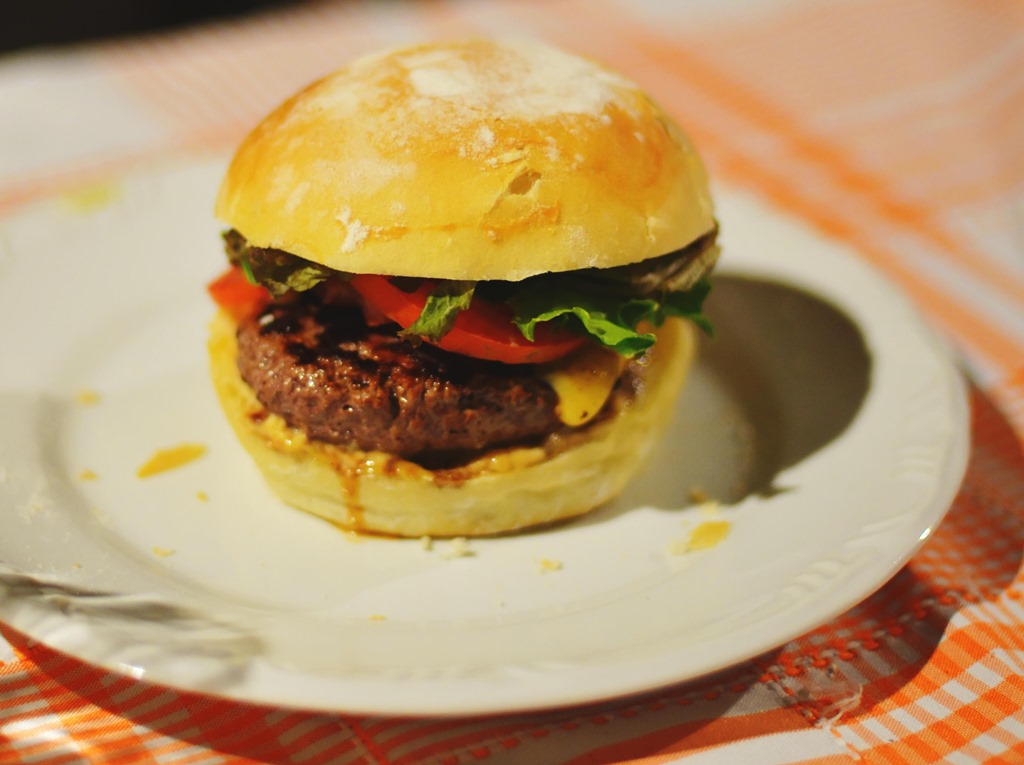
Ingredients- Water, Soy Protein Concentrate, Coconut Oil, Sunflower Oil, Natural Flavors, 2% or less of: Potato Protein, Methylcellulose, Yeast Extract, Cultured Dextrose, Food Starch Modified, Soy Leghemoglobin, Salt, Soy Protein Isolate, Mixed Tocopherols (Vitamin E), Zinc Gluconate, Thiamine Hydrochloride (Vitamin B1), Sodium Ascorbate (Vitamin C), Niacin, Pyridoxine Hydrochloride (Vitamin B6), Riboflavin (Vitamin B2), Vitamin B12.
It’s mostly soy, and that is problematic as soy is not fit for human consumption;
Soy foods contain trypsin inhibitors that inhibit protein digestion and adversely affect pancreatic function. In test animals, diets high in trypsin inhibitors led to stunted growth and pancreatic disorders. Soy foods increase the body’s requirement for vitamin D, needed for strong bones and normal growth. Phytic acid in soy foods results in reduced bioavailability of iron and zinc which are required for the health and development of the brain and nervous system. Soy also lacks cholesterol, likewise essential for the development of the brain and nervous system. Megadoses of phytoestrogens in soy formula have been implicated in the current trend toward increasingly premature sexual development in girls and delayed or retarded sexual development in boys. A recent study found that women with the highest levels of estrogen in their blood had the lowest levels of cognitive function; in Japanese Americans tofu consumption in mid-life is associated with the occurrence of Alzheimer’s disease in later life. Soy isoflavones are phyto-endocrine disrupters. At dietary levels, they can prevent ovulation and stimulate the growth of cancer cells. As little as four tablespoons of soy per day can result in hypothyroidism with symptoms of lethargy, constipation, weight gain and fatigue.
Twice in June, ingredients used by both of America’s most popular plant-based meat companies were called into question.
On June 21, a consumer interest group issued concerns around one of the ingredients in Beyond Meat’s production process. And earlier in June, the World Health Organization said that eating heme—a main ingredient in the Impossible Foods burger—is linked with the formation of carcinogens in the gut.So far, both companies have weathered the criticism. But increased scrutiny of Beyond Meat and Impossible Foods’ meat alternatives poses a big question for all companies offering substitutes to edible animal flesh. How do they truthfully and thoughtfully communicate what they are making—highly processed food—to consumers who are invested in their social missions, yet dubious of food that humans have tinkered with?
While plant-based meat companies are ultimately making processed foods, their marketing is more in line with natural, organic offerings. “I was encouraging the plant-based companies to recognize this a couple years ago,” says Jack Bobo, a food technology consultant who works with companies making meat alternatives.
At the time, the companies didn’t seem to consider the fact that groups opposed to genetically-modified and processed foods would eventually come after them. “They often tried to position themselves as being in the organic, gluten-free, natural product space,” Bobo says.
Now, Beyond Meat and Impossible Foods are increasingly facing questions around how their products are made. The first backlash arguably hit in 2018, when the US Food and Drug Administration expressed concern over a key ingredient in the Impossible Foods burger. The company uses genetically modified yeast to produce the soy leghemoglobin, or “heme,” that gives its burger a meat-like flavor. The agency later gave the company its nod of approval.
Others are concerned that leghemoglobin—again, a new ingredient in the food supply, since humans don’t typically eat soy roots—hasn’t gone through enough testing to prove it’s safe, and agree with the FDA that Impossible Foods’ GRAS notification came up short. “The point of some of us that are being critical of this is not that everything that’s engineered is unsafe or anything like that,” says Michael Hansen, senior staff scientist at the Consumers Union, which was also not involved in the FOIA. “It’s like, look, any new food ingredient, some new food additive, of course it should go through a safety assessment process. Ingredients include wheat protein, to give the burger that firmness and chew. And potato protein, which allows the burger to hold water and transition from a softer state to a more solid state during cooking. For fat, Impossible Foods uses coconut with the flavor sucked out. And then of course you need the leghemoglobin for heme, which drives home the flavor of “meat.
An even newer category of meat alternative companies would do well to pay attention. Cell-cultured meat producers like JUST, Aleph Farms, and Memphis Meat make animal protein that doesn’t require the slaughtering of animals. If the plant-based meat concerns catch enough public attention, they rusk hurting the perception of all meat alternatives—including the cell-cultured products that haven’t even hit the market. “Anybody can poison the well for everybody,” says Bobo.
Some cell-cultured food companies are tackling their messaging even before products hit shelves. “We spend a lot of time trying to make sure everyone understands what we’re doing,” says Mike Selden, the co-founder of cell-cultured fish company Finless Foods. “There’s just too many people and they don’t all go for the same news sources and channels of communication.” But some messaging has to wait. “No matter what a lot of our communication is going to be right at the endpoint of use, like in the restaurant on the menu, and what it tastes like.”
As Bobo explains, how people use language around their products matter, especially when consumers are shopping and eating in an environment in which there’s suspicion (much of it scientifically unwarranted) around genetically-modified ingredients and the health impacts of processed foods. For these meat alternative companies, the issue boils down to how they truthfully and thoughtfully communicate what they’re making.
So far, though, the plant-based alternatives have demonstrated a winning playbook. Beyond Meat’s stock price has climbed more than 129% since its initial public offering in early May, from an opening price of $25 per share to $154.13 when the US markets opened Friday (June 28).
Beyond Meat’s stock has only hit small road bumps—when Nestlé announced plans to launch a veggie burger in the US this fall, when both Perdue Farms and Tyson Foods touted intentions to sell hybrid plant-meat products later this year, and when a story broke that grocery store chains are still mulling whether plant-based burgers should be sold in the meat aisle instead of the specialty foods section.
From the perspective of cell-cultured meat companies, that early resilience could even make it easier to enter the market. Bruce Friedrich runs The Good Food Institute, a non-profit that represents, supports, and sometimes lobbies on behalf of both plant-based meat companies and startups working on cell-cultured meat.
“The more we can get the conventional meat industry normalizing eating plant-based meats the better,” says Friedrich. “All of that will help make mainstream the idea of cell-based meats as an alternative to meat.”
Garlic Powder vs. Whole Garlic
Posted: June 26, 2019 Filed under: Food and it's Impact on Our Health, Health and Happiness Leave a comment Photo by Mike Kenneally on Unsplash
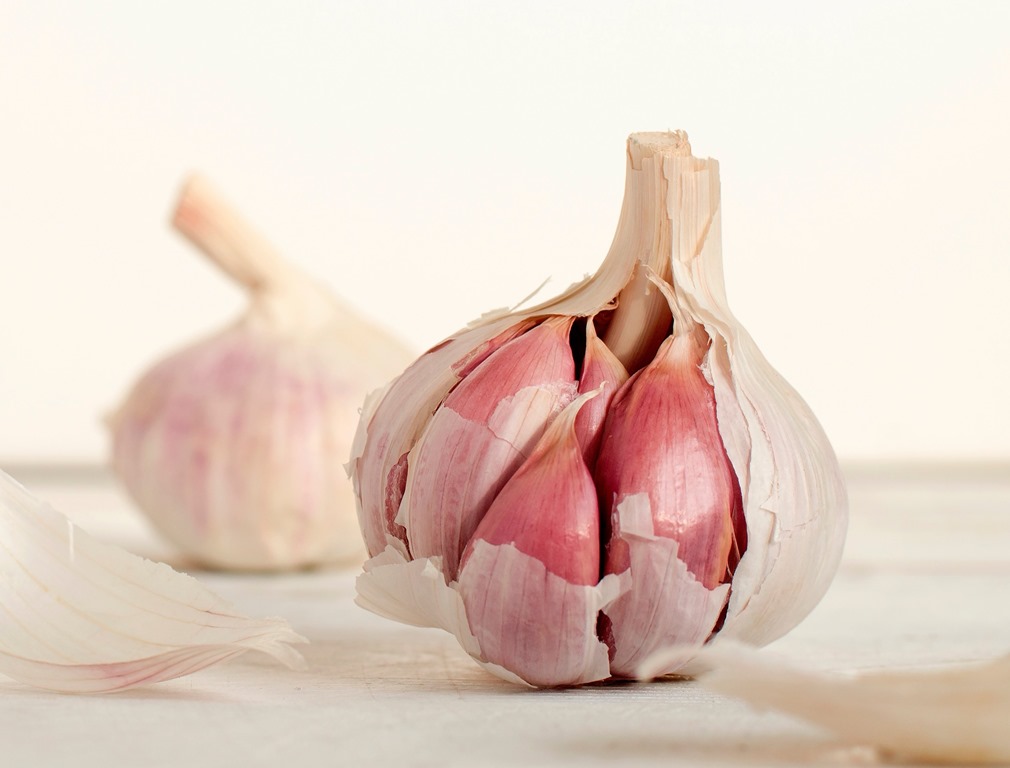
Honestly, Just Use Garlic Powder I came across this article that says we should give up the hassle of chopping garlic and just use garlic powder. White there are several dishes where garlic granules (I like the texture and flavor way better from granules) are better we difinetly need to use fresh garlic often for it’s health benefits.
-
Garlic Contains Compounds With Potent Medicinal Properties– Garlic is a plant in the Allium (onion) family. Scientists now know that most of its health benefits are caused by sulfur compounds formed when a garlic clove is chopped, crushed or chewed. Perhaps the most famous of those is known as allicin. However, allicin is an unstable compound that is only briefly present in fresh garlic after it’s been cut or crushed. Other compounds that may play a role in garlic’s health benefits include diallyl disulfide and s-allyl cysteine. The sulfur compounds from garlic enter the body from the digestive tract and travel all over the body, where it exerts its potent biological effects.
Garlic is a plant in the onion family that’s grown for its distinctive taste and health benefits. It contains sulfur compounds, which are believed to bring some of the health benefits.
2. Garlic Is Highly Nutritious But Has Very Few Calories Calorie for calorie, garlic is incredibly nutritious. A 1-ounce (28-gram) serving of garlic contains: Manganese: 23% of the RDA, Vitamin B6: 17% of the RDA,Vitamin C: 15% of the RDA, Selenium: 6% of the RDA, Fiber: 0.6 grams, Decent amounts of calcium, copper, potassium, phosphorus, iron and vitamin B1. Garlic also contains trace amounts of various other nutrients. In fact, it contains a little bit of almost everything you need. This comes with 42 calories, 1.8 grams of protein and 9 grams of carbs.
3. Garlic Can Combat Sickness, Including the Common Cold– Garlic supplements are known to boost the function of the immune system.One large, 12-week study found that a daily garlic supplement reduced the number of colds by 63% compared to a placebo. The average length of cold symptoms was also reduced by 70%, from 5 days in the placebo group to just 1.5 days in the garlic group. Another study found that a high dose of aged garlic extract (2.56 grams per day) reduced the number of days sick with cold or flu by 61%.
4. The Active Compounds in Garlic Can Reduce Blood Pressure– Cardiovascular diseases like heart attacks and strokes are the world’s biggest killers.High blood pressure, or hypertension, is one of the most important drivers of these diseases. Human studies have found garlic supplements to have a significant impact on reducing blood pressure in people with high blood pressure. In one study, 600–1,500 mg of aged garlic extract was just as effective as the drug Atenolol at reducing blood pressure over a 24-week period. Supplement doses must be fairly high to have the desired effects. The amount needed is equivalent to about four cloves of garlic per day.
5. Garlic Improves Cholesterol Levels, Which May Lower the Risk of Heart Disease– Garlic can lower total and LDL cholesterol. For those with high cholesterol, garlic supplements appear to reduce total and/or LDL cholesterol by about 10–15%. Looking at LDL (the “bad”) and HDL (the “good”) cholesterol specifically, garlic appears to lower LDL but has no reliable effect on HDL . High triglyceride levels are another known risk factor for heart disease, but garlic seems to have no significant effects on triglyceride levels .
6. Garlic Contains Antioxidants That May Help Prevent Alzheimer’s Disease and Dementia– Oxidative damage from free radicals contributes to the aging process. Garlic contains antioxidants that support the body’s protective mechanisms against oxidative damage. High doses of garlic supplements have been shown to increase antioxidant enzymes in humans, as well as significantly reduce oxidative stress in those with high blood pressure . The combined effects on reducing cholesterol and blood pressure, as well as the antioxidant properties, may reduce the risk of common brain diseases like Alzheimer’s disease and dementia.
7. Eating Garlic May Help Detoxify Heavy Metals in the Body– At high doses, the sulfur compounds in garlic have been shown to protect against organ damage from heavy metal toxicity. A four-week study in employees of a car battery plant (excessive exposure to lead) found that garlic reduced lead levels in the blood by 19%. It also reduced many clinical signs of toxicity, including headaches and blood pressure. Three doses of garlic each day even outperformed the drug D-penicillamine in reducing symptoms.
8. Garlic Is Easy to Include in Your Diet and Tastes Absolutely Delicious– The last one is not a health benefit, but is still important. Garlic is very easy (and delicious) to include in your current diet. It complements most savory dishes, particularly soups and sauces. The strong taste of garlic can also add a punch to otherwise bland recipes. Garlic comes in several forms, from whole cloves and smooth pastes to powders and supplements like garlic extract and garlic oil. However, keep in mind that there are some downsides to garlic, such as bad breath. There are also some people who are allergic to it. If you have a bleeding disorder or are taking blood-thinning medications, talk to your doctor before increasing your garlic intake. A common way to use garlic is to press a few cloves of fresh garlic with a garlic press, then mix it with extra virgin olive oil and a bit of salt. This a healthy and super satisfying dressing.
The Bottom Line– For thousands of years, garlic was believed to have medicinal properties. Science has now confirmed it. HEALTHLINE CHALLENGES
Is Vegan Diet Healthy for Kids? Belgian Doctors Say No
Posted: May 23, 2019 Filed under: Food and it's Impact on Our Health Leave a comment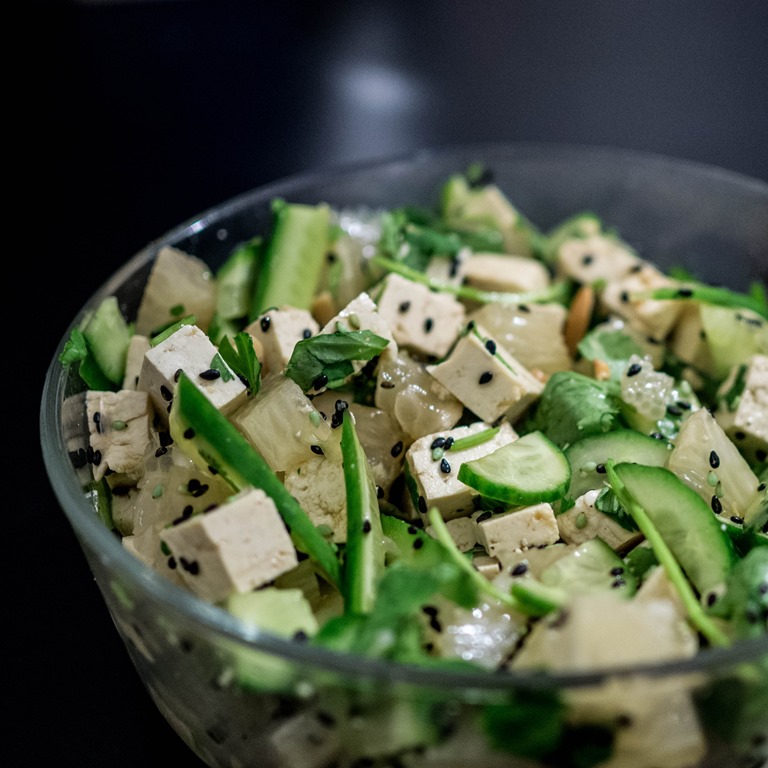 Photo by Yoav Aziz on Unsplash
Belgium’s Royal Academy of Medicine recommended last week that children, teens, pregnant women and nursing mothers do not follow a vegan diet.
An estimated 3% of Belgian children follow this type of vegetarianism that excludes meat, eggs, dairy products and all other animal-derived ingredients, according to the academy’s statement. The eating plan is “restrictive,” creates “unavoidable” nutritional shortcomings and, if not properly monitored, could lead to deficiencies and stunted development, the academy said.
The medical opinion was requested by a representative of a national human rights organization, who sought guidance for pediatricians and other health care workers. The Royal Academy of Medicine functions as an advisory agency for Belgium’s government institutions.
Dr. Georges Casimir, a pediatrician at Queen Fabiola Children’s Hospital and head of the commission appointed by the academy to study the issue of veganism, discouraged the diet for children and pregnant women due to the possibility of “irreversible” harms. A potential health issue caused by a vegan diet is a lack of sufficient proteins and essential fatty acids for the developing brain.
Vitamins, including essential ingredients such as D and B12, calcium or even trace elements and nutrients essential for proper development are “absent from this diet,” according to a statement from Casimir.
Change your diet to combat climate change in 2019
Isabelle Thiebaut, a co-author of the opinion and president of an European organization for dieticians, said that it is important to explain to parents about “weight-loss and psychomotor delays, undernutrition, anemia” and other possible nutritional shortfalls caused by a vegan diet for children. If parents do not follow the new recommendation, children who continue to follow a vegan diet should receive supplements, medical followup and regular blood tests, according to the academy.
More Info- https://beyond-paleo.com/2009/07/29/vegetarian-diets-are-not-good-for-humans/
https://beyond-paleo.com/2009/07/30/the-ethics-of-eating-meat/
https://beyond-paleo.com/2009/06/20/the-importance-of-saturated-fats-for-biological-functions/
Butter is Not Just Better, It’s Essential To Modern Human Health
Posted: May 22, 2019 Filed under: Food and it's Impact on Our Health Leave a commentUnless you eat like a hunter-gatherer, grass-fed butterfat is an irreplaceable part of a healthy diet, argues the Weston A. Price Foundation. Studies show it protects against heart disease, cancer and bone disease.
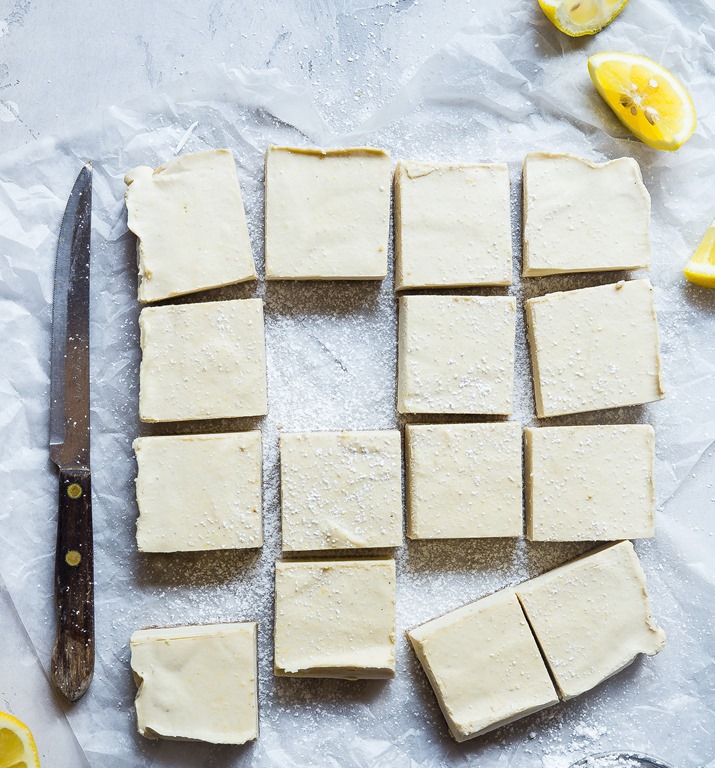 Photo by Taylor Kiser on Unsplash
Unless you eat organ meats, fish eggs, bugs or blubber — items most civilized people find repulsive — you are missing out on essential nutrients that can be found only in grass-fed butterfat, argues the “politically incorrect” nutrition organization, the Weston A. Price Foundation.
But butter has been worshiped for its life-sustaining, health-promoting properties for millennia, she argues.
“When Dr. Weston Price studied native diets in the 1930’s he found that butter was a staple in the diets of many supremely healthy peoples,” Fallon writes.
“Isolated Swiss villagers placed a bowl of butter on their church altars, set a wick in it, and let it burn throughout the year as a sign of divinity in the butter. Arab groups also put a high value on butter, especially deep yellow-orange butter from livestock feeding on green grass in the spring and fall. American folk wisdom recognized that children raised on butter were robust and sturdy; but that children given skim milk during their growing years were pale and thin, with ‘pinched’ faces.”
Heart disease was rare in America at the turn of the 20th century, Fallon notes, but between 1920 and 1960, it became America’s number one killer.During the same period, butter consumption plummeted from 18 pounds per person per year to four.
“It doesn’t take a Ph.D. in statistics to conclude that butter is not a cause,” Fallon writes.
In 2015, American butter consumption reached a 40-year-high of 5 pounds per person per year, Fallon noted. New Zealanders consumed 24 pounds!
Meanwhile, only 1 in 20 adults in New Zealand has heart disease, compared to 1 in 4 Americans.
That means New Zealanders consume 5 times as much butter as Americans and have a fifth of the heart disease.
This is because grass-fed butter has nutrients that protect against heart disease and other diseases, Fallon says.
Protects Against Heart Disease
Vitamin A – Vitamin A is needed for the health of the thyroid and adrenal glands, both of which play a role in maintaining the proper functioning of the heart and cardiovascular system.
Heart abnormalities and larger blood vessels occur in babies born to vitamin A deficient mothers.
“Butter is America’s best and most easily absorbed source of vitamin A,” Fallon says.
Lecithin – Lecithin assists in the proper assimilation and metabolism of cholesterol and other fat constituents.
Antioxidants – Butter also contains a number of anti-oxidants that protect against the kind of free radical damage that weakens the arteries.
Vitamin A and vitamin E found in butter both play a strong anti-oxidant role.
Butter is also very rich source of selenium, a vital anti-oxidant–containing more per gram than herring or wheat germ.
Cholesterol – Butter is a great dietary source of cholesterol, which — surprise — is actually a powerful antioxidant that floods into the blood when we take in too many harmful free-radicals, such the damaged, rancid fats in margarine and highly processed vegetable oils, Fallon says, citing a 1984 study.
Protects Against Cancer
In the 1940’s researchers blamed saturated fats for cancer. They neglected to mention the “saturated” fat they used in their experiments was partially hydrogenated, the kind found in margarine.
“So butter was tarred with the black brush of the fabricated fats, and in such a way that the villains got passed off as heroes,” Fallon says.
Actually, many of the naturally saturated fats in butter have strong anti-cancer properties.
Butter is rich in short and medium fatty acid chains that have strong anti-tumor effects, according to a 1986 study published in the Journal of the National Cancer Institute.
Butter also contains conjugated linoleic acid, which provides excellent protection against cancer, according to a 1995 study published in Nutrition Reviews.
Protects Bones and Joints
The Wulzen or “anti-stiffness” factor is a nutrient unique to butter. Dutch researcher Wulzen found that it protects against calcification of the joints–degenerative arthritis–as well as hardening of the arteries. Unfortunately this vital substance is destroyed during pasteurization.
Vitamins A and D in butter are essential to the proper absorption of calcium and hence necessary for strong bones and teeth.
The plague of osteoporosis in milk-drinking western nations may be due to the fact that most people choose skim milk over whole.
Ethnic groups that do not use butter obtain the same nutrients from things like insects, organ meats, fish eggs and the fat of marine animals, food items most modern people find repulsive, Fallon says.
“For Americans–who do not eat bugs or blubber–butter is not just better, it is essential.”
For more politically incorrect nutrition info, check out Fallon’s book Nourishing Fats: Why We Need Animal Fats for Health and Happiness:
The One Carb You Should Stop Eating For Weight Loss, According To Nutritionists
Posted: May 18, 2019 Filed under: Food and it's Impact on Our Health Leave a comment
Empty Carbs! Refined Carbs!
It isn’t just one carb food that deserves to be eaten sparingly — it’s an entire category of carbs called refined carbs.
Refined carbs, also called simple carbs, are processed in such a way that most of its nutrients, including fiber, have been stripped from them. What’s left? Sugar — and sugar is one of the worst ingredients for weight loss. Refined carbs give carbs a bad name (because many are incredibly nutritious). Because our bodies metabolize refined carbs quickly, the send our blood sugar levels soaring, which only results in an inevitable crash a few hours later.
There are even more reasons to stay away from refined carbs, even if weight loss is not on the brain. One study published in The American Journal of Clinical Nutrition found that eating a diet with too many fiber-stripped refined carbs increases your risk of developing Type 2 Diabetes.
Examples of refined carbs include many of the delicious, tasty foods that aren’t very easy to give up. Think: white bread, white rice, pasta, potato chips, French fries, pastries, and cookies.
Does this news mean you have to give up carbs completely? Absolutely not.
It will always be better for your health if you substitute potato chips with fruit — but you don’t have to shun an entire category of food simply because refined carbs give them a bad name.
Instead of restricting carbs, choose fiber-rich unrefined carbs like white and sweet potatoes, vegetables, fruit.
These nutrient-packed carbs will keep your digestive system running smoothly and boost your metabolism — which also means they’ll support your weight loss goals.
A New Diet Study Confirms Your Worst Suspicions About Ultra-Processed Foods
Posted: May 17, 2019 Filed under: Food and it's Impact on Our Health Leave a comment Photo by Thomas Kelley on Unsplash
A U.S. government-led trial may confirm the worst fears of anyone whose diet starts and ends in the frozen food aisle. It suggests that people who mostly eat ultra-processed foods will take in more calories and gain more weight than those who stick to mostly unprocessed foods—even if the two diets start off with the same amounts of fat, carbs, and other nutrients.
Lots of circumstantial evidence (and common sense) would lead you to think that diets rich in ultra-processed foods can be unhealthy and likely to cause weight gain. But according to the study’s lead author Kevin Hall, a senior scientist at the National Institute of Diabetes and Digestive and Kidney Diseases, there’s not much concrete proof of a direct cause-and-effect link. That’s a long-standing problem in the world of nutrition, since it’s hard (and expensive) to study people’s diets in isolation.
“There’s this old adage that correlation doesn’t necessarily equate causation. For instance, it could be that people who eat ultra-processed foods are unhealthy in other ways. Or they could be less wealthy than people who don’t eat a diet as high in ultra-processed foods. So you don’t know whether ultra-processed foods could be an innocent bystander in all this,” Hall told Gizmodo by phone.
To help remedy this gap in evidence, Hall and his team recruited 20 healthy volunteers to vacation for a month at the National Institutes of Health’s Metabolic Clinical Research Unit for a randomized, controlled trial—seemingly the first of its kind ever conducted. But while their room and board were free, there was a major stipulation. For two weeks, they would have to eat a diet of ultra-processed foods, while the other two weeks would be spent eating unprocessed foods. Half were randomly assigned to start the unprocessed diet first, and vice-versa.
One of the ultra-processed meals volunteers ate in the NIH study.Photo: Hall, et al (Cell Metabolism)
There’s some debate as what exactly qualifies as an ultra-processed food. But Hall and his team decided to abide by guidelinesdeveloped by the United Nations, which take into account the different types of industrialized processing a food or ingredient goes through before it ends up on our plate. An example of an ultra-processed breakfast, highlighted by the authors, might include pancakes, sausages, and hash browns, while a mostly unprocessed breakfast would contain blueberries, raw nuts, and oatmeal.
“[Ultra-processed foods] are a bit like pornography—it’s hard to define, but you’ll know it when you see it,” Hall noted.
Dietitians created the meals for each diet, and designed them to roughly match in terms of total calories, macronutrients like fat and sugar, sodium, and fiber. But importantly, the volunteers were told to eat as much or little as they wanted. Together with freely available snacks, each person had the option to eat up to twice as many daily calories as they would likely need to stay at their current weight, based on a preliminary screening.
The team’s final results were striking. On the ultra-processed diet, the volunteers ate an average of 500 extra calories a day, gained body fat and about a pound of weight by the two-week mark; on the unprocessed diet, they lost body fat and dropped that same pound.
The results were published Thursday in Cell Metabolism.
While the findings may seem obvious on the surface, Hall said that it’s not clear why people overate on the ultra-processed diet. In recent years, many experts have gravitated to the simple, intuitive idea that since ultra-processed foods tend to be richer in fat, sugar, and salt, it’s these three nutrients that are largely to blame for the rise in weight, obesity, and metabolic disorders. But given the design of this study, that explanation seems to fall short.
“I was kind of suspecting that once you matched for these nutrients—for the fat, sugar, and salt—there wouldn’t be much difference, but I was wrong,” Hall said.
The study wasn’t meant to go much further than testing the specific role of fat, sugar, and salt in increasing our calorie intake. And the small sample size of the study means the findings should be viewed with some caution, at least until more research confirms them. But Hall said there were interesting hints of why ultra-processed foods might encourage us to gorge.
“When people were consuming the unprocessed diet, the levels of a hormone called PYY, which is an appetite suppressant hormone secreted by the gut, actually increased. And similarly, another hormone that’s known to induce hunger, called ghrelin, deceased on the unprocessed diet,” Hall said.
At this point, though, the specific ingredients or chemicals commonly found in ultra-processed foods that could be causing this hormonal shift toward eating more are unclear.
Another potentially major difference they noticed was that people ate ultra-processed food much more quickly than unprocessed food. That speed likely would have given their body less time to throw up the stop sign and make them feel full. The ease in eating ultra-processed food might have helped, too, given how much softer and easier to chew they were, on average, than unprocessed food.
By contrast, one commonly suspected factor for why ultra-processed foods can cause weight gain that didn’t play any big role here was taste: The volunteers said that they enjoyed eating one diet as much as they did the other.
“That throws a monkey wrench into that explanation as well,” Hall noted. “But that’s good news in a way from one perspective. It suggests that if you are able to switch to your diet from one with ultra-processed foods to one without these foods, it doesn’t necessarily mean that you’re going to like it any less.”
Of course, while our stubborn human nature can make any sweeping lifestyle change a challenge, there are plenty of things that make it objectively harderfor many people to switch to healthier diets. Many people living in poorer neighborhoods, for instance, are unable to easily go to stores stocked with fruits and vegetables, yet are surrounded by fast food restaurants and vending machines.
But for those who are able to drastically change their eating habits, Hall said there’s a silver lining to their findings—one that might even mend some fences between proponents of different diet fads.
“There’s a lot of debate in the scientific community, and in the public as well, about whether low-carb or low-fat diets are best for losing weight and what not. But one thing all these people on different sides of the diet wars tend to agree on is that we should eat less ultra-processed foods,” Hall noted. “It’s intriguing to speculate that maybe some of the success stories people have attributed to a low-carb or low-fat diet may have actually been due to changes in cutting the amount of ultra-processed foods in their diet—it’s at least an intriguing hypothesis to keep studying.”
DASH Diet Reduced Heart Failure Risk ‘by Almost Half’ in People Under 75
Posted: May 16, 2019 Filed under: Food and it's Impact on Our Health Leave a commentSticking to a plant-rich diet that can reduce high blood pressure may also lower the risk of heart failure in people under the age of 75.
NOTICE it says a diet RICH in plants NOT a plant only diet!

The DASH diet is rich in fruit, vegetables, and fish, as well as poultry and nuts.
This was the conclusion of a study that a team at Wake Forest School of Medicine in Winston-Salem, NC, led to assess the impact of the Dietary Approaches to Stop Hypertension (DASH) eating plan on heart failure.
They report their findings in a paper that now features in the American Journal of Preventive Medicine.
According to figures from the Centers for Disease Control and Prevention (CDC), there are around 5.7 million adults with heart failure in the United States.
The condition arises when the heart continues to beat but cannot pump blood as well as it should.
The result is that organs and tissues do not get the oxygen and nutrients they need to function properly and remain healthy.
“Heart failure is a frequent cause of hospitalization in older adults and is associated with substantial healthcare costs, so identifying modifiable risk factors [for] heart failure is an important public health goal,” says lead study author Dr. Claudia L. Campos, an associate professor of general internal medicine at Wake Forest School of Medicine.
DASH eating plan can lower blood pressure
The DASH eating plan is high in fruits, vegetables , as well as beans, nuts, poultry, fish, and ghee and some unheated vegetable oils. It is low in saturated fats, full-fat dairy, fatty and red meats, salt, sugary drinks, sweets, and tropical oils such as those from coconut and palm.
Some previous studies have shown that the DASH diet can lower blood pressure and low-density lipoprotein, or “bad,” cholesterol.
The National Institutes of Health (NIH) promote DASH as part of a “heart-healthy lifestyle” that includes exercising, maintaining a healthy weight, not drinking too much alcohol, managing stress, not smoking, and sleeping well.
Although much of it is similar to the Mediterranean diet, DASH differs in that it excludes alcohol.
The new investigation follows another that also reported that a plant-based diet could cut the risk of heart failure. However, that study focused on people who were aged 45, on average, while the new one examined older adults.
The researchers analyzed records from The Multi-Ethnic Study of Atherosclerosis (MESA), which enrolled men and women at six clinics in different universities across the U.S.
DASH effective for those under 75
The participants were aged 45–84 when they joined in 2000–2002. None had any cardiovascular diseases at that time. MESA tracked them from that point, noting any incidences of cardiovascular health conditions, including heart failure.
The analysis used data covering 13 years of follow-up on 4,478 participants. Dietary data came from the participants’ responses to 120-item questionnaires on consumption frequency and amounts of various foods and drinks.
The researchers grouped the participants into five sets, each comprising 20% of the cohort, and ranked them according to how closely their eating pattern matched that of DASH. They then examined the incidence of heart failure across the sets of participants.
The results showed that for all the participants, sticking to the DASH eating plan seemed to have little significant effect on heart failure risk. However, when they took out participants aged 75 and over, the researchers saw a pattern.
The rate of heart failure was 40% lower in people under 75 who most closely followed the DASH eating plan, compared with those who followed it the least.
Dr. Campos says that their findings establish a basis for further studies to explore whether adopting the DASH eating plan could effectively prevent heart failure.
“This research showed that following the DASH diet can reduce the risk of developing heart failure by almost half, which is better than any medicine.”
Maternal Nut Consumption During Pregnancy Linked to Improvements in Neurodevelopment in Children
Posted: May 11, 2019 Filed under: Food and it's Impact on Our Health Leave a comment
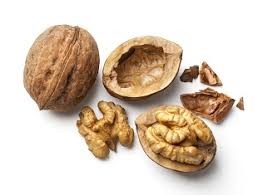
Nuts are known to help reduce the risk of hypertension, oxidative stress and diabetes and they may exercise a protective effect against cognitive decline in older age. To this list of beneficial health effects, we can now add new evidence from a study led by the Barcelona Institute for Global Health (ISGlobal), an institute supported by “la Caixa.” The study, published in the European Journal of Epidemiology, found links between a maternal diet rich in nuts during the first trimester of pregnancy and improved neurodevelopment in the child.
The study was carried out in Spain and included over 2,200 mother and child pairs enrolled in cohorts belonging to the INMA Project located in Asturias, Guipuzcoa, Sabadell and Valencia. Information on maternal nut intake was obtained from questionnaires on eating habits, which the mothers completed during the first and last trimester of their pregnancy. The children’s neuropsychological development was assessed using several internationally validated standard tests 18 months, 5 years, and 8 years after birth.
Analysis of the results showed that the group of children whose mothers ate more nuts during the first trimester of pregnancy obtained the best results in all the tests measuring cognitive function, attention capacity and working memory.
“This is the first study to explore the possible benefits of eating nuts during pregnancy for the child’s neurodevelopment in the long term. The brain undergoes a series of complex processes during gestation and this means that maternal nutrition is a determining factor in fetal brain development and can have long-term effects, explains Florence Gignac, ISGlobal researcher and first author of the study. “The nuts we took into account in this study were walnuts, almonds, peanuts, pine nuts and hazelnuts. We think that the beneficial effects observed might be due to the fact that the nuts provided high levels of folic acid and, in particular, essential fatty acids like omega-3 and omega-6. These components tend to accumulate in neural tissue, particularly in the frontal areas of the brain, which influence memory and executive functions.”
The benefits described in this study were observed in the group of mothers who reported the highest consumption of nuts — a weekly average of just under three 30g servings. This is slightly lower than the average weekly consumption recommended in the healthy eating guide published by the Spanish Society of Community Nutrition (SENC: Guía de la alimentación saludable), which is between three and seven servings per week. “This makes us think that if the mothers consumed the recommended weekly average the benefits could be much greater,” Gignac explains. Estimated nut consumption in Spain is more than double the European average (4.8 g vs. 2.2 g).
The study also analysed the mothers’ nut consumption during the third trimester of their pregnancy, but in this case either no associations were observed with the neuropsychological outcomes or the associations found were weaker. “This is not the first time we have observed more marked effects when an exposure occurs at a specific stage of the pregnancy. While our study does not explain the causes of the difference between the first and third trimesters, the scientific literature speculates that the rhythm of fetal development varies throughout the pregnancy and that there are periods when development is particularly sensitive to maternal diet” explains Jordi Júlvez, ISGlobal researcher and last author of the study.
“In any case,” adds Júlvez, “as this is the first study to explore this effect, we must treat the findings with caution and work on reproducing them in the future with more cohort studies as well as randomised controlled trials.”
Story Source:
Materials provided by Barcelona Institute for Global Health (ISGlobal). Note: Content may be edited for style and length.
The 6 MOST Nutrient-Dense Foods That Should Rule Your Diet
Posted: May 8, 2019 Filed under: Food and it's Impact on Our Health Leave a comment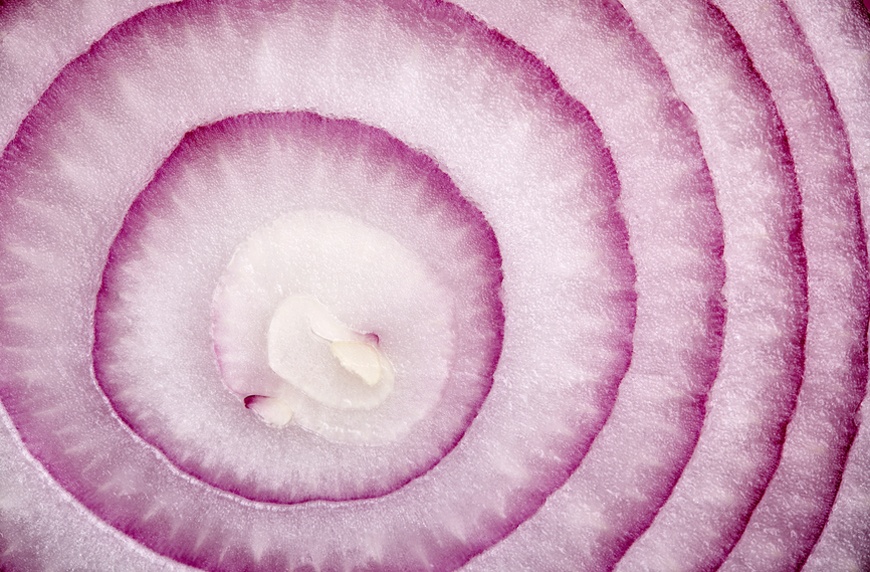
“Your healthy life expectancy is proportional to the micronutrient-per-calorie density of your diet. We want to get as many micronutrients as possible per caloric buck,” he said at a lecture at the 92nd Street Y. In other words, heaping servings of beta-carotene, vitamin A, and lycopene should accompany each gram of carbohydrate you ingest. Sweet potatoes are good at this; bagels are not”.
Preventing common diseases (like cancer and heart disease) and promoting health and longevity is as simple as regular trips to the farmers’ market, says Dr. Joel Fuhrman, star nutrition researcher, physician, and author of Eat to Live and Super Immunity.
Why? While building-block nutrients—protein, carbohydrates, and fats—are essential, Americans are over-stuffing their diets with them and missing out on disease-fighting micronutrients like vitamins, minerals, and antioxidants.
“Your healthy life expectancy is proportional to the micronutrient-per-calorie density of your diet. We want to get as many micronutrients as possible per caloric buck,” he said at a lecture at the 92nd Street Y. In other words, heaping servings of beta-carotene, vitamin A, and lycopene should accompany each gram of carbohydrate you ingest. Sweet potatoes are good at this; bagels are not.
To help get you started, Fuhrman created the acronym G-BOMBS to lay out six of the most nutrient-dense foods that promote health and longevity. Here they are…
Scroll down for the most nutrient dense foods to work into your diet.
Beans
Legumes are nutrient-dense carbs that come with lots of fiber, and because your body digests them slowly, they have a stabilizing effect on blood sugar. Multiple studies suggest that beans may decrease the risk of colon cancer, as well as other cancers.
Onions
These tear-jerking veggies are way more powerful than you may have imagined. In fact, onions are superfoods. They have super high concentrations of superstar flavonoid antioxidants—like quercetin, inflammation fighters that also lower the risk of colon and other cancers. Onions are a source of organosulfur, compounds that battle carcinogens and suppress the growth of cancer cells.
Mushrooms
No matter your preference—Portabello, shiitake, or reishi—mushrooms have nutrients that fight inflammation, prevent DNA damage, and more. They also contain aromatase inhibitors. These block the production of estrogen in the body, leading to significant reductions in breast cancer risk.
Berries
You’ve probably heard this one. Berries are bright and colorful because of their powerful antioxidants, like flavonoids, and studies have linked them a long list of health benefits, including (but not limited to) increased brain power, cancer prevention, and reduced blood pressure.
Seeds
Seeds tend to be high in protein and trace minerals. Flax, chia, and hemp seeds all pack heaping doses of omega-3s, sesame seeds are rich in calcium, and pumpkin seeds come with calcium, iron, and zinc. Flax and sesame seeds also contain lignans, associated with lower risk of some cancers.
Greens
This one’s a no-brainer, but no matter how often you’re eating leafy greens, you could probably still eat more. In addition to protein, greens contain calcium, folate, and a slew of antioxidants. Extra credit portion: Cruciferous green veggies like broccoli and kale also release isothiocyanates (when their cells are broken by chewing, chopping, or blending), compounds linked to lower cancer risk.
Originally posted December 12, 2012. Updated June 7, 2018.
Walnuts May Help Lower Blood Pressure for Those at Risk of Heart Disease
Posted: May 8, 2019 Filed under: Food and it's Impact on Our Health Leave a comment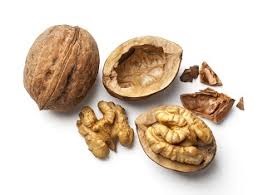
Date: May 1, 2019
- Source: Penn State
When combined with a diet low in saturated fats, eating walnuts may help lower blood pressure in people at risk for cardiovascular disease, according to a new study.
When combined with a diet low in saturated fats, eating walnuts may help lower blood pressure in people at risk for cardiovascular disease, according to a new Penn State study.
In a randomized, controlled trial, researchers examined the effects of replacing some of the saturated fats in participants’ diets with walnuts. They found that when participants ate whole walnuts daily in combination with lower overall amounts of saturated fat, they had lower central blood pressure.
According to the researchers, central pressure is the pressure that is exerted on organs like the heart. This measure, like blood pressure measured in the arm the traditional way, provides information about a person’s risk of developing cardiovascular disease (CVD).
Penny Kris-Etherton, Distinguished Professor of Nutrition at Penn State, said the study suggests that because walnuts lowered central pressure, their risk of CVD may have also decreased.
“When participants ate whole walnuts, they saw greater benefits than when they consumed a diet with a similar fatty acid profile as walnuts without eating the nut itself,” Kris-Etherton said. “So it seems like there’s a little something extra in walnuts that are beneficial — maybe their bioactive compounds, maybe the fiber, maybe something else — that you don’t get in the fatty acids alone.”
Alyssa Tindall, recent student in Dr. Kris-Etherton’s lab and a new Ph.D. graduate in nutrition, said the study was one of the first to try to uncover which parts of the walnuts help support heart health.
“Walnuts contain alpha-linolenic acid — ALA — a plant-based omega-3 that may positively affect blood pressure,” Tindall said. “We wanted to see if ALA was the major contributor to these heart-healthy benefits, or if it was other bioactive component of walnuts, like polyphenols. We designed the study to test if these components had additive benefits.”
For the study, the researchers recruited 45 participants with overweight or obesity who were between the ages of 30 and 65. Before the study began, participants were placed on a “run-in” diet for two weeks.
“Putting everyone on the same diet for two weeks prior to the start of the study helped put everyone on the same starting plane,” Tindall said. “The run-in diet included 12 percent of their calories from saturated fat, which mimics an average American diet. This way, when the participants started on the study diets, we knew for sure that the walnuts or other oils replaced saturated fats.”
After the run-in diet, the participants were randomly assigned to one of three study diets, all of which included less saturated fat than the run-in diet. The diets included one that incorporated whole walnuts, one that included the same amount of ALA and polyunsaturated fatty acids without walnuts, and one that partially substituted oleic acid (another fatty acid) for the same amount of ALA found in walnuts, without any walnuts.
All three diets substituted walnuts or vegetable oils for five percent of the saturated fat content of the run-in diet, and all participants followed each diet for six weeks, with a break between diet periods.
Following each diet period, the researchers assessed the participants for several cardiovascular risk factors including central systolic and diastolic blood pressure, brachial pressure, cholesterol, and arterial stiffness.
The researchers found that while all treatment diets had a positive effect on cardiovascular outcomes, the diet with whole walnuts provided the greatest benefits, including lower central diastolic blood pressure. In contrast to brachial pressure — which is the pressure moving away from your heart and measured with an arm cuff in the doctor’s office — central pressure is the pressure moving toward your heart.
Tindall said that the results — recently published in the Journal of the American Heart Association — underline the importance of replacing saturated fat with healthier alternatives.
“An average American diet has about 12 percent calories from saturated fat, and all our treatment diets all had about seven percent, using walnuts or vegetable oils as a replacement,” Tindall said. “So, seeing the positive benefits from all three diets sends a message that regardless of whether you replace saturated fats with unsaturated fats from walnuts or vegetable oils, you should see cardiovascular benefits.”
Kris-Etherton added that the study supports including walnuts as part of a heart-healthy diet.
“Instead of reaching for fatty red meat or full-fat dairy products for a snack, consider having some skim milk and walnuts,” Kris-Etherton said. “I think it boils down to how we can get the most out of the food we’re eating, specifically, ‘how to get a little more bang out of your food buck.’ In that respect, walnuts are a good substitute for saturated fat.”


 Meal Delivery Service by Millie Barnes