The Secret to Better Baked Potatoes? Cook Them Like the British Do
Posted: September 27, 2019 Filed under: Food and it's Impact on Our Health, In The Kitchen with Millie- How To's, Recipes Leave a comment
Photo by Monika Grabkowska on Unsplash
By Sheela Prakash thekitchn.com
If you jump across the pond to England, you’ll find baked potatoes just about everywhere, but you might not recognize them at first. That’s because they’re called jacket potatoes (which, TBH, is just about the cutest name there could be).
The difference isn’t just the name, however. The Brits take great care when it comes to their potatoes — and the results really are much crispier on the outside and fluffier on the inside than the typical American variety. A few years back, Joanna Goddard, of Cup of Jo, called out just how gloriously perfect English baked potatoes are and shared some tricks, straight from her aunt in Cornwall. Ever since trying them, my baked potato game has gotten a lot better.
Read the post: How to Make English Jacket Potatoes from Cup of Jo
Making baked potatoes isn’t difficult, but here are the tips that made the most difference.
- Slice them first. Like most Americans, I typically poke holes all over the potatoes before baking them to ensure they don’t explode in the oven. But Jo suggests slicing a cross shape about 1/4-inch thick into each potato. This helps them release some steam, makes the interior more fluffy, and also makes them easier to slice into when they’re piping hot.
- Bake them for longer than you think. Many recipes (ours included) recommend baking potatoes for an hour at 425°F. Instead, Jo suggests baking potatoes at 400°F for closer to two hours. The potatoes won’t burn at this temperature and the long bake means the skin will be so crisp that it’s practically cracker-like.
- Return them to the oven. After the two hours are up, remove the potatoes and carefully cut deeper into the slices you made initially. Then put the potatoes back in the oven for 10 more minutes. This helps to dry out the flesh further and makes it extra fluffy.
When you take those piping hot spuds out of the oven, push open that crispy, crackly, perfectly-salted skin, and drop a little butter into the lightest, fluffiest baked potato you’ve ever made, you’ll silently thank Jo and her Cornwall aunt. And you’ll know — as I now do — there’s really no other way to bake them.
Despite Growing Burden of Diet-related Disease, Medical Education Does Not Equip Students to Provide High Quality Nutritional Care to Patients
Posted: September 26, 2019 Filed under: Food and it's Impact on Our Health Leave a commentNote from Millie- Three years ago a nutrition coaching client of mine went through nursing school. During her first semester she took a class on nutrition. The proffessor was giving a talk to the many benefits of saturated fats; how crucial they are to all of the bodies processes. Read more about that- The Importance of Saturated Fats for Biological Functions. In her next semester the same professor was teaching Applied Nutrition and was teaching how bad saturated fats were for humans! So she challenged him, tried to explain what he was teaching was contradictory to what he had taught about these crucial fats being needed in the body. He became angry and pushed back. That was when she realized that she just needed to keep her mouth shut and pass the class. The medical profession is being taught very outdated nutrition information, all due to the fact that the main source of info given out to the American public by our government is derived from food lobbying, false information!
The Lancet
- Summary:
- Worldwide, nutrition is insufficiently incorporated into medical education, meaning that medical students lack the confidence, skills and knowledge to provide nutritional care to patients, according to a systematic review.
Worldwide, nutrition is insufficiently incorporated into medical education, meaning that medical students lack the confidence, skills and knowledge to provide nutritional care to patients, according to a systematic review of 24 studies published in The Lancet Planetary Health journal.
The authors recommend that nutrition education be made compulsory for all medical students, a global benchmark on the required level of nutrition knowledge for future doctors be established, and more funding be put towards developing new ways to teach nutrition in medical school.
Globally, 11 million deaths annually are attributable to poor diet, making it the leading risk factor for death across the world. Accordingly, many countries recommend that doctors apply nutrition knowledge in practice to support patients to manage lifestyle-related chronic disease and other diet-related conditions. However, these findings suggest that nutrition in medical education is lacking in all countries studied.
Author of the study, Dr Lauren Ball from Griffith University, Australia, said: “It is clear that despite the importance of nutrition for healthy lifestyles, graduating medical students are not supported with the required nutrition knowledge to be able to provide effective nutrition care to patients — a situation that has gone on for too long. Nutritional education for medical students must be improved and made a compulsory and meaningful part of the curriculum to support future doctors for the 21st century.”
To give a broad overview of nutrition education provided to medical students, the review looked at studies assessing recently graduated (ie, ?4 years) or current medical students’ nutrition knowledge, attitudes, skills, or confidence (or all three) in nutrition or nutrition counselling; the quality of nutrition curriculum initiatives for medical students; or recently graduated or current medical students’ perceptions of nutrition education.
The review included 24 studies conducted between 2012-18, including 16 quantitative, three qualitative and five studies on curriculum initiatives. The studies came from USA (11), Europe (four), the Middle East (one), Africa (one), and Australasia (seven), and the methodological quality of the studies ranged from very low to high. No published articles from Asia met the criteria for inclusion in the review.
The reviewed studies consistently found that medical students wanted to receive nutrition education to develop their skills in nutrition care but perceived that their education did not equip them to do so. Students cited both quantity and quality of their education as reasons for this — poor quality and under prioritization of nutrition in the curriculum, lack of interest and expertise in nutrition among faculty members, and few examples of nutritional counseling during clinical years to serve as models for emerging doctors.
Furthermore, students uniformly reported having a lack of required nutrition knowledge, which was also found through testing. For instance, one study found that when nutrition knowledge was assessed in a test, half of medical students scored below the pass rate.
Five studies assessing curriculum initiatives found that they had a modest positive effect. However, most nutrition initiatives were employed opportunistically as a once-off activity, rather than being integrated in a sustained way into the medical curricula. Innovative initiatives — such as online curriculum, hands on cooking experiences, and learning from other health professionals such as dietitians — showed short-term and long-term benefits for patients and health systems. Therefore, the authors call for more funding for innovative curriculum initiatives to be developed and implemented.
The authors underline that ongoing inadequate nutrition education identified in their study is likely to affect the standard of care doctors are providing to patients, not least in preventative care. Therefore, they stress the importance of institutional commitments to making nutrition education compulsory in medical training through accreditation standards and establishing benchmarks of nutritional knowledge needed by doctors before graduation.
The authors note some limitations of their study. The most frequent limitations of the studies included in the review were the absence of control groups (for the curriculum initiatives), absence of validated survey instruments to test nutritional knowledge, poor response rates, small study samples, and insufficient representativeness of the study population.
Writing in a linked commentary, Dr Stephen Devries from the Gaples Institute for Integrative Cardiology, Deerfield, Illinois, USA, notes that the beyond improving patient health, increased nutrition education could also help doctors advise on healthy diets from sustainable food systems, such as that advised by the EAT-Lancet Commission. He says: “There is much to learn about the most effective strategies to incorporate nutrition curriculum into medical training. Promising approaches to enhance nutrition education in medical education include integration of nutrition-related topics in lectures on disease pathogenesis and treatment, self-paced online curriculum, teaching kitchens, and greater utilization of interprofessional education. Identification and training of clinical mentors in nutrition is a key challenge. But what is already crystal clear, is that the worldwide state of nutrition education in medicine is inadequate. Our patients deserve much better. And so does our planet.”
Eating Garlic and Onions Daily May Drastically Cut Breast Cancer Risk
Posted: September 26, 2019 Filed under: Food and it's Impact on Our Health Leave a commentNote from Millie- Please remember that there are no foods that by themselves help us avoid cancer. It takes a daily intake that truly meets ALL of our nutrient needs to build or repair our immune system. Very few Americans come anywhere near meeting all of their needs for vitamins and minerals.
Brittany A. Roston – Sep 23, 2019, 6:18 pm CDT
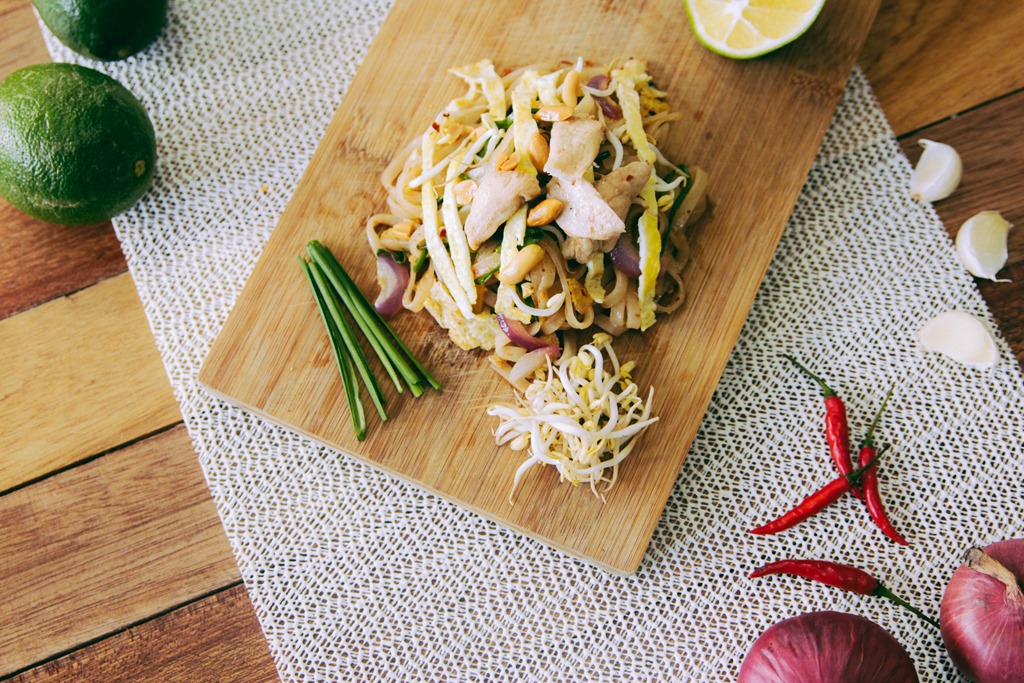
Eating garlic and onions every day may drastically reduce one’s risk of developing breast cancer, according to a new study out of the University of Buffalo and the University of Puerto Rico. The researchers focused on women in Puerto Rico, where a condiment called sofrito made primarily of the two aromatics is frequently consumed.
Existing research has indicated that garlic and onions may have anti-cancer effects when consumed. The latest study looked at the potential effect of eating both of these foods instead of only one or the other. Women in Puerto Rico presented a unique opportunity for this study due to the frequent consumption of sofrito, a base sauce made with garlic and onions.
According to the researchers, the frequent consumption of this sauce means that women in Puerto Rico usually consume greater quantities of garlic and onions than women located in the US and Europe. Of note, Puerto Rico is also known for its lower rates of breast cancer compared to the rates found in the mainland states.
The study involved 314 women who had breast cancer and another 346 control subjects. After crunching the numbers, the study found that women who consumed sofrito more than one time daily had a huge 67-percent decrease in their odds of developing breast cancer compared to women who didn’t consume it as often.
The researchers found that the total amount of garlic and onions consumed daily was associated with the decreased risk, including these aromatics used in other dishes. The study points to a number of beneficial compounds found in garlic and onions that may drive the benefit, including organosulfur and flavonols.
5 Fruits and Veggies That Are More Hydrating Than Water
Posted: September 26, 2019 Filed under: Food and it's Impact on Our Health Leave a commentNote from Millie- about 15 years ago I started working with athletes who were racing in long distance races. I was also living at the beach and doing a lot of bike riding. What I finally realized was that we were all trying to hydrate, beginning 24 hours before a race or long ride and that all that was happening was that we were having to make a lot of pit stops. When we began hydrating with fruits and smoothies, performance improved drastically, we had to stop less, and didn’t get dehydrated. The body uses fruits and vegetables more effectively at hydration than it does when we drink water. We are not natural water- lappers and are meant to get most of our moisture from t he foods we eat. Now, that being said, on a Standard American Diet (SAD), that includes grains, too much protein and processed foods…you need more water to flush out the body because those foods dehydrate you.
Not a big water drinker?
You’re in luck—studies show that eating some fruits and vegetables can hydrate the body twice as well compared to drinking a glass of water. Turns out that the electrolytes, nutrients, and minerals in produce help the body retain and utilize water—kind of like drinking a sports drink or coconut water.
Keep on scrolling to learn about the most hydrating fruits and veggies you should be keep in your fridge this summer.
Cauliflower
 Photo by Irene Kredenets on Unsplash
Cauliflower used to broccoli’s weird, pale cousin. Now, the low-carb veggie has become the healthy foodie’s favorite ingredient—add it in frozen to a smoothie to add density, or dice it and blend with an egg to make gluten-free “pizza dough.” It has such a mild taste, so it’s easily camouflaged by stronger flavors. But cauliflower is a nutrient-dense cruciferous vegetable that contains a surprising amount of H2O. Try adding 1 cup a day into your diet to pump up the hydration.
Watermelon
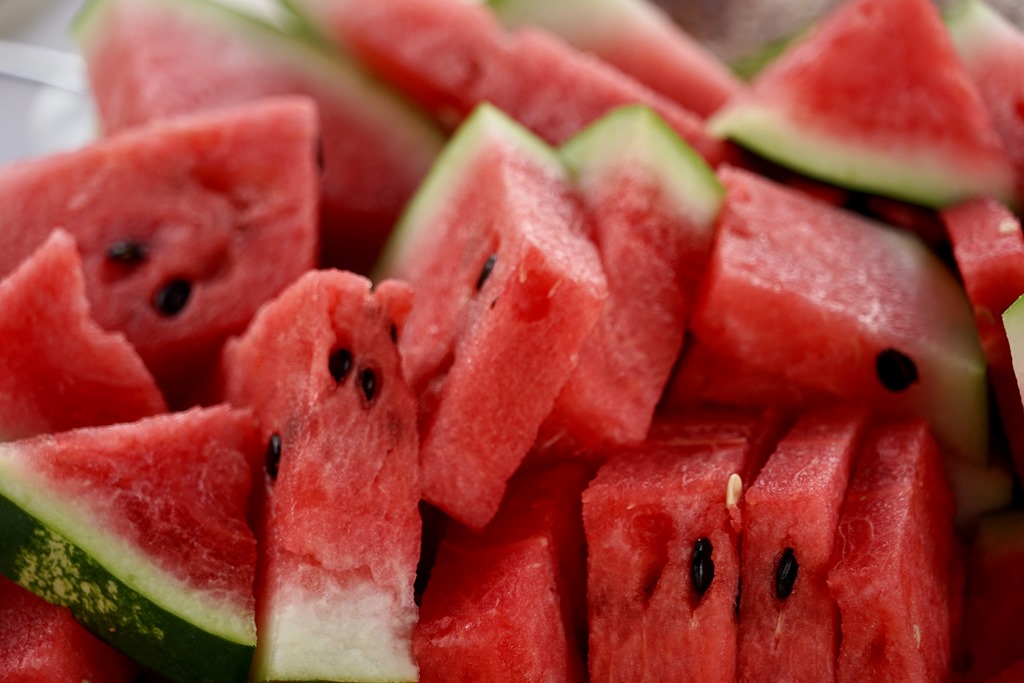 Photo by Floh Maier on Unsplash
I mean, c’mon, it’s in the name! Watermelon is nearly 92 percent water, and contains electrolytes like calcium, magnesium, potassium and sodium. Juicy, sweet, and oh-so-hydrating, watermelon is loaded with antioxidants like vitamin C, beta-carotene, and lycopene.
Grapefruit
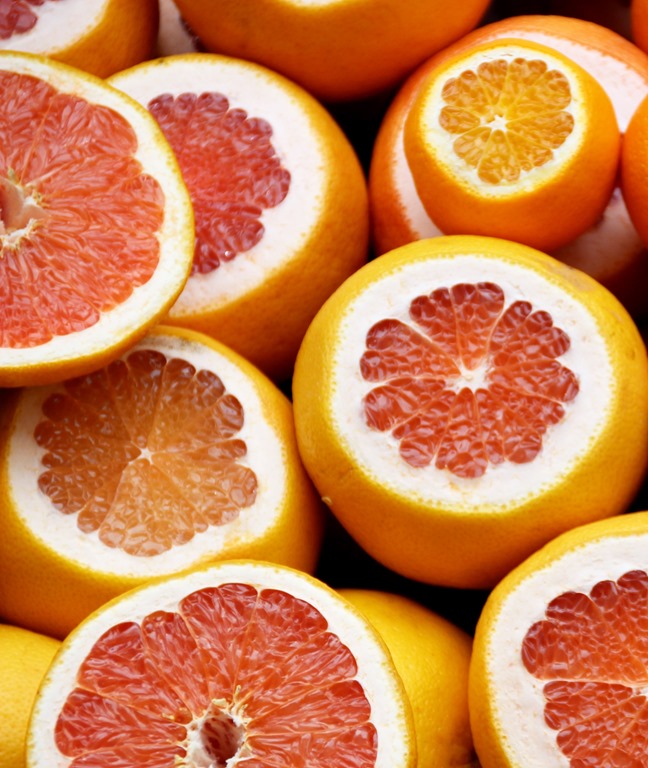 Photo by Israel Egío on Unsplash
Bitter, slightly sweet grapefruit is a perfect choice for a summer bite if you’re following an Ayurvedic dosha diet. (Cool that internal fire, Pitta people!) Because it contains so much water and fiber, nourishing grapefruit makes for a great low-calorie snack in between meals.
Cucumber
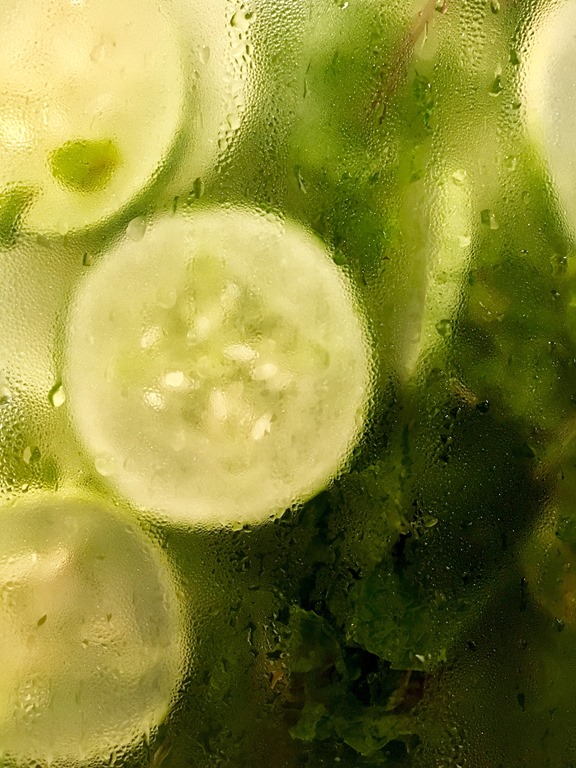 Photo by Ananth Pai on Unsplash
Chilled cucumber water is the ultimate thirst-quencher—the fresh, green taste combined with the anti-inflammatory compound caffeic acid that’s found in cukes help sooth and hydrate from the inside out.
Strawberries
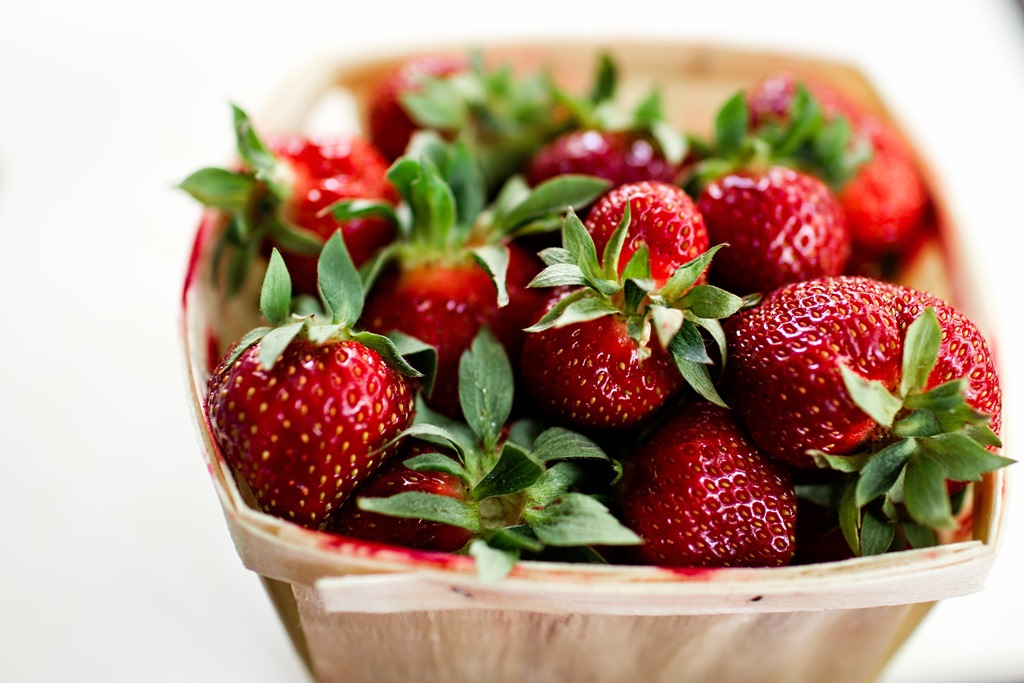 Photo by Danielle MacInnes on Unsplash
Juicy red strawberries are emblematic of the height of summer—they’re everywhere! Baked into pies, muddled into lemonade, or fresh off the vine, they’re always a welcome sight at the dinner table. At nearly 92 percent water, they’re also incredibly hydrating and contain a plethora of antioxidants that are excellent for your skin! No guilt about going overboard on the ruby berries here.
Source-
https://sporteluxe.com/us/5-fruits-veggies-hydrating-water/
Downsizing to an Early Death? Why Exercise is So Important as You Age
Posted: September 19, 2019 Filed under: Health and Happiness Leave a comment Photo by Justin Clark on Unsplash
well-documented that regular exercise is good for us. Being active can reduce your risk for a variety of diseases such as heart disease and cancer, as well as improving psychological well-being.
Current guidelines from the World Health Organization recommend getting 150 minutes of moderate to vigorous activity per week. This works out to about 20 to 30 minutes per day of activity like brisk walking, swimming or playing tennis.
It’s not much of a time commitment yet most people don’t achieve it. Barely 20 per cent of Canadians are considered physically active according to national guidelines. And if things in Canada are the same as in the United States, this number likely hasn’t changed in the past 15 years.
The good news is that the very best time to start exercising is now. Research from the United States and the United Kingdom reveals that middle-aged and older adults can reduce their risk of death by becoming more physically active, irrespective of past physical activity levels.
Why we exercise less as we age
Hidden among these statistics on physical activity is how much it decreases with age. As an adult, our activity usually peaks in our 20s. After that, there is a steady decline in vigorous activity (exercise that increases heart rate) throughout life, while light physical activity (such as easy walking) stays relatively constant until around 60 years of age and then declines. In addition, sedentary time increases.
Many will argue this is part of the ageing process: we get weaker as we age and therefore we can’t do as much vigorous activity.
However, the physiological changes in our body with age likely only account for a small portion in the decline in activity. People who remain active see only a fraction of the decrease in fitness compared to their inactive counterparts.
Much of this decrease in activity is due to conscious and unconscious changes in life circumstances. In our 20s, we’re more likely to have been engaged in competitive and recreational sports, rely more on transit and active transportation as we cannot afford our own car. Our entry-level jobs are more active, but as we progress up the career ladder, we’re likely to spend more time sitting at a desk.
Downsizing to an early death?
Retirement is also another significant stage at which time most people experience a further decrease in activity. Even if one’s job was sedentary, it usually provides a small amount of activity and unless a conscious effort is made to make that activity up in retirement, it will be lost.
Many people also downsize their home in retirement, perhaps moving to a one-story apartment and losing their yard. While there may be good reasons for downsizing, it also results in further decreases in activity as there are no stairs to take or yard to manage. Some people downsize purposely thinking they should be doing less activity.
As activity decreases, so does our fitness and strength levels. Because of those changes, we become even less capable of doing activities we did when we were younger, so we further decrease our activity, and the cycle continues.
As a result, risk factors such as high blood pressure, obesity and high blood sugar may appear — increasing our risk for disease and early death.
It’s how much you exercise now that matters
However, it’s not all bad. Our body can also adapt to increasing activity. And when it comes to exercise and health, what you have done lately is more important than what you did years or decades ago.
A study of more than 300,000 men and women aged 50 to 71 living in the U.S. divided participants into maintainers (high level of leisure activity throughout life), decreasers (high activity in teens and low in later life) and increasers (low activity in teens and high in later life).
Of the three groups, maintainers had the lowest risk for early death, but the increasers had a similar benefit. The decreasers didn’t fare much better than people who were inactive their entire life.
What matters is how much activity you do now.
When looking at total physical activity (leisure activity combined with occupational activity), similar results were reported among 15,000 people in the U.K.
Again, what mattered most was how much activity people were doing most recently, not 25 years earlier. Those who increased their activity had the lowest risk for early death, even if their previous activity levels were high to begin with. In addition, people with heart disease or cancer also benefited to the same extent as those without.
Walk for 20 minutes a day
Beginning, or even restarting, an exercise program in middle-age or later can be daunting. From time to time we’ll hear inspiring stories of people starting their first marathon in their 70s but these people are the exception and not everyone needs (or wants) to be exercising that much.
We demonstrated that as little as 20 minutes of brisk walking per day can result in a 20 per cent reduction in early death over seven years. If you increase to 90 minutes of walking or 25 minutes of running, you get a 35 per cent reduction.
However, the greatest gains come from doing nothing to doing something. And every little bit helps throughout the day, not just the time you go to the gym or do a run. Taking the stairs, going for a walk on your lunch or parking farther away all add up.
Scott Lear writes the weekly blog Feeling Healthy with Dr. Scott Lear.
#mealdeliveryservice, #jax,#lactosefree,#glutenfree,#JacksonvilleFL,#nutritioncoaching, #allergies,#cancer,#energy,#higherenergy,#healing, #beyondpaleo
Scientists FINALLY Issue Warning Against Canola Oil: it Damages Your Brain, Can CAUSE Dementia, and Weight Gain
Posted: September 19, 2019 Filed under: Food and it's Impact on Our Health, Non-Toxic Choices 3 CommentsNote From Millie– I have been teaching my clients for 20 years to NOT cook with oils, any oils. Oils cannot withstand heat, it renders them highly toxic, they become rancid when separated from the foods they came from, quickly oxidizing and making them carcinogenic. They become sticky when heated, then in turn causes clogged arteries. Cook with ghee primarily because of it’s depth of nutrients, use grass fed because that cow has been in the sun long enough to store Vitamin D! Oils are good for flavoring, salad dressing, pesto, dishes that will not be exposed to heat. Buy organic, buy from oil manufactured in the US and keep it refrigerated.
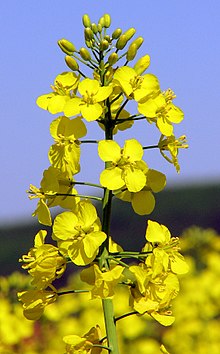 Rapeseed Plant
Have you ever heard of a Canola seed? You’ve probably heard of Olive and coconut trees, but not Canola right? That’s because it doesn’t exist. Canola oil is not natural oil but the commercial name of a genetically modified version of Rapeseed (which is toxic). So, it is really curious why so many “natural” food stores, even famous ones such as Whole Food’s, consistently use Canola oil in their prepared meals and Food bars (such as in their baked goods, salads, dressings, etc.)?
Canola oil was created in a Canadian university lab by Dr. Baldur Steffanson. Dr. Steffanson, after getting his newly created version of Rapeseed to meet FDA guidelines (with less toxic eurcic acid) he went on to work for Calgene (which later was acquired by Monsanto). For this reason, there is no such thing as “organic” Canola oil as the raw ingredient itself is genetically modified rapeseed.
SO WHAT ARE THE BIGGEST HEALTH RISKS OF CONSUMING FOODS THAT CONTAIN CANOLA OIL? LET’S LOOK AT A FEW:
- Canola depletes vitamin E.
- Canola increases the rigidity of membranes, which can trigger degenerative diseases.
- Because of canola’s high sulfur content, it goes rancid easily, which can exacerbate allergies and compound problems for people with bronchial or asthmatic issues.
- Human studies reveal canola causes an increase in lung cancers.
- Canola can shorten lifespan of animals and lower platelet count.
- Daily canola consumption can raise your triglycerides over 40 percent.
- Canola oil molds quickly and also inhibits enzyme function.
- It opens the door for free radicals, undermining natural antioxidants, and can be linked to increased incidence of many diseases.
- Canola leaves no foul taste when it’s spoiled, so it’s hard to tell if you’re eating rancid erucic acid.
The next time you visit the Whole Foods, or other grocers, Food court, be careful of being fooled into thinking they are the healthiest option in town. Look for all natural deli’s and food providers that use natural oils (you know the type that come from an actual plant). Most importantly remember, there is no such thing as GMO-free Canola oil.
Yes, You Should Be Double Cleansing for Skin
Posted: September 19, 2019 Filed under: Skin Care Leave a commentDouble cleansing is a method of cleansing your face twice: First, with an oil-based cleanser and again with a water-based cleanser. It can help remove stubborn, pore-clogging and acne-causing impurities that can remain on the skin even after washing your face once. Otherwise you are mixing make-up with dirt and dust (or other environmental impurities) and then rinsing. But you can’t get the skin clean with that method, you are simply rubbing in the dirt. It’s like trying to clean dishes with dirty water.
The benefit of double cleansing is that the first cleanser will break down any makeup, remove dirt and excess oils from the day and clean your skin. The second cleanser will address your particular skin type or concern and should have ingredients to hydrate, smooth or exfoliate and treat acne. Doing both steps will assure that any treatment and moisturizing is not done in vain.
This method leaves the skin truly clean. The second cleanser can then gently remove the oil without stripping the skin and drying it out. While this is important at any age, it is crucial for dry or mature skin!
The products I use are ;
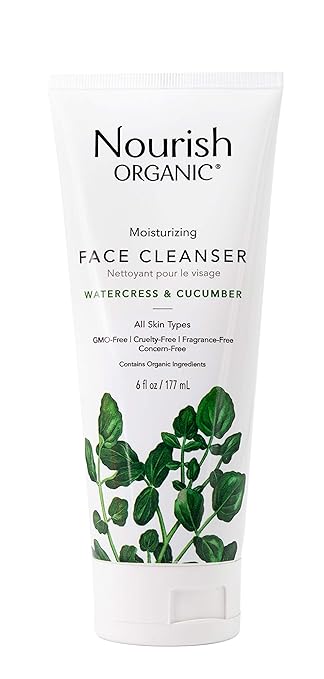
Nourish Organic Moisturizing Face Cleanser, Watercress & Cucumber available on Amazon
I use this at night after oil cleansing. I make my own oil cleanser using jojoba oil, sea buckthorn oil, MCT oil, squalane, with powdered seaweed and a small amount of papaya enzyme.
In the morning, since I am not removing make-up, I use my own cleanser that I make and sell. It is honey and oil based with baking soda, available here.
Soba and Sweet Potatoes in Miso-Lime Broth
Posted: September 18, 2019 Filed under: Recipes Leave a comment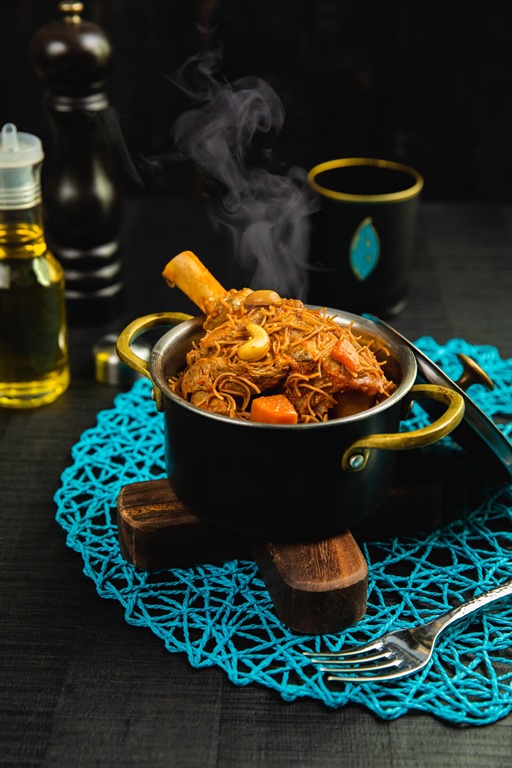 Photo by Eiliv-Sonas Aceron on Unsplash
SERVINGS- 4
1 ½ tablespoons ghee
½ teaspoon toasted sesame oil
1 tablespoon freshly grated ginger
½ teaspoon star anise powder
½ teaspoon smoked paprika
½ teaspoon cumin
4 scallions, whites and greens separated and thinly sliced
3 cloves garlic, minced
4 ounces shiitake mushrooms, trimmed and thinly sliced
1 sweet potato, peeled and diced
4 ounces soba or other buckwheat noodles
2 heads baby Bok choy, sliced in 1/2-inch pieces
1/2 cup sweet white miso
1 tablespoon fresh lime juice, plus lime wedges for serving
Kosher salt
1. Preheat oven to 375 degrees, peel and cut sweet potatoes in 1 ½ inch cubes (they will shrink when roasted). Toss with toasted sesame oil, then toss with cumin, paprika and star anise powder. Bake until edges are brown and sweet potatoes are tender but not mushy.
2. Stir measured spices in a preheated Dutch oven and toast spices.
3. Then add oil and butter over medium heat. Add ginger, scallion whites, and garlic and cook until fragrant, about 2 minutes. Add shiitakes and cook until tender, about 2 minutes.
3. Meanwhile, cook soba according to package instructions. Drain and rinse well with cold water. Set aside.
3. Add Bok choy to soup and cook until tender, about 2 minutes. Stir in cooked soba.
4. Remove 1 cup hot broth and whisk with miso until smooth, then stir into soup. Add lime juice and season with salt. Serve with scallion greens and lime wedges.
Lemon Shortbread Cookies
Posted: September 16, 2019 Filed under: Recipes Leave a commentLemon Shortbread Cookies

Servings 24
1 1/3 cups sweet rice flour
1/2 cup sweet tapioca flour
1/2 cup arrowroot powder
1 teaspoon salt
1/4 teaspoon baking powder
1/4 teaspoon xanthan gum
1 cup butter, softened
3/4 cup granulated sugar
1 teaspoon vanilla extract
Zest from one lemon
1/8 teaspoon lemon extract
2 eggs yolks
Preheat oven to 300°F. Line baking sheet with parchment paper.
In small bowl, whisk together white rice flour, sweet rice flour, arrowroot, salt, baking powder, and xanthan gum. In bowl of stand mixer fitted with paddle attachment, cream butter, sugar, egg, zest and extracts together, on medium-low speed, until a thick paste forms, about 30 seconds.
Shut off stand mixer. Add dry ingredients. Turn on mixer and mix until dough forms, about three minutes.
Pick up about a golf ball sized amount of dough, it will be very sandy feeling, press the bajeezus out of it in your hand to form a solid ball, then press onto cookie sheet until about a little less than ½ inch thick. You can press the edges together or leave them as they spread out. Using a fork, make holes in the cookies as decoration. It also adds crispness.
Bake until cookies are lightly golden brown on the edges and aromatic, about 30 minutes. Allow cookies to cool on the pan for five minutes and then transfer to wire rack to cool. Repeat using remaining dough.
Store in an airtight container for up to two weeks.
Nobu’s Miso-Marinated Tuna
Posted: September 12, 2019 Filed under: Recipes Leave a comment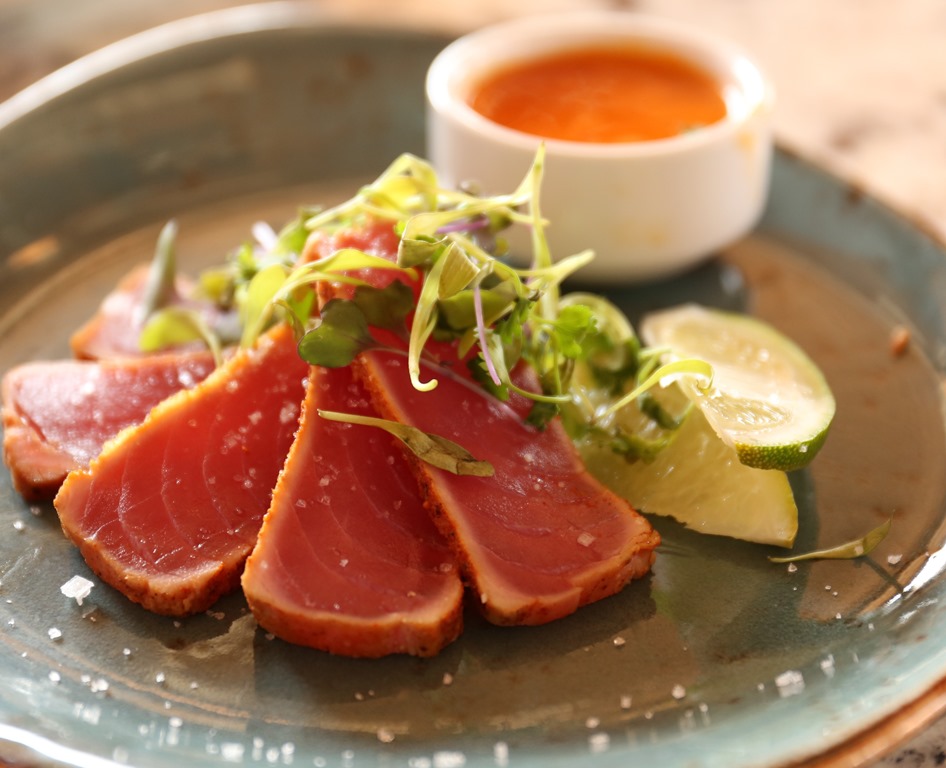
I found Nobu’s recipe for Miso-Marinated Black Cod and made it with Tuna.
SERVES 4
1/4 cup
sake
1/4 cup
mirin
4 tablespoons
white miso paste
3 tablespoons sugar
4 – 6 ounce tuna
Two to 3 days beforehand, make the miso marinade and marinate the fish. Bring the sake and mirin to a boil in a medium saucepan over high heat. Boil for 20 seconds to evaporate the alcohol. Turn the heat down to low, add the miso paste, and whisk. When the miso has dissolved completely, turn the heat up to high again and add the sugar, whisking constantly to ensure that the sugar doesn’t burn on the bottom of the pan. Remove from heat once the sugar is fully dissolved. Cool to room temperature.
Pat the fillets thoroughly dry with paper towels. Slather the fish with the miso marinade and place in a non-reactive dish or bowl and cover tightly with plastic wrap. Leave to marinate in the refrigerator for 2 to 3 days.
To cook the fish: Preheat oven to 400°F. Heat an oven-proof skillet over high heat on the stovetop. Lightly wipe off any excess miso clinging to the fillets, but don’t rinse it off. Film the pan with a little oil, then place the fish skin-side-up on the pan and cook until the bottom of the fish browns and blackens in spots, about 3 minutes. Flip and continue cooking until the other side is browned, 2 to 3 minutes. Transfer to the oven and bake for 5 to 10 minutes, until fish is opaque and flakes easily.


 Meal Delivery Service by Millie Barnes