Using Green Tea to Help Prevent Cancer and Treat Cancer
Posted: May 14, 2020 Filed under: Food and it's Impact on Our Health | Tags: #allergies, #antiaging, #cancer, #coaching, #cooking, #gersondiet, #gettingwell, #glutenfree, #glutenfreedesserts, #healing, #Healthy, #holistic, #immunesystem, #Lactosefree, #livewell, #mealdelivery, #mealdeliveryservice, #mealsdelivered, #mediterreanean, #MillieBarnes, #moreenergy, #Nutrition, #nutritioncoaching, #organic, #soups, #wellness, Paleo Leave a comment
FYI_ Coffee has the same properties, is high in antioxidants and is a great antidepressant!!
Tea consumption is associated with a reduced risk of heart disease, stroke, and premature death in general, with each additional cup of green tea a day associated with a 4-percent lower mortality risk. So, perhaps “drinking several cups of tea daily can keep the doctor away,” as well as the mortician—but what about cancer?
As I discuss in my video Can Green Tea Help Prevent Cancer, there is “growing evidence from laboratory, epidemiologic [population], and human intervention studies that tea can exert beneficial disease-preventive effects” and, further, may actually “slow cancer progression.” Let’s review some of that evidence.
Not only do those who drink a lot of tea appear to live longer than those who drink less, as you can see at 0:49 in my video, drinking lots of tea may also delay the onset of cancer. At 0:56 in my video, you can see a table titled “Average age at cancer onset and daily green tea consumption.” The green tea intake is measured in Japanese tea cups, which only contain a half a cup, so the highest category in the table is actually greater than or equal to five full cups of tea, not ten as it appears in the table. Women who did get cancer appeared to get it seven years later if they had been drinking lots of tea compared to those who had consumed less. Men, however, had a three-year delay in cancer onset if they had consumed more than five full cups of green tea daily, the difference potentially “due to higher tobacco consumption by males.”
Green tea may be able to interfere with each of the stages of cancer formation: the initiation of the first cancer cell, promotion into a tumor, and then subsequent progression and spread, as you can see at 1:24 in my video. Cancer is often initiated when a free radical oxidizes our DNA, causing a mutation, but, as you can see at 1:44 in my video, we can get a nice “spike of antioxidant power” of our bloodstream within 40 minutes of drinking green tea. “This increase may, in turn, lower oxidative damage to DNA and so decrease risk of cancer.”
Furthermore, in terms of genoprotective effects—that is, protecting our genes—pre-existing oxidation-induced DNA damage was lower after drinking green tea, suggesting consumption can boost DNA repair as well. We didn’t know for certain, however…until now.
There is a DNA-repair enzyme in our body called OGG1. As you can see at 2:15 in my video, within one hour of drinking a single cup of green tea, we can boost OGG1’s activity, and after a week of tea drinking, we can boost it even higher. So, “regular intake of green tea has additional benefits in the prevention and/or repair of DNA damage.” In fact, tea is so DNA-protective it can be used for sperm storage for fresh samples until they can be properly refrigerated.
What’s more, tea is so anti-inflammatory it can be used for pain control as a mouthwash after wisdom tooth surgery, as you can see at 2:41 in my video. In terms of controlling cancer growth, at a dose of green tea compounds that would make it into our organs after drinking six cups of tea, it can cause cancer cells to commit suicide—apoptosis (programmed cell death)—while leaving normal cells alone. There are a number of chemotherapy agents that can kill cancer through brute force, but that can make normal cells vulnerable, too. So, “[g]reen tea appears to be potentially an ideal agent for [cancer] prevention”: little or no adverse side-effects, efficacious for multiple cancers at achievable dose levels, and able to be taken orally. We have a sense of how it works—how it stops cancer cells from growing and causing them to kill off themselves—and it’s cheap and has a history of safe, acceptable use. But, all of this was based on in-vitro studies in a test tube. “It needs to be evaluated in human trials,” concluded the researchers. Indeed, what happens when we give green tea to people with cancer? Does it help?
Tea consumption may reduce the risk of getting oral cancer. Not only may the consumption of tea boost the antioxidant power of our bloodstream within minutes and decrease the amount of free-radical DNA damage throughout our systems over time, but it can also increase the antioxidant power of our saliva and decrease the DNA damage within the inner cheek cells of smokers, though not as much as stopping smoking all together. You can see several graphs and tables showing these findings in the first 35 seconds of my video Can Green Tea Help Treat Cancer?.
Might this help precancerous oral lesions from turning into cancerous oral lesions? More than 100,000 people develop oral cancer annually worldwide, with a five-year overall survival rate of less than the flip of a coin. Oral cancer frequently arises from precancerous lesions in the mouth, each having a few percent chance of turning cancerous every year. Can green tea help?
Fifty-nine patients with precancerous oral lesions were randomized into either a tea group, in which capsules of powdered tea extract were given and their lesions were painted with green tea powder, or a control group, who essentially got sugar pills and their lesions painted with nothing but glycerin. As you can see at 1:23 in my video, within six months, lesions in 11 out of the 29 in the tea group shrunk, compared to only 3 of 30 in the placebo group. “The results indicate that tea treatment can improve the clinical manifestations of the oral lesions.”
The most important question, though, is whether the tea treatment prevented the lesions from turning cancerous. Because the trial only lasted a few months, the researchers couldn’t tell. When they scraped some cells off of the lesions, however, there was a significant drop in DNA-damaged cells within three months in the treatment groups, suggesting that things were going in the right direction, as you can see at 1:46 in my video. Ideally, we’d have a longer study to see if they ended up with less cancer and one that just used swallowed tea components, since most people don’t finger-paint with tea in their mouths. And, we got just that.
As you can see at 2:15 in my video, there were the same extraordinary clinical results with some precancerous lesions shrinking away. What’s more, the study lasted long enough to see if fewer people actually got cancer. The answer? There was just as much new cancer in the green tea group as the placebo group. So, the tea treatment resulted in a higher response rate, as the lesions looked better, but there was no improvement in cancer-free survival.
These studies were done on mostly smokers and former smokers. What about lung cancer? As you can see at 2:46 in my video, population studies suggest tea may be protective, but let’s put it to the test. Seventeen patients with advanced lung cancer were given up to the equivalent of 30 cups of green tea a day, but “[n]o objective responses were seen.” In a study of 49 cancer patients, 21 of whom had lung cancer, the subjects received between 4 and 25 cups worth of green tea compounds a day. Once again, no benefits were found. The only benefit green tea may be able to offer lung cancer patients is to help lessen the burns from the radiation treatments when applied on the skin. Indeed, green tea compresses may be able to shorten the duration of the burns, as you can see at 3:21 in my video.
The protective effects of green tea applied topically were also seen in precancerous cervical lesions, where the twice-a-day direct application of a green tea ointment showed a beneficial response in nearly three-quarters of the patients, compared to only about 10 percent in the untreated control group, which is consistent with the benefits of green tea compounds on cervical cancer cells in a petri dish. When women were given green tea extract pills to take, however, they didn’t seem to help.
I talked about the potential benefit of green tea wraps for skin cancer in Treating Gorlin Syndrome with Green Tea, but is there any other cancer where green tea can come into direct contact? Yes. Colon cancer, which grows from the inner surface of the colon that comes into contact with food and drink. As you can see at 4:13 in my video, in the colon, tea compounds are fermented by our good gut bacteria into compounds like 3,4DHPA, which appears to wipe out colon cancer cells, while leaving normal colon cells relatively intact in vitro. So one hundred thirty-six patients with a history of polyps were randomized to get green tea extract pills or not. Now, this study was done in Japan, where drinking green tea is commonplace, so, effectively, this was comparing those who drank three cups of green tea a day to subjects who drank four daily cups. A year later on colonoscopy, the added-green tea group had only half the polyp recurrence and the polyps that did grow were 25 percent smaller. With such exciting findings, why hasn’t a larger follow-up study been done? Perhaps due to the difficulty “in raising funds” for the study, “because green tea is a beverage but not a pharmaceutical.”
There is good news. Thanks to a major cancer charity in Germany, researchers are currently recruiting for the largest green tea cancer trial to date, in which more than 2,000 patients will be randomized. I look forward to presenting the results to you when they come in.
How to Improve Your Respiratory Health in Case you Get Covid-19
Posted: May 6, 2020 Filed under: Food and it's Impact on Our Health | Tags: #allergies, #BeyondPaleo, #cancer, #energy, #glutenfree, #healing, #higherenergy, #JacksonvilleFL, #jax, #Lactosefree, #mealdeliveryservice, #nutritioncoaching Leave a comment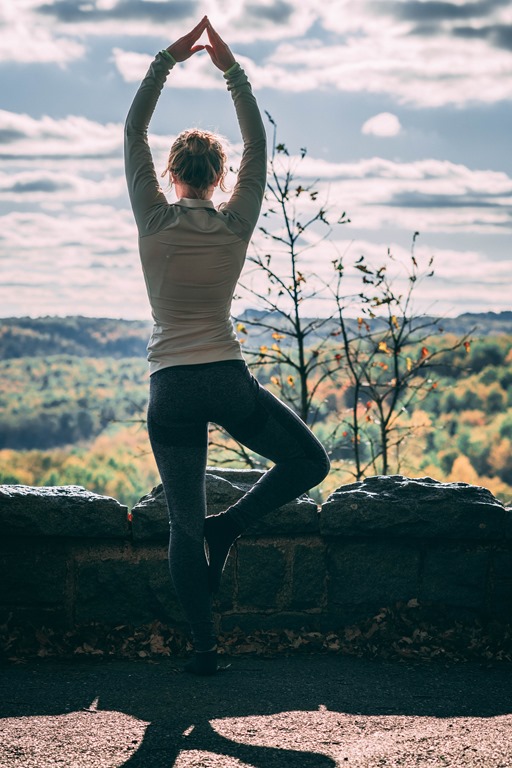
Avoid dairy and gluten containing foods, exercise and stop smoking..
(CNN)Covid-19 is a respiratory illness, meaning if a person is infected, the condition of their respiratory system is one determinant of how they’ll fare with the disease.
First it’s important to understand how the virus attacks our lungs. When people are infected, the virus travels to the mucus membranes and then the lungs. To control the infection, the body responds with inflammation in the lungs. And this inflammation prevents the lungs from being able to oxygenate the blood and remove carbon dioxide, which leads the patient to gasp for air and suffer more serious illness.
But there are things you can do to improve respiratory health, just by changing a few lifestyle factors, according to Dr. Robert Eitches, an allergist and immunologist at Cedars-Sinai Medical Center in Los Angeles. Enhancing your respiratory health doesn’t prevent you from getting infected, he said. But it does have benefits that may reduce the severity of the illness if you are infected, and therefore your exposure to the virus.
Here’s how you can strengthen your body’s respiratory capacity so that if you do get infected with coronavirus, the chances of serious illness may be lower.
Reduce excess mucus buildup
“Mucus is naturally occurring in our bodies, and it provides a very important function to maintain good health in our respiratory tract,” Steele said. “It helps to capture [allergens, bacteria and viruses].”
In our respiratory tract, we have little hairs called cilia that move those threats out of our tract. We swallow the majority of mucus, Steele said, but when we have things that irritate our nasal passages, we can produce too much mucus and be unable to clear it. This creates a breeding ground for bacteria and viruses, and blocks oxygen from entering and leaving the pathways of the lungs.
We also have mucus in our lungs. People with asthma produce too much mucus, which can predispose them to blockages and inflammation in their airways, Steele said.
There may be a connection between diet and mucus buildup. “Some people believe that inflammatory foods such as milk and wheat increase mucus production,” Eitches said. “Another school of thought that I have seen to work both anecdotally with my patients and with myself is eating spicy foods.”
Spicy foods that have capsaicin — chiles, jalapenos, cayenne, hot sauce — can thin mucus and allow it to be coughed out.
Exercise
Exercise can improve respiratory capacity, or breathing ability. Alveoli are tiny, balloon-shaped air sacs arranged in clusters throughout the lungs. They’re integral to the respiratory system, as they exchange oxygen and carbon dioxide to and from the bloodstream.
When a person is sedentary, Steele said, that results in a phenomenon called “atelectasis,” when the lung sacs don’t have enough air and collapse slightly. To improve the lung sac capacity, people have to “breathe against resistance,” he added.
“You can think of it like a partially deflated balloon,” he suggested. “And what’s the way that you keep the air inside a balloon? You tie a knot in it to increase the resistance, so the air has to work harder to get out.”
By breathing against resistance when exercising, you’re “actually helping to expand and keep open the air sacs” in your lungs, Steele said.
In addition to cardio, yoga and stretching, breathing exercises such as pursed lip breathing and deep yogic nasal breathing can help and are easy to do wherever you are, Eitches suggested. Pursed lip breathing is when you take in a deep breath with your mouth, close your lips, then exhale through them as if you’re blowing up a balloon. There are similar benefits from deep yogic nasal breathing as you filter the air through your nose.
Improving your lung function means “you would be less likely to hit a critically low lung function state, which would in turn cause you to not be able to oxygenate your blood,” Eitches said.
“Respirators essentially breathe for you to try to push open your airways. These exercises will teach you how to fight off the respiratory side effects [of Covid-19] on your own.”
Additionally, Steele said, exercise decreases inflammation in the body and can reduce the occurrence of acute respiratory distress syndrome, a serious complication in some patients hospitalized with Covid-19.
Stop smoking
One of the most important steps to improving your respiratory health is avoiding anything that impairs lung function, such as smoking cigarettes and vaping, Eitches said.
Smoking and vaping cause irritation in the lung airways that leads to permanent, adverse effects on lung function by destroying lung tissue where air exchange occurs.
“Smoke is composed of small particles; when inhaled, the particles get stuck in the lungs,” Eitches said. “This begins a vicious cycle of permanent lung damage.”
Both activities can also suppress the immune system, which you need to be able to help fight infections.
Dr. Ryan Steele, an allergist-immunologist and assistant professor at the Yale School of Medicine, cautioned against smoking marijuana, too.
Many candles have metal wicks, which are vaporized along with smoke and can cause similar lung damage.
Taking steps to improve respiratory health is another tool to add to one’s prevention kit, as we weather the pandemic and anticipate another possible wave in the fall.
“The stronger your baseline health, the stronger your body will be to fight off infections,” Eitches said. “It’s like having the appropriate ammunition to fight a war.”
CNN’s Brian Fung and Jen Christensen contributed to this report.
Why Some People Get Sicker Than Others
Posted: April 22, 2020 Filed under: Food and it's Impact on Our Health | Tags: #allergies, #BeyondPaleo, #cancer, #energy, #glutenfree, #healing, #higherenergy, #JacksonvilleFL, #jax, #Lactosefree, #mealdeliveryservice, #nutritioncoaching Leave a comment
COVID-19 is proving to be a disease of the immune system. This could, in theory, be controlled.
Note from Millie– I posted yesterday about working to improve your immune system. Never have we been more acutely aware of how important this is. Americans are, for the most part, unhealthy. Eventually each of this will have this virus. How strongly it effects each of us is based on what shape our immune system is. If you are even 10 pounds overweight, you are malnourished. I urge you to take this time to make those changes which will help you repair your gut, where all disease begins.
This article reinforces what I am saying…
From The Atlantic, article by JAMES HAMBLIN APRIL 21, 2020
The COVID-19 crash comes suddenly. In early March, the 37-year-old writer F. T. Kola began to feel mildly ill, with a fever and body aches. To be safe, she isolated herself at home in San Francisco. Life continued apace for a week, until one day she tried to load her dishwasher and felt strangely exhausted.
Her doctor recommended that she go to Stanford University’s drive-through coronavirus testing site. “I remember waiting in my car, and the doctors in their intense [protective equipment] coming towards me like a scene out of Contagion,” she told me when we spoke for The Atlantic’s podcast Social Distance. “I felt like I was a biohazard—and I was.” The doctors stuck a long swab into the back of her nose and sent her home to await results.
Lying in bed that night, she began to shake, overtaken by the most intense chills of her life. “My teeth were chattering so hard that I was really afraid they would break,” she said. Then she started to hallucinate. “I thought I was holding a very big spoon for some reason, and I kept thinking, Where am I going to put my spoon down?”
An ambulance raced her to the hospital, where she spent three days in the ICU, before being moved to a newly created coronavirus-only ward. Sometimes she barely felt sick at all, and other times she felt on the verge of death. But after two weeks in the hospital, she walked out. Now, as the death toll from the coronavirus has climbed to more than 150,000 people globally, Kola has flashes of guilt and disbelief: “Why did my lungs make it through this? Why did I go home? Why am I okay now?”
COVID-19 is, in many ways, proving to be a disease of uncertainty. According to a new study from Italy, some 43 percent of people with the virus have no symptoms. Among those who do develop symptoms, it is common to feel sick in uncomfortable but familiar ways—congestion, fever, aches, and general malaise. Many people start to feel a little bit better. Then, for many, comes a dramatic tipping point. “Some people really fall off the cliff, and we don’t have good predictors of who it’s going to happen to,” Stephen Thomas, the chair of infectious diseases at Upstate University Hospital, told me. Those people will become short of breath, their heart racing and mind detached from reality. They experience organ failure and spend weeks in the ICU, if they survive at all.
Meanwhile, many others simply keep feeling better and eventually totally recover. Kola’s friend Karan Mahajan, an author based in Providence, Rhode Island, contracted the virus at almost the same time she did. In stark contrast to Kola, he said, “My case ended up feeling like a mild flu that lasted for two weeks. And then it faded after that.”
Related Podcast
Listen to James Hamblin interview Kola and Mahajan on an episode of Social Distance, The Atlantic’s podcast about life in the pandemic:
“There’s a big difference in how people handle this virus,” says Robert Murphy, a professor of medicine and the director of the Center for Global Communicable Diseases at Northwestern University. “It’s very unusual. None of this variability really fits with any other diseases we’re used to dealing with.”
This degree of uncertainty has less to do with the virus itself than how our bodies respond to it. As Murphy puts it, when doctors see this sort of variation in disease severity, “that’s not the virus; that’s the host.” Since the beginning of the pandemic, people around the world have heard the message that older and chronically ill people are most likely to die from COVID-19. But that is far from a complete picture of who is at risk of life-threatening disease. Understanding exactly how and why some people get so sick while others feel almost nothing will be the key to treatment.
Read: The pandemic is turning the world upside down
Hope has been put in drugs that attempt to slow the replication of the virus—those currently in clinical trials like remdesivir, ivermectin, and hydroxychloroquine. But with the flu and most other viral diseases, antiviral medications are often effective only early in the disease. Once the virus has spread widely within our body, our own immune system becomes the thing that more urgently threatens to kill us. That response cannot be fully controlled. But it can be modulated and improved.
One of the common, perplexing experiences of COVID-19 is the loss of smell—and, then, taste. “Eating pizza was like eating cardboard,” Mahajan told me. Any common cold that causes congestion can alter these sensations to some degree. But a near-total breakdown of taste and smell is happening with coronavirus infections even in the absence of other symptoms.
Jonathan Aviv, an ear, nose, and throat doctor based in New York, told me he has seen a surge in young people coming to him with a sudden inability to taste. He’s unsure what to tell them about what’s going on. “The non-scary scenario is that the inflammatory effect of the infection is temporarily altering the function of the olfactory nerve,” he said. “The scarier possibility is that the virus is attacking the nerve itself.” Viruses that attack nerves can cause long-term impairment, and could affect other parts of the nervous system. The coronavirus has already been reported to precipitate inflammation in the brain that leads to permanent damage.
Though SARS-CoV-2 (the new coronavirus) isn’t reported to invade the brain and spine directly, its predecessor SARS-CoV seems to have that capacity. If nerve cells are spared by the new virus, they would be among the few that are. When the coronavirus attaches to cells, it hooks on and breaks through, then starts to replicate. It does so especially well in the cells of the nasopharynx and down into the lungs, but is also known to act on the cells of the liver, bowels, and heart. The virus spreads around the body for days or weeks in a sort of stealth mode, taking over host cells while evading the immune response. It can take a week or two for the body to fully recognize the extent to which it has been overwhelmed. At this point, its reaction is often not calm and measured. The immune system goes into a hyperreactive state, pulling all available alarms to mobilize the body’s defense mechanisms. This is when people suddenly crash.
Bootsie Plunkett, a 61-year-old retiree in New Jersey with diabetes and lupus, described it to me as suffocating. We met in February, taping a TV show, and she was her typically ebullient self. A few weeks later, she developed a fever. It lasted for about two weeks, as did the body aches. She stayed at home with what she presumed was COVID-19. Then, as if out of nowhere, she was gasping for air. Her husband raced her to the hospital, and she began to slump over in the front seat. When they made it to the hospital, her blood-oxygen level was just 79 percent, well below the point when people typically require aggressive breathing support.
Such a quick decline—especially in the later stages of an infectious disease—seems to result from the immune response suddenly kicking into overdrive. The condition tends to be dire. Half of the patients with COVID-19 who end up in the intensive-care unit at New York–Presbyterian Hospital stay for 20 days, according to Pamela Sutton-Wallace, the regional chief operating officer. (In normal times, the national average is 3.3 days). Many of these patients arrive at the hospital in near-critical condition, with their blood tests showing soaring levels of inflammatory markers. One that seems to be especially predictive of a person’s fate is a protein known as D-dimer. Doctors in Wuhan, China, where the coronavirus outbreak was first reported, have found that a fourfold increase in D-dimer is a strong predictor of mortality, suggesting in a recent paper that the test “could be an early and helpful marker” of who is entering the dangerous phases.
These and other markers are often signs of a highly fatal immune-system process known as a cytokine storm, explains Randy Cron, the director of rheumatology at Children’s of Alabama, in Birmingham. A cytokine is a short-lived signaling molecule that the body can release to activate inflammation in an attempt to contain and eradicate a virus. In a cytokine storm, the immune system floods the body with these molecules, essentially sounding a fire alarm that continues even after the firefighters and ambulances have arrived.
At this point, the priority for doctors shifts from hoping that a person’s immune system can fight off the virus to trying to tamp down the immune response so it doesn’t kill the person or cause permanent organ damage. As Cron puts it, “If you see a cytokine storm, you have to treat it.” But treating any infection by impeding the immune system is always treacherous. It is never ideal to let up on a virus that can directly kill our cells. The challenge is striking a balance where neither the cytokine storm nor the infection runs rampant.
Cron and other researchers believe such a balance is possible. Cytokine storms are not unique to COVID-19. The same basic process happens in response to other viruses, such as dengue and Ebola, as well as influenza and other coronaviruses. It is life-threatening and difficult to treat, but not beyond the potential for mitigation.
At Johns Hopkins University, the biomedical engineer Joshua Vogelstein and his colleagues have been trying to identify patterns among people who have survived cytokine storms and people who haven’t. One correlation the team noticed was that people taking the drug tamsulosin (sold as Flomax, to treat urinary retention) seemed to fare well. Vogelstein is unsure why. Cytokine storms do trigger the release of hormones such as dopamine and adrenaline, which tamsulosin can partially block. The team is launching a clinical trial to see if the approach is of any help.
One of the more promising approaches is blocking cytokines themselves—once they’ve already been released into the blood. A popular target is one type of cytokine known as interleukin-6 (IL-6), which is known to peak at the height of respiratory failure. Benjamin Lebwohl, director of research at Columbia University’s Celiac Disease Center, says that people with immune conditions like celiac and inflammatory bowel disease may be at higher risk of severe cases of COVID-19. But he’s hopeful that medications that inhibit IL-6 or other cytokines could pare back the unhelpful responses while leaving others intact. Other researchers have seen promising preliminary results, and clinical trials are ongoing.
Read: The best hopes for a coronavirus drug
If interleukin inhibitors end up playing a significant role in treating very sick people, though, we would run out. These medicines (which go by names such as tocilizumab and ruxolitinib, reading like a good draw in Scrabble) fall into a class known as “biologics.” They are traditionally used in rare cases and tend to be very expensive, sometimes costing people with immune conditions about $18,000 a year. Based on price and the short supply, Cron says, “my guess is we’re going to rely on corticosteroids at the end of the day. Because it’s what we have.”
That is a controversial opinion. Corticosteroids (colloquially known as “steroids,” though they are of the adrenal rather than reproductive sort), can act as an emergency brake on the immune system. Their broad, sweeping action means that steroids involve more side effects than targeting one specific cytokine. Typically, a person on steroids has a higher risk of contracting another dangerous infection, and early evidence on the utility of steroids in treating COVID-19, in studies from the outbreak in China, was mixed. But some doctors are now using them to good effect. Last week, the Infectious Diseases Society of America issued guidelines on steroids, recommending them in the context of a clinical trial when the disease reaches the level of acute respiratory distress. They may have helped Plunkett, the 61-year-old from New Jersey. After three days on corticosteroids, she left the ICU—without ever being intubated.
Deciding on the precise method of modulating the immune response—the exact drug, dose, and timing—is ideally informed by carefully monitoring patients before they are critically ill. People at risk of a storm could be monitored closely throughout their illness, and offered treatment immediately when signs begin to show. That could mean detecting the markers in a person’s blood before the process sends her into hallucinations—before her oxygen level fell at all.
In typical circumstances in the United States and other industrialized nations, patients would be urged to go to the hospital sooner rather than later. But right now, to avoid catastrophic strain on an already overburdened health-care system, people are told to avoid the hospital until they feel short of breath. For those who do become critically ill and arrive at the ER in respiratory failure, health-care workers are then behind the ball. Given those circumstances, the daily basics of maintaining overall health and the best possible immune response become especially important.
The official line from the White House Coronavirus Task Force has been that “high-risk” people are older and those with chronic medical conditions, such as obesity and diabetes. But that has proven to be a limited approximation of who will bear the burden of this disease most severely. Last week, the Centers for Disease Control and Prevention released its first official report on who has been hospitalized for COVID-19. It found that Latinos and African Americans have died at significantly higher rates than white Americans. In Chicago, more than half of the people who have tested positive, and nearly 60 percent of those who have died, were African American. They make up less than one-third of the city’s population. Similar patterns are playing out across the country: Rates of death and severe disease are several times higher among racial minorities and people of low socioeconomic status.
These disparities are beginning to be acknowledged at high levels, but often as though they are just another one of the mysteries of the coronavirus. At a White House briefing last week, Vice President Mike Pence said his team was looking into “the unique impact that we’re seeing reported on African Americans from the coronavirus.” Anthony Fauci, the director of the National Institute of Allergy and Infectious Diseases, has noted that “we are not going to solve the issues of health disparities this month or next month. This is something we should commit ourselves for years to do.”
While America’s deepest health disparities absolutely would require generations to undo, the country still could address many gaps right now. Variation in immune responses between people is due to much more than age or chronic disease. The immune system is a function of the communities that brought us up and the environments with which we interact every day. Its foundation is laid by genetics and early-life exposure to the world around us—from the food we eat to the air we breathe. Its response varies on the basis of income, housing, jobs, and access to health care.
The people who get the most severely sick from COVID-19 will sometimes be unpredictable, but in many cases, they will not. They will be the same people who get sick from most every other cause. Cytokines like IL-6 can be elevated by a single night of bad sleep. Over the course of a lifetime, the effects of daily and hourly stressors accumulate. Ultimately, people who are unable to take time off of work when sick—or who don’t have a comfortable and quiet home, or who lack access to good food and clean air—are likely to bear the burden of severe disease.
Much is yet unknown about specific cytokines and their roles in disease. But the likelihood of disease in general is not so mysterious. Often, it’s a matter of what societies choose to tolerate. America has empty hotels while people sleep in parking lots. We are destroying food while people go hungry. We are allowing individuals to endure the physiological stresses of financial catastrophe while bailing out corporations. With the coronavirus, we do not have vulnerable populations so much as we have vulnerabilities as a population. Our immune system is not strong.
#mealdeliveryservice, #jax,#lactosefree,#glutenfree,#JacksonvilleFL,#nutritioncoaching, #allergies,#cancer,#energy,#higherenergy,#healing, #beyondpaleo
NOW Is The Perfect Time to Repair Gut Health and Improve your Immune System
Posted: April 20, 2020 Filed under: Food and it's Impact on Our Health Leave a comment


We are home for now, eating too much bored. What a great time to think about making those lifestyle changes we’ve been meaning to make. Many people say they are cooking more,, many are ordering take-out. This is perfect timing to make changes.
So, you ask, what is the first thing I should do? Most Americans have damage to the ling of the stomach. A look at all of the digestive aids in the drug store will tell you that we need help. But using Tums, probiotics, prebiotics are problematic. Common antacids can lead to 20% increase of risk of heart disease, prebiotics and probiotics can cause brain fog and can lead to excess growth of bacteria in the lower intestine.
So how do you get started? Begin by slowly weaning yourself off dairy over a couple of weeks. This way the detox from it will not be so heavy. Start minimizing flour products, and gluten containing products. Start adding a salad to lunch and dinner, in addition to a protein source and several vegetables. Lean heavily on sweet potatoes as they are extremely healthy. Make sure to get plenty of green leafy vegetables as they are crucial for gut health.
What you will notice is that within a week or so you start to feel better, you sleep better, you have more energy. The only foods that have vitamins and minerals, enzymes, and phytochemicals are fruits and vegetables, live foods. These are the foods you need for adequate gut health. Foods that are hard to digest are hard on the stomach and harm the epithelial cells which leads to leaky gut. Truthfully most Americans have leaky gut.
So a great looking dinner would be a sweet potato some kind of green leafy vegetable, about 5 oz of protein leaning towards seafood and eggs. Begin or end with a small salad. be careful about the salad dressings you use as every single one in the grocery store has soy oil, you want oil and vinegar using extra virgin olive oil.
It’s fine to have coffee in the morning, two eggs cooked anyway you like with a big bowl of fruit is a great breakfast. add a smoothie at some point during the day.
Remember you need 1,800 to 2,000 calories a day to meet your nutrient needs. Taking in adequate calories and nutrition allows you to return to having a normal appetite as well as allowing your body to release weight that you have in excess.
It really is that simple, just return to eating mostly real foods. If the food you’re eating needs a label then it’s going to have chemicals and things in it that you do not need. You should be able to look at the food you’re eating and know exactly what it is. Return to eating the way our great-grandparents ate, mostly all real food.
You will begin to repair the gut and have much more energy.
Start here. work on this for a few weeks. If you need more help I offer nutrition coaching either in person after the virus is over, or in the meantime I do video conferencing.
Coronavirus: How to Boost Your Immunity
Posted: March 16, 2020 Filed under: Food and it's Impact on Our Health | Tags: #allergies, #antiaging, #cancer, #coaching, #cooking, #gersondiet, #gettingwell, #glutenfree, #glutenfreedesserts, #healing, #Healthy, #holistic, #immunesystem, #Lactosefree, #livewell, #mealdelivery, #mealdeliveryservice, #mealsdelivered, #mediterreanean, #MillieBarnes, #moreenergy, #Nutrition, #nutritioncoaching, #organic, #soups, #wellness, Paleo Leave a comment
The novel coronavirus strain COVID-19 has been spreading quickly and infecting people so rapidly, that it is now formally a world-wide pandemic. Like other virus strains, it causes ailments ranging from the common cold to acute respiratory syndrome.
The goal shared by billions of people across the globe is to limit the infections. At the societal level, reducing physical interaction in normally busy hubs reduces transmission between people. Additionally, there is a lot you can do to protect yourself – by boosting your immunity.
The immune system
The immune system is the body’s defense complex, protecting against disease. It is comprised of a multi-level biological infrastructure designed to detect a broad range of pathogens, such as viruses, distinguishing them from the body’s healthy tissue. Once identified, the immune system works to neutralize these pathogens.
Building and sustaining a strong immune system is an ongoing endeavor; there is no silver bullet. Here are suggestions for boosting your immunity.
Foods rich in nutrients
Unsurprisingly, the same foods that will help you lose weight, feel healthy, and look great, are the ones that will help your body against toxic pathogens.
There is no single food or diet that has been shown to cure or prevent disease, but malnutrition can impair your ability to fight off illness and infection. By malnutrition, we are referring to a lack of vitamins, minerals, and micro-nutrients.
The best thing you can do to boost your immune system is to regularly consume copious amounts of produce. Fruits and vegetables contain hundreds of phytochemicals that are extremely beneficial in disease prevention.
Fruits and vegetables are an excellent source of carotenoids that boost the activity of the white blood cells called lymphocytes. If you can’t find fresh produce, opt for frozen, and even canned. In any case, make dark leafy greens a priority.
A word about garlic. As any food lover can test, garlic is tasty and healthy. Additionally, it possesses antimicrobial properties. Studies have shown that garlic can inhibit some flu viruses. however, there is no evidence right now that garlic can help prevent the coronavirus.
Food with zinc
Zinc is a mineral with anti-viral properties. A laboratory study demonstrated its ability to inhibit the replication of coronaviruses such as COVID-19 in cells.
Furthermore, zinc can ameliorate symptoms and shorten the duration of respiratory tract infections including the common cold.
The recommended daily intake of zinc is 11mg for men, and 8mg for women (12mg if pregnant).
Food sources of zinc include:
- Meat – beef, pork (30-40% of the daily value (DV)
- Chicken (20% DV)
- Shellfish – oysters (200% DV) , crab (60%), mussels and shrimp (10-15%)
- Eggs (5% per egg)
- Milk (9% per cup) and cheese
- Potatoes (9% for a large potato)
- Cashews (15% per 1-ounce serving)
- Seeds – hemp (30%), pumpkin, and sesame seeds
- Legumes (12% )
- Avocado (12% per medium avocado)
What about supplements?
Supplements are being promoted like crazy by marketers hoping to make a quick buck from panicked consumers. When people are afraid, they they can easily be convinced that supplements prevent or treat disease.
When it comes to coronavirus (COVID-19) and other flu-like diseases, there is no proof that supplements actually work.
That being said, some supplement may have a limited benefit:
- Vitamin C
- Zinc lozenges (see above)
- Vitamin D
- Elderberry extract
- Garlic supplements
Vitamin C protects the immune system and helps to fight off infections. Vitamin C is most bioavailable when consumed from whole foods such as citrus fruits, bell peppers, kiwi, etc.
Zinc lozenges can reduce the severity and duration of colds caused by viruses. This means that even if you have contracted a virus such as COVID-19, there can be a mitigating effect on the respiratory disease that develops in the upper airway.
Vitamin D supplements can reduce the risk of a respiratory infection from flu-like viruses in people who start out deficient. There is no study pertaining to coronavirus, but if you are low on vitamin D levels despite eating foods with vitamin D, consider supplementing.
Hydrate with water
Drinking water throughout the day may help boost your immunity. Staying hydrated helps the body eliminate toxins naturally through urination. It helps the cells take in nutrients and remove waste.
Avoid alcohol and smoking
Consumption of alcohol reduces the bioavailability of certain nutrients. Alcohol disrupts immune pathways thus impairing the body’s ability to defend against infection.
Excessive alcohol consumption leads to adverse immune-related health effects such as increased susceptibility to pneumonia and acute respiratory stress syndromes (ARDS).
Smoking slowly kills your lungs. Need we add more?
Physical activity
Regular exercise, even mild, has been shown to boost the immune system. You don’t need to do much more than take a 30-minute walk. A study conducted on elderly people who regularly exercised found that they had immune systems comparable to people decades younger than them
Sleep more
Sleep deprivation has a detrimental effect on the immune system. Our modern lifestyle has led to a decrease in quality sleep time, and it has been taking its toll on society. The exact mechanisms are an area of active investigation.
If you can add just one extra hour of sleep a night, your body will be better prepared to handle whatever is thrown at it the next day.
Pro tip: leave your phone and tablet devices out of the bedroom.
Find ways to de-stress
Just like sleep-deprivation, stress has become a hallmark of modern living. Stress compromises the effectiveness of the immune system. The negative emotional response to perceived stress leads to hormonal and other changes that weaken immune function.
While easier said than done, there are several things you can do to reduce stress. Some were mentioned above. Getting a good night’s sleep is extremely beneficial. So is exercise. Walking counts. If you can get out to a park or a place with green and trees, even better.
Hygiene is critical
We are all familiar with standard recommendations to prevent the spread of infection:
- regularly wash your hands. Do this with intention, spending at least 30 seconds fully lathering your digits and all the way up to your wrists.
- Cover your mouth and nose when sneezing and coughing.
- Clean off dirty surfaces.
Social distancing and the need for human connections
If you don’t want to get infected, stay awy from infected people. This is hard to do when the incubation time of the coronavirus is up to 2 weeks. This means people don’t know they are carrying the virus, they are out in public, and infecting others.
This is why so many events have been canceled, why schools are closing, and why many people have started working from home.
While social distancing makes sense, it sure is great that we have digital social networks that help us feel close. Make sure to stay connected with friends, family, and loved ones. We humans are social animals.
Boosting immunity with the Fooducate app
In your Fooducate app settings, turn the “Boost my immune system” option on. Foods that you look up will include information about their contribution to improving immunity.
—
Sources:
- Carr, et al – Vitamin C and Immune Function. – Nutrients, 2013
- Thomas, et al – Vitamin C and immunity: an assessment of the evidence. – Clin Exp Immunol. 1978
- Sharma, et al – Vitamin C in Disease Prevention and Cure: An Overview – Indian J Clin Biochem., 2013
- Velthuis, et al – Zn(2+) inhibits coronavirus and arterivirus RNA polymerase activity in vitro and zinc ionophores block the replication of these viruses in cell culture. – PLoS Pathog. 2010
- Aranow – Vitamin D and the immune system. – J Investig Med. 2011
- Wintergerst, et al – Immune-Enhancing Role of Vitamin C and Zinc and Effect on Clinical Conditions – Annals of Nutrition and Metabolism, 2006
- Bnaventura, et a – Zinc and its role in immunity and inflammation – Autoimmunity Reviews, 2015
- Ried – Garlic Lowers Blood Pressure in Hypertensive Individuals, Regulates Serum Cholesterol, and Stimulates Immunity: An Updated Meta-analysis and Review – The Journal of Nutrition, 2016
- Tsai , et al – Antiviral properties of garlic: in vitro effects on influenza B, herpes simplex and coxsackie viruses – Planta Med 1985
- Sarkar, et al – Alcohol and the Immune System – Alcohol Research: Current Reviews (ARCR) , 2015
- Fernanded et al – Exercise, immunity, and aging – Aging Clinical and Experimental Research – Aging Clinical and Experimental Research, 2014
- Bollinger, et al – Sleep, Immunity, and Circadian Clocks: A Mechanistic Model – Gerontology, 2010
- Cohen – Psychological Stress, Immunity, and Upper Respiratory Infections – Current Directions in Psychological Science – 1996
#lactosefree, #glutenfree, #organic, #mealdelivery, #mealdeliveryservice, #milliebarnes, #healthy, #healing, #allergies, #immunesystem, #cancer, #gersondiet, #nutrition, #glutenfreedesserts, #soups, #coaching, #nutritioncoaching, #mealsdelivered, #gettingwell, #moreenergy, #antiaging, #paleo, #wellness, #holistic, #livewell, #mediterreanean, #cooking
Coffee Can’t Repair Your DNA, but It Does Do Something Potentially Even Better
Posted: March 16, 2020 Filed under: Food and it's Impact on Our Health Leave a commentThe health benefits of drinking coffee never seem to end.

Measured by how much people spend on it, coffee is the most popular beverage in the world. In America, the amount of coffee consumed each day is greater than the combined total amount of teas, juices, and soft drinks.
Coffee, however, isn’t a guilty pleasure; it’s a superfood that reduces your risk of serious diseases like diabetes, heart disease, dementia, and Parkinson’s, as well as a host of minor afflictions, including constipation and premature ejaculation.
Most important of all, it’s now clear that coffee drinkers are less likely to get cancer than people who drink other beverages, including tea.
Just to be clear, coffee can’t repair your DNA directly, so it’s in no way a cure for cancer. But scientists now know that coffee does reduce cellular damage, including mutations to your DNA that otherwise might lead to cancer.
For example, a meta-analysis of 500 academic papers conducted at UCLA found that coffee had a “strong and consistent protective association” with liver cancer and cancer of the uterus, and a “borderline protective” association with colorectal cancer.
Similarly, a study of 43,000 Norwegians found “a positive association between coffee drinking and risk of lung cancer.” Meanwhile, the Gifu University School of Medicine found coffee had “inhibitory effects on chemical carcinogenesis.”
The effect of coffee on each individual varies according to that person’s specific DNA. Because of this, there exist some unfortunate people in this world whose systems, sadly, can’t process caffeine and must therefore avoid coffee.
On the brighter side, though, some individuals are on the other end of the scale and thus receive outsize benefits. I suspect, or at least hope, that people who write online columns for business magazines fall into this category.
Dance, Garden and Swim your Way to a Better Brain as You Age, Study says
Posted: March 16, 2020 Filed under: Food and it's Impact on Our Health Leave a comment
Walking, gardening, swimming, dancing and other leisurely activities may prevent brain shrinkage in older adults, a new study finds.
To examine the association between physical activity and brain aging, researchers from Columbia University assessed activity levels of older adults and analyzed the quality of their brains via magnetic resonance imaging (MRI) scans.
They found that those who were more active had larger brain volumes than their inactive counterparts, indicating that physical activity may help to slow brain volume loss, said Dr. Yian Gu, study author and assistant professor of neurological sciences at Columbia University’s Vagelos College of Physicians and Surgeons.
Shrinkage of the brain typically starts around the age of 60 or 70 years, slowing processing and cognitive functions.
“Our results add to the evidence that more physical activity is linked to larger brain volume in older people,” said Gu, speaking about the research she’s presenting at the American Academy of Neurology’s 72nd Annual Meeting in April.
“It also builds on evidence that moving your body more often throughout one’s life may protect against loss of brain volume.”
The activity level of more than 1,500 older adults with an average age of 74 was measured according to calories the researchers thought they burned by performing activities they self-reported engaging in within the last two weeks. They also measured the frequency, duration and intensity of the participants’ activities.
The activities were separated by three different categories: vigorous (aerobic dancing, jogging, playing handball), moderate (bicycling, swimming, hiking, playing tennis), and light (walking, dancing, calisthenics, golfing, bowling, gardening, horseback riding). Adults were then separated into three groups judging by people who had the least to the most activity.
MRI scans measured their brain volume and the volumes of their gray matter, white matter and white matter hyperintensity.
Gray matter of the brain is the cerebral cortex, which controls sensations and functions such as speech, thinking and memory. Beneath the cerebral cortex is the white matter, which coordinates communication between different brain regions. White matter hyperintensities are signs of damage to the white matter, which are common in older adults, according to a 2019 study.
Judging by the MRI scans, the adults who engaged in the highest levels of activity had 1.4% more total brain volume than those who were inactive, which was the equivalent of slowing brain aging by about four years, the report said.
“Brain volume is one marker of success, along with cognitive test performance and daily function,” said Dr. Richard Marottoli, medical director of the Dorothy Adler Geriatric Assessment Center at Yale-New Haven Hospital, who wasn’t part of the study.
One limitation of the study was that information on physical activity relied on a participant’s ability to remember how often and how long they were active. And the study found an association between activity and brain volume, but not a causal relationship.
“However, there’s no apparent downside to incorporating these activities in our daily routine until we have more definitive evidence, and there may be other benefits as well, such as cardiovascular health,” Marottoli said. “[The findings] add to an expanding body of evidence that a variety of things under our control may have beneficial effects on cognition.”
If larger brain volume is a result of activity, it could have generated from biological processes including growth of nervous tissue, anti-inflammatory benefits of exercise and strengthening of synaptic plasticity, which contributes to learning and memory, Gu said.
Brain shrinkage can stem from degeneration of nerve cells in the brain and diseases of the nervous system, which can result from multiple insults such as inflammation and oxidative stress, an imbalance between free radicals and antioxidants in the body, Gu said. Free radicals are unstable molecules from environmental sources such as cigarette smoke or pesticides that can damage the body’s cells.
Other causes of brain aging include stress, because of the high levels of the stress hormone, cortisol and brain injury induced by stroke events.
To foster brain health, Marotttoli said older adults can identify a mix of low, medium and high intensity activities they can safely enjoy and incorporate into their regular routine, increasing the likelihood they’ll be able to maintain them on a long-term basis.
In a recent study by the same authors, using the same study population, physical activity was associated with a lower risk of developing Alzheimer’s disease.
“Given the close relationship between brain atrophy and cognitive decline or dementia risk, it will be very interesting to formally test in future studies whether the protective role of physical activity on cognition or reducing dementia risk is indeed through slowing” undesirable changes of the brain such as shrinkage or pathological changes, Gu said.
#mealdeliveryservice, #jax,#lactosefree,#glutenfree,#JacksonvilleFL,#nutritioncoaching, #allergies,#cancer,#energy,#higherenergy,#healing, #beyondpaleo
What Are the Symptoms of Magnesium Deficiency and How to Treat It
Posted: March 8, 2020 Filed under: Food and it's Impact on Our Health Leave a commentBy Ashley Laderer
Leafy greens, fruits, and nuts are magnesium-rich foods. Westend61/Getty Images
Magnesium is a mineral that’s crucial for your body to function. It’s found throughout the body in bones, soft tissues, and cells, and plays a part in over 300 enzyme systems responsible for everything from controlling blood pressure, to synthesizing DNA, to generating energy for your body to function.
Since the mineral is responsible for so many bodily functions, a magnesium deficiency has the potential to be detrimental to your health. Here’s what you need to know.
Causes of magnesium deficiency
Magnesium deficiency is not common, but it does happen. It’s estimated that 2.5% to 15% of the general population have hypomagnesemia, aka low levels of magnesium in the blood. There a few possible causes of magnesium deficiency:
Long-term excessive alcohol consumption: Drinking can trigger your body to excrete more magnesium than normal.
Gastrointestinal diseases: Certain gastrointestinal diseases such as celiac disease or irritable bowel disease (IBD) result in chronic diarrhea and hinder the body’s ability to absorb nutrients.
Old age: According to a 2008 study published in Magnesium Research, aging itself is a risk factor for magnesium deficiency. In fact, people most at risk of magnesium are the elderly and people who are critically ill. As we age, the body has a harder time absorbing magnesium and other nutrients, due to changes in stomach acid. Older adults are also more likely to be taking medications that might interfere with magnesium absorption.
Type 2 Diabetes: Diabetes, particularly type 2, is a risk factor. People with type 2 have insulin resistance, which makes them more likely to pass excessive amounts of magnesium through their urine.
Symptoms of magnesium deficiency
According to Tyler Ladue, MD, a family medicine physician at Loma Linda University Health, symptoms of magnesium deficiency are as follows.
Early signs:
- Loss of appetite
- Nausea
- Vomiting
- Fatigue
- Weakness
Advanced magnesium deficiency:
- Numbness or tingling
- Muscle contractions and cramps
- Seizures
- Personality changes
- Abnormal heart rhythms
- Coronary spasms
According to Cleveland Clinic, the most common symptoms are fatigue, weakness, and nausea. Fatigue and weakness are due to the fact that magnesium is necessary for converting food into energy for the body to use.
Magnesium deficiency can also result in low levels of other minerals. “Severe magnesium deficiency can manifest as hypocalcemia [low levels of calcium in the blood] or hypokalemia [low levels of potassium in the blood] due to magnesium’s important role in mineral homeostasis or balance,” says Ladue.
However, a severe deficiency isn’t common, though insufficiency is very common. “Despite most individuals in the United States not getting their daily estimated average requirement of magnesium, the above symptoms are relatively uncommon in the general population with a balanced diet,” says Ladue.
How to treat a magnesium deficiency
Treating a magnesium deficiency is relatively easy since many foods are rich in magnesium. The National Institutes of Health recommend that men get 400 to 420 milligrams of magnesium daily and women get 310 to 320 milligrams.
Foods that are rich in magnesium include:
- Leafy green vegetables (such as spinach or kale)
- Nuts (almonds, cashews, peanuts)
- Beans and legumes (black beans, kidney beans, edamame, peanuts)
- Fruits (avocados, bananas, apples)
- Fortified cereals (meaning vitamins and minerals have been added)
Of course, you can also take magnesium supplements, but it’s preferred to get nutrients straight from foods since food is packaged with complementary nutrients that can help you absorb magnesium better and that aren’t found in supplements.
If you’re considering a supplement, it’s also worth talking to your doctor or registered dietitian. Magnesium supplements come in different forms with varying absorption. Some of the most commonly sold forms are poorly absorbed and may cause unpleasant GI symptoms, like gas, bloating, and diarrhea.
Ladue recommends asking your healthcare provider about your magnesium level if you’re at increased risk of magnesium deficiency. Additionally, if you’ve been experiencing the aforementioned symptoms and think a magnesium deficiency could be the culprit, head to your doctor for testing. Physicians can test for magnesium deficiency by measuring magnesium in your saliva, urine, blood plasma, or serum.
Leafy greens, fruits, and nuts are magnesium-rich foods. Westend61/Getty Images
#mealdeliveryservice, #jax,#lactosefree,#glutenfree,#JacksonvilleFL,#nutritioncoaching, #allergies,#cancer,#energy,#higherenergy,#healing, #beyondpaleo
How Dieting May Have Helped Cause The Obesity Epidemic
Posted: March 6, 2020 Filed under: Food and it's Impact on Our Health Leave a comment
- February 09, 2020
If you’ve stepped outside at some point in the last few decades, you’ve probably noticed two things. One, we’re in the middle of an “obesity epidemic,” and two, we have entire aisles in our stores dedicated to weight loss products. But shouldn’t that second thing have nullified the first? Isn’t it kind of weird that this epidemic has grown right alongside the industry that claims to sell its cure? What if these products and plans aren’t merely wasting your money? What if they’re a cause?
An estimated 45 million of us go on a diet every year. We’ve covered before how losing weight and keeping it off is almost impossible with dieting alone. But there’s a theory that takes this idea much further. And the more you learn about it, the more it makes sense.
At Least One Study Says Dieting Is Actually The Problem
Let’s start with a 2015 study from the American Journal of Public Health. It claims that not only does dieting not work, but also that it may be a major cause of the so-called obesity epidemic. I know, it sounds nuts. Isn’t watching what you eat a good thing? How could people eating less and trying to be healthier cause them to gain weight? Wouldn’t this run contrary to decades of data we’ve been give in the form of “before” and “after” photos in dieting ads? “The person on the left is overweight and sad! The one on the right is clearly thin and happy! Checkmate.”
But if you know a little bit about the physiological effects of dieting — i.e. abruptly changing eating habits to drastically cut calories — this makes a scary amount of sense. When it comes down to it, dieting is a form of self-imposed famine. And when we’re starving, our bodies do some seriously intense stuff in response. Stuff that may keep you overweight forever.
Other Studies Back This Up
There’s a reason nobody seems to know anything about long-term weight loss, and why every year there’s a new diet fad that’s just the flip of the last one. (“Actually, you should only eat the bacon! It’s the bun that was bad!”) Most studies of food and nutrition are notoriously unreliable. They often get their data from self-reporting, which any fourth-grader who has “totally finished their homework” knows is questionable. But studying nutrition any other way would actually be pretty unethical. I mean, you can’t just lock people up and force them to eat exactly the way you want them to. Except in the best study we have, that’s pretty much exactly what they did.
The Minnesota Semi-Starvation Experiment was originally embarked upon to study how to re-feed starving people at the end of World War II, but its most compelling findings were about what happens to our bodies when we starve in the first place. The wartime desperation meant volunteers were happy to put up with constraints that under normal circumstances would result in the researchers involved getting called into the chief’s office to have their science badges taken away. And unlike most modern nutritional studies, this study used perfectly healthy men who had no history of attempting weight loss.
The men in the study were fed an average of 1,800 calories a day (more than many modern weight-loss diets suggest), and their reactions to this deprivation were telling. These formerly happy and healthy dudes experienced severe psychological problems, temper tantrums, violent outbursts, and an extreme obsession with food. They basically became hangry toddlers. And most importantly, even after the experiment was over, they experienced lifelong changes in desires and attitudes around food. Even when they were allowed to eat normal amounts, they had serious trouble following basic hunger cues, like figuring out when they were full, and reported frequent binge-eating. One man even compulsively broke the diet with a huge string of ice cream sundaes and malted milkshakes, and wound up having to be removed from the study.
It Turns Out That Dieting Can Really Mess You Up
So to break that down, the very caloric limit that we now see in modern-day diets like Noom, Jenny Craig, Medifast, and Nutrisystem made the men in that study way hungrier and way more likely to binge if given the chance. And it’s not just this experiment that tells us restriction leads to binging. Studies also show that eating disorders like binge eating are a physical response to starvation — even self-imposed starvation like dieting.
If you’re wondering whether this is a psychological or physical response, please remember that those are not separate things. Your brain is just another organ, and like all of your organs, it has built-in mechanisms to help you survive. Under the right circumstances, though, those very reflexes can work against you; ask any lifeguard how hard it is to save a drowning person who is thrashing around. That’s why dieting long-term can also mess with your metabolism, making it much harder to burn calories efficiently. Your body is trying to adjust to these mixed signals. “Are we starving? Or is there lots of readily available food around? It can’t be both!”
And while some people, like your cousin Deb who has been on and off Weight Watchers 15 times, will desperately disagree and say that [Insert Latest Diet Fad Here] saved their life, the scientific argument for rapid weight loss plans is very thin (sorry). Most studies that claim dieting works have some major flaws. They often define success within a short time frame, like under a year, even though most people who regain weight after diets do so in the two-to-five-year range. Oh, and they’re also usually based on self-reporting. How well do you think that works when people have been trained to credit the diet when they lose weight but blame themselves when they gain?
One of the largest databases of “successful” weight loss is the National Weight Control Registry, which you stay on even if you stop reporting your weight. So if you’ve regained weight and are ashamed to admit it, you’re still on that list as a skinny person. Those factors — along with small sample sizes, an inability to isolate specific factors, and other shortcomings — are in virtually every pro-diet study. If you want to pull back and see the real results, well, it’s not hard to find that data. Obesity rates are higher than ever. If any other industry had this kind of track record, the backlash would be massive. Would we keep buying fire extinguishers if it turned out that instead of putting out a blaze, they just made the flames invisible for a while?
Dieting Is To Blame For A Whole Lot Of Unhealthy Habits And Attitudes
For what seems like such an intractable problem, the obesity epidemic doesn’t actually go back that far. It started in the 1980s, and accelerated from there. There is no shortage of theories about what caused it, from a rise in sedentary hobbies and jobs (thanks, computers) to increased sugar consumption (thanks, lobbyists) to a shift toward fast food (thanks, chaotic work schedules). But the weight loss industry itself probably deserves a spot on that list.
The ’80s, after all, saw the rise of extreme fads like the Cabbage Soup diet. It’s hard to look back on people eating nothing but fruit for 10 days followed by bread and three cobs of buttered corn and think it was a good idea. It’s also easy to see the formation of a vicious cycle. Obesity starts rising, and along with it comes an extreme cultural fear of being overweight (think of Oprah’s enormous wheelbarrow of fat). But where you’d think this cultural obsession with weight loss would shift the tide (the way Americans drastically cut back on smoking thanks to awareness, legal restrictions, and stigma), the opposite happened.
Remember, these weight loss diets aren’t just unhealthy and ineffective. There’s an entire marketing-driven culture that comes along with it. Obese people declare their weight gain to be a personal moral failure, rather than trusting the overwhelming amount of research that says weight loss is not about motivation or willpower. If it was, a generation of sitcom fat jokes would have shamed everyone back into shape. Instead it turns out that stigma can cause physical effects, like spiking cortisol levels that can lead to a loss of self-control, binge-eating, and weight gain. It’s like if every time you thought of how much you hate spiders, a spider walked up and slapped you in the face. And then everyone around you said “Oh my god, she is not doing enough to avoid spiders.” And then more spiders showed up and everyone was suddenly drowning in spiders. I’ve lost the metaphor, but I think you get it.
So What Do We Do?
If scientists and dietitians agree that dieting can make obesity worse in the long term, how else can we solve the supposedly big problem of our big selves? How are we supposed to get to a healthy weight if we can’t diet?
If we were selling a diet plan, here’s where we’d hit you with the sales pitch, something like “Westerners need to learn the diet secret ancient tribes have known for centuries. You can kill hunger and burn fat with GUAVA ROOT EXTRACT GUMMIES (TM).” But this is one of those cases where any answer that’s simple is also wrong.
Continue Reading Below
Experts have been studying nutrition for decades, and humans have been eating food for millions of years, but the more we learn about the subject, the more complicated it gets. Even something that sounds simple, like calorie absorption, can fluctuate wildly depending on how a food is cooked, the length of our intestines, and even how we feel about what we’re eating.
So it’s ridiculous to suggest that eating nothing but cabbage for a month will undo all of the dozens of factors that got us here, from our genes to our hormones to habits that took a lifetime to cement. Our mental health, our sleep schedules, nonstop marketing of foods high in salt, sugar, and fat … it all ties in to an increase in hunger urges that, statistically, cannot be resisted by “pride” or “grit” or “willpower.” Telling an overweight person to “just stop eating” is like telling someone with bronchitis to “just stop coughing.” They can do it for a while, if they really concentrate. But eventually the body takes over.
Maybe we can start by building a culture of being healthy versus just looking healthy. Many a coke addict has had co-workers tell them they look fantastic because they dropped 40 pounds in two months. Our health is impacted by our environment, how much money we have, our mental health, how socially isolated we are, and even the buildings we spend time in. Some people live to 104 by drinking Dr. Pepper, while others get cancer in their 20s. Excess weight is just one component, and is often just a symptom of what’s really wrong.
That’s part of the point of movements like Health At Every Size. Instead of setting goals around making your body conform to beauty standards, find healthier habits that you can stick with for the rest of your life. It means realizing you have to find healthy foods and activities that you actually want to do, versus bitterly complying out of fear of ridicule. And maybe most of all, it means realizing that the weight gain/loss cycle will never be broken by the industry that profits from that cycle.
Not Eating Enough Fruit and Vegetables Linked with Increased Risk of Anxiety Disorders
Posted: March 5, 2020 Filed under: Food and it's Impact on Our Health Leave a comment



New Canadian research has found that eating less than three portions of fruit and vegetables per day appears to be linked to a higher risk of having an anxiety disorder.
Led by researchers from Kwantlen Polytechnic University in British Columbia, the new study looked at data gathered from 26,991 men and women between the ages of 45 and 85 taking part in the Canadian Longitudinal Study on Aging.
From the data, the researchers found that participants who ate less than three portions of fruit and veg per day had at least a 24 percent higher chance of being diagnosed with an anxiety disorder.
The findings, which are published in the International Journal of Environmental Research and Public Health, also showed that as a participant’s levels of total body fat increased past 36 percent, the likelihood of anxiety disorder increased by more than 70 percent, which the researchers say could be partly explained by the lack of fruit and vegetables in the diet.
“Increased body fat may be linked to greater inflammation. Emerging research suggests that some anxiety disorders can be linked to inflammation,” explained lead author Karen Davison.
The researchers also found that in addition to diet and measures of body fat, the rate of anxiety disorders among the participants also appeared to be linked to gender, marital status, income, immigrant status and several health issues. While one in nine women had an anxiety disorder, just one in 15 men had been diagnosed with anxiety; 13.9 percent of participants who had always been single had been diagnosed with a disorder compared to 7.8 percent of those who lived with a partner; rates of anxiety were almost double among those with household incomes under $20,000 per year compared to wealthier participants; rates of anxiety among those with three or more health conditions was 16.4 percent compared to 3 percent among those with no chronic conditions; and 6.4 percent of immigrants to Canada had anxiety disorders compared to the 9.3 percent of participants born in Canada.
The results were unsurprising for the researchers, with previous researchers suggesting that women are more vulnerable to anxiety disorders than men, while factors such as poverty and chronic pain can be stressful and anxiety-producing situations to be in.
“It is estimated that 10 percent of the global population will suffer from anxiety disorders which are a leading cause of disability” says Davison “Our findings suggest that comprehensive approaches that target health behaviors, including diet, as well as social factors, such as economic status, may help to minimize the burden of anxiety disorders among middle-aged and older adults, including immigrants.”


 Meal Delivery Service by Millie Barnes