7 Common Grilled Chicken Mistakes
Posted: May 29, 2012 Filed under: In The Kitchen with Millie- How To's 2 CommentsAnd 10 Awesome Recipes!
 Photograph by Marcus Nilsson
From Bon Appetit
Even though it’s a cookout classic, chicken can be tough to get right on the grill. How do you know when it’s done? When should you slather on sauce? What temperature should you cook it at? We consulted the good people of the BA Test Kitchen for solutions to the most common mistakes people make. Read on to crown yourself the king or queen of chicken on barbie. –Danielle Walsh
Not Starting with a Good Bird
It should be antibiotic and hormone free at the very least. If the yardstrutter was raised right, then chances are that it will taste good.
Forgetting the Seasoning
Make sure you sprinkle it with salt and pepper before you throw it on the grill.
Cooking it at Too High a Temperature
If you cook the chicken on too hot a grill, the skin will burn before the flesh cooks. Medium-low is the best temperature on a charcoal grill, and medium on a gas grill. This way, you’ll crisp the skin and avoid flare-ups.
Drying Out Skinless, Boneless Chicken
Dark meat on the bone is more flavorful and will stay juicier on the grill. But if you’re cooking skinless, boneless chicken breasts, cook them on medium for a charcoal grill and medium high for a gas grill. Just watch it carefully and take it off a minute before it’s cooked through (the heat will carry-over the cooking as it rests).
Not Keeping an Eye On It
You’ll notice as you cook that some areas on your grill brown the food faster than others. You have to move the chicken around and turn it until the pieces are cooked evenly. You can tell the cool spots by putting your hand over the grill. It’s also ideal to set up for a two-zone fire (on a charcoal grill, push coals over to one side, or on a gas grill, keep one burner turned off) so there’s a definite cool area to move the chicken to if the skin is cooking too fast before the flesh is finished.
Not Using a Meat Thermometer
It’s the most precise way of telling if the chicken is done. The perfect internal temperature is 165 degrees for dark meat, 160 degrees for white. If you don’t have an instant-read thermometer, you can always do a little cut into the middle to check that it’s just about opaque in the center. With bone-in pieces, if you insert a small knife to the bone and juices run clear, you are good. If they are still pink, let it go a little longer.
Slathering On the Sauce Too Soon
Baste last! Apply any sugary glazes towards the end of cooking. Put it on too soon and it will burn.
–Hunter Lewis and Janet McCracken
Now get grillin’. HERE are ten of our favorite grilled chicken recipes.
Eating Organic Economically; How I Eat and Cook all Week
Posted: May 23, 2012 Filed under: Food and it's Impact on Our Health, In The Kitchen with Millie- How To's 2 Comments
People tell me all the time that eating organically is too expensive. This is simply not true. Most people buy and use a lot of convenience and packaged foods nowadays. Americans eat out an average of 3 times a week. 30% of our meals are eaten in cars.
Then there are the doctor bills that come from eating poor quality food.
There are many way to eat healthy and avoid these financial and health issues;
1) If you cannot afford to eat 100% organic then eat organic those foods that have the most impact on your health- buy all meat and fats organic. This will give you the most nutrients for your money.
2) Begin container gardening; it’s easy, inexpensive and with a few months you can be harvesting. I can eat baby lettuce 2 weeks after planting! In 6 months you will see a huge difference in your grocery bills.
Below is a game plan for how I keep my grocery bills down and meet all of my caloric and nutrient needs. It shows how I plan and manage my week so that time and money are saved.
Here is my shopping list. Note that there arte almost no packaged foods. I make everything from scratch. An organic chicken costs me about 11.00 to 12.00 dollars and gives me 4 meals and bones to make stocks and fat to cook in! FOUR organic chicken breasts cost about 8.00 dollars, quite a difference.
1 whole organic chicken 9.00
1 pound grass-fed hamburger 7.99
18 eggs- Grassroots- 3.99
1 pound turkey bacon 5.79
½ pound salmon 4.99
1 pound raw butter 10.00
1 pound carrots 2.99
3 large onions 3.25 *
¾ pound coffee 7.99
3 beefsteak tomatoes 2.00 *
Garlic bulb .30 *
2 limes .99
2 lemons 1.10
3 green peppers bell peppers 2.99 *
1 bag celery 1.99
1 pint blueberries 3.99
1 bunch kale 3.99 *
3 large sweet potatoes 2.99 *
74.34~ grocery cost
17.52 minus the items I grow
52.82
The items with an asterisk are the things I grow in sub-irrigated containers; I used 5 gallon buckets, soil, perlite and made sub-irrigated containers. Growing from seed is cheap.
If you have a backyard, or a deck for container gardening, or grow lights indoors, you can save further in ways that processed food eaters can’t: Almost all year I grow salad greens, herbs, braising greens of some kind and cucumbers and tomatoes. (The salad herbs oregano, thyme, mint, basil, cilantro and parsley never quit here in any season!)
Items I make myself; almond butter made in the Champion juicer, coconut milk yogurt, mayonnaise, salad dressings. These things are very inexpensive to make, very easy to do…not much labor.
Starting on the day I shop, here’s how I eat and cook all week, very simply, but extremely healthy.
First Night; I roast a whole chicken by rubbing butter all over it, salt and peppering it, maybe some garlic or lemon juice and zest. Then roast it for 30 minutes on 450°. Then turn the oven down to 300° and bake for 30 minutes. Now turn the oven back up to 400° and roast that bird just 165°, checking for temp in the thickest part of the breast, not hitting the bone. Save the pan drippings for cooking, save the carcass for stock. Here’s a link to making stock-
That is dinner the first night; a leg and thigh and some breast meat, pour pan drippings over it, using fat and gelatin in roasting pan. With some sautéed peppers and onions and a few slices of ripe tomato, here’s a great dinner.
Breakfast is usually 2 eggs, fried in butter or coconut oil, 3 slices of turkey bacon, some coconut milk yogurt and a handful of blueberries. And 6 ounces of Turkish coffee, ground and brewed each morning. Some mornings I have Ezekiel bread.
Lunch is usually whatever I’ve had for dinner the night before, or an Ezekiel bread sandwich, with meat, fresh olive oil mayonnaise, or almond butter. Maybe Ezekiel with almond butter and sauerkraut, toasted. Usually a cup of meat stock and/or coconut milk yogurt.
Second night; take the rest of the meat off of the chicken, make stock. Have a great chicken soup that night, add sautéed celery, carrots, bay leaf. Maybe some kale sautéed in chicken fat, some gelatin from chicken pan drippings, onions, mushrooms. Sliced tomatoes.
Third night; 1/3 pound hamburger patty, sautéed onions and peppers, 8 ounces chicken stock, sliced tomatoes, coconut milk yogurt.
Fourth night; fresh salmon with dill, Dijon and fresh lemon juice, sautéed peppers, mushrooms and onions, sliced tomatoes. A cup of chicken stock.
Fifth night; Chicken meat prepared however you want, sautéed kale, ½ sweet potato, sautéed mushrooms. Coconut milk Crème Brule and a few blueberries.
Sixth night; 1/3 pound hamburger patty, pan gravy, ½ sweet potato with butter, kale with onions.
Seventh Night; Rest of hamburger with peppers, onions, tomato, salsa, avocado and fresh corn tortilla.
Shop again, or have leftovers, or breakfast for dinner.
Extras I buy if I can afford them; cherries, plantains to fry, dark chocolate, steaks, roasts, Ezekiel bread, wine.
Things I always have in the kitchen; raw butter, Tropical Traditions Coconut Oil and their coconut cream (to use in recipes that call for heavy cream or for decadent desserts) Dijon mustard, olives, herbs and spices, an array of vinegars, olive oil, sesame oil, masa harina, coconut oil, lemons, limes, Kava tea, organic coffee, Yerba Mate Tea, quinoa, rice, teff, coconut and tapioca flours, coconut milk, curry sauces, olives.
Bear in mind that this is a very basic dinner menu, showing how to meet all of your calorie and nutrient needs affordably. These dinners reflect basic eating, by adding other ingredients I can get real fancy, and I do at times.
Coconut Flour – Something Different to Bake With
Posted: May 20, 2012 Filed under: In The Kitchen with Millie- How To's 2 Comments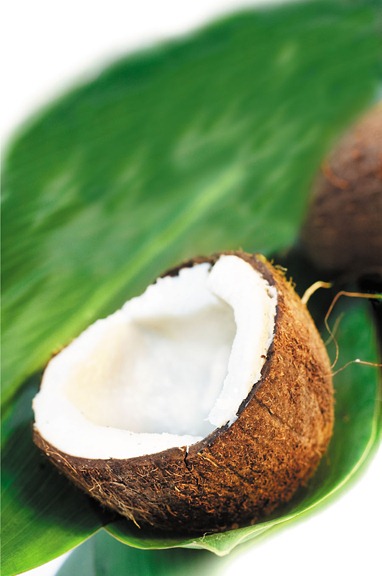

Coconut flour is a great gluten-free alternative flour. I’ve been baking with coconut flour for several years, mainly because of its low-carbohydrate nature. Plus, I’ve enjoyed the creativity others have put into developing tasty recipes. Besides being a nice alternative to wheat flour, coconut flour has many benefits.
- Low in carbohydrates
- High in fiber
- Rich in protein
- Very filling
Keep in mind that since coconut flour is not grain based and contains no gluten, it does not perform like wheat flour. Because coconut flour is very absorbent, only small amounts are used. Sifting coconut flour is a good idea because it tends to clump. And lastly, coconut flour is dry so any recipe you see will require lots of eggs.
I have bought coconut flour at Whole Foods but I’ve found it less expensive to order online.
Tropical Traditions – they also have hundreds of recipes using coconut flour
Sweet Recipes
Coconut Flour Bread from Nourished Kitchen
Strawberry Muffins with Strawberry Cream Cheese Frosting

Coconut Flour Cake from Nourished Kitchen
Miscellaneous coconut flour recipes
Wood Butter – A Recipe for Your Utensils!
Posted: May 20, 2012 Filed under: In The Kitchen with Millie- How To's Leave a comment
Several months ago Wendi with Bon Appetit Hon, did a post on Wood Butter; like you I had a moment of Huh? What? Well, typically called Spoon Oil, Wendi had decided that Wood Butter fit better and I agree; leave it to another food person to put the perfect name on this elixir that is so simple but so perfect for the care of the wood items we use in the kitchen. A necessity but also a bit indulgent…yes, butter is perfect! We need to take special care of our wood kitchen items in Denver due to the low humidity in our environment and I can be as lax as the next person. Making your own ‘wood butter’ makes it simple and inexpensive too.
Though Wendi had to find an online resource for the beeswax part of the magic, I was lucky to find a local resource. Redi-Arts carries it here in Jacksonville.
The process is easy but can be messy. Most ‘recipes’ include heating the wax in a mid size Ball jar in hot water and adding warmed mineral oil to the wax once it is melted. I preferred using a large glass measuring cup with a pour spout as I was going to be pouring the combined liquid into a whole bunch of small jars. I also used a funnel just for canning and it worked perfectly. The only negative to this method is the removal of the wax from the measuring cup and funnel. I decided since I’ll be doing this again, I’ll just save those two utensils just for this process and candle making and not worry about the residue layer that remained inside each.

What better way to show you the magic of Wood Butter than a Before and After photo. Totally untouched, promise. Everything in this photo has been treated with an application of wood butter including the bottom board. Simply apply a bit to a paper towel or a piece of cheesecloth and rub a dollop onto the surface until it’s rubbed in. The bowl in front was an inexpensive one I purchased from World Market and it was apparently never supposed to touch water. It did, I thought it ruined but ‘the butter’ did the trick. I found the wooden rolling pin at a yard sale and can’t believe the difference myself. All of my cutting boards have a renewed luster; in fact they seem new again. It is not a sage compound butter but it is a miracle butter!
Millie; I NEVER use mineral oil, it’s a petroleum product and highly carcinogenic. Replace the mineral oil in this tutorial with coconut oil (I also eat it and use it on my skin!)… You CAN skip the beeswax and just use coconut oil but the beeswax offers more protection. Remember; NEVER put your wooden utensils in the dishwasher! Do not leave them in the dish water either…
For Instructions and Full Post…
Keep Your Knives Out of the Utensil Drawer to Keep Them Sharp and Happy
Posted: May 8, 2012 Filed under: In The Kitchen with Millie- How To's Leave a comment

From Lifehacker
BY ALAN HENRY

If you keep your cooking knives in a drawer with the rest of your utensils, you may be doing some serious damage to them, partially because they’re rattling around in there and bumping up against other utensils, and partially because they’re running into corners and the sides of your cabinets. In addition to keeping them sharp and well-honed, getting them out of that cabinet will drastically improve their longevity.
Over at Kitchen Daily, they run down a list of common knife storage and cleaning mistakes that could be inadvertently dulling your blades, but keeping them in the utensil cabinet is one of the bigger ones we can see more people doing, especially if you don’t have a block to keep them in. They even have a great shot of a damaged knife that was improperly stored to prove the point. So what do you do? We’ve already discussed why you should skip block sets and buy one or two good knives instead, but if you have loose blades, how do you keep them if you don’t put them in a drawer?
You could always pick up some knife sleeves or a knife roll if you have to keep them in the drawer, or store them on the wall with a DIY magnetic knife strip. If you have a block, you can always try turning the blades upside down to keep them from dulling as you remove and replace them. How do you store your knives? Let us know in the comments.
How To Care For Kitchen Knives: 6 Common Mistakes | Huffington Post
160 Uses for Coconut Oil
Posted: May 4, 2012 Filed under: In The Kitchen with Millie- How To's, Non-Toxic Choices, Skin Care Leave a comment
By Jennifer – Hybrid Rasta Mama
Coconut Oil – An Overview
Offering a myriad of health benefits, coconut oil is affordable, readily available and completely natural. I use it for EVERYTHING. Literally. I buy it in 5 gallon increments and keep it all over my house. I even have some in the car. So here is a little information to inspire you to check out this amazing oil!
Coconut Oil Is:
- Anti-bacterial (kills bacteria that cause ulcers, throat infections, urinary tract infections, gum diseases, and other bacterial infections)
- Anti-carcinogenic (coconut oil has antimicrobial properties so it effectively prevents the spread of cancer cells and enhances the immune system)
- Anti-fungal (kills fungi and yeast that lead to infection)
- Anti-inflammatory (appears to have a direct effect in suppressing inflammation and repairing tissue, and it may also contribute by inhibiting harmful intestinal microorganisms that cause chronic inflammation.)
-
Anti-microbial/Infection Fighting (the medium-chain fatty acids and monoglycerides found in coconut oil are the same as those in human mother’s milk, and they have extraordinary antimicrobial properties. By disrupting the lipid structures of microbes, they inactivate them. About half of coconut oil consists of lauric acid. Lauric acid, its metabolite monolaurin and other fatty acids in coconut oil are known to protect against infection from bacteria, viruses, yeast, fungi and parasites. While not having any negative effect on beneficial gut bacteria, coconut oil inactivates undesirable microbes.)
- An Antioxidant (protects against free-radical formation and damage)
- Anti-parasitic (fights to rid the body of tapeworms, lice and other parasites)
- Anti-protozoa (kills giardia, a common protozoan infection of the gut)
- Anti-retroviral (kills HIV and HLTV-1)
- Anti-viral (kills viruses that cause influenza, herpes, measles, hepatitis C, SARS, AIDS, and other viruses)
- Infection fighting
- Has no harmful for discomforting side effects
- Known to improve nutrient absorption (easily digestible; makes vitamins and minerals more available to the body)
- Nontoxic to humans and animals
Daily Dosage:
Here is a chart outlining the recommended daily dosage of virgin coconut oil for persons over the age of 12. Coconut oil may be consumed by children under 12 but it is advisable to check with a healthcare practitioner on the proper dosage. Any good naturopath will have the information at the ready. (Starting at 12 months of age, I gave my daughter one teaspoon per day and she weighed about 16 pounds at that time.)
Weight in pounds
Number of tablespoons of coconut oil daily
175+ 4
150+ 3 1/2
125+ 3
100+ 2 1/2
75+ 2
50+ 1 1/2
25+ 1
Type of Coconut Oil to Use:
- Virgin (unrefined) coconut oil tastes and smells coconutty and is great for cooking and baking where you want that flavor. You can use it for anything but it will impart a coconut taste (mild) and odor (pleasant in my book)! Unrefined coconut oil retains the most nutritional value and is superior to refined oil.
- Expeller pressed (refined) coconut oil can be used for anything. It does not have a coconutty smell or taste. It is still outstanding to use but does lose some of it’s health properties during the refining process.
- Food grade should always be used.
Millie; I use Tropical Traditions Coconut Oil and Cream
160 Uses for Coconut Oil
Coconut Oil for Personal Hygiene/Body
1. Age Spots (also known as liver spots) – applying coconut oil directly to the age spot will help it fade.
2. After Shave – coconut oil will help heal your skin after shaving without clogging pores. Great for razor burn!
3. Baldness – apply three times a day to affected area of hair loss. Coconut oil supports cell regeneration.
4. Birth Marks – can be used after a laser removal treatment to aid in healing. Can also be applied after an apple cider vinegar treatment to help support and aid the fading process.
5. Body Scrub – mix coconut oil and sugar together and rub all over! Rinse off and your skin will be super soft! You can add in essential oils if you would like a specific smell.
6. Bruises – applied directly to the bruise, coconut oil enhances the healing process by reducing swelling and redness.
7. Bug Bites – when applied directly to a bug bite, coconut oil can stop the itching and burning sensation as well as hasten the healing process.
8. Burns – apply to burn site immediately and continue applying until healed. Will reduce the chances of permanent scarring and promotes healing.
9. Chapstick – just rub a little into lips and it not only acts as a softening agent but it also has an SPF of about 4 so you get a little protection!
10. Cradle Cap – having issues with dry skin on your baby’s scalp? Coconut oil will not only nourish your baby’s skin, it also helps eliminate cradle cap. Just rub a teaspoon onto scalp daily.
11. Dandruff – coconut oil soaks into the scalp moisturizing dry skin and relieves symptoms of dandruff. It also helps to control oil secretion from the scalp, another leading cause of dandruff
Hollandaise Sauce
Posted: April 10, 2012 Filed under: Food and it's Impact on Our Health, In The Kitchen with Millie- How To's Leave a commentHollandaise Sauce
Set up a double boiler (or a glass or stainless steel bowl over hot water, just shy of simmering..
For one serving use 1 egg.
Whisk yolk in bowl over hot but not boiling water. When egg gets hot but still runny, add 1-2 Tablespoons butter. Keep whisking.
When it starts to thicken, remove from heat and add a few squeezes of lemon juice. Add salt and pepper to taste. Douse your breakfast or veggies or salmon with it.
If it gets too thick, whisk in a bit of hot water.
My Favorite Tips/Practices in the Kitchen
Posted: April 9, 2012 Filed under: In The Kitchen with Millie- How To's 2 Comments
Most important; Shoes off, music on, favorite beverage in hand — enjoy your time in the kitchen.
1) USE a spatula- the single most important tool in your kitchen to avoid waste…many people do not take the time to get the last bit of mayo or sauce or even cookie dough out of the bowl…
2) When you’re browning meat, you should blot the surface dry with a paper towel so the meat doesn’t release moisture when it hits the hot oil. Too much moisture makes the meat steam instead of sear, and you will lose that rich brown crust.
3) After working with garlic, rub your hands vigorously on your stainless steel sink for 30 seconds before washing them. It will remove the odor.
4) After making eggs sunny-side up, deglaze the pan with sherry vinegar, or beef or chicken stock then drizzle the sauce on the eggs to add another dimension to the dish.
5) Remember schmaltz? Your mom and grandmother probably used a lot of it in their home cooking. Schmaltz, or chicken fat, has a great flavor and richness; it has a deeper flavor than duck fat and can be used on nearly everything. I also love poaching fish in it. Just make sure you are using organic chickens…otherwise it’s better to not eat the fat…too toxic.
6) Always season meat and fish evenly; sprinkle salt and pepper as though it’s “snowing.” This will avoid clumping or ending up with too much seasoning in some areas and none in others.
7) For best results when you’re baking, leave butter and eggs at room temperature overnight.
8) For an easy weeknight meal, save and freeze leftover sauces from previous meals in ice cube trays. The cubes can be reheated in a sauté pan when you need a quick sauce.
9) Instead of placing a chicken on a roasting rack, cut thick slices of onion, put them in an oiled pan, then place the chicken on top. The onion will absorb the chicken juices. After roasting, let the chicken rest while you make a sauce with the onions by adding a little stock or water to the pan and cooking it for about 3 minutes on high heat.
10) A braised or slow-roasted whole beef roast or pork shoulder can be made into several dishes and sandwiches all week.
11) Fresh basil keeps much better and longer at room temperature with the stems in water.
12) When you grill, or pan fry, pull your steaks out of the refrigerator one hour ahead of time so they can come to room temperature.
13) To optimize the juice you get from a lemon or lime, roll it hard under your palm for a minute before juicing.
14) Don’t be afraid to ask the butcher or fishmonger to see the products up close and to smell for freshness. Fish should never smell fishy.
15) When baking cookies, be sure your dough is thoroughly chilled when it goes on your baking pan. This will allow the leavening ingredients to work before the butter flattens out and your cookies lose their textural distinctions
16) Wash potatoes after you peel them, they will be way easier to peel when dry.
Almond Shortbread Cookies
Posted: April 8, 2012 Filed under: In The Kitchen with Millie- How To's Leave a comment
Makes 8.
6 tablespoons (3/4 stick) chilled unsalted butter, cut into 8 pieces
1/4 cup (packed) golden brown sugar
3/4 teaspoon vanilla extract
Pinch of salt
3/4 cup tapioca flour
1 tablespoon arrowroot
1/4 cup sliced almonds (about 1 ounce)
Preheat oven to 375°F.
Place 9-inch-diameter metal pie pan in freezer to chill. Combine butter, brown sugar, vanilla and salt in processor. Blend until smooth, about 20 seconds. Add flour and arrowroot. Using on/off turns, process until dough clumps together. Press dough evenly onto bottom of chilled pie pan. Sprinkle almonds over dough, press almonds lightly into dough to adhere. Freeze until chilled, about 5 minutes.
Bake shortbread until edges are golden brown, about 22 minutes. Transfer pan to rack. Cut warm shortbread into 8 wedges; cool completely in pan.
(Can be prepared 1 day ahead. Cover; store at room temperature.)
Mango Crème Brulee – Dairy Free and Decadent
Posted: April 8, 2012 Filed under: In The Kitchen with Millie- How To's Leave a comment
Makes 6 Servings
- 2 cups Almond Milk
- 2 cup coconut Milk
- 1/2 tsp. Vanilla
- 10 Egg yolks
- 3/4 cup Sugar, granulated
- 1/2 cup Mango puree
- 2 T. Sugar, granulated
Method
Combine cream and vanilla in a saucepan. Scald and remove from heat. Let cool for 15 minutes.
Place egg yolks and sugar in mixing bowl, mix using wire whisk. Slowly incorporate cream into sugared egg yolks. Stir in mango puree and mix well. Do not over mix.
Pour mixture into Brule dishes or ramekins. Create a “bain marie” by placing filled brulee dishes in a deep baking pan and adding 1 inch of water to the same pan. Bake in preheated oven at 325 degrees F for 1 hour. Remove and refrigerate overnight.
To serve sprinkle 1 tsp. sugar over each crème brulee. Glaze in top broiler or with small torch.


 Meal Delivery Service by Millie Barnes
