saving electricity
Posted: December 17, 2008 Filed under: Going Green; How and Why... Leave a comment
This website tells you, in plain English, how to really save electricity. He has calculators to figure exactly how much electricity everything in hour house uses, factoring in what you pay per kilowatt. He tells you the why of it, not just how.
No Impact Man- my hero!
Posted: December 4, 2008 Filed under: Going Green; How and Why... | Tags: Going Green; How and Why..., no impact Leave a commentNo Impact Man
Here is how Colin Beaven describes his experiment to live in NY City for one year while keeping his carbon footprint as small as possible;
“A Guilty Liberal Finally Snaps, Swears Off Plastic, Goes Organic, Becomes a Bicycle Nut, Turns Off His Power, Composts His Poop and, While Living In New York City, Generally Turns Into a Tree-Hugging Lunatic Who Tries to Save the Polar Bears and The Rest of the Planet from Environmental Catastrophe While Dragging His Baby Daughter and Prada-Wearing, Four Season-Loving Wife Along for the Ride.”
I love his blog, have been following it for about a year and a half. It’s very motivating, and hilarious.
Link- No Impact Man
Make your own Natural Cleaning Products
Posted: December 4, 2008 Filed under: Going Green; How and Why... | Tags: natural cleaning products, non-toxic home 1 CommentClean and Green: Natural Cleaning Formulas
Here’s a collection of my favorite natural cleaning formulas . MOST are safe and nontoxic, with a few exceptions which are clearly noted. Use the ingredients listed below when making your own alternative cleaners, most are inexpensive and you probably already have many of them in your kitchen. All can be found at your local supermarket, natural food store or drugstore. Used individually or combined, these cleaners are safe, effective and cost-efficient.
BAKING SODA (sodium bicarbonate): An all-purpose, non-toxic cleaner. Cleans, deodorizes, removes stains and softens fabrics.
BORAX (sodium borate): A natural mineral that kills mold and bacteria. An alternative to bleach, it deodorizes, removes stains and boosts the cleaning power of soap. Please note safety precautions at the bottom of this page.
CASTILE and VEGETABLE OIL BASED SOAPS: Cleans everything
CORNSTARCH: Starches clothes, absorbs oil and grease
LEMON JUICE: Cuts through grease and removes perspiration and other stains from clothing. A bleach alternative. I collect antique clothing, and sometimes they yellow with age. Soak the spot, or the whole piece, in lemon juice then hang in the sunshine for the day. Repeat if needed. The yellowing will be gone. Rinse well. This also works for Lenin, which you cannot use regular bleach on!
SALT (sodium chloride): An abrasive
TOOTHPASTE: A mild abrasive
VINEGAR (acetic acid): Cuts grease, removes stains and is an excellent water softener.
WASHING SODA (sodium carbonate): Cleans clothes, softens water, cuts grease and disinfects. Increases the cleaning power of soap.
Hints:
· To save time and money, make your cleaners in advance and buy the ingredients in bulk for cost savings and to avoid excess packaging..
· Make large batches of the recipes and store them in reusable airtight plastic containers and spray bottles. Using a pretty spray bottle or container makes cleaning days more fun and pleasant.
· Label all of your ingredients and keep them out of reach of children. While most of these all-natural cleaners are not poisonous, some can be harmful or even fatal if swallowed by children or pets. See specific safety precautions at the bottom of this page.
· Add your favorite essential oils or herbs to any of these formulas for fragrance
Disinfectants:
1. Regular cleaning with plain soap and hot water will kill some bacteria.
2. Borax has long been recognized for its disinfectant and deodorizing properties. Mix 1/2 cup Borax into 1 gallon hot water or undiluted vinegar and clean with this solution.
3. Mix a half-cup of borax with 1 gallon hot water. Add a few sprigs of fresh thyme, rosemary or lavender. Steep for 10 minutes, strain and cool. Or add essential fragrant oils instead of fresh herbs. Store in a plastic spray bottle.
4. 2 tablespoons borax, 1/4 cup lemon juice, 2 cups hot water. Combine the borax and lemon juice with the water in a spray bottle. Use as you would any commercial all-purpose cleaner.
5. Isopropyl Alcohol is an excellent disinfectant. Sponge on and allow to dry. Use in a well-ventilated area and wear gloves.
Glass Cleaners:
Windows and Mirrors:
If you use a microfiber cloth to clean windows, you will not need any cleaner, just water! You can get them at Target.
· Use undiluted vinegar in a spray bottle or
· Equal parts vinegar and water in a spray bottle or
· No-Streak Glass Cleaner: 1/4 cup white vinegar, 1 tablespoon cornstarch, 1 quart warm water
· Mix the ingredients and apply with a sponge or pour into spray bottle and spray on. Wipe dry with crumpled newspaper, buff to a shine. (Use crumpled newspaper instead of paper towels for lint-free results.
· Rubbing alcohol is effective in place of glass cleaner.
Scouring Powders:
Use a non-chlorine scouring powder such as Baking Soda or Dry Table Salt. These are mild abrasives and can be used as an alternative to chlorine scouring powders. Simply put either baking soda or salt on a sponge or the surface, scour and rinse.
Non-Abrasive Soft Scrubber:
1/4 cup borax
Vegetable-oil based liquid soap (such as Murphys Oil Soap)
1/2 teaspoon lemon oil
In a bowl, mix the borax with enough soap to form a creamy paste. Add lemon oil and blend well. Scoop a small amount of the mixture onto a sponge, wash the surface, then rinse well.
Bathroom Cleaners:
Toilet Bowl Cleaners:
1. Baking Soda and Vinegar: Sprinkle baking soda into the bowl, then squirt with vinegar and scour with a toilet brush. Cleans and deodorizes.
2. Borax and Lemon Juice. For removing a stubborn stain, like toilet bowl ring, mix enough borax and lemon juice into a paste cover the ring. Flush toilet to wet the sides, then rub on paste. Let sit for 2 hours and scrub thoroughly. For less stubborn toilet bowl rings, sprinkle baking soda around the rim and scrub with a toilet brush.
3. 1 cup borax, 1/2 cup white vinegar. Flush to wet the sides of the bowl. Sprinkle the borax around the toilet bowl, then spray with vinegar. Leave for several hours or overnight before scrubbing with a toilet brush.
4. Denture tablets are an excellent substitute for toilet cleaner. Drop two tablets into the bowl and clean as you would with toilet cleaner.
5. Liquid castile soap and baking soda or Borax, scrub with a toilet brush.
Drain Cleaner:
For slow drains, use this drain cleaner once a week to keep drains fresh and clog-free.
1/2 cup baking soda
1 cup white vinegar
1 gallon boiling water
1/2 a used lemon
Pour baking soda down drain/disposal, followed by vinegar. Allow the mixture to foam for several minutes before flushing the drain with boiling water.
Tub And Tile Cleaners:
1. Baking Soda. Sprinkle baking soda like you would scouring powder. Rub with a damp sponge. Rinse thoroughly.
2. Vinegar and Baking Soda. To remove film buildup on bathtubs, apply vinegar full-strength to a sponge and wipe. Next, use baking soda as you would scouring powder. Rub with a damp sponge and rinse thoroughly with clean water.
3. Vinegar. Vinegar removes most dirt without scrubbing and doesn’t leave a film. Use 1/4 cup (or more) vinegar to 1 gallon water.
4. Baking Soda. To clean grout, put 3 cups baking soda into a medium-sized bowl and add 1 cup warm water. Mix into a smooth paste and scrub into grout with a sponge or toothbrush. Rinse thoroughly and dispose of leftover paste when finished.
5. Rub the area to be cleaned with half a lemon dipped in borax. Rinse well, and dry with soft cloth.
Porcelain Cleaner:
Cream of Tartar. To clean porcelain surfaces, rub with cream of tartar sprinkled on a damp cloth.
Rust Stain and Hard Water Deposit Remover:
Apply full-strength vinegar or lemon juice and let stand until spot disappears, rinse. Repeat if necessary.
Kitchen Cleaners:
Oven Cleaners:
1. The first step is prevention. Put a sheet of aluminum foil on the floor of the oven, underneath but not touching the heating element.
2. Clean up the spill as soon as it occurs.
3. While the oven is still warm, sprinkle salt or baking soda on the spill. If the spill is completely dry, wet the spill lightly before sprinkling on salt. When the oven cools, scrape away the spill and wash the area clean.
4. Baking soda, water; salt; vegetable oil-based liquid soap. Sprinkle water on oven bottom. Cover with baking soda. Let sit overnight. Wipe off and apply liquid soap with scouring pad. Rinse.
5. Retard grease buildup in your oven by dampening your cleaning rag in vinegar and water before wiping out your oven.
6. Sprinkle/spray water followed by a layer of baking soda. Rub gently with a very fine steel wool pad for tough spots. Wipe off scum with dry paper towels or sponge. Rinse well and wipe dry.
7. 2 tablespoons vegetable oil-based liquid soap, 2 tablespoons borax: Mix the soap and borax in a spray bottle. Fill the bottle with hot water and shake well. Spray on oven and leave for 20 minutes. Scrub off.
8. LAST RESORT ONLY: Fill a small glass bowl with 1/2 cup full-strength ammonia, place in oven and close. Let stand overnight, then wipe loosened dirt with paper towels or newspapers. If necessary, rub surfaces with an abrasive, such as fine steel wool, then wash with warm soapy water and rinse. Repeat process if necessary. Provide plenty of fresh air and wear gloves.
Counter Tops/Kitchen Surfaces:
Pots and Pans:
1. Burned, and crusted on foods; Soak or boil a solution of 2 tbs. baking soda per qt of water in each pan. Let stand until particles are loosened, then wash as usual. Use a mild or moderate abrasive if necessary.
2. To clean a greasy pan easily, add 1 or 2 teaspoons of baking soda to the water in which it is soaking.
Copper pan cleaner:
Sprinkle surface of pans with coarse salt. Rub salt into stains with the cut half of a fresh lemon.
No-Stick Cookware:
To remove stains from non-stick surfaces, pour a solution of 1 cup water, 2 tbs. baking soda into a pan, simmer 5 to 10 minutes. Do not allow mixture to boil or to boil over the side of the pan. Wash in hot soapy water, rinse and dry. Apply a light coating of cooking oil. Non-stick pans build up dark spots if you cook in them on heat above the medium setting. Also, if you cook with Pam or other sprays, or vegetable oils, such as olive oil. For your pans sake, but mostly for your health, NEVER cook with vegetable oils, they should never be heated (they are for flavor or dressings and mayonnaises. Use organic butter or coconut oil.
Baking Dishes – Enamel, Ceramic or Glass:
Soak in hot soapy water, then scour with salt or baking soda and rinse thoroughly.
Dishes:
1. I use 7th Generation for dishes.
2. Use liquid or powdered soap instead of detergents – which are petroleum-based. In dishwashers, use equal parts borax and washing soda.
3. Use Baking soda and liquid soap
Drinking Glasses:
1. Occasionally soak drinking glasses in a solution of vinegar and water to really get them clean. Makes them sparkle!
2. When a quick dip for crystal glassware is needed, prepare a solution of baking soda in tepid-cool water (l level teaspoon to a quart) and brush with a soft toothbrush. Very good for glass coffee makers and thermos jugs too.
Silver:
1. Use toothpaste instead of toxic silver cleaner to clean and brighten even your best silver. Use an old soft bristled toothbrush and warm water.
2. Rub with a paste of baking soda and water.
3. To magnetize tarnish away, soak silver in salted water in an aluminum container; then wipe clean.
4. Soak in boiling water, baking soda, salt, and a piece of aluminum foil.
5. When a quick dip for silverware is needed, prepare a solution of baking soda in tepid-cool water (l level teaspoon to a quart) and brush with a soft toothbrush.
Brass:
Mix equal parts salt and flour with a little vinegar, then rub.
Chrome:
Rub with undiluted vinegar.
Copper:
Rub with lemon juice and salt, or hot vinegar and salt.
Stainless Steel:
Rub with a paste of baking soda and water.
Automotive Cleaners and Care:
Windshield Wiper Frost Free Fluid
Mix 3 parts vinegar to 1 part water and coat the car windows with this
solution. This vinegar and water combination will keep windshields ice and frost-free.
Miscellaneous Cleaners:
Candles/Wax:
Sponge with a piece of cotton dipped in rubbing alcohol.
Grease Cutters:
Paint Brushes:
Soften hard paintbrushes in hot vinegar for a few minutes. Then wash paintbrush in soap and warm water and let dry.
Rust Remover:
1. To remove rust from tin-ware, rub with a peeled potato dipped in a mild abrasive such as baking soda or salt.
2. Aluminum Foil. Briskly scrub rust spots on car bumpers with a piece of crumpled aluminum foil, shiny side up.
Stain and Spot Removers:
1. Concrete Grease Spot Remover: To remove grease from concrete flooring sprinkle dry cement over grease. Allow it to absorb the grease, then sweep up.
2. Ink Stains: Use a non-aerosol hair spray to remove ink stains.
Recipe for Making Your Own Laundry Detergent:
1 cup soap flakes *
1/2 cup washing soda
1/2 cup 20 Mule Team Borax
Mix the soap flakes in a pan with 3 pints of water over medium heat, until it all dissolves, roughly 3 to 5 minutes. Stir in the washing soda and Borax. Mix until everything thickens, another 3 minutes or so, then remove from heat. Put 1 quart of hot water in a 2 gallon bucket, then add the soap mixture you just made. Mix well.
Now fill the bucket with the mixture with cold water. Stir until well blended. It will thicken and separate as it cools. Stir or shake well before using. Use 1/2 cup for each load, or more for very dirty items.
Note: washing soda is sodium carbonate and belongs in the same family as baking soda. However it has a pH of 11 and is much more caustic. In concentrated doses washing soda can remove paint and wax! Be sure to wear rubber gloves when using washing soda. Do not use on aluminum or fiberglass. Be sure to follow all manufacturers instructions.
An average gallon of laundry detergent is around $5.00. This recipe is environmentally friendly, and costs about 25 cents per gallon (1/20th the cost!), so you save the green in two ways!
*Soap flakes turned out to be harder to find than either borax or washing soda. Ivory stopped making soap flakes in 1993, the last major manufacturer to do so. Grating any pure soap, such as Castile (e.g. Dr. Bronners) works fine. I used my Microplane grater (available at kitchen specialty stores like Sur La Table or Williams Sonoma) the greatest grater ever made and achieved a very light fluffy soap flake.
Note: Green Home
Toxins in Your Home
Posted: December 3, 2008 Filed under: Going Green; How and Why... | Tags: natural skin care, toxins 1 CommentToxins In Your Home
Cleaning your house can make you sick! An EPA report found that household cleaners are three times more likely to cause cancer than outdoor pollutants! And “trusted” brands are not necessarily trustworthy. Lysol Spray, Ajax Cleaner and Crest Tarter Control all topped the Cancer Prevention Coalition’s “Dirty Dozen” list of products with known carcinogens.
Here is an article that will show you just how toxic food packaging and some of the things we use on day to day basis are-
What can we do? Buy food that doesn’t need packaging, as much as possible. A banana or avocado already come in a perfect package; the skin! Take bags with you to the store, just like all of us old hippies were doing in the seventies! Did you know that San Francisco has just banned any plastic shopping bags that are not recycled? Here is a link to a company offering shopping bags- EnviroSax.
Get rid of Teflon!!! Not convinced yet? Read this!- Dangers of Teflon
Around the house there are many products you can use to clean with that are just as effective as the stronger toxic products. Here is a list of the cleanest ones-
Automatic Dish Detergents- Life Tree Seventh Generation (available at PUBLIX!)
All-purpose Cleaners – Dr. Bronner’s Peppermint Pure Castile Soap, Seventh Generation
Carpet Cleaners- Granny’s Old Fashioned Products, Infinity Heavenly Horsetail liquid detergents
Floor Cleaners – Infinity Heavenly Horsetail, Life Tree Home Soap , Murphy Oil Soap, Sodasan All-purpose Cleaner
Disinfectants – Power Herbal Disinfectant and Deodorizer
Bleach- Seventh Generation
Hand Dish-washing Soap- Ecover
Laundry Products – Earth Friendly Products, Ecover , Life Tree, Seventh Generation
My Personal Favorites:
Soapnuts
Seventh Generation Laundry Soap
Citri Solv Dishwashing Liquid
Citri Solv Concentrated Cleaner (make a batch in a spray bottle)
Baking Soda for Oven Cleaner
Microfiber cloths for cleaning– you can use them for cleaning mirrors and for dusting with NO cleaner. They really work! I get mine at Target.
Dr Bonners Hemp or Lavender Soap for bathing.
I make my own facial cleaner, toners and moisturizers. They are available for sale– I have been making them for about three years, they are so clean you can eat them, my daughters and clients LOVE them! Buy them here– Millie’s Skin Care Products. Or you can buy the recipe for my cleaner and toner– see info on the same page.
My Present Level of "Green Living".
Posted: December 2, 2008 Filed under: Going Green; How and Why... Leave a comment1) Air dry all laundry- had a put a lock on the dryer cord to convince my daughters I was serious- they had to learn to plan ahead! I wash all laundry in cold water, always wash full loads, and use a drying rack inside if it is raining. I use soapnuts for laundry- see http://www.zamuta.com/
2) Buy all organic food, make my own stocks, coconut milk yogurt, Kombucha tea, sauces, bake completely from scratch, buy no convenience foods, very little canned goods.
3) Buy all organic non-toxic beauty care products and make-up. I make my own skin care cleanser and moisturizers. I make my own soap. I use Jane Iredale cosmetics.
4) Use baking soda and vinegar for cleaning the bathroom. I use Ms. Meyer Clean Day for dishes, Citri-Clean for counters and general purpose cleaning. I use a loofah for scrubbing dishes (I am growing my own right now so I won’t have to buy them anymore!)
5) Take cloth bags to store for groceries and all other purchases. Take muslin bags I made to grocery store for produce.
6) Recycle, re-use, make my own and have stopped buying anything I don’t really need.
7) Don’t use paper towels, never have. Used cloth diapers for all 5 kids.
8) Don’t buy stuff in plastic, I try to buy all glass. Store all food in glass. Re-use glass jars. I mostly buy real food (meat, produce) try to not buy anything that needs a label, so no packaging.
9) Have been using recycled toilet paper for years but am considering switching to cloth at home. (don’t freak, we all used that same choice when we used cloth diapers and wash clothes on our baby’s tushes!)
10) Avoid buying anything in plastic, buy food if needed in glass. I do npt store food in plastic nor cook in it. I use stainless steel pots and cast iron cookware. No non-stick pans.
11) I practice high heat composting so have not had to buy potting soil or any type of organic fertilizers. All kitchen scraps, fat, bones, liquid, goes in the compost. I have a Holland lop rabbit that contributes along with night soil and all yard clipping and leaves.
12) Use very low flow shower heads. Ace Hardware has a 1.5 GPM with a shut-off valve.
13) I built a solar shower outdoors by coiling black garden hose on roof. Gives a great fairly long very hot shower on most days here in Florida. In fact, 6 months out of the year I cannot use it early afternoon because the water is scalding. I haven’t put in a valve to mix in cold water. mainly because I usually use the shower after yard work or on weekends.
14) Use all CF light bulbs…and use them as little as possible. I have one evening a week that I use no lights..on Shabbat! Dinner by candlelight!
15) Use grey water from shower (I keep a 5 gallon bucket in shower and use it throughout the day to flush the toilet, take what’s left to the flower beds.
17) Use water from rinsing dishes to water flower beds.
18) Use a broom on all my wooden floors instead of using vacuum cleaner.
19) Run as few errands as possible, car pool and combine trips.
20) Use micro-cloths to clean with, even on glass you do not need cleaning products!
21) NEVER buy bottled water. I bought a Kleen Kanteen for each person in the family, we refill and take with us. I’ve had mine for 4 years.
22) Go paperless or CD-less as much as possible. I provide my clients with emails of my book, but still put cookbook software on Thumb drives. My new book, coming soon, is in eBook form.
23) I have most things in the house on power strips, a lot on timers; the grow lights, the computers, all the chargers. The hot water heaters gets run about every two or three days for about an hour.
24) Use only a hurricane lamp when we sit outside at night. It gives enough light to read by…but is perfect turned low …for just hanging out. Very romantic, too!
25) Use candlelight at dinner, not just on Shabbat!
26) I grow lettuce, tomatoes, Swiss chard, Beets (especially for greens), garlic, sweet potatoes, cucumbers, Malabar spinach, herbs.
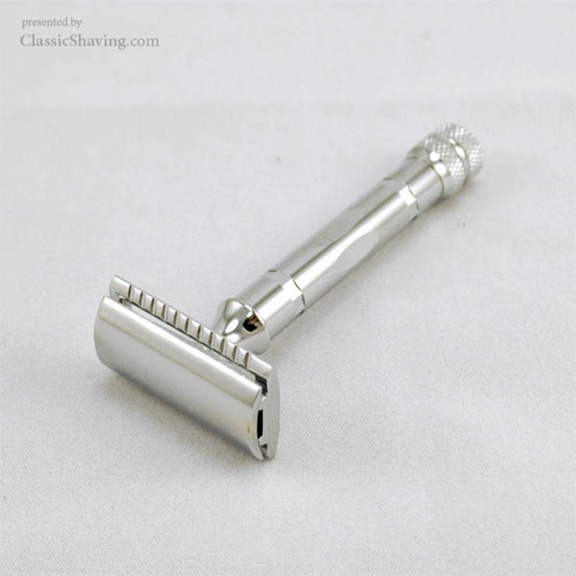 28) I use a non-disposable razor, an old-fashioned stainless steel, very high quality razor that uses double edged blades. It was 24.00 from ClassicShaving.com. The blades are 10 for 5.99, and they are double edged! They give the closest, smoothest shave you can imagine! No disposable blade can compare.
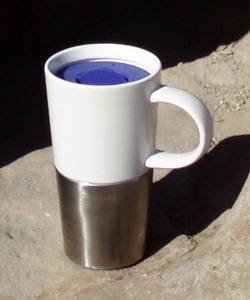
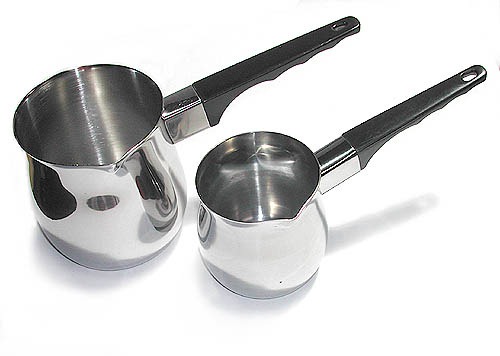
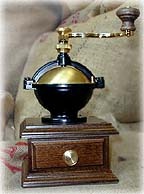

29) I hand grind my coffee beans each morning in a wonderful Zazzenhaus grinder from Sweet Maria’s along with an Ibriki that I make Turkish coffee in. I use a non-plastic coffee travel mug from Elements made from stainless steel, ceramic and a lid of silicone. It’s non-toxic and beautiful also.


 Meal Delivery Service by Millie Barnes