comment to readers comment….
Posted: June 26, 2009 Filed under: Food and it's Impact on Our Health 1 CommentSomeone wrote in to ask me if I was joking about vegetarianism being not healthy. So I followed the link to her blog and read for awhile. I found many references to soy, tempeh, tons of baked good, white sugar, food cravings, how to not over eat on desserts, weight issues, low fat foods… Cakes made with margarine (hydrogenated fats!) All breakfasts she lists are grain based. Here’s her index;
bagel bbq beans Beer biscuits bread broccoli burgers burrito cake chickpeas collard greens cookies Corn Sticks curry falafel gravy hummus ice cream kohlrabi lasagna pancakes pasta pita pizza potatoes protein quesadilla restaurant rice shepherd’s pie soup Southwestern Black Beans sprouts sushi Swiss chard syrup tea tofu
7 items in the index are actually vegetables.
I was a vegetarian for 23 years, a vegan for 8, and had problems with both ways of eating. Like most vegetarians I had food cravings continually. I have been studying nutrition since I was 18 years old. I am now 55, and in perfect health. I was never a moral vegetarian. One of my main reasons for trying to stick to veganism for so long was that there was no sources of clean meat or fats.
It took me until age 36 to realize that humans are not grain eaters, and that we are not supposed to eat cows milk. Most vegans go on and on about not eating processed foods, but eat soy not realizing it is highly processed.
I was in a meeting yesterday with a health food store owner and we were talking about those vegans who eat brownies, tofu and bean burritos thinking they are eating healthy. Several of my friends who are vegetarian and my age (55) are having issues with high blood pressure, weight gain, very low energy. I have a vegan friend who had surgery 4 years ago on her bowel, two years after liposuction…and she has not healed in spite of me and her doctor begging her to add the protein back to her diet which would help her heal. AND she is still overweight. I have another friend, a 30+ year vegan, who has lupus, chronic fatigue, can barely make it through the day, has been on anti-depressants for 20 years. Her doctor tells her that red meat is bad for her, to eat low fat. The average food intake I see, in the form of food diaries from new clients, is 1100 calories a day, about 70% from carbs. These people are malnourished.
If you are overweight you are malnourished. If you have dis-eases, you are malnourished. Disease is your bodies way of asking you to respond appropriately. A compromised immune system is always involved when you are in anything less that perfect health.
The author had a copy of the “vegan food pyramid”. The largest group was the bottom of the triangle, it was all grains, totally empty carbs. The top was oils that were in supplement form. Weeelll, doesn’t that in itself show that if we need to “supplement” then the diet is inadequate. Oils removed from the foods they originally came in are highly carcinogenic! Yet her desserts contain vegetable oils, including canola, a highly toxic oil. Heated vegetable oils produce a large amount of free radicals. (read Udo Erasmus’ work!). Heated vegetable oils, along with a diet high in sugar and grains, cause heart disease.
In short, a vegan diet is sadly lacking in necessary fats, high quality proteins. A diet that has been shown to lead to many health problems, including a suppressed immune system and obesity.
I am not trying to attack anyone here, but a vegan diet is not healthy, for us, or the planet. How we eat should not be based on a belief system, but on hard science; the diet that man has been following for thousands and thousands of years;
Healthy fats, 75% of them saturated, organic grass fed meat, vegetables and a small amount of fruit. Nothing processed, nothing out of cans or boxes. In short, real food.
let your kids be bored!
Posted: June 24, 2009 Filed under: Food and it's Impact on Our Health Leave a comment My sister and I joke that when we were kids we never knew what our homes looked like in daylight. As soon as we got home from school; as soon as we changed our clothes (yes, I know that’s a quaint idea these days); as soon as we had maybe a glass of milk, it was expected we would be out until dinnertime. The only permissible reasons to go inside were to go to the bathroom, to get a toy, or to get a sweater. Anything that lasted more than 3 minutes was suspect and quickly earned “the look”—that look from a parent that means “What are you doing inside and do I really have to speak to you?”
Weather didn’t matter. Short of a hurricane it was “Out you go!” from the adults. No matter the season, we roamed the neighborhood on bikes, collected minnows from the ditch, played in the orange grove or in the woods in our “fort”. In the summer we primitive camped for 3 months on Fish Eating Creek on the Okeechobee, off in the john boat for the day, exploring. We knew to take the oars in when we felt gators scrap the bottom of the boat. At home we played marbles, jacks, dress-up, put on plays, made mud pies, skipped rope, lived on our bikes. All this occurred without adult suggestion, guidance, or supervision.
 Yours truly on right.
What did we learn? We learned that if you want to have enough people for two teams, you don’t leave anyone out. We learned how to negotiate conflicts so we could keep everyone in the game. We learned how to create our own fun and to listen to the ideas of others. Sometimes we learned how to follow. Sometimes we learned how to lead. We learned how to turn what could have been an endless afternoon of boredom into active adventure or quiet imagining.
So much for nostalgia. Did my own kids raised in the 1980s and ’90s have the same run of the neighborhood? No. Do my neighbors with young families send their kids out into the world on their own now? Also no. The reasons are multiple and not without merit. Over the last 30 years the world has changed and parenting has changed with it. In times of Amber Alerts and the increase in single-parent and two -earner families, we find ourselves both more fearful and less available.
When the adults of the household are all working, no one is home to be backup if a kid gets sick or injured. Programs with structured activities and adult supervision have therefore taken the place of neighborhood free play in that time between the school dismissal bell and dinner. In a world that feels less safe, most of us are uncomfortable with the idea of kids being out of sight and out of touch for hours at a time. Those who can afford it enroll the kids in programs. Those who can’t sternly instruct kids to stay home with the doors locked.
Further, when our kids are home, chances are the neighbors’ kids aren’t. When we are home, many of us want to spend time with our children so we’re often involved in their play, whether at the playground, in the yard, or on a vacation. When we’re exhausted, we, and the kids, go to the TV, the video game, or online to relax or just to zone out for awhile.
An unintended result of the changes in family life and parenting style is kid dependence on adult involvement and outside structure and stimulation. No one intended to raise kids who can’t figure out what to do with a summer day. None of us meant to create a world where kids need to be supervised or isolated and kept busy to be kept safe. Few parents you ask will say (at least out loud), “I’m glad my kids are happy in front of a TV or computer when I’m too tired, too busy, or too stressed out to deal with them.”
Nonetheless, the unintended but very real consequence of so much parental involvement is a big part of a generation of kids who can’t function for very long without being told what to do, how to do it, and how to get along with the kids they have to do it with. When these kids have unscheduled and unstructured time, they quickly run out of ideas. “I’m bored” is a code phrase for “Tell me what to do.” And we adults oblige. Search “boredom and kids” on the Internet and you’ll come up with dozens of sites like these: “Boredom Busters for Kids.” 100 Craft Ideas for Bored Kids.” “Travel Games to Relieve Kid Boredom.” “Summer Boredom Relievers.” The message is clear: If the kids are bored, it’s our job as parents to fix it.
Bored Kids Are Creative Kids

Fortunately, researchers are taking a new look. It turns out that boredom is good for kids. When kids are allowed to have nothing to do—including being cut off from the ubiquitous screens—they start to feel restless. When adults kindly refuse to fill the gap in the action, they get frustrated. When they can’t turn to the external world, they start to turn to the internal one. Restlessness + Frustration + Inner reflections are the ingredients of Creativity. The kids start to look around on their own for something to occupy their minds and their bodies. Since most kids are good kids, they usually don’t resort to mischief. Instead, they invent, they make art, they explore, they read, and they look for other kids to interact with in person instead of on a screen. This creative play is the much-needed rehearsal for kids to become innovative, creative, socially adept adults.
How Parents Can Help
Here are just a few ideas to help you get started:
- Make sure that “I’m bored” doesn’t mean “Please be with me.” Kids do need a strong dose of parental attention every day. Spend some time actively listening and sharing. Once a good deposit has been made in the “attention bank,” most kids get on with their own activities quite happily.
- Take the time to transition. If it’s a new idea to your kids that you’re not the family activity director, give them notice that you’re stepping down. Brainstorm with them what they can do when there’s nothing on the schedule or they find themselves with time on their hands. (Be sure to include doing nothing and taking naps as legitimate.) Reduce your time as director in steps so they don’t feel abandoned or scared.
- Model the creative use of downtime. Let the kids see you read a book, pursue a hobby, or putter around. You may find that “withdrawal” from screens is as difficult for you as it is for the kids but it’s worth doing. You’re likely to find that you still enjoy other leisure activities or that reading a good novel really is better than a reality TV show.
- Plan for unscheduled, unstructured, unhurried time each day. If the kids are in after-school care, perhaps the time between getting home and having dinner can be “alone time.” Make sure that weekends include time for unstructured play.
- Cut down on the amount of time on screens each day. That includes TV, movies, computer games, and video game systems. If screen time has crept up in your house, it may take some time to wean the kids but you can do it. Give them some power over it by setting a maximum time per day or per week and then let them decide how to use it.
- Provide materials but not direction. Instead of buying another video game or going out to the movies, make a visit to the crafts store for art supplies. A weekly family trip to the library ensures that everyone always has something new to read. Unearth any building toys (like Legos and blocks) from the bottom of the toy box. Make a “dress up box.” And don’t overlook the potential of packaging. See if the local appliance store will give you one of the boxes from a washer or dryer. It will fast become a house, a castle, or a fortress. Resist the urge to remind the kids about what’s on hand. If it’s there, they will find it.
- Resist the temptation to rescue the kids when they say they’re bored or when they seem to be at loose ends. Instead, let them know you have complete confidence in their ability to figure out how to spend their time.
- Make friends with the weather. Kids are not like the witch in the Wizard of Oz. They won’t melt if they get wet. Being out in a summer rain or a winter snow brings out the creativity in kids.
- Make friends with dirt. Kids who play outside get dirty. Designate some clothes as play clothes and let the kids be as rough and tumble as they want. They’ll come in muddy but tired and happy.
- Ban the “B” word from the family vocabulary. Tell the kids that only the most boring people in the world are those who are unable to figure out something to do. Let them know you are sure they can either use the time to think and dream or to do something interesting.
As much as we might wish it, we can’t recreate the illusion of safety and the availability of stay-at-home parents of the 1950s and ’60s. The truth is, those times weren’t perfect either. But we can give our kids the gifts of regular unstructured time and our confidence they will know how to use it. Once they believe we won’t provide their entertainment every minute, their creativity will take off.
You Want Mental Health? Get into the Body
Posted: June 24, 2009 Filed under: Food and it's Impact on Our Health Leave a comment Irish author James Joyce, once wrote “Mr. Duffy lived a short distance from his body.” Well, Mr. Duffy is not alone as many of us walk around constantly in our heads with very little attention paid to the wonder of this body. This swirling of the mind often exacerbates issues of stress, anxiety, and depression. An increasing amount of people are now realizing that our heads are no longer disconnected from our bodies and that there is indeed a mind/body connection allowing for our body to play a key role in our mental health.
Just like we feel good when we’re loved, part of that includes loving our bodies. It can give us a tremendous mental boost if we are mindful of our bodies and recognizing not only the wonder that it functions the way it does, but also intentionally having gratitude for all the parts that work to facilitate that functionality.
For example, it took most of us a year or more to learn how to walk. How often do we take our legs and feet for granted? When paying attention to our legs all kinds of thoughts may come up, “my legs are too fat, too pale, too wrinkly, ahhh the cellulite.” In bring mindful attention to our bodies we’re trying to put aside our auto-pilot lenses of judgment and bring awareness to the actual part itself. So, if we’re walking, we’re noticing the sensations of walking.
What to do: See if you can notice how the knees or any joints in the bodies are often the unsung heroes allowing us to bend and move. Or even the hands, allowing us to pick up, grab, or write. Feel into the stomach, lungs, and heart, the autonomic pieces that allow for digestion, ventilation, and circulation without so much an acknowledgment or thank you most of the time.
Try and come down from the busy mind and bring mindfulness to this body, becoming aware of it and treating it well.
If you are already doing good things for it like exercise, eating healthy, getting a massage, or doing yoga, see if you can have the mindful awareness that you are loving your body in those moments, that you are really treating it well. Having this awareness makes the experience that much more meaningful and I believe supports your mental health and emotional well-being. It also reinforces the desire to do it more.
Cultivating a nonjudgmental awareness toward our bodies can have enormous benefits, even if your mind reactively says “I don’t think so.” Trust your own experience, and try it for yourself.
Effects of Modern Diet
Posted: June 23, 2009 Filed under: Food and it's Impact on Our Health Leave a commentBy Sally Fallon and Mary G. Enig, PhD
Dr. Weston Price visited Africa in 1935. His journey into the interior began in Mombasa on the east coast of Africa, inland through Kenya to the Belgian Congo, then northward through Uganda and the Sudan.
Throughout his studies of isolated populations on native diets, Price was continually struck by the contrast of native sturdiness and good health with the degeneration found in the local white populace, living off the "displacing foods of modern commerce" such as sugar, white flour, canned foods and condensed milk. Nowhere was the contrast more evident than in Africa. In addition to their susceptibility to chronic diseases such as cancer, heart disease, intestinal problems, appendicitis, gall and kidney stones and endocrinological dysfunction, the Whites also showed little resistance to infectious diseases carried by mosquitoes, lice and flies. "In all the districts, it was recognized and expected that the foreigners must plan to spend a portion of every few years or every year outside that environment if they would keep well. Children born in that country to Europeans were generally expected to spend several of their growing years in Europe or America if they would build even relatively normal bodies." By contrast, the native Africans exhibited a very high tolerance to infectious disease including malaria carried by mosquitoes, typhus and fevers transmitted by lice and sleeping sickness borne by the tsetse fly.
Africa also afforded Dr. Price the opportunity to compare primitive groups composed largely of meat eaters, with those that were mostly vegetarian. The Masai of Tankanika, Chewya of Kenya, Muhima of Uganda, Watusi of Ruanda and the Neurs tribes on the western side of the Nile in the Sudan were all cattle-keeping people. Their diets consisted largely of milk, blood and meat, supplemented in some cases with fish and with small amounts of grains, fruits and vegetables. Rich in animal fats, these diets provided large amounts of the fat-soluble vitamins Price discovered to be so necessary for proper development of the physical body and freedom from disease. The Neurs especially valued the livers of animals, considered so sacred "that it may not be touched by human hands. . . It is eaten both raw and cooked."
These tribes were noted for their fine physiques and great height-in some groups the women averaged over 6 feet tall, and many men reached almost seven feet. Examinations of their teeth revealed very few caries, usually less than 0.5%. Nowhere in his travels had Price yet found groups that had no cavities at all, yet among the cattle-herding tribes of Africa, Dr. Price found six tribes that were completely free of dental decay. Furthermore, all members of these tribes exhibited straight, uncrowded teeth.

Largely vegetarian Bantu tribes such as the Kikuyu and Wakamba were agriculturists. Their diet consisted of sweet potatoes, corn, beans, bananas, millet and Kafir corn or sorghum. They were less robust than their meat-eating neighbors, and tended to be dominated by them. Price found that vegetarian groups had some tooth decay-usually around 5% or 6% of all teeth, still small numbers compared to Whites living off store-bought foods. Even among these largely vegetarian tribes, however, dental occlusions were rare, as were degenerative diseases.
Many investigators have mistakenly claimed that Bantu groups consumed no animal products at all. Some tribes kept a few cattle and goats which supplied both milk and meat; they ate small animals such as frogs; and they put a high value on insect food. "The natives of Africa know that certain insects are very rich in special food values at certain seasons, also that their eggs are valuable foods. A fly that hatches in enormous quantities in Lake Victoria is gathered and used fresh and dried for storage. They also use ant eggs and ants." Other insects, such as bees, wasps, beetles, butterflies, moths, cricket, dragon flies and termites are sought out and consumed with relish by tribes throughout Africa. These insects are rich in the fat soluble factors found in blood, organ meats, fish and butterfat. It is significant that the vegetarian groups practiced the feeding of special foods during gestation and lactation. Apparently carnivorous groups found no need to supplement the diet, as it was already rich in the factors needed for reproduction and optimum growth.
The healthiest tribe that Price studied was the Dinkas, a Sudanese tribe on the western bank of the Nile. They were not as tall as the cattle-herding Neurs groups but they were physically better proportioned and had greater strength. Their diet consisted mainly of fish and cereal grains. This is perhaps the greatest lesson of Price’s African research-that a diet of whole foods, one that avoids the extremes of the carnivorous Masai and the largely vegetarian Bantu, but incorporates both nutrient dense grains and seafood, ensures optimum physical development.
More than 40 years after Price’s epic voyage, Doctors Edward Williams and Peter Williams wrote of their experience treating Ugandans at the Kuluva Hospital in the West Nile district of Uganda. By the late 1970’s, the nomadic cattle-herding tribes had largely disappeared. The inhabitants of the region were peasant agriculturists, a mixture of nilotic tribes, whose diet consisted of grain, usually millets, cassava flour, lentils, peanuts, green vegetables such as spinach and cabbage, and bananas, supplemented with small amounts of milk, meat and fish. They make no mention of the widespread practice of insect consumption-a common mistake among modern investigators. Millet was "processed at the homestead." Tea had become a favorite drink and sugar was very popular, with the average daily adult intake reported to be at least 100 grams. Peanut oil and cottonseed oil had been added to the diet. Both cigarettes and alcohol were available, but used only in small quantities.
The doctors associated the emergence of diabetes with sugar consumption. High blood pressure had become more common, and could usually be reduced by cutting back on sugar. Dental caries had become more frequent. But other diseases-ischemic heart disease, constipation, hemorrhoids, varicose veins, appendicitis, thyroid problems, ulcers, arthritis, anemia and kidney stones-remained rare. Their native foodstuffs still protected them against the incursion of refined foods.
In an article on the Africans of Zimbabwe, author Dr. Michael Gelfand reports that by 1980 western foods such as white bread, refined sugar, jam and tea had become popular. These were usually eaten between the main meals, which still consisted of native foods including stiff maize porridge, vegetable relish and some meat or fowl. Diabetes had increased but other diseases remained relatively rare. The exception was high blood pressure, which Gelfand discovered to be quite common when he began his medical practice in the 1940’s. He observes that hypertension in the Zimbabwe African does not seem to predispose him to coronary heart disease. Obesity is rare in Zimbabwe-whereas it is endemic among more westernized Africans living in South Africa.
Drs. Williams and Gelfand stress that the likely culprit in the slow emergence of dental caries and diabetes is not animal fat, but refined sugar. Nevertheless, their articles form part of a collection whose editors are firmly committed to the lipid hypotheses, namely that animal products and saturated fat contribute to the Western plague of atherosclerosis, diabetes, hypertension and obesity. While Weston Price’s Nutrition and Physical Degeneration moldered in obscurity, Western Diseases: Their Emergence and Prevention, edited by H.C. Trowell and D.P Burkitt received widespread recognition. Price noted that all healthy African groups had good sources of animal fat, and that the healthiest groups consumed less, not more, of plant foods; Burkitt and Trowel, however, postulate that the increase in Western diseases among Africans is due to a reduced consumption of plant foods containing dietary fiber. Heart researcher George Mann’s work is conspicuously absent from Burkitt’s Western Diseases. Mann studied the Masai tribes and came to the politically incorrect conclusion that their high fat diet did not predispose them to heart disease.
But Burkitt and Trowell are firmly committed to the McGovern Committee’s dietary goals, namely the replacement of animal products with grains, as a way to "prevent cancer and heart disease" and to "forestall world hunger." Burkitt’s writings on dietary fiber led to calls for increased amounts of whole grains in the American diet in order to prevent colon cancer and other diseases of the intestinal tract. Dietary fiber soon became a household word, and America embraced the oat bran fad.
What Burkitt and Trowell failed to recognize is that Africans do not eat their grain foods as we do in the west, in the form of quick rise breads, cold cereals, energy bars and pasta, but as a sour or acid porridge. Throughout Africa, these porridges are prepared by the fermentation of maize, sorghum, millet or cassava. Preparation "at the homestead" begins with washing the grains, then steeping them in water for 24 to 72 hours. The grain is drained and the water discarded. Soaked grains are wet milled and passed through a sieve. The hulls or leavings in the sieve are discarded. In other words, the Africans throw away the bran. The smooth paste that passes through the sieve may undergo further fermentation. Soaking water that rises to the top is discarded and the slurry is boiled to make a sour porridge. Sometimes the slurry is allowed to drain and ferment further to form a gel-like substance that is wrapped in banana leaves, making a convenient and nutritious energy bar that can easily be carried into the fields and consumed without further preparation. Often sour porridges are consumed raw as "sorghum beer" a thin, slightly alcoholic slurry that provides lactic acid and many beneficial enzymes.
Acid porridges made from grains are far superior to western grain preparations. Fermentation increases mineral availability by neutralizing phytic acid, increases vitamin content, predigests starches and neutralizes enzyme inhibitors. Insoluble fiber can cause pathogenic changes in the intestinal tract unless properly soaked in an acid medium. Oat bran, which is high in phytic acid, as well as related bran products can cause numerous problems with digestion and assimilation, leading to mineral deficiencies, irritable bowel syndrome and autoimmune difficulties such as Crohn’s disease. Case control studies indicate that consumption of cereal fiber can be linked with detrimental effects on colon cancer formation.
In his lectures, Burkitt was fond of pointing out that the typical African stool specimen was large and soft, and that stool transit times were rapid, compared to the puny hard fecal deposits and slow transit times of hapless Europeans. The large amount of fermented food, easy to digest and contributing to the health of intestinal flora, is the most likely explanation for this phenomena-fermented dairy products in European groups and fermented fish among the Eskimos accomplish the same results.
Another fermented food consumed throughout Africa, and universally ignored by most investigators, is a paste made from dried shrimp and hot peppers. This strong spicy condiment is a rich source of fat soluble vitamins-shrimp has ten times more vitamin D than organ meats! Vitamin D protects against cancer of the colon and rectum, nervous disorders such as MS and osteoporosis -all of which are extremely rare among Africans.
Several researchers have noted that along with sugar, tea and white flour, vegetable oils made from peanuts, cottonseed or soy have made inroads into the African diet. What these oils replace is highly saturated palm oil, which has been a staple in Africa for millennia. This means that overall consumption of saturated fat in Africa has declined, not increased. Like vitamin D, saturated fats play a role in protecting the intestinal tract from cancer and other diseases, and in preventing osteoporosis.
Doctors who write about diet are severely limited by their lack of familiarity with basic cooking methods. One gets the distinct impression, in reading Dr. Burkitt’s book, that none of the authors has tasted traditional African food, let along observed its preparation. Otherwise they would have known that Africans customarily cook calves feet to make broth for soups and stews. Often dried fish and shrimp are added to these stews, along with meat, peanuts and vegetables. Pieces of gristly calves foot go into the pot along with everything else and are eaten with relish. American are just beginning to discover the health benefits of beef cartilage; African have enjoyed such benefits for centuries.
Burkitt claims that salt is new to the African diet; in the same volume, however, Gefland asserts that salt has been in common use by Africans for a long period of time. Price and other have noted that in parts of Africa where salt is scarce, the natives burn sodium-rich marsh grasses and add them to their food. Milk and blood are naturally salty, as are dried shrimp and fish products that find their way inland from coastal areas. The ubiquitous fermented shrimp pastes are extremely salty.
Many traditional African foods are for sale at the Oyingbo Market in Hyattsville, Maryland-shrimp pastes, ogi flour (made from fermented millet), palm oil, dried shrimp and fish, peanuts, vegetables, liver and calves feet. But most of the shelf space is filled up with newfangled foods-BisQuick, Wesson oil, Cheerios, margarine, sugar, white bread, cookies, pasta and soft drinks. Only recent African immigrants buy the traditional items, the ones with the fine physiques and beautiful straight teeth. Younger Africans, and those who were born here, have opted for the displacing foods of modern commerce. . . and it shows. Their children are either thin or overweight and have narrow faces and crooked teeth. Modern medicine may palliate the numerous health problems that accompany such physical degeneration, but only a return to traditional foods and preparation techniques can ensure optimal health for future generations of Africans, both in America and in their home continent.
To read more about following a traditional human diet, go to the Weston Price Foundation, or buy my nutrition book or Cookbook.
Myths and Truths about Soy
Posted: June 23, 2009 Filed under: Food and it's Impact on Our Health Leave a comment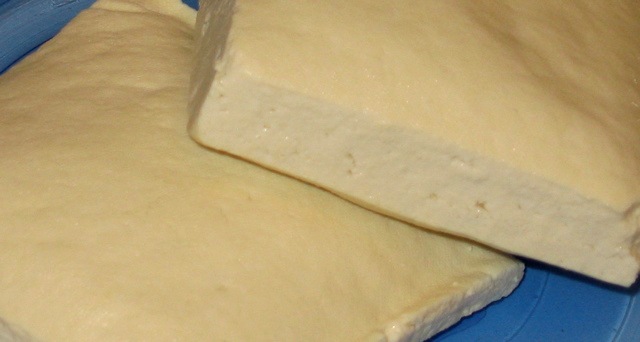
Myth: Use of soy as a food dates back many thousands of years.
Truth: Soy was first used as a food during the late Chou dynasty (1134-246 BC), only after the Chinese learned to ferment soy beans to make foods like tempeh, natto and tamari.
Myth: Asians consume large amounts of soy foods.
Truth: Average consumption of soy foods in Japan and China is 10 grams (about 2 teaspoons) per day. Asians consume soy foods in small amounts as a condiment, and not as a replacement for animal foods.
Myth: Modern soy foods confer the same health benefits as traditionally fermented soy foods.
Truth: Most modern soy foods are not fermented to neutralize toxins in soybeans, and are processed in a way that denatures proteins and increases levels of carcinogens.
Myth: Soy foods provide complete protein.
Truth: Like all legumes, soy beans are deficient in sulfur-containing amino acids methionine and cystine. In addition, modern processing denatures fragile lysine.
Myth: Fermented soy foods can provide vitamin B12 in vegetarian diets.
Truth: The compound that resembles vitamin B12 in soy cannot be used by the human body; in fact, soy foods cause the body to require more B12
Myth: Soy formula is safe for infants.
Truth: Soy foods contain trypsin inhibitors that inhibit protein digestion and affect pancreatic function. In test animals, diets high in trypsin inhibitors led to stunted growth and pancreatic disorders. Soy foods increase the body’s requirement for vitamin D, needed for strong bones and normal growth. Phytic acid in soy foods results in reduced bioavailabilty of iron and zinc which are required for the health and development of the brain and nervous system. Soy also lacks cholesterol, likewise essential for the development of the brain and nervous system. Megadoses of phytoestrogens in soy formula have been implicated in the current trend toward increasingly premature sexual development in girls and delayed or retarded sexual development in boys.
Myth: Soy foods can prevent osteoporosis.
Truth: Soy foods can cause deficiencies in calcium and vitamin D, both needed for healthy bones. Calcium from bone broths and vitamin D from seafood, lard and organ meats prevent osteoporosis in Asian countries-not soy foods.
Myth: Modern soy foods protect against many types of cancer.
Truth: A British government report concluded that there is little evidence that soy foods protect against breast cancer or any other forms of cancer. In fact, soy foods may result in an increased risk of cancer.
Myth: Soy foods protect against heart disease.
Truth: In some people, consumption of soy foods will lower cholesterol, but there is no evidence that lowering cholesterol improves one’s risk of having heart disease.
Myth: Soy estrogens (isoflavones) are good for you.
Truth: Soy isoflavones are phyto-endocrine disrupters. At dietary levels, they can prevent ovulation and stimulate the growth of cancer cells. Eating as little as 30 grams (about 4 tablespoons) of soy per day can result in hypothyroidism with symptoms of lethargy, constipation, weight gain and fatigue.
Myth: Soy foods are safe and beneficial for women to use in their postmenopausal years.
Truth: Soy foods can stimulate the growth of estrogen-dependent tumors and cause thyroid problems. Low thyroid function is associated with difficulties in menopause.
Myth: Phytoestrogens in soy foods can enhance mental ability.
Truth: A recent study found that women with the highest levels of estrogen in their blood had the lowest levels of cognitive function; In Japanese Americans tofu consumption in mid-life is associated with the occurrence of Alzheimer’s disease in later life.
Myth: Soy isoflavones and soy protein isolate have GRAS (Generally Recognized as Safe) status.
Truth: Archer Daniels Midland (ADM) recently withdrew its application to the FDA for GRAS status for soy isoflavones following an outpouring of protest from the scientific community. The FDA never approved GRAS status for soy protein isolate because of concern regarding the presence of toxins and carcinogens in processed soy.
Myth: Soy foods are good for your sex life.
Truth: Numerous animal studies show that soy foods cause infertility in animals. Soy consumption enhances hair growth in middle-aged men, indicating lowered testosterone levels. Japanese housewives feed tofu to their husbands frequently when they want to reduce his virility.
Myth: Soy beans are good for the environment.
Truth: Most soy beans grown in the US are genetically engineered to allow farmers to use large amounts of herbicides.
Myth: Soy beans are good for developing nations.
Truth: In third world countries, soybeans replace traditional crops and transfer the value-added of processing from the local population to multinational corporations.
vegetarianism is not healthy!
Posted: June 23, 2009 Filed under: Food and it's Impact on Our Health 1 CommentAs I peruse the web on different blogs and websites I keep hearing over and over that we should improve our carbon footprint by eating a vegetarian diet. But a vegetarian diet is not healthy, is lacking in enough high quality proteins and leaves you saturated fat deficient.
Along with the unjustified and unscientific saturated fat and cholesterol scares of the past several decades has come the notion that vegetarianism is a healthier dietary option for people. It seems as if every health expert and government health agency is urging people to eat fewer animal products and consume more vegetables, grains, fruits and legumes. Along with these exhortations have come assertions and studies supposedly proving that vegetarianism is healthier for people and that meat consumption is associated with sickness and death. Several authorities, however, have questioned these data, but their objections have been largely ignored.
Many of the vegetarian claims cannot be substantiated and some are simply false and dangerous. There are benefits to vegetarian diets for certain health conditions, and some people function better on less fat and protein, but for most humans and the earth, vegetarianism is a poor choice.
Let’s look at some of the myths of vegetarianism;
Myth #1: Meat consumption contributes to famine and depletes the Earth’s natural resources.
Some vegetarians have claimed that livestock require pasturage that could be used to farm grains to feed starving people in Third World countries. It is also claimed that feeding animals contributes to world hunger because livestock are eating foods that could go to feed humans. The solution to world hunger, therefore, is for people to become vegetarians. These arguments are illogical and simplistic.
The first argument ignores the fact that about 2/3 of our Earth’s dry land is unsuitable for farming. It is primarily the open range, desert and mountainous areas that provide food to grazing animals and that land is currently being put to good use.
The second argument is faulty as well because it ignores the vital contributions that livestock animals make to humanity’s well-being. It is also misleading to think that the foods grown and given to feed livestock could be diverted to feed humans:
Agricultural animals have always made a major contribution to the welfare of human societies by providing food, shelter, fuel, fertilizer and other products and services. They are a renewable resource, and utilize another renewable resource, plants, to produce these products and services. In addition, the manure produced by the animals helps improve soil fertility and, thus, aids the plants. In some developing countries the manure cannot be utilized as a fertilizer but is dried as a source of fuel.
There are many who feel that because the world population is growing at a faster rate than is the food supply, we are becoming less and less able to afford animal foods because feeding plant products to animals is an inefficient use of potential human food. It is true that it is more efficient for humans to eat plant products directly rather than to allow animals to convert them to human food. At best, animals only produce one pound or less of human food for each three pounds of plants eaten. However, this inefficiency only applies to those plants and plant products that the human can utilize. The fact is that over two-thirds of the feed fed to animals consists of substances that are either undesirable or completely unsuited for human food. Thus, by their ability to convert inedible plant materials to human food, animals not only do not compete with the human rather they aid greatly in improving both the quantity and the quality of the diets of human societies.
Furthermore, at the present time, there is more than enough food grown in the world to feed all people on the planet. The problem is widespread poverty making it impossible for the starving poor to afford it. In a comprehensive report, the Population Reference Bureau attributed the world hunger problem to poverty, not meat-eating. It also did not consider mass vegetarianism to be a solution for world hunger.
What would actually happen, however, if animal husbandry were abandoned in favor of mass agriculture, brought about by humanity turning towards vegetarianism?
If a large number of people switched to vegetarianism, the demand for meat in the United States and Europe would fall, the supply of grain would dramatically increase, but the buying power of poor [starving] people in Africa and Asia wouldn’t change at all.
The result would be very predictable — there would be a mass exodus from farming. Whereas today the total amount of grains produced could feed 10 billion people, the total amount of grain grown in this post-meat world would likely fall back to about 7 or 8 billion. The trend of farmers selling their land to developers and others would accelerate quickly.
In other words, there would be less food available for the world to eat. Furthermore, the monoculture of grains and legumes, which is what would happen if animal husbandry were abandoned and the world relied exclusively on plant foods for its food, would rapidly deplete the soil and require the heavy use of artificial fertilizers, one ton of which requires ten tons of crude oil to produce.
As far as the impact to our environment, a closer look reveals the great damage that exclusive and mass farming would do. British organic dairy farmer and researcher Mark Purdey wisely points out that if "veganic agricultural systems were to gain a foothold on the soil, then agrochemical use, soil erosion, cash cropping, prairie-scapes and ill health would escalate."
Neanderthin author Ray Audette concurs with this view:
Since ancient times, the most destructive factor in the degradation of the environment has been monoculture agriculture. The production of wheat in ancient Sumeria transformed once-fertile plains into salt flats that remain sterile 5,000 years later. As well as depleting both the soil and water sources, monoculture agriculture also produces environmental damage by altering the delicate balance of natural ecosystems. World rice production in 1993, for instance, caused 155 million cases of malaria by providing breeding grounds for mosquitoes in the paddies. Human contact with ducks in the same rice paddies resulted in 500 million cases of influenza during the same year.
There is little doubt, though, that commercial farming methods, whether of plants or animals produce harm to the environment. With the heavy use of agrochemicals, pesticides, artificial fertilizers, hormones, steroids, and antibiotics common in modern agriculture, a better way of integrating animal husbandry with agriculture needs to be found. A possible solution might be a return to "mixed farming," described below.
The educated consumer and the enlightened farmer together can bring about a return of the mixed farm, where cultivation of fruits, vegetables and grains is combined with the raising of livestock and fowl in a manner that is efficient, economical and environmentally friendly. For example, chickens running free in garden areas eat insect pests, while providing high-quality eggs; sheep grazing in orchards obviate the need for herbicides; and cows grazing in woodlands and other marginal areas provide rich, pure milk, making these lands economically viable for the farmer. It is not animal cultivation that leads to hunger and famine, but unwise agricultural practices and monopolistic distribution systems.
The "mixed farm" is also healthier for the soil, which will yield more crops if managed according to traditional guidelines. Mark Purdey has accurately pointed out that a crop field on a mixed farm will yield up to five harvests a year, while a "mono-cropped" one will only yield one or two. Which farm is producing more food for the world’s peoples? Purdey well sums up the ecological horrors of "battery farming" and points to future solutions by saying:
Our agricultural establishments could do very well to outlaw the business-besotted farmers running intensive livestock units, battery systems and beef-burger bureaucracies; with all their wastages, deplorable cruelty, anti-ozone slurry systems; drug/chemical induced immunotoxicity resulting in B.S.E. [see myth # 13] and salmonella, rain forest eradication, etc. Our future direction must strike the happy, healthy medium of mixed farms, resurrecting the old traditional extensive system as a basic framework, then bolstering up productivity to present day demands by incorporating a more updated application of biological science into farming systems.
It does not appear, then, that livestock farming, when properly practiced, damages the environment. Nor does it appear that world vegetarianism or exclusively relying on agriculture to supply the world with food are feasible or ecologically wise ideas.
Myth #2: Vitamin B12 can be obtained from plant sources.
Of all the myths, this is perhaps the most dangerous. While lacto and lacto-ovo vegetarians have sources of vitamin B12 in their diets (from dairy products and eggs), vegans (total vegetarians) do not. Vegans who do not supplement their diet with vitamin B12 will eventually get anemia (a fatal condition) as well as severe nervous and digestive system damage; most, if not all, vegans have impaired B12 metabolism and every study of vegan groups has demonstrated low vitamin B12 concentrations in the majority of individuals. Several studies have been done documenting B12 deficiencies in vegan children, often with dire consequences. Additionally, claims are made in vegan and vegetarian literature that B12 is present in certain algae, tempeh (a fermented soy product) and Brewer’s yeast. All of them are false as vitamin B12 is only found in animal foods. Brewer’s and nutritional yeasts do not contain B12 naturally; they are always fortified from an outside source.
There is not real B12 in plant sources but B12 analogues–they are similar to true B12, but not exactly the same and because of this they are not bioavailable. It should be noted here that these B12 analogues can impair absorption of true vitamin B12 in the body due to competitive absorption, placing vegans and vegetarians who consume lots of soy, algae, and yeast at a greater risk for a deficiency.
Some vegetarian authorities claim that B12 is produced by certain fermenting bacteria in the lower intestines. This may be true, but it is in a form unusable by the body. B12 requires intrinsic factor from the stomach for proper absorption in the ileum. Since the bacterial product does not have intrinsic factor bound to it, it cannot be absorbed.
It is true that Hindu vegans living in certain parts of India do not suffer from vitamin B12 deficiency. This has led some to conclude that plant foods do provide this vitamin. This conclusion, however, is erroneous as many small insects, their feces, eggs, larvae and/or residue, are left on the plant foods these people consume, due to non-use of pesticides and inefficient cleaning methods. This is how these people obtain their vitamin B12. This contention is borne out by the fact that when vegan Indian Hindus later migrated to England, they came down with megaloblastic anaemia within a few years. In England, the food supply is cleaner, and insect residues are completely removed from plant foods.
The only reliable and absorbable sources of vitamin B12 are animal products, especially organ meats and eggs. Though present in lesser amounts than meat and eggs, dairy products do contain B12. Vegans, therefore, should consider adding dairy products into their diets. If dairy cannot be tolerated, eggs, preferably from free-run hens, are a virtual necessity.
That vitamin B12 can only be obtained from animal foods is one of the strongest arguments against veganism being a "natural" way of human eating. Today, vegans can avoid anemia by taking supplemental vitamins or fortified foods. If those same people had lived just a few decades ago, when these products were unavailable, they would have died.
Myth #3: Our needs for vitamin D can be met by sunlight.
Though not really a vegetarian myth per se, it is widely believed that one’s vitamin D needs can be met simply by exposing one’s skin to the sun’s rays for 15-20 minutes a few times a week. Concerns about vitamin D deficiencies in vegetarians and vegans always exist as this nutrient, in its full-complex form, is only found in animal fats which vegans do not consume and more moderate vegetarians only consume in limited quantities due to their meatless diets.
It is true that a limited number of plant foods such as alfalfa, sunflower seeds, and avocado, contain the plant form of vitamin D (ergocalciferol, or vitamin D2). Although D2 can be used to prevent and treat the vitamin D deficiency disease, rickets, in humans, it is questionable, though, whether this form is as effective as animal-derived vitamin D3 (cholecalciferol). Some studies have shown that D2 is not utilized as well as D3 in animals and clinicians have reported disappointing results using vitamin D2 to treat vitamin D-related conditions.
Although vitamin D can be created by our bodies by the action of sunlight on our skin, it is very difficult to obtain an optimal amount of vitamin D by a brief foray into the sun. There are three ultraviolet bands of radiation that come from sunlight named A, B, and C. Only the "B" form is capable of catalyzing the conversion of cholesterol to vitamin D in our bodies and UV-B rays are only present at certain times of day, at certain latitudes, and at certain times of the year. Furthermore, depending on one’s skin color, obtaining 200-400 IUs of vitamin D from the sun can take as long as two full hours of continual sunning. A dark-skinned vegan, therefore, will find it impossible to obtain optimal vitamin D intake by sunning himself for 20 minutes a few times a week, even if sunning occurs during those limited times of the day and year when UV-B rays are available.
The current RDA for vitamin D is 400 IUs, but Dr. Weston Price’s seminal research into healthy native adult people’s diets showed that their daily intake of vitamin D (from animal foods) was about 10 times that amount, or 4,000 IUs (24). Accordingly, Dr. Price placed a great emphasis on vitamin D in the diet. Without vitamin D, for example, it is impossible to utilize minerals like calcium, phosphorous, and magnesium. Recent research has confirmed Dr. Price’s higher recommendations for vitamin D for adults.
Since rickets and/or low vitamin D levels has been well-documented in many vegetarians and vegans , since animal fats are either lacking or deficient in vegetarian diets (as well as those of the general Western public who routinely try to cut their animal fat intake), since sunlight is only a source of vitamin D at certain times and at certain latitudes, and since current dietary recommendations for vitamin D are too low, this emphasizes the need to have reliable and abundant sources of this nutrient in our daily diets. Good sources include cod liver oil, lard from pigs that were exposed to sunlight, shrimp, wild salmon, sardines, butter, full-fat dairy products, and eggs from properly fed chickens.
Myth #4: The body’s needs for vitamin A can be entirely obtained from plant foods.
True vitamin A, or retinol and its associated esters, is only found in animal fats and organs like liver. Plants do contain beta-carotene, a substance that the body can convert into vitamin A if certain conditions are present (see below). Beta-carotene, however, is not vitamin A. It is typical for vegans and vegetarians (as well as most popular nutrition writers) to say that plant foods like carrots and spinach contain vitamin A and that beta-carotene is just as good as vitamin A. These things are not true even though beta-carotene is an important nutritional factor for humans.
The conversion from carotene to vitamin A in the intestines can only take place in the presence of bile salts. This means that fat must be eaten with the carotenes to stimulate bile secretion. Additionally, infants and people with hypothyroidism, gall bladder problems or diabetes (altogether, a significant portion of the population) either cannot make the conversion, or do so very poorly. Lastly, the body’s conversion from carotene to vitamin A is not very efficient: it takes roughly 6 units of carotene to make one unit of vitamin A. What this means is that a sweet potato (containing about 25,000 units of beta-carotene) will only convert into about 4,000 units of vitamin A (assuming you ate it with fat, are not diabetic, are not an infant, and do not have a thyroid or gall bladder problem)
Relying on plant sources for vitamin A, then, is not a very wise idea. This provides yet another reason to include animal foods and fats in our diets. Butter and full-fat dairy foods, especially from pastured cows, are good vitamin A sources, as is cod liver oil. Vitamin A is all-important in our diets, for it enables the body to use proteins and minerals, insures proper vision, enhances the immune system, enables reproduction, and fights infections. As with vitamin D, Dr. Price found that the diets of healthy primitive peoples supplied substantial amounts of vitamin A, again emphasizing the great need humans have for this nutrient in maintaining optimal health now and for future generations.
Myth #5: Meat-eating causes osteoporosis, kidney disease, heart disease, and cancer.
Oftentimes, vegans and vegetarians will try to scare people into avoiding animal foods and fats by claiming that vegetarian diets offer protection from certain chronic diseases like the ones listed above. Such claims, however, are hard to reconcile with historical and anthropological facts. All of the diseases mentioned are primarily 20th century occurrences, yet people have been eating meat and animal fat for many thousands of years. Further, as Dr. Price’s research showed, there were/are several native peoples around the world (the Innuit, Maasai, Swiss, etc.) whose traditional diets were/are very rich in animal products, but who nevertheless did/do not suffer from the above-mentioned maladies. Dr. George Mann’s independent studies of the Maasai done many years after Dr. Price, confirmed the fact that the Maasai, despite being almost exclusive meat eaters, nevertheless, had little to no incidence of heart disease, or other chronic ailments. This proves that other factors besides animal foods are at work in causing these diseases.
Several studies have supposedly shown that meat consumption is the cause of various illnesses, but such studies, honestly evaluated, show no such thing as the following discussion will show.
Osteoporosis
Dr. Herta Spencer’s research on protein intake and bone loss clearly showed that protein consumption in the form of real meat has no impact on bone density. Studies that supposedly proved that excessive protein consumption equaled more bone loss were not done with real meat but with fractionated protein powders and isolated amino acids. Recent studies have also shown that increased animal protein intake contributes to stronger bone density in men and women. Some recent studies on vegan and vegetarian diets, however, have shown them to predispose women to osteoporosis.
Kidney Disease
Although protein-restricted diets are helpful for people with kidney disease, there is no proof that eating meat causes it . Vegetarians will also typically claim that animal protein causes overly acidic conditions in the blood, resulting in calcium leaching from the bones and, hence, a greater tendency to form kidney stones. This opinion is false, however. Theoretically, the sulphur and phosphorous in meat can form an acid when placed in water, but that does not mean that is what happens in the body. Actually, meat contains complete proteins and vitamin D (if the skin and fat are eaten), both of which help maintain pH balance in the bloodstream. Furthermore, if one eats a diet that includes enough magnesium and vitamin B6, and restricts refined sugars, one has little to fear from kidney stones, whether one eats meat or not. Animal foods like beef, pork, fish, and lamb are good sources of magnesium and B6 as any food/nutrient table will show.
Heart Disease
The belief that animal protein contributes to heart disease is a popular one that has no foundation in nutritional science. Outside of questionable studies, there is little data to support the idea that meat-eating leads to heart disease. For example, the French have one of the highest per capita consumption of meat, yet have low rates of heart disease. In Greece, meat consumption is higher than average but rates of heart disease are low there as well. Finally, in Spain, an increase in meat eating (in conjunction with a reduction in sugar and high carbohydrate intake) led to a decrease in heart disease.
Cancer
The belief that meat, in particular red meat, contributes to cancer is, like heart disease, a popular idea that is not supported by the facts. Although it is true that some studies have shown a connection between meat eating and some types of cancer, its important to look at the studies carefully to determine what kind of meat is being discussed, as well as the preparation methods used. Since we only have one word for "meat" in English, it is often difficult to know which "meat" is under discussion in a study unless the authors of the study specifically say so.
The study which began the meat=cancer theory was done by Dr. Ernst Wynder in the 1970s. Wynder claimed that there was a direct, causal connection between animal fat intake and incidence of colon cancer. Actually, his data on "animal fats" were really on vegetable fats. In other words, the meat=cancer theory is based on a phony study.
If one looks closely at the research, however, one quickly sees that it is processed meats like cold cuts and sausages that are usually implicated in cancer causation and not meat per se. Furthermore, cooking methods seem to play a part in whether or not a meat becomes carcinogenic In other words, it is the added chemicals to the meat and the chosen cooking method that are at fault and not the meat itself.
In the end, although sometimes a connection between meat and cancer is found, the actual mechanism of how it happens has eluded scientists. This means that it is likely that other factors besides meat are playing roles in some cases of cancer. Remember: studies of meat-eating traditional peoples show that they have very little incidence of cancer. This demonstrates that other factors are at work when cancer appears in a modern meat-eating person. It is not scientifically fair to single out one dietary factor in placing blame, while ignoring other more likely candidates.
It should be noted here that Seventh Day Adventists are often studied in population analyses to prove that a vegetarian diet is healthier and is associated with a lower risk for cancer. While it is true that most members of this Christian denomination do not eat meat, they also do not smoke or drink alcohol, coffee or tea, all of which are likely factors, when consumed in excess, in promoting cancer.
The Mormons are a religious group often overlooked in vegetarian studies. Although their Church urges moderation, Mormons do not abstain from meat. As with the Adventists, Mormons also avoid tobacco, alcohol, and caffeine. Despite being meat eaters, a study of Utah Mormons showed they had a 22% lower rate for cancer in general and a 34% lower mortality for colon cancer than the US average. A study of Puerto Ricans, who eat large amounts of fatty pork, nevertheless revealed very low rates of colon and breast cancer. Similar results can be adduced to demonstrate that meat and animal fat consumption do not correlate with cancer. Obviously, other factors are at work.
It is usually claimed that vegetarians have lower cancer rates than meat-eaters, but a 1994 study of vegetarian California Seventh Day Adventists showed that, while they did have lower rates for some cancers (e.g., breast and lung), they had higher rates for several others (Hodgkin’s disease, malignant melanoma, brain, skin, uterine, prostate, endometrial, cervical and ovarian), some quite significantly. In that study the authors actually admitted that:
Meat consumption, however, was not associated with a higher [cancer] risk.
And that,
No significant association between breast cancer and a high consumption of animal fats or animal products in general was noted.
Further, it is usually claimed that a diet rich in plant foods like whole grains and legumes will reduce one’s risks for cancer, but research going back to the last century demonstrates that carbohydrate-based diets are the prime dietary instigators of cancer, not diets based on minimally processed animal foods.
The mainstream health and vegetarian media have done such an effective job of "beef bashing," that most people think there is nothing healthful about meat, especially red meat. In reality, however, animal flesh foods like beef and lamb are excellent sources of a variety of nutrients as any food/nutrient table will show. Nutrients like vitamins A, D, several of the B-complex, essential fatty acids (in small amounts), magnesium, zinc, phosphorous, potassium, iron, taurine, and selenium are abundant in beef, lamb, pork, fish and shellfish, and poultry. Nutritional factors like coenzyme Q10, carnitine, and alpha-lipoic acid are also present. Some of these nutrients are only found in animal foods–plants do not supply them.
Myth #6: Saturated fats and dietary cholesterol cause heart disease, atherosclerosis, and/or cancer, and low-fat, low-cholesterol diets are healthier for people.
This, too, is not a specific vegetarian myth. Nevertheless, people are often urged to take up a vegetarian or vegan diet because it is believed that such diets offer protection against heart disease and cancer since they are lower or lacking in animal foods and fats.
Although it is commonly believed that saturated fats and dietary cholesterol "clog arteries" and cause heart disease, such ideas have been shown to be false by such scientists as Linus Pauling, Russell Smith, George Mann, John Yadkin, Abram Hoffer, Mary Enig, Uffe Ravnskov and other prominent researchers (50). On the contrary, studies have shown that arterial plaque is primarily composed of unsaturated fats, particularly polyunsaturated ones, and not the saturated fat of animals, palm or coconut.
Trans-fatty acids, as opposed to saturated fats, have been shown by researchers such as Enig, Mann and Fred Kummerow to be causative factors in accelerated atherosclerosis, coronary heart disease, cancer and other ailments. Trans-fatty acids are found in such modern foods as margarine and vegetable shortening and foods made with them. Enig and her colleagues have also shown that excessive omega-6 polyunsaturated fatty acid intake from refined vegetable oils is also a major culprit behind cancer and heart disease, not animal fats.
A recent study of thousands of Swedish women supported Enig’s conclusions and data, and showed no correlation between saturated fat consumption and increased risk for breast cancer. However, the study did show,as did Enig’s work, a strong link between vegetable oil intake and higher breast cancer rates.
The major population studies that supposedly prove the theory that animal fats and cholesterol cause heart disease actually do not upon closer inspection. The Framingham Heart Study is often cited as proof that dietary cholesterol and saturated fat intake cause heart disease and ill health. Involving about 6,000 people, the study compared two groups over several years at five-year intervals. One group consumed little cholesterol and saturated fat, while the other consumed high amounts. Surprisingly, Dr William Castelli, the study’s director, said:
In Framingham, Mass., the more saturated fat one ate, the more cholesterol one ate, the more calories one ate, the lower the person’s serum cholesterol … we found that the people who ate the most cholesterol, ate the most saturated fat, [and] ate the most calories, weighed the least and were the most physically active.
The Framingham data did show that subjects who had higher cholesterol levels and weighed more ran a slightly higher chance for coronary heart disease. But weight gain and serum cholesterol levels had an inverse correlation with dietary fat and cholesterol intake. In other words, there was no correlation at all.
In a similar vein, the US Multiple Risk Factor Intervention Trial, sponsored by the National Heart and Lung Institute, compared mortality rates and eating habits of 12,000+ men. Those who ate less saturated fat and cholesterol showed a slightly reduced rate of heart disease, but had an overall mortality rate much higher than the other men in the study.
Low-fat/cholesterol diets, therefore, are not healthier for people. Studies have shown repeatedly that such diets are associated with depression, cancer, psychological problems, fatigue, violence and suicide. Women with lower serum cholesterol live shorter lives than women with higher levels. Similar things have been found in men.
Children on low-fat and/or vegan diets can suffer from growth problems, failure to thrive, and learning disabilities. Despite this, sources from Dr Benjamin Spock to the American Heart Association recommend low-fat diets for children! One can only lament the fate of those unfortunate youngsters who will be raised by unknowing parents taken in by such genocidal misinformation.
There are many health benefits to saturated fats, depending on the fat in question. Coconut oil, for example, is rich in lauric acid, a potent antifungal and antimicrobial substance. Coconut also contains appreciable amounts of caprylic acid, also an effective antifungal. Butter from free-range cows is rich in trace minerals, especially selenium, as well as all of the fat-soluble vitamins and beneficial fatty acids that protect against cancer and fungal infections.
In fact, the body needs saturated fats in order to properly utilize essential fatty acids. Saturated fats also lower the blood levels of the artery-damaging lipoprotein (a); are needed for proper calcium utilization in the bones (65); stimulate the immune system; are the preferred food for the heart and other vital organs; and, along with cholesterol, add structural stability to the cell and intestinal wall. They are excellent for cooking, as they are chemically stable and do not break down under heat, unlike polyunsaturated vegetable oils. Omitting them from one’s diet, then, is ill-advised.
With respect to atherosclerosis, it is always claimed that vegetarians have much lower rates of this condition than meat eaters. The International Atherosclerosis Project of 1968, however, which examined over 20,000 corpses from several countries, concluded that vegetarians had just as much atherosclerosis as meat eaters. Other population studies have revealed similar data. This is because atherosclerosis is largely unrelated to diet; it is a consequence of aging. There are things which can accelerate the atherosclerotic process such as excessive free radical damage to the arteries from antioxidant depletion (caused by such things as smoking, poor diet, excess polyunsaturated fatty acids in the diet, various nutritional deficiencies, drugs, etc), but this is to be distinguished from the fatty-streaking and hardening of arteries that occurs in all peoples over time.
It also does not appear that vegetarian diets protect against heart disease. A study on vegans in 1970 showed that female vegans had higher rates of death from heart disease than non-vegan females. A recent study showed that Indians, despite being vegetarians, have very high rates of coronary artery disease. High-carbohydrate/low-fat diets (which is what vegetarian diets are) can also place one at a greater risk for heart disease, diabetes, and cancer due to their hyperinsulemic effects on the body. Recent studies have also shown that vegetarians have higher homocysteine levels in their blood . Homocysteine is a known cause of heart disease. Lastly, low-fat/cholesterol diets, generally favored to either prevent or treat heart disease, do neither and may actually increase certain risk factors for this condition .
Studies which conclude that vegetarians are at a lower risk for heart disease are typically based on the phony markers of lower saturated fat intake, lower serum cholesterol levels and HDL/LDL ratios. Since vegetarians tend to eat less saturated fat and usually have lower serum cholesterol levels, it is concluded that they are at less risk for heart disease. Once one realizes that these measurements are not accurate predictors of proneness to heart disease, however, the supposed protection of vegetarianism melts away.
It should always be remembered that a number of things factor into a person getting heart disease or cancer. Instead of focusing on the phony issues of saturated fat, dietary cholesterol, and meat-eating, people should pay more attention to other more likely factors.
These would be trans-fatty acids, excessive polyunsaturated fat intake, excessive sugar intake, excessive carbohydrate intake, smoking, certain vitamin and mineral deficiencies, and obesity. These things were all conspicuously absent in the healthy traditional peoples that Dr. Price studied.
Myth #7: Vegetarians live longer and have more energy and endurance than meat-eaters.
A vegetarian guidebook published in Great Britain made the following claim:
You and your children don’t need to eat meat to stay healthy. In fact, vegetarians claim they are among the healthiest people around, and they can expect to live nine years longer than meat eaters (this is often because heart and circulatory diseases are rarer). These days almost half the population in Britain is trying to avoid meat, according to a survey by the Food Research Association in January 1990,
In commenting on this claim of extended lifespan, author Craig Fitzroy astutely points out that:
The ‘ nine-year advantage ‘ is an oft-repeated but invariably unsourced piece of anecdotal evidence for vegetarianism. But anyone who believes that by snubbing mum’s Sunday roast they will be adding a decade to their years on the planet is almost certainly indulging in a bit of wishful thinking.
And that is what most of the claims for increased longevity in vegetarians are: anecdotal. There is no proof that a healthy vegetarian diet when compared to a healthy omnivorous diet will result in a longer life. Additionally, people who choose a vegetarian lifestyle typically also choose not to smoke, to exercise, in short, to live a healthier lifestyle. These things also factor into one’s longevity.
In the scientific literature, there are surprisingly few studies done on vegetarian longevity. Russell Smith, PhD, in his massive review study on heart disease, showed that as animal product consumption increased among some study groups, death rates actually decreased! Such results were not obtained among vegetarian subjects. For example, in a study published by Burr and Sweetnam in 1982, analysis of mortality data revealed that, although vegetarians had a slightly (.11%) lower rate of heart disease than non-vegetarians, the all-cause death rate was much higher for vegetarians.
Despite claims that studies have shown that meat consumption increased the risk for heart disease and shortened lives, the authors of those studies actually found the opposite. For example, in a 1984 analysis of a 1978 study of vegetarian Seventh Day Adventists, HA Kahn concluded,
Although our results add some substantial facts to the diet-disease question, we recognize how remote they are from establishing, for example, that men who frequently eat meat or women who rarely eat salad are thereby shortening their lives.
A similar conclusion was reached by D.A. Snowden. Despite these startling admissions, the studies nevertheless concluded the exact opposite and urged people to reduce animal foods from their diets.
Further, both of these studies threw out certain dietary data that clearly showed no connection between eggs, cheese, whole milk, and fat attached to meat (all high fat and cholesterol foods) and heart disease. Dr. Smith commented,
In effect the Kahn [and Snowden] study is yet another example of negative results which are massaged and misinterpreted to support the politically correct assertions that vegetarians live longer lives.
It is usually claimed that meat-eating peoples have a short life span, but the Aborigines of Australia, who traditionally eat a diet rich in animal products, are known for their longevity (at least before colonization by Europeans). Within Aboriginal society, there is a special caste of the elderly. Obviously, if no old people existed, no such group would have existed. In his book Nutrition and Physical Degeneration, Dr. Price has numerous photographs of elderly native peoples from around the world. Explorers such as Vilhjalmur Stefansson reported great longevity among the Innuit (again, before colonization).
Similarly, the Russians of the Caucasus mountains live to great ages on a diet of fatty pork and whole raw milk products. The Hunzas, also known for their robust health and longevity, eat substantial portions of goat’s milk which has a higher saturated fat content than cow’s milk. In contrast, the largely vegetarian Hindus of southern India have the shortest life-spans in the world, partly because of a lack of food, but also because of a distinct lack of animal protein in their diets. H. Leon Abrams’ comments are instructive here:
Vegetarians often maintain that a diet of meat and animal fat leads to a pre-mature death. Anthropological data from primitive societies do not support such contentions.
With regards to endurance and energy levels, Dr Price traveled around the world in the 1920s and 1930s, investigating native diets. Without exception, he found a strong correlation between diets rich in animal fats, robust health and athletic ability. Special foods for Swiss athletes, for example, included bowls of fresh, raw cream. In Africa, Dr Price discovered that groups whose diets were rich in fatty meats and fish, and organ meats like liver, consistently carried off the prizes in athletic contests, and that meat-eating tribes always dominated tribes whose diets were largely vegetarian.
It is popular in sports nutrition to recommend "carb loading" for athletes to increase their endurance levels. But recent studies done in New York and South Africa show that the opposite is true: athletes who "carb loaded" had significantly less endurance than those who "fat loaded" before athletic events.
Myth #8: The "cave man" diet was low-fat and/or vegetarian. Humans evolved as vegetarians.
Our Paleolithic ancestors were hunter-gatherers, and three schools of thought have developed as to what their diet was like. One group argues for a high-fat and animal-based diet supplemented with seasonal fruits, berries, nuts, root vegetables and wild grasses. The second argues that primitive peoples consumed assorted lean meats and large amounts of plant foods. The third argues that our human ancestors evolved as vegetarians.
The "lean" Paleolithic diet approach has been argued for quite voraciously by Dr.’s Loren Cordain and Boyd Eaton in a number of popular and professional publications. Cordain and Eaton are believers in the Lipid Hypothesis of heart disease–the belief (debunked in myth number six, above) that saturated fat and dietary cholesterol contribute to heart disease. Because of this, and the fact that Paleolithic peoples or their modern equivalents did/do not suffer from heart disease, Cordain and Eaton espouse the theory that Paleolithic peoples consumed most of their fat calories from monounsaturated and polyunsaturated sources and not saturated fats. Believing that saturated fats are dangerous to our arteries, Cordain and Eaton stay in step with current establishment nutritional thought and encourage modern peoples to eat a diet like our ancestors. This diet, they believe, was rich in lean meats and a variety of vegetables, but was low in saturated fat. The evidence they produce to support this theory is, however, very selective and misleading. Saturated fats do not cause heart disease as was shown above, and our Paleolithic ancestors ate quite a bit of saturated fat from a variety of plant and animal sources.
From authoritative sources, we learn that prehistoric humans of the North American continent ate such animals as mammoth, camel, sloth, bison, mountain sheep, pronghorn antelope, beaver, elk, mule deer, and llama. "Mammoth, sloth, mountain sheep, bison, and beaver are fatty animals in the modern sense in that they have a thick layer of subcutaneous fat, as do the many species of bear and wild pig whose remains have been found at Paleolithic sites throughout the world." Analysis of many types of fat in game animals like antelope, bison, caribou, dog, elk, moose, seal, and mountain sheep shows that they are rich in saturates and monounsaturates, but relatively low in polyunstaurates.
Further, while buffalo and game animals may have lean, non-marbled muscle meats, it is a mistake to assume that only these parts were eaten by hunter-gatherer groups like the Native Americans who often hunted animals selectively for their fat and fatty organs.
Anthropologists/explorers such as Vilhjalmur Stefansson reported that the Innuit and North American Indian tribes would worry when their catches of caribou were too lean: they knew sickness would follow if they did not consume enough fat. In other words, these primitive peoples did not like having to eat lean meat.
Northern Canadian Indians would also deliberately hunt older male caribou and elk, for these animals carried a 50-pound slab of back fat on them which the Indians would eat with relish. This "back fat" is highly saturated. Native Americans would also refrain from hunting bison in the springtime (when the animals’ fat stores were low, due to scarce food supply during the winter), preferring to hunt, kill and consume them in the fall when they were fattened up.
Explorer Samuel Hearne, writing in 1768, described how the Native American tribes he came in contact with would selectively hunt caribou just for the fatty parts:
On the twenty-second of July, we met several strangers, whom we joined in pursuit of the caribou, which were at this time so plentiful that we got everyday a sufficient number for our support, and indeed too frequently killed several merely for the tongues, marrow, and fat.
While Cordain and Eaton are certainly correct in saying that our ancestors ate meat, their contentions about fat intake, as well as the type of fat consumed, are simply incorrect.
While various vegetarian and vegan authorities like to think that we evolved as a species on a vegan or vegetarian diet, there exists little from the realm of nutritional anthropology to support these ideas.
To begin with, in his journeys, Dr Price never once found a totally vegetarian culture. It should be remembered that Dr. Price visited and investigated several population groups who were, for all intents and purposes, the 20th century equivalents of our hunter-gatherer ancestors. Dr. Price was on the lookout for a vegetarian culture, but he came up empty. Price stated:
As yet I have not found a single group of primitive racial stock which was building and maintaining excellent bodies by living entirely on plant foods.
Anthropological data support this: throughout the globe, all societies show a preference for animal foods and fats and our ancestors only turned to large scale farming when they had to due to increased population pressures. Abrams and other authorities have shown that prehistoric man’s quest for more animal foods was what spurred his expansion over the Earth, and that he apparently hunted certain species to extinction.
Price also found that those peoples who, out of necessity, consumed more grains and legumes, had higher rates of dental decay than those who consumed more animal products. In his papers on vegetarianism, Abrams presents archaeological evidence that supports this finding: skulls of ancient peoples who were largely vegetarian have teeth containing caries and abscesses and show evidence of tuberculosis and other infectious diseases. The appearance of farming and the increased dependence on plant foods for our subsistence was clearly harmful to our health.
Finally, it is simply not possible for our prehistoric ancestors to have been vegetarian because they would not have been able to get enough calories or nutrients to survive on the plant foods that were available. The reason for this is that humans did not know how to cook or control fire at that time and the great majority of plant foods, especially grains and legumes, must be cooked in order to render them edible to humans. Most people do not know that many of the plant foods we consume today are poisonous in their raw states.
Based on all of this evidence, it is certain that the diets of our ancestors, the progenitors of humanity, ate a very non-vegetarian diet that was rich in saturated fatty acids.
Myth #9: Meat and saturated fat consumption have increased in the 20th century, with a corresponding increase in heart disease and cancer.
Statistics do not bear out such fancies. Butter consumption has plummeted from 18 lb (8.165 kg) per person a year in 1900, to less than 5 lb (2.27 kg) per person a year today. Additionally, Westerners, urged on by government health agencies, have reduced their intake of eggs, cream, lard, and pork. Chicken consumption has risen in the past few decades, but chicken is lower in saturated fat than either beef or pork.
Furthermore, a survey of cookbooks published in America in the last century shows that people of earlier times ate plenty of animal foods and saturated fats. For example, in the Baptist Ladies Cook Book (Monmouth, Illinois, 1895), virtually every recipe calls for butter, cream or lard. Recipes for creamed vegetables are numerous as well. A scan of the Searchlight Recipe Book (Capper Publications, 1931) also has similar recipes: creamed liver, creamed cucumbers, hearts braised in buttermilk, etc. British Jews, as shown by the Jewish Housewives Cookbook (London, 1846), also had diets rich in cream, butter, eggs, and lamb and beef tallows. One recipe for German waffles, for example, calls for a dozen egg yolks and an entire pound of butter. A recipe for Oyster Pie from the Baptist cookbook calls for a quart of cream and a dozen eggs, and so forth and so on.
It does not appear, then, that people ate leaner diets in the last century. It is true that beef consumption has risen in the last few decades, but what has also risen precipitously, however, is consumption of margarine and other food products containing trans-fatty acids, lifeless, packaged "foods", processed vegetable oils (107), carbohydrates and refined sugar . Since one does not see chronic diseases like cancer and heart disease in beef-eating native peoples like the Maasai and Samburu, it is not possible for beef to be the culprit behind these modern epidemics. This, of course, points the finger squarely at the other dietary factors as the most likely causes.
Myth #10: Soy products are adequate substitutes for meat and dairy products.
It is typical for vegans and vegetarians in the Western world to rely on various soy products for their protein needs. There is little doubt that the billion-dollar soy industry has profited immensely from the anti-cholesterol, anti-meat gospel of current nutritional thought. Whereas, not so long ago, soy was an Asian food primarily used as a condiment, now a variety of processed soy products proliferate in the North American market. While the traditionally fermented soy foods of miso, tamari, tempeh and natto are definitely healthful in measured amounts, the hyper-processed soy "foods" that most vegetarians consume are not.
Non-fermented soybeans and foods made with them are high in phytic acid, an anti-nutrient that binds to minerals in the digestive tract and carries them out of the body. Vegetarians are known for their tendencies to mineral deficiencies, especially of zinc and it is the high phytate content of grain and legume based diets that is to blame. Though several traditional food preparation techniques such as soaking, sprouting, and fermenting can significantly reduce the phytate content of grains and legumes, such methods are not commonly known about or used by modern peoples, including vegetarians. This places them (and others who eat a diet rich in whole grains) at a greater risk for mineral deficiencies.
Processed soy foods are also rich in trypsin inhibitors, which hinder protein digestion. Textured vegetable protein (TVP), soy "milk" and soy protein powders, popular vegetarian meat and milk substitutes, are entirely fragmented foods made by treating soybeans with high heat and various alkaline washes to extract the beans’ fat content or to neutralize their potent enzyme inhibitors. These practices completely denature the beans’ protein content, rendering it very hard to digest. MSG, a neurotoxin, is routinely added to TVP to make it taste like the various foods it imitates.
On a purely nutritional level, soybeans, like all legumes, are deficient in cysteine and methionine, vital sulphur-containing amino acids, as well as tryptophan, another essential amino acid. Furthermore, soybeans contain no vitamins A or D, required by the body to assimilate and utilize the beans’ proteins. It is probably for this reason that Asian cultures that do consume soybeans usually combine them with fish or fish broths (abundant in fat-soluble vitamins) or other fatty foods.
Parents who feed their children soy-based formula should be aware of its extremely high phytoestrogen content. Some scientists have estimated a child being fed soy formula is ingesting the hormonal equivalent of five birth control pills a day. Such a high intake could have disastrous results. Soy formula also contains no cholesterol, vital for brain and nervous system development.
Though research is still ongoing, some recent studies have indicated that soy’s phytoestrogens could be causative factors in some forms of breast cancer, penile birth defects, and infantile leukemia. Regardless, soy’s phytoestrogens, or isoflavones, have been definitely shown to depress thyroid function and to cause infertility in every animal species studied so far. Clearly, modern soy products and isolated isoflavone supplements are not healthy foods for vegetarians, vegans, or anyone else, yet these are the very ones that are most consumed.
Myth #11: The human body is not designed for meat consumption.
Some vegetarian groups claim that since humans possess grinding teeth like herbivorous animals and longer intestines than carnivorous animals, this proves the human body is better suited for vegetarianism. This argument fails to note several human physiological features which clearly indicate a design for animal product consumption.
First and foremost is our stomach’s production of hydrochloric acid, something not found in herbivores. HCL activates protein-splitting enzymes. Further, the human pancreas manufactures a full range of digestive enzymes to handle a wide variety of foods, both animal and vegetable. Further, Dr. Walter Voegtlin’s in-depth comparison of the human digestive system with that of the dog, a carnivore, and a sheep, a herbivore, clearly shows that we are closer in anatomy to the carnivorous dog than the herbivorous sheep.
While humans may have longer intestines than animal carnivores, they are not as long as herbivores; nor do we possess multiple stomachs like many herbivores, nor do we chew cud. Our physiology definitely indicates a mixed feeder, or an omnivore, much the same as our relatives, the mountain gorilla and chimpanzee who all have been observed eating small animals and, in some cases, other primates.
Myth #12: Animal products contain numerous, harmful toxins.
A recent vegetarian newsletter claimed the following:
Most people don’t realize that meat products are loaded with poisons and toxins! Meat, fish and eggs all decompose and putrefy extremely rapidly. As soon as an animal is killed, self-destruct enzymes are released, causing the formation of denatured substances called ptyloamines, which cause cancer.
This article then went on to mention "mad cow disease" (BSE), parasites, salmonella, hormones, nitrates and pesticides as toxins in animal products.
If meat, fish and eggs do indeed generate cancerous "ptyloamines," it is very strange that people have not been dying in droves from cancer for the past million years. Such sensationalistic and nonsensical claims cannot be supported by historical facts.
Hormones, nitrates and pesticides are present in commercially raised animal products (as well as commercially raised fruits, grains and vegetables) and are definitely things to be concerned about. However, one can avoid these chemicals by taking care to consume range-fed, organic meats, eggs and dairy products which do not contain harmful, man-made toxins.
Parasites are easily avoided by taking normal precautions in food preparations. Pickling or fermenting meats, as is custom in traditional societies, always protects against parasites. In his travels, Dr Price always found healthy, disease-free and parasite-free peoples eating raw meat and dairy products as part of their diets.
Similarly, Dr Francis Pottenger, in his experiments with cats, demonstrated that the healthiest, happiest cats were the ones on the all-raw-food diet. The cats eating cooked meats and pasteurized milk sickened and died and had numerous parasites. Salmonella can be transmitted by plant products as well as animal.
It is often claimed by vegetarians that meat is harmful to our bodies because ammonia is released from the breakdown of its proteins. Although it is true that ammonia production does result from meat digestion, our bodies quickly convert this substance into harmless urea. The alleged toxicity of meat is greatly exaggerated by vegetarians.
"Mad Cow Disease," or Bovine Spongiform Encephalopathy (BSE), is most likely not caused by cows eating animal parts with their food, a feeding practice that has been done for over 100 years. British organic farmer Mark Purdey has argued convincingly that cows that get Mad Cow Disease are the very ones that have had a particular organophosphate insecticide applied to their backs or have grazed on soils that lack magnesium but contain high levels of aluminum. Small outbreaks of "mad cow disease" have also occurred among people who reside near cement and chemical factories and in certain areas with volcanic soils.
Purdey theorizes that the organophosphate pesticides got into the cows’ fat through a spraying program, and then were ingested by the cows again with the animal part feeding. Seen this way, it is the insecticides, via the parts feeding (and not the parts themselves or their associated "prions"), that has caused this outbreak. As noted before, cows have been eating ground up animal parts in their feeds for over 100 years. It was never a problem before the introduction of these particular insecticides.
Recently, Purdey has gained support from Dr. Donald Brown, a British biochemist who has also argued for a non-infectious cause of BSE. Brown attributes BSE to environmental toxins, specifically manganese overload.
Myth #13: Eating meat or animal products is less "spiritual" than eating only plant foods.
It is often claimed that those who eat meat or animal products are somehow less "spiritually evolved" than those who do not. Though this is not a nutritional or academic issue, those who do include animal products in their diet are often made to feel inferior in some way. This issue, therefore, is worth addressing.
Several world religions place no restrictions on animal consumption; and nor did their founders. The Jews eat lamb at their most holy festival, the Passover. Muslims also celebrate Ramadan with lamb before entering into their fast. Jesus Christ, like other Jews, partook of meat at the Last Supper (according to the canonical Gospels). It is true that some forms of Buddhism do place strictures on meat consumption, but dairy products are always allowed. Similar tenets are found in Hinduism. As part of the Samhain celebration, Celtic pagans would slaughter the weaker animals of the herds and cure their meat for the oncoming winter. It is not true, therefore, that eating animal foods is always connected with "spiritual inferiority".
Nevertheless, it is often claimed that, since eating meat involves the taking of a life, it is somehow tantamount to murder. Leaving aside the religious philosophies that often permeate this issue, what appears to be at hand is a misunderstanding of the life force and how it works. Modern peoples (vegetarian and non-vegetarian) have lost touch with what it takes to survive in our world–something native peoples never lose sight of. We do not necessarily hunt or clean our meats: we purchase steaks and chops at the supermarket. We do not necessarily toil in rice paddies: we buy bags of brown rice; and so forth, and so on.
When Native Americans killed a game animal for food, they would routinely offer a prayer of thanks to the animal’s spirit for giving its life so that they could live. In our world, life feeds off life. Destruction is always balanced with generation. This is a good thing: unchecked, the life force becomes cancerous. If animal food consumption is viewed in this manner, it is hardly murder, but sacrifice. Modern peoples would do well to remember this.
Myth #14: Eating animal foods is inhumane.
Without question, some commercially raised livestock live in deplorable conditions where sickness and suffering are common. In countries like Korea, food animals such as dogs are sometimes killed in horrific ways, e.g., beaten to death with a club. Our recommendations for animal foods consumption most definitely do not endorse such practices.
As noted in our discussion of myth #1, commercial farming of livestock results in an unhealthy food product, whether that product be meat, milk, butter, cream or eggs. Our ancestors did not consume such substandard foodstuffs, and neither should we.
It is possible to raise animals humanely. This is why organic, preferably Biodynamic, farming is to be encouraged: it is cleaner and more efficient, and produces healthier animals and foodstuffs from those animals. Each person should make every effort, then, to purchase organically raised livestock (and plant foods). Not only does this better support our bodies, as organic foods are more nutrient-dense and are free from hormone and pesticide residues, but this also supports smaller farms and is therefore better for the economy.
Nevertheless, many people have philosophical problems with eating animal flesh, and these sentiments must be respected. Dairy products and eggs, though, are not the result of an animal’s death and are fine alternatives for these people.
It should also not be forgotten that agriculture, which involves both the clearance of land to plant crops and the protection and maintenance of those crops, results in many animal deaths. The belief, therefore, that "becoming vegetarians" will somehow spare animals from dying is one with no foundation in fact.
The Value of Vegetarianism
As a cleansing diet, vegetarianism is sometimes a good choice. Several health conditions (e.g., gout) can often be ameliorated by a temporary reduction in animal products with an increase of plant foods. But such measures must not be continuous throughout life: there are vital nutrients found only in animal foods that we must ingest for optimal health. Furthermore, there is no one diet that will work for every person. Some vegetarians and vegans, in their zeal to get converts, are blind to this biochemical fact.
"Biochemical individuality" is a subject worth clarifying. Coined by nutritional biochemist Roger Williams, PhD, the term refers to the fact that different people require different nutrients based on their unique genetic make-up. Ethnic and racial background figure in this concept as well. A diet that works for one may not work as well for someone else. As a practitioner, I’ve seen several clients following a vegetarian diet with severe health problems: obesity, candidiasis, hypothyroidism, cancer, diabetes, leaky gut syndrome, anemia and chronic fatigue. Because of the widespread rhetoric that a vegetarian diet is "always healthier" than a diet that includes meat or animal products, these people saw no reason to change their diet, even though that was the cause of their problems. What these people actually needed for optimal health was more animal foods and fats and fewer carbohydrates.
Further, due to peculiarities in genetics and individual biochemistry, some people simply cannot do a vegetarian diet because of such things as lectin intolerance and desaturating enzyme deficiencies. Lectins present in legumes, a prominent feature of vegetarian diets, are not tolerated by many people. Others have grain sensitivities, especially to gluten, or to grain proteins in general. Again, since grains are a major feature of vegetarian diets, such people cannot thrive on them.
Desaturase enzyme deficiencies are usually present in those people of Innuit, Scandinavian, Northern European, and sea coast ancestry. They lack the ability to convert alpha-linolenic acid into EPA and DHA, two omega-3 fatty acids intimately involved in the function of the immune and nervous systems. The reason for this is because these people’s ancestors got an abundance of EPA and DHA from the large amounts of cold-water fish they ate. Over time, because of non-use, they lost the ability to manufacture the necessary enzymes to create EPA and DHA in their bodies. For these people, vegetarianism is simply not possible. They MUST get their EPA and DHA from food and EPA is only found in animal foods. DHA is present in some algae, but the amounts are much lower than in fish oils.
It is also apparent that vegan diets are not suitable for all people due to inadequate cholesterol production in the liver and cholesterol is only found in animal foods. It is often said that the body makes enough cholesterol to get by and that there is no reason to consume foods that contain it (animal foods). Recent research, however, has shown otherwise. Singer’s work at the University of California, Berkeley, has shown that the cholesterol in eggs improves memory in older people. In other words, these elderly people’s own cholesterol was insufficient to improve their memory, but added dietary cholesterol from eggs was.
Though it appears that some people do well on little or no meat and remain healthy as lacto-vegetarians or lacto-ovo-vegetarians, the reason for this is because these diets are healthier for those people, not because they’re healthier in general. However, a total absence of animal products, whether meat, fish, insects, eggs, butter or dairy, is to be avoided. Though it may take years, problems will eventually ensue under such dietary regimes and they will certainly show in future generations. Dr. Price’s seminal research unequivocally demonstrated this. The reason for this is simple evolution: humanity evolved eating animal foods and fats as part of its diet, and our bodies are suited and accustomed to them. One cannot change evolution in a few years.
Dr. Abrams said it well when he wrote:
Humans have always been meat-eaters. The fact that no human society is entirely vegetarian, and those that are almost entirely vegetarian suffer from debilitated conditions of health, seems unequivocally to prove that a plant diet must be supplemented with at least a minimum amount of animal protein to sustain health. Humans are meat-eaters and always have been. Humans are also vegetable eaters and always have been, but plant foods must be supplemented by an ample amount of animal protein to maintain optimal health.
Industrial Farming is Giving us Less Nutritious Food
Posted: June 22, 2009 Filed under: Food and it's Impact on Our Health Leave a comment http://www.motherearthnews.com/
By Cheryl Long
We now have solid, scientific evidence of this troubling trend. For example:
- In wheat and barley, protein concentrations declined by 30 to 50 percent between the years 1938 and 1990.
- Likewise, a study of 45 corn varieties developed from 1920 to 2001, grown side by side, found that the concentrations of protein, oil and three amino acids have all declined in the newer varieties.
- Six minerals have declined by 22 to 39 percent in 14 widely grown wheat varieties developed over the past 100 years.
- Official U.S. Department of Agriculture (USDA) nutrient data shows that the calcium content of broccoli averaged 12.9 milligrams per gram of dry weight in 1950, but only 4.4 mg/g dry weight in 2003.
All of this evidence has been assembled and rigorously reviewed by Dr. Donald R. Davis, a now (mostly) retired chemist from the University of Texas.
So what’s causing these declines? The evidence indicates there are at least two forces at work. The first is what agriculture researchers call the environmental “dilution effect.” Davis notes that researchers have known since the 1940s that yield increases produced by fertilization, irrigation and other environmental means used in industrial farming tend to decrease the concentrations of minerals in those plants. These techniques give growers higher yields, and consumers get less expensive food. But now it appears there’s a hidden long-term cost — lowered food quality.
For example, a study of phosphorous fertilizer on raspberries found that applying high levels of phosphorus caused the yield to double and concentrations of phosphorus to increase in the plants, but meanwhile levels of eight other minerals declined by 20 to 55 percent!
The other force at work is what Davis calls the genetic dilution effect — the decline in nutrient concentration that results when plant breeders develop high-yielding varieties without a primary focus on broad nutrient content. That’s what the studies of wheat, corn and broccoli confirm.
In fruits, vegetables and grains, usually 80 to 90 percent of the dry weight yield is carbohydrates — sugars and starches (the last things we need more of in the American diet). Davis says that when breeders (and growers) specifically choose varieties for high yields, they are selecting mostly for the highest amounts of carbohydrates.
“These studies suggest to me that genetic dilution effects may be common when selective breeding successfully increases crop yield,” Davis says. USDA data indicate that yields have increased an average of 1.8 fold for 24 vegetables and 1.3 fold for six fruits over the past 30 years.
What can we do? Vegetables and fruits are our richest sources of many vitamins and minerals. It seems likely that those of us who grow food gardens (or shop at farmers markets) will get more nutrient-dense foods if we grow (or pay a premium for) older, lower-yielding heirloom varieties. Odds are good that heirloom varieties may be more nutritious than current supermarket fare. Plus, using organic methods such as moderate amounts of slow-release fertilizers should help us get maximum nutrition from our homegrown produce. And most important of all, Davis points out that the nutrient declines in processed foods are much deeper and broader than the declines in fresh, whole foods.
You can review the full study by requesting “Declining Fruit and Vegetable Nutrient Composition,” HortScience, 2009; 44:15, at your local library.
Broth is Beautiful
Posted: June 22, 2009 Filed under: Food and it's Impact on Our Health Leave a comment
"Good broth will resurrect the dead," says a South American proverb. Said Escoffier: "Indeed, stock is everything in cooking. Without it, nothing can be done."
A cure-all in traditional households and the magic ingredient in classic gourmet cuisine, stock or broth made from bones of chicken, fish and beef builds strong bones, assuages sore throats, nurtures the sick, puts vigor in the step and sparkle in love life–so say grandmothers, midwives and healers. For chefs, stock is the magic elixir for making soul-warming soups and matchless sauces.
Meat and fish stocks play a role in all traditional cuisines—French, Italian, Chinese, Japanese, African, South American, Middle Eastern and Russian. In America, stock went into gravy and soups and stews. That was when most animals were slaughtered locally and nothing went to waste. Bones, hooves, knuckles, carcasses and tough meat went into the stock pot and filled the house with the aroma of love. Today we buy individual filets and boneless chicken breasts, or grab fast food on the run, and stock has disappeared from the American tradition.
Grandmother Knew Best
Science validates what our grandmothers knew. Rich homemade chicken broths help cure colds. Stock contains minerals in a form the body can absorb easily—not just calcium but also magnesium, phosphorus, silicon, sulphur and trace minerals. It contains the broken down material from cartilage and tendons–stuff like chondroitin sulphates and glucosamine, now sold as expensive supplements for arthritis and joint pain.
Fish stock, according to traditional lore, helps boys grow up into strong men, makes childbirth easy and cures fatigue. "Fish broth will cure anything," is another South American proverb. Broth and soup made with fishheads and carcasses provide iodine and thyroid-strengthening substances.
When broth is cooled, it congeals due to the presence of gelatin. The use of gelatin as a therapeutic agent goes back to the ancient Chinese. Gelatin was probably the first functional food, dating from the invention of the "digestor" by the Frenchman Papin in 1682. Papin’s digestor consisted of an apparatus for cooking bones or meat with steam to extract the gelatin. Just as vitamins occupy the center of the stage in nutritional investigations today, so two hundred years ago gelatin held a position in the forefront of food research. Gelatin was universally acclaimed as a most nutritious foodstuff particularly by the French, who were seeking ways to feed their armies and vast numbers of homeless in Paris and other cities. Although gelatin is not a complete protein, containing only the amino acids arginine and glycine in large amounts, it acts as a protein sparer, helping the poor stretch a few morsels of meat into a complete meal. During the siege of Paris, when vegetables and meat were scarce, a doctor named Guerard put his patients on gelatin bouillon with some added fat and they survived in good health.
The French were the leaders in gelatin research, which continued up to the 1950s. Gelatin was found to be useful in the treatment of a long list of diseases including peptic ulcers, tuberculosis, diabetes, muscle diseases, infectious diseases, jaundice and cancer. Babies had fewer digestive problems when gelatin was added to their milk. The American researcher Francis Pottenger pointed out that as gelatin is a hydrophilic colloid, which means that it attracts and holds liquids, it facilitates digestion by attracting digestive juices to food in the gut. Even the epicures recognized that broth-based soup did more than please the taste buds. "Soup is a healthy, light, nourishing food" said Brillant-Savarin, "good for all of humanity; it pleases the stomach, stimulates the appetite and prepares the digestion."
Attention to Detail
Stock or broth begins with bones, some pieces of meat and fat, vegetables and good water. For beef and lamb broth, the meat is browned in a hot oven to form compounds that give flavor and color–the result of a fusion of amino acids with sugars, called the Maillard reaction. Then all goes in the pot–meat, bones, vegetables and water. The water should be cold, because slow heating helps bring out flavors. Add vinegar to the broth to help extract calcium–remember those egg shells you soaked in vinegar until they turned rubbery.
Heat the broth slowly and once the boil begins, reduce heat to its lowest point, so the broth just barely simmers. Scum will rise to the surface. This is a different kind of colloid, one in which larger molecules–impurities, alkaloids, large proteins called lectins–are distributed through a liquid. One of the basic principles of the culinary art is that this effluvium should be carefully removed with a spoon. Otherwise the broth will be ruined by strange flavors. Besides, the stuff looks terrible. "Always Skim" is the first commandment of good cooks.
Two hours simmering is enough to extract flavors and gelatin from fish broth. Larger animals take longer–all day for broth made from chicken, turkey or duck and overnight for beef broth.
Broth should then be strained. The leavings, picked over, can be used for terrines or tacos or casseroles. Perfectionists will want to chill the broth to remove the fat. Stock will keep several days in the refrigerator or may be frozen in plastic containers. Boiled down it concentrates and becomes a jellylike fumée or demi-glaze that can be reconstituted into a sauce by adding water.
Cutting Corners
Research on gelatin came to an end in the 1950s because the food companies discovered how to induce Maillard reactions and produce meat-like flavors in the laboratory. In a General Foods Company report issued in 1947, chemists predicted that almost all natural flavors would soon be chemically synthesized. And following the Second World War, food companies also discovered monosodium glutamate (MSG), a food ingredient the Japanese had invented in 1908 to enhance food flavors, including meat-like flavors. Humans actually have receptors on the tongue for glutamate. It is the protein in food that the human body recognizes as meat.
Any protein can be hydrolyzed to produce a base containing free glutamic acid or MSG. When the industry learned how to make the flavor of meat in the laboratory, using inexpensive proteins from grains and legumes, the door was opened to a flood of new products including bouillon cubes, dehydrated soup mixes, sauce mixes, TV dinners and condiments with a meaty taste. "Homemade" soup in most restaurants begins with a powdered soup base that comes in a package or can and almost all canned soups and stews contain MSG, often found in ingredients called hydrolyzed porteins. The fast food industry could not exist without MSG and artificial meat flavors to make "secret" sauces and spice mixes that beguile the consumer into eating bland and tasteless food.
Short cuts mean big profits for producers but the consumer is short changed. When homemade stocks were pushed out by cheap substitutes, an important source of minerals disappeared from the American diet. The thickening effects of gelatin could be mimicked with emulsifiers but the health benefits were lost.
Most serious, however, were the problems posed by MSG, problems the industry has worked very hard to conceal from the public. In 1957, scientists found that mice became blind and obese when MSG was administered by feeding tube. In 1969, MSG-induced lesions were found in the hypothalamus region of the brain. Other studies all point in the same direction–MSG is a neurotoxic substance that causes a wide range of reactions, from temporary headaches to permanent brain damage.
Why do consumers react to factory-produced MSG and not to naturally occurring glutamic acid found in food? One theory is that the glutamic acid produced by hydrolysis in factories contains many isomers in the right-handed form, whereas natural glutamic acid in meat and meat broths contains only the left-handed form. L-glutamic acid is a precursor to neurotransmitters, but the synthetic form, d-glutamic acid, may stimulate the nervous system in pathological ways.
A "Brothal" in Every Town
Peasant societies still make broth. It is a necessity in cultures that do not use milk because only stock made from bones and dairy products provides calcium in a form that the body can easily assimilate. It is also a necessity when meat is a luxury item, because gelatin in properly made broth helps the body use protein in an efficient way.
Thus, broth is a vital element in Asian cuisines–from the soothing long-simmered beef broth in Korean soups to the foxy fish broth with which the Japanese begin their day. Genuine Chinese food cannot exist without the stockpot that bubbles perpetually. Bones and scraps are thrown in and mineral-rich stock is removed to moisten stir-frys. Broth-based soups are snack foods from Thailand to Manchuria.
Asian restaurants in the US are likely to take shortcuts and use a powdered base for sweet and sour soup or kung pau chicken but in Japan and China and Korea and Thailand, mom-and-pop businesses make broth in steamy back rooms and sell it as soup in store fronts and on street corners.
What America needs is healthy fast food and the only way to provide this is to put brothals in every town, independently owned brothals that provide the basic ingredient for soups and sauces and stews. And brothals will come when Americans recognize that the food industry has prostituted itself to short cuts and huge profits, shortcuts that cheat consumers of the nutrients they should get in their food and profits that skew the economy towards industrialization in farming and food processing.
Until our diners and carryouts become places that produce real food, Americans can make broth in their own kitchens. It’s the easy way to produce meals that are both nutritious and delicious—and to acquire the reputation of an excellent cook.
Sauce Basics
Meat sauces are made from stocks that have been flavored and thickened in some way. Once you have learned the technique for making sauces—either clear sauces or thick gravies—you can ignore the recipe books and be guided by your imagination.
Reduction Sauces are produced by rapid boiling of gelatinous stock to produce a thick, clear sauce. The first step is to "deglaze" coagulated meat juices in the roasting pan or skillet by adding 1/2 cup to 1 cup wine or brandy, bringing to a boil and stirring with a wooden spoon to loosen pan drippings. Then add 3 to 4 cups stock, bring to a boil and skim. (Use chicken stock for chicken dishes, beef stock for beef dishes, etc.) The sauce may now be flavored with any number of ingredients, such as vinegar, mustard, herbs, spices, fresh orange or lemon juice, naturally sweetened jam, garlic, tomato paste, grated ginger, grated lemon rind, creamed coconut, whole coconut milk or cultured cream. Let sauce boil vigorously, uncovered, until reduced by at least one half, or until desired thickness is achieved. You may add about 1-2 teaspoons gelatin to promote better thickening, although this should be avoided by those with MSG sensitivities (as gelatin contains small amounts of MSG). Another way to thicken is to mix 2 tablespoons arrowroot powder with 2 tablespoons water. Gradually add this to the boiling sauce until the desired thickness is obtained. If sauce becomes too thick, thin with a little water. The final step in sauce-making is to taste and add sea salt if necessary.
Gravies are thickened with flour rather than by reduction. They are suitable for meats like roast chicken and turkey, which drip plenty of fat into the pan while cooking. After removing the roasting fowl and roasting rack, place pan on a burner. You should have at least 1/2 cup good fat drippings—if not, add some butter, goose fat or lard. Add about 1/2 cup unbleached flour to the fat and cook over medium high heat for several minutes, stirring constantly, until the flour turns light brown. Add 4 to 6 cups warm stock, bring to a boil and blend well with the fat-flour mixture, using a wire whisk. Reduce heat and simmer 10 minutes or so. Check for seasonings and add sea salt and pepper if necessary. You may also add herbs, cream, butter, whole coconut milk or creamed coconut.
Recipes
Chicken Stock
1 whole free-range chicken or 2 to 3 pounds of bony chicken parts, such as necks, backs, breastbones and wings*
gizzards from one chicken (optional)
4 quarts cold filtered water
2 tablespoons vinegar
1 large onion, coarsely chopped
2 carrots, peeled and coarsely chopped
3 celery stalks, coarsely chopped
1 bunch parsley
*Note: Farm-raised, free-range chickens give the best results. Many battery-raised chickens will not produce stock that gels.
If you are using a whole chicken, cut off the wings and remove the neck, fat glands and the gizzards from the cavity. Cut chicken parts into several pieces. (If you are using a whole chicken, remove the neck and wings and cut them into several pieces.) Place chicken or chicken pieces in a large stainless steel pot with water, vinegar and all vegetables except parsley. Let stand 30 minutes to 1 hour. Bring to a boil, and remove scum that rises to the top. Reduce heat, cover and simmer for 6 to 8 hours. The longer you cook the stock, the richer and more flavorful it will be. About 10 minutes before finishing the stock, add parsley. This will impart additional mineral ions to the broth.
Remove whole chicken or pieces with a slotted spoon. If you are using a whole chicken, let cool and remove chicken meat from the carcass. Reserve for other uses, such as chicken salads, enchiladas, sandwiches or curries. Strain the stock into a large bowl and reserve in your refrigerator until the fat rises to the top and congeals. Skim off this fat and reserve the stock in covered containers in your refrigerator or freezer.
Beef Stock
about 4 pounds beef marrow and knuckle bones
1 calves foot, cut into pieces (optional)
3 pounds meaty rib or neck bones
4 or more quarts cold filtered water
1/2 cup vinegar
3 onions, coarsely chopped
3 carrots, coarsely chopped
3 celery stalks, coarsely chopped
several sprigs of fresh thyme, tied together
1 teaspoon dried green peppercorns, crushed
l bunch parsley
Place the knuckle and marrow bones and optional calves foot in a very large pot with vinegar and cover with water. Let stand for one hour. Meanwhile, place the meaty bones in a roasting pan and brown at 350 degrees in the oven. When well browned, add to the pot along with the vegetables. Pour the fat out of the roasting pan, add cold water to the pan, set over a high flame and bring to a boil, stirring with a wooden spoon to loosen up coagulated juices. Add this liquid to the pot. Add additional water, if necessary, to cover the bones; but the liquid should come no higher than within one inch of the rim of the pot, as the volume expands slightly during cooking. Bring to a boil. A large amount of scum will come to the top, and it is important to remove this with a spoon. After you have skimmed, reduce heat and add the thyme and crushed peppercorns.
Simmer stock for at least 12 and as long as 72 hours. Just before finishing, add the parsley and simmer another 10 minutes. You will now have a pot of rather repulsive-looking brown liquid containing globs of gelatinous and fatty material. It doesn’t even smell particularly good. But don’t despair. After straining you will have a delicious and nourishing clear broth that forms the basis for many other recipes in this book.
Remove bones with tongs or a slotted spoon. Strain the stock into a large bowl. Let cool in the refrigerator and remove the congealed fat that rises to the top. Transfer to smaller containers and to the freezer for long-term storage.
Fish Stock
3 or 4 whole carcasses, including heads, of non-oily fish such as sole, turbot, rockfish or snapper
2 tablespoons butter
2 onions, coarsely chopped
1 carrot, coarsely chopped
several sprigs fresh thyme
several sprigs parsley
1 bay leaf
1/2 cup dry white wine or vermouth
1/4 cup vinegar
about 3 quarts cold filtered water
Ideally, fish stock is made from the bones of sole or turbot. In Europe, you can buy these fish on the bone. The fish monger skins and filets the fish for you, giving you the filets for your evening meal and the bones for making the stock and final sauce. Unfortunately, in America sole arrives at the fish market preboned. But snapper, rock fish and other non-oily fish work equally well; and a good fish merchant will save the carcasses for you if you ask him. As he normally throws these carcasses away, he shouldn’t charge you for them. Be sure to take the heads as well as the body—these are especially rich in iodine and fat-soluble vitamins. Classic cooking texts advise against using oily fish such as salmon for making broth, probably because highly unsaturated fish oils become rancid during the long cooking process.
Melt butter in a large stainless steel pot. Add the vegetables and cook very gently, about 1/2 hour, until they are soft. Add wine and bring to a boil. Add the fish carcasses and cover with cold, filtered water. Add vinegar. Bring to a boil and skim off the scum and impurities as they rise to the top. Tie herbs together and add to the pot. Reduce heat, cover and simmer for at least 4 hours or as long as 24 hours. Remove carcasses with tongs or a slotted spoon and strain the liquid into pint-sized storage containers for refrigerator or freezer. Chill well in the refrigerator and remove any congealed fat before transferring to the freezer for long-term storage.
The Importance of Saturated Fats for Biological Functions
Posted: June 20, 2009 Filed under: Food and it's Impact on Our Health 1 Comment
 Many people recognize that saturated fats are needed for energy, hormone production, cellular membranes and for organ padding. You may be surprised to learn that certain saturated fatty acids are also needed for important signaling and stabilization processes in the body.
Signaling processes work in the cells at the level of the membrane proteins, many of which are called G-protein receptors. The G-protein receptors become stimulated by different molecules and can be turned off or on in a manner similar to a binary light switch, which remains on for a limited time and then flips itself off until it is stimulated again.
The saturated fatty acids that play important roles in these processes are the 16-carbon palmitic acid, the 14-carbon myristic acid and the 12-carbon lauric acid. These saturated fatty acids are found in certain food fats. Palmitic acid, for example, comprises 45 percent of palm oil and about 25 percent of animal fats. Furthermore, the body makes palmitic acid out of excess carbohydrates and excess protein.
A biochemical process called palmitoylation, in which the body uses palmitic acid in stabilization processes, although not very well known, is very important to our health.
When these important saturated fatty acids are not readily available, certain growth factors in the cells and organs will not be properly aligned. This is because the various receptors, such as G-protein receptors, need to be coupled with lipids in order to provide localization of function.
The messages that are sent from the outside of the cell to the inner part of the cell control many functions including those activated by, for example, adrenaline in the primitive mammalian fight/flight reactions. When the adrenal gland produces adrenaline and the adrenaline (beta-adrenergic) receptor communicates with the G-protein and its signal cascade, the parts of the body are alerted to the need for action; the heart beats faster, the blood flow to the gut decreases while the blood flow to the muscles increases and the production of glucose is stimulated.
The G-proteins come in different forms; the alpha subunit is covalently linked to myristic acid and the function of this subunit is important for turning on and off the binding to an enzyme called adenylate cyclase and thus the amplification of important hormone signals.
When researchers looked at the fatty acid composition of the phospholipids in the T-cells (white blood cells), from both young and old donors, they found that a loss of saturated fatty acids in the lymphocytes was responsible for age-related declines in white blood cell function. They found that they could correct cellular deficiencies in palmitic acid and myristic acid by adding these saturated fatty acids.
Most Westerners consume very little myristic acid because it is provided by coconut oil and dairy fats, both of which we are told to avoid. But myristic acid is a very important fatty acid, which the body uses to stabilize many different proteins, including proteins used in the immune system and to fight tumors. This function is called myristoylation; it occurs when myristic acid is attached to the protein in a specific position where it functions usefully. For example, the body has the ability to suppress production of tumors from lung cancer cells if a certain genetically determined suppressor gene is available. This gene is called fus1 and is a protein that has been modified with covalent addition of the saturated fatty acid myristic acid. Thus, the loss of myristic acid from the diet can have unfortunate consequences, including cancer and immune system dysfunction.
Lauric acid has several functions. It is an antimicrobial fatty acid on its own and as a monoglyceride. It also has the function of stabilization when it is attached to certain proteins in a similar fashion to myristic acid and palmitic acid.
Stearic acid is the 18-carbon saturated fatty acid. The main sources are animal tallows, which contain about 20-25 percent stearic acid, and chocolate, which contains about 35 percent stearic acid. In other foods it occurs only on levels of 1-2 percent.
How much total saturated do we need? During the 1970s, researchers from Canada found that animals fed rapeseed oil and canola oil developed heart lesions. This problem was corrected when they added saturated fat to the animals diets. On the basis of this and other research, they ultimately determined that the diet should contain at least 25 percent of fat as saturated fat. Among the food fats that they tested, the one found to have the best proportion of saturated fat was lard, the very fat we are told to avoid under all circumstances!
These are some of the complex but vital reasons we need to include Organic palm oil, coconut oil, butter and lard in our diets.
The importance of saturated fats
Posted: June 20, 2009 Filed under: Food and it's Impact on Our Health 1 Comment 75% of our fat intake each day should be organic saturated fats- coconut oil, butter, meat broths. Here’s why;
· Enhance the immune system
· Are necessary for healthy bones
· Provide energy and structural integrity to the cells
· Protect the liver and enhance the body’s use of essential fatty acids
· Satiric acid, found in beef tallow and butter, has cholesterol lowering properties and is a preferred food for the heart.
Saturated fats are stable, they do not become rancid easily, do not call upon the body’s reserves of antioxidants, do not initiate cancer, do not irritate the artery walls.
Cholesterol;
- Is a precursor to vital corticosteroids; hormones that help us deal with stress and protect the body against heart disease and cancer.
- Precursor to sex hormones like androgen, testosterone, estrogen and progesterone.
- It is a precursor to vitamin D, a vital fat-soluble vitamin needed for healthy bones and nervous system, proper growth, mineral metabolism, muscle tone, insulin production, reproduction and immune system function.
- It is the precursor to bile salts, which are vital for digestion and assimilation of fats in the diet.
· As an antioxidant, cholesterol protects us against free radical damage that leads to heart disease and cancer.
· Cholesterol is the body’s repair substance, manufactured in large amounts when the arteries are irritated or weak. Blaming heart disease on high serum cholesterol levels is like blaming firemen who have come to put out a fire for starting the blaze.
· Cholesterol is needed for proper function of serotonin receptors in the brain. Serotonin is the body’s natural "feel-good" chemical. This explains why low cholesterol levels have been linked to aggressive and violent behavior, depression and suicidal tendencies.
Mother’s milk is especially rich in cholesterol and contains a special enzyme that helps the baby utilize this nutrient. Babies and children need cholesterol-rich foods throughout their growing years to ensure proper development of the brain and nervous system.
· Dietary cholesterol plays an important role in maintaining the health of the intestinal wall, which is why low-cholesterol vegetarian diets can lead to leaky gut syndrome and other intestinal disorders.
Animal foods containing saturated fat and cholesterol provide vital nutrients necessary for growth, energy and protection from degenerative disease. Animal fats are necessary for reproduction. Humans are drawn to both by powerful instincts. Suppression of natural appetites leads to weird nocturnal habits, fantasies, fetishes, bingeing and splurging. FOOD DISORDERS!!!
Animal fats are nutritious, satisfying and they taste good. "Whatever is the cause of heart disease," said the eminent biochemist Michael Gurr in a recent article, "it is not primarily the consumption of saturated fats. And yet the high priests of the lipid hypothesis continue to lay their curse on the fairest of culinary pleasures—butter and Béarnaise, , soufflés bacon and omelets.
The Benefits of High Cholesterol
People with high cholesterol live the longest. This statement seems so incredible that it takes a long time to clear one’s brainwashed mind to fully understand its importance. Yet the fact that people with high cholesterol live the longest emerges clearly from many scientific papers. Consider the finding of Dr. Harlan Krumholz of the Department of Cardiovascular Medicine at Yale University, who reported in 1994 that old people with low cholesterol died twice as often from a heart attack as did old people with a high cholesterol. Supporters of the cholesterol campaign consistently ignore his observation, or consider it as a rare exception, produced by chance among a huge number of studies finding the opposite.
But it is not an exception; there are now a large number of findings that contradict the lipid hypothesis. To be more specific, most studies of old people have shown that high cholesterol is not a risk factor for coronary heart disease. This was the result of my search in the Medline database for studies addressing that question. Eleven studies of old people came up with that result, and a further seven studies found that high cholesterol did not predict all-cause mortality either.
Now consider that more than 90 % of all cardiovascular disease is seen in people above age 60 also and that almost all studies have found that high cholesterol is not a risk factor for women. This means that high cholesterol is only a risk factor for less than 5 % of those who die from a heart attack.
But there is more comfort for those who have high cholesterol; six of the studies found that total mortality was inversely associated with either total or LDL-cholesterol, or both. This means that it is actually much better to have high than to have low cholesterol if you want to live to be very old.
High Cholesterol Protects Against Infection
Many studies have found that low cholesterol is in certain respects worse than high cholesterol. For instance, in 19 large studies of more than 68,000 deaths, reviewed by Professor David R. Jacobs and his co-workers from the Division of Epidemiology at the University of Minnesota, low cholesterol predicted an increased risk of dying from gastrointestinal and respiratory diseases.
Most gastrointestinal and respiratory diseases have an infectious origin. Therefore, a relevant question is whether it is the infection that lowers cholesterol or the low cholesterol that predisposes to infection? To answer this question Professor Jacobs and his group, together with Dr. Carlos Iribarren, followed more than 100,000 healthy individuals in the San Francisco area for fifteen years. At the end of the study those who had low cholesterol at the start of the study had more often been admitted to the hospital because of an infectious disease. This finding cannot be explained away with the argument that the infection had caused cholesterol to go down, because how could low cholesterol, recorded when these people were without any evidence of infection, be caused by a disease they had not yet encountered? Isn’t it more likely that low cholesterol in some way made them more vulnerable to infection, or that high cholesterol protected those who did not become infected? Much evidence exists to support that interpretation.
Low Cholesterol and HIV/AIDS.
Young, unmarried men with a previous sexually transmitted disease or liver disease run a much greater risk of becoming infected with HIV virus than other people. The Minnesota researchers, now led by Dr. Ami Claxton, followed such individuals for 7-8 years. After having excluded those who became HIV-positive during the first four years, they ended up with a group of 2446 men. At the end of the study, 140 of these people tested positive for HIV; those who had low cholesterol at the beginning of the study were twice as likely to test positive for HIV compared with those with the highest cholesterol.
Similar results come from a study of the MRFIT screenees, including more than 300,000 young and middle-aged men, which found that 16 years after the first cholesterol analysis the number of men whose cholesterol was lower than 160 and who had died from AIDS was four times higher than the number of men who had died from AIDS with a cholesterol above 240.
Cholesterol and Chronic Heart Failure
Heart disease may lead to a weakening of the heart muscle. A weak heart means that less blood and therefore less oxygen is delivered to the arteries. To compensate for the decreased power, the heart beat goes up, but in severe heart failure this is not sufficient. Patients with severe heart failure become short of breath because too little oxygen is delivered to the tissues, the pressure in their veins increases because the heart cannot deliver the blood away from the heart with sufficient power, and they become edematous, meaning that fluid accumulates in the legs and in serious cases also in the lungs and other parts of the body. This condition is called congestive or chronic heart failure.
There are many indications that bacteria or other microorganisms play an important role in chronic heart failure. For instance, patients with severe chronic heart failure have high levels of endotoxin and various types of cytokines in their blood. Endotoxin, also named lipopolysaccharide, is the most toxic substance produced by Gram-negative bacteria such as Escherichia coli, Klebsiella, Salmonella, Serratia and Pseudomonas. Cytokines are hormones secreted by white blood cells in their battle with microorganisms; high levels of cytokines in the blood indicate that inflammatory processes are going on somewhere in the body.
The role of infections in chronic heart failure has been studied by Dr. Mathias Rauchhaus and his team at the Medical Department, Martin-Luther-University in Halle, Germany. They found that the strongest predictor of death for patients with chronic heart failure was the concentration of cytokines in the blood, in particular in patients with heart failure due to coronary heart disease. To explain their finding they suggested that bacteria from the gut may more easily penetrate into the tissues when the pressure in the abdominal veins is increased because of heart failure. In accordance with this theory, they found more endotoxin in the blood of patients with congestive heart failure and edema than in patients with non-congestive heart failure without edema, and endotoxin concentrations decreased significantly when the heart’s function was improved by medical treatment.
A simple way to test the functional state of the immune system is to inject antigens from microorganisms that most people have been exposed to, under the skin. If the immune system is normal, an induration (hard spot) will appear about 48 hours later at the place of the injection. If the induration is very small, with a diameter of less than a few millimeters, this indicates the presence of "anergy," a reduction in or failure of response to recognize antigens. In accordance, anergy has been found associated with an increased risk of infection and mortality in healthy elderly individuals, in surgical patients and in heart transplant patients.
Dr. Donna Vredevoe and her group from the School of Nursery and the School of Medicine, University of California at Los Angeles tested more than 200 patients with severe heart failure with five different antigens and followed them for twelve months. The cause of heart failure was coronary heart disease in half of them and other types of heart disease (such as congenital or infectious valvular heart disease, various cardiomyopathies and endocarditis) in the rest. Almost half of all the patients were anergic, and those who were anergic and had coronary heart disease had a much higher mortality than the rest.
Now to the salient point: to their surprise the researchers found that mortality was higher, not only in the patients with anergy, but also in the patients with the lowest lipid values, including total cholesterol, LDL-cholesterol and HDL-cholesterol as well as triglycerides.
The latter finding was confirmed by Dr. Rauchhaus, this time in co-operation with researchers at several German and British university hospitals. They found that the risk of dying for patients with chronic heart failure was strongly and inversely associated with total cholesterol, LDL-cholesterol and also triglycerides; those with high lipid values lived much longer than those with low values.
Other researchers have made similar observations. The largest study has been performed by Professor Gregg C. Fonorow and his team at the UCLA Department of Medicine and Cardiomyopathy Center in Los Angeles. The study, led by Dr. Tamara Horwich, included more than a thousand patients with severe heart failure. After five years 62 percent of the patients with cholesterol below 129 mg/l had died, but only half as many of the patients with cholesterol above 223 mg/l.
When proponents of the cholesterol hypothesis are confronted with findings showing a bad outcome associated with low cholesterol–and there are many such observations–they usually argue that severely ill patients are often malnourished, and malnourishment is therefore said to cause low cholesterol. However, the mortality of the patients in this study was independent of their degree of nourishment; low cholesterol predicted early mortality whether the patients were malnourished or not.
Smith-Lemli-Opitz Syndrome
Much evidence supports the theory that people born with very high cholesterol, so-called familial hypercholesterolemia, are protected against infection. But if inborn high cholesterol protects against infections, inborn low cholesterol should have the opposite effect. Indeed, this seems to be true.
Children with the Smith-Lemli-Opitz syndrome have very low cholesterol because the enzyme that is necessary for the last step in the body’s synthesis of cholesterol does not function properly. Most children with this syndrome are either stillborn or they die early because of serious malformations of the central nervous system. Those who survive are imbecile, they have extremely low cholesterol and suffer from frequent and severe infections. However, if their diet is supplemented with pure cholesterol or extra eggs, their cholesterol goes up and their bouts of infection become less serious and less frequent.
Laboratory Evidence
Laboratory studies are crucial for learning more about the mechanisms by which the lipids exert their protective function. One of the first to study this phenomenon was Dr Sucharit Bhakdi from the Institute of Medical Microbiology, University of Giessen, Germany along with his team of researchers from various institutions in Germany and Denmark.
Staphylococcus aureus α-toxin is the most toxic substance produced by strains of the disease-promoting bacteria called staphylococci. It is able to destroy a wide variety of human cells, including red blood cells. For instance, if minute amounts of the toxin are added to a test tube with red blood cells dissolved in 0.9 percent saline, the blood is hemolyzed, that is the membranes of the red blood cells burst and hemoglobin from the interior of the red blood cells leaks out into the solvent. Dr. Bhakdi and his team mixed purified α-toxin with human serum (the fluid in which the blood cells reside) and saw that 90 percent of its hemolyzing effect disappeared. By various complicated methods they identified the protective substance as LDL, the carrier of the so-called bad cholesterol. In accordance, no hemolysis occurred when they mixed α-toxin with purified human LDL, whereas HDL or other plasma constituents were ineffective in this respect.
Dr. Willy Flegel and his co-workers at the Department of Transfusion Medicine, University of Ulm, and the Institute of Immunology and Genetics at the German Cancer Research Center in Heidelberg, Germany studied endotoxin in another way. As mentioned, one of the effects of endotoxin is that white blood cells are stimulated to produce cytokines. The German researchers found that the cytokine-stimulating effect of endotoxin on the white blood cells disappeared almost completely if the endotoxin was mixed with human serum for 24 hours before they added the white blood cells to the test tubes. In a subsequent study they found that purified LDL from patients with familial hypercholesterolemia had the same inhibitory effect as the serum.
LDL may not only bind and inactivate dangerous bacterial toxins; it seems to have a direct beneficial influence on the immune system also, possibly explaining the observed relationship between low cholesterol and various chronic diseases. This was the starting point for a study by Professor Matthew Muldoon and his team at the University of Pittsburgh, Pennsylvania. They studied healthy young and middle-aged men and found that the total number of white blood cells and the number of various types of white blood cells were significantly lower in the men with LDL-cholesterol below 160 mg/dl (mean 88.3 mg/l),than in men with LDL-cholesterol above 160 mg/l (mean 185.5 mg/l). The researchers cautiously concluded that there were immune system differences between men with low and high cholesterol, but that it was too early to state whether these differences had any importance for human health. Now, seven years later with many of the results discussed here, we are allowed to state that the immune-supporting properties of LDL-cholesterol do indeed play an important role in human health.
Animal Experiments
The immune systems in various mammals including human beings have many similarities. Therefore, it is interesting to see what experiments with rats and mice can tell us. Professor Kenneth Feingold at the Department of Medicine, University of California, San Francisco, and his group have published several interesting results from such research. In one of them they lowered LDL-cholesterol in rats by giving them either a drug that prevents the liver from secreting lipoproteins, or a drug that increases their disappearance. In both models, injection of endotoxin was followed by a much higher mortality in the low-cholesterol rats compared with normal rats. The high mortality was not due to the drugs because, if the drug-treated animals were injected with lipoproteins just before the injection of endotoxin, their mortality was reduced to normal.
Dr. Mihai Netea and his team from the Departments of Internal and Nuclear Medicine at the University Hospital in Nijmegen, The Netherlands, injected purified endotoxin into normal mice, and into mice with familial hypercholesterolemia that had LDL-cholesterol four times higher than normal. Whereas all normal mice died, they had to inject eight times as much endotoxin to kill the mice with familial hypercholesterolemia. In another experiment they injected live bacteria and found that twice as many mice with familial hypercholesterolemia survived compared with normal mice.
Other Protecting Lipids
As seen from the above, many of the roles played by LDL-cholesterol are shared by HDL. This should not be too surprising considering that high HDL-cholesterol is associated with cardiovascular health and longevity. But there is more.
Triglycerides, molecules consisting of three fatty acids linked to glycerol, are insoluble in water and are therefore carried through the blood inside lipoproteins, just as cholesterol. All lipoproteins carry triglycerides, but most of them are carried by a lipoprotein named VLDL (very low-density lipoprotein) and by chylomicrons, a mixture of emulsified triglycerides appearing in large amounts after a fat-rich meal, particularly in the blood that flows from the gut to the liver.
For many years it has been known that sepsis, a life-threatening condition caused by bacterial growth in the blood, is associated with a high level of triglycerides. The serious symptoms of sepsis are due to endotoxin, most often produced by gut bacteria. In a number of studies, Professor Hobart W. Harris at the Surgical Research Laboratory at San Francisco General Hospital and his team found that solutions rich in triglycerides but with practically no cholesterol were able to protect experimental animals from the toxic effects of endotoxin and they concluded that the high level of triglycerides seen in sepsis is a normal immune response to infection. Usually the bacteria responsible for sepsis come from the gut. It is therefore fortunate that the blood draining the gut is especially rich in triglycerides.
Exceptions
So far, animal experiments have confirmed the hypothesis that high cholesterol protects against infection, at least against infections caused by bacteria. In a similar experiment using injections of Candida albicans, a common fungus, Dr. Netea and his team found that mice with familial hypercholesterolemia died more easily than normal mice. Serious infections caused by Candida albicans are rare in normal human beings; however, they are mainly seen in patients treated with immunosuppressive drugs, but the finding shows that we need more knowledge in this area. However, the many findings mentioned above indicate that the protective effects of the blood lipids against infections in human beings seem to be greater than any possible adverse effects.
Cholesterol as a Risk Factor
Most studies of young and middle-aged men have found high cholesterol to be a risk factor for coronary heart disease, seemingly a contradiction to the idea that high cholesterol is protective. Why is high cholesterol a risk factor in young and middle-aged men? A likely explanation is that men of that age are often in the midst of their professional career. High cholesterol may therefore reflect mental stress, a well-known cause of high cholesterol and also a risk factor for heart disease. Again, high cholesterol is not necessarily the direct cause but may only be a marker. High cholesterol in young and middle-aged men could, for instance, reflect the body’s need for more cholesterol because cholesterol is the building material of many stress hormones. Any possible protective effect of high cholesterol may therefore be counteracted by the negative influence of a stressful life on the vascular system.
Does High Cholesterol Protect Against Cardiovascular Disease?
Apparently, microorganisms play a role in cardiovascular disease. They may be one of the factors that start the process by injuring the arterial endothelium. A secondary role may be inferred from the association between acute cardiovascular disease and infection. The infectious agent may preferably become located in parts of the arterial walls that have been previously damaged by other agents, initiating local coagulation and the creation of a thrombus (clot) and in this way cause obstruction of the blood flow. But if so, high cholesterol may protect against cardiovascular disease instead of being the cause!
In any case, the diet-heart idea, with its demonizing of high cholesterol, is obviously in conflict with the idea that high cholesterol protects against infections. Both ideas cannot be true. Let me summarize the many facts that conflict with the idea that high cholesterol is bad.
If high cholesterol were the most important cause of atherosclerosis, people with high cholesterol should be more atherosclerotic than people with low cholesterol. But as you know by now this is very far from the truth.
If high cholesterol were the most important cause of atherosclerosis, lowering of cholesterol should influence the atherosclerotic process in proportion to the degree of its lowering.
But as you know by now, this does not happen.
If high cholesterol were the most important cause of cardiovascular disease, it should be a risk factor in all populations, in both sexes, at all ages, in all disease categories, and for both heart disease and stroke. But as you know by now, this is not the case.
I have only two arguments for the idea that high cholesterol is good for the blood vessels, but in contrast to the arguments claiming the opposite they are very strong. The first one stems from the statin trials. If high cholesterol were the most important cause of cardiovascular disease, the greatest effect of statin treatment should have been seen in patients with the highest cholesterol, and in patients whose cholesterol was lowered the most. Lack of dose-response cannot be attributed to the knowledge that the statins have other effects on plaque stabilization, as this would not have masked the effect of cholesterol-lowering considering the pronounced lowering that was achieved. On the contrary, if a drug that effectively lowers the concentration of a molecule assumed to be harmful to the cardiovascular system and at the same time exerts several beneficial effects on the same system, a pronounced dose-response should be seen.
On the other hand, if high cholesterol has a protective function, as suggested, its lowering would counterbalance the beneficial effects of the statins and thus work against a dose-response, which would be more in accord with the results from the various trials.
I have already mentioned my second argument, but it can’t be said too often: High cholesterol is associated with longevity in old people. It is difficult to explain away the fact that during the period of life in which most cardiovascular disease occurs and from which most people die (and most of us die from cardiovascular disease), high cholesterol occurs most often in people with the lowest mortality. How is it possible that high cholesterol is harmful to the artery walls and causes fatal coronary heart disease, the commonest cause of death, if those whose cholesterol is the highest, live longer than those whose cholesterol is low?
To the public and the scientific community I say, "Wake up!"


 Meal Delivery Service by Millie Barnes