Diet Soda May Be As Bad For You As Regular Soda
Posted: July 6, 2011 Filed under: Food and it's Impact on Our Health, Non-Toxic Choices Leave a comment
Kelly Hodgkins — Oh noes, a study presented at the American Diabetes Conference suggests diet soda is as bad for you as regular soda. It can make you fat and put you at risk for diabetes, stroke and heart disease. Flipping fantastic.
The statistics from this study are depressing. The researchers followed 474 diet soda drinkers for ten years and found that their belt size expanded 70% more than those who avoided diet soda. Even as little as two diet sodas a day caused the waistline of the soda drinkers to grow 5 times more than the non-drinkers in the study.
Why do you get so fat when the drinks are calorie free? Sharon Fowler of the UT Health Science Center at San Diego says it may involve artificial sweeteners and how they trigger your appetite. Drinking a diet soda could make you hungry, but without the sugar, you don’t get any satisfaction from the drink. Artificial sweeteners could also interact with your brain and prevent you from feeling full. Alone or combined, these effects could cause you to eat more than your should.
The only solution to this diet soda dilemma is to drink water. Ice cold water and lots of it. [Health Freedom Alliance]
ANOTHER Reason to Eat Organic!
Posted: June 25, 2011 Filed under: Food and it's Impact on Our Health, Non-Toxic Choices Leave a commentBribery, but Nobody Was Charged
By JAMES B. STEWART via the NYTIMES

In late June 2004, a plant manager for one of Tyson Foods’ poultry processing plants in Mexico sent a memo to company headquarters in Springdale, Ark.: two women who “most definitely do not work for Tyson Foods in Mexico” each were paid 30,700 pesos, or about $2,700, a month and had been for years.Tyson is one of the world’s largest producers of poultry, pork and beef products, a ubiquitous presence in American supermarkets that has been trying to increase foreign sales. The memo set off an ethics scandal that reached into Tyson’s executive suite and raises questions about who, if anyone, is being held accountable for high-level corporate crime.
The women happened to be the wives of two veterinarians stationed at the plants as part of Mexico’s effort to meet high sanitary and processing standards. The veterinarians certified products as suitable for export, a step required by countries like Japan and increasingly sought after by Mexican consumers as an assurance of quality and safety for locally produced processed meats.
A few days later, senior Tyson executives convened a meeting at headquarters. Someone pointed out the obvious. The purpose of the payments was “to keep the veterinarians from making problems,” according to a subsequent memo — in short, bribes. Participants at this meeting — who included the president of Tyson International, the vice president for operations, and the vice president for internal audit — evidently agreed the payments to the wives had to stop. A company lawyer said he was seeking advice on “possible exposure” from the payments, evidently referring to potential liability for maintaining fraudulent records and bribing foreign officials, which are felonies under the Foreign Corrupt Practices Act.
And then, having identified the serious ethical and legal lapses, and the need to stop the bogus payments, this group of executives “were tasked with investigating how to shift the payroll payments to the veterinarians’ wives directly to the veterinarians,” according to a subsequent statement of facts negotiated by Tyson’s lawyers and the Department of Justice.
Written in the passive voice typical of such documents, the statement raises the question of who “tasked” such an undertaking.
A subsequent memo written by Tyson’s audit department concluded that the “doctors will submit one invoice which will include the special payments formally [sic] being made to their spouses along with there [sic] normal consulting services fee.” The invoices would be identified as “professional honoraria.”
What were these Tyson officials thinking? It’s hard to see how simply shifting the payments did anything to mitigate the bribery scheme or the false descriptions of the payments. If anything, it seems even more brazen. There’s no indication anyone gave serious consideration to stopping the payments — only to finding a new way to make them. The president of Tyson International, the highest-ranking official at the meeting, communicated this “resolution” to Tyson’s chief administrative officer by e-mail on July 14, further pushing the issue up the chain of command.
The payments continued. When another Mexican plant manager complained to an accountant at headquarters that he was “uncomfortable” with this, the accountant spoke to the president of international — who again tried to squelch the issue. “He agreed that we are O.K. to continue to make these payments against invoices (not through payroll)" until we are able to get [the Mexican inspection program] to change, the accountant informed the plant manager.
The issue of the payments resurfaced in November 2006, and this time, Tyson did what it should have done two years earlier: it retained an outside law firm, Kirkland & Ellis, conducted an internal investigation and, under a government program intended to encourage voluntary disclosure of white-collar crime, turned the results over to the Justice Department and the Securities and Exchange Commission. The government’s investigation ended this February, when Tyson was charged with conspiracy and violating the Foreign Corrupt Practices Act. Tyson agreed to resolve the charges with a deferred prosecution agreement in which it “admits, accepts and acknowledges” the government’s statement of facts, and paid a $4 million criminal penalty. The company paid an additional $1.2 million and settled related S.E.C. charges that it maintained false books and records and lacked the controls to prevent payments to phantom employees and government officials.
But what about those at Tyson responsible for the bribery scheme?
Corporations may have assets and liabilities, but they don’t commit crimes — their officers, executives and employees do. And the 23-page letter agreement between Tyson and the Department of Justice, the criminal information, and the S.E.C.’s public statement of facts all withheld names, identifying the participants only as “senior executive,” “VP International,” “VP Audit” and so on.
It would seem self-evident that if Tyson engaged in a conspiracy and violated the Foreign Corrupt Practices Act, then someone at Tyson did so as well. The statute specifically provides for fines of up to $5 million and a prison term of up to 20 years for individuals, as well as fines of up to $25 million for companies.
I assumed the names were withheld because the investigation was continuing and further charges might be forthcoming. I was wrong.
When I called this week, press officers for both the Justice Department and S.E.C. said the investigation was over and no one would be named or charged. This seems to reflect the belief that the deferred prosecution agreement, penalty and S.E.C. settlement largely achieved the government’s objectives, which were to stop the illegal conduct at Tyson and deter future instances. The decision not to pursue cases against individuals seems also to reflect budgetary constraints at both agencies (cases involving foreign witnesses can be especially costly) and, for the Justice Department, the burden in a criminal case of proving guilt beyond a reasonable doubt. But surely bribery, not to mention other forms of corporate wrongdoing, would be more effectively deterred if someone was actually held accountable for it.
The Justice Department says, “In every case, we review the facts, evidence and the law to determine if criminal conduct by individuals occurred, and whether charges can be brought.” And it points out that in 2009 and 2010 it filed charges against 50 individuals under the Foreign Corrupt Practices Act, up from just two in 2004. This is surely progress, but the Tyson case suggests the problem persists, and not just in bribery cases: witness the widespread public frustration that so few people, as opposed to impersonal financial institutions, have faced criminal charges for actions that contributed to the financial crisis.
Companies seem all too willing to go along with this, passing settlement costs on to the shareholders while sweeping the details — and names — under the rug. Gary Mickelson, a Tyson spokesman, also declined to name any company officials involved, but said, “They are either no longer with the company or were disciplined.” (Tyson has stressed that none of the products that were certified by the Mexican veterinarians taking the bribes made it to the United States. No sickness or fatalities have been traced to products processed at the plants, but such concerns underscore why bribing officials charged with protecting the public health is especially serious.)
The “senior executive” and president of Tyson International, who was at the pivotal meetings which resulted in direct payments to the veterinarians, was Greg Huett. Tyson announced in May 2006 that he would be named to “another leadership position within the company.” S.E.C. filings indicate he left in 2007. He is currently a director of publicly traded Yuhe International, which describes itself as China’s largest producer of day-old broiler chicks, where he serves on the audit and compensation committees and heads the nominating committee.
Paul Fox was the “VP International.” He was promoted to vice president for processed meats operations in July 2005 and left a year later to become chief executive of Dickinson Frozen Foods in Idaho. He is currently a managing director of the Marfrig Group, based in Brazil and one of the world’s largest meat and poultry producers.
Tyson’s chief administrative officer, who received the e-mail regarding the resolution of the improper payments issue, was Greg Lee. Tyson announced in April 2007, the month Tyson disclosed the misconduct to the government, that Mr. Lee would retire early. Tyson’s chairman, John Tyson, praised Mr. Lee’s “dedicated service to the company over the last three decades” and said “he has been a stalwart team member whenever he was needed.” Tyson paid Mr. Lee nearly $1 million when he retired and awarded him a 10-year consulting contract providing an additional $3.6 million in compensation.
Mr. Lee continues to be reimbursed for country club dues and use of a car, and enjoys “personal use of the company-owned aircraft for up to 100 hours per year,” according to his employment agreement.
None of the three former Tyson executives responded to messages asking for comment.
Buy Seasonal Fruits and Veggies for Healthy, Affordable Eats
Posted: June 12, 2011 Filed under: Food and it's Impact on Our Health, Non-Toxic Choices Leave a commentAnother great post from Lifehacker
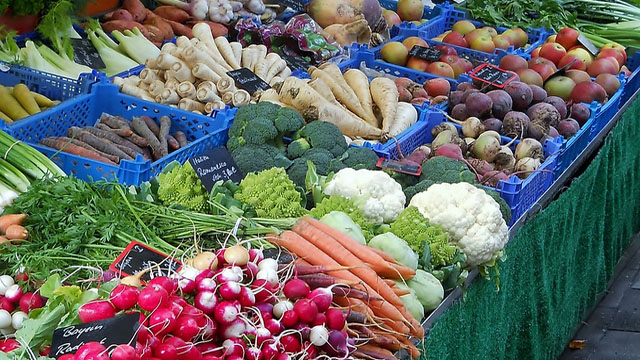
Alan Henry — For many of us, eating locally and seasonally is a no-brainer. For others, we have no idea exactly how far away much of our produce is shipped, or the hurt that can put on our wallet at the cashier. If you want to save money at the grocery store and eat the freshest food, start locally.
Making sure to shop and eat seasonal vegetables that are grown as close to home as possible is just one of Dr. Darya Pino’s tips to save money while eating healthy food, but it’s a particularly good one.
Millie- Dr. Pino goes on to say that eating far more vegetables and cutting back on meat will save you money, but this doesn’t work in practice for several reasons;
- You need the protein as it contains depth of nutrients.
- Eating more veggies cost way more (they are way less filling) but also leaves you eating a higher percentage of carbs..not a good idea.
- Eating more meat and fat satiates you as opposed to eating a lot of veggies. You can’t get enough calories without eating a LOT of veggies and that adds up fast money-wise!
Remember; you want 50% of calories coming from fat, 30% from protein and 20% from carbs (all from fruits and veggies, mostly from one low on the glycemic index).
But she is correct in that eating produce in season is far cheaper AND less pesticides are used to grow them in season. Of course buying all organic is healthier and far more nutritious.
Nearly 1 In 5 Young Adults Have High Blood Pressure
Posted: May 26, 2011 Filed under: Food and it's Impact on Our Health Leave a comment
 iStockphoto.com
Overweight or obese is a big risk factor for hypertension.
Federal health officials say the expanding waistlines and higher body mass index of young adults are causing unexpected problems, including an increase in diabetes, kidney disease and even arthritis.
Now, researchers from the University of North Carolina report that blood pressure, too, among 24- to 32-year-olds may be much higher than previously thought. In 2008, a whopping 19 percent, or one out of every five, of participants in their study had high blood pressure. The condition, also known as hypertension, was defined as a reading of more than 140/90 millimeters of mercury (mmHg).
The findings are published in the online journal, Epidemiology. Researchers analyzed data from federal surveys of teenage health started in the mid 1990s, called the National Longitudinal Study of Adolescent Health. That study, known as Add Health, is funded by the National Institutes of Health and involves more than 14,000 participants.
Other federal surveys have found much lower rates of hypertension among this age group. But the high numbers in this most recent survey may not be so surprising. That’s because being overweight or obese is a well known risk factor for hypertension. And the majority of these young adults grew overweight or obese as they got older.
When the survey started in 1995, the participants were between 12 and 19. At the time, 11 percent were obese. On follow up five years later, that number had doubled to 22 percent. By 2008, more than one third (37 percent) were obese.
Another 30 percent were overweight, but not obese. This means 67 percent of all the young adults were above a normal weight. And researchers say the pace of weight gain was both dramatic and disturbing.
Males were more likely than females to have hypertension and less educated young adults were more likely than their college-educated peers to have the condition.
Perhaps most troubling, the majority of the youthful study participants had no idea they had high blood pressure. That’s likely because 20-somethings don’t routinely visit the doctor or even have their blood pressure checked on a regular basis.
Researchers and health officials say more targeted research and analysis of the health of this age group is needed. What’s one thing teens can do? Cut their salt intake to head off hypertension early on.
Millie – CUT THEIR SALT INTAKE??? That’s ALL the advise they give?? How about cut the junk food, a;ll the carbs, the vegetable oils..all the REAL causes of hyertension???
Vancouver-area mayor wants people to convert their lawns to vegetable gardens
Posted: May 5, 2011 Filed under: Food and it's Impact on Our Health, Gardening, Non-Toxic Choices 2 Comments
Mayor Darrell Mussatto wants to convert North Vancouver’s lawns to urban farmland.
"We don’t need a lot of expensive technical solutions like rooftop gardens. What about front yards and back yards?" Mussatto said. "That’s a huge land base, and how many of those yards are dedicated to turf?
"Twenty per cent of the people live on 80 per cent of the land, and most of their yards are lawn," he said. "It can easily be changed over to fruits and vegetables."
The City of North Vancouver is second in population density in the region, trailing only Vancouver. But Mussatto sees a lot of wasted space in people’s yards, space that could be producing food.
North Vancouver council has instructed staff to prepare an urban agriculture strategy.
"We want people to convert the yards of single family homes to gardens and even commercial farms," Mussatto said.
Vancouver already has several commercial yard-farming firms, including City Farm Boy.
Ward Teulon has been farming residential yards in Vancouver since 2006 and maintains a roster of 10 yards, including a rooftop garden near Yaletown.
Homeowners take a share of the vegetables that Teulon grows and the rest is distributed to his 38 shareholders, people who pay an annual fee of about $600 for a weekly basket of produce from May through mid-October.
"There was a lot of good soil that wasn’t being used, so I put up some posters trying to find yards," said Teulon. "Once I got a few yards, word of mouth did the rest."
North Vancouver is determined to wipe away all impediments to urban agriculture. Standards of maintenance bylaws were designed to encourage people to maintain a particular kind of landscaping and drive agriculture out of the urban environment, according to Coun. Craig Keating.
"People recognize that the way we are dealing with food in our society has got to change, we need to re-examine how we deal with public spaces and parks," Keating said. "We should be re-examining whether front yards should only be decorative, and commercial agriculture in the city is something I do support.
"We need to make sure there aren’t any obstacles to inhibit family yards from converting to agricultural uses," Keating said.
Keating has even volunteered to convert his own front yard to vegetable garden. The Edible Garden Project employs volunteers to plant and tend vegetable gardens for distribution to low-income residents.
A series of work parties have converted about one quarter of Keating’s 5,000-square-foot yard into raised beds for vegetables.
"We are working with volunteers from the Edible Garden Project, a class of social justice students from Nelson came in Thursday, and a group from Canucks Autism Network came on Saturday," Keating recounted.
"Up till now the front yard has been a monument to long grass and dog poop. Now we are doing something socially redeemable," Keating said.
Millie- I say make growing and fertilizing grass and other non-edibles illegal…we can’t afford the water waste..especially here in Florida!
Read the complete post at http://communities.canada.com/vancouversun/blogs/greenman/archive/2010/11/14/vancouver-area-mayor-wants-people-to-convert-their-lawns-to-vegetable-gardens.aspx
Sugar is "Like Cigarettes and Alcohol, And Killing Us"
Posted: April 28, 2011 Filed under: Food and it's Impact on Our Health Leave a comment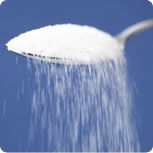
The New York Times Magazine cover article has the provocative title Is Sugar Toxic? Author Gary Taubes has become convinced it isn’t the dietary fat that is causing the explosion of obesity, diabetes, heart disease and hypertension, but the sugar. It is a thesis put forward by Robert Lustig of University of California, San Francisco, School of Medicine, who says "sugar should be thought of, like cigarettes and alcohol, as something that’s killing us."
The points this author makes is valid, yet this is not the whole picture.
Sugar IS bad for us in any form; sugar, high fructose corn syrup, etc. However too many carbs in ANY FORM is what is primarily the problem with Americans health. Yes, that includes FRUITS and veggies if they are too high a percentage of your food intake!
CARBS are killing us! The average food diary I see from nutrition clients shows 50 to 70% calories from carbs.
There are two side to his; the sugar and carbs themselves are a problem AND the lack of depth of nutrients in those foods are the other serious problem.
CARBS KILL, plain and simple. Sugar satisfies us, gives our brains quick energy…but leaves us badly malnourished. If you are even 10 pounds overweight you are malnourished.
Depth of nutrients come from fat and HIGH quality protein (NOT nuts, tofu, protein powders, power bars…).
You need 200 calories a day to be healthy, to meet your energy and nutrient needs. It cannot be done on a vegetarian or vegan diet as the saturated fats that the human body needs comes from animals! The earth cannot support us eating a grain based diet, we need animal husbandry for fertilizer otherwise we are stuck with chemical fertilizers.
We also need high quality fat; 50% of our calories each day should come from fat (75% of those from healthy, organic saturated fats) 30% from high quality protein (grass fed beef or bison, game, free range organic chickens and turkey, organ meats, eggs). The remaining 20% should be from vegetables in addition to some fruit.
Eating this way will normalize your weight, get rid of allergies, restore/repair an immune system and detoxify the body…and lead to abundant health.
Look at a perfect day from this way of eating;
Ideal Day
Breakfast:
2 eggs, (, poached, fried) with 1 teaspoon organic butter
3 to 4 slices organic bacon
1/2 fruit (I eat blueberries or raspberries)
4 ounces coconut yogurt (I make it myself or you can buy it at the Health Food Store)
4 ounces green drink (I juice every 3 or 4 days)
Lunch
8 ounces beef or chicken (or what’s leftover from dinner)
1 ½ cup stock (I like taking my protein in a thermos with the broth and caramelized onions)
Greens or fruit and yogurt
Mid-afternoon
½ cup blueberries with 1 tablespoons macadamias or cashews
Dinner
1/2 medium sweet potato or winter squashes with butter
Sliced tomatoes or sliced avocado
8 ounces grass fed beef, bison or free range chicken, lamb
3 cups kale or broccoli or other green LEAFY vegetable
other veggies such as mushrooms, peppers
THIS is 2000 calories that meets all of your caloric and nutrient needs.
THIS is 2000 calories that meets all of your caloric and nutrient needs.
Vitamin D Levels Linked With Health of Blood Vessels
Posted: April 20, 2011 Filed under: Food and it's Impact on Our Health Leave a commentAnother reason to eat grass fed meat, butter, bone broths…for all that great immune system building Vitamins A,D and E!
ScienceDaily (Apr. 3, 2011) — A lack of vitamin D, even in generally healthy people, is linked with stiffer arteries and an inability of blood vessels to relax, research from the Emory/Georgia Tech Predictive Health Institute has found.
The results add to evidence that lack of vitamin D can lead to impaired vascular health, contributing to high blood pressure and the risk of cardiovascular disease. Study participants who increased their vitamin D levels were able to improve vascular health and lower their blood pressure.
The data was presented by Bihar Al Mead, MD, a cardiovascular researcher at Emory University School of Medicine, at the annual American College of Cardiology meeting in New Orleans. Al Mead is one of five finalists for the ACC’s Young Investigators Award competition in physiology, pharmacology and pathology. He is working with Arched Quyyumi, MD, professor of medicine and director of the Emory Cardiovascular Research Institute.
The 554 participants in the study were Emory or Georgia Tech employees -average age 47 and generally healthy — who are taking part in the Center for Health Discovery and Well Being, part of the Emory/Georgia Tech Predictive Health Institute.
The average level of 25-hydroxyvitamin D (a stable form of the vitamin reflecting diet as well as production in the skin) in participants’ blood was 31.8 nanograms per milliliter. In this group, 14 percent had 25-hydroxyvitamin D levels considered deficient, or less than 20 nanograms per milliliter, and 33 percent had levels considered insufficient, less than 30 nanograms per milliliter.
The researchers monitored the ability of participants’ blood vessels to relax by inflating and then removing a blood pressure cuff on their arms. To allow blood to flow back into the arm, blood vessels must relax and enlarge — a change that can be measured by ultrasound. The researchers also made other measurements of smaller blood vessels and examined the resistance to blood flow imposed by the arteries.
Even after controlling for factors such as age, weight and cholesterol, people with lower vitamin D levels still had stiffer arteries and impaired vascular function, Al Mheid says.
"We found that people with vitamin D deficiency had vascular dysfunction comparable to those with diabetes or hypertension," he says.
Throughout the body, a layer of endothelial cells lines the blood vessels, controlling whether the blood vessels constrict or relax and helping to prevent clots that lead to strokes and heart attacks.
"There is already a lot known about how vitamin D could be acting here," Al Mheid says. "It could be strengthening endothelial cells and the muscles surrounding the blood vessels. It could also be reducing the level of angiotensin, a hormone that drives increased blood pressure, or regulating inflammation."
Most Americans generally get the majority of their vitamin D from exposure to sunlight or from dietary supplements; fortified foods such as milk or cereals are a minor source. A few foods, such as oily fish, naturally contain substantial amounts of vitamin D.
Participants whose vitamin D levels increased over the next six months, either from dietary supplements or ample sun exposure, tended to improve their measures of vascular health and had lower blood pressure. Forty-two study participants with vitamin D insufficiency whose levels later went back to normal had an average drop in blood pressure of 4.6 millimeters mercury.
"This was an observational study, rather than an interventional one, and it was difficult to tease out how the people who restored their vitamin D levels got there," Al Mheid says. "We are hoping to conduct a study where we have participants take a defined regimen of vitamin D."
"With his findings showing the relationship between vitamin D deficiency and vascular dysfunction, Dr. Mheid has helped advance our understanding of the importance of Vitamin D in preventing a common health problem in aging adults," says Kenneth Brigham, MD, medical director of the Emory/Georgia Tech Center for Health Discovery and Well Being. "Additionally, ongoing health studies based on the Center’s collection of health information from participants will yield more discovery as the Center continues to develop."
The Emory-Georgia Tech Predictive Health Institute is a national leader in moving the practice of medicine from a reactive, disease-focused system to a proactive health-focused system. The initiative integrates research, scholarship and education in an innovative effort aimed at revolutionizing care of people to define, preserve and prolong the health of individuals and of society.
Key areas of the Initiative include defining and measuring health using optimal biomarkers of health and understand their interrelationships, determining the best interventions to optimize health throughout an individual’s or a population’s lifetime.
Study Adds Weight to Link Between Calcium Supplements and Heart Problems
Posted: April 20, 2011 Filed under: Food and it's Impact on Our Health, Non-Toxic Choices Leave a commentScienceDaily (Apr. 19, 2011) — New research published online in the British Medical Journal adds to mounting evidence that calcium supplements increase the risk of cardiovascular events, particularly heart attacks, in older women.
 The findings suggest that their use in managing osteoporosis should be re-assessed.
Calcium supplements are often prescribed to older (postmenopausal) women to maintain bone health. Sometimes they are combined with vitamin D, but it’s still unclear whether taking calcium supplements, with or without vitamin D, can affect the heart.
The Women’s Health Initiative (WHI) study — a seven-year trial of over 36,000 women — found no cardiovascular effect of taking combined calcium and vitamin D supplements, but the majority of participants were already taking personal calcium supplements, which may have obscured any adverse effects.
So a team of researchers, led by Professor Ian Reid at the University of Auckland, re-analysed the WHI results to provide the best current estimate of the effects of calcium supplements, with or without vitamin D, on the risk of cardiovascular events.
They analysed data from 16,718 women who were not taking personal calcium supplements at the start of the trial and found that those allocated to combined calcium and vitamin D supplements were at an increased risk of cardiovascular events, especially heart attack.
By contrast, in women who were taking personal calcium supplements at the start of the trial, combined calcium and vitamin D supplements did not alter their cardiovascular risk.
The authors suspect that the abrupt change in blood calcium levels after taking a supplement causes the adverse effect, rather than it being related to the total amount of calcium consumed. High blood calcium levels are linked to calcification (hardening) of the arteries, which may also help to explain these results.
Further analyses — adding data from 13 other trials, involving 29,000 people altogether — also found consistent increases in the risk of heart attack and stroke associated with taking calcium supplements, with or without vitamin D, leading the authors to conclude that these data justify a reassessment of the use of calcium supplements in older people.
But in an accompanying editorial, Professors Bo Abrahamsen and Opinder Sahota argue that there is insufficient evidence available to support or refute the association.
Because of study limitations, they say "it is not possible to provide reassurance that calcium supplements given with vitamin D do not cause adverse cardiovascular events or to link them with certainty to increased cardiovascular risk. Clearly further studies are needed and the debate remains ongoing."
Millie; There is almost no absorption from supplements, no enzymes that would allow digestion and assimilation. Supplementation with Iron and Calcium are dangerous, very hard on the organs and cause the body to dump calcium from the bones to protect the organs. They also wreak havoc on the digestion. Supplements basically give you expensive urine.. It’s better to use your hard earned cash to buy high quality food, real food…not stuff in bottles, packages and boxes. Not “health food junk food”…real food. It shouldn’t need a label for you to know what it is.
Limiting Carbs, Not Calories, Reduces Liver Fat Faster, Researchers Find
Posted: April 19, 2011 Filed under: Food and it's Impact on Our Health | Tags: low carb diet, weight loss Leave a comment
ScienceDaily (Apr. 19, 2011) — Curbing carbohydrates is more effective than cutting calories for individuals who want to quickly reduce the amount of fat in their liver, report UT Southwestern Medical Center researchers.
"What this study tells us is that if your doctor says that you need to reduce the amount of fat in your liver, you can do something within a month," said Dr. Jeffrey Browning, assistant professor of internal medicine at UT Southwestern and the study’s lead author.
The results, available online and in an upcoming issue of the American Journal of Clinical Nutrition, could have implications for treating numerous diseases including diabetes, insulin resistance and nonalcoholic fatty liver disease, or NAFLD. The disease, characterized by high levels of triglycerides in the liver, affects as many as one-third of American adults. It can lead to liver inflammation, cirrhosis and liver cancer.
For the study, researchers assigned 18 participants with NAFLD to eat either a low-carbohydrate or a low-calorie diet for 14 days.
The participants assigned to the low-carb diet limited their carbohydrate intake to less than 20 grams a day — the equivalent of a small banana or a half-cup of egg noodles — for the first seven days. For the final seven days, they switched to frozen meals prepared by UT Southwestern’s Clinical and Translational Research Center (CTRC) kitchen that matched their individual food preferences, carbohydrate intake and energy needs.
Those assigned to the low-calorie diet continued their regular diet and kept a food diary for the four days preceding the study. The CTRC kitchen then used these individual records to prepare all meals during the 14-day study. Researchers limited the total number of calories to roughly 1,200 a day for the female participants and 1,500 a day for the males.
After two weeks, researchers used advanced imaging techniques to analyze the amount of liver fat in each individual. They found that the study participants on the low-carb diet lost more liver fat.
Although the study was not designed to determine which diet was more effective for losing weight, both the low-calorie dieters and the low-carbohydrate dieters lost an average of 10 pounds.
Dr. Browning cautioned that the findings do not explain why participants on the low-carb diet saw a greater reduction in liver fat, and that they should not be extrapolated beyond the two-week period of study.
"This is not a long-term study, and I don’t think that low-carb diets are fundamentally better than low-fat ones," he said. "Our approach is likely to be only of short-term benefit because at some point the benefits of weight loss alone trounce any benefits derived from manipulating dietary macronutrients such as calories and carbohydrates.
"Weight loss, regardless of the mechanism, is currently the most effective way to reduce liver fat."
Other UT Southwestern researchers involved in the study were Dr. Shawn Burgess, senior author and assistant professor of pharmacology in the Advanced Imaging Research Center (AIRC); Dr. Jonathan Baker, assistant professor of pathology; Dr. Thomas Rogers, former professor of pathology; Jeannie Davis, clinical research coordinator in the AIRC; and Dr. Santhosh Satapati, postdoctoral researcher in the AIRC.
The National Institutes of Health supported the study.
Millie – I agree with this however do not agree with the statement that "This is not a long-term study, and I don’t think that low-carb diets are fundamentally better than low-fat ones," Low carb nutrition is FAR better for humans!
100% Mashed Potatoes??? NOT!
Posted: February 13, 2011 Filed under: Food and it's Impact on Our Health, In The Kitchen with Millie- How To's, Non-Toxic Choices Leave a commentFebruary 13th, 2011
From;  Fooducate

Who doesn’t love mashed potatoes? The smooth and creamy texture of hot potatoes mixed with salt and some butter. Unfortunately, this side dish requires some preparation, and many people have resorted to industrial solutions.
Here is an example of a relatively new product from Betty Crocker, “Loaded Mashed” promising:
100% mashed potatoes. Seasoned with naturally flavored bacon, cheese, chives and sour cream.
Sounds nice, until we took a look at the ingredient list…What you need to know:
Here is the list of “Loaded Mashed”’s 55(!) ingredients:
Potatoes (Dried), Salt, Maltodextrin, Imitation Bacon Bit (Vital Wheat Gluten, Salt Maltodextrin, Rendered Bacon Fat Colored with Caramel Color and Red 40 Lake, Monosodium Glutamate, Sugar, Cooked Bacon [Cured with Water, Salt Sodium Erythorbate, Sodium Nitrite, May Contain Smoke Flavors, Sugar, Dextrose, Brown Sugar, Sodium Phosphate, Potassium Chloride, Flavoring], Natural Flavor, Citric Acid, Sulfiting Agents), Sugar, Onion (Dried), Mono and Diglycerides, Partially Hydrogenated Soybean Oil, Whey, Natural Flavor, Buttermilk, Cheddar Cheese (Dried) (Milk, Cheese Cultures, Salt Enzymes), Enzyme Modified Milk, Chives (Dried), Parmesan Cheese (Dried) (Milk Cultures, Salt, Enzymes), Sour Cream (Dried) (Cream, Skim Milk, Cultures), Modified Corn Starch, Silicon Dioxide (Anticaking Agent), Rendered Bacon Fat, Bacon (Cured with Water, Salt Sugar, Sodium Nitrite, Sodium Erythorbate, Sodium Phosphate, Natural Smoke Flavor), Ricotta Cheese (Dried) (Whey, Milkfat, Lactic Acid, Salt), Lactic Acid.
So we’ve got a heavily processed product here, with some ingredients that we’ve highlighted:
Red 40 – a controversial artificial color that requires a warning label in the UK. It can cause hyperactivity in kids. MSG, Sodium Nitrite, and last but not least, trans-fat in the partially hydrogenated oils.
Why would anybody want to do this to themselves and their family?
Bottom line – “real” mashed potatoes are made from potatoes at home. They don’t come in a box.
What to do at the supermarket:
Why not make the real thing? Buy potatoes, sour cream, butter, milk, bacon, and chives. Or buy potatoes, olive oil, yogurt, and chives. Look up an online recipe, and get in the kitchen. A little effort will take your meal to a whole other level.


 Meal Delivery Service by Millie Barnes