Dietary Magnesium Tied to Lower Risk of Heart Disease and Diabetes
Posted: January 2, 2017 Filed under: Food and it's Impact on Our Health Leave a commentEveryone should supplement Magnesium while healing and detoxing. At the same time improve gut health and begin adding magnesium rich foods daily. High magnesium foods include dark leafy greens, nuts, seeds, fish, beans, whole grains, avocados, bananas, dried fruit, dark chocolate.
Some of the major functions that require magnesium are:
- Protein synthesis
- Nerve function
- Blood sugar control
- Neurotransmitter release
- Blood pressure regulation
- Energy metabolism
- Production of the antioxidant glutathione
(Reuters Health) – A diet rich in magnesium – found in foods like leafy greens, fish, nuts and whole grains – may help lower the risk of chronic health problems like heart disease and diabetes, a research review suggests.
Some previous studies linked insufficient magnesium levels to a greater risk of developing a wide range of health problems including chronic obstructive pulmonary disease (COPD), diabetes, Alzheimer’s disease, and cardiovascular disease, said lead study author Dr. Xuexian Fang, a nutrition researcher at Zhengzhou University in China.
For the current study, Fang and colleagues analyzed data on dietary magnesium and chronic disease from 40 studies published from 1999 to 2016 on more than one million people across nine countries.
Compared with people who had the lowest levels of magnesium in their diets, people who got the most magnesium were 10 percent less likely to develop heart disease, 12 percent less likely to have a stroke and 26 percent less likely to develop diabetes.
“Magnesium plays an important role in maintaining human health,” Fang said by email.
Combined, the studies in the analysis included 7,678 cases of cardiovascular disease, 6,845 cases of coronary heart disease, 701 cases of heart failure, 4,755 cases of stroke, 26,299 cases of type 2 diabetes and 10,983 deaths.
When researchers looked at the effect of increasing dietary magnesium by 100 milligrams a day, they didn’t find a statically meaningful impact on the total risk of cardiovascular disease or coronary heart disease.
But they did find that increasing dietary magnesium by this amount was tied to a 22 percent reduction in the risk of heart failure, and a 7 percent decrease in the risk of stroke, researchers report in the journal BMC Medicine.
Increasing magnesium intake was also associated with a 19 percent reduction in the risk of diabetes and a 10 percent drop in the odds of death from all causes during the study period.
The analysis is based on observational studies and can’t prove magnesium directly prevents disease, the authors note.
Studies in the analysis also relied on participants to accurately recall and report what foods they consumed and may not have accurately reflected the true amount of dietary magnesium, the researchers point out.
It’s also impossible to rule out the potential for lifestyle factors that impact people’s eating habits to also influence how much magnesium they get in their diets and how prone they are to develop chronic diseases.
Still, the study findings suggest that increased consumption of magnesium-rich foods may have health benefits, the authors conclude.
While the exact way magnesium improves health isn’t clear, it’s possible it may help curb inflammation, which in turn may lower the odds of developing a variety of chronic diseases, Fang said.
There are many ways people may increase their magnesium intake, noted Dr. Andrea Romani, a researcher at Case Western Reserve University in Cleveland, Ohio, who wasn’t involved in the study.
Magnesium is present in high levels in all green, leafy vegetables, whole grains, nuts, and salt-water fish, Romani said by email. It’s less clear how much magnesium is in meat and poultry because this depends on what the animals eat.
“Magnesium retention in these foods depends on how the food is processed,” Romani said. “The longer it is boiled or cooked, the less magnesium is retained.”
SOURCE: bit.ly/2hfzK2U BMC Medicine, online December 8, 2016.
Could Nutrition Improve Mental Health Better than Prescription Drugs?
Posted: January 1, 2017 Filed under: Food and it's Impact on Our Health Leave a comment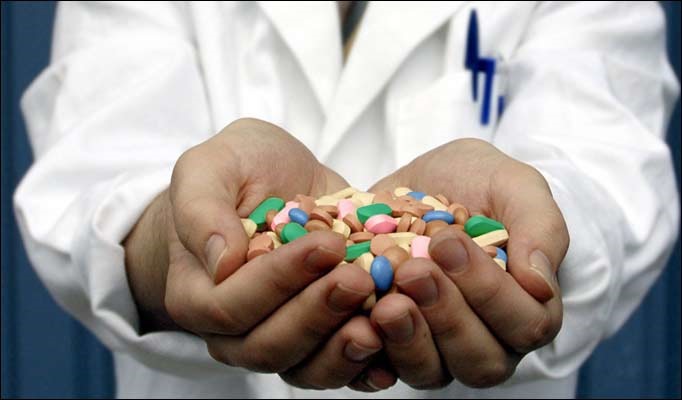
In my practice I have had wonderful results weaning clients off of anti-depressants and optimizing their nutrition and exercise with monthly coaching. My recommendation is to eliminate all dairy, grains and soy. Begin juicing to help the body detox and repair gut health. Eat fermented foods and begin doing yoga and walking, swimming, or dancing on a regular basis.
From Hearty Soul – “Depression” is a word that we throw around a lot and many people may not realize the weight it carries, especially in today’s world. The kind of depression that people many times use out of context may describe the normal ups-and-downs and the fleeting emotions of everyday life.
What is it? Depression – the kind that completely debilitates you, feels unending, is deeply lonely, and seems void of life – is a serious health condition, and is now the world’s leading cause of disability.
In fact, 350 million people around the world suffer from depression. That number is higher than the most recent recorded population of the United States. This common mental disorder affects people of all ages, however, there are more women than men with depression.[1]
Causes- Our brains are complex structures and the pathology of depression isn’t one-size-fits-all. According to Harvard Medical School current research suggests that the cause of depression isn’t just a matter of having too much or too little of certain brain chemicals or neurotransmitters, otherwise called a “chemical imbalance”.
Depression is a multifaceted disease that has many possible causes. For example, a combination of any of the following could lead to depression [2]:
-
impaired mood regulation by the brain
-
family history and genetics
-
traumatic and/or stressful life events
-
current medications
-
co-occurring medical problems
Symptoms
Simply because someone feels blue from time to time, does not mean we should dismiss what they’re experiencing. Oftentimes, depression may begin by a seemingly harmless bad day. However, people who are diagnosed with depression usually:[3]
-
Feel depressed for at least two weeks accompanied by lack of sleep, general disinterest in pleasurable things, guilt, low energy, inability to concentrate, increase or decrease in appetite, poor psychomotor skills, and/or suicidal thoughts;
-
Experience major depressive and manic episodes;
-
Become impaired in social contexts such as work, school, family functions, etc.;
-
Feel this way without the physiological alteration of substances (e.g., drugs or medications); and
-
Come from a deep, seemingly sourceless place (i.e., not bereavement).
How to spot signs of depression:
One set of diagnostic criteria commonly used to assess depression is known as “SIGECAPS,” which stands for sleep, interest, guilt, energy, concentration, appetite, psychomotor and suicide.
If four or more of these items are a concern, it indicates major depression.
Prescription Drugs and Depression
Doctors, psychiatrists, and psychologists first started using depression medication in the late 1950s and have since categorized them into three groups:
-
Tricyclic agents (TCAs) are used to treat depression, panic disorder, obsessive-compulsive disorder, post-traumatic stress disorder, and chronic pain.
-
Selective serotonin reuptake inhibitors (SSRIs) are used to treat depression, panic disorder, compulsive disorder, bulimia nervosa, and social phobia.
-
Monoamine oxidase inhibitors (MAOIs) are used to treat all types of depression.
On the surface, it seems like drug companies have a handle on things and provide victims of depression with more than enough options in terms of medication. But even when medications do seem to work, they may not be working by addressing the root issues and at best are just a band-aid approach to recovery.
Associate Director of the Placebo Research Program at Harvard, Dr. Irving Kirsch’s research suggests that “the published data and the unpublished data that were hidden by drug companies reveal that most (if not all) of the benefits are due to the placebo effect.”[4]
This is deeply saddening, especially when you consider that seventeen million Americans take antidepressant drugs at a total cost of $11.3 billion.[5]
In his study “Newer v. older antidepressants in long-term pharmacotherapy,” psychiatrist J. Guy Edwards expresses disappointment “that after fifty years of research we still do not have a wonder drug to prevent (or treat) depression” and that those they do have are full of “troublesome and dangerous side-effects; and there are no clinically significant signs of a more effective and safer antidepressant.”[6]
Between the placebo studies and a lifelong psychiatrist’s acknowledgment that a truly and wholly effective antidepressant does not exist, many people want (and arguably need) a new solution – a natural solution.
Nutrition and Depression
Fortunately, educator and clinical psychologist Julia Rucklidge has dedicated the last decade-plus to investigating the role of micronutrients in the expression of mental illness, specifically in ADHD, bipolar disorder, anxiety, depression, and more.
In her 2014 TEDx talk “The Surprisingly Dramatic Role of Nutrition in Mental Health,”[7] Rucklidge called our attention to the fact that due to the nature of our current health care system, the first thing doctors will try to remedy our problems with are psychiatric medication(s). Her research suggests that vitamins and minerals, otherwise known as micronutrients, are beneficial in treating mental illness, which isn’t surprising considering the food we eat on a daily basis helps to build the neurotransmitters our bodies need to support mental health.
In an early study, Rucklidge led a randomized clinical trial that started in 2009 and used micronutrients to treat ADHD in adults. Rucklidge and her team found that within eight weeks, twice as many people responded to the micronutrients than to the placebo. People in the micronutrient group had their depression go into remission. They also experienced lower levels of hyperactivity and aggression. She also confirmed that after one year, individuals who continued using micronutrients maintained their changes or improved even further.
In another study,[8] Rucklidge observed how micronutrients reduced anxiety and stress, and improved mood after a natural disaster. She and her team found that the micronutrients helped in all those areas “much” to “very much” in just over a month.
Of course, Rucklidge still sees the value in prescription drugs in the context of our current medical model. She admits that many treatments save lives but often fail to work in the long-run. We can see this idea echoed in our current reality – that even while drug companies purport to help people with their antidepressants, there are more depressed individuals on this planet than there have ever been.
10 Nutrients Crucial for Your Brain
-
Complex carbohydrates (for brain power)
-
Proteins (for healthy neurotransmitters)
-
Healthy fats (like avocados, nuts, seeds, and coconut oil)
-
B Vitamins (to remain stress-free and happy)
-
Vitamin C (to boost mood, memory, intelligence, and brain function)
-
Vitamin D (for memory, mood, and the fight against cognitive decline)
-
Magnesium (for focus, concentration, improved mood, and good sleep)
-
Omega-3 Essential Fatty Acids (helps ward off memory loss, mood swings, dementia, and more)
-
Iron (for improved metabolism)
-
Zinc (for proper immune and digestive functioning)
Nutritional deficiencies occur when your body is not absorbing the necessary amount of nutrient. Failing to give your body the proper nutrients it needs can result in short and long-term problems (e.g., digestive problems, skin problems, bone growth complications, and potentially dementia).[9,10]
Conclusion
Although people may question the legitimacy of micronutrients and other natural remedies, evidence shows us that drug companies may not have anything better to offer. Prescription drugs only offer temporary fixes and do not address the root cause, whereas micronutrients seem to be pointing us in the right direction for a more complete solution to mental health support.
So, if you or someone you know is treating depression or other mental health disorders, Rucklidge says “it is worth giving it a go first to seriously change diet and if necessary, try a broad-spectrum micronutrient supplement, and if that approach doesn’t work, then there is always medication to fall back on.”[11]
11 Changes to Make Right Now to Fight Alzheimer’s Disease
Posted: December 31, 2016 Filed under: Food and it's Impact on Our Health Leave a comment
Making lifestyle and nutrition changes can help prevent Alzheimer’s disease, each of these modifications has multiple full-body health benefits, and many are generally advisable to incorporate into our daily routines anyway.
Low-glycemic diet. A diet with little or no added sugar or white carbs, and no grains (even no gluten grains!) to help minimize inflammation and minimize insulin resistance; both are linked to decreased incidence of Alzheimer’s.
Fast 12 hours each night. A 12-hour overnight fast, including the three hours before bedtime, to induce ketogenesis, reduce insulin levels, and reduce amyloid beta (Ab), amino acids that are linked to Alzheimer’s disease as the main component of the amyloid plaques found in the brains of Alzheimer patients.
Sleep 8 hours each night, treating sleep apnea and supplementing with melatonin if needed. Melatonin may have a protective effect against neurodegenerative disorders like Alzheimer’s; some evidence suggests that taking melatonin 2.5 mg to 3 mg before bedtime reduces the confusion and restlessness experienced by some dementia patients in the evening. My suggestion is to use Melatonin short term to help establish healthy sleep patterns. Long term use is not recommended, remember these melatonin affects hormone production.
Reduce stress. Strategies vary by individual, and can include yoga, meditation, music, taking regular walks… with the goal of reducing cortisol levels and CRF (corticotropin-releasing factor), both risk factors linked to Alzheimer’s.
Exercise at least 30 to 60 minutes per day, four to six days a week. Physical activity reduces brain atrophy in elderly people at risk for Alzheimer’s disease, in the region of the brain thought to be the center for memory and emotion.
Vitamin B12 levels greater than 500. Low levels of vitamin B12 are a risk factor for cognitive decline. Serum B12 levels can be measured via standard lab test; supplement with vitamin B12 as needed.
Supplement with curcumin. The active component of turmeric, curcumin has a natural anti-inflammatory effect, and is linked to a reduction of amyloid beta (Ab) peptides. The dosage I typically recommend for clients is 400-500 mg curcumin, two to three times daily. Curcumin is better absorbed in conjunction with black pepper, so ideally best to take with meals.
Supplement with vitamin D3 when necessary. Vitamin D deficiency is associated with an increased risk of dementia and Alzheimer disease. Vitamin D can be measured by testing blood levels of 25-hydroxy vitamin D, and supplement with vitamin D as needed.
Add citicoline and DHA. Both provide structural components needed to promote the synthesis of new brain synapses. Supplementing with 1,000 to 2,000 mg citicoline daily seems to improve verbal memory in people aged 50 to 85 years. And research suggests that higher dietary intake of DHA (an omega-3 fatty acid plentiful in fish like salmon and sardines) is associated with a decreased risk of developing Alzheimer’s disease.
Add probiotics. Boost immune system and help to reduce inflammation with probiotic-rich foods like plain coco9nut milk yogurt, kombucha, coconut kefir, and fermented foods like miso and sauerkraut.
Optimize antioxidants. A regimen consisting of an antioxidant-rich diet plus supplements may help improve cognitive functioning and appears to be part of a safe, natural treatment for Alzheimer’s. Add more antioxidant-rich foods like blueberries and blackberries. Eat one Brazil nut daily for selenium. Supplement with 400 mg vitamin E (mixed tocopherols and tocotrienols), 500-1,000 mg vitamin C, and 200 mg alpha lipoic acid.
“Most people simply cannot incorporate all of these items into their daily regimen – there are limitations of money and time,” Myer said. “But take a look to narrow it down to see which behaviors you can incorporate, what’s realistic for you.”
Houghton is cautiously optimistic. “An anecdotal series like this is not the end all, be all, but it encourages the medical community to continue to look for ways to provide individualized care for our patients, and to incorporate specific functional foods, supplements and exercises into their treatment plan.”
The bottom line: The Bredesen Protocol targets the full spectrum of diet and lifestyle that our bodies need for optimal health, and is arguably a good idea for people to this protocol to prevent Alzheimer’s disease, as well as treat and reverse it. And regardless, this protocol will undoubtedly help to optimize other areas of our health and wellness as well.
22 Habits that Psychologists Have Linked with Happiness
Posted: December 29, 2016 Filed under: Food and it's Impact on Our Health Leave a commentIt’s that time of year when we look forward and hope we will make changes going forward. Weight loss is at the top of most people’s list, but there are many things we can do to make changes that will lead to a happier, healthier life. 
It’s the little things.
Some habits just seem to have the power to lift your spirits.
Whether it’s taking a few minutes to dive deep into your favorite novel, jotting down some things you’re grateful for, or spending some time in nature, there’s plenty of psychological research to suggest that certain activities can help improve your mood and your health.
# 1 – Drink coffee (not too much, though).
They don’t call it “Central Perk” for nothing. As a central nervous system stimulant, caffeine doesn’t just boost alertness, it can also improve your mood.
Several studies have even found a connection between caffeine consumption and a reduced depression risk, as well as an even a lower risk of suicide. However, at least one of these studies specifically found this connection with caffeinated coffee but not tea, though others found the same effect for tea as well.
# 2- Meditate.
You don’t have to be Don Draper to reap the benefits of some peace and quiet.
Multiple studies suggest that meditating — focusing intently and quietly on the present for set periods of time — can help lessen feelings of depression and anxiety. Research in long term meditators — Buddhist monks, for example — shows that these peoples’ brains have well-developed areas that could be linked to heightened awareness and emotional control. While it’s possible that people with such brains might be more likely to meditate in the first place, other studies do show that people who complete a meditation program tend to show brain changes linked with self-awareness, perspective, and memory.
# 3- Read an adventure story.
You may be able to get the benefits of an awe-inspiring experience just by reading about someone else’s. A small 2012 study found that even when people simply read about someone else’s awe-inspiring experience, they were more satisfied, less stressed, and more willing to volunteer their time to help others compared with people who were simply shown something that made them feel happy.
# 4- Get outside.
Stressed out? Head for a forest. One study found that a group of students sent into the trees for two nights had lower levels of cortisol — a hormone often used as a marker for stress — than those who spent the same two nights in a city.
In another study, researchers found a decrease in both heart rate and cortisol levels in people in the forest when compared to those in urban areas. “Stressful states can be relieved by forest therapy,” the researchers wrote in their paper.
# 5- Go for a nature walk.
If living in a big city has you feeling a bit down, there’s good news: A brief walk in nature could be all it takes to chase away those negative thoughts.
% 6- Do things you do when you’re happy — even if you’re not.
Experiencing positive emotions not only appear to have the power to neutralise negative ones, but can also encourage people to be more proactive. “Positive emotions may aid those feeling trapped or helpless in the midst of negative moods, thoughts, or behaviors — for example, grief, pessimism, or isolation — spurring them to take positive action,” write a team of UC Riverside psychologists in a recent paper summarising these findings.
# 7- Participate in cultural activities.
Visiting a museum or seeing a concert is yet another way to boost your mood. A study that examined the anxiety, depression, and life satisfaction of over 50,000 adults in Norway offered an interesting link: People who participated in more cultural activities, like attending a play or joining a club, reported lower levels of anxiety and depression as well as a higher satisfaction with their overall quality of life. So get out there and participate!
# 8- Listen to sad songs.
Happiness is entirely subjective, meaning that what makes one person happy might affect someone else differently. However, listening to sad music seems to be a common activity that’s been linked with increased happiness around the globe.
In a study that looked at 772 people on the eastern and western hemispheres, researchers found that listening to sad music generated “beneficial emotional effects such as regulating negative emotion and mood as well as consolation,” the researchers write in their paper.
# 9- Set realistic goals.
If you’re one of those people who like to make to-do lists on a regular basis, then listen closely: When you’re setting your goals, it’s better to be specific and set goals you know you can achieve. For example, instead of setting a goal like “save the environment,” try to recycle more.
Those two examples were tested on a group of 127 volunteers in a study published last year. The first group were provided a series of specific goals like “increase recycling,” while the second group had broader goals like “save the environment.” Even though the second group completed the same tasks as the first group, the people in the second group reported feeling less satisfied with themselves than the first group. The people in the second group also reported a lower overall sense of personal happiness from completing their goal, the scientists report.
# 10- Write down your feelings.
Ever heard someone say, ‘If you’re angry at someone, write them a letter and don’t send it’? While that might seem like a waste of time, science reveals recording your feelings is great for clarifying your thoughts, solving problems more efficiently, relieving stress, and more. A team of psychologists recently hit on a neurological reason behind why this simple act might help us overcome some emotional distress.
The researchers studied brain scans of volunteers who recorded an emotional experience for 20 minutes a day for 4 sessions. They then compared the brain scans with volunteers who wrote down a neutral experience for the same amount of time. The brain scans of the first group showed neural activity in a part of the brain responsible for dampening strong emotional feelings, suggesting that the act of recording their experience calmed them. This same neural activity was absent in the volunteers who recorded a neutral experience.
# 11- Spend money on others, not yourself.
When you’ve had a really bad day, you might have the urge to go and buy your favorite comfort food or finally purchase that pair of shoes you’ve been eyeing for the last three months. However, research shows that you’ll feel happier if you spend that money on someone else, instead of yourself.
Case in point: A 2008 study gave 46 volunteers an envelope with money in it wherein half were instructed to spend the money on themselves and the other half put the money towards a charitable donation or gift for someone they knew. The volunteers recorded their happiness level before receiving the envelope and after spending the money by the end of that same day.
Sure enough, the researchers discovered that those who spent their money on others had a higher level of happiness than those who spent the money on themselves.
# 12- Volunteer.
It might sound counterintuitive, but one of the main ways you can care for yourself is to care for others.
In a recent review of 40 studies done over the last 20 years, researchers found that one activity was far more important than the rest for boosting psychological health: volunteering. This activity, the researchers reported, had been found in many volunteers to be linked with a reduced risk of depression, a higher amount of overall satisfaction, and even a reduced risk of death from of a physical illness as a consequence of mental distress.
# 13- Make time for friends.
Spending time with friends may promote greater happiness than spending time with family, at least according to a recent study.
For the study, researchers used an app called the Mappiness app to determine how much happier people were when they were with their friends, parents, and children.
The app sent alerts asking people how happy they felt — on an 11-point scale from “not at all” to “extremely” — throughout the day. By analysing over 3 million submissions from more than 50,000 volunteers, the researchers discovered that people experienced, on average, an 8% increase in happiness when they were with friends, compared with a 1.4% increase with parents, and just a 0.7% increase when they were with their children.
# 14- Smile.
It might come as no surprise that smiling can make you feel happier. But the important thing here is that the smile must be sincere, it can’t be faked. If you fake it, you might even make yourself more unhappy, according to a 2011 study.
The study examined a group of city bus drivers over a period of two weeks. They found that employees who put on a fake smile for the job were in a worse mood by the end of the day compared to when their shift began. But drivers who genuinely smiles as a result of positive thoughts actually had a better mood by the end of the day. So when you smile, make sure to smile like you mean it!
# 15- Forgive.
It’s one thing to get upset over an injustice you suffered at the hands of someone else, but it’s another thing entirely to hold on to that emotion long-term. That’s called holding a grudge and it can easily consume you if you’re not careful.
The reason this is so bad for your happiness is because the negative emotions associated with grudges eventually give way to resentment and thoughts of revenge. In turn, this leaves little room in your emotional repertoire for anything else, like happiness, according to the Mayo Clinic. What’s more, decades of research have linked this simple act to better overall heart health, less psychological stress, improved physical ability, and longer life.
That’s why it’s always better to forgive and move on than hold on to a grudge.
# 16- Get intimate.
If you have a good memory, you might recall a certain study in 2004 that said increasing the amount of intercourse you have from once a month to once a week would give you the same amount of happiness as receiving an extra $50,000 in the bank!
But beware: more sex doesn’t necessarily mean more happiness, according to a report published this year. The researchers of the latest study found that couples who had more sex because they were asked to for the study reported that the sex was not enjoyable and did not make them happier.
Therefore, sex will only lead to happiness when the couple is having it for a meaningful reason, the researchers conclude. So, whether it’s once a week or once a month, the frequency is less important than the purpose behind the act.
# 17- Be a realistic optimist.
People who have the positive attitude of optimists paired with the rational outlook of realists tend to be more successful and happy, according to psychologist Sophia Chou.
That’s because so-called “realistic optimists” have the perfect blend of personality types to succeed. Unlike idealists, they are willing to face challenging situations with a clear view of reality, but will use creativity and a positive outlook to try to work their way out of the problem.
# 18- Get your hands dirty.
Breathing in the smell of dirt may lift your spirits, according to a study that found that a bacteria commonly found in soil produces effects similar to antidepressant drugs.
The harmless bacteria, Mycobacterium vaccae, stimulated the release of serotonin in the brain after it was injected into mice. Low levels of serotonin is what causes depression in people.
In a human test, cancer patients reported increases in their quality of life when they were treated with the bacteria.
The findings “leave us wondering if we shouldn’t all be spending more time playing in the dirt,” lead author Chris Lowry of the University of Bristol in England said in a statement.
# 19- Eat lunch on the beach.
Eating lunch at your desk can be a real downer, report scientists from the University of Sussex who measured the happiness of employees after they ate lunch in different locations.
The results showed that workers were happiest about their work when they ate lunch on the beach and least happy about work when they ate at their desk.
Getting outside in the sun was key to staving off misery — people who ate in parks had a more positive attitude about their jobs than those who chowed down at a restaurant or at home.
# 20- Work it out.
Exercise is proven to increase feel-good chemicals in the brain, reduce stress hormones, and relieve depression and anxiety according to Happify, a website and app that offers psychology-based games to increase your happiness.
And you can achieve these positive changes in just a few short minutes. Researchers at the University of Vermont found that even just 20 minutes of exercise can give you those mood-boosting benefits for up to 12 hours afterward! Moreover, people who are active are happier and more satisfied with their lives.
The duration and location of your workout also affects how happy you feel afterward. So, check out how to achieve your maximum happiness sweet spot.
# 21- Home-in on your favourite skill.
Working hard to improve a skill or ability, such as learning how to drive or solving a math problem, may increase stress in the short-term, but makes people feel happy and more content with their lives in the long run, a 2009 study reported.
“People often give up their goals because they are stressful, but we found that there is benefit at the end of the day from learning to do something well. And what’s striking is that you don’t have to reach your goal to see the benefits to your happiness and well-being,” co-author Ryan Howell said in a statement.
# 22- Be patient: Happiness tends to grow with age.
When it comes to happiness, older people seem to know something that the rest of us don’t because a number of studies have found that older people tend to be some of the happiest people around.
Why this is, however, is still a mystery to scientists because they have yet to find what exactly is causing this happiness. Chances are, it’s a number of things: One study in 2013 suggested the reason is because older people are more experienced, and therefore, better at dealing with negative emotions like anger and anxiety. But another, more recent study, reported that the cause is that older people are more trusting, which comes with a number of healthy psychological benefits that lead to happiness.
Whatever the reason, if you’re not happy right now, you can rest assured that your chances of happiness in the future are good.
If You are Consuming Protein Powders, All you are Doing is Producing Expensive Poop
Posted: December 29, 2016 Filed under: Food and it's Impact on Our Health, Non-Toxic Choices Leave a comment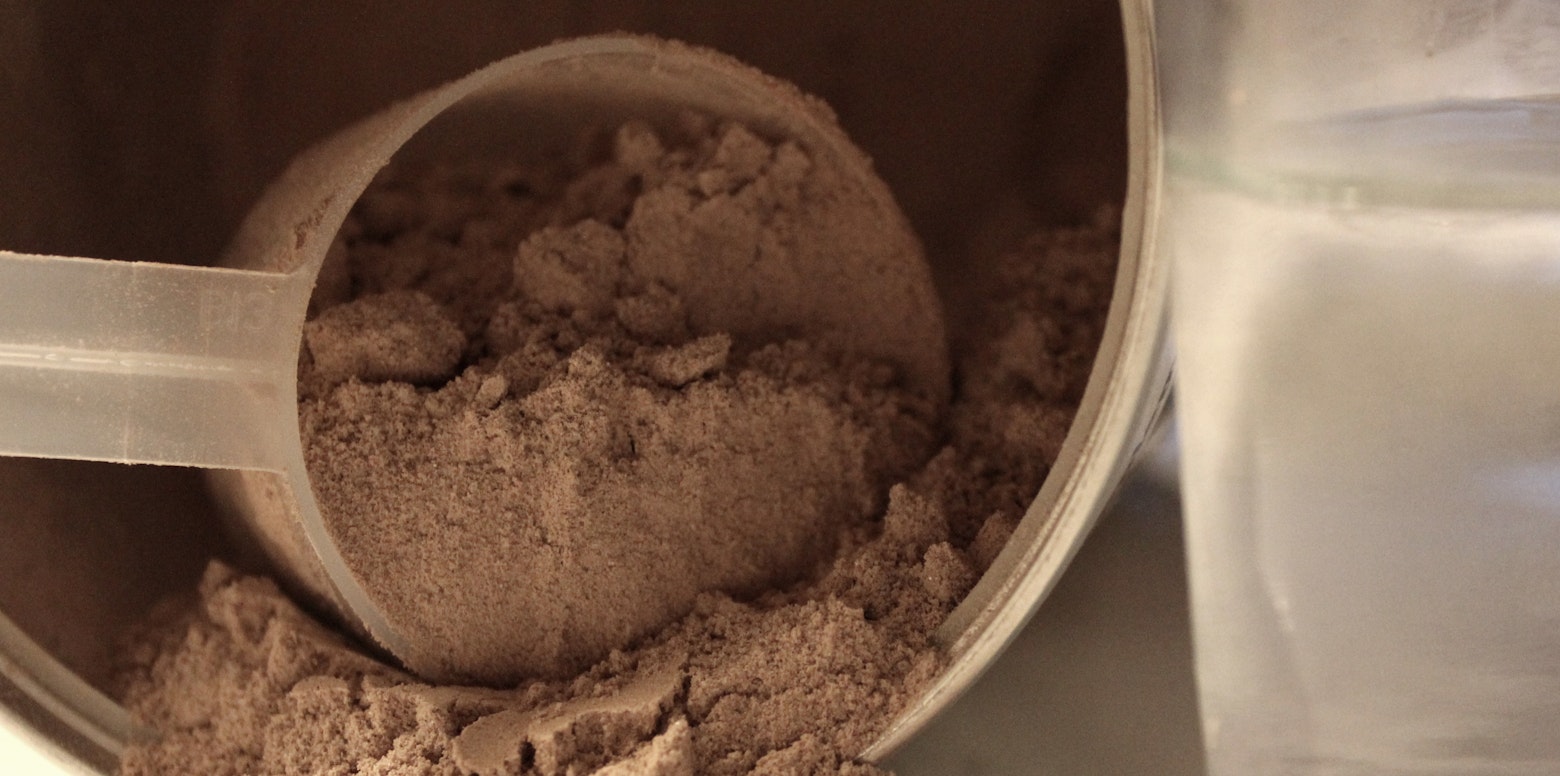
Anyone who’s sucked down a scoop of protein powder knows that the quest for the perfect body can have some pretty smelly consequences. “Protein poo,” a particularly dank-smelling excretion, has long been considered a necessary — and expensive — evil among body builders wanting to enrich their diets with the raw material needed to build muscle. But some nutritional experts suggest that all those agonizing hours spent on the toilet may have been for naught.
As dietitians report in the Guardian, most people have diets rich enough in protein that supplements are unnecessary — and therefore, so are the terrible poops (and weird protein-filled urine) they elicit. The reason that protein powders continue to be so popular, they suggest, is because clever marketing has sold consumers an easily digestible half-truth: muscles are made of protein, so eating more protein will lead to more muscle.
The high cost of protein supplementation really stinks.
It is true that the body needs protein to maintain and grow the muscles in the body. Our muscle fibers are made of long chains of amino acids, which can be derived from the protein we eat but are also produced naturally by the body. But, as with all of the various fuels that the body requires in order to run, there is only so much protein the body can hold. To maintain homeostasis with the levels of other substances in the body, any excess protein has to be dumped. And, according to the dietitian’s calculation, most of the protein we consume is excess.
“The majority of people are consuming much more than the recommended daily allowance of protein through their everyday diet,” Dr. Alison Tedstone, the chief nutritionist of Public Health England, told the Guardian. Spending money on protein supplements, she explained further, is “unlikely to bring any additional benefit.”
Harvard Medical School’s health blog notes that the recommended daily allowance — the bare minimum you’re supposed to eat so you don’t get sick — of protein is a scant 0.8 grams of protein per kilogram (or 0.013 ounces per pound). Nutritionists suggest aiming for twice that amount — that is, obtaining 10 to 35 percent of your recommended caloric intake from protein — to be safe.
Most people won’t need protein supplements to hit that target, but if they take them anyway, they’d better be willing to accept that they’re literally flushing their money down the toilet. The price they pay is as much as a financial burden as an olfactory one: Proteins in supplements are often derived from dairy products (take heed, lactose-intolerant folks) and contain much more rotten egg-scented sulfurthan carbs and fat. Taking them in and breaking them down isn’t just expensive — it downright stinks.
From Inverse
Coconut Sugar – Healthy Sugar Alternative or a Big, Fat Lie?
Posted: December 29, 2016 Filed under: Food and it's Impact on Our Health Leave a commentSugar is sugar ..all forms of sugar are bad for you. Honesty, maple syrup, rice syrup, even fruit juice wreaks havoc with our health. Yes, some sugars have some nutrients, there are better foods to get them from without harming your health. Sugar is one of the main causative factors in heart disease and cancer.

Coconut Sugar – Healthy Sugar Alternative or a Big, Fat Lie?igh fructose corn syrup become increasingly more evident, people are turning to natural alternatives.
A sweetener that has become very popular in the past few years is coconut sugar.
This sugar is derived from the coconut palm tree and is touted as being more nutritious and lower on the glycemic index than sugar.
There is a lot of talk about this sweetener online and I’d like to separate the facts from the fiction.
What is Coconut Sugar and How is it Made?
Coconut sugar is also called Coconut Palm Sugar.
It is a natural sugar made from sap, which is the sugary circulating fluid of the coconut plant. It is often confused with Palm Sugar, which is similar but made from a different type of palm tree.
Coconut sugar is made in a natural 2-step process:
- A cut is made on the flower of the coconut palm and the liquid sap is collected into containers.
- The sap is placed under heat until most of the water has evaporated.
The final product is coconut sugar, which looks something like this:
Is it More Nutritious Than Regular Sugar?
Regular table sugar and high fructose corn syrup don’t contain any vital nutrients and therefore supply “empty” calories.
However, coconut sugar does retain quite a bit of the nutrients found in the coconut palm. There isn’t a lot of data on this, but according to the Phillipine Department of Agriculture, coconut sugar contains several nutrients.
Most notable of these are the minerals Iron, Zinc, Calcium and Potassium, along with some short chain fatty acids, polyphenols and antioxidants that may also provide some health benefits.
Then it contains a fiber called inulin, which may slow glucose absorption and explain why coconut sugar has a lower glycemic index than regular table sugar (1).
I’d like to point out that even though coconut sugar contains some nutrients, you would get a lot more from other real foods.
Coconut sugar is very high in calories (same as regular sugar) and you’d have to eat a ridiculous amount of it to satisfy your need for the above nutrients.
Coconut Sugar May Have a Lower Glycemic Index
The glycemic index (GI) is a measure of how quickly foods raise blood sugar levels. Glucose is given a GI of 100 and if a food has a GI of 50, then it raises blood sugar half as much as pure glucose.
The Phillipine Department of Agriculture measured the glycemic index of coconut sugar and compared it to glucose. According to them, Coconut Sugar is given a GI of 35, which puts it in the low range. This is much lower than table sugar, which is somewhere around 60.
But I do have a problem with making any conclusions based on this study alone.
GI can vary greatly between individuals and this study included only 10 people. GI can also vary between different batches of food, meaning that products from other manufacturers might have slightly different effects.
In the graph above, they are comparing coconut sugar to glucose, not table sugar (sucrose). I’d like to see it compared to regular table sugar, because that is what coconut sugar is being used to replace.
Overall, I’m not convinced that coconut sugar is really as low on the glycemic index as they claim. Perhaps the Inulin fiber in it slows absorption somewhat, but I’d like to see another study before I make a conclusion.
Houston, we Have a Problem – it is Still Loaded With Fructose

Regular sugar isn’t bad for you because it is empty calories or has a high GI, that’s just the tip of the iceberg.
The main reason sugar is so unhealthy, is because it is loaded with Fructose.
Regular table sugar (sucrose) is 50% fructose, 50% glucose.
But here is the kicker… even though I see claims all over the web that coconut sugar is effectively fructose free, it is made of 70%-80% sucrose, which is half fructose!
For this reason, coconut sugar supplies almost the same amount of fructose as regular sugar, gram for gram.
Consumed in excess, added sugars will cause all sorts of problems like metabolic syndrome, obesity, diabetes and cardiovascular disease.
I don’t see any reason why the same shouldn’t apply to coconut sugar.
The Bottom Line
At the end of the day, coconut sugar is no miracle food.
It is very similar to regular table sugar, although the manufacturing process is more natural and it also contains some minor amounts of nutrients to go with it.
If you’re going to use coconut sugar, then use it sparingly. It is slightly “less bad” than regular sugar, but definitely not something you should eat every day.
I’m going to have to put coconut sugar is in the same boat as honey. It is healthier than refined sugar, but definitely worse than no sugar at all.
They think this is NEW Info?
Posted: December 29, 2016 Filed under: Food and it's Impact on Our Health Leave a comment34 years ago, after 20 years of research, I healed completely from Crohn’s disease. Through DIET ONLY! I have been teaching others how to do the same for 34 years. I find it hard to believe that they think this is new info. I have friends who have lost children (two died after have part of their bowels removed!). I tried to talk to them about it, offered to help… Your digestive system gives many many clues if it is not working correctly. And digestive disorders are the easiest health issues to clear up.

Novel diet therapy helps children with crohn’s disease and ulcerative colitis reach remission
December 28, 2016
Seattle Children’s Hospital
Pediatric patients with active Crohn’s disease and ulcerative colitis can reach remission with diet alone.
Can diet alone be used to cure Crohn’s disease and ulcerative colitis (UC)? It’s a question Dr. David Suskind, a gastroenterologist at Seattle Children’s, has been researching for years.
Today, he finally has the answer: yes.
In a first-of-its-kind-study led by Suskind, published today in the Journal of Clinical Gastroenterology, diet alone was shown to bring pediatric patients with active Crohn’s and UC into clinical remission.
“This changes the paradigm for how we may choose to treat children with inflammatory bowel disease,” said Suskind.
In the small, prospective study, patients were put on a special diet called the specific carbohydrate diet (SCD) for 12 weeks as the sole intervention to treat their Crohn’s or UC. SCD is a nutritionally balanced diet that removes grains, dairy, processed foods and sugars, except for honey. The diet promotes only natural, nutrient-rich foods, which includes vegetables, fruits, meats and nuts.
At the end of the 12 weeks, eight out of the 10 patients who finished the study showed significant improvement and achieved remission from the dietary treatment alone.
Finding a cure for IBD
At most centers, treatment for inflammatory bowel disease (IBD) is limited and usually takes patients down one of two routes: steroids or medication, which can often lead to life-long side effects. Another concern is that medication and steroids only suppresses the immune system and don’t treat the underlying issue of the microbiome, the bacteria that lives in the digestive tract.
IBD refers to several related illnesses that affect the digestive tract. Crohn’s and UC are two forms of IBD. Doctors believe that IBD happens because something goes wrong between a child’s genetic makeup, their immune system and their microbiome. In most people, the bacteria in the digestive tract are harmless. Although in some cases, the microbiome goes awry and causes a person’s immune system to attack the bowel. It’s still unknown why this happens.
Suskind was determined to find better and more effective treatment options for IBD, and so he began spearheading research on the innovative diet known as SCD.
“For decades or longer, medicine has said diet doesn’t matter, that it doesn’t impact disease,” said Suskind. “Now we know that diet does have an impact, a strong impact. It works, and now there’s evidence.”
To date, there have only been a few case reports where a whole food diet, like SCD, has been used as a potential treatment for IBD. This study is the first to show, not just anecdotally, that the diet is safe and effective.
“Each person’s disease is unique, just as each person is unique,” said Suskind. “SCD is another tool in our tool belt to help treat these patients. It may not be the best treatment option for everyone, but it is an effective treatment for those who wish to try a dietary therapy.”
“There had to be a better way”
In October 2013, Nicole Kittelson noticed something wasn’t quite right with her then 8-year-old daughter Adelynne. Her skin and eyes had turned gray, her hair was brittle and she was losing weight.
“When we first took her to see her pediatrician, they simply said, ‘She’s a kid. She’s just active and needs more calories,’ but my gut was telling me something was wrong,” said Kittelson.
Shortly after, the family found themselves in the emergency room. Doctors tested Adelynne for leukemia and diabetes, but nothing came back with any answers as to what was going on inside Adelynne’s body. She was put on antibiotics and steroids and was sent home. For three weeks she was doing better, until one day things took a turn.
“She just started getting progressively worse,” said Kittelson.
Receiving an unexpected diagnosis
After multiple emergency room visits and months of uncertainty, Adelynne was admitted to Seattle Children’s where she met Suskind and was given a diagnosis: Crohn’s.
Common symptoms of Crohn’s include cramping, diarrhea and inflammation of the intestine. Crohn’s symptoms can range from mild pain to pain so severe a child may double over in pain. Additional complications can include dehydration, anemia and weight loss.
“Dr. Suskind walked us through the various treatment options,” said Kittelson. “He told us to think about which one we felt was best for our family. In the end, we wanted to try SCD. We knew it wouldn’t be easy, but in the long run, I didn’t want Adelynne to suffer the life-long side effects from medication or steroids. The diet was our best option. She was in so much pain from the Crohn’s, and I wanted to take that pain away.”
Seattle Children’s offers innovative therapies that are not offered at other centers across the country. Medicine isn’t always the answer for IBD. Diet, as Suskind has been advocating, plays a big role. At Seattle Children’s there are many alternative options including exclusive enteral nutrition (EEN) and SCD that can help children feel better and reduce inflammation without medication or steroids.
For 15 weeks the family started treatment using EEN, a diet that consisted of only formula. After 15 weeks on EEN, the family transitioned Adelynne to SCD with the help of her care team at Seattle Children’s.
“It was hard at first,” said Kittelson. “We got really good at reading labels and learning what foods were illegal, but after a while it became second nature.”
A diet change, a life change
Today, Adelynne has been in clinical remission for more than two years. She’s a healthy, happy and thriving 11-year-old girl.
“I can’t believe how far we’ve come. When we first walked into Seattle Children’s, she was an 8-year-old girl who was barely heavier than our 4-year-old. Now, she’s growing and foods are no longer an enemy.”
Adelynne and her family have embraced shopping local for natural, nutrient rich foods. And although it’s been an adjustment, the family now says the diet is just part of their every day life.
“Her lunch doesn’t look much different than other kids at school,” said Kittelson. “There are so many options out there. We haven’t felt like we’ve had to sacrifice. We’ve even adjusted holiday traditions to fit into our new lifestyle. Instead of candy for special occasions, we swap them for other things.”
For Adelynne and her family, SCD was the right treatment option. It’s helped Adelynne get back to her normal life and find a love for food again.
“I don’t have the words to thank Dr. Suskind for what he did for us,” said Kittelson. “We are so in love with that man. He’s an extraordinary doctor who weighed our concerns and continues to walk us through everything. To have a doctor that is willing to explore other options and is willing to try new things, it’s incredible. There is no one right option for everyone. No one responds the same way. He listened to us and was our advocate when we needed one.”
Story Source:
Materials provided by Seattle Children’s Hospital. Note: Content may be edited for style and length.
Journal Reference:
- Suskind, David L et al. Clinical and Fecal Microbial Changes With Diet Therapy in Active Inflammatory Bowel Disease. Journal of Clinical Gastroenterology, 2016 DOI: 10.1097/MCG.0000000000000772
You are Not a Paleolithic Human
Posted: December 28, 2016 Filed under: Food and it's Impact on Our Health Leave a comment
Put down that bone fragment you were digging with and let’s grapple with a basic fact: You are a post-Neolithic human, born 10,000 years after the close of the pre-agricultural paleolithic era that dates back 2.5 million years.
The lifestyle that encompasses a Traditional Human Diet (what I teach)and the popular notion of a “paleolithic” diet overlap substantially . . . but there are differences. This is a common question that arises. So here we discuss our points of difference.
First of all, what I am not doing here is bashing the ideas promoted by most followers of the paleo concepts. The ideas they follow are a damn sight better than conventional notions of healthy eating and wonderful results can indeed be achieved on a “paleo diet.” Many authors from the paleo community are among my friends.
We agree on this notion that reverting back to the dietary habits and foods that molded us evolutionarily for 2.5 million years is logical, representing a return to the habits to which our bodies have adapted. Both reject all grains, for instance, the biggest issue of all, given their relatively recent introduction approximately 10,000 years ago. (I am referring to widespread consumption, not isolated pockets of consumption that may have marked, for instance, oat consumption among limited numbers of humans earlier than 10,000 years ago.) Both reject use of refined sugar, sweeteners such as agave nectar and high-fructose corn syrup, oils such as corn, soybean, and canola, and highly processed commercial and genetically-modified foods. So we agree on something like 90% of dietary issues.
But there are indeed differences. Let me list them item-by-item:
I strictly limit digestible carbohydrates, while in most popular “paleo diets,” such carbohydrate sources as honey, maple syrup, and fruit are consumed ad lib. We limit carbs because the majority of people starting out on this lifestyle are type 2 diabetics, pre-diabetics, or have some degree of insulin resistance. We limit carbs because a lifetime of eating sugar/grain breakfast cereals, drinking soft drinks and other sugar/carb sources means you have a good chance of having damaged at least some of the pancreatic beta cells that produce insulin. We limit carbs because you likely have all the downstream inflammatory phenomena that develop with insulin resistance, such as higher levels of inflammatory interleukins, tumor necrosis factor, and c-reactive protein, as well as leptin resistance. We limit carbs because your bowel flora is dramatically different than paleolithic human bowel flora, as suggested by examination of primitive people’s bowel flora, such as the Hadza who continue to live a paleolithic-like lifestyle, meaning you digest carbs and other nutrients differently and have greater insulin resistance. We limit carbs because we are aware that the phenomena of glycation (glucose modification of proteins that develops whenever blood sugar rises above 100 mg/dl) will accelerate aging; there was no awareness of the mechanisms of aging in paleolithic times and we want to take action that will slow the inevitable deterioration of aging provoked by higher levels of glycation since we live longer than paleolithic humans (though it is a well-established fact that people in the paleolithic era could reach old age, such as age 60; but we live much longer than that and hope to maintain optimal functionality until the end). Note that the worst form of glycation is fructation, i.e., fructose modification of proteins that is 10-times more vigorous than glycation by glucose. This means that ad lib consumption of honey, maple syrup, and fruit–all rich in fructose–will accelerate development of cataracts, hypertension, heart disease, cancer, and dementia. (Nobody knows exactly where a safe level of fructose consumption falls, but it is likely fairly low, e.g., no more than that contained in one apple, or about 10 grams in a medium-sized apple.) We also limit fruit because modern fruit has been hybridized for large size, sweetness, and reduction in fibrous content to encourage consumption.
We include consumption of tubers although we adhere to a strict carb limitation in doing so. The consumption of “underground storage organs,” what I shall label tubers for simplicity, dates back to pre-Homo australopithecines over 2.5 million years ago. Observations of the Hadza, !Kung, and aboriginal Australians suggest enthusiastic consumption of tubers obtained by digging, at least seasonally. While the frequency of tuber consumption in Homo species over the years is unclear, the fact that our intestinal lining is heavily dependent on the fatty acid, butyrate, suggests that the human digestive tract requires the fibers that yield butyrate upon microbial “digestion.” Underground fiber-rich tubers such as (uncooked) potatoes and legumes and lentils are rich in the fibers that yield butyrate when bowel flora consume. Denying yourself such prebiotic fibers by eliminating all legumes and tubers therefore risks dysbiosis, or distortions of bowel flora composition.
Dairy products are conditional, i.e., we consume them on a limited basis and are selective. Unlike grains, for which there was essentially no precedent for their widespread consumption prior to 10,000 years ago, consumption of the milk of mammalian breasts is different: infant humans have consumed the milk from their mothers’ breasts for as long as our species has walked the earth. (We are called “mammals,” after all.) What is relatively new is the consumption of the milk from bovine (or other species’) breasts (also starting around 10,000 years ago with the domestication of animals such as aurochs, a period that also coincides with the introduction of zoonoses, the diseases like smallpox and tuberculosis transmitted to humans from our domesticated livestock) and continuing to consume it beyond the initial 4 years of life. (Primitive humans suckle their young up to 4 years old, when a child is able to start foraging for itself.) Superimposed on these basic issues is the appearance of the casein protein variant, casein beta A1, that appeared only 6000 years ago with a change in a single amino acid of the protein, as well as the issues introduced by high-volume commercial production of dairy products, especially use of antibiotics, bovine growth hormone, and milking pregnant cows for the entire duration of pregnancy that ups the hormone content of pooled product. For these reasons, and because many dairy issues are “dose-dependent,” i.e., effects worsen with consumption of greater quantities, I believe that some people are okay consuming small quantities of dairy. Nobody is safe consuming ad lib quantities of non-organic dairy, as it will invite issues with hormone over-exposure, the insulinotrophic effect of whey, and immunogenicity from the casein beta A1 protein (e.g., type 1 diabetes). Fermented cheeses are among the least problematic, given the alteration of the casein and the reductions in whey and lactose introduced by the fermentative cheese-making process. Ironically, the healthiest, most benign component of dairy is the fat, meaning the modern obsession with low- or non-fat dairy products made dairy a more offensive food by removing the one truly healthy component. Also, the butyrate contained in butter is a powerful anti-inflammatory and intestinal health-maintaining factor. But we’ve got to be careful with dairy: small quantities, organic, favoring butter and fermented cheeses.
I encourage consumption of saturated fat or at least discourage limitation, and I believe that higher levels of salt are perfectly safe, provided they are not the obscene levels you might obtain by, say, eating frequently at fast food restaurants that are responsible for intakes over 10,000 mg per day.) One of the difficulties with the various versions of paleo diets is that there are as many variations as there are proponents, i.e., there is no one paleo diet. Some limit saturated fat, others do not. Some limit salt, others do not. Some say oats are okay, others say they are not. Some say non-grains such as quinoa or buckwheat are okay, others say they are not. Think of it: the paleolithic diet of the African savannah was different from the paleolithic diet of northern Europeans was different from the paleolithic diet of southeast Asia and so on. Rather than thinking about a “paleo diet,” I think it makes more sense to ask: what was common among all humans from Homo habilis and onwards in their eating habits, regardless of location and climate? Several general behaviors emerge: all humans have hunted and consumed the flesh and organs of animals, all consumed non-grass plants, all relied on some source of butyrate to maintain digestion, and nobody consumed the seeds of grasses, i.e., “grains.”
I encourage the complete elimination of processed foods- nothing from cans or boxes. Eat food in it’s most basic form. Avoid foods that are processed, or need a label. You should be able to hold the food in your hands and tell how it grew.
Eat animal proteins in moderation– 4 ounces twice a day id adequate. Make it high quality proteins like eggs, lentils and animal protein.
Eat LOTS of low-glycemic vegetables, small amounts of fruit. Greens should be at the forefront of each meal, salads, mushrooms, peppers, eggplant…work the glycemic index, eat off of the bottom half.
The strange effects of thinking healthy food is costlier
Posted: December 23, 2016 Filed under: Food and it's Impact on Our Health Leave a commentAnother point is that you save a LOT of money on medical care by eating healthier, not to mention better brain function, weigh control and higher energy!

Consumers believe healthy food must be more expensive than cheap eats and that higher-priced food is healthier — even when there is no supporting evidence, according to new research.
The results mean not only that marketers can charge more for products that are touted as healthy, but that consumers may not believe that a product is healthy if it doesn’t cost more, researchers say.
And this belief in the health power of expensive foods may lead people to some other surprising conclusions.
For example, people in one study thought eye health was a more important issue for them when they were told about an expensive but unfamiliar food ingredient that would protect their vision. If the same ingredient was relatively cheap, people didn’t think the issue it treated — eye health — was as important.
“It’s concerning. The findings suggest that price of food alone can impact our perceptions of what is healthy and even what health issues we should be concerned about,” said Rebecca Reczek, co-author of the study and professor of marketing at The Ohio State University’s Fisher College of Business.
Reczek conducted the study with Kelly Haws of Vanderbilt University and Kevin Sample of the University of Georgia. Their results appear online in the Journal of Consumer Research.
Reczek said she and her colleagues conducted the study to examine the lay theory that we have to pay more to eat healthfully. Lay theories are the common-sense explanations people use to understand the world around them, whether they are true or not.
Messages consistent with the healthy = expensive lay theory are all around us, she said. One example is the “Whole Paycheck” nickname people have given to Whole Foods, which touts itself as “America’s Healthiest Grocery Store.”
There are certainly categories of food where healthy is more expensive, such as some organic and gluten-free products, Reczek said. But it is not necessarily true all the time. Still, this research wasn’t meant to investigate the true relationship between healthy foods and price — just people’s perceptions of that relationship.
The researchers conducted five related studies, all with different participants. In one, participants were given information on what they were told was a new product called “granola bites,” which was given a health grade of either A- or C. They were then asked to rate how expensive the product would be. Participants who were told the health grade was A- thought the granola bites would be more expensive than did those who were told the grade was C.
In a second study, the researchers found that the healthy = expensive belief operates in both directions. In this study, participants rated a breakfast cracker that they were told was more expensive as healthier than an identical cracker that cost less.
But could this lay belief influence how people act? In the next experiment, a different group of people was asked to imagine that a co-worker had asked them to order lunch for them. Half the people were told the co-worker wanted a healthy lunch, while the others weren’t give any instructions.
On a computer screen, participants were given their choice of two different chicken wraps to choose for their co-worker, one called the Chicken Balsamic Wrap and the other called the Roasted Chicken Wrap. The ingredients were listed for both.
The key was that for some participants the Chicken Balsamic Wrap was listed as more expensive, and for others the Roasted Chicken Wrap cost more.
Results showed that when participants were asked to pick the healthiest option, they were much more likely to choose the more expensive chicken wrap — regardless of which one it was.
“People don’t just believe that healthy means more expensive — they’re making choices based on that belief,” Reczek said.
It was the results of the next study that most intrigued Reczek.
In this experiment, participants were told to imagine they were at a grocery store to buy trail mix and they were presented with four options, all at different price points. The option that the researchers were interested in was called the “Perfect Vision Mix.” Some participants saw the mix touted as “Rich in Vitamin A for eye health.” Others saw the line “Rich in DHA for eye health.”
While both Vitamin A and DHA (docosahexaenoic acid) are indeed good for eye health, the researchers had previously determined that few people are familiar with DHA.
Some participants saw the trail mix listed at an average price, while others saw it listed at a premium price above the other three trail mixes.
Participants were then asked about their perceptions of the key ingredient in the trail mix, either Vitamin A or DHA.
When the ingredient was Vitamin A, people thought it was equally important in a healthy diet, regardless of the price. But if the ingredient was DHA, participants thought it was a more important part of a healthy diet if it was in the expensive trail mix than when it was in the average-priced mix.
“People are familiar with Vitamin A, so they feel they can judge its value without any price cues,” Reczek said.
“But people don’t know much about DHA, so they go back to the lay theory that expensive must be healthier.”
But the healthy = expensive theory had an even more surprising effect. When participants were told DHA helped prevent macular degeneration, people thought this was a more important health issue when the trail mix with DHA was more expensive. When the DHA product was an average price, they were less concerned about macular degeneration.
This effect was not seen with people who were told the trail mix had Vitamin A — again, probably because it was more familiar to the participants, Reczek said.
In the final study, participants were asked to evaluate a new product that would have the brand slogan “Healthiest Protein Bar on the Planet.” They were told this bar would compete against other products that averaged $2 per bar.
Some participants were told this new bar would be $0.99, while others were told it would be $4.
They were then given the opportunity to read reviews of the bar before they offered their own evaluation.
Findings showed the participants read significantly more reviews when they were told the bar would cost only $0.99 than when it cost $4.
“People just couldn’t believe that the ‘healthiest protein bar on the planet’ would cost less than the average bar,” Reczek said. “They had to read more to convince themselves this was true. They were much more willing to accept that the healthy bar would cost twice as much as average.”
While these results may be concerning for consumers, Reczek said there is a remedy.
“We need to be aware of our expensive-equals-healthy bias and look to overcome it by searching out objective evidence,” Reczek said.
“It makes it easier for us when we’re shopping to use this lay theory, and just assume we’re getting something healthier when we pay more. But we don’t have to be led astray. We can compare nutrition labels and we can do research before we go to the grocery store. We can use facts rather than our intuition.”
Story Source:
Materials provided by Ohio State University. Original written by Jeff Grabmeier. Note: Content may be edited for style and length.
Spicy Molecule Inhibits Growth of Breast Cancer Cells
Posted: December 22, 2016 Filed under: Food and it's Impact on Our Health, Non-Toxic Choices Leave a comment
Millie– Cancer can be treated with Cayenne, topically it will kill skin cancer, but there are more gentle, effective and less painful ways to do it.
Capsaicin, an active ingredient of pungent substances such as chili or pepper, inhibits the growth of breast cancer cells. This was reported by a team headed by the Bochum-based scent researcher Prof Dr. Habil Hanns Hatt and Dr. Lea Weber, following experiments in cultivated tumour cells. In the journal “Breast Cancer – Targets and Therapy“, the researchers from Ruhr-Universidad Bochum presented their findings together with colleagues from the Augusta clinics in Bochum, the hospital Herz-Jesu-Kran
Capsaicin, an active ingredient of pungent substances such as chili or pepper, inhibits the growth of breast cancer cells. This was reported by a team headed by the Bochum-based scent researcher Prof Dr. Habil Hanns Hatt and Dr. Lea Weber, following experiments in cultivated tumour cells. In the journal “Breast Cancer – Targets and Therapy“, the researchers from Ruhr-Universidad Bochum presented their findings together with colleagues from the Augusta clinics in Bochum, the hospital Herz-Jesu-Krankenhaus Dernbach and the Centre of Genomics in Cologne.
The experiments were carried out with the SUM149PT cell culture, a model system for a particularly aggressive type of breast cancer, i.e. the triple-negative type. Chemotherapy is currently the only available treatment for this type of cancer.
Frequently occurring receptor
In the cultivated cells, the team detected a number of typical olfactory receptors. One receptor occurred very frequently; it is usually found in the fifth cranial nerve, i.e. the trigeminal nerve. It belongs to the so-called Transient Receptor Potential Channels and is named TRPV1. That receptor is activated by the spicy molecule capsaicin as well as by helional – a scent of fresh sea breeze.
In collaboration with Dr. Gabriele Bonatz from the Augusta clinics in Bochum , Hatt’s team confirmed the existence of TRPV1 in tumor cells in nine different samples from patients suffering from breast cancer.
Cancer cells die
The researchers activated the TRPV1 receptor in the cell culture with capsaicin or helional, by adding the substances to the culture for a period of several hours or days. As a result, the cancer cells divided more slowly. Moreover, the treatment caused tumor cells to die in larger numbers. The surviving cells were no longer able to move as quickly as heretofore; this implies that their ability to form metastases in the body was impeded.
“If we could switch on the TRPV1 receptor with specific drugs, this might constitute a new treatment approach for this type of cancer,” says Hanns Hatt. An intake via food or inhalation is insufficient for this purpose.
Effective in mice
Earlier studies had demonstrated that the chemical arvanil – with a chemical make-up similar to that of the spicy molecule capsaicin – was effective against brain tumors in mice; it reduces tumor growth in the animals. Due to its side effects, however, this substance is not approved for humans. In addition to capsaicin and helional, the endovanilloids, produced naturally in the body, also activate the TRPV1 receptor.
The experiments were carried out with the SUM149PT cell culture, a model system for a particularly aggressive type of breast cancer, i.e. the triple-negative type. Chemotherapy is currently the only available treatment for this type of cancer.
Frequently occurring receptor
In the cultivated cells, the team detected a number of typical olfactory receptors. One receptor occurred very frequently; it is usually found in the fifth cranial nerve, i.e. the trigeminal nerve. It belongs to the so-called Transient Receptor Potential Channels and is named TRPV1. That receptor is activated by the spicy molecule capsaicin as well as by helional – a scent of fresh sea breeze.
In collaboration with Dr Gabriele Bonatz from the Augusta clinics in Bochum (Brustzentrum), Hatt’s team confirmed the existence of TRPV1 in tumour cells in nine different samples from patients suffering from breast cancer.
Cancer cells die
The researchers activated the TRPV1 receptor in the cell culture with capsaicin or helional, by adding the substances to the culture for a period of several hours or days. As a result, the cancer cells divided more slowly. Moreover, the treatment caused tumor cells to die in larger numbers. The surviving cells were no longer able to move as quickly as heretofore; this implies that their ability to form metastases in the body was impeded.
“If we could switch on the TRPV1 receptor with specific drugs, this might constitute a new treatment approach for this type of cancer,” says Hanns Hatt. An intake via food or inhalation is insufficient for this purpose.
Effective in mice
Earlier studies had demonstrated that the chemical arvanil – with a chemical make-up similar to that of the spicy molecule capsaicin – was effective against brain tumors in mice; it reduces tumor growth in the animals. Due to its side effects, however, this substance is not approved for humans. In addition to capsaicin and helional, the endovanilloids, produced naturally in the body, also activate the TRPV1 receptor.


 Meal Delivery Service by Millie Barnes