Want A Healthier Brain Over 40? Sip On These 5 Beverages Every Day For Sharper Memory & Cognitive Function
Posted: March 12, 2024 Filed under: Food and it's Impact on Our Health | Tags: #delivery, #glutenfree, #healthyeating, #Lactosefree, #mealdelivery, #MillieBarnes, #nutritioncoaching, #Ortega, #pescatarian, #Riverside, #SanMarco, #soyfree. #freedelivery, #Springfield, #vegetarian, #weightloss Leave a comment
As we age, maintaining cognitive function and memory becomes increasingly important. There are several healthy habits you can incorporate into your daily routine in order to preserve your brain health—and one of the best things you can do is prioritize a heart-healthy diet. Fortunately, incorporating certain beverages into your daily routine can support brain health and fend off age-related decline.
To discover some of the best beverages for the job, we spoke to dietitian nutritionist Krutika Nanavati. She shed some light on five great options: green tea, coffee, turmeric lattes, water, and blueberry juice. Learn more about the benefits of each below.
As we age, maintaining cognitive function and memory becomes increasingly important. There are several healthy habits you can incorporate into your daily routine in order to preserve your brain health—and one of the best things you can do is prioritize a heart-healthy diet. Fortunately, incorporating certain beverages into your daily routine can support brain health and fend off age-related decline.
To discover some of the best beverages for the job, we spoke to dietitian nutritionist Krutika Nanavati. She shed some light on five great options: green tea, coffee, turmeric lattes, water, and blueberry juice. Learn more about the benefits of each below.
1. Green Tea
Nanavati highlights green tea as a powerhouse beverage for cognitive function and memory. She says antioxidants called catechins are largely to thank for these benefits. “Green tea is great for cognitive function and memory, especially for those over 40,” she says, noting that catechins “protect the brain from oxidative stress and reduce the risk of neurodegenerative diseases. Green tea also has caffeine, which can boost mood, reaction time, and memory.” Plus, it’s great for weight loss—what’s not to love?
2. Coffee
Coffee isn’t just a delicious morning ritual that can give you a much-needed energy boost; in addition to potential fat-burning properties, Nanavati says it can also do wonders for your brain. “Coffee, like green tea, contains caffeine and antioxidants,” she explains. “Caffeine blocks the adenosine receptor in the brain, improving cognitive function, mood, and alertness. Regular coffee consumption is linked to lower risks of Alzheimer’s and Parkinson’s.” Sign us up!
3. Turmeric Lattes
Turmeric is one of the healthiest spices out there thanks to its inflammation-fighting properties. As it turns out, it can also help boost your memory and cognitive function when consumed on a regular basis. “Turmeric contains curcumin, which has anti-inflammatory and antioxidant benefits,” Nanavati emphasizes. “It can improve brain function and delay age-related decreases by boosting brain-derived neurotrophic factors and reducing inflammation.” Plus, it’s delicious! Creating a latte with this spice is a great way to reap these benefits and enjoy a tasty, earthy beverage.
4. Water
This one may be a no-brainer, but it’s impossible to overestimate the importance of proper hydration to your overall health, including when it comes to your brain. “Hydration plays a critical role in maintaining cognitive function and memory,” Nanavati stresses. “Even mild dehydration can impair attention, memory, and mood. Consuming adequate water daily is essential for overall brain health and function, especially for individuals over 40, to combat age-related decreases in water conservation by the body. Got it!
5. Blueberry Juice
When you’re craving something fruity that’s also good for your brain, reach for some blueberry juice! Nanavati recommends this beverage as a potent beverage for brain health, citing its high content of flavonoids, “which possess antioxidant and anti-inflammatory properties. These substances can improve communication between brain cells and increase plasticity, which helps brain cells form new connections, improving memory and cognitive functions,” she says. “Regular consumption of blueberry juice could offer protection against memory loss and cognitive decline.” Yum! Just be sure to watch out for the sugar content in the juice you choose, as consuming too much can ultimately do more harm than good.
he bottom line
While the drinks you choose shouldn’t be the end all, be all of your brain-healthy habits, incorporating these five beverages into your daily routine can certainly contribute to maintaining a healthier brain as you age. Whether you prefer a soothing cup of green tea, a revitalizing coffee, or a refreshing glass of blueberry juice, each sip can help support cognitive function and memory, allowing you to stay sharp and focused well into your golden years.
Why Exercise Has Little Effect On Weight Loss
Posted: November 7, 2023 Filed under: Food and it's Impact on Our Health | Tags: #delivery, #glutenfree, #healthyeating, #Lactosefree, #mealdelivery, #MillieBarnes, #nutritioncoaching, #Ortega, #pescatarian, #Riverside, #SanMarco, #soyfree. #freedelivery, #Springfield, #vegetarian, #weightloss Leave a comment
What Effect Does Exercise have on Obesity and Weight Loss?
I had someone tell me today that he works out two hours a day, is incredibly strong (I guess so!) and cannot lose weight. He showed me the “healthy” snack he had with him; a granola crunch bar. I read the ingredients. Rice flour, oat flour, fructose. So far we are at all carbs. Next comes soy oil. Yuck. And about 20 more ingredients from there…So we talk, really talk. I explain to him what a great breakfast, nutritionally speaking, looks like; organic eggs for breakfast, cooked in coconut oil or butter. Three strips of turkey bacon, a handful of blueberries, some organic coffee. This is my breakfast most mornings. With a third of my calories for the day, RARING to go for 5-6 hours without even thinking about food. Enough fat, protein and nutrient packed carbs (fruits and veggies!) at every meal, 3 times a day. 2000 calories a day, every day. Healthy rapid weight loss occurs, energy quickly returns, you sleep better, feel wonderful upon awakening…and get in some play time each day. THAT is the way too lose weight. The ONLY healthy way there is. Period.
Let’s look at trying to exercise enough to lose weight;
- It takes 35 miles of walking or jogging to burn the calories in one pound of fat. Losing weight requires optimum nutrition; a balance of healthy fats, protein, fruits, and vegetables. In addition, if a person exercises but doesn’t diet any actual pounds lost may be minimal because dense and heavier muscle mass replaces fat.
- Also bear in mind that vigorous exercise such as jogging or running on hard surfaces is essentially unnatural to the body and can lower the immune response. Human beings in virtually every culture have typically, throughout time, engaged in anaerobic functional exercise common to regular labor or work functions on the farm, at sea or while hunting wild game, punctuated by occasional bursts of intense activity. Getting on the treadmill, running, or jogging is not that affective for weight loss, is hard on the joints, and wears you out. Use that same energy for weight training, bursts of hard work such as gardening, surfing, dancing, yoga or sex! You will be in better shape, get toned faster…and save a lot of time that is wasted on the treadmill!
- While exercise has little impact on weight loss (that comes from eating enough calories that contain all the nutrients you need on a day to day basis) a fit body will look more toned and be healthier. And exercise even without dieting adds benefit. For example, one study found that overweight but fit people have half the death rate of overweight and unfit people. And, studies suggest that people who have trained for a long time develop more efficient mechanisms for burning fat and are able to stay leaner.
- Exercise is vitally important, it helps us stay in shape, stimulates and improves cardiovascular health, helps make us happier and gets us into the sunshine we need so badly. This should include cardiovascular and resistance training. Every type of exercise that you do for resistance should be balanced with stretching exercises. This is called cross training. Most types of resistance training or repetitive movements cause some of our muscles to shorten. You need to balance this with stretching these muscles very well. I mean serious stretching, not what we usually do for five minutes before we run! I mean a true warm up. When we try to stretch without warming the muscles up, we can pull muscles or tendons. We only are able to stretch effectively when our muscles are truly warmed up.
I think yoga is the perfect cross training for almost every other form of exercise. Plus, it is also tones muscles, helps us detox, aids digestion and stills the mind. It is a perfect way to learn to meditate. If someone told me I had to choose just one type of exercise, then yoga would be my first choice. It is also important that find something that you love to do every day that will help you gain cardiovascular health. I mean something that will make you work up a serious sweat! Notice I say find something you love to do. Very few people really love aerobics classes. They are not that effective in toning muscles. You are better off riding a bike, running, rollerblading, surfing, dancing,playing soccer or tennis, . These things are so much fun that they tend to be things you love to do, instead of things you make yourself do in order to get in shape. You’re more likely to do them more often.
Weight training should be practiced 3 to 4 times a week in order to build bone and muscle mass. You may find it very effective to work with a personal trainer or find a workout buddy in the first few months. This will keep you motivated. The hardest part of getting on a regular schedule of exercising is getting started. In the beginning, it seems harder to fit it into our schedules. We get sore and tired. But after a few weeks you reach the point where you see results, you’re sleeping better, feeling energized. You notice that you don’t feel as good on the days you don’t exercise. You feel edgy. I love those endorphins!
But to lose 5 pounds a week AND meet out nutrient and energy needs you need 2000 calories a day. You won’t get weight lose by caloric restriction, that has been proven. At that rate of caloric intake your body is in starvation mode; So eat plenty of healthy fats, get plenty of high quality protein and eat ½ way down the glycemic index…including plenty of green leafy veggies each day. Did you know that green leafy vegetables have NO glycemic scale whatsoever and offer you a depth of nutrients that includes plenty of calcium? They must be cooked with saturated fats to assimilate the nutrients, so use butter or animal fats to cook with.
Yes, eggs cooked in butter is a great breakfast!
Slow walking- 115 to 200
Hula Hooping with Weighted Hula Hoop – 115
Dancing- 275 to 350
Skating or swimming- 300 to 600
Tennis- 350 to 700
Gardening- 250 to 300
Golfing- (18 holes)- 150 to 225
Ashtanga Yoga (1 hour) – 351
Driving- 144
Cooking- 180
Housework- 198
Surfing- 207
Weight lifting – general- 234
Sex – 288
Ashtanga yoga- 351
Pilates Intermediate- 351
Hiking- 405
Aerobics – low impact- 414
Aerobics – high impact 477
Bicycling / cycling 12-14 mph 594
Canoeing 4 mph- 630
Rope jumping- 684
What are the Benefits of Eating Salads?
Posted: October 17, 2023 Filed under: Food and it's Impact on Our Health | Tags: #delivery, #glutenfree, #healthyeating, #Lactosefree, #mealdelivery, #MillieBarnes, #nutritioncoaching, #Ortega, #pescatarian, #Riverside, #SanMarco, #soyfree. #freedelivery, #Springfield, #vegetarian, #weightloss Leave a comment
As you can see, fitting healthy salads into your diet provides a variety of benefits. Not only are the packed full of healthy nutrients, but they can also help you feel full, give your body better access to vitamins and minerals, assist you with weight loss, and even keep you cool.
1. Healthy Salads Help You Get Enough Fruits and Vegetables
Some people struggle when it comes to eating enough fruits and vegetables to maintain a healthy diet. Having a fresh salad every day can make it easy to get all of the servings you need, plus it supports a clean eating lifestyle.
Dark leafy greens and brightly coloured vegetables ensure you get a range of vitamins and minerals, helping you to maintain a healthy body and mind. They are also overflowing with antioxidants, important chemicals in the fight against cancer-causing free radicals. To get the most benefit, try to keep the majority of the ingredients in their raw form. These pack the biggest punch when it comes to creating a truly healthy salad, plus they’re full of flavour and satisfying crunch.
2. Vegetable and Fruit Salads are Full of Fibre
Fibre is a wonderful thing; it helps you feel full longer and can provide a range of health benefits. For example, a fibre-rich diet can help alleviate and prevent constipation and lower cholesterol. It can also make it easier to maintain a healthy body weight which reduces your risk of developing heart disease and diabetes. Your blood sugar levels may also stay more even, helping to prevent cravings for sugary foods.
3. Healthy Salads Cut Calorie Consumption
For people interested in losing weight, adding a healthy salad to every meal can be an excellent way to go. As mentioned before, a salad contains valuable fibre, which helps you feel full and satisfied. And, if you start a meal with a salad, you’ll have less room for higher-calorie options that form the rest of the meal.
Dark, leafy greens are very nutrient dense, meaning they provide a lot of nutrition with a limited number of calories. That means a salad with a large serving of spinach, kale, or Romaine creates a strong foundation for weight loss. Just make sure to use higher calorie options sparingly. Cheese, nuts, and dressings can add a lot of calories quickly, so use enough to get a sense of the flavour and texture and stop there. However, many other fruits and vegetables can make a salad exciting and satiating without allowing you to pack on the pounds, so explore your clean eating options and choose items that leave you feeling satisfied.
4. You’ll Get Access to Good Fats
While salad ingredients can contain fats, most of them are of the healthier varieties than you find in items like meat. For example, olive oil, nuts, and avocados all have fat, but of the monounsaturated variety. These not only help you feel more satisfied, but they also ensure your body can absorb other key nutrients found in fruits and vegetables more effectively.
Certain vitamins are fat-soluble, meaning they need fat to be present to aid absorption. Vitamins A, D, E, and K all fall into this category, so you need to consume an appropriate amount of healthy fat, like omega-3, to make sure these vitamins are making it to critical body systems.
Phytochemicals also seem to be easier to absorb when combined with healthy fats. These important chemicals help protect the body from conditions like cancer and heart disease, so eating enough fat to get their value is important, just make sure it is a healthy version, like the above mentioned monounsaturated options or the polyunsaturated variant found in soya beans, walnuts, and flaxseeds.
5. A Salad Provides Water
Some people are surprised to hear that fruits and vegetables are actually great sources of water. In fact, watermelon and strawberries are around 92 percent water while cucumber and certain lettuces are a startling 96 percent water. Eating a combination of vegetables and fruits will high water contents can help you stay hydrated even if you don’t have the opportunity to grab a glass of water to drink. Plus, the water consumption from foods does count towards your daily needs. So, if you aren’t getting multiple glasses of water in during the day, choosing a salad can help make up for it.
Further, the vitamins that aren’t in the fat-soluble category are water soluble instead. This means they need water to be absorbed by the body. This group includes the range of B vitamins, including riboflavin, niacin, B12, and folic acid, as well as vitamin C.
Other fruits and vegetables with high water content include grapefruit, peaches, oranges, tomatoes, spinach, and broccoli.
6. Salads Can Cool You Down
Whether it is a traditional lettuce-based version or a fruit salad, the cool ingredients can help you feel refreshed during the summer heat. Often, as temperatures rise, hot meals become less appealing. But consuming healthy ingredients is critical all year round if you want to maintain optimal health.
When looking for the best salad in Dubai or Saudi, look to beat the sweltering heat with ingredients like dark, leafy greens, citrus fruits, and refreshing vinaigrettes. A slightly tart flavour can make you feel rejuvenated while fibre-rich vegetables ensure you’ll feel full. If you want to add protein, look for lighter options like grilled chicken or salmon, as they won’t weigh you down as red meats can. Plus, those options also have fewer calories, helping you stay trim.
As you can see, fitting healthy salads into your diet provides a variety of benefits. Not only are the packed full of healthy nutrients, but they can also help you feel full, give your body better access to vitamins and minerals, assist you with weight loss, and even keep you cool. If you are interested in finding the best salad in Dubai, UAE and Saudi, we have a range of options sure to satisfy any appetite and support your clean eating goals. Come in today to explore the full menu and see how adding fresh, healthy salads can benefit your body.
The Most ‘underrated’ Nutrient 90% of Americans are Lacking—it ‘Boosts Brain Health
Posted: October 13, 2023 Filed under: Food and it's Impact on Our Health | Tags: #delivery, #glutenfree, #healthyeating, #Lactosefree, #mealdelivery, #MillieBarnes, #nutritioncoaching, #Ortega, #pescatarian, #Riverside, #SanMarco, #soyfree. #freedelivery, #Springfield, #vegetarian, #weightloss Leave a comment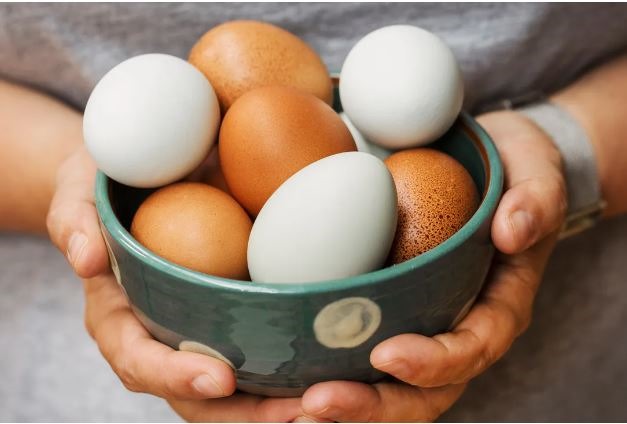
Choline is an essential nutrient, which means that it isn’t adequately produced by the body. Your liver makes small amounts, and the rest is typically supplied from food.
We need choline because it helps support and regulate major body functions, mood, muscle control and nervous system functions, and boosts brain health.
How much choline should you be getting?
Personal choline needs will vary depending on factors like diet, gender and pregnancy.
If you’re pregnant or plan to become pregnant, for example, choline is beneficial for a baby’s brain development, tissue growth and other physiological processes.
According to the National Institutes of Health’s Office of Dietary Supplements:
- Adult men 19 years and older should aim for 550 milligrams a day.
- Adult women 19 years and older should aim for 425 milligrams a day.
- Pregnant people should aim for 450 milligrams a day.
- Breastfeeding people should aim for 550 milligrams a day.
Research shows that about 90% of Americans aren’t meeting these daily adequate intake amounts for choline. But eating more foods high in choline is one simple solution, especially because multivitamins don’t typically contain choline.
Foods high in choline
1. Meats and fish
Beef, chicken and fish are great for protein, and they can double as rich sources of choline.
Beef liver is one of the highest available food sources of choline, which makes sense, as the liver is the organ that produces choline. Just three ounces provide 356 milligrams of choline.
Some other choline-rich meat and fish options include:
- Chicken breast: 3 ounces provide 72 milligrams of choline
- Ground beef: 3 ounces provide 72 milligrams of choline
- Atlantic cod: 3 ounces provide 71 milligrams of choline
When I have a fast-food craving, I love to use ground beef or shredded chicken breast to make crunch-wrap supremes. Blackened cod is a great choice for delicious and easy fish tacos.
2. Eggs
Eggs are the second highest food source of choline after beef liver, providing 147 milligrams per one large egg.
Baked casserole is an easy way to make this fridge staple into a filling meal. I’ve found that the combination of veggies, sweet potatoes and feta cheese in this hearty casserole recipe is a crowd favorite for breakfast, brunch, or even dinner.
3. Red potatoes
Red potatoes are particularly rich in choline, with 57 milligrams per one large potato. Just make sure to eat both the flesh and the skin to get the maximum benefit.
This smashed potatoes recipe is a hybrid between mashed and roasted potatoes. The crispy skin can be topped with your favorite herbs and spices for added flavor. And you can’t go wrong with chives for a classic baked potato taste.
4. Cruciferous vegetables
About 90% of Americans aren’t eating enough vegetables, according to the Dietary Guidelines for Americans.
If you’re looking to add more vegetables to your diet, choline-rich cruciferous types are a great place to start:
- Brussels sprouts: 32 milligrams of choline per half cup
- Broccoli: 31 milligrams of choline per half cup
- Cauliflower: 24 mg of choline per half cup
- Cabbage: 15 mg of choline per half cup
Roasting Brussels sprouts, broccoli and cauliflower is the simplest way to prepare these veggies. I also love making cabbage rolls with ground beef filling so you get a double dose of choline in one delicious and easy option.
5. Soybeans
If you follow a vegetarian or plant-based diet, soybeans are a great protein source that’s also high in choline. Every half cup of soybeans contains 107 milligrams of choline.
Soybeans are included in many meat alternatives, such as:
- Tofu
- Tempeh
- Textured soy protein
Air frying tofu or tempeh gives an extra crispy texture, and textured soy protein can easily be made on the stovetop as a fun alternative to beef crumbles in tacos and quesadillas.
Edamame is a great option, too. The beans are harvested while still green and give off a sweet flavor. I’ve made this teriyaki salmon bowl with edamame more times than I can count.
Lauren Armstrong is a registered dietitian and personal nutrition coach. Formerly, she worked as a nutritionist for the Women, Infant and Children (WIC) program. Lauren received her bachelor’s degree in dietetics from Western Michigan University, and has written for several publications, including Livestrong and HealthDay.
Eating Prunes Every Day May Be Good for Your Heart
Posted: August 9, 2023 Filed under: Food and it's Impact on Our Health | Tags: #delivery, #glutenfree, #healthyeating, #Lactosefree, #mealdelivery, #MillieBarnes, #nutritioncoaching, #Ortega, #pescatarian, #Riverside, #SanMarco, #soyfree. #freedelivery, #Springfield, #vegetarian, #weightloss Leave a comment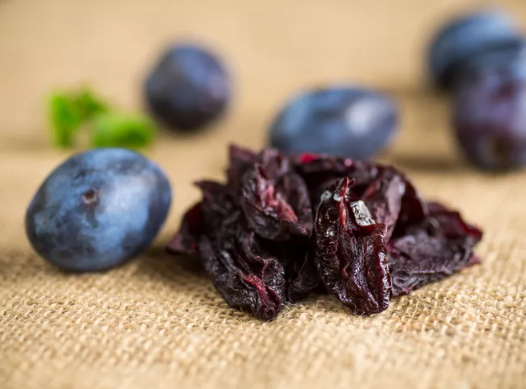
By Stephanie Brown
Prunes, or dried plums, are a fiber-rich fruit that helps with bowel movement.1 But some emerging research suggests prunes might offer more than constipation relief.
Eating prunes every day can improve cholesterol levels while reducing oxidative stress and inflammation, according to two new studies presented at the American Society for Nutrition’s flagship conference in July.
The heart health benefits of long-term prune consumption were seen in men. In older women, eating prunes regularly had no negative effect on metabolic measures, such as total cholesterol, blood sugar, and insulin levels.
“The conclusion here really is that prunes can support cardiovascular health. But we’re just at the tip of the iceberg learning about this, so we have to dig a little deeper into these results and potentially replicate them,” Andrea N. Giancoli, MPH, RD, a registered dietitian and nutrition advisor to the California Prune Board, told Verywell.
Another study published in 2021 found that eating 50–100 grams of prunes (about five to 10 pieces) every day was associated with reduced heart disease risks.2
The reductions in cholesterol and a marker of inflammation were likely because of improvements in antioxidant levels, according to Shirin Hooshmand, PhD, RD, a professor of exercise and nutritional sciences at San Diego State University and a co-author of the study.
This study, along with the two presented in July, were all partially funded by the California Prune Board.
Are Prunes Better Than Fresh Plums?
Although studies have suggested that prunes—or dried plums—can support heart health, that doesn’t necessarily mean fresh plums or prune juice offer the same benefits.
There haven’t been that many studies on the benefits of fresh plums or prune juice, Hooshmand explained. “It’s possible that at some levels they would have similar benefits. Research is needed to better understand that,” she said.
Drying fresh plums in hot air improves the nutritional properties and shelf life of the fruit, so that might be a reason to pick the dried version over the fresh fruit.3
“You might have to eat more plums to receive the same benefit, but the fundamental composition is going to be similar,” Maya Vadiveloo, PhD, RD, FAHA, an associate professor of nutrition at the University of Rhode Island, told Verywell.
Eating 5–10 dried prunes might be easier than trying to fit in the same amount, or more, of fresh plums. But either option is better than prune juice, according to Vadiveloo.
“Whole fruits and vegetables are rich in fiber, contribute to satiety, and are generally lower in calories,” she said.
Can Prunes Benefit Young People Too?
While most of the available research on prunes has been conducted on postmenopausal women and men over 55, Vadiveloo said that younger adults would also benefit from eating prunes.
“We’re recommending—across any diet pattern—diets that are rich in fruits and vegetables. So prunes fit into that category,” she said.
If you don’t like the taste of prunes, fruits like apples and berries are also good for your heart. However, fruits only make up one part of your diet. It’s important to focus on a varied diet pattern with vegetables, legumes, and heart-healthy oils as well, Vadiveloo added.
“You can’t add prunes to a diet that’s rich in high-fat red meats or very processed foods and expect it to be a miracle cure,” she said.
Scientists Say Eating Strawberries Could Help Keep Your Brain Sharp
Posted: August 9, 2023 Filed under: Food and it's Impact on Our Health | Tags: #delivery, #glutenfree, #healthyeating, #Lactosefree, #mealdelivery, #MillieBarnes, #nutritioncoaching, #Ortega, #pescatarian, #Riverside, #SanMarco, #soyfree. #freedelivery, #Springfield, #vegetarian, #weightloss Leave a comment
- Berries are an incredibly nutrient-dense food, packed with vitamins, minerals, antioxidants and fiber.
- Previous research has shown promising health benefits of strawberries, citing their anti-inflammatory properties.
- A new study suggests that eating the equivalent of two cups of fresh strawberries daily may promote brain function and even lower blood pressure.
Packed with fiber and antioxidants, berries are widely considered one of the healthiest fruits thanks to their incredible nutrition profile and anti-inflammatory properties. Prior research has suggested that strawberries in particular, as part of a nutritious and balanced diet, may help reduce the risk of several serious health conditions. A new study out of San Diego State University found that strawberry consumption may be associated with improved brain function and lower blood pressure, among other health benefits.
The research, funded by the California Strawberry Commission and presented last month at the American Society of Nutrition’s Nutrition 2023 conference, looked at a small group of about 35 healthy older adults. Participants consumed 26 grams of a freeze-dried strawberry powder daily, the equivalent of about two cups of fresh strawberries, and a control powder for eight weeks each. The researchers then measured cognition markers, as well as blood pressure, waist circumference and more.
We spoke with registered dietitian Dr. Shirin Hooshmand, Ph.D., R.D., professor in the School of Exercise and Nutritional Sciences at San Diego State University and a principal researcher on the study, for insight into the research and its findings. “Prior to conducting our clinical study, some of the similar effects were shown in animal studies and some human studies, but different populations and different designs,” Dr. Hooshmand told Good Housekeeping.
“Following strawberry consumption (equal to two cups of fresh strawberries) daily for 8 weeks, cognitive processing speed increased by 5.2%, systolic blood pressure decreased by 3.6%, and total antioxidant capacity significantly increased by 10.2%,” Dr. Hooshmand explains. She adds that previous published research has already shown some of the acute and long-term cardiovascular health benefits of strawberries in different populations, so this new research confirmed some of those findings.
“Despite the small sample size of the study, I think these findings are incredibly impactful— particularly as they apply on a larger scale for older adults,” says New York City based registered dietitian Jaclyn London, M.S., R.D., C.D.N., nutrition consultant and author of Dressing on the Side (& Other Diet Myths Debunked), who reviewed the research but was not involved in the study. “While we (in the nutrition community) have been talking about the antioxidant benefits of berries for decades, I think the most powerful effect of clinical trials such as these is that they demonstrate how important it is to have a variety of foods—even within the same category— as part of an overall health promoting eating pattern.”
Advertisement – Continue Reading Below
Although London wasn’t entirely surprised by the study findings since strawberries are a great source of many different nutrients, she does point out one interesting part of this research. “The strawberries used in this study were dried, which has some incredible implications for food brands looking to create more nutritious products that are shelf-stable and still include real, wholesome, nutrient dense strawberries.”
What do strawberries do for your body?
Just one cup of whole strawberries has under 50 calories, but boasts three grams of filling fiber and only about 11 grams of carbs. Most notably, it provides a rich source of vitamin C – about 85 mg for that same serving – which meets nearly 100% of the daily value for the nutrient. Vitamin C functions as an antioxidant, plays a major role in immune function, supports healthy skin and can help reduce risk of several chronic diseases.
In addition to vitamin C, strawberries contain other potent antioxidants including anthocyanins which have been shown to have anti-inflammatory effects on the body. You’ll also find many important minerals in strawberries, including potassium and magnesium. For a small amount of calories per serving, strawberries are incredibly nutrient-dense and a fantastic addition to a healthy diet.
What is the future of research on strawberries?
In terms of next steps for this research, Dr. Hooshmand says that it ultimately depends on if her team can acquire future funding. That being said, she adds that the researchers have many great ideas for future studies to follow up on some of their current findings. “We are currently studying the impacts of strawberries on similar and other outcomes as part of a multi-fruit intervention.”
Changes in Human Microbiome Precede Alzheimer’s Cognitive Declines
Posted: August 5, 2023 Filed under: Food and it's Impact on Our Health | Tags: #delivery, #glutenfree, #healthyeating, #Lactosefree, #mealdelivery, #MillieBarnes, #nutritioncoaching, #Ortega, #pescatarian, #Riverside, #SanMarco, #soyfree. #freedelivery, #Springfield, #vegetarian, #weightloss Leave a comment- Eat plenty of greens, raw foods, salads
- Never eat a cooked food without having raw food (salad, fruit) with it because the enzymes in raw food are crucial for gut health
- Stop, or greatly reduce, your intake of processed foods
- Avoid alcohol on a daily basis
- Probiotics DO NOT replace raw food, they are not effective
In people with Alzheimer’s disease, the underlying changes in the brain associated with dementia typically begin many years — or even decades — before a diagnosis. While pinpointing the exact causes of Alzheimer’s remains a major research challenge, they likely involve a combination of genetic, environmental, and lifestyle factors. Now an NIH-funded study elucidates the role of another likely culprit that you may not have considered: the human gut microbiome, the trillions of diverse bacteria and other microbes that live primarily in our intestines [1].

The human gut teems with bacteria and other microbes. They contribute to our health but also influence our susceptibility to certain diseases, including Alzheimer’s disease. Credit: Donny Bliss, NIH
Earlier studies showed that the gut microbiomes of people with symptomatic Alzheimer’s differ from those of healthy people with normal cognition [2]. What this new work advances is that these differences arise early on in people who will develop Alzheimer’s, even before any obvious symptoms appear.
The science still has a way to go before we’ll know if specific dietary changes can alter the gut microbiome and modify its influence on the brain in the right ways. But what’s exciting about this finding is it raises the possibility that doctors one day could test a patient’s stool sample to determine if what’s present from their gut microbiome correlates with greater early risk for Alzheimer’s dementia. Such a test would help doctors detect Alzheimer’s earlier and intervene sooner to slow or ideally even halt its advance.
The new findings, reported in the journal Science Translational Medicine, come from a research team led by Gautam Dantas and Beau Ances, Washington University School of Medicine in St. Louis. Ances is a clinician who treats and studies people with Alzheimer’s, Dantas is a basic researcher and expert on the gut microbiome.
The pair struck up a conversation one day about the possible connection between the gut microbiome and Alzheimer’s. While they knew about the earlier studies suggesting a link, they were surprised that nobody had looked at the gut microbiomes of people in the earliest, so-called preclinical, stages of the disease. That’s when dementia isn’t detectable, but the brain has formed beta-amyloid plaques, which are associated with Alzheimer’s.
To take a look, they enrolled 164 healthy volunteers, age 68 to 94, who performed normally on standard tests of cognition. They also collected stool samples from each volunteer and thoroughly analyzed all the microbes from their gut microbiome. Study participants also kept food diaries and underwent extensive testing, including two types of brain scans, to look for signs of beta-amyloid plaques and tau protein accumulation that precede the onset of Alzheimer’s symptoms.
Among the volunteers, about a third (49 individuals) unfortunately had signs of early Alzheimer’s. And, as it turned out, their microbiomes showed differences, too.
The researchers found that those with preclinical Alzheimer’s had markedly different assemblages of gut bacteria. Their microbiomes differed in many of the bacterial species present. Those species-level differences also point to differences in the way their microbiomes would be expected to function at a metabolic level. These microbiome changes were observed even though the individuals didn’t seem to have any apparent differences in their diets.
The team also found that the microbiome changes correlated with beta-amyloid and tau levels in the brain. But they did not find any relationship to degenerative changes in the brain, which tend to happen later in people with Alzheimer’s.
The team is now conducting a five-year study that will follow volunteers to get a better handle on whether the differences observed in the gut microbiome are a cause or a consequence of the brain changes seen in Alzheimer’s. If it’s a cause, this discovery would raise the tantalizing possibility that specially formulated probiotics or fecal transplants that promote the growth of “good” bacteria over “bad” bacteria in the gut might slow the development of Alzheimer’s and its most devastating symptoms. It’s an exciting area of research and definitely one worth following in the years ahead.
NIH Support: National Institute on Aging, National Institute of Diabetes and Digestive and Kidney Diseases
This research was supported in part by NIA grants AG026276, AG057680, AG033514, AG027161, AG021155, and AG037639.
References:
[1] Ferreiro AL, et al. Gut microbiome composition may be an indicator of preclinical Alzheimer’s disease. Science Translational Medicine. 2023. Epub June 14. doi: 10.1126/scitranslmed.abo2984.
[2] Vogt NM, et al. Gut microbiome alterations in Alzheimer’s disease. Scientific Reports. 2017;7(1):13537. doi: 10.1038/s41598-017-13601-y.
The Flavonoid Rutin May Suppress Senescent Cells (slowing down aging of cells)
Posted: August 5, 2023 Filed under: Food and it's Impact on Our Health, Health and Happiness | Tags: #delivery, #glutenfree, #healthyeating, #Lactosefree, #mealdelivery, #MillieBarnes, #nutritioncoaching, #Ortega, #pescatarian, #Riverside, #SanMarco, #soyfree. #freedelivery, #Springfield, #vegetarian, #weightloss Leave a comment Ginko Bilboa
In this study, the researchers place rutin among the many other natural compounds that have demonstrated effectiveness in the lab against cellular senescence, including fisetin and quercetin. Rutin, a fat-soluble compound [1] that is also known as quercetin-3-O-rutinoside, has been found to have anti-inflammatory and antioxidant properties [2] and is produced by the well-known Ginkgo Biloba plant [3]. However, whether or not rutin does anything regarding senescent cells is a topic that has only been lightly explored.
For their experiments, the researchers chose a line of prostate stromal cells, PSC27, that was chemically driven senescent through administration of bleomycin. They then exposed these cells to 37 natural medicinal agents (NMAs) and observed the effects.
None of these NMAs were senolytic: they did not have the ability to destroy senescent cells. Rather, some of these agents showed signs of being senomorphic, which refers to their ability to suppress the effects of cellular senescence. Among the NMAs tested, rutin stood out in its ability to suppress the inflammatory factor interleukin 8 (IL-8).
Further testing revealed that rutin suppresses many other SASP factors as well, including other interleukins, CXCL3, and MMP3. An RNA analysis confirmed these results, showing that rutin had decreased the expression of these genes.
Interestingly, rutin did not decrease the amount of SA-ß-gal, a key biomarker of cellular senescence. The cells were just as senescent as they were before rutin administration; it was only the SASP that was suppressed.
The researchers also noted rutin’s effects against the acute stress-associated phenotype: the ASAP. Through multiple experiments and a process of elimination, they identified the specific biochemical pathway, finding that rutin prevents ASAP-activated ATM from activating HIF1a and TRAF6, two compounds that are key to the ASAP’s progression to the SASP.
Potential against cancer
The SASP has been documented to encourage malignancy in cancer cells [4]. Combining senescent prostate cells with prostate cancer cells confirmed these findings, showing that exposure to the SASP approximately doubled the invasiveness, cell number, and migration of multiple lines of prostate cancer cells. While rutin did nothing against cancer cells that had not been exposed to the SASP, combining rutin with the senescent and cancerous cells reduced the cancer’s proliferative abilities nearly to that of the SASP-unexposed cells.
With these findings in hand, the researchers then went to animal testing. Injecting combinations of cancer cells and other compounds into mice, the researchers found that, while still being effective, the chemotherapy drug MIT encourages cellular senescence and that the senescent PSC27 cells encourage tumor growth. Rapamycin was effective in blunting PSC27’s effects, but rutin was statistically even more effective.
Not a panacea but an addition
The researchers offer two potential uses for rutin. First, of course, is to quell the SASP in general, preventing out-of-control senescent cells from driving even more cells senescent, particularly in the context of aging. The second would be to include rutin in conventional chemotherapy treatments, limiting the SASP and the related cancer growth that such compounds can inadvertently promote. As always, clinical trials are necessary to determines if this works in people as well as mice.
The Truth about Probiotics Supplements (How to Really Improve Gut Health)
Posted: July 26, 2023 Filed under: Food and it's Impact on Our Health, Products | Tags: #delivery, #glutenfree, #healthyeating, #Lactosefree, #mealdelivery, #MillieBarnes, #nutritioncoaching, #Ortega, #pescatarian, #Riverside, #SanMarco, #soyfree. #freedelivery, #Springfield, #vegetarian, #weightloss Leave a comment
Probiotics don’t work for everyone. Your unique gene makeup, age, health, bacteria you already have in your body, and diet all affect how probiotics work. The dose isn’t correct (too few CFU). You aren’t taking it correctly (with food versus on an empty stomach).
The product quality is poor (live cultures). One of the biggest challenges with probiotics is their fragile nature. They must survive the process of manufacturing, storage, and your stomach acid in order to be effective in your intestines.
The properties of probiotic strains are vastly dissimilar, resulting in a large variety of probiotic products with distinct documented effect or no documented effects. Many products only specify the species contained, and not the strain. For example, a product may be labelled Lactobacillus rhamnosus, but whether the strain is Lactobacillus rhamnosus, LGG®, the very different Lactobacillus rhamnosus, GR-1®, or any other Lactobacillus rhamnosus strain, is not known, and so neither is the documented potential health benefit. Further, clinically observed effects are associated with a specific potency and the probiotic product must be consumed live and at this potency.
Yogurts can be a good source of probiotics but not all yogurts contain probiotics. All yogurts contain starter cultures (such as Streptococcus thermophilus and Lactobacillus bulgaricus), but only some yogurts include probiotic bacteria. Several yogurts have probiotic bacteria added together with the fermenting culture in order to ensure that the right amount of specific bacteria is present in the yogurt at the end of shelf life. However not all yogurt has probiotics and the problem is that dairy foods are horrible for gut health. We do not have the enzyme present in the gut to digest lactose after we get molars. the reason is that we are not meant to continue drinking milk after we are able to eat solid food.
With all that being said, what should you and can you do do improve gut health?
- Eat real food
- Avoid processed food
- And THIS is crucial- NEVER eat cooked foods without eating raw food with it.
Let’s take each of these points and see how to do this, and why!
When I say eat real food I mean proteins (beans, eggs, seafood and the remainder of your diet should be fruits, vegetables, salads, seeds, nuts, teas, coffee. Foods that are not manufactured, they grow naturally. Three full meals a day, totaling 1800 2000 calories a day.
This is what it takes to meet your caloric and nutrient needs on a day to day basis. I am not saying that you can never deviate from this, you can occasionally. But you should avoid sugar almost 100% of the time. Monkfruit sweetener is a perfect substitute, unlike stevia whichh interferes with gut health.
When I say avoid processed foods I mean anything that needs a label to tell you what it is. A banana or an avocado needs no label, you can tell how it grew. Breads, cakes, cookies, foods with long lists of ingredients where you know a lot of them are just chemicals do not belong in the human body. It takes the lace of food that has nutrients, is addictive and bad for you.
And when I say eat foods that are raw with every meal it is because without LIVE enzymes, which are destroyed in cooking, you cannot digest food or absorb nutrients. There is a reason every culture throughout time has began or ended it’s meals with a salad or raw fruit.
You can have fruit and coconut yogurt with blueberries and a veggie omelet for breakfast, salads or sliced tomatoes with other meals. I have always eaten a banana about 15 minutes before all of my meals since I was very young, I have no memory of when I started but my mom says she always thought is was weird. But you gut health will greatly improve and heal in time from following these guidelines.
Five Star Gazpacho
Posted: July 15, 2023 Filed under: Food and it's Impact on Our Health Leave a comment
Photo by Empreinte on Unsplash
Yield: 8 to 12 servings, about 1 quart
About 2 pounds ripe red tomatoes, cored and roughly cut into chunks
1 Italian frying (cubanelle) pepper or another long, light green pepper, such as Anaheim, cored, seeded and roughly cut into chunks
1 cucumber, about 8 inches long, peeled and roughly cut into chunks
1 small mild onion (white or red), peeled and roughly cut into chunks
1 clove garlic
2 teaspoons sherry vinegar, more to taste
Salt
½ cup extra-virgin olive oil, more to taste, plus more for drizzling
1) Combine tomatoes, pepper, cucumber, onion and garlic in a blender or, if using a hand blender, in a deep bowl. (If necessary, work in batches.) Blend at high speed until very smooth, at least 2 minutes, pausing occasionally to scrape down the sides with a rubber spatula.
2) With the motor running, add the vinegar and 2 teaspoons salt. Slowly drizzle in the olive oil. The mixture will turn bright orange or dark pink and become smooth and emulsified, like a salad dressing. If it still seems watery, drizzle in more olive oil until texture is creamy.
3) Strain the mixture through a strainer or a food mill, pushing all the liquid through with a spatula or the back of a ladle. Discard the solids. Transfer to a large pitcher (preferably glass) and chill until very cold, at least 6 hours or overnight.
4) Before serving, adjust the seasonings with salt and vinegar. If soup is very thick, stir in a few tablespoons ice water. Serve in glasses, over ice if desired, or in a bowl. A few drops of olive oil on top are a nice touch.


 Meal Delivery Service by Millie Barnes