Crispy Roasted Chickpeas
Posted: July 26, 2025 Filed under: Food and it's Impact on Our Health, Recipes | Tags: #delivery, #glutenfree, #healthyeating, #Lactosefree, #mealdelivery, #MillieBarnes, #nutritioncoaching, #Ortega, #pescatarian, #Riverside, #SanMarco, #soyfree. #freedelivery, #Springfield, #vegetarian, #weightloss Leave a comment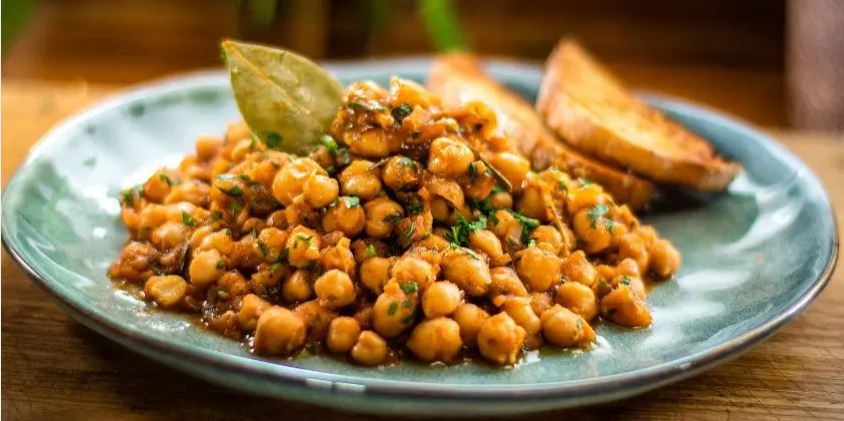
Roasted chickpeas make a great protein-packed vegan snack! Enjoy them on their own, or add them to your favorite healthy dishes for crispy texture.
1½ cups cooked chickpeas, drained and rinsed
Extra-virgin olive oil, for drizzling
Sea salt
Smoked Paprika, curry powder, or other spices, optional
Preheat the oven to 425°F and line a large baking sheet with parchment paper.
-
Spread the chickpeas on a kitchen towel and pat them dry. Remove any loose skins.
-
Transfer the dried chickpeas to the baking sheet and toss them with a drizzle of olive oil and generous pinches of salt.
-
Roast the chickpeas for 20 to 30 minutes, or until golden brown and crisp. Ovens can vary, if your chickpeas are not crispy enough, keep going until they are!
-
Remove from the oven and, while the chickpeas are still warm, toss with pinches of paprika, curry powder, or other spices, if using.
Gluten Could Be Wrongly Blamed for Americans’ Stomach Troubles
Posted: July 23, 2025 Filed under: Food and it's Impact on Our Health | Tags: #delivery, #glutenfree, #healthyeating, #Lactosefree, #mealdelivery, #MillieBarnes, #nutritioncoaching, #Ortega, #pescatarian, #Riverside, #SanMarco, #soyfree. #freedelivery, #Springfield, #vegetarian, #weightloss Leave a comment
Millie; I vehemently disagree with this study. Their assessment is saying that if people think gluten is causing their symptoms then it can cause symptoms! This is simply not true. (see my article here; Everyone SHOULD Eat Gluten Free). Gluten does damage to the epithelial cells that line the stomach, diminishing our ability to secrete digestive juices as well as letting undigested proteins into the blood stream which leads to an antigen reaction. It causes bloating, brain fog and skin issues. The reason for this simple, grains are not a natural food for humans, it is devoid of nutrients and has to be fortified to be considered food by the FDA. We could not have evolved eating grains as until we had fire we had no way to consume it. Everyone feels better with out it. I was shocked that this this study cited eating “starches, an obsolete term. Referring to them as starches is misleading because it lumps them in with nutrient-dense foods like root vegetables, which in reality can trigger inflammation, disrupt gut integrity, and offer far less nutritional value. Unlike whole-food starches, such as potatoes or squashes, gluten containing grains deliver more harm than benefit particularly for sensitive individuals.
By Ed Cara Published July 22, 2025
For many of us, gluten is a dietary villain, capable of causing all sorts of gastrointestinal troubles. Research out this week looks to complicate that narrative, however, finding that people are sometimes wrongly blaming gluten for triggering their symptoms of irritable bowel syndrome.
Scientists at McMaster University in Canada conducted the study, a small, randomized trial of IBS patients. People became sicker just as often after eating food containing gluten or wheat as they did after eating food without the ingredient, they found. Gluten is likely safer to eat for those with IBS than commonly thought, the researchers say.
“These findings suggest that expectations played a major role in symptom generation and that only some of these patients could benefit from gluten or wheat restriction,” they wrote in their paper, published Monday in The Lancet Gastroenetrology and Hepatology.
IBS is a complex, chronic, and relatively common condition, estimated to affect between 5 and 10% of the population worldwide (including up to 45 million people in the U.S.). Its symptoms include stomach pain, bloating, and diarrhea or constipation. Unlike the closely named inflammatory bowel disorder, IBS isn’t marked by physical changes or visible damage along the digestive tract, but it can still be a debilitating burden for many, with around 20% of sufferers experiencing severe bouts. The exact causes of IBS remain unclear, though scientists have speculated it can arise from a miscommunication between the nerves found in the gut and the brain.
People with IBS tend to report having specific triggers that can cause a flare-up of illness, gluten included, and often manage their condition by avoiding these triggers. The researchers behind the new study aimed to better understand gluten’s potential role in IBS, so they recruited over two dozen people with IBS for their randomized, double-blinded trial, all of whom had reported improving after switching to a gluten-free diet.
At first, the volunteers were randomly assigned to one of three groups. All the groups were first told to eat cereal bars for a week. One group ate bars made with flour containing gluten, the second ate bars made with wheat flour, and the third ate bars made with gluten- and wheat-free flour. Afterward, the volunteers took a break for two weeks. Then they switched to eating the bars they hadn’t eaten yet for another round of testing, a process repeated twice. By the study’s end, all the volunteers had eaten all three kinds of bars, though on different schedules and without knowing which bars they had eaten on a given week.
A total of 28 people completed the trial. A significant percentage of people reported having worsening IBS symptoms after eating gluten or wheat bars, the study showed, but about just as often as they did after eating non-gluten/wheat bars (roughly a third experienced worsening IBS during each of the three conditions). 93% of participants also reported having adverse events after each scenario of bar-eating. Interestingly enough, tests of the participants’ stool found that only a third strictly followed their diets as instructed, with likely many fearing they would get sick.
The findings are based on a very small sample size, so it’s not yet certain that they apply to the general population of people with IBS tied to gluten. There are also, of course, digestive conditions clearly caused by an intolerance to gluten, particularly celiac disease. And the researchers aren’t saying gluten can’t sometimes be a genuine trigger for people’s IBS. But they argue that in many cases, people’s negative perception of gluten is causing a nocebo effect, the dark cousin of the placebo effect. In other words, someone’s belief that gluten is bad for them can potentially spark or worsen the IBS symptoms seen after eating it, rather than gluten itself.
The researchers say better communication and follow-up care from doctors are needed for IBS patients, given the findings.
“What we need to improve in our clinical management of these patients is to work with them further, not just tell them that gluten is not the trigger and move on. Many of them may benefit from psychological support and guidance to help destigmatize gluten and wheat and reintroduce them safely in their diet,” said senior author Premysl Bercik, a professor at McMaster’s Department of Medicine, in a statement from the university.
That may be easier said than done, though. The researchers note that most patients, upon learning the team’s findings, staunchly refused to entertain the idea of gluten not being a trigger for their IBS symptoms. So it looks like gluten may need a promotional campaign to win back its reputation.
Landmark Study Flips Decades of Cholesterol Panic Aimed at Eggs
Posted: July 21, 2025 Filed under: Food and it's Impact on Our Health | Tags: #delivery, #glutenfree, #healthyeating, #Lactosefree, #mealdelivery, #MillieBarnes, #nutritioncoaching, #Ortega, #pescatarian, #Riverside, #SanMarco, #soyfree. #freedelivery, #Springfield, #vegetarian, #weightloss Leave a comment
In a groundbreaking clinical trial, researchers have unraveled the effects of cholesterol and saturated fat, finding that eggs may be far less harmful – and potentially more beneficial – than previously thought. It’s the latest research, using robust scientific work, to recast a nutritional villain in a new light.
In a world-first study, University of South Australia (UniSA) researchers investigated the independent impact of dietary cholesterol and saturated fat on “bad” cholesterol – low-density lipoprotein, or LDL – levels. What they found was that even eating two eggs a day, in an overall high-cholesterol but low-saturated-fat diet, lowered LDL levels and cardiovascular disease risk.
“Eggs have long been unfairly cracked by outdated dietary advice,” said lead researcher Jon Buckley, a professor at UniSA. “They’re unique – high in cholesterol, yes, but low in saturated fat. Yet it’s their cholesterol level that has often caused people to question their place in a healthy diet.
In the randomized, controlled, cross-over trial, 61 healthy adults each tried three different diets for five weeks, with breaks in between to allow for a reset. While all diets contained the same amount of daily calories, the cholesterol and saturated fat content differed. An egg diet (two eggs a day) was high in cholesterol but low in saturated fat; an egg-free diet was low in cholesterol (no eggs) but high in saturated fat; and a control was high in both cholesterol and saturated fat, but included only one egg per week.
Investigating the mechanisms involved in this change, the scientists found that things got a little more complex. LDL cholesterol is made up of distinctly sized particles: large, fluffy LDL particles, which are generally considered less risky, and small, dense ones, which are more likely to sneak into artery walls and cause plaque buildup. The egg diet reduced overall LDL but changed the particle makeup – fewer large ones and a slight increase in the small ones. While this isn’t necessarily negative, looking at the LDL drop overall compared to not eating any eggs, it’s certainly something that isn’t well understood and needs more research.
It’s also worth noting that the no-eggs diet also saw a rise in small particles and a slight drop in large ones, but overall did nothing impactful in lowering LDL cholesterol levels.
However, the results revealed that the real culprit for raising LDL levels appears to be saturated fat, not the cholesterol in eggs as has long been believed. Cutting eggs out of a diet for health reasons, without also reining in saturated fat intake, is unlikely to shift the needle when it comes to LDL cholesterol.
Secondary results from the study also found that the egg diet raised levels of lutein and zeaxanthin – carotenoids in egg yolk known to support brain and eye health, and help protect the body from inflammation – in plasma. The scientists also found a link between a spike in these levels and an increase in incidental movement among the participants. While not causal, the researchers hypothesized that the carotenoids, known antioxidants, could play a role in regulating the brain’s motivation or energy systems.
“In this study, we separated the effects of cholesterol and saturated fat, finding that high dietary cholesterol from eggs, when eaten as part of a low saturated fat diet, does not raise bad cholesterol levels,” said Buckley. “Instead, it was the saturated fat that was the real driver of cholesterol elevation.”
This research follows on from the results of an observational study conducted by Monash University researchers in February, which found that eating up to six eggs a week was linked to a 29% lower likelihood of developing heart disease compared to no or infrequent consumption.
While some cynical readers might be quick to write off these studies as good PR work from “Big Yolk,” they lift the lid on a broader discussion that needs to be had about how, in Western societies in particular, the villainization of certain foods was a byproduct of the “nutrient reductionism” era. Think “fat-free” trends and how cow’s milk is a non-negotiable for human health.
From the 1950s, as the link between high blood cholesterol and cardiovascular disease risk became established, it was quickly accepted that eating high-cholesterol foods (like eggs) would also raise blood cholesterol levels and, in turn, jeopardize heart health. Dietary guidelines promoting low-cholesterol diets became entrenched in health messaging over the next few decades – despite limited scientific evidence that foods high in cholesterol were driving the rise in heart disease. And egg yolks – with around 185 mg of cholesterol in each – became “bad” for heart health.
Then, in the 1980s and 1990s, as low-fat, calorie-counting diets rose to prominence, eggs endured another identity crisis. Egg whites – low in calories and with almost no fat content – were embraced, while the yolks – with around 60 calories each and plenty of fat – were to be avoided. What that simplified good/bad approach ignored, however, was that the fat in yolks was largely healthy fats (unsaturated) and it housed most of the egg’s nutrients (vitamins A, D, E, K, and choline).
The egg is a great example of nutrient reductionism, which focuses on a single nutrient – fat, protein, carbohydrates, cholesterol – in isolation, rather than assessing the entire package or considering the person consuming it. While nutritional guidelines are moving away from the good/bad dichotomy, we’ve lived through decades of poor scientific evidence and strong marketing campaigns that tell us where to get calcium (milk) and protein (meat), and that bread (carbs) will sabotage weight loss. After sugar was cast out, the rise of sugar-free artificial sweeteners became the healthy replacement – and there’s growing scientific evidence linking various types to a host of health issues.
What this reductive approach missed is that our bodies don’t metabolize isolated nutrients in a vacuum – they’re absorbed and processed in a much more complex way, affecting health over time. Food exists in the context of meals, habits, microbiome and timing. While we’re not advocating for an all-egg diet (as a vegan, I actually belong to the egg-free cohort), the UniSA research underpins the fact that, scientifically speaking, how food impacts our long-term health is far more nuanced.
“So, when it comes to a cooked breakfast, it’s not the eggs you need to worry about – it’s the extra serve of bacon or the side of sausage that’s more likely to impact your heart health,” Buckley added.
That said, this research also demonstrates how more work is needed to better understand how eggs don’t just impact LDL levels but the composition of that “bad” cholesterol itself.
Currently, the American Heart Association says that healthy people can eat one egg each day and that “older people with healthy cholesterol levels can have two” because of the nutritional value they provide.
The study was published in The American Journal of Clinical Nutrition.
Greek Three Bean Soup
Posted: June 2, 2025 Filed under: Food and it's Impact on Our Health, Recipes | Tags: #delivery, #glutenfree, #healthyeating, #Lactosefree, #mealdelivery, #MillieBarnes, #nutritioncoaching, #Ortega, #pescatarian, #Riverside, #SanMarco, #soyfree. #freedelivery, #Springfield, #vegetarian, #weightloss Leave a comment
I have been studying the Blue Zones Diet and came across an article about a Greek Family who have numerous people who are well over 100 years old. They say this is the lunch they have been eating every day for over a hundred years. So I made it and fell in love with it. Because most days I am cooking all day for my clients I tend to eat smaller lunches than the other day but I do snack on fruit during the day. So now I have this for lunch every day and it is perfect with a small salad or piece of fruit.
Three-Bean Vegetable Soup
Serves 4
3 cup dried beans (I use canned cannellini and light red beans beans and do not add the garbanzo beans as I am not a fan)
4 T olive oil
2 large yellow onion, diced
2 t. garlic, minced
2 cup diced carrot- sliced
2 cup diced celery
1 head cauliflower- small flowerets
2 cups green beans
12 cup vegetable broth
2 14 oz can petite diced tomatoes
3 T Balsamic vinegar
4 bay leaves
2 T each of thyme, oregano and basil
2 ½-3 t. fine grain kosher salt
½ teaspoon red pepper flakes
6 cup kale- washed and rubbed vigorously. This helped break down the fiber and makes it easier to digest.
2 cup diced sweet potato
Heat olive oil in a large pot. Sauté onion and garlic for 5-6 minutes, or until translucent and slightly softened, stirring frequently.
Add carrots, celery Continue cooking for 6-7 minutes.
Add broth, vinegar, bay leaves, seasoning, salt and red pepper flakes. Let simmer a few minutes then add cauliflower and green beans and simmer 30 minutes.
Then add beans with some of the liquid that is in the beans and simmer45 minutes.
While the soup is simmering dice the sweet potatoes a little bigger than one inch (they shrink when roasted because of the high amount of liquid). The coat them with olive oil and season with garlic granules, salt and pepper. Roast in a preheated 450° oven for 35 minutes.
When soup has simmered45 minutes add the kale and simmer until done but still bright green. Remove from heat and add sweet potatoes.
Serve with pesto.
Roasted Leeks with Parmesan and Butter
Posted: March 13, 2025 Filed under: Food and it's Impact on Our Health, Recipes | Tags: #delivery, #glutenfree, #healthyeating, #Lactosefree, #mealdelivery, #MillieBarnes, #nutritioncoaching, #Ortega, #pescatarian, #Riverside, #SanMarco, #soyfree. #freedelivery, #Springfield, #vegetarian, #weightloss Leave a comment
- 6 leeks
- 3 tablespoons olive oil OR butter
- ½ teaspoon salt
- ¼ teaspoon black pepper
- ¼ cup Parmesan – grated- I use non-dairy Parmesan alternative
-
Preheat the oven to 425°F.
-
Trim the hairy bottom of the white part of the leeks. Trim the dark greens, leaving the white and light green parts.
-
Cut the leeks in half lengthwise, then rinse them well (there’s often dirt trapped in there) and dry. Arrange them in a 9 X 13 baking dish, cut side down.
-
Drizzle the leeks with olive oil and use your hands to coat them thoroughly. Sprinkle them with salt and pepper.
-
Roast them for 20 minutes. Remove from the oven, turn so that their cut side is up, and sprinkle with the Parmesan.
-
Continue roasting until the leeks are fork-tender and golden brown, 5-10 more minutes. Serve immediately.
Tuscan Beans With Fresh Tuna
Posted: September 6, 2024 Filed under: Food and it's Impact on Our Health, Recipes | Tags: #delivery, #glutenfree, #healthyeating, #Lactosefree, #mealdelivery, #MillieBarnes, #nutritioncoaching, #Ortega, #pescatarian, #Riverside, #SanMarco, #soyfree. #freedelivery, #Springfield, #vegetarian, #weightloss Leave a comment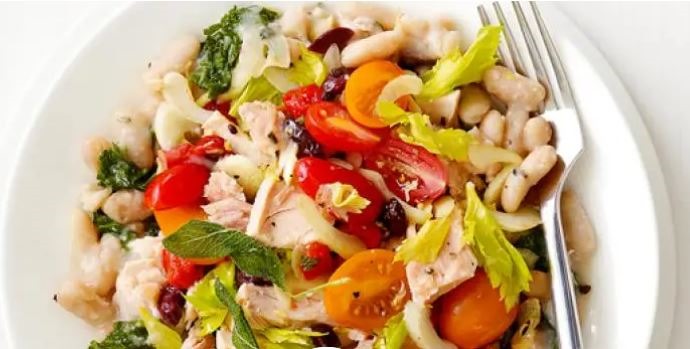
6 tablespoons extra-virgin olive oil
3 cloves garlic, thinly sliced
16 fresh sage leaves (8 chopped, 8 whole)
2 15-ounce cans cannellini beans
3/4 pound kale, stems and ribs discarded, large leaves torn in half
Kosher salt and freshly ground pepper
1 cup grape tomatoes, thinly sliced
3 inner stalks celery, thinly sliced (with some leaves)
1/2 cup chopped pitted Kalamata olives
1/3 cup chopped roasted red peppers
4 6 ounce tuna steaks- seared for two minutes per side and sliced thin
- Heat 3 tablespoons olive oil in a deep skillet over medium heat. Add the garlic and chopped sage and cook until the garlic just starts to brown, about 4 minutes. Add the beans (including the liquid from the cans) and 1 cup water. Increase the heat to medium high and cook, stirring occasionally, until slightly reduced, about 10 minutes. Add the kale and cook, stirring occasionally, until the kale is tender and the liquid looks creamy, 8 to 10 minutes. Season with salt and pepper.
2. Meanwhile, toss the tomatoes, celery, olives and roasted peppers in a medium bowl. Heat the remaining 3 tablespoons olive oil in a small skillet over medium heat, then fry the sage leaves until crisp, 3 to 4 minutes; drain on paper towels. Reserve the oil.
3.Break the tuna into large chunks and divide among shallow bowls. Spoon the bean mixture around the tuna and top with the olive salad and fried sage. Drizzle with the reserved sage oil and season with salt.
BLT Bean Salad
Posted: September 6, 2024 Filed under: Food and it's Impact on Our Health, Recipes | Tags: #delivery, #glutenfree, #healthyeating, #Lactosefree, #mealdelivery, #MillieBarnes, #nutritioncoaching, #Ortega, #pescatarian, #Riverside, #SanMarco, #soyfree. #freedelivery, #Springfield, #vegetarian, #weightloss Leave a comment
All the flavors of a classic BLT sandwich come together in this hearty bean salad. The homemade herb-mayo dressing adds freshness while the crisp bacon and croutons add a welcomed crunch. It’s a great way to use up those pantry beans in a summery salad you’ll want to enjoy all year round.
2 slices Canyon Rach Gluten free bread, cut into 1/2-inch pieces
2 tablespoons olive oil
Kosher salt and freshly ground black pepper
4 slices thick-cut bacon (about 4 ounces), sliced into 1/4-inch-thick pieces
1/2 cup fresh basil leaves
1/4 cup fresh parsley leaves
1/4 cup fresh dill
3 tablespoons mayonnaise
3 tablespoons plain yogurt
1 1/2 tablespoons fresh lemon juice
One 15-ounce can Great Northern or cannellini beans, drained and rinsed
1 heart of romaine, cut into bite-size pieces
1 cup cherry tomatoes, halved
- Preheat the oven to 400 degrees F.
- Toss the bread, olive oil, a pinch of salt and several grinds of pepper on a rimmed baking sheet until combined, then spread into an even layer. Bake until the croutons are golden brown and well toasted, tossing halfway through, 10 to 12 minutes.
- Meanwhile, add the bacon to a medium skillet and cook over medium heat, stirring occasionally, until crisp and well browned, about 5 minutes. Transfer to a paper towel-lined plate with a slotted spoon to drain.
- For the dressing, puree the basil, parsley, dill, mayonnaise, yogurt, lemon juice, 2 teaspoons water, 1/4 teaspoon salt and several grinds of pepper in a food processor until the herbs are finely chopped and dressing is bright green. Taste and adjust the seasoning with more salt and pepper.
- To assemble, add the beans, romaine, tomatoes, half the croutons and half the bacon to a large bowl. Add half of the herb-mayo dressing, then toss to combine. Transfer to a large serving bowl or platter, top with the remaining croutons and bacon and drizzle with the remaining dressing.
Scientists Reveal a Healthier Way to Cook Broccoli – But There’s a Catch
Posted: March 24, 2024 Filed under: Food and it's Impact on Our Health | Tags: #delivery, #glutenfree, #healthyeating, #Lactosefree, #mealdelivery, #MillieBarnes, #nutritioncoaching, #Ortega, #pescatarian, #Riverside, #SanMarco, #soyfree. #freedelivery, #Springfield, #vegetarian, #weightloss Leave a comment
In recent years, broccoli has gained a reputation as an excellent vegetable due to its high levels of a particularly beneficial compound called sulforaphane.
With some early-stage studies showing how this compound plays a role in blood sugar control and potentially even has anti-cancer benefits, it’s no wonder that broccoli pills are on the rise.
However, a 2011 study showed that eating the whole vegetable gets you more sulforaphane than taking a supplement – so a team of Chinese researchers decided to try and find the best way to cook broccoli.
They arrived at a clear winner, publishing their results in 2018 in the Journal of Agricultural and Food Chemistry – but it’s a tough sell if you have better things to do with your time.
There’s a method behind the madness, though. Sulforaphane doesn’t just sit there in the broccoli florets, ready to be consumed. Instead, the vegetable contains several compounds called glucosinolates.
It also contains the enzyme myrosinase, which plants have evolved for defending themselves against herbivores. Through what’s known as ‘myrosinase activity’, the glucosinolates get transformed into sulforaphane, which is what we want.
To kick myrosinase activity into gear, you need to do damage to the broccoli, so you’d think cooking would do the trick.
Unfortunately, studies have shown that common broccoli cooking methods, like boiling and microwaving, seriously reduce the amount of glucosinolates in the vegetable – even if you just zap it for a couple minutes. And myrosinase is super-sensitive to heat, too.
Hence, by far the largest amount of sulforaphane you can get from broccoli is by munching on raw florets. Ugh.
This got the team of researchers thinking about the results of stir-frying – the single most popular method for preparing vegetables in China.
“Surprisingly, few methods have reported the sulforaphane concentrations in stir-fried broccoli, and to the best of our knowledge, no report has focused on sulforaphane stability in the stir-frying process,” the researchers noted in their study.
The team bought a bunch of broccoli from the local market and set to work, measuring the levels of compounds in the vegetables as they went.
First, they basically pulverized the broccoli, chopping it into 2-millimeter pieces to get as much myrosinase activity going as possible (remember, the activity happens when broccoli is damaged).
Then, they divided their samples into three groups – one was left raw, one was stir-fried for four minutes straight after chopping, and the third was chopped and then left alone for 90 minutes before being stir-fried for four minutes as well.
The 90-minute waiting period was to see whether the broccoli would have more time to develop the beneficial compounds before being lightly cooked.
And that’s exactly what the team found – the broccoli that was stir-fried right away had 2.8 times less sulforaphane than the one left to ‘develop’ for longer.
“Our results suggest that after cutting broccoli florets into small pieces, they should be left for about 90 minutes before cooking,” the team concluded, adding that they didn’t test it but thought “30 minutes would also be helpful”.
We’re not sure we’re willing to commit to all that effort, though. The team does say they’re looking into ways to reduce the chopping needed, so watch this space – or just eat some raw broccoli.
The study was published in the Journal of Agricultural and Food Chemistry.
Mediterranean Bean Soup Recipe With Tomato Pesto
Posted: March 12, 2024 Filed under: Food and it's Impact on Our Health, Recipes | Tags: #delivery, #glutenfree, #healthyeating, #Lactosefree, #mealdelivery, #MillieBarnes, #nutritioncoaching, #Ortega, #pescatarian, #Riverside, #SanMarco, #soyfree. #freedelivery, #Springfield, #vegetarian, #weightloss Leave a commentThis is my new favorite soup! This Mediterranean three bean soup recipe is one power-packed vegetarian and gluten free dinner to feed a hungry crowd! And if you ever thought beans are boring, this delicious, cozy soup, finished with a bold tomato pesto will blow your mind!

Extra virgin olive oil
1 Large russet potato peeled, diced into small cubes
1 medium yellow onion chopped
1 15- oz can diced tomatoes
1 tablespoon white vinegar
1 tablespoon ground coriander
1 teaspoon Spanish paprika
Salt and pepper
5 cups low sodium vegetable broth, or broth of your choice
8- oz frozen spinach, no need to thaw
15- oz can red kidney beans, drained and rinsed
15- oz can cannellini beans, drained and rinsed
15- oz can chickpeas, drained
Basil leaves for garnish optional
⅓ cup toasted pine nuts for garnish optional
For Tomato Pesto Sauce
2-3 large garlic cloves, you can start with less garlic if you’re not sure
1 ½ cup diced fresh tomatoes
15-20 large basil leaves
½ cup Private Reserve Greek extra virgin olive oil
Salt and pepper
⅓ cup grated Parmesan cheese
-
In a large Dutch oven or heavy pot, heat two tablespoons of olive oil over medium heat until shimmering but not smoking. Add the diced potatoes and onions. Cook for about 4-5 minutes, tossing regularly.
-
Add the canned diced tomatoes, vinegar, spices, salt and pepper. Stir to combine. Cover and cook for another 4 minutes.
-
Uncover, add the vegetable broth and frozen spinach. Raise the heat to medium-high and bring to a boil for 4 minutes or so. Add the kidney beans, cannellini beans, and chickpeas. Bring back to a boil, then reduce heat to medium-low. Cover and cook for another 15 to 20 minutes (potatoes should be tender at this point).
-
While the soup is cooking, make the tomato pesto. In the bowl of a food processor fitted with a blade, place the garlic and fresh tomatoes. Pulse a few times to combine. Add the basil and puree. While the processor is running, drizzle in the olive oil a little bit at a time. Transfer the thick tomato pesto to a bowl, and stir in the grated Parmesan.
-
When the soup is ready, remove from heat. Stir in the tomato pesto.
-
Transfer to serving bowls. Top each bowl with a few basil leaves and toasted pine nuts.
A Harvard Nutritionist and a Neuroscientist Agree This is the No. ONE Food for a Healthy Brain
Posted: March 12, 2024 Filed under: Food and it's Impact on Our Health | Tags: #delivery, #glutenfree, #healthyeating, #Lactosefree, #mealdelivery, #MillieBarnes, #nutritioncoaching, #Ortega, #pescatarian, #Riverside, #SanMarco, #soyfree. #freedelivery, #Springfield, #vegetarian, #weightloss Leave a comment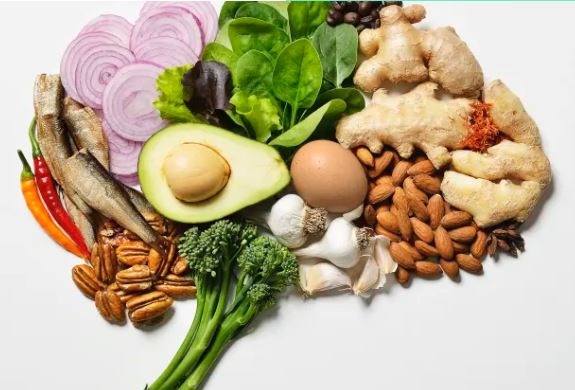
What you eat can, and does, impact the function of your brain, including your ability to ward off Alzheimer’s disease and there are certain foods — like sunflower seeds and whole grains — that provide greater benefits.
There is one food in particular that Dr. Uma Naidoo, a Harvard nutritionist, and Lisa Genova, a Harvard-trained neuroscientist, say is the key to a healthy brain: Green leafy vegetables.
The No. 1 food for a healthy brain: Green leafy vegetables
Across the board, experts agree that eating leafy greens is essential for overall health, especially for your brain.
Some of the green leafy vegetables that you can add to your meals are:
- Kale
- Spinach
- Lettuces
- Cabbage
- Swiss chard
- Bok choy
- Mustard greens
3 reasons experts say a diet rich in leafy greens is good for your brain
1. They’re rich in B vitamins
Often, conditions like depression and dementia are associated with a vitamin B deficiency, according to a study from the Wayne State University School of Medicine.
Green leafy vegetables are a wonderful source of vitamin B9, Naidoo told CNBC Make It in 2022. The vitamin, also known as folate, is “a key vitamin for supporting brain and neurological health, optimal neurotransmitter function, and balanced psychological health,” she added.
Leafy greens are the first type of food that Naidoo suggests for her patients who are looking to boost their mood.
2. They’re high in brain-boosting nutrients
Green leafy vegetables are also full of what Genova calls “brain-boosting nutrients” including folate, lutein and beta-carotene.
Lutein has been linked to an improvement in brain function and brain structure for older adults. And a systematic review found that taking beta-carotene supplements can boost “verbal and cognitive memory.”
3. They’re full of fiber
Increasing intake of dietary fiber was associated with a lower chance of developing depression, a study published in “Complementary Therapies in Medicine” in 2021 found.
Naidoo prefers to recommend getting more fiber through your diet, specifically plant-based foods. And leafy greens just so happen to be fiber-dense.


 Meal Delivery Service by Millie Barnes