Do NOT Listen To the FDA or Your Doctor About Your Diet!
Posted: January 25, 2013 Filed under: Food and it's Impact on Our Health Leave a comment
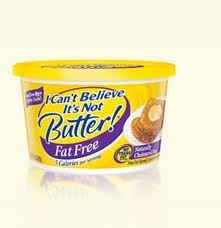
Isn’t it ridiculous that the above photos are what the American Diabetic Association recommends as a “healthy” breakfast…especially for diabetics?
Americans have become much less likely to rate their diets as “Excellent” or “Very Good” in terms of healthfulness, even though the healthfulness of the American diet has undergone little change over this period.
From an article on Yahoo Finance– Almost half of American adults say they need to change their diets so they can improve overall healthfulness, according to a 2012 survey by market research group, The NPD Group.
The American Heart Association recommends that Total Fat be less than 6.5 g per day. They recommend lean meats and low fat dairy. They recommend that we eat SIX servings a day of grains. Grains are empty carbs and a major contributor to weight gain. They recommend only 3 to 6 OUNCES a day of lean protein! That is not enough for even one meal.
The American Diabetic Association recommends 1590 calories a day, far less than what it takes to meet your needed nutrient needs. They recommend TWICE as many carbs as protein each day! Way to go in helping people stay dependent on insulin and contributing to poor health! They recommend fat free dairy products. Their recommendation for a healthy breakfast? Whole Wheat Waffle, margarine, sugar free syrup (WATER, SORBITOL*, CONTAINS 2% OR LESS OF: CELLULOSE GUM, SALT, NATURAL AND ARTIFICIAL FLAVOR, CARAMEL COLOR, XANTHAN GUM, SORBIC ACID AND SODIUM BENZOATE (PRESERVATIVES), ACESULFAME POTASSIUM (NON NUTRITIVE SWEETENER)*, SODIUM HEXAMETAPHOSPHATE, PHOSPHORIC ACID, SUCRALOSE (NON NUTRITIVE SWEETENER)*), 3/4 cups of Berries, 6 ounces of Greek Yogurt and coffee with 1/4 cup skim milk and sugar substitute! Absurd!
This breakfast gives you a whopping 46% calories from carbs, 15% of needed Vitamin D, 4% of needed iron, 8% of needed cholesterol, and only 18% of needed protein.
Shouldn’t breakfast contain 1/3 of the nutrients we need each day?
Part of the AMA Missions statement says; The need for our work is beyond question.
Then why make recommendations that would keep Americans overweight and unhealthy?
A recent study on strokes states; A low-fat diet that emphasized consumption of whole grains, fruits, and vegetables did not reduce stroke incidence. Their recommendation? A DASH-style diet, which emphasizes consumption of fruits, vegetables, and low-fat dairy products and is reduced in saturated fat,
also lowers BP and is recommended (From The American Heart Association Journals)
ALL of these recommendations are false and dangerous to your health.
What is a healthy breakfast?
Organic bacon and eggs, cooked in butter or coconut oil, coconut milk yogurt, sliced tomatoes, and a handful of blueberries. Along with some organic free trade coffee or green tea this will meet your nutrient needs for a third of your day.
Chicken Piccata
Posted: January 25, 2013 Filed under: Food and it's Impact on Our Health 2 Comments
In the 50’s and 60’s Chicken Piccata was a popular dish. Though it has fallen out of favor it is still a favorite of mine.
What’s not to love about chicken breasts in a lemony sauce?
Piccata is a method of preparing food: meat is sliced, coated, sautéed and served in a sauce. The dish originated in Italy using veal (veal piccata).
This dish can be boring and mushy, but when prepared correctly and served right out of the pan, it is delightful.
Chicken Piccata Done Right
For brightly flavored, fresh tasting chicken piccata, use a whopping quarter cup of lemon juice, and don’t use flour to thicken the sauce.
Slice the cutlets in half rather than pounding, don’t coat them at all, skip the wine, and use thin slices of lemon for the freshest flavor.
CHICKEN PICCATA
Serves 4
2 large lemons
4 boneless, chicken breasts (about 1 1/2 pounds),
Salt and ground black pepper
1/2 cup tapioca flour
4 tablespoons butter
1 small shallot, minced (about 2 tablespoons) or
1 small garlic clove, minced (about 1 teaspoon)
1 cup chicken stock
2 tablespoons drained small capers
3 tablespoons unsalted butter, softened
2 tablespoons minced fresh parsley leaves
1. Adjust oven rack to lower-middle position, set large heatproof plate on rack, and heat oven to 200 degrees.
2. Halve one lemon pole to pole. Trim ends from one half and cut crosswise into slices 1/8 to 1/4 inch thick; set aside. Juice remaining half and whole lemon to obtain 1/4 cup juice; reserve.
3. Sprinkle both sides of cutlets generously with salt and pepper. Measure flour into pie tin or shallow baking dish. Working one cutlet at a time, coat with flour, and shake to remove excess.
4. Heat heavy-bottomed 12-inch skillet over medium-high heat until hot, about 2 minutes; add 2 tablespoons butter and swirl pan to coat. Lay half of chicken pieces in skillet. Sauté cutlets, without moving them, until lightly browned on first side, 2 to 2 1/2 minutes. Turn cutlets and cook until second side is lightly browned, 2 to 2 1/2 minutes longer. Remove pan from heat and transfer cutlets to plate in oven. Add remaining 2 tablespoons butter to now-empty skillet and heat until shimmering. Add remaining chicken pieces and repeat.
5. Add shallot or garlic to now-empty skillet and return skillet to medium heat. Sauté until fragrant, about 30 seconds for shallot or 10 seconds for garlic. Add stock and lemon slices, increase heat to high, and scrape skillet bottom with wooden spoon or spatula to loosen browned bits. Simmer until liquid reduces to about 1/3 cup, about 4 minutes. Add lemon juice and capers and simmer until sauce reduces again to 1/3 cup, about 1 minute. Remove pan from heat and swirl in butter until butter melts and thickens sauce; swirl in parsley. Spoon sauce over chicken and serve immediately.
A Great Variation- Chicken Piccata with Prosciutto
Follow recipe for Chicken Piccata, adding 2 ounces thinly sliced prosciutto, cut into pieces 1 inch long and 1/4-inch wide, along with shallot or garlic and sauté just until prosciutto is lightly crisped, about 45 seconds.
Paleo Tomato Ketchup
Posted: January 22, 2013 Filed under: Recipes | Tags: Paleo Leave a commentHere’s a ketchup recipe without sugar from The Paleo Network
by SUZ on DECEMBER 27, 2012
It is so hard to find a tomato ketchup recipe that doesn’t add in lots of sugar! Finally with a lot of tweaking, I’ve come up with my favorite Paleo tomato sauce recipe. A home made burger just isn’t the same without tomato ketchup.

Paleo Tomato Ketchup Ingredients:
- 15 Medium Tomatoes
- 2 Onions, Chopped and Fried in Coconut Oil
- 4 Garlic Cloves, Crushed and Fried in Coconut Oil
- 1 Red Capsicum (Bell Pepper)
- 100ml (4floz) Red Wine Vinegar
- 1 Teaspoon Celtic Sea Salt
- 1 Teaspoon Paprika
- Pinch Cayenne Pepper
- 1 Teaspoon Mustard Seeds
- 1 Teaspoon Black Peppercorns
- 6 Cloves
- 3cm (1 inch) Peeled & Chopped Ginger
Paleo Tomato Ketchup How To:
Chop up the tomatoes and capsicum and along with the onion and garlic, bring to the boil in a pan of the red wine vinegar.
Stir occasionally, allow the mixture to reduce to a thicker consistency.
Remove from the heat and puree in a blender to your desired level of smoothness, before returning to the pan over the heat.
In some muslin or a tea strainer, add the seeds, peppercorns, cloves and ginger and add to the pan.
Reduce the heat to simmer and cover until it thickens up to your liking.
Once ready, remove the muslin or strainer and bottle the ketchup and store in the fridge.
Paleo Tomato Ketchup
Posted: January 22, 2013 Filed under: Food and it's Impact on Our Health Leave a commentHere’s a ketchup recipe without sugar from The Paleo Network
by SUZ on DECEMBER 27, 2012
It is so hard to find a tomato ketchup recipe that doesn’t add in lots of sugar! Finally with a lot of tweaking, I’ve come up with my favorite Paleo tomato sauce recipe. A home made burger just isn’t the same without tomato ketchup.
Paleo Tomato Ketchup Ingredients:
- 15 Medium Tomatoes
- 2 Onions, Chopped and Fried in Coconut Oil
- 4 Garlic Cloves, Crushed and Fried in Coconut Oil
- 1 Red Capsicum (Bell Pepper)
- 100ml (4floz) Red Wine Vinegar
- 1 Teaspoon Celtic Sea Salt
- 1 Teaspoon Paprika
- Pinch Cayenne Pepper
- 1 Teaspoon Mustard Seeds
- 1 Teaspoon Black Peppercorns
- 6 Cloves
- 3cm (1 inch) Peeled & Chopped Ginger
Paleo Tomato Ketchup How To:
Chop up the tomatoes and capsicum and along with the onion and garlic, bring to the boil in a pan of the red wine vinegar.
Stir occasionally, allow the mixture to reduce to a thicker consistency.
Remove from the heat and puree in a blender to your desired level of smoothness, before returning to the pan over the heat.
In some muslin or a tea strainer, add the seeds, peppercorns, cloves and ginger and add to the pan.
Reduce the heat to simmer and cover until it thickens up to your liking.
Once ready, remove the muslin or strainer and bottle the ketchup and store in the fridge.
Save Your Bacon
Posted: January 21, 2013 Filed under: Food and it's Impact on Our Health | Tags: Paleo Leave a comment
Written by Kaayla Daniel, PhD, CCN
Monday, 10 December 2012 21:02
Sizzling Bits about Nitrites, Dirty Little Secrets about Celery Salt and Other Aporkalyptic News
“When you’re in my house you shall do as I do and believe who I believe in. So Bart, butter your bacon.” Homer Simpson
Neal Barnard, MD, head of the Physicians Committee for (Ir)Responsible Medicine, tried to round up an army of vegans to protest a Bacon Festival in Iowa last spring, but succeeded in recruiting only six volunteers.1 Why so few? Probably fear of bacon! Not fear of death by bacon, which is what Dr. Barnard hoped to fuel with anti-meat rhetoric and billboards of skulls and crossbones, but vegan fears of succumbing to the lure of bacon itself! Bacon’s smell and taste are so seductive that many vegetarians fear it as “the gateway meat.”
But what of those health risks? What about all that fat, cholesterol and sodium? And what about nitrites? It’s not just vegans after all who warn us against bacon. Recently, the Harvard School of Public Health announced with great fanfare that just a small daily serving of red meat would increase our likelihood of death by 13 percent, while a little bacon, hot dog, sausage or other processed red meat every day would kill us off 20 percent faster.2,3
In fact, the study was pseudo-science at its best—an observational study using notoriously fallible food-frequency questionnaires, with researchers drawing unwarranted conclusions based on mere associations. Much ado about nothing, in other words. A careful look at the data suggests a 0.2-fold increased risk at most. And that’s for people eating supermarket meat from factory farms who also happen to smoke, are couch potatoes, and eat their red meat wrapped up in white bread and buns.4-6
Sadly, lots of people assume Harvard’s warnings must be valid. Red meat, bacon and other tasty high-fat foods, after all, have long enjoyed reputations as being both delicious and dangerous. Indeed, the bacon question has been argued for years now, with most non-vegan internet bloggers concluding that bacon’s “not so bad” if used to add a bit of flavor and crunchiness to “healthy” foods such as salads and vegetables. Comedian Jim Gaffigan spoofed this point of view on Late Night with Conan O’Brien when he described bits of bacon as “the fairy dust of the food community” and eating a salad sprinkled with bacon as “panning for gold.”
A bit more bacon—even a few strips— sometimes even gets the Food Police stamp of approval, provided it’s a special treat, of course, and not a daily indulgence. But such recommendations usually come complete with a warning to stick with lean bacon, and then cook it so it’s firm but not soft. While that last sounds a bit naughty, it’s actually anti-fat food puritanism—the goal being to render the soft parts into fat that can be poured or patted off.
But what if bacon is actually good for us? What if it actually supports good health and is not a mortal dietary sin after all? What if we can eat all we’d like? Naughty propositions to be sure, but ones the Naughty Nutritionist™ is prepared to argue. And that promise is not just a strip tease!
Posted: January 8, 2013 Filed under: Food and it's Impact on Our Health Leave a comment

Anansi the spider
from ‘Anansi Boys’ by Neil Gaiman, one of my favorite books!Tyler Lewis-Goshen
Monsanto’s Roundup Devastating Gut Health
Posted: January 6, 2013 Filed under: Food and it's Impact on Our Health, Non-Toxic Choices 2 CommentsAnd Contributes to Overgrowth of Deadly Bacteria.

From The Nation of Change
Much of the public forgets the gut when it comes to warding off the flu and other more threatening diseases, but the gut—and its army of beneficial bacteria—are essential in protecting us from harm. That’s why eating genetically modified and/or conventionally farmed food could be a direct assault on your own health. Most recently, research has shown that Monsanto’s herbicide, known as Roundup, is destroying gut health, threatening overall health of animals, people, and the planet significantly.
The journal Current Microbiology recently published a study that caught Monsanto’s Roundup herbicide’s active ingredient, glyphosate, suppressing beneficial bacteria in poultry specimens. Given that gut health is directly linked to chronic illnesses and overall health, this isn’t exactly welcome news for people who can’t always afford or who lack access to organic, locally grown food.
But it gets worse. While good bacteria died, highly pathogenic bacteria were unaffected by glyphosate. These pathogens include several strains of Salmonella and the class Colstridia, anaerobic bacteria known to be some of the deadliest known to us, including C. tetani (tetanus) and C. botulinum (botulin). Although botulin is used to ease overactive muscles and in Botox, America’s most popular cosmetic procedure, it takes but 75 billionths of a gram to kill someone weighing 75 kg (165 lbs).
“A reduction of beneficial bacteria in the gastrointestinal tract microiota by ingestion of glyphosate could disturb the normal gut bacterial community,” the authors of the study wrote. Glyphosate, they added, “could be a significant predisposing factor that is associated with the increase in Clostridia botulinum-mediated diseases by suppressing the antagonistic effect of these [good] bacteria on clostridia.”
Dangers of Pesticides To Read More
We NEED To Get Our Feet in the Dirt..
Posted: January 5, 2013 Filed under: Food and it's Impact on Our Health Leave a comment
A day spent outside can provide you with a feeling like no other. When you come inside after a day outside, you can literally feel yourself in a higher vibe. It’s time to start asking why we operate the way we do.
►www.collective-evolution.com/2012/07/25/why-we-operate-this-way/ — with Aharon Brassea.
This picture and articles made a big impact on me.

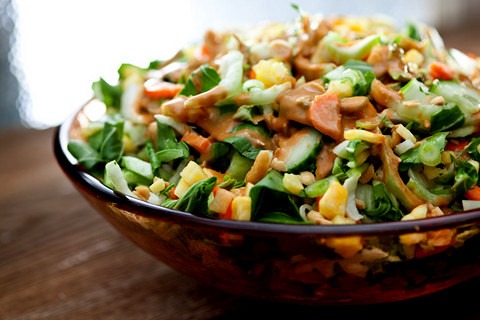
Bok Choy and Pineapple Salad with Peanut Dressing
Posted: December 22, 2012 Filed under: Food and it's Impact on Our Health Leave a commentI am not a huge Bok Choy fan, I like it ok…have a few recipes enjoy…but raw? I don’t care for the heavy raw slightly bitter taste. BUT, I made this last week and promptly made more! My son, who doesn’t eat Bok Choy, really loved it! I think you will too…
This is from Chow, a favorite foodie site of mine!
For the dressing:
- 1/4 cup natural smooth peanut butter (no added sugar or salt)
- 2 tablespoons freshly squeezed lime juice (from about 2 medium limes)
- 2 tablespoons soy sauce
- 2 teaspoons packed dark brown sugar
- 2 teaspoons fish sauce
- 1 medium garlic clove, smashed
- 1 teaspoon chili-garlic paste
- 2 tablespoons olive oil
- 1/4 teaspoon toasted sesame oil
- 1/2 teaspoon cumin
- 1/2 teaspoon smoked paprika
For the salad:
- 2 pounds baby Bok Choy
- 2 1/2 cups fresh small-dice pineapple (from about 1/2 medium pineapple)
- 2 medium carrots, peeled, halved lengthwise, then thinly sliced crosswise
- 1/2 medium English cucumber, quartered lengthwise, then thinly sliced crosswise
- 1 cup coarsely chopped fresh cilantro
- 1/2 cup roasted, salted peanuts, coarsely chopped
- 2 medium scallions, thinly sliced (white and light green parts only)
For the dressing:
- Place all of the ingredients except the oil in a blender and blend on high until smooth. With the motor running, slowly stream in the oil until it is fully incorporated; set the dressing aside in the blender.
For the salad:
- Cut the bok choy in half lengthwise, rinse it, and dry it. Cut the leaves crosswise into 1-inch-wide ribbons, cut the stalks crosswise into 1/4-inch pieces, and transfer both to a large bowl.
- Add the remaining ingredients, drizzle with the dressing, and toss to combine. Serve immediately.
This light and refreshing salad is a loose interpretation of the popular Indonesian dish gado-gado. In our easy version, a spiced peanut dressing is blended until creamy and then tossed with thinly sliced raw baby bok choy, pineapple, carrots, cucumber, cilantro, and scallions. To turn this healthy side dish into a flavorful meal, top it with Shrimp.
What to buy: Look for chili-garlic paste in the Asian section of your supermarket. We like the one made by Huy Fong Foods (with the rooster on the jar).
Game plan: You can prepare the vegetables a few hours ahead of time and store them separately in the refrigerator. The dressing can also be prepared a few hours ahead, but it may need to be reblended when you’re ready to serve. Make sure to dress the salad just before serving; otherwise it’ll wilt as it sits.
Bacon and Egg Pie
Posted: December 22, 2012 Filed under: Food and it's Impact on Our Health 1 CommentFrom the New York Times

By MELISSA CLARK
Published: December 21, 2012
THERE is quiche Lorraine, and then there is bacon-and-egg pie. Despite the obvious similarities in ingredients (eggs, bacon, pastry crust), the two are not at all the same.
Quiche Lorraine is open-faced and creamy, involving a smooth custard lightly speckled with bits of meaty French bacon. It is refined enough to serve at elegant luncheons, and delicate enough to have, at one dark point in the 1980s, caused some quiche-eaters to question their masculinity.
Not so bacon-and-egg pie, a rustic specialty from New Zealand. Made from whole eggs that hard-cook under a pastry crust lid and fat chunks of bacon, it is closer in feeling to steak-and-kidney pie, that sturdy pub staple, than to any French confection. You can eat slices with your hands, sandwich-style, while rooting for the All Blacks (the national rugby team). There are several reasons not to try this with a slice of quiche.
The downside to the solidity of bacon-and-egg pie is that it can veer into leaden territory. You want the crust to be thick enough to hold the filling together, but not so thick that you need a cleaver to cut through it when your teeth should do fine. Using plenty of fat in the crust (either butter, shortening or lard) is mandatory to avoid toughness.
Another potential pitfall is dry eggs or squishy pastry. If you cook the pie just long enough to set the eggs (25 minutes or so), you run the risk of not baking the pastry through. But if you cook it enough to fully bake the crust (45 minutes to an hour), your eggs can toughen. An easy fix is to pre-bake the bottom crust, then roll the top crust quite thin so it can bake quickly.
A word about the bacon. You can use regular American bacon if you’d like, but you will need to brown it first. For this recipe, I chose Canadian bacon, which is leaner and more ham like, and does not need any advance prep. It’s closer to the kind of bacon used in New Zealand. Cubed ham works well, too. Vegetarians can leave out the meat and grate on some strong cheese.
The usual bacon-and-egg pie seasoning, other than salt and pepper, is Wattie’s tomato sauce or ketchup. I spiked mine with chili-laden sriracha sauce. It works perfectly with the forthright flavors. And I love a little sriracha in everything. Even quiche.


 Meal Delivery Service by Millie Barnes